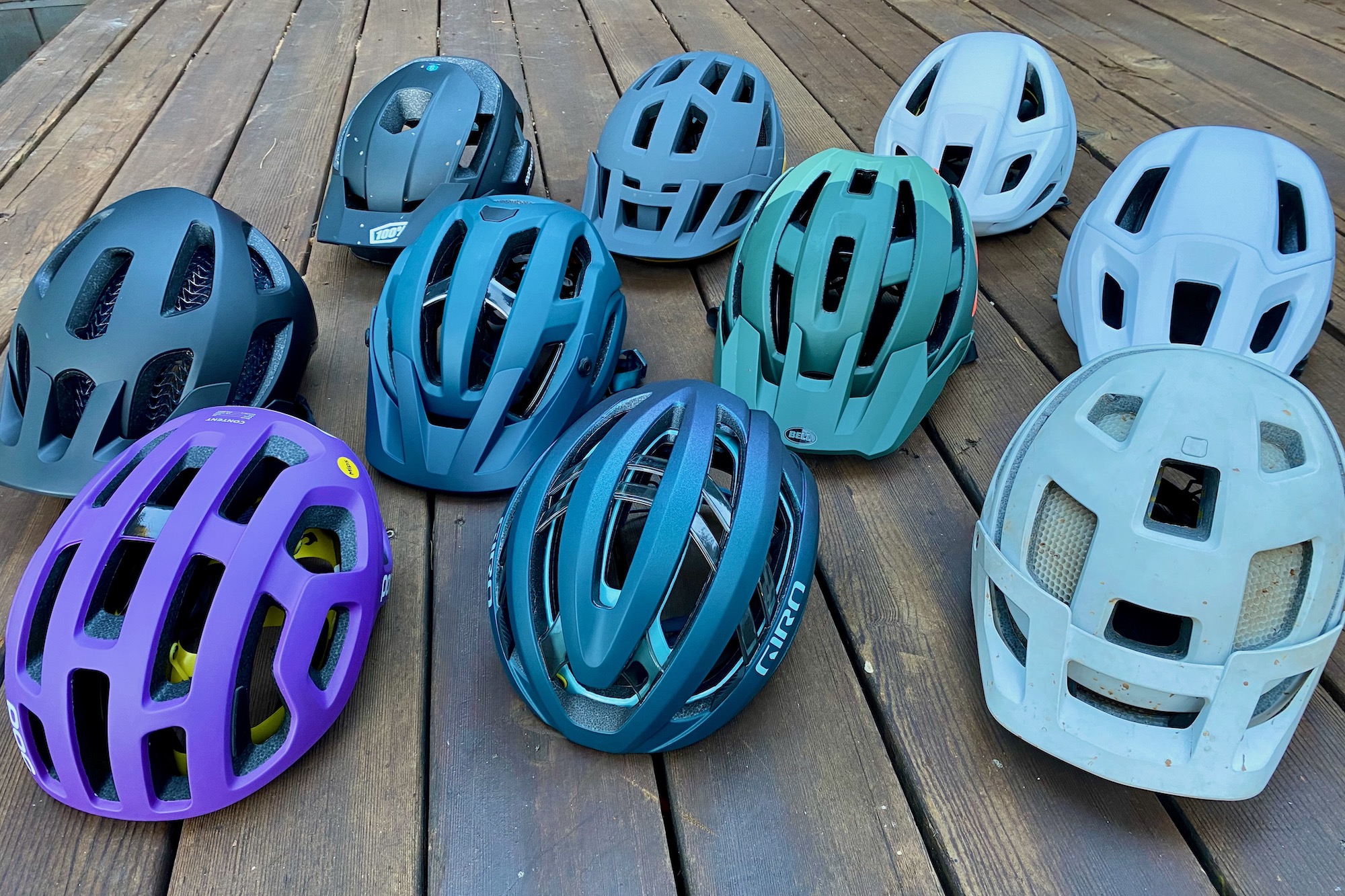


Whether you’re dusting off your bike for weekend spins or logging serious miles, one piece of gear always tops the list: a bike helmet. It’s your first line of defense when things go sideways. And these days, bike helmets are also smarter, lighter, safer, and more comfortable than ever.
The best bike helmets — whether for road, gravel, or singletrack — do far more than protect your head. They channel airflow like wind tunnels and mix cutting-edge materials for lightweight strength. Some modern helmets blur the once-clear lines between road, gravel, and mountain categories.
If you’re looking for a top-of-the-line road biking helmet with all the bells and whistles, take a look at the POC Cytal. If you want a budget-friendly mountain biking helmet, the Specialized Camber still takes the top spot. To help you find the right lid that exists between those extremes, check out the rest of our diverse selection of the best bike helmets on the market
If you ended up here in search of mountain bike helmets or road bike helmets, our activity-specific buyer’s guides cover both categories in greater detail.
Editor’s note: This guide was transferred from our sister site, GearJunkie.com, on April 30, 2026, along with a new overall pick for best mountain bike helmet, the POC Cularis.
The Best Bike Helmets of 2026
POC Cularis
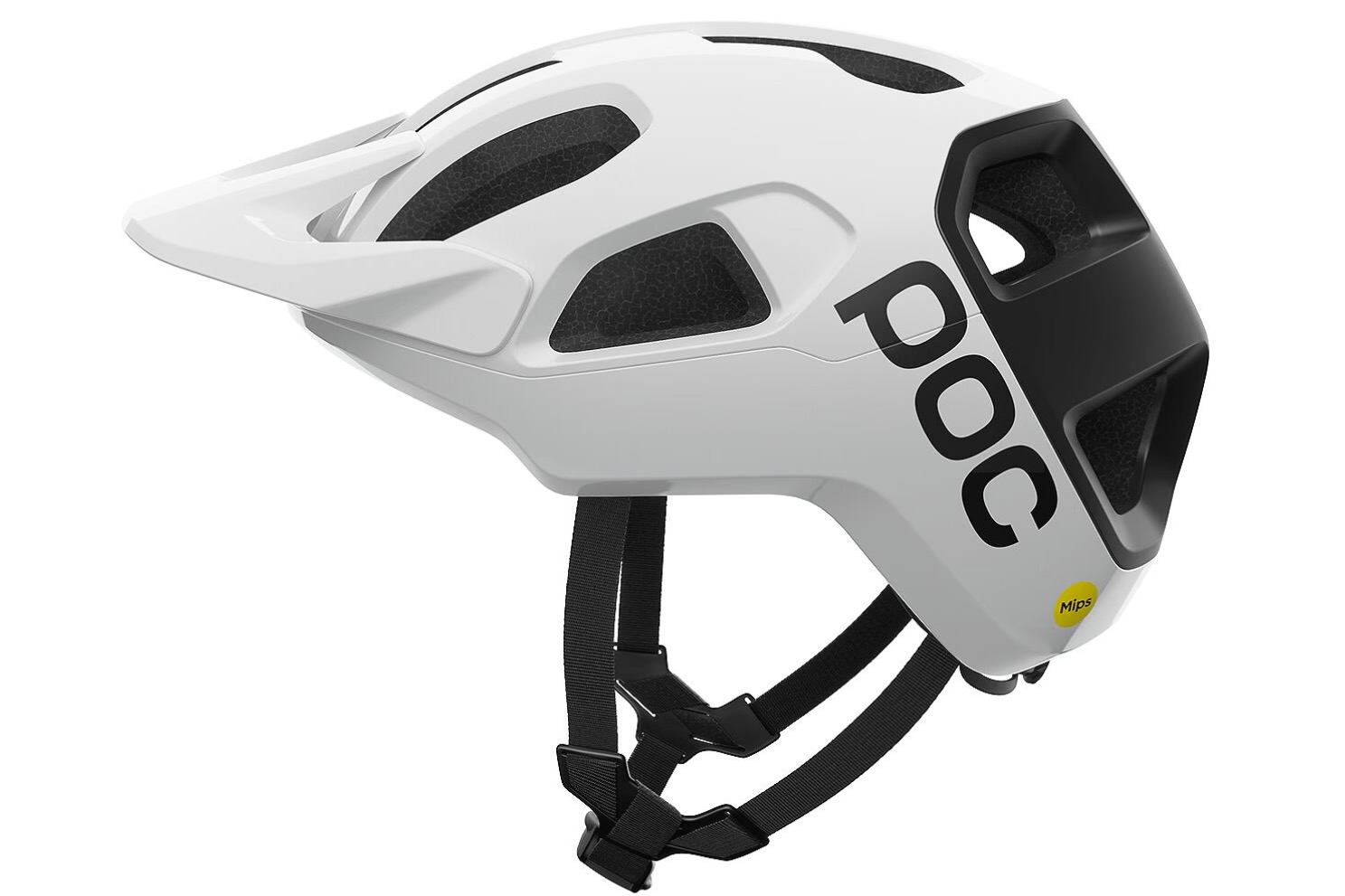
- MSRP: $260
- Weight: 440 g (Large)
- Rotational Impact Protection System: Mips Air Node
- Adjustable visor: Yes
- Number of vents: 13
- Available sizes: S, M, L
- Virginia Tech Helmet Safety Rating: 5-star
Pros
- #4 rated helmet in Virgina Tech testing
- Well-ventilated
- Features – eyewear storage, Fidlock buckle, breakaway visor
- Lightweight
- Lots of color options
Cons
- Moderately expensive
- Slightly narrower fit – may not be ideal for those with rounder heads
Specialized Camber
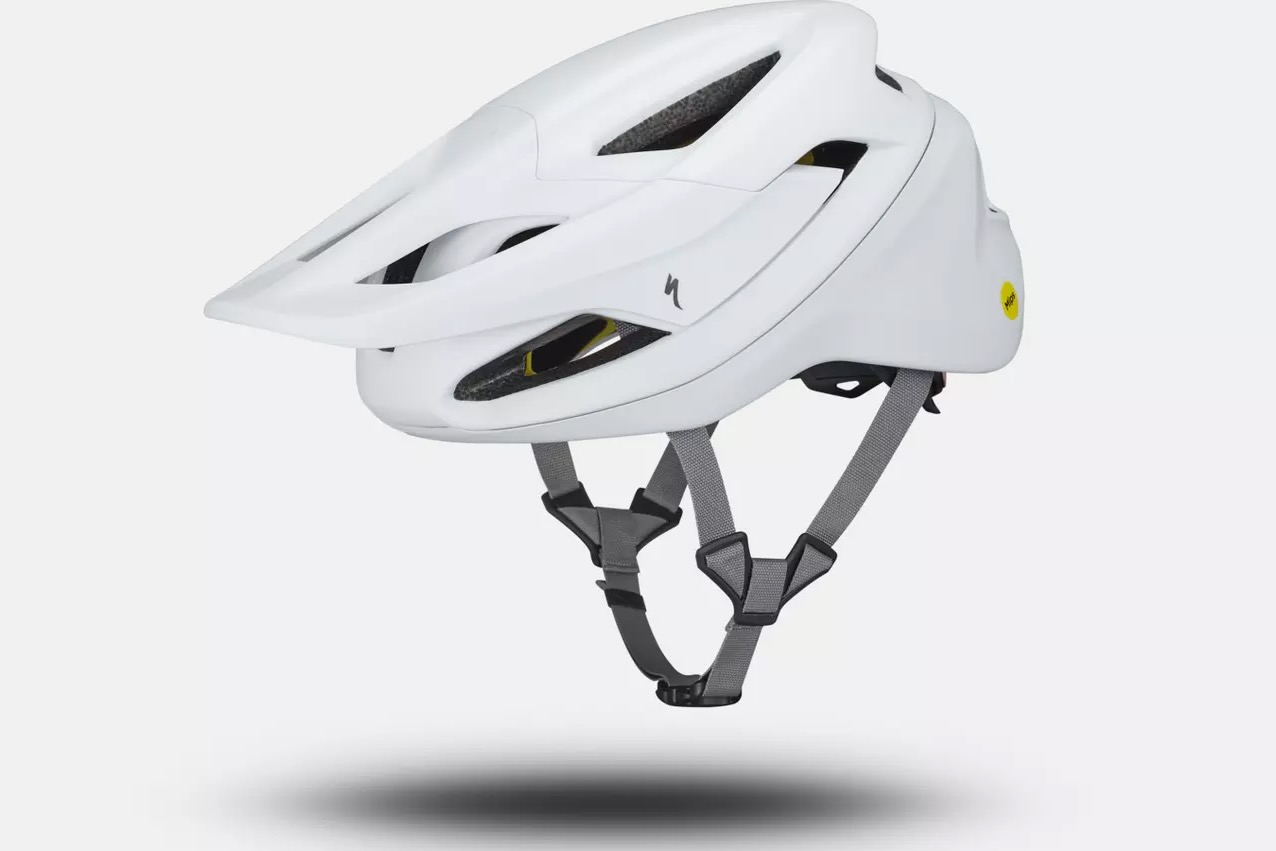
- MSRP: $75
- Weight: 400g (Large)
- Rotational Impact Protection System: MIPS
- Adjustable Visor: No
- Number of Vents: 13
- Available Sizes: XS, S, M, L, XL
- Virginia Tech Helmet Safety Rating: 4-star
Pros
- Very reasonably priced
- High-end look and feel
- Comes in 5 shell sizes
- Surprisingly comfortable
Cons
- Non-adjustable visor isn't great at blocking the sun
- Basic strap design
- Moderate ventilation
POC Cytal
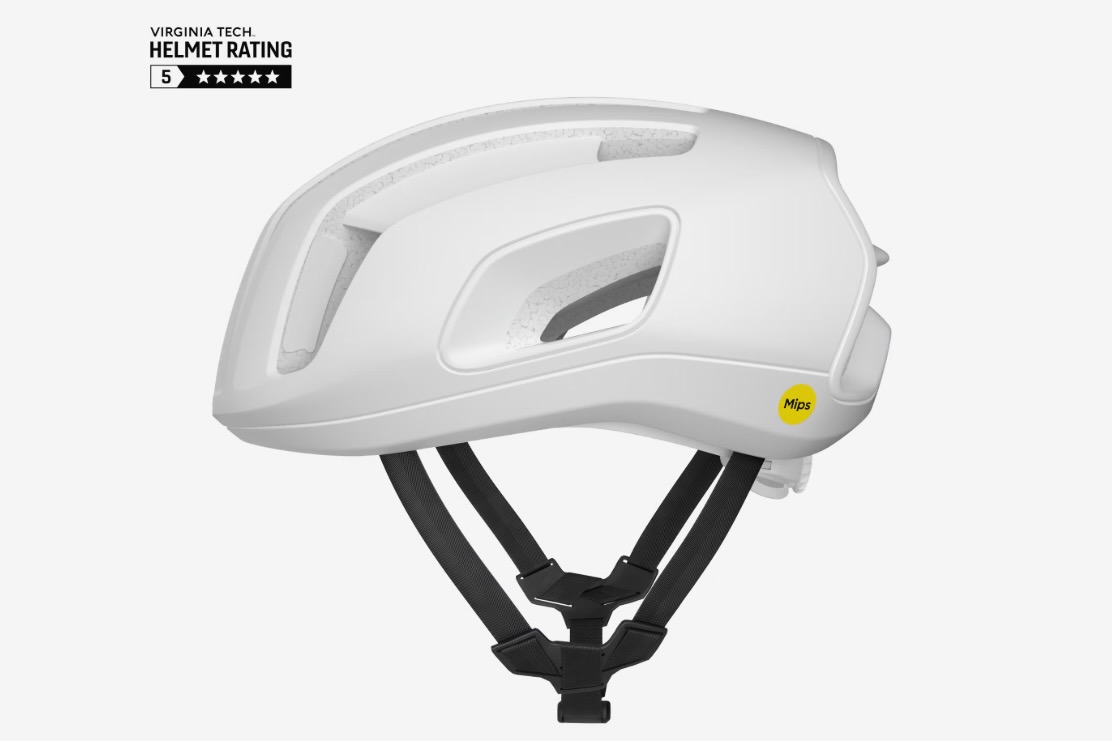
- MSRP: $360
- Weight: 271g
- Rotational Impact Protection System: MIPS Air Node
- Number of Vents: 13
- Available Sizes: S, M, L,
- Virginia Tech Helmet Safety Rating: 5-star
Pros
- Very well ventilated
- Great score and 5-star rating in Virginia Tech testing
- Comfortable
- Sunglasses storage
- Lots of color options
- Also comes in "Lite" and "Carbon" versions
Cons
- Expensive
Lazer Tonic KinetiCore
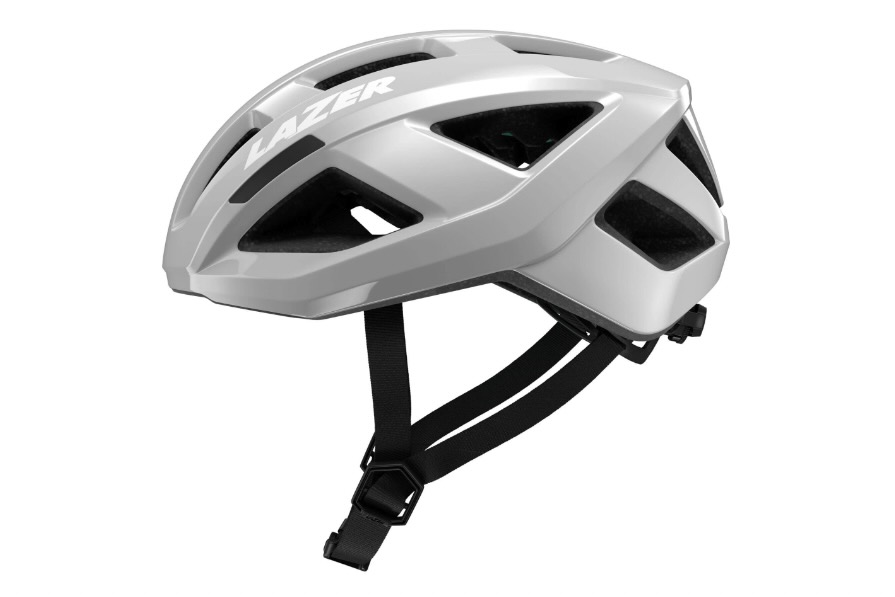
- MSRP: $80
- Weight: 240g (Medium)
- Rotational Impact Protection System: Lazer KinetiCore
- Number of Vents: 18
- Available Sizes: S, M, L,
- Virginia Tech Helmet Safety Rating: 3-star
Pros
- Lighter than many helmets costing double or triple
- Great fit
- High comfort level
Cons
- Limited ventilation
- Looks a bit dull
- 3-star Virginia Tech rating
Sweet Protection Fluxer MIPS
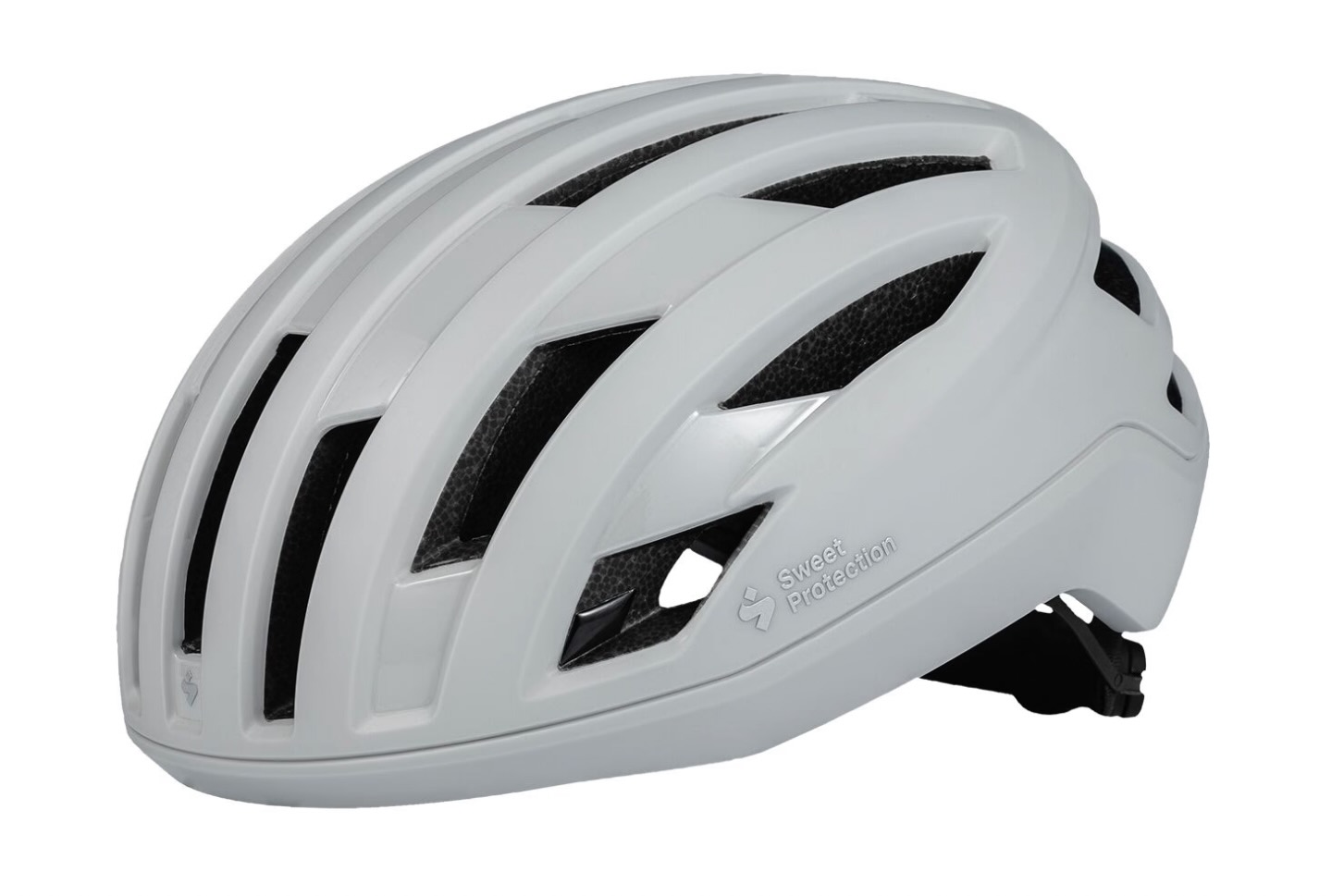
- MSRP: $200
- Weight: 305 g (size L/XL)
- Rotational Impact Protection System: MIPS Air Node
- Number of vents: 19
- Available sizes: S/M, M/L, L/XL
- Virginia Tech Helmet Safety Rating: 4-star
Pros
- Excellent ventilation
- Comfy fit
- Secure eyewear storage
- Moderate price point
Cons
- Narrower shell may not work for folks with rounder heads
- Not the most stylish
Smith Network MIPS
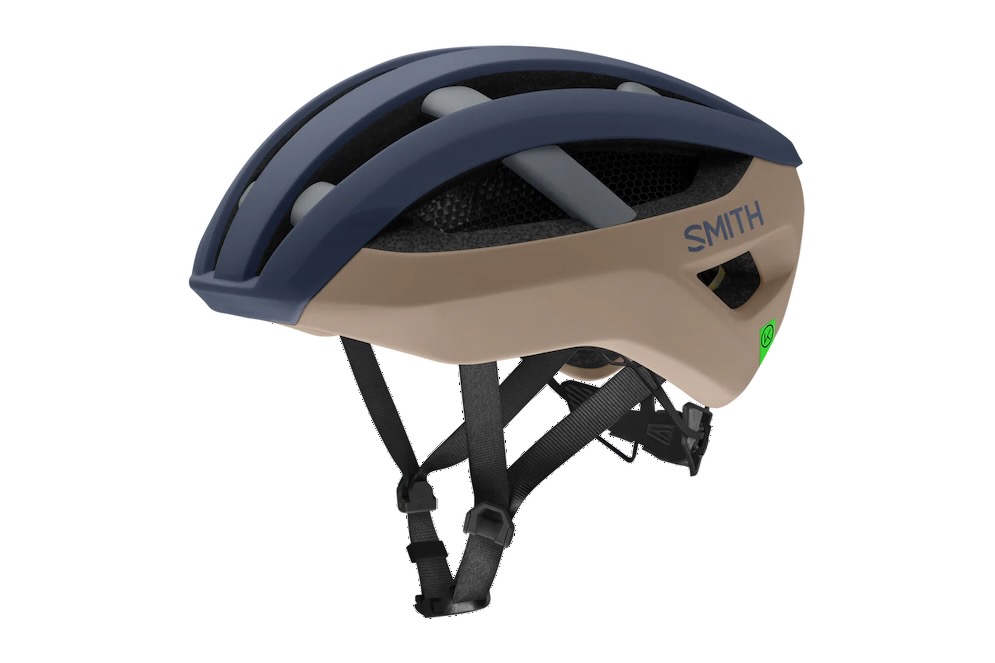
- MSRP: $195
- Intended Use: Road, gravel, MTB
- Weight: 300 g (M)
- Rotational Impact Protection System: MIPS
- Adjustable Visor: No (comes with removable fabric visor)
- Number of Vents: 19
- Available Sizes: S, M, L
- Virginia tech Helmet Safety Rating: Not tested
Pros
- Relatively lightweight
- Versatile
- Removable visor helps shield eyes from the sun
- Moderately priced
- Numerous color options
Cons
- Straps could use some refinement
- Not tested by Virginia Tech for comparison
Thousand Chapter MIPS Helmet
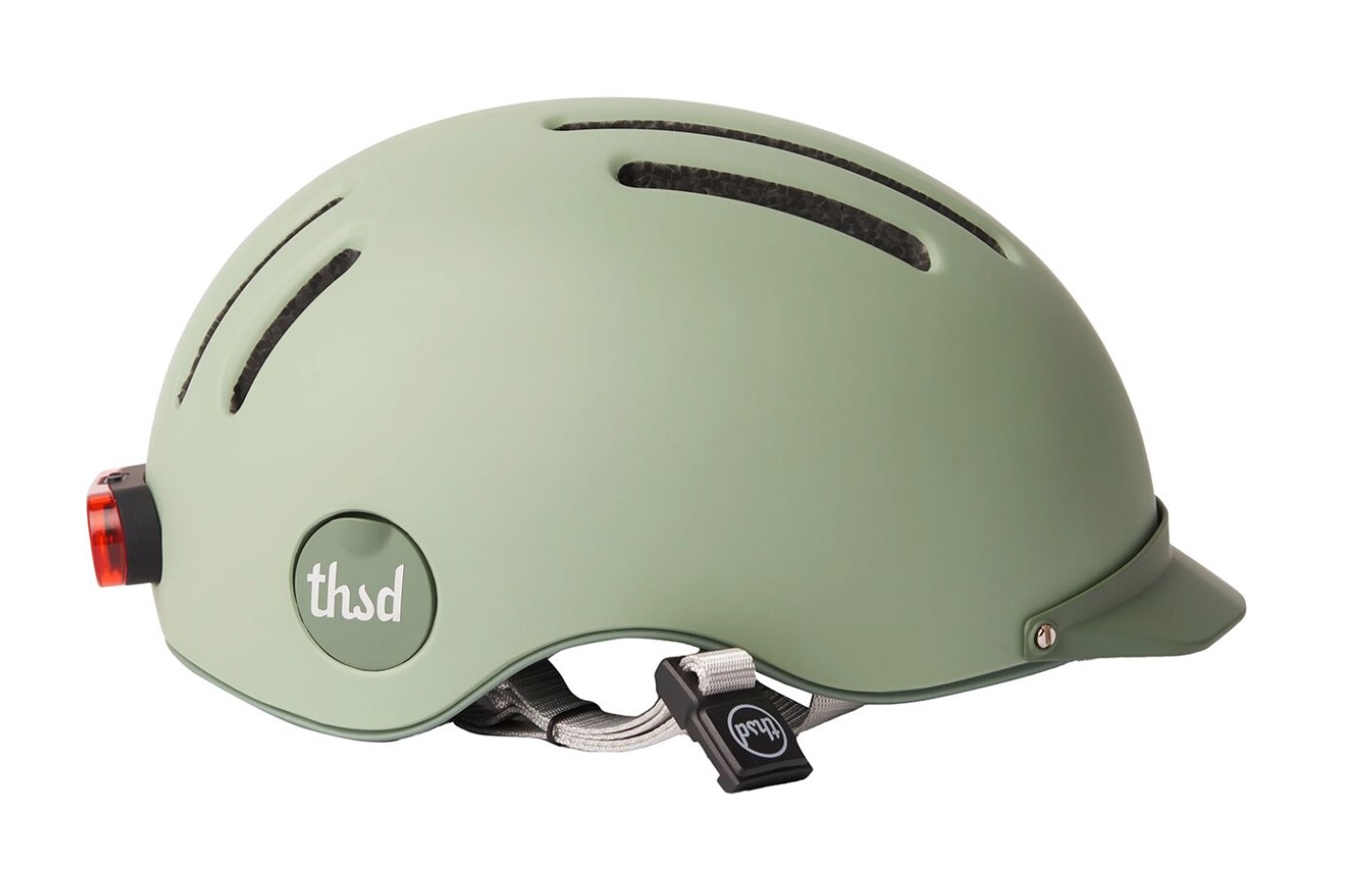
- MSRP: $150
- Intended use: Commuting, urban
- Weight: 370 g (M)
- Rotational impact protection system: MIPS
- Visor: Yes, removable
- Number of vents: 8
- Available sizes: S, M, L
- Virginia Tech Helmet Safety Rating: 4-star
- Colors: Club Navy, Racer Black, Supermoon White, Skyline Grey, Metro White, Deep Burgundy, Desert Sage
Pros
- Comes with a rechargeable magnetic light
- Multi-use adapter to attach light to bike
- Easy-to-use magnetic fastener
- MIPS protection
- PopLock to secure helmet with lock
Cons
- We’d prefer more cushioning inside the helmet
- Pricey for a non-"performance" helmet
Other Bike Helmets To Keep Our Noggins Safe
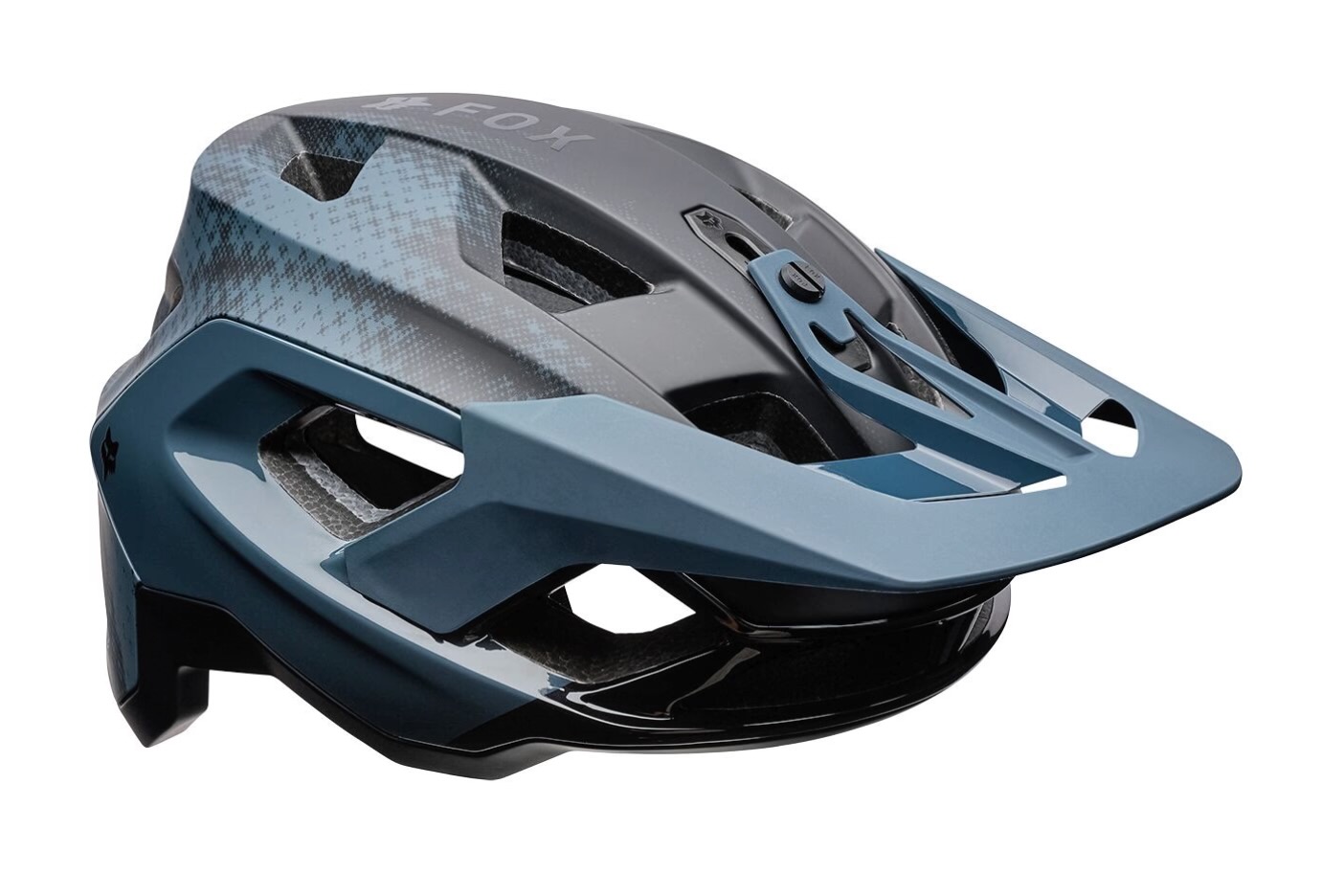
- MSRP: $220
- Weight: 394 g (Large)
- Rotational Impact Protection System: Mips Air Node
- Adjustable visor: Yes
- Number of vents: 17
- Available sizes: S, M, L
- Virginia Tech Helmet Safety Rating: 5-star
Pros
- Amazing score in Virginia Tech impact testing
- Slick looks
- Good ventilation
- Comfortable
- Feature-packed
Cons
- Visor takes 2 hands to adjust
- Sunglass storage could be improved
- Not the deepest fit
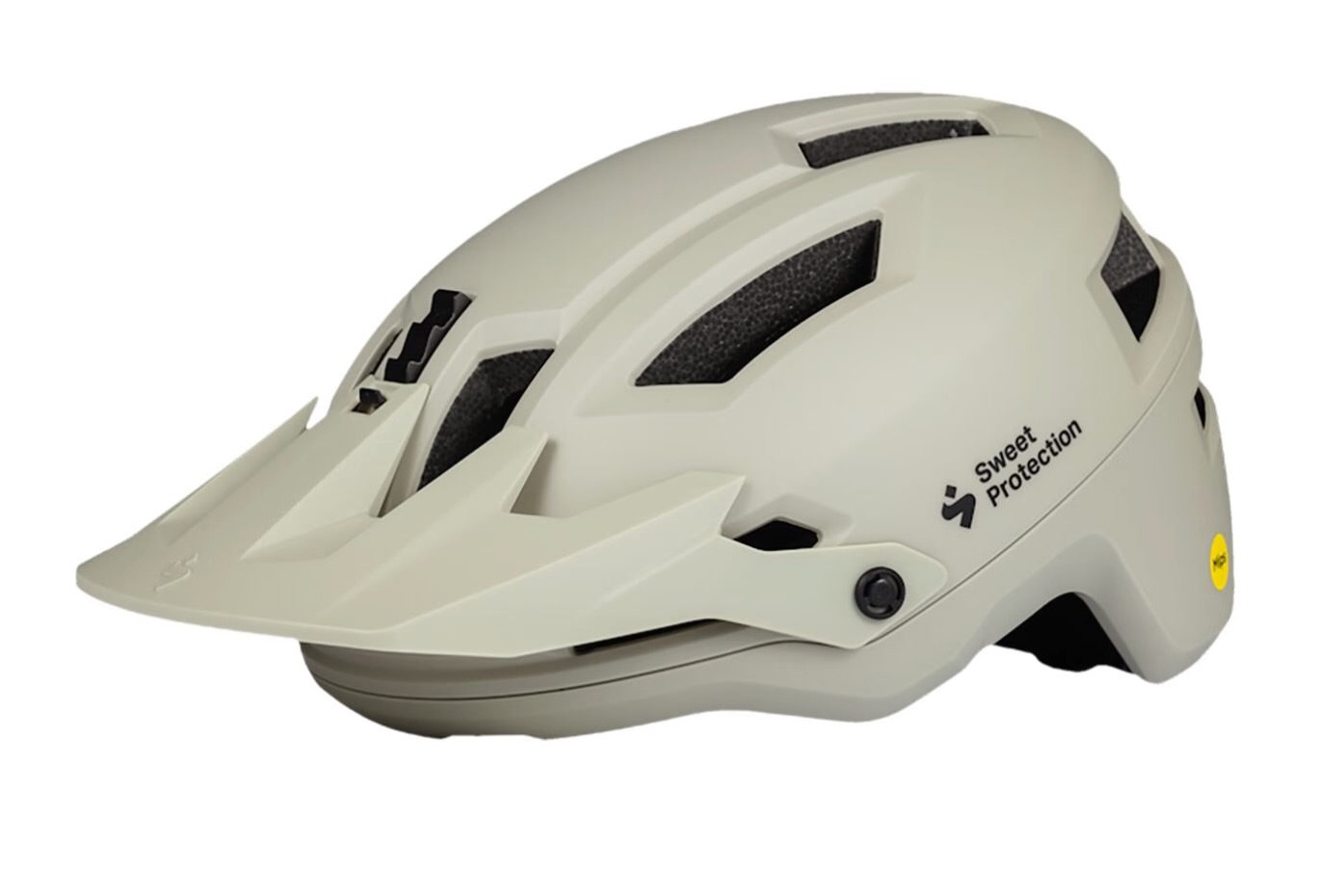
- MSRP: $150
- Weight: 384 g (size M/L)
- Rotational Impact Protection System: MIPS Evolve
- Adjustable Visor: Yes
- Number of Vents: 13
- Available sizes: S/M, M/L, L/XL
- Virginia Tech Helmet Safety Rating: 4-star
Pros
- Comfortable fit
- Lighter than Bushwhacker
- Good ventilation
- Looks pretty good
- Fair price
- Breakaway visor
Cons
- Visor could use one lower position
- No dedicated sunglass storage
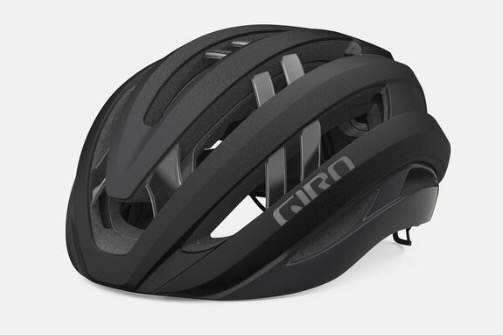
- MSRP: $350
- Weight: 271g (Medium)
- Rotational Impact Protection System: MIPS Spherical
- Number of Vents: 24
- Available Sizes: S, M, L
- Virginia Tech Helmet Safety Rating: 5-star
Pros
- Supremely comfortable
- Great ventilation
- Light
- Excellent coverage
- Easy eyewear storage
Cons
- Expensive
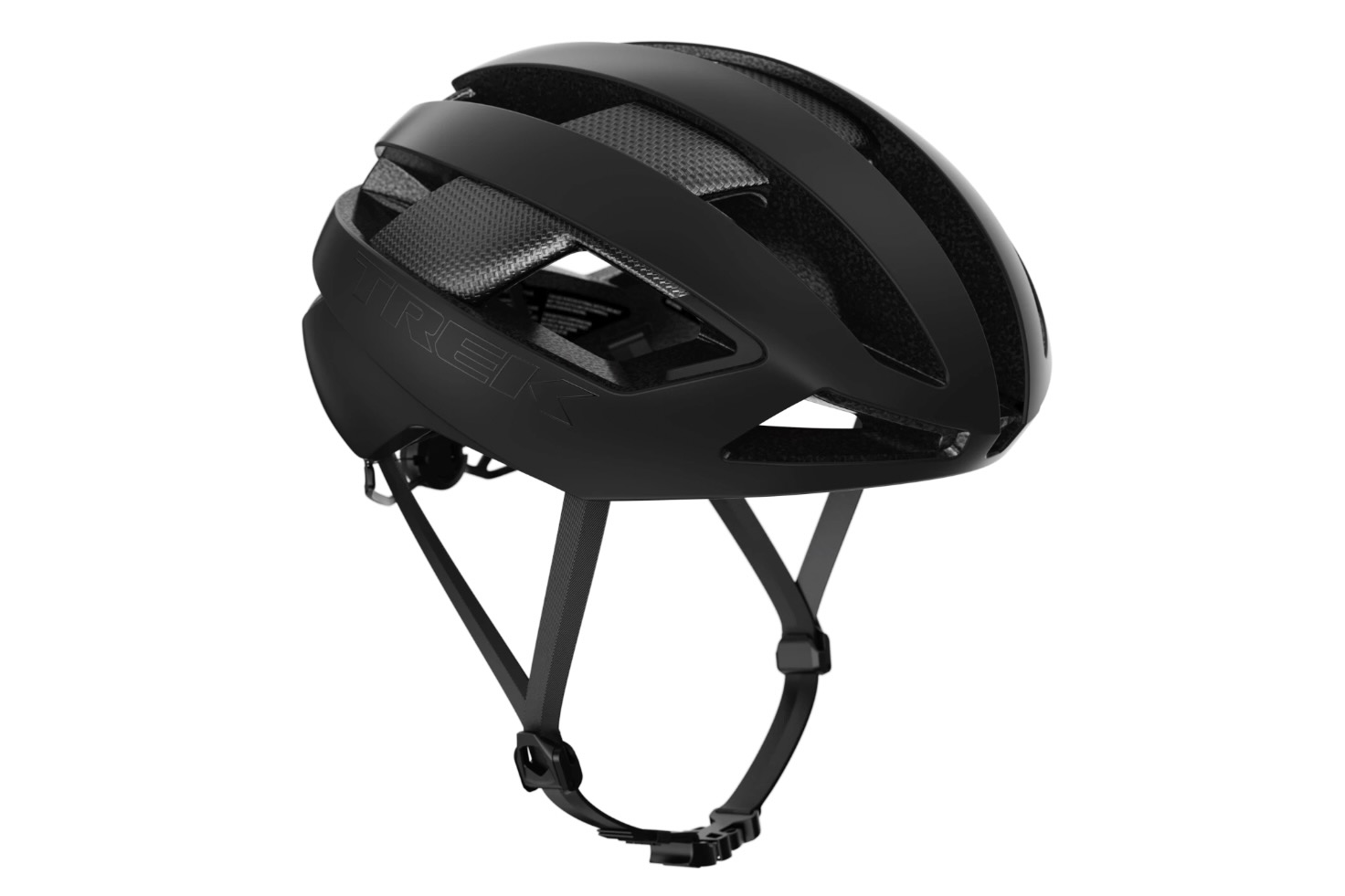
- MSRP: $330
- Weight: 240g (Medium)
- Rotational Impact Protection System: MIPS Air
- Number of Vents: 16
- Available Sizes: S, M, L
- Virginia Tech Helmet Safety Rating: 5-star
Pros
- Prodigious ventilation
- Uber compact profile
- Liberal use of carbon fiber for crazy low weight
- Unconditional comfort guarantee
- Easy eyewear storage
Cons
- Expensive
- Not a great application of BOA
Bike Helmets Comparison Chart
| Bike Helmets | Price | Weight | Rotational Impact Protection System | # of Vents | Sizes | Virginia Tech Rating |
|---|---|---|---|---|---|---|
| POC Cularis | $260 | 440 grams (L) | MIPS Air Node | 13 | S, M, L | 5-star |
| Specialized Camber MIPS | $75 | 400 grams (L) | MIPS | 13 | XS, S, M, L, XL | 4-star |
| POC Cytal | $360 | 271 grams (M) | MIPS Spherical | 24 | S, M, L | 5-star |
| Lazer Tonic KinetiCore | $80 | 240 grams (M) | KinetiCore | 18 | S, M, L | 3-star |
| Sweet Protection Fluxer MIPS | $200 | 305 grams (L/XL) | MIPS Air Node | 19 | S/M, M/L, L/XL | 4-star |
| Smith Network MIPS | $195 | 300 grams (M) | MIPS | 15 | S, M, L | Not tested |
| Thousand Chapter MIPS | $149 | 360 grams (M) | MIPS | 8 | S, M, L | 4-star |
| Sweet Protection Primer MIPS | $150 | 384 grams (M/L) | MIPS Evolve | 13 | S/M, M/L, L/XL | 4-star |
| Fox Speedframe Pro | $220 | 394 grams (L) | MIPS Air Node | 17 | S, M, L | 5-star |
| Giro Aries Spherical | $350 | 271 grams (M) | MIPS Spherical | 24 | S, M, L | 5-star |
| Trek Velocis MIPS | $330 | 240 grams (M) | MIPS Air | 16 | S, M, L | 5-star |
How We Tested Bike Helmets
At BikeRumor, we’re always testing the latest and greatest products on the market, including helmets for all types of riding. Our team spends its time carefully evaluating new products so that you don’t have to, which translates to more time in the saddle for you.
This bike helmet buyer’s guide is more general in its scope and combines our favorite models from our more sport-specific best mountain bike helmet and best road bike helmet guides, with a few additions for commuting and gravel riding.
When judging bike helmets, we do our best to test them side by side, so we have a direct basis for comparison. Generally speaking, we are interested in the most important performance factors for helmets: comfort, ventilation, weight, protection, and useful features. We also appreciate a good value, so we call those out when we see them, too.
Our mountain bike helmet tester, Jeremy Benson, has been professionally testing and reviewing bikes and related accessories for the past 8 years. Benson is an avid mountain and gravel rider and racer who spends an inordinate amount of time in the saddle training, riding for fun, and testing all manner of new gear for reviews. He isn’t immune to crashing (spectacularly), and he takes his safety seriously, so he’s always searching for the most comfortable and protective helmets he can find to protect his brain. He has tested over 30 mountain bike helmets, including all of the models in our guide to the best mountain bike helmets.
Our road bike helmet buyer’s guide author, Bennett Shane, has been cycling seriously for over two decades. While his racing days are behind him, he’s shifted his focus to achieving other goals on the bike, riding for fitness, and testing countless road-related products for reviews. He also spent years working for various prominent brands in the cycling industry and has an uncanny depth of cycling products, technology, and material knowledge.
Buyer’s Guide: How to Choose a Bike Helmet
Riding Style: Mountain, Road, Gravel, or Commute
The terrain you ride will ultimately dictate the helmet you buy. Before you open your wallet, give some thought to where and how you plan to spend the majority of your time in the saddle. It will point you in the right direction. Below are some considerations to check out before you throw down on a new lid.
Mountain Bike Helmets
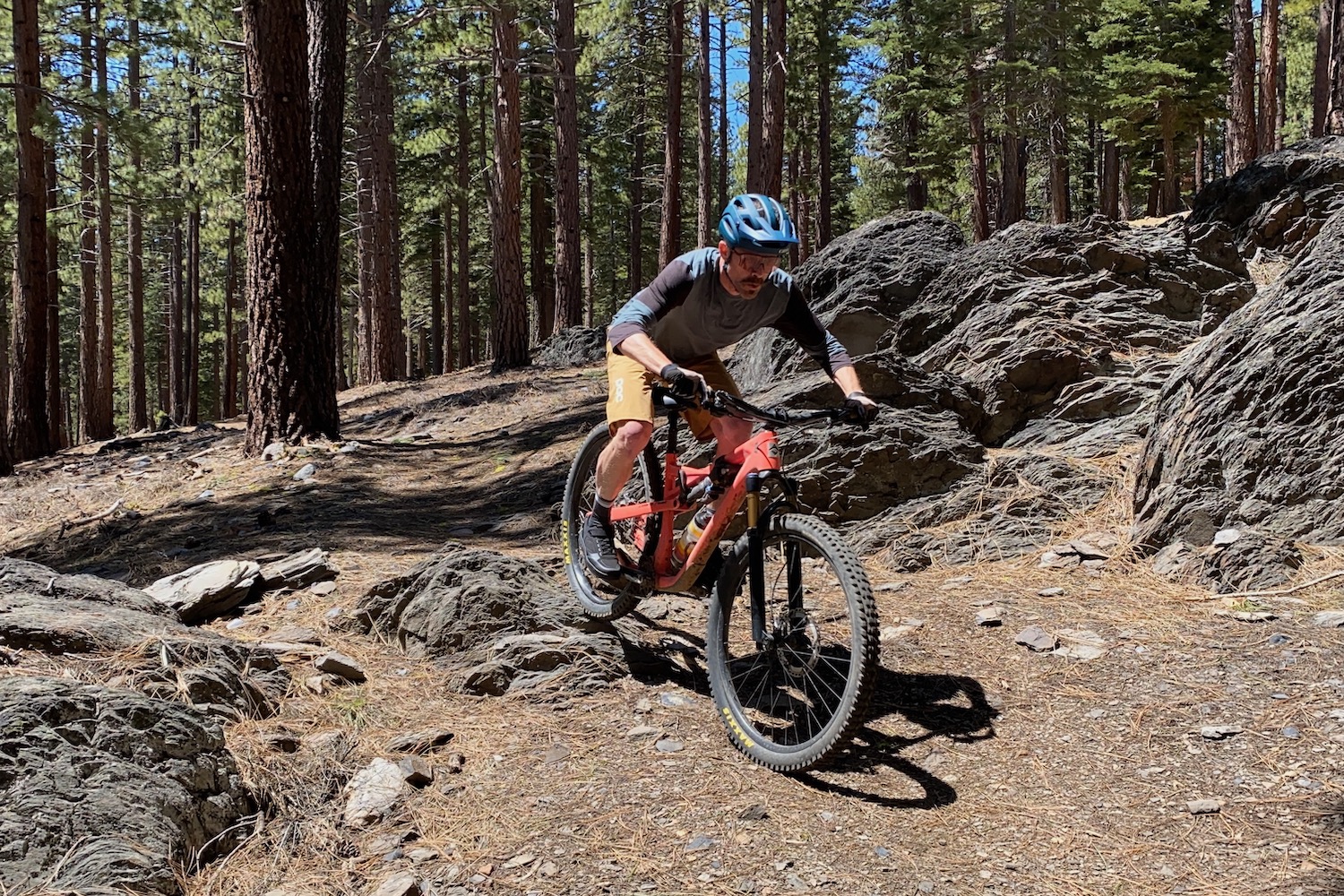
Mountain-oriented helmets have more materials that wrap the side and back of the head, creating extended coverage to protect the occipital lobe (the bony knob on the back of your head) and temples. Steep trails increase the risk of falling backward and onto the back of your head. This makes good occipital coverage like that offered by our favorite mountain bike helmet, the POC Cularis, that much more important.
Mountain bike helmets typically also come with a visor similar to the one found on the Fox Speedframe Pro, which provides shade as riders move in and out of the direct sun. A visor also brings a little extra protection from brushy limbs that tend to stretch out over unmaintained roads and trails.
Our favorite visors are also adjustable, so you can optimize their position to keep the sun out of your eyes. To learn more about helmets for tackling your favorite trails, check out our guide to the best mountain bike helmets.
Road Bike Helmets
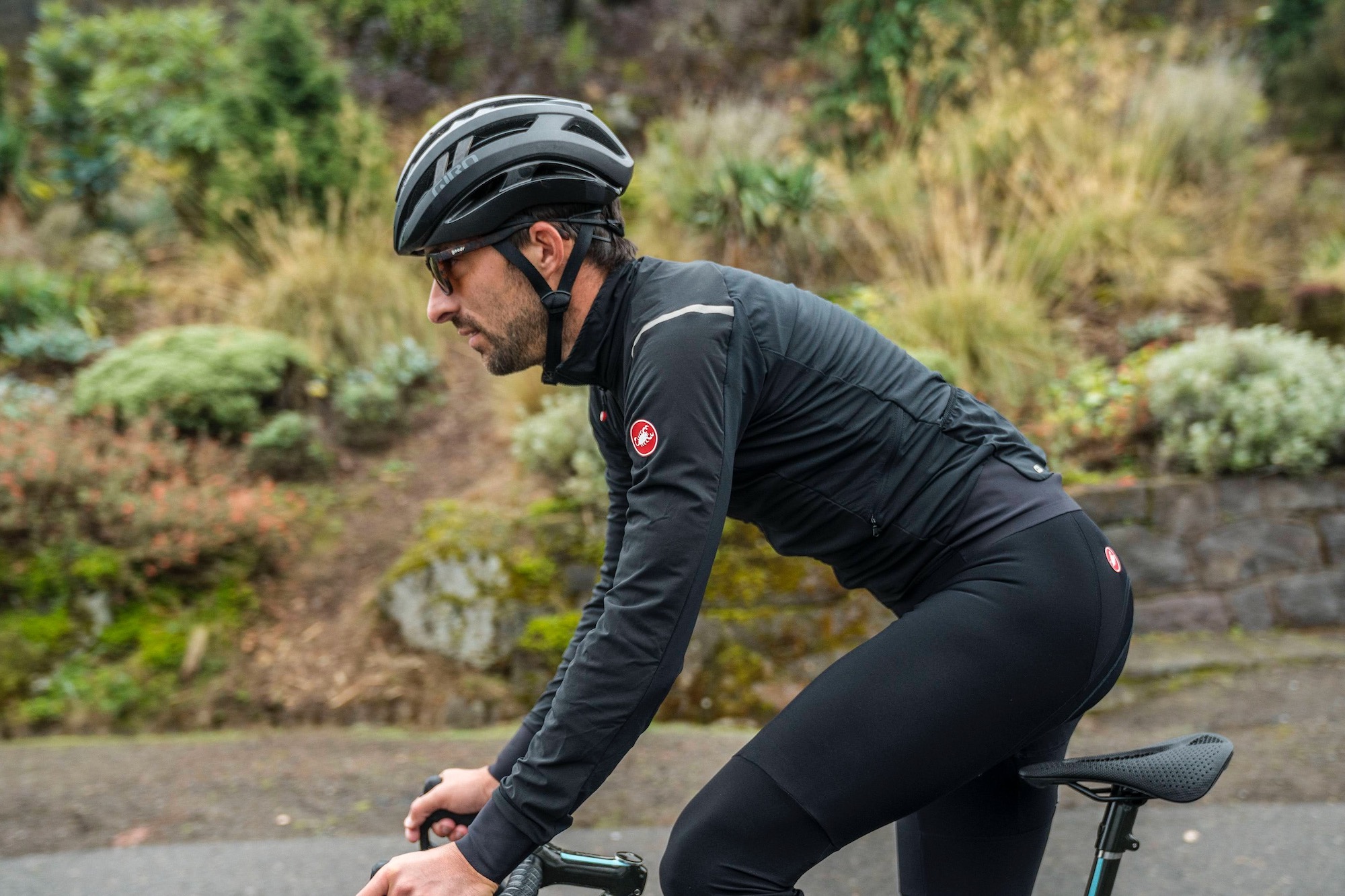
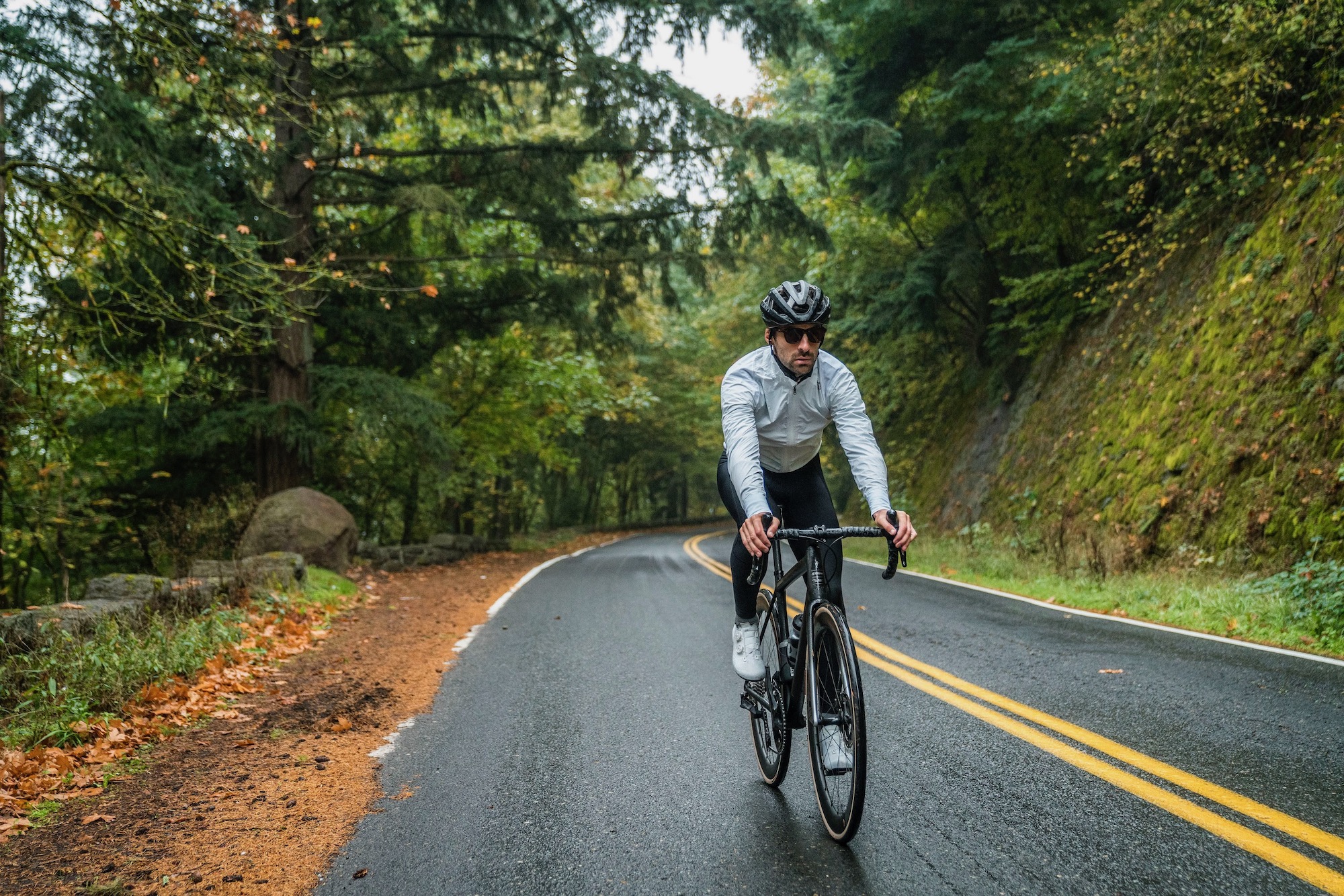
In general, helmets designed for road cycling tend to be a bit more streamlined and provide a bit less coverage than their chunkier mountain bike counterparts. With more of a focus on aerodynamics and ventilation, road bike helmets are often much lighter and racier looking, too. Still, the goal is protection, and modern road helmets feature innovative designs and technologies to keep riders safe out on the road.
Helmets like the Giro Aries Spherical or the POC Cytal do an excellent job of combining good coverage, excellent ventilation, and the newest safety technologies to provide a great helmet for road cyclists looking to maximize safety, style, and comfort. Other road helmets may prioritize aerodynamics more, and there is a growing number of aero options available for those seeking marginal gains. Some, like the Smith Network MIPS, are road bike helmets with more coverage, allowing them to act as “crossover” helmets with the gravel biking world. If you’re in the market for a road bike helmet, we cover lots of options in our guide to the best road bike helmets.

Gravel Bike Helmets
Gravel riding is essentially road biking on gravel roads. As such, the protection demands are similar, but with the addition of sometimes less predictable loose or rocky surfaces. Realistically, most road and mountain bike helmets can easily pull double duty for gravel riding. While there certainly are many gravel-specific helmets on the market these days, most serious gravel riders are typically seen wearing high-end road helmets that are lightweight, well-ventilated, and protective.
Ultimately, gravel riders should consider the terrain they ride most often, and factor their favorite backroads, routes, and trails into choosing a helmet that will best suit their needs. Check out our FAQ for more on gravel-specific helmets.
Commuter Bike Helmets
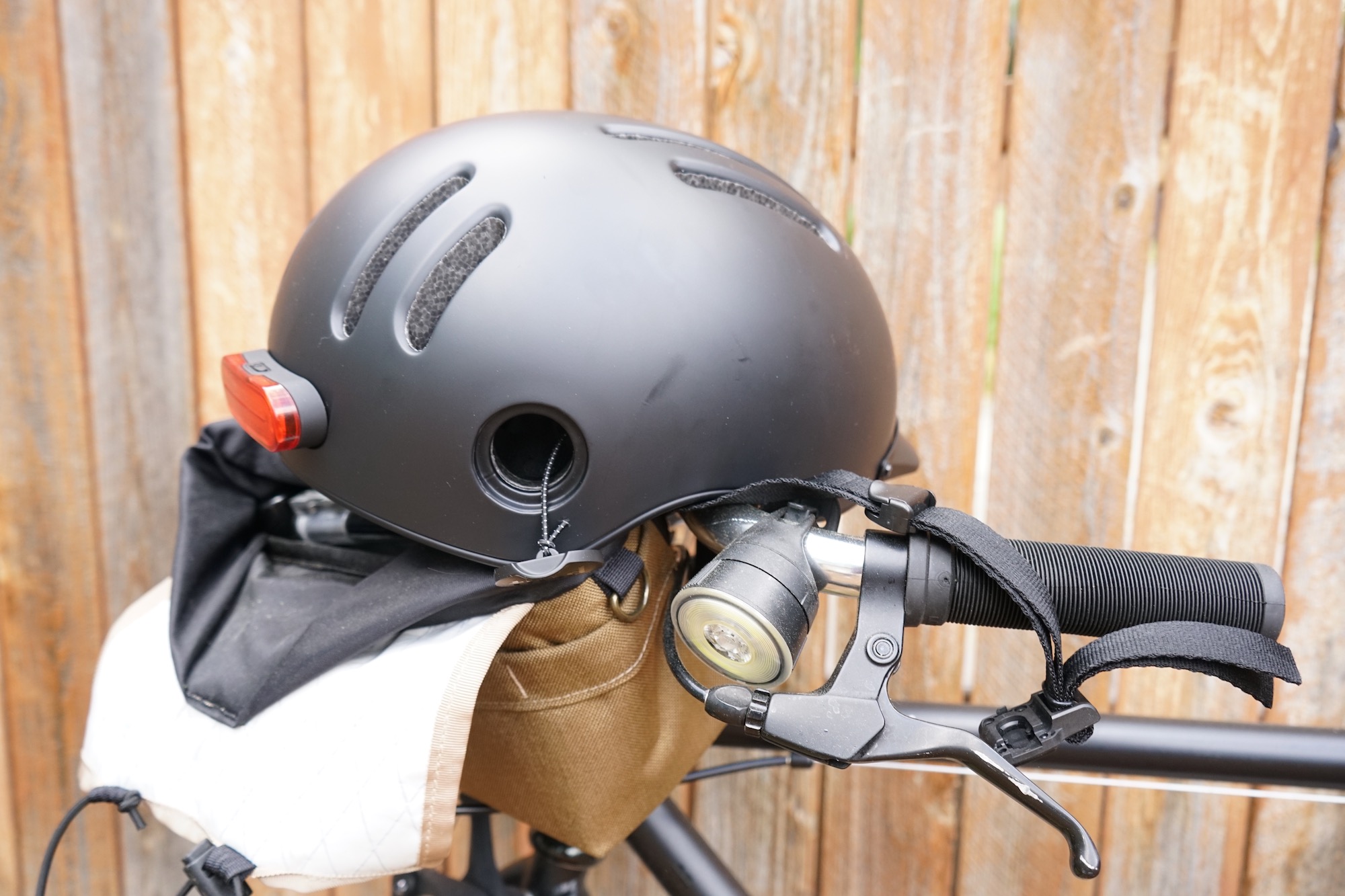
Commuter helmets occupy a bit of a middle ground in the helmet world. Even if your commute is short and mellow, a good helmet is an excellent and necessary investment. While weight may not be the top priority, coverage, visibility, and comfort certainly are. You might not be shredding the gnar on your way to work (or maybe you are), but cars and pedestrians are omnipresent hazards that warrant a good helmet regardless of your riding style.
While you can wear any helmet you like while commuting by bike, many riders prefer not to look like they’re heading out on a serious road or mountain bike ride when they’re pedaling to the office or running errands around town. For this reason, many commuter helmets have more casual styling that fits in better with casual or work clothes. Additionally, many commuter helmets also have features for enhanced visibility, such as the light on the Thousand Chapter MIPS.
Fit
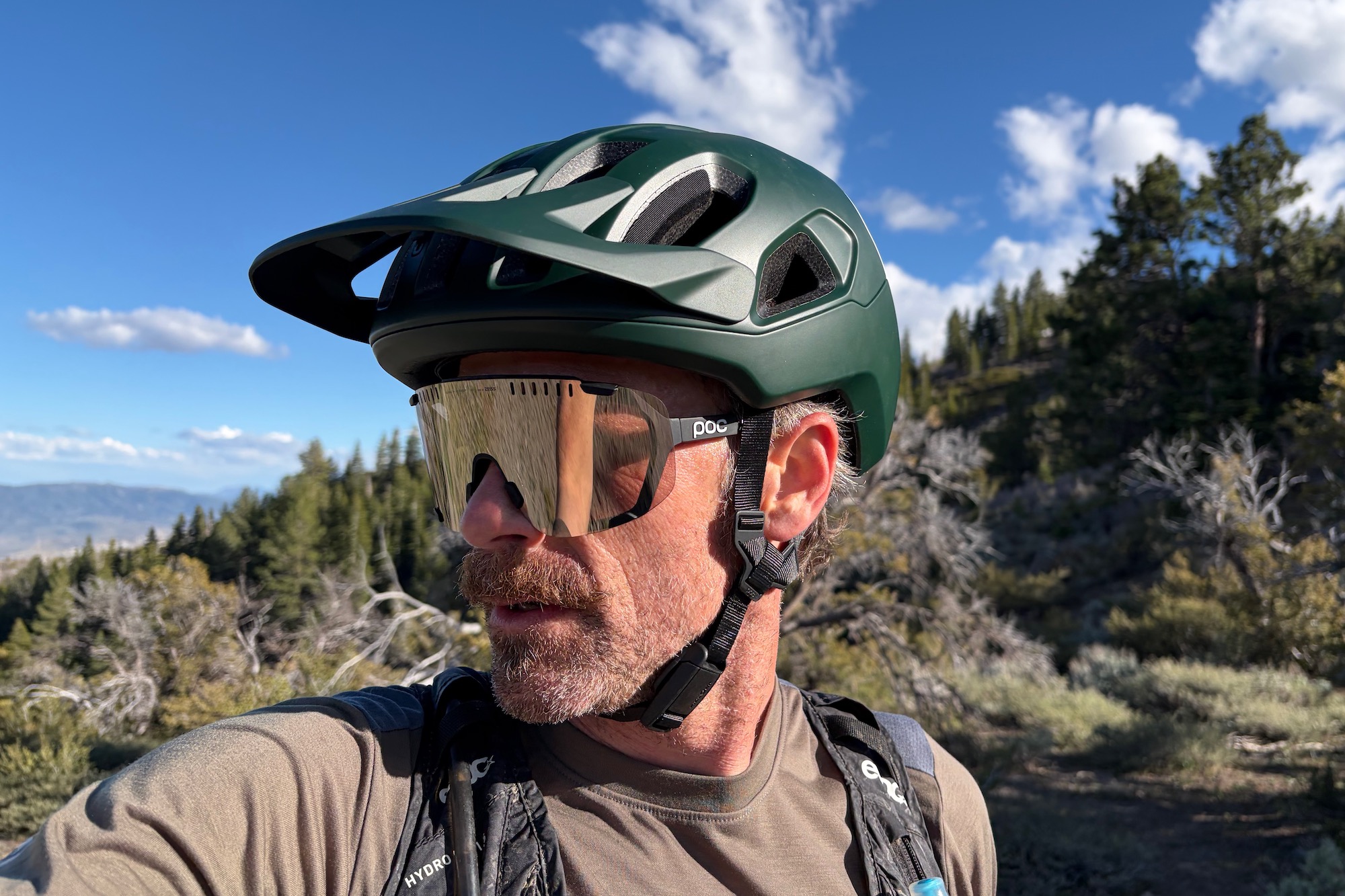
The best helmet is the one you don’t notice. Because you’ll be wearing it every mile in the saddle, you need a helmet that fits your head properly and is comfortable, too. Compromising on fit can be dangerous, increasing your exposure to injury in an accident or fall.
A helmet should fit snugly, but not too tightly, and never cause pressure points or hot spots. A good-fitting helmet should be snug around the head even before clipping the straps.
Look for a helmet that sits level on your head without tilting forward or backward and that cradles the shape of your skull all around without any gaps. The straps should feel snug but not strained while you ride. It shouldn’t move more than an inch in any direction. If you can pull, twist, or slip it off, try a different size or another helmet.
Most helmets have a range of measurements — small, medium, large — that have some wiggle room for folks who are between sizes. Not all brands fit the same. If you already have a helmet that fits, that’s a good place to start. Check the size and go from there.
Once you decide on the style, it’s time to try a few on. And this is where your local bike shop is a huge asset. You’ll want to actually try on several helmets to get a feel for what works and what doesn’t, and supporting your local bike shop is always a good thing.
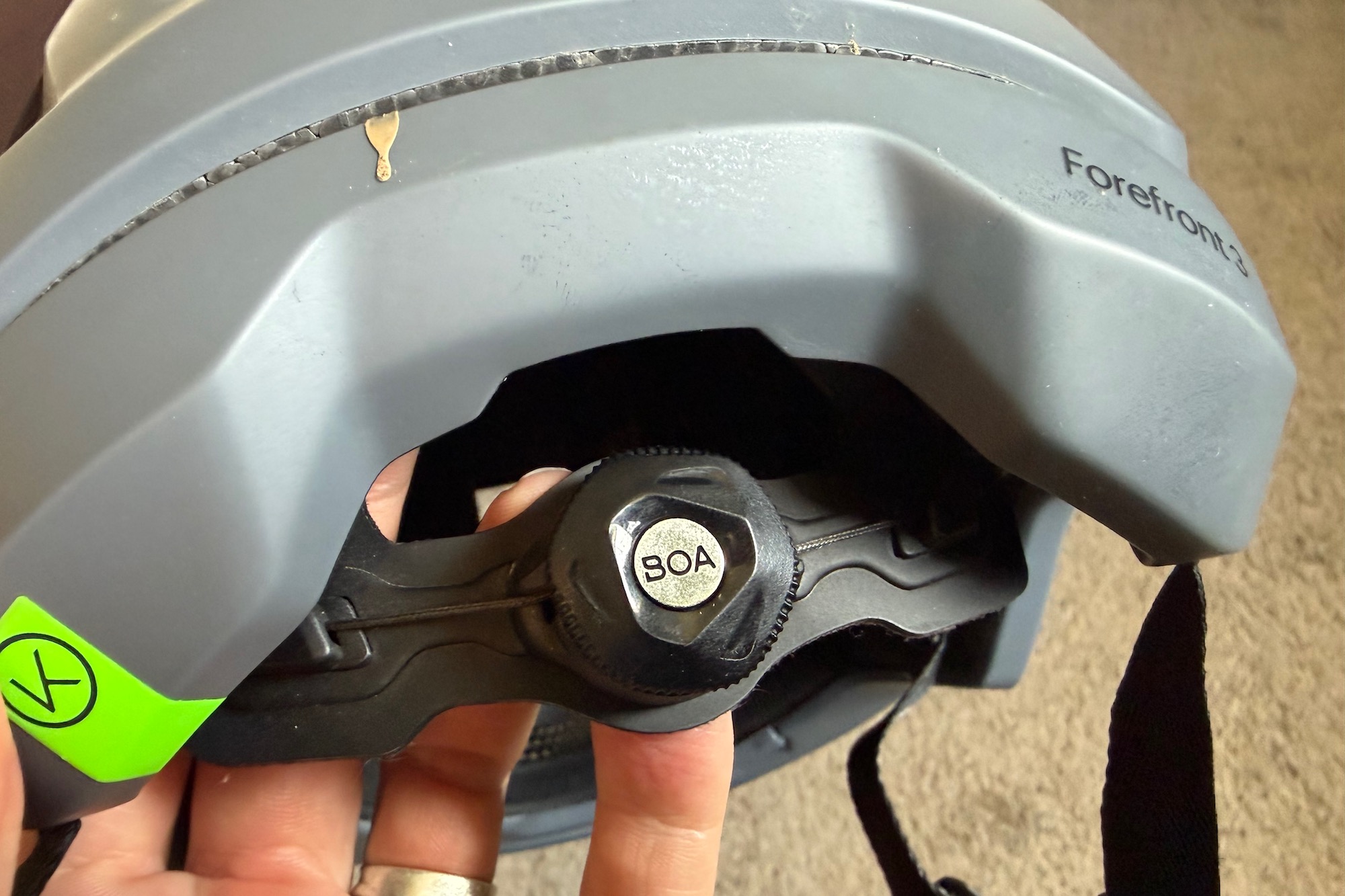
If you do decide to buy a helmet online, start by measuring your head. Take a tailor’s tape measure and wrap it around the dome of your head — the widest circumference of the skull, just above the brow. Then, take that measurement and reference the helmet’s size chart to find the size that will fit.
Microadjustment features, like a dial-fit system and chinstraps, tighten behind the head and under the chin to fine-tune the fit, minimizing movement. In recent years, this feature has become almost ubiquitous, and all of our top picks feature this technology, usually in a proprietary design.
Ventilation
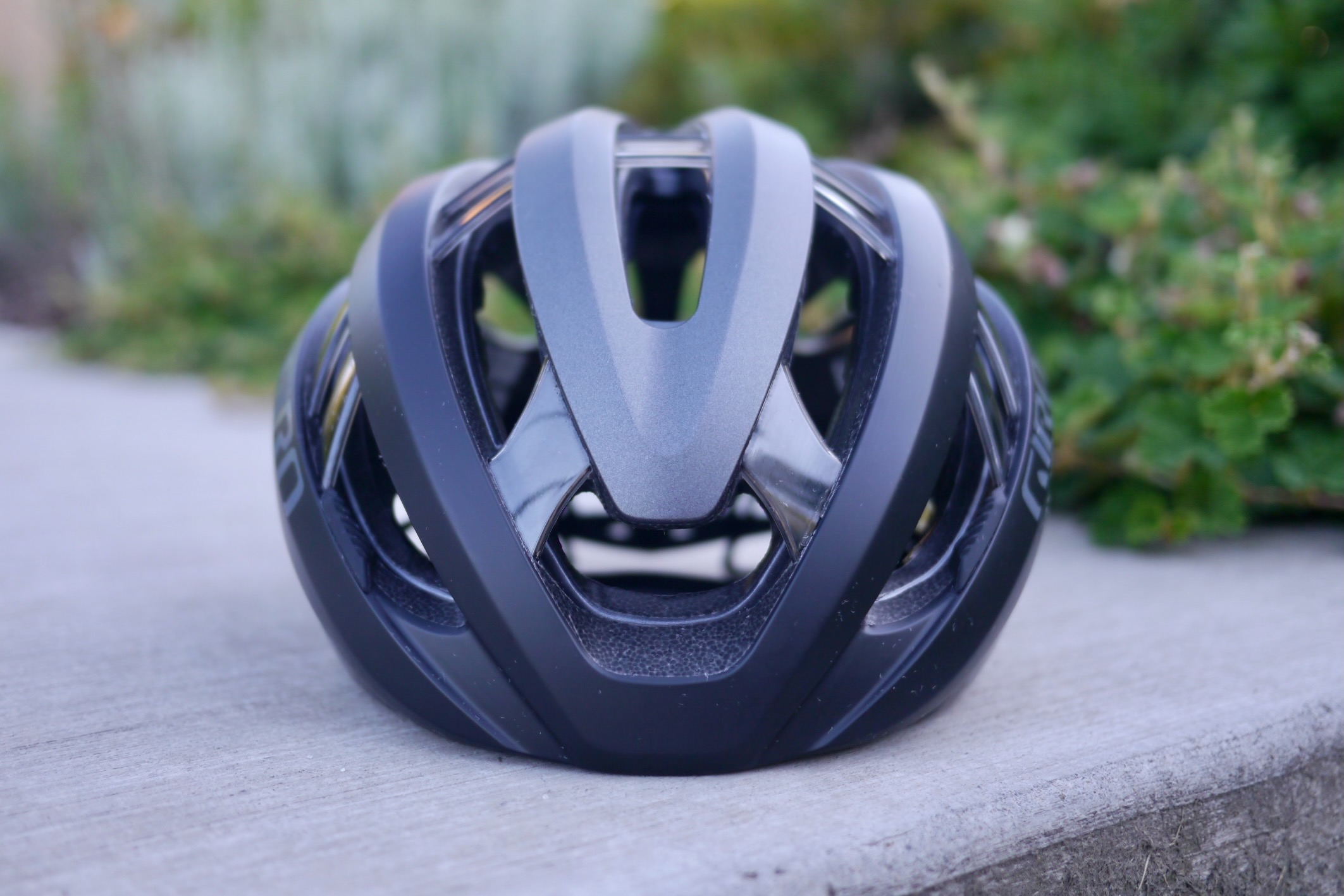
Because cycling is a highly aerobic sport, good ventilation is a necessary component of any helmet to help manage heat. Helmets with ventilation holes allow fresh air to pour over the head, cooling you as you exert more energy. How important ventilation is to you will likely depend on your environment, the intensity at which you ride, and your tolerance for heat and humidity.
Well-designed ventilation, like that of the Giro Aries Spherical, the POC Cytal, or the Trek Velocis MIPS, is a godsend in hot and humid environments. That said, riders should be mindful of eschewing good coverage for good ventilation if they are riding aggressively. Fortunately, you don’t really need to these days, as most modern helmets successfully provide good ventilation and a high level of protection.
Rotational Impact Protection
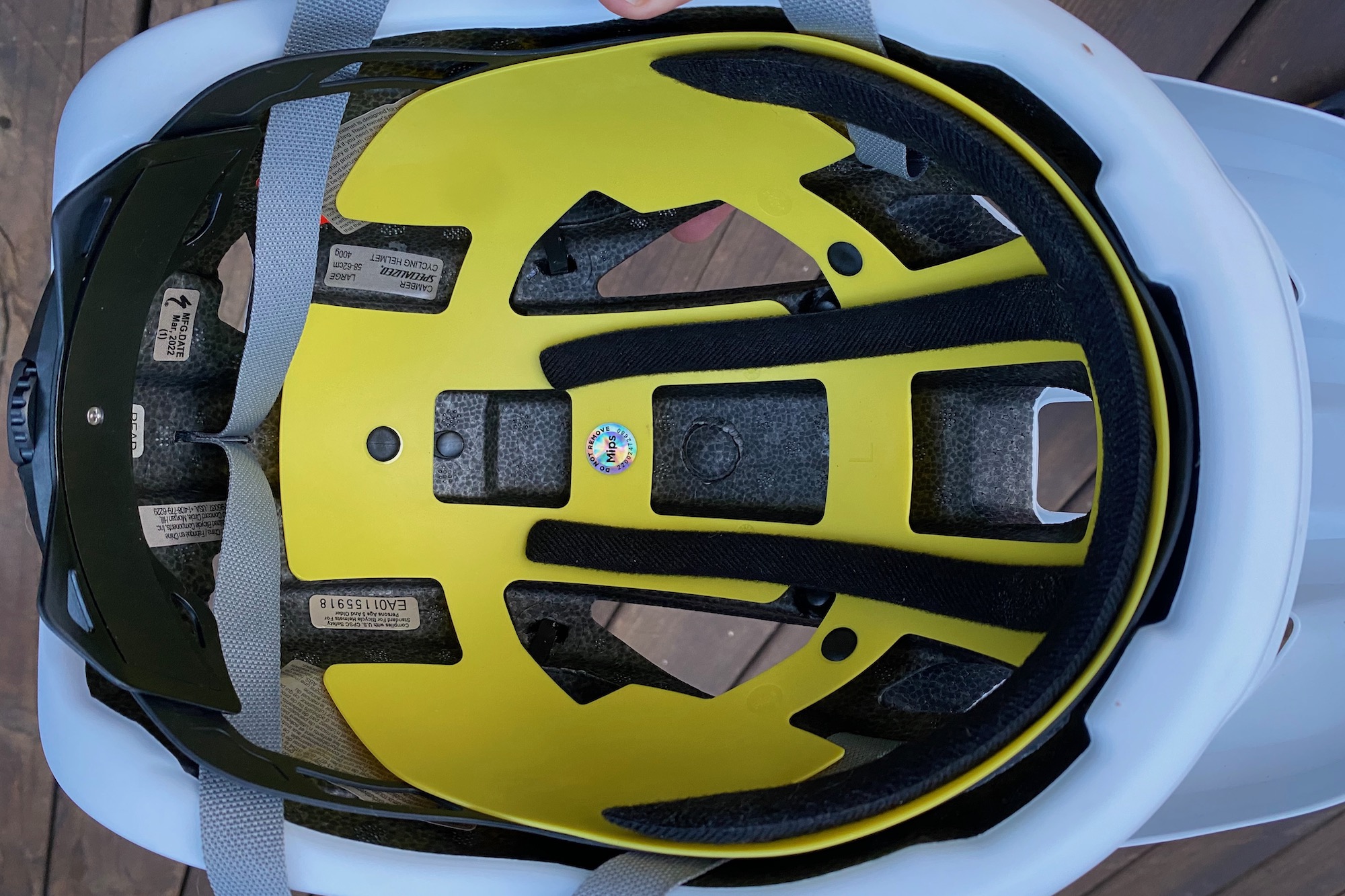
Innovations in crash protection, like MIPS (multidirectional impact protection system), have been shown to reduce rotational forces on the brain in a crash. Helmets with this kind of protection may cost a little more, but it’s our brains we’re talking about here, so we feel it is worth the extra cost.
In a crash, a bicyclist can experience an angled impact, which causes rotational motion. When you hit the ground, the brain will continue to travel through space until it hits the skull. In addition to the impact force, the shear force can damage brain tissue, causing trauma. While CPSC certification guidelines account for vertical free fall, they don’t address angular collision.
MIPS is a Swedish-based company that specializes in helmet safety and brain protection. It specializes in a polycarbonate plastic layer that creates a slip-plane to allow the head to shift 10-15 mm relative to the helmet, with the goal of reducing the rotational forces on the brain.
MIPS now comes in many different forms, but they are all intended to work similarly to the classic liner system. The evidence certainly shows MIPS reduces brain trauma when you hit the ground at an angle. Good marketing has awarded MIPS gold in the headspace, and you can find MIPS in most of the helmets listed in this guide.
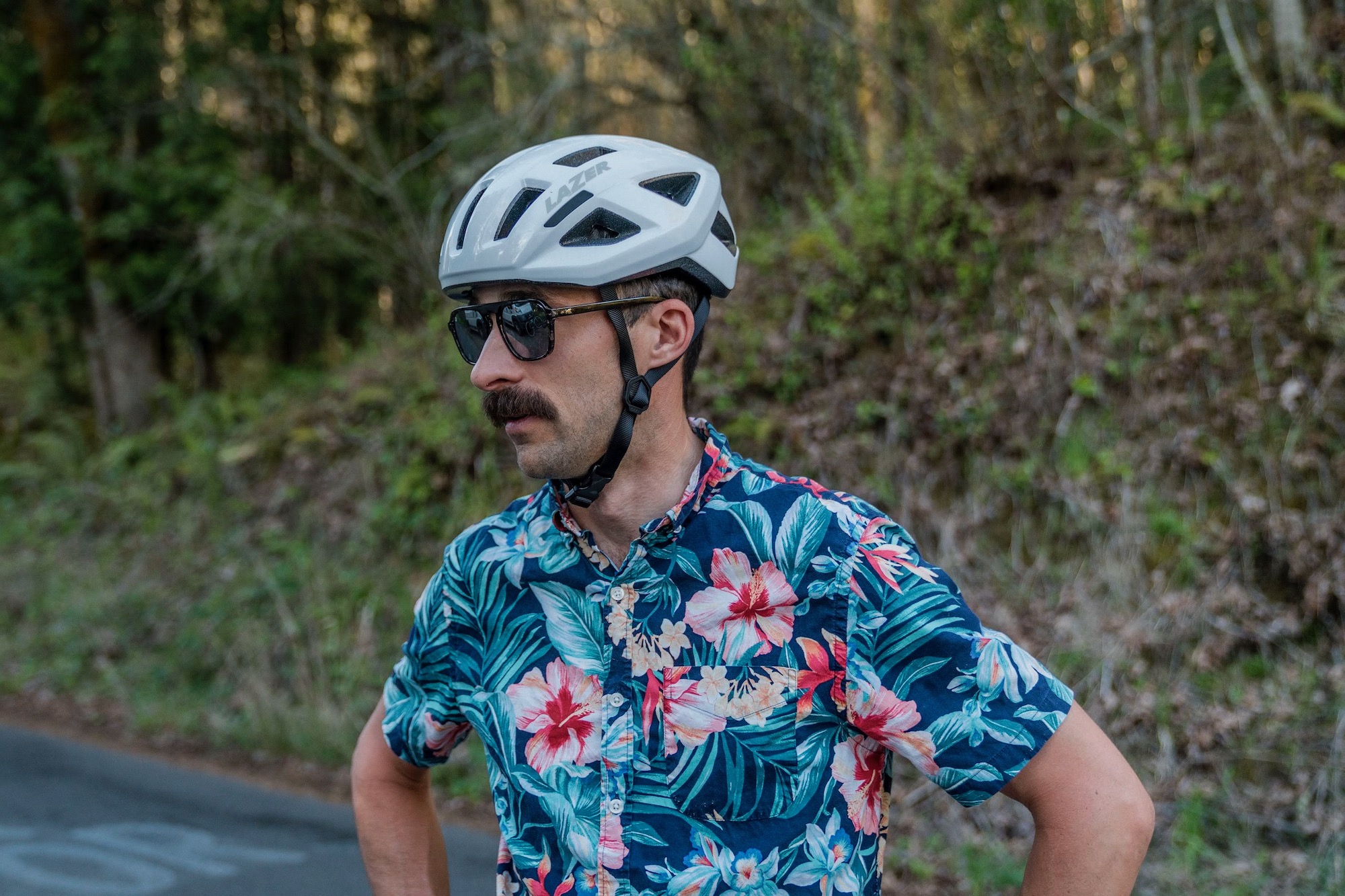
While MIPS was first on the scene, over the past decade or so, other brands have poked at the problem with their own solutions. Bontrager developed WaveCel, Lazer uses KinetiCore, and other brands have developed similar systems. All of them work to achieve the same goal of reducing rotational impact forces transferred to the brain.
To be clear, all bicycle helmets are built with a layer of stiff foam materials that crushes, expands, or collapses to absorb energy in a crash. To measure their impact protection, helmets sold in the U.S. must meet the federal Consumer Product Safety Commission (CPSC) bicycle helmet standard. Your best bet is to look for the CPSC sticker label inside the liner, certifying that the helmet meets safety standards.
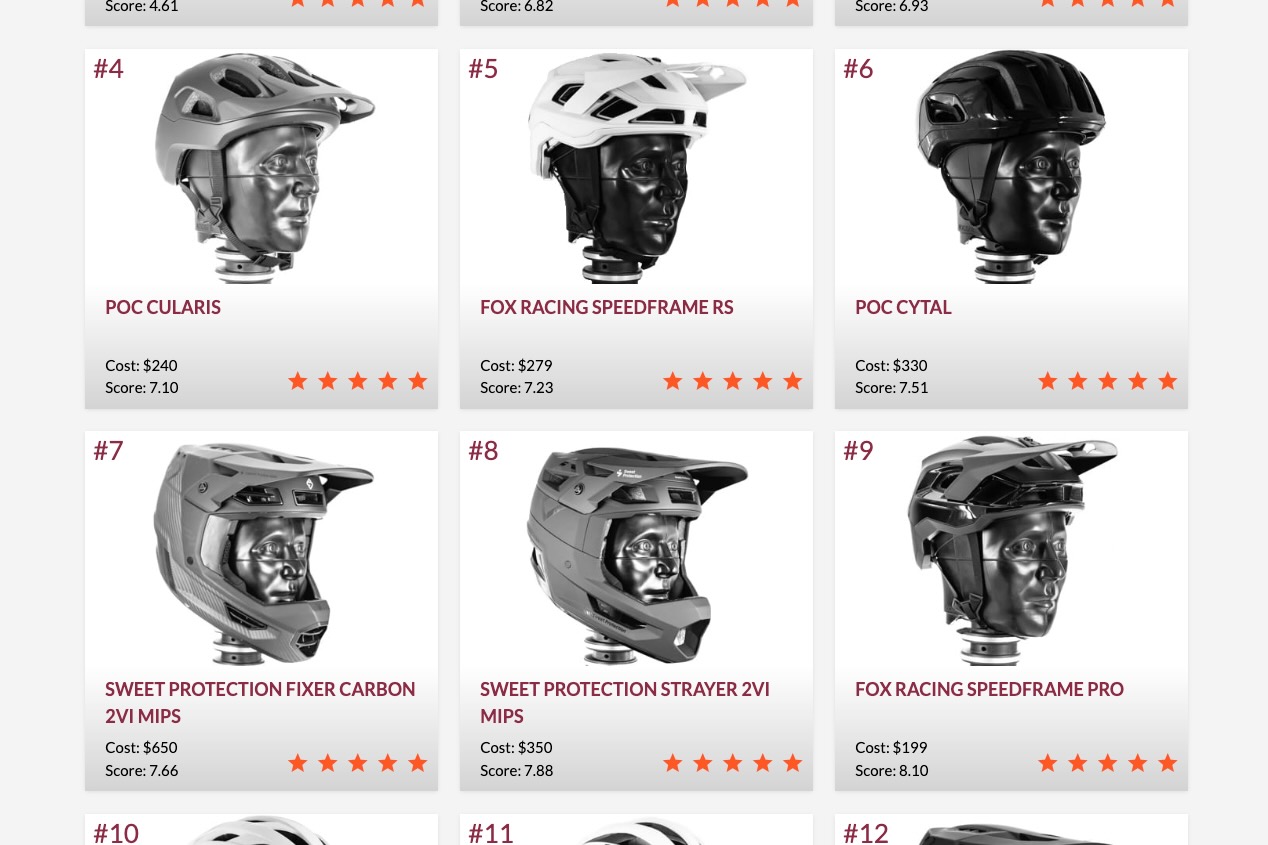
In recent years, Virginia Tech’s Independent Helmet Test Lab has become the de facto source for comparative impact testing data. The lab runs helmets through a standardized series of impact tests, linear and angular, to measure how well they protect from forces that might cause a concussion. They score each helmet, with lower scores representing a better performance, and then assign a star rating, with 5 stars being the highest. You can learn about a recent recalibration of the star rating system here.
Price & Value
Helmets vary somewhat dramatically in price, with the models included in this guide ranging from $75 up to $300. While it might seem like spending more guarantees a safer product, that isn’t necessarily the case. Studies have shown that price and protection don’t have a direct correlation in bike helmets. That said, spending more often gets you improved aesthetics, lighter weights, better ventilation, more features, or all of the above.
Budget
If you don’t have a lot of money to spend, you can still get a quality protective helmet for under $100. In fact, we were shocked by the comfort and performance of our favorite budget options. For mountain bikers, the Specialized Camber MIPS ($75) looks nearly identical to its more expensive siblings, yet it costs a fraction of the price. Still, it earned a 4-star rating in Virginia Tech’s independent helmet testing, and the only real concessions it makes are a slight increase in weight and a reduction in ventilation.
For the roadies, the Lazer Tonic KinetiCore ($80) is lighter and arguably more comfortable than many helmets that cost double or triple the price.
Mid-Tier
As we climb up the bike helmet price ladder, we often find improved aesthetics, increased ventilation, reduced weight, cool features, or a combination of these things. The Thousand Chapter MIPS ($149) commuter helmet is a good example. It comes with a MIPS liner, earned a 5-star Virginia Tech rating, has a magnetic chin strap buckle, and the rechargeable rear light is removable.
Other helmets, like the Smith Network MIPS ($195), lean more toward the road and gravel side of the spectrum. This helmet is fairly light, well-ventilated, and strikes us as one of the most versatile options on the market. We love it for gravel riding when using the removable visor to shield our eyes from the sun, but it’s equally at home on XC mountain bike rides or your daily commute. We’re also big fans of the Sweet Protection Fluxer MIPS, which is very well-ventilated and priced reasonably at $200.
Fox’s Speedframe Pro ($220) is one of the highest-rated mountain bike helmets on Virginia Tech’s list. It looks great and is well-ventilated, plus it comes with all the features riders expect from modern half-shell helmets.
Premium
At the highest end of the price spectrum, we generally find helmets that prioritize ventilation, weight savings, use more expensive versions of MIPS, or have more complex designs. The POC Cytal ($360) and Giro Aries Spherical ($350) are impressively light, very well-ventilated, super comfortable, and score well for their impact protection in Virginia Tech’s testing. Both are excellent choices for anyone seeking the best protection and ventilation in the same package.
This is also where our top-rated mountain bike helmet lands. The POC Cularis ($260) boasts one of the best scores in Virginia Tech’s helmet testing. It has a deep fit, great ventilation, and all the useful features you should expect for the price. Likewise, the top-of-the-line Trek Velocis MIPS ($330) is a featherlight, low-profile road helmet that employs MIPS Air for maximum ventilation along with a BOA adjustment system.
Frequently Asked Questions
The helmets in this guide range from $75 to $350. Recreational bike helmets with basic impact protection are adequate for casual, mellow rides and will sit on the lower end of the price scale.
Expect to pay more for helmets that provide above-and-beyond accessories like chin guards, proprietary clips, and rotational motion impact reduction. For $75 or $80, respectively, you can’t go wrong with the Specialized Camber MIPS or Lazer Tonic KinetiCore, but keep in mind that at that price point, you might be skipping out on some extra comfort and ventilation features.
The further you ride, the more you might want to consider extra protective features. A helmet is like buying an insurance plan. Yes, they are expensive, but we can guarantee they are cheaper than a hospital bill.
Gravel is at the crossroads of road and mountain biking. While a handful of helmets are specifically geared towards gravel riding, you can probably use the cycling helmet you already have, depending on the terrain you ride.
Road bike helmets are generally more aerodynamic and lighter. Stylistically, they look different. Most mountain bike helmets have extended coverage on the back of the head, which is important if you fall backward. They usually have an integrated visor that shields the eyes from the sun and brush.
For the most part, gravel riders tend to gravitate towards road-style helmets. In fact, most road helmets are versatile options that also get used for gravel riding and/or cross-country mountain racing.
If you primarily mountain bike and are dabbling with gravel, you can save a few bucks by using your mountain bike helmet. If you’re coming to gravel from the road and want to tackle more remote roads and maybe dabble with singletrack, we’d err toward safety and recommend buying up for more protection.
Regardless, all bicycle helmets in the U.S. are CPSC-certified, whether they’re designed for road or trail rides. You can safely wear a road or mountain-oriented helmet.
Helmets are sport-specific, designed to mitigate specific risks. Mountain bike helmets are not verified to protect a climber or mountaineer in an accident, and vice versa.
Keep track of your helmet’s age. Over time, exposure to environmental factors like sunlight or extreme cold, moisture, and sweat will diminish the lifespan of the helmet. So will repeated small impacts, such as dropping the helmet at the trailhead or tumbling around the back of the rig on the commute home.
The CPSC recommends replacing your helmet every 5-10 years, depending on the frequency of use, storage conditions, and overall care. However, each manufacturer’s guideline is different. If you need to retire a helmet, it’s one gear item you shouldn’t donate at the local thrift shop. You can check with the manufacturer to see if they will properly dispose of it for you.
Some brands have a crash replacement policy and may sell you a replacement at a discounted price. You’ll need to register your helmet, and they may want to see the damage. If they approve your claim, they’ll often award a discount toward your next helmet purchase.
It is always recommended that you replace your helmet after a crash in which you hit your head, even if you can’t see any damage. Sometimes, even minor impacts can result in a crack in the foam. That’s not because a helmet is cheap or defective — it’s because it’s doing its job. Helmets absorb impact forces by compressing and cracking, and once they do, their ability to do so again has been compromised.
Related Content
The Best Mountain Bike Helmets of 2026
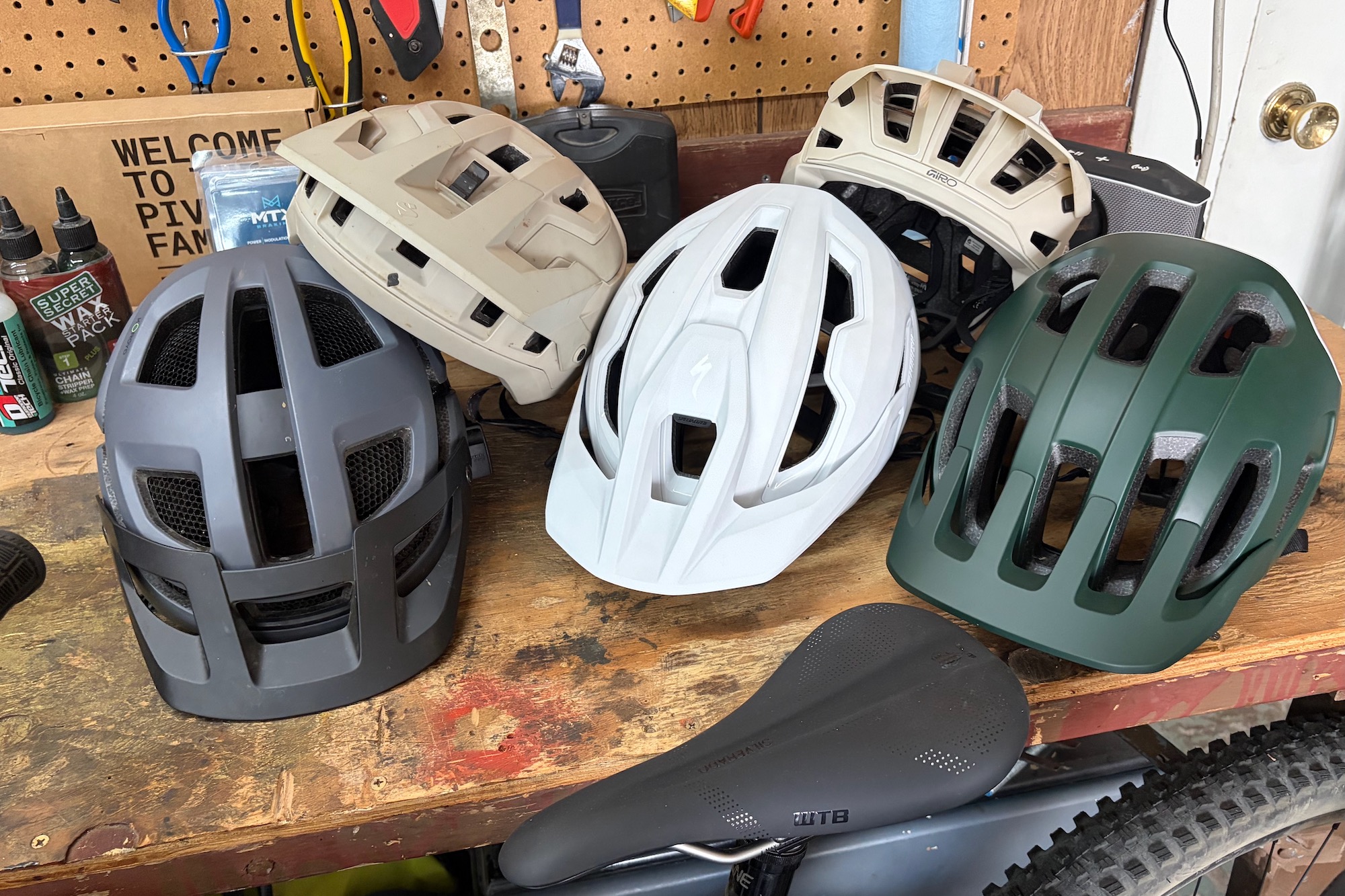
We tested the top models from Giro, Specialized, POC, Smith, and more to help you find the best mountain bike helmet for your next ride.
The Best Hitch Bike Racks of 2026
We’ve tested 18 of the best hitch bike racks available in 2026 to help you find the model that best suits your needs and budget.
