Home > Bike Types > Road Bike

New Cannondale CAAD14 Series Is The Aluminum Race Bike You Remember

Cannondale-CAAD-14-beauty
38 Comments
Support us! Bikerumor may earn a small commission from affiliate links in this article. Learn More

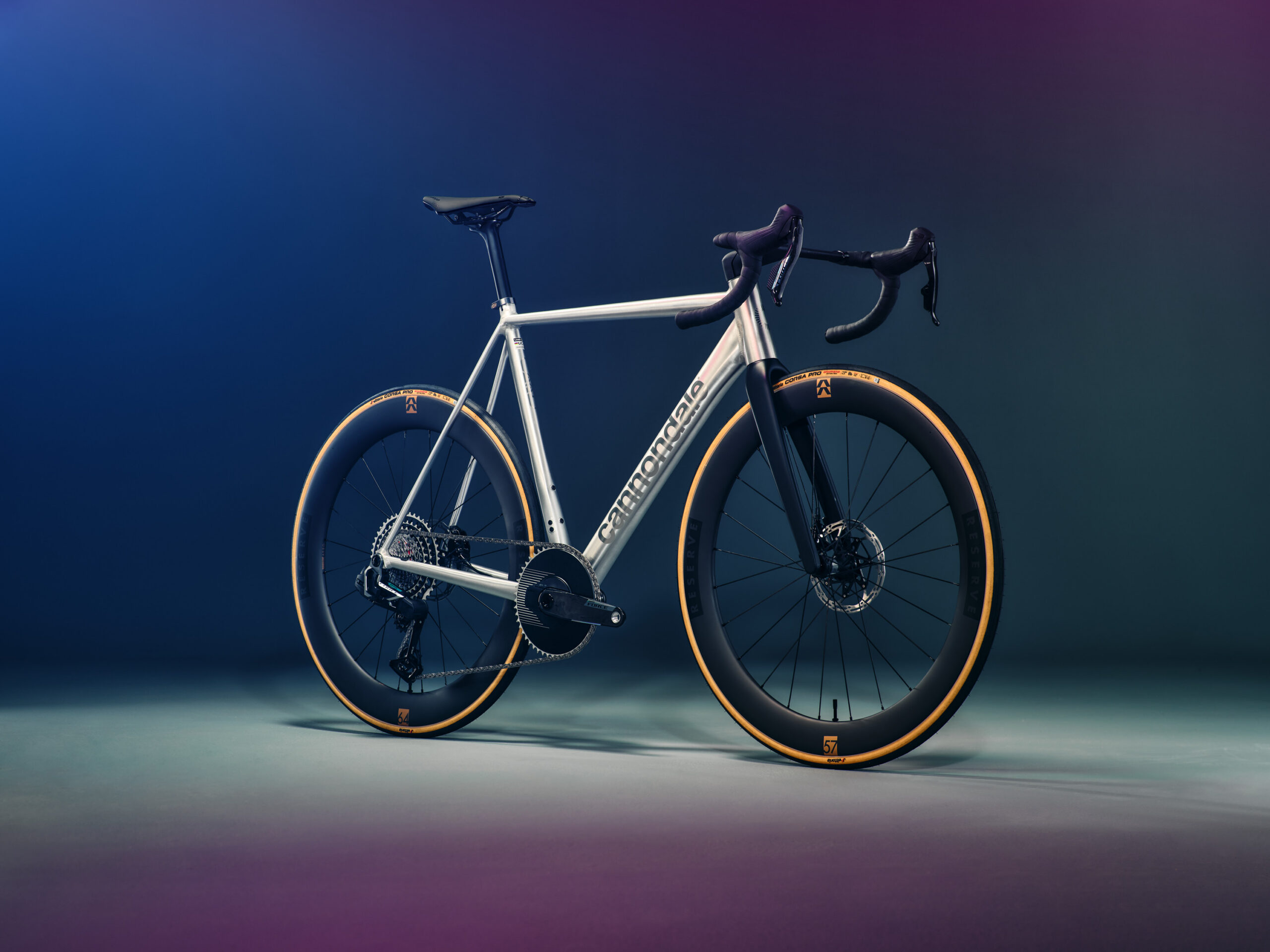
For decades, the Cannondale CAAD series defined what a high-performance aluminum road bike could be. Long before carbon fiber became the default answer to every racing question, CAAD frames were the tops. These easy-to-spot aluminum rockets were tearing up criteriums, winning the world’s biggest races, and earning a reputation for something riders still talk about today: a ride feel that’s sharp, lively, and unapologetically fast.

Cannondale CAAD 14
(Photo/Cannondale)

But why seek out an aluminum frame when the cycling world is literally drowning in cheap carbon race bikes?
It’s the energy, the frame, and the vibe an aluminum bike brings to the ride. It’s a legendary ride with both advantages and shortcomings. In recent years, the Cannondale CAAD series missed the spark that set 90’s racers on edge. It was something about the drop seatstays and the squared tubes that just didn’t fit right…

However, it appears the all-new CAAD 14 has corrected the ship in all the right directions. Delivering a bike that feels ever so CAAD 9/10 (those are my wonder years of CAAD frames) with all the advantages of a modern road frame. 

The new Cannondale CAAD 14 proves that you can make an excellent race bike in alloy. One that’s not watered down, but another beast altogether. A bike that riders will seek in a moshpit of entry-level carbon bike madness. The builds start at a respectable $2,500 and frames at $1,800, but if you want top-of-the-line, it’s $7,500 for the super spec’d CAAD 14 1. 

This new chapter of Cannondale CAAD has us very excited… let’s check the details. 
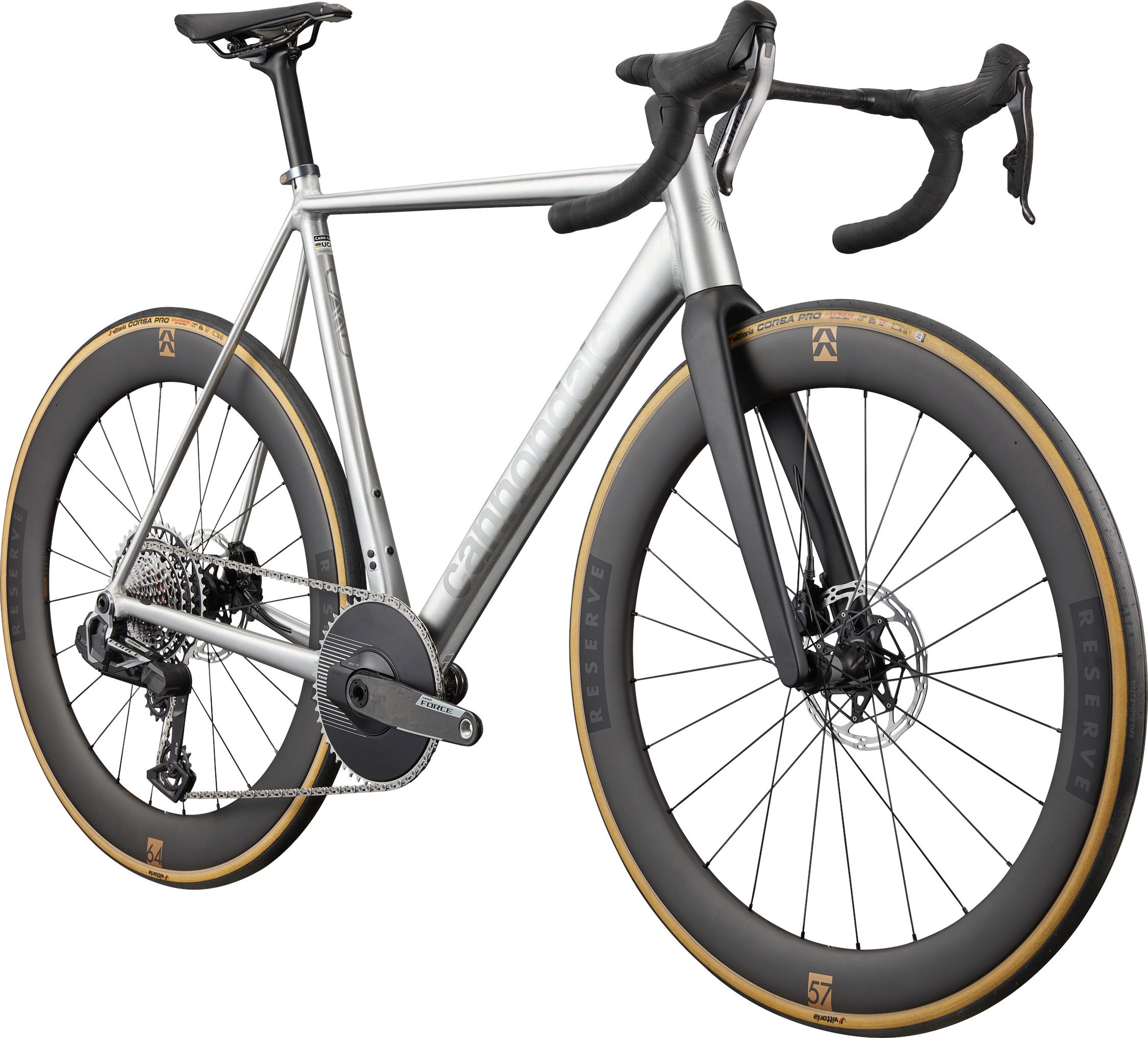
Cannondale-CAAD-14-1-Brushed
CAAD14 1 – RAW -(Photo/Cannondale)

A New Chapter in Cannondale’s Aluminum Legacy

To sum up the massive Cannondale CAAD history succinctly is a hard task; let’s just start with the name. The CAAD name—short for Cannondale Advanced Aluminum Design– is what helped put the big C on the map. This naming dates back to the early 1980s. Cannondale has spent decades refining aluminum frame construction, pushing the limits of tube shaping, welding, and manufacturing in ways that few companies have matched. If you have some extra time, here is a great video of assembly and fabrication in Bedford, PA.

The CAAD14 continues that lineage with a frame built from SmartForm C1 Premium alloy, Cannondale’s most advanced aluminum construction process. The goal isn’t to imitate carbon tube shapes or pretend aluminum is something it isn’t.
Cannondale CAAD 14 2 Review stays
(Photo/Jordan Villella)

Instead, the CAAD14 leans into the material’s strengths: oversized tubes, smooth welds, and a structure designed for stiffness and responsiveness. The result is a bike that Cannondale describes as explosive and immediate, a bike that wants to go fast. 
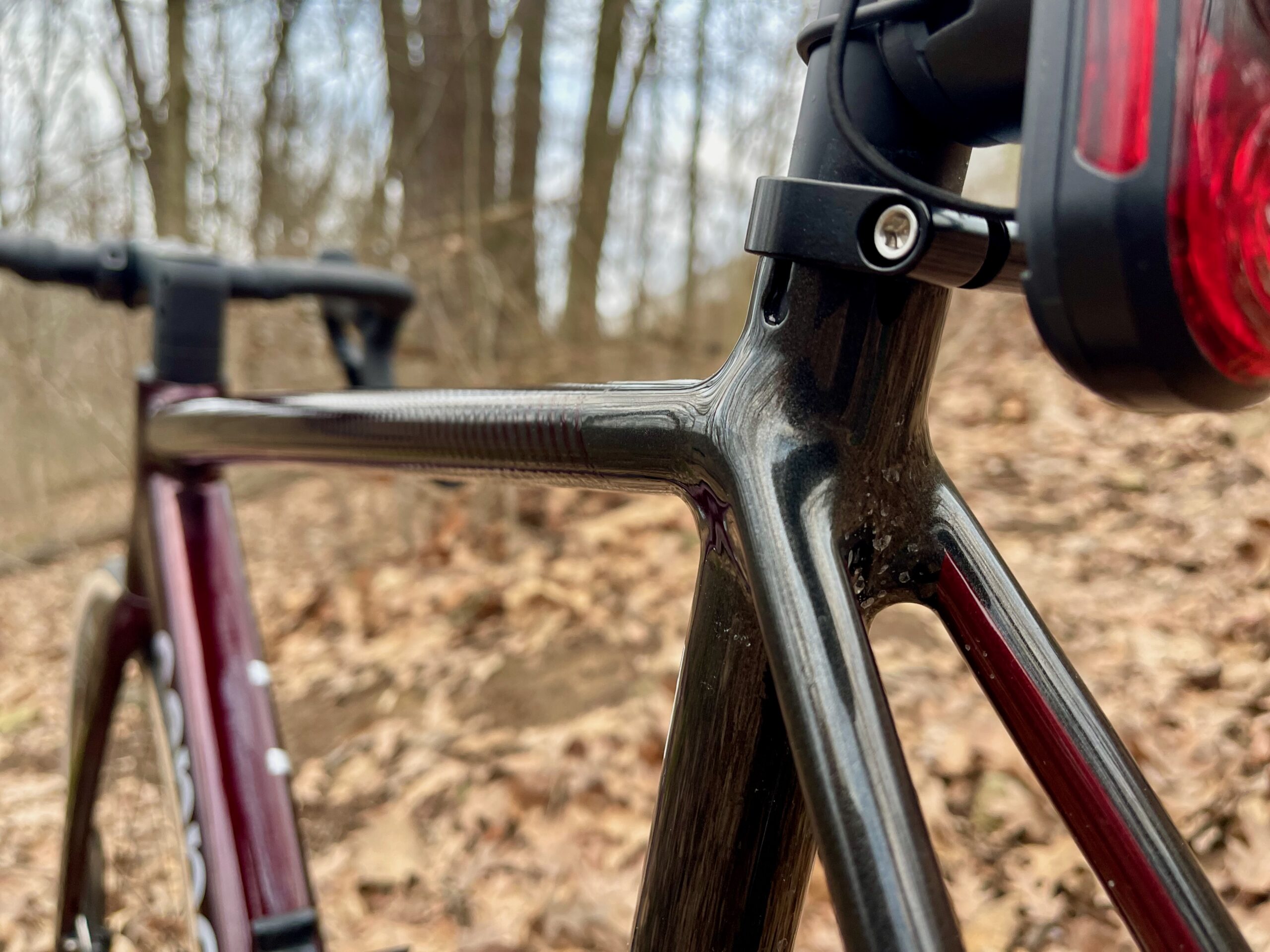
Cannondale CAAD 14 2 Review welds
(Photo/Jordan Villella)

Alloy – Not Anchor

Despite its alloy construction, the CAAD14 keeps weight impressively low.

Cannondale lists the frame weight at 1280g for the CAAD14 1 model and 1410g for the rest of the lineup, measured for a fully painted size 56 frame. The matching full-carbon fork weighs just 397g, helping keep the front end responsive and comfortable.
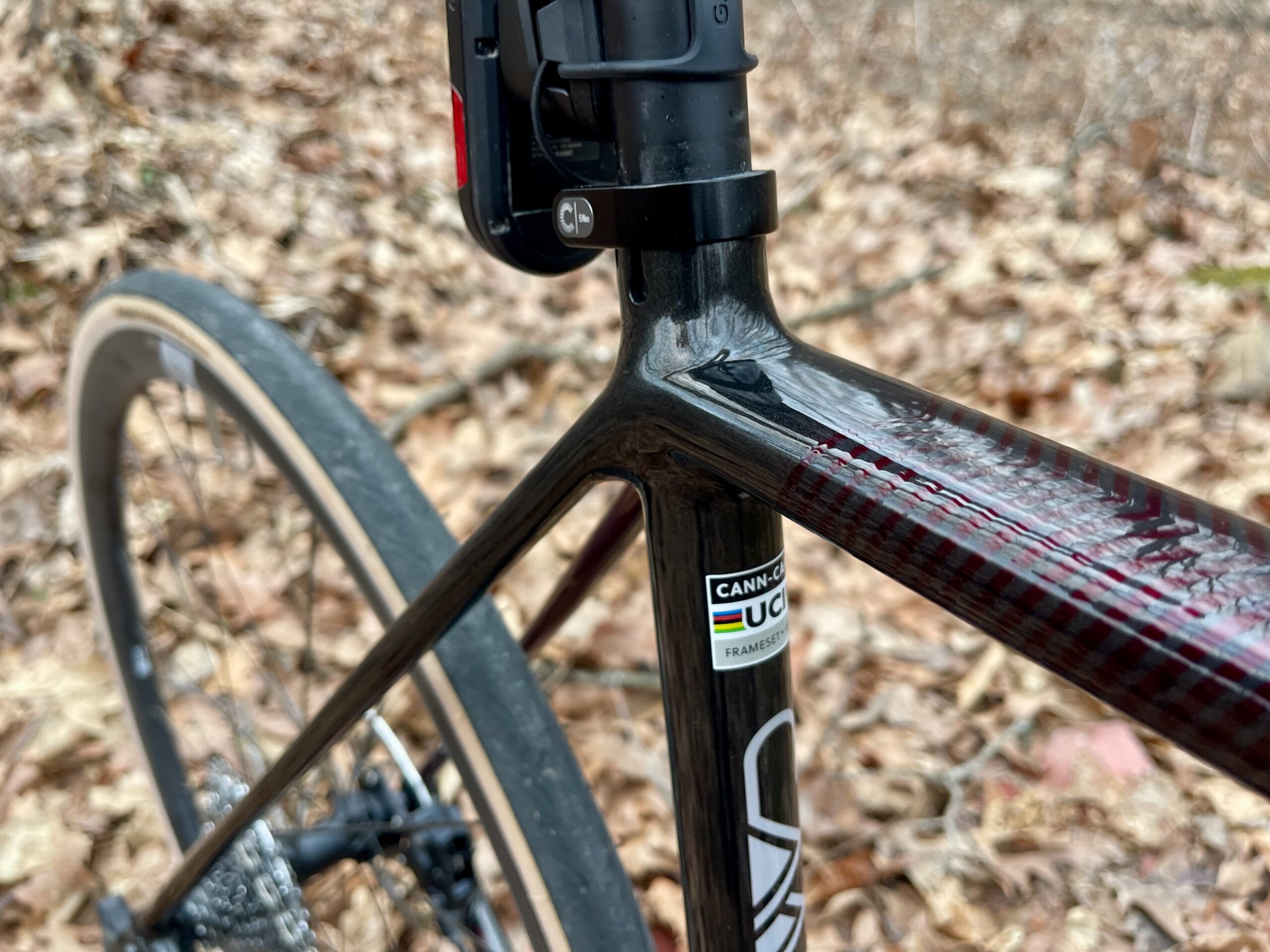
Cannondale CAAD 14 2 Review paint
(Photo/Jordan Villella)

Why does the 1 weigh less? The RAW frame on the 1 is just brushed alloy with the thinnest layer of clear coat. This leads to a super light overall paint weight, but it’s the same material and construction hiding underneath.

The painted frames have quite a bit more paint material on them, with primer and multiple coats of color. The paint may not seem like much, but over a whole frame’s surface area, the grams do add up. 

Our review ride weighed a robust 18 lbs out of the box (size 54cm*), and a good chunk of the weight comes from the 1,890g DT Swiss 1800-E wheelset.
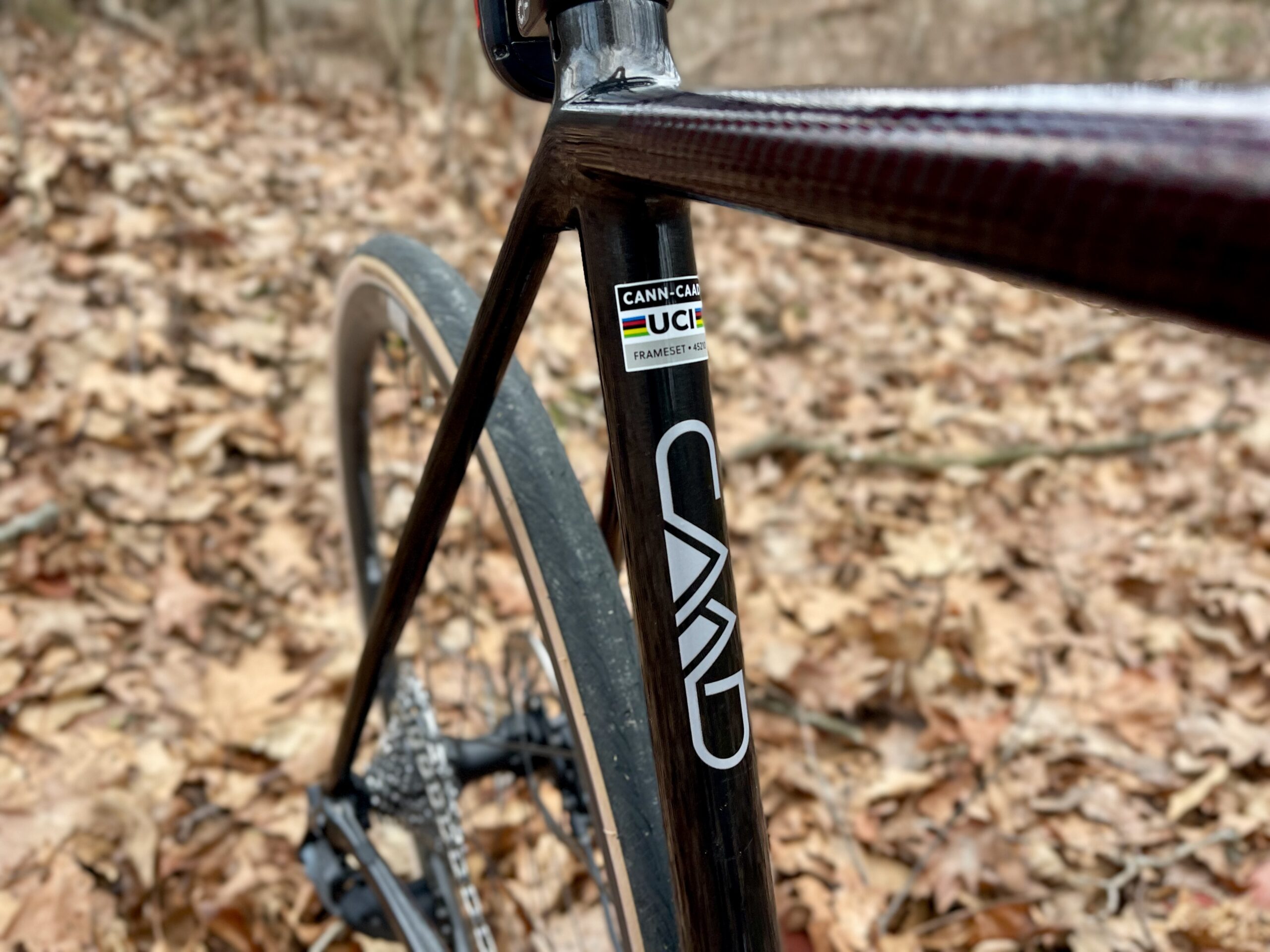
Cannondale CAAD 14 2 Review CAAD logo

The frame also retains the classic CAAD silhouette. Cannondale didn’t chase exaggerated aero shaping or mimic carbon molds. Instead, the design highlights aluminum’s natural strengths: clean lines, purposeful tube profiles, and a ride quality that feels alive under power.
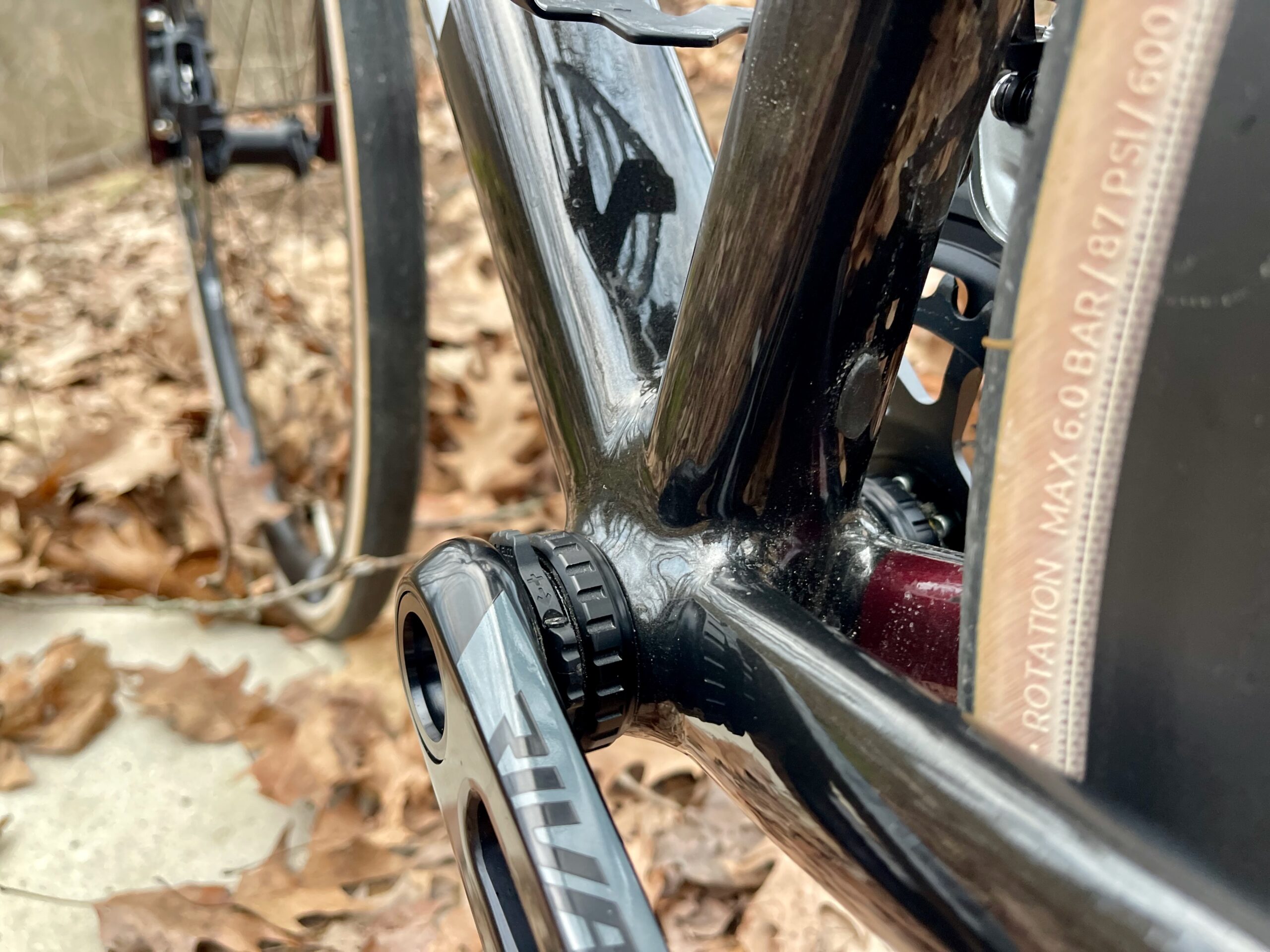
Cannondale CAAD 14 2 Review BSA threaded
(Photo/Jordan Villella)

Modern Standards

In recent years, we’ve seen Cannondale distance itself from the proprietary bits that became synonymous with the brand: Ai, BB30, 4-bolt rotors, etc. However, the newest offering from Cannondale is refreshingly compatible. 
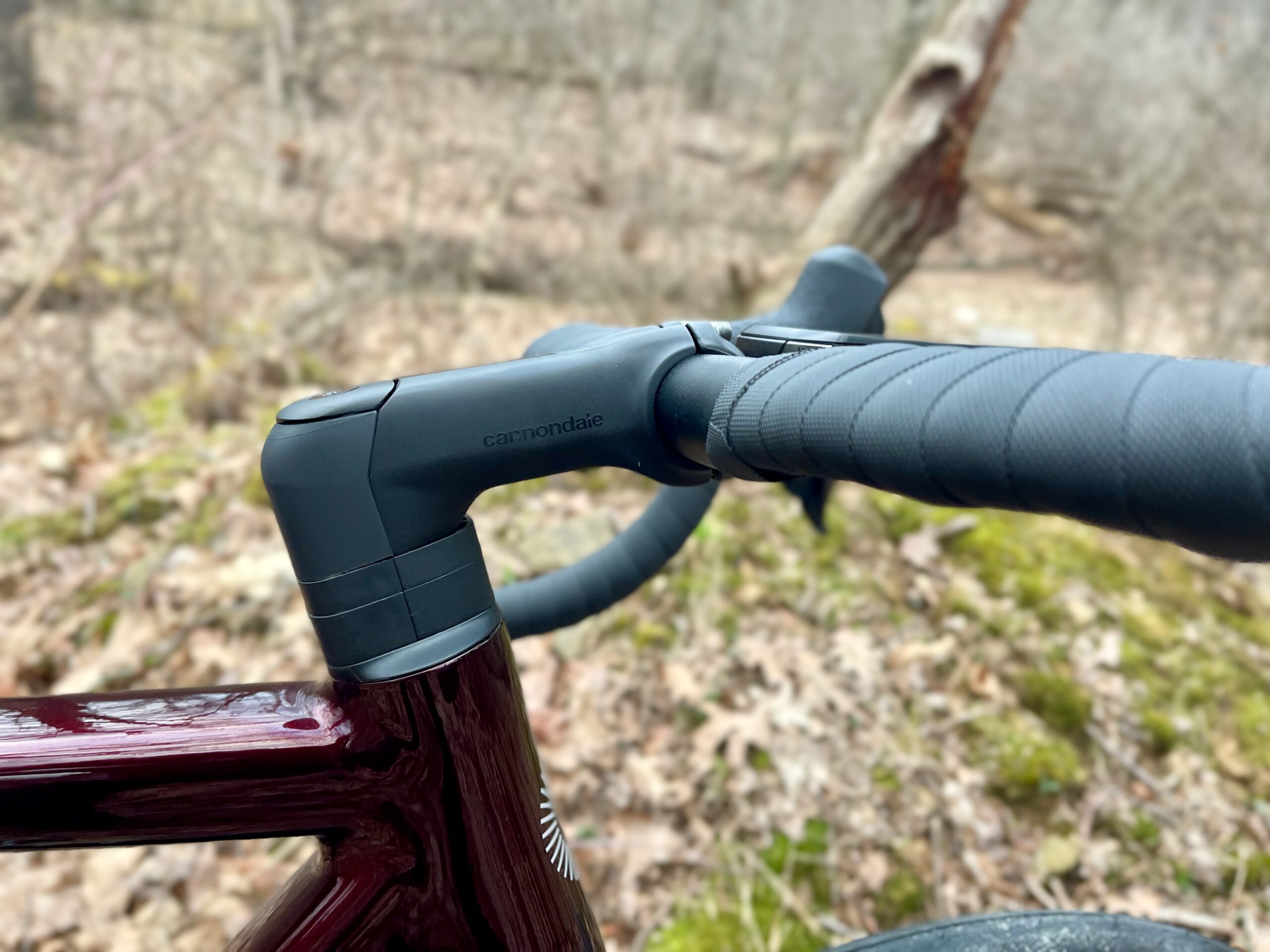
Cannondale CAAD 14 2 Review stem
(Photo/Jordan Villella)

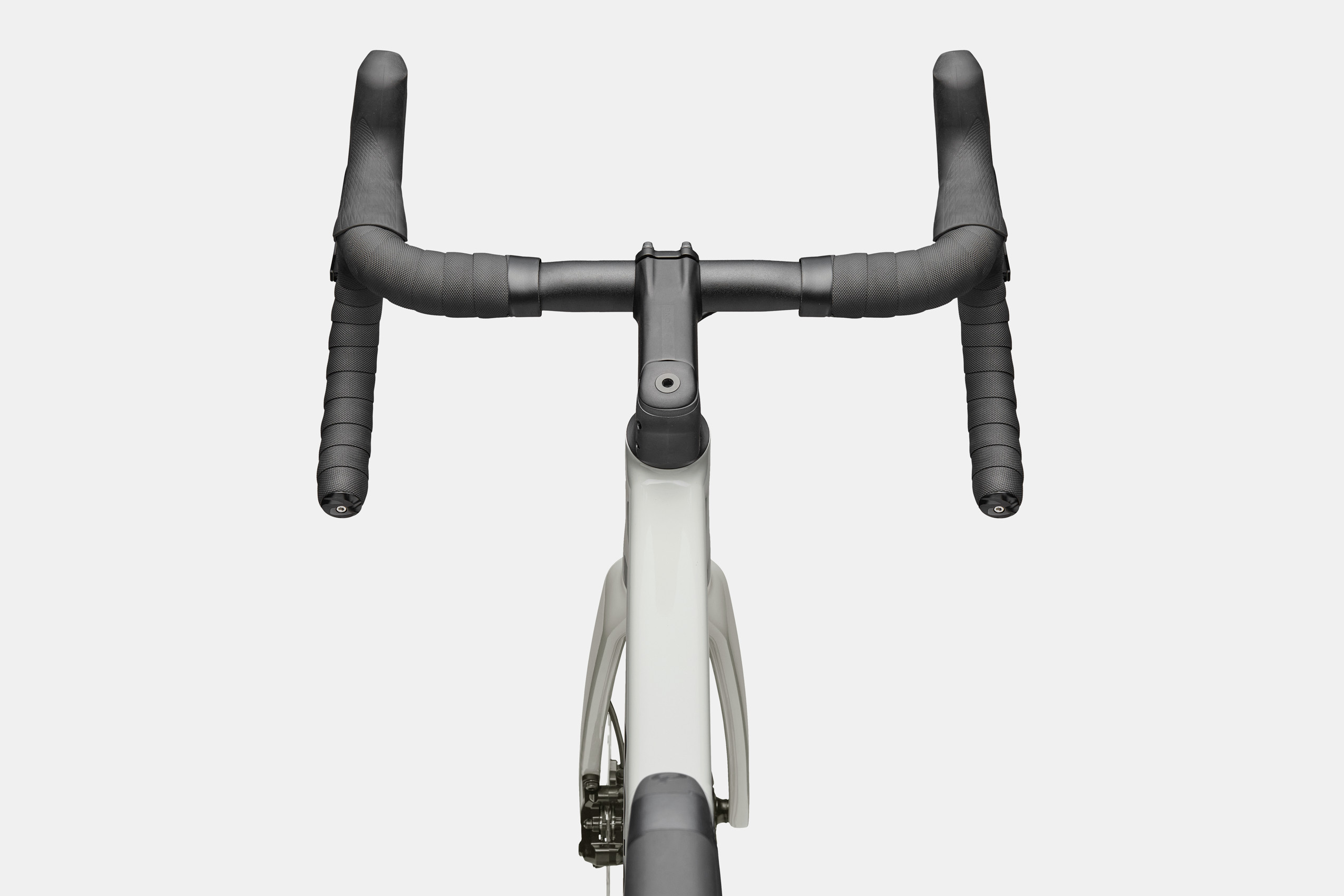
Cable routing is internal for a clean look, but Cannondale avoided over-complicated integration. Riders can run an integrated cockpit if they want—or stick with a traditional stem setup.
Cannondale CAAD 14 2 Review derail
(Photo/Jordan Villella)

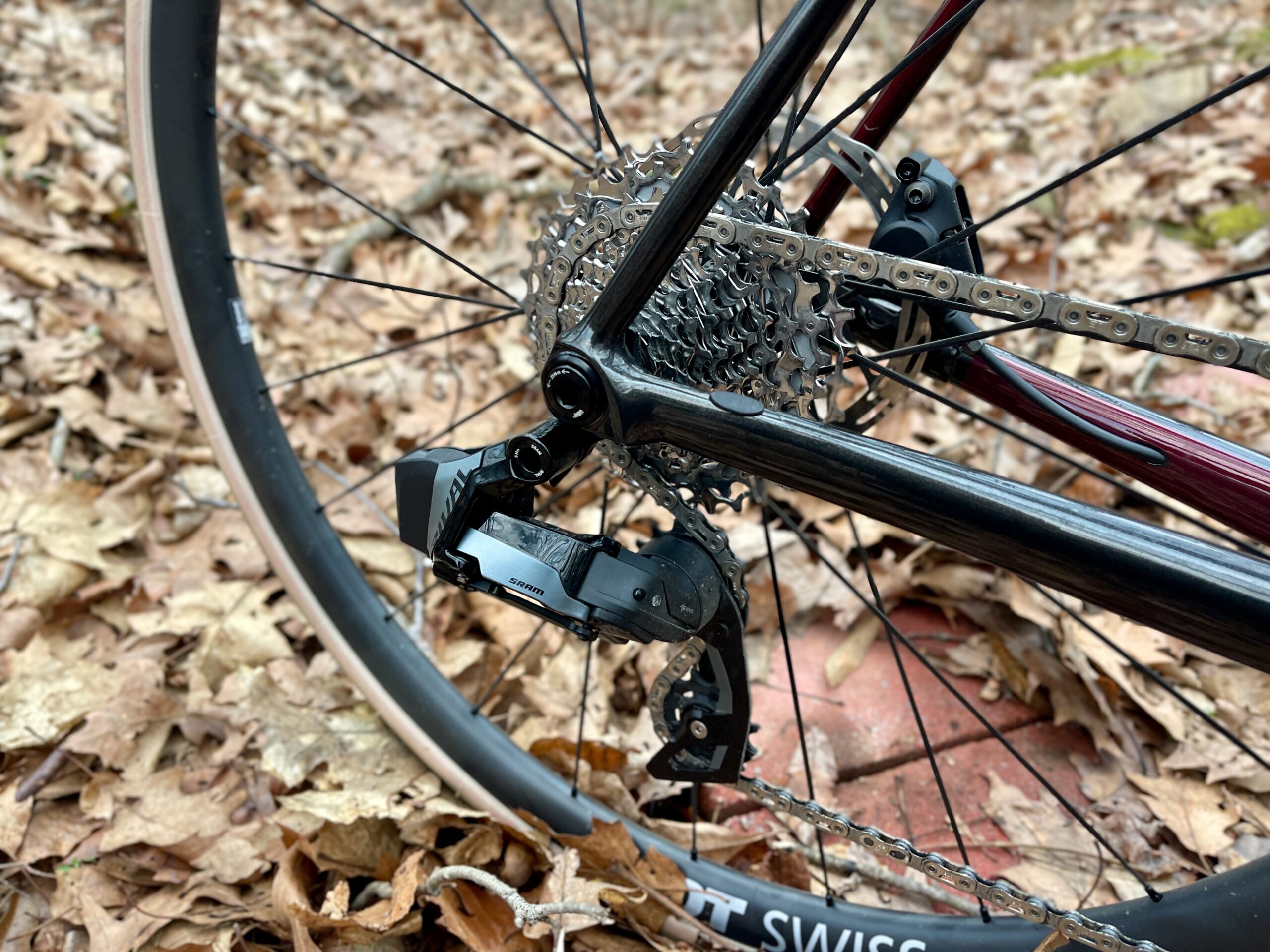
The bottom bracket uses a 68mm threaded BSA standard. The frame also uses the Universal Derailleur Hanger (UDH), which means replacement hangers are easy to find, and most shops (not just the Cannondale dealer) will have them.

Tire clearance is rated for up to 32mm measured width, giving riders room for modern high-volume road tires or super-narrow all-road/gravel tires. It’s a thoughtful balance between modern design and practical serviceability.
Cannondale-CAAD-14-delta
(Photo/Cannondale)

Delta Steerer and Integrated Cockpit

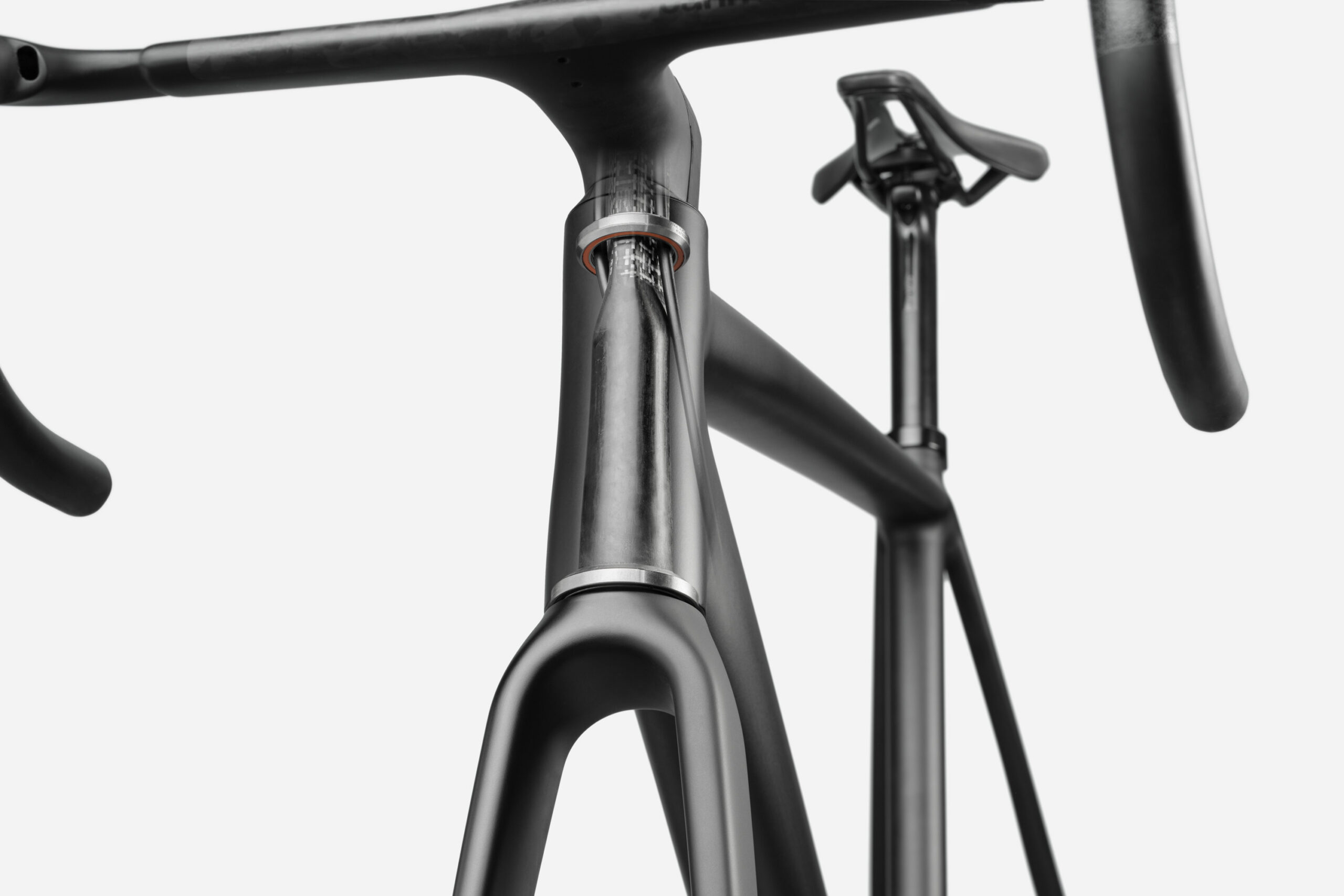
One of the more interesting engineering touches on the CAAD14 is Cannondale’s Delta steerer system, which uses a triangular steerer profile that allows cables to route internally from the handlebar into the frame.
Cannondale-CAAD-14-3-Bars-
(Photo/Cannondale)

This is a mainstay on Cannondale’s carbon road bikes (including the new SuperSix EVO) but rarely makes its way to the alloy lines. The design helps keep the head tube slim while allowing clean cable routing and compatibility with integrated cockpit setups. 

At the top of the range, Cannondale pairs the bike with its SystemBar R-One cockpit, a fully integrated carbon bar and stem developed with MOMODesign. The cockpit blends aerodynamic shaping with comfortable ergonomics and internal routing.
Cannondale-CAAD-14-big-
(Photo/Cannondale)

Race Geometry with Real-World Versatility

The CAAD14 keeps geometry squarely in the race category; it resembles the updated Super-Six EVO more than its CAAD 13 predecessor. 
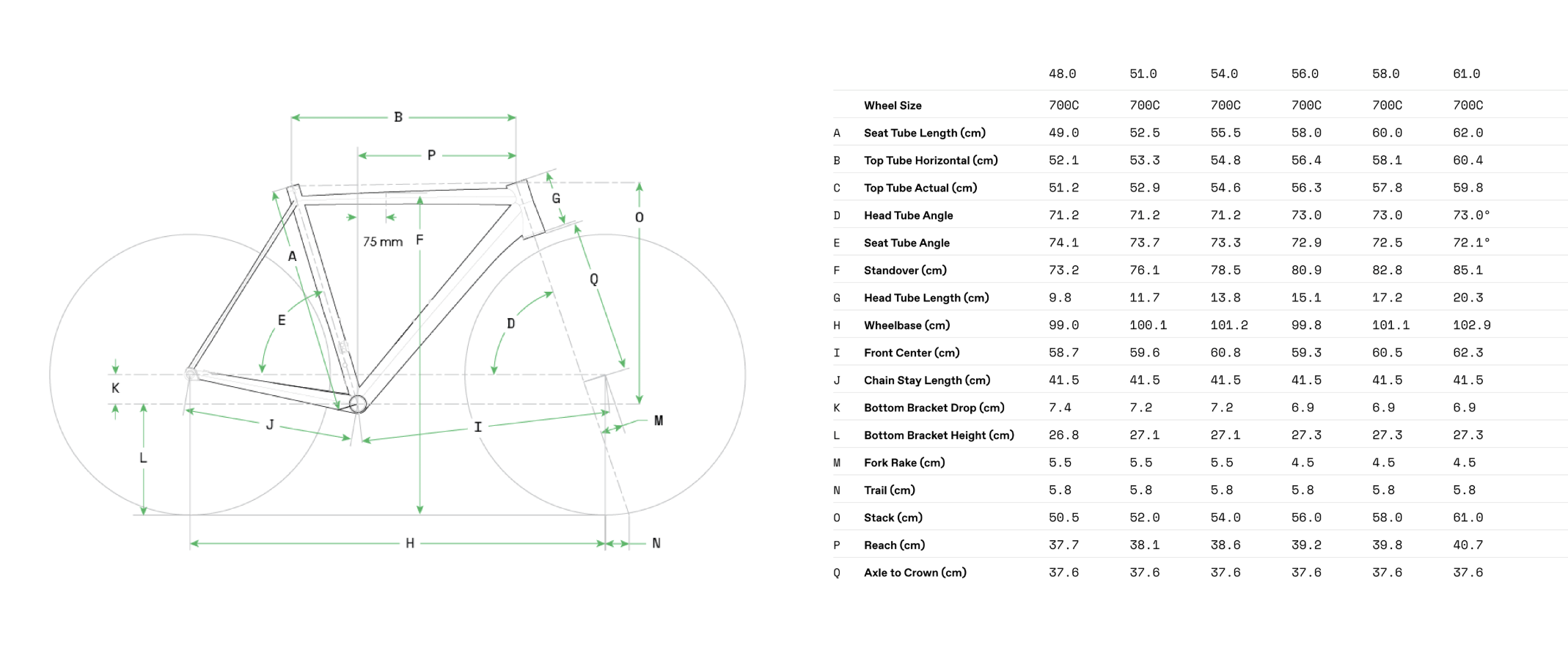
Cannondale-CAAD-14-WhiteGeo

CAAD14 Build Options

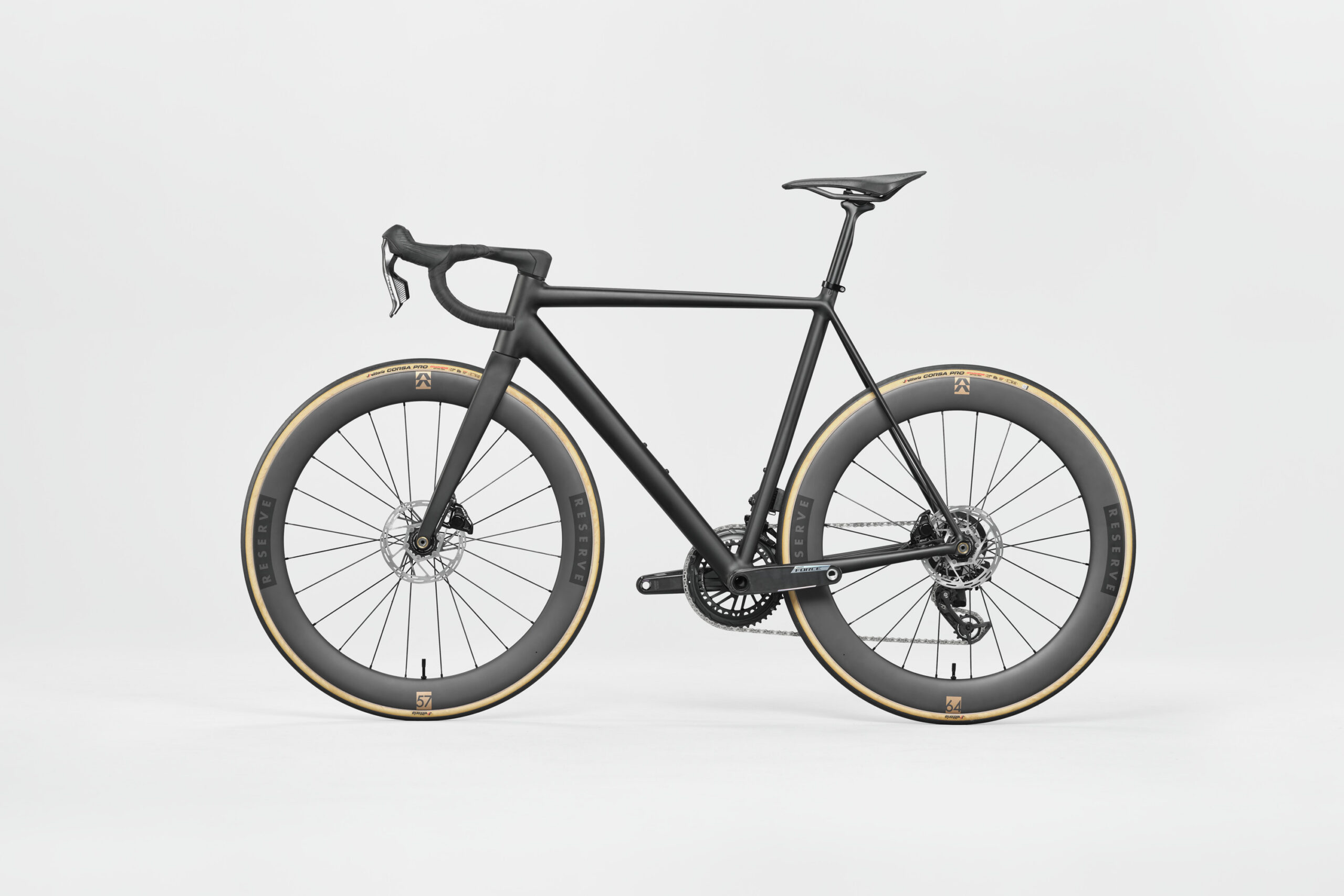
Cannondale is launching the CAAD14 in several builds, each aimed at a slightly different rider.
Cannondale-CAAD-14-1-
(Photo/Cannondale)

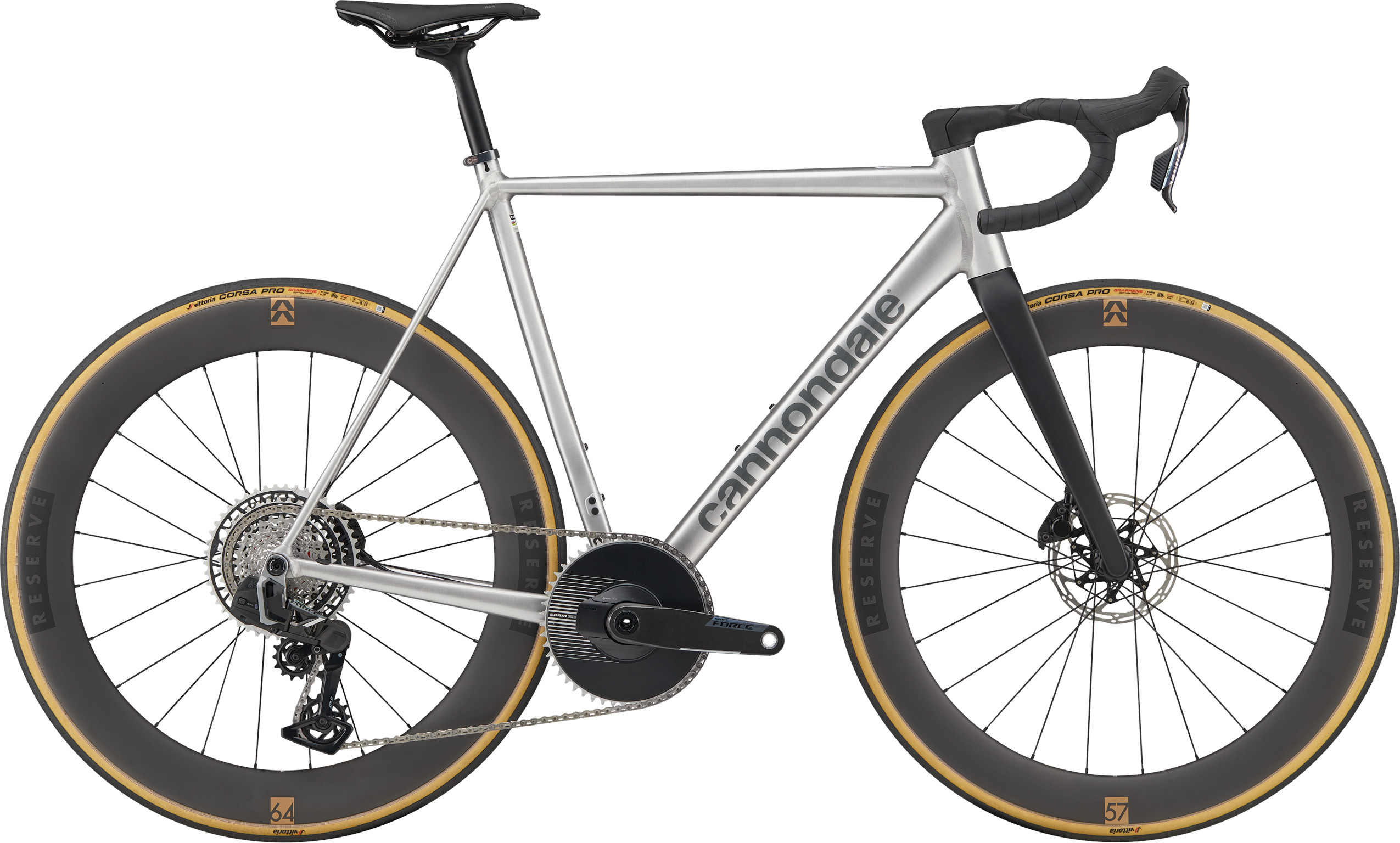
CAAD14 1

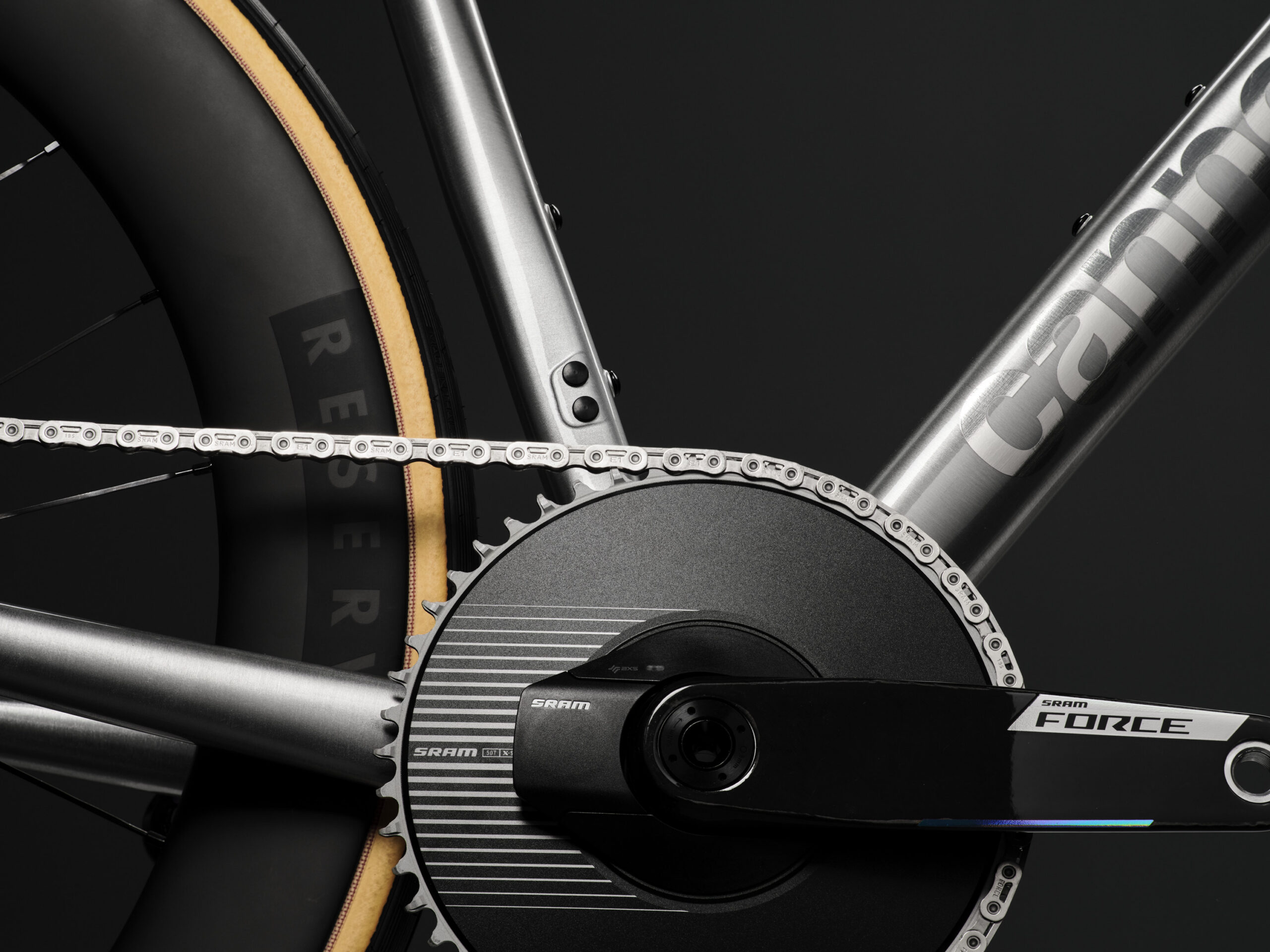
At the top of the lineup sits the CAAD14 1. This build is unapologetically race-focused, but pretty versatile. It features SRAM Force XPLR AXS 13-speed wireless shifting, paired with a Force AXS power-meter crankset and a wide-range 10–46 cassette.
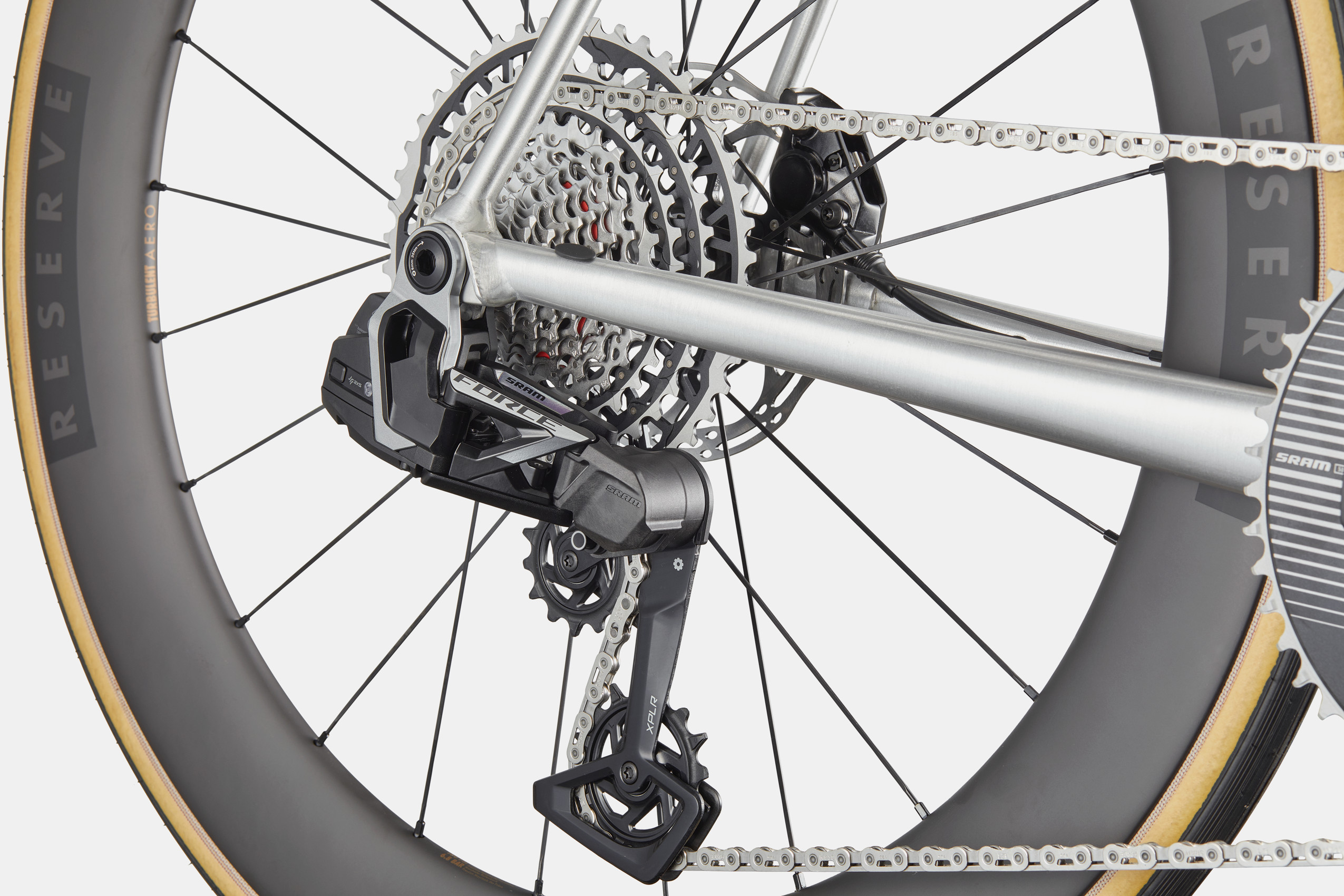
Wheel duties are handled by Reserve 57|64 carbon rims built around DT Swiss 370 hubs, wrapped in Vittoria Corsa Pro TLR 29mm tires.

Up front, the bike uses Cannondale’s SystemBar R-One integrated carbon cockpit, while a SAVE carbon seatpost and Prologo Dimension saddle round out the finishing kit. Price: $7,499 USD / $10,299 CAD.
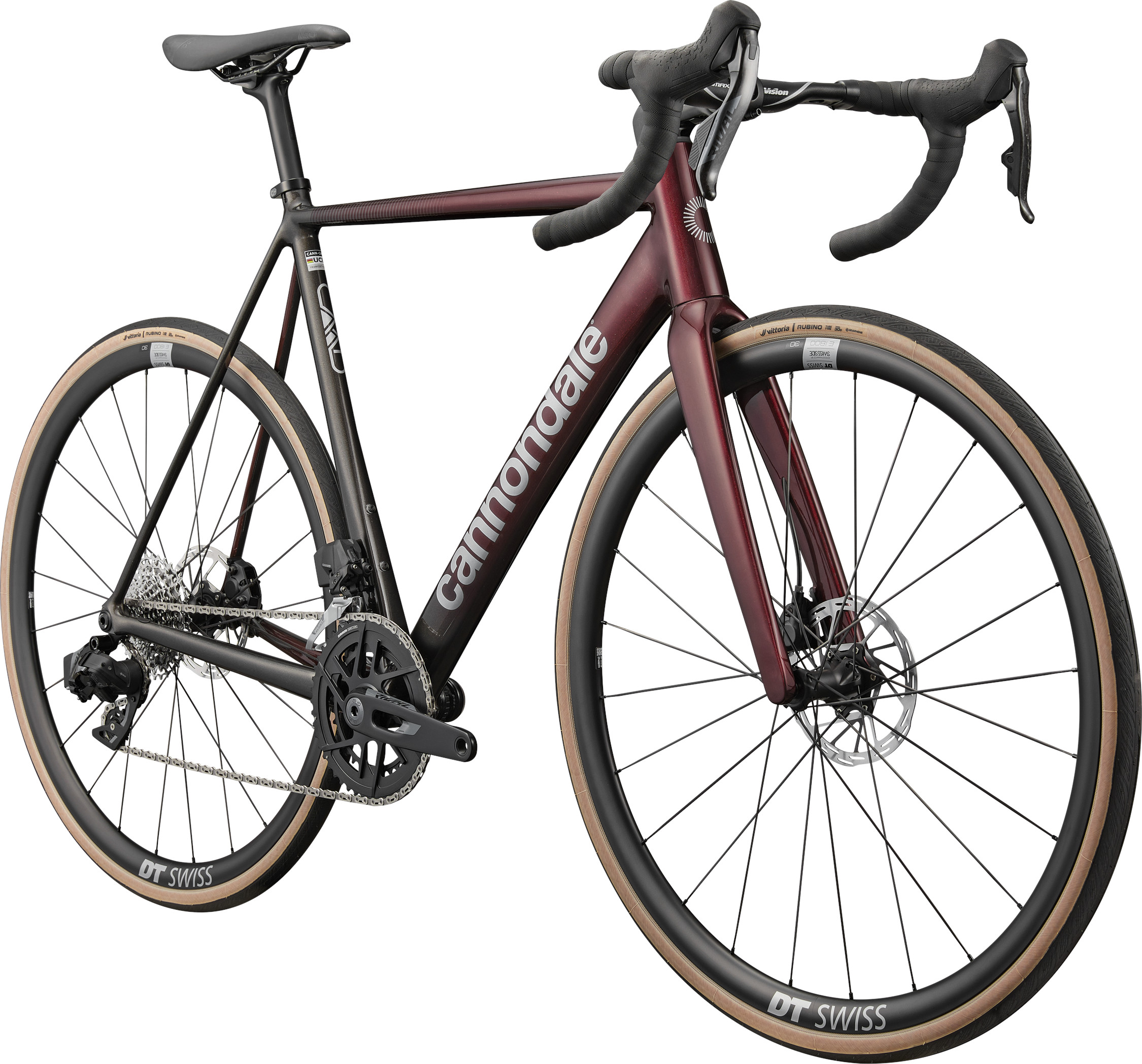
Cannondale-CAAD-14-2-Red-
(Photo/Cannondale)

CAAD14 2

The CAAD14 2 uses SRAM Rival AXS electronic shifting, paired with a 48/35 crankset and a 10–36 cassette. The wheelset drops to DT Swiss E1800 Spline wheels, while Vittoria Rubino Pro tires keep things rolling. The cockpit switches to a Vision Trimax Aero handlebar with Cannondale’s Conceal alloy stem. Price: $3,999 USD / $5,499 CAD.
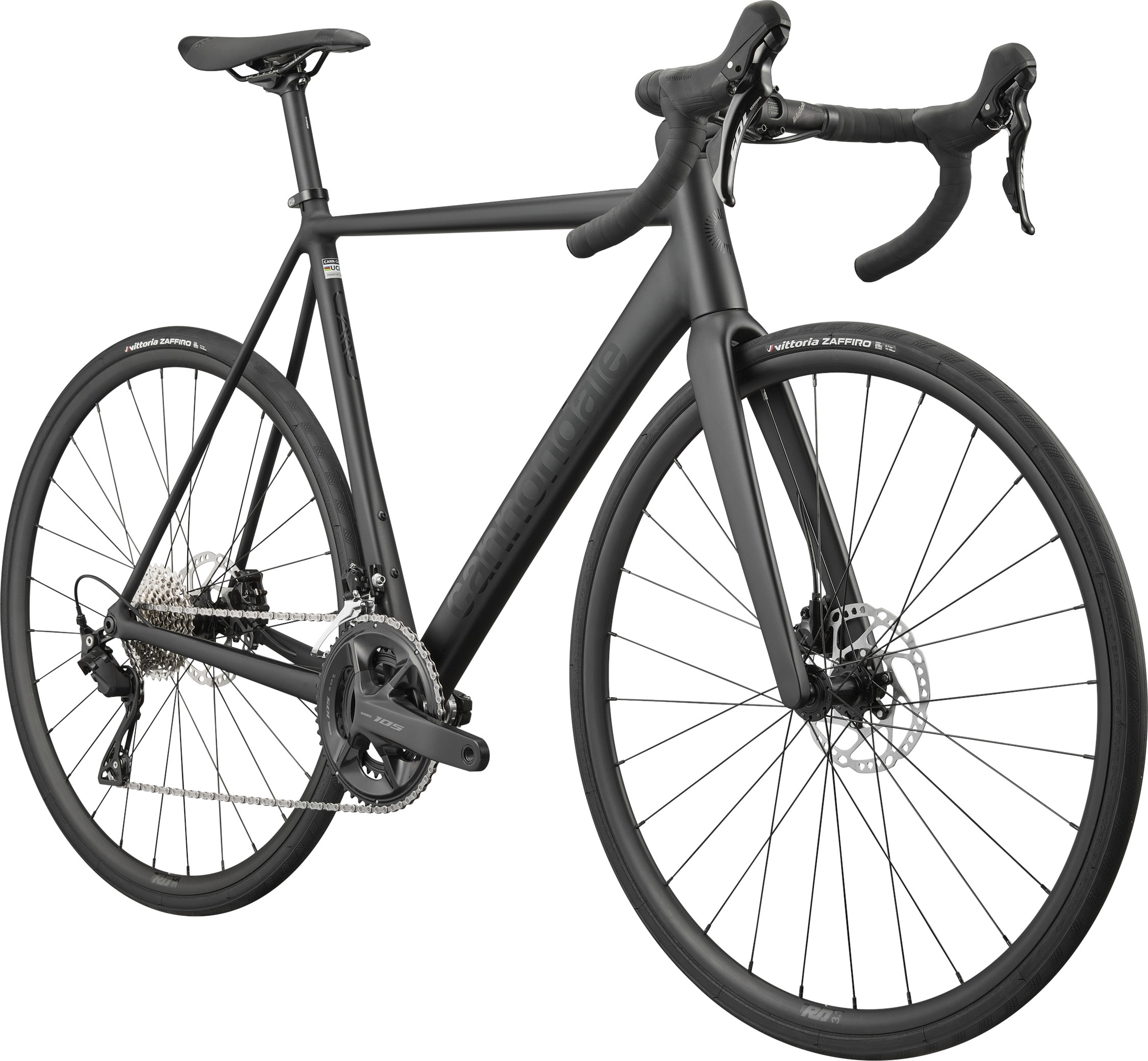
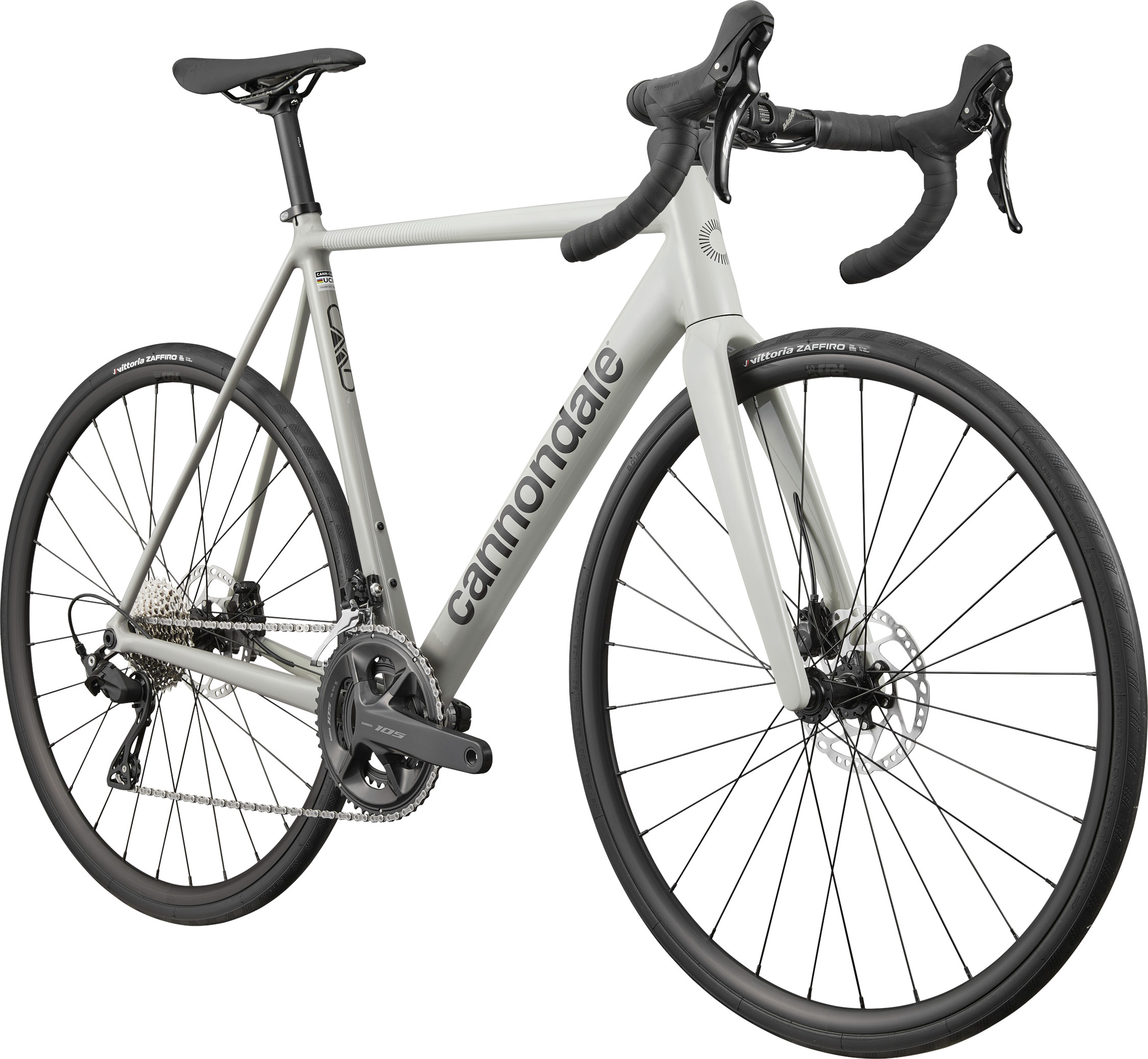
CAAD14 3

For riders looking for a more accessible entry point, the CAAD14 3 is where it’s at. This build runs Shimano 105 R7100 mechanical shifting, paired with a 50/34 crankset and an 11–34 cassette.
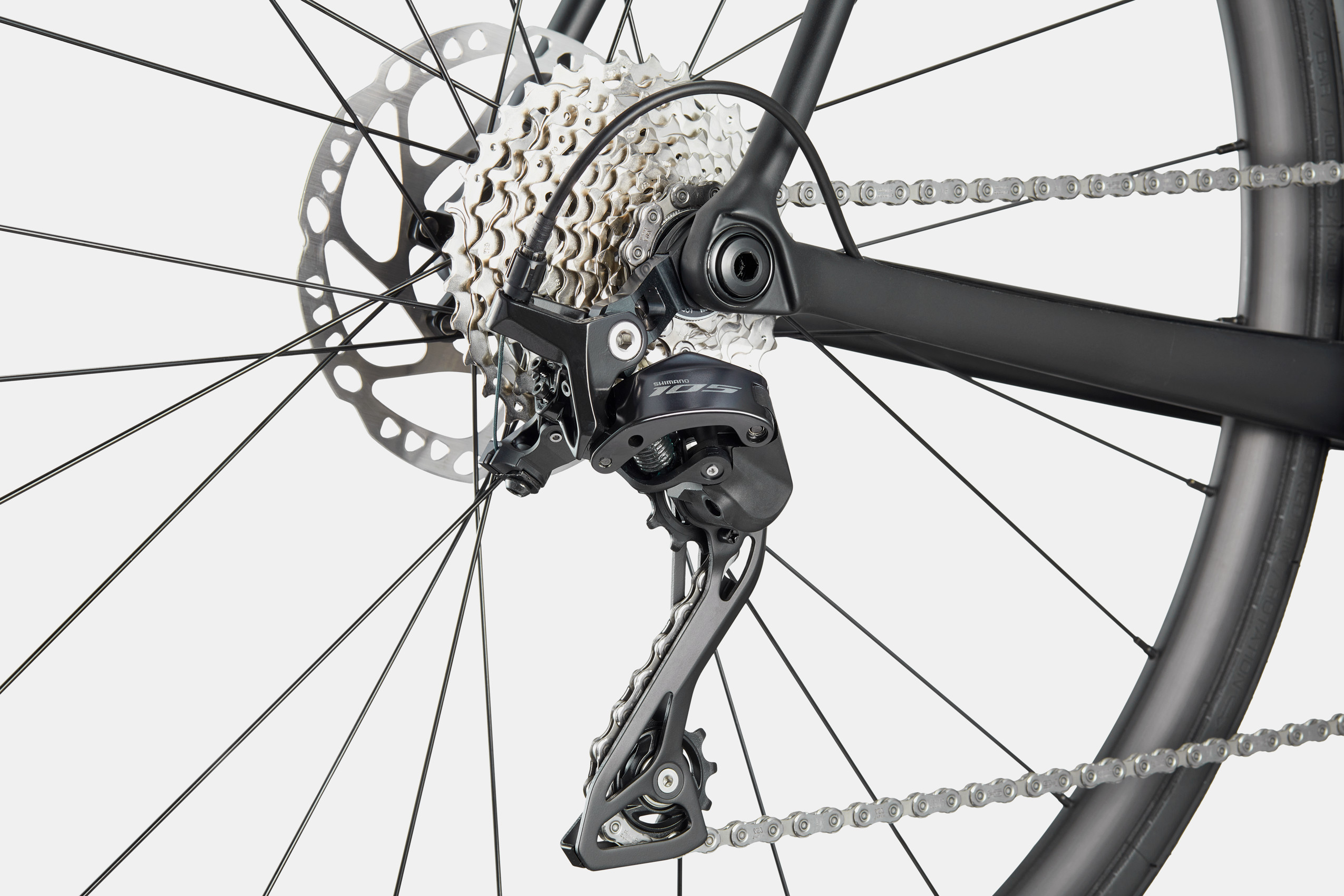
Cannondale-CAAD-14-3-Rear
(Photo/Cannondale)

The wheelset uses Cannondale RD 2.0 alloy rims with Shimano hubs, wrapped in Vittoria Zaffiro tires. It’s a straightforward, dependable setup that still benefits from the same performance aluminum frame. Price: $2,499 USD / $3,399 CAD.
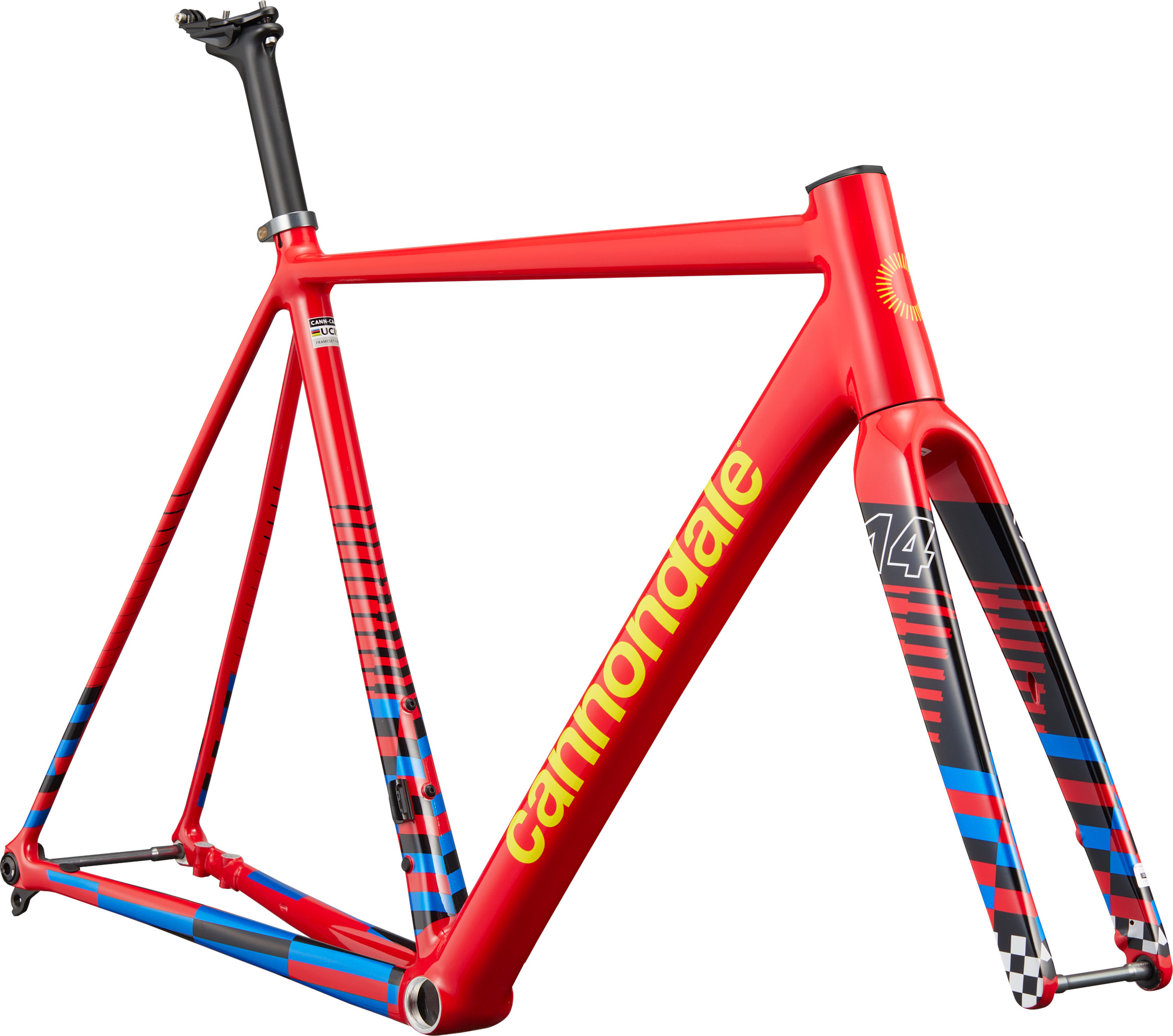
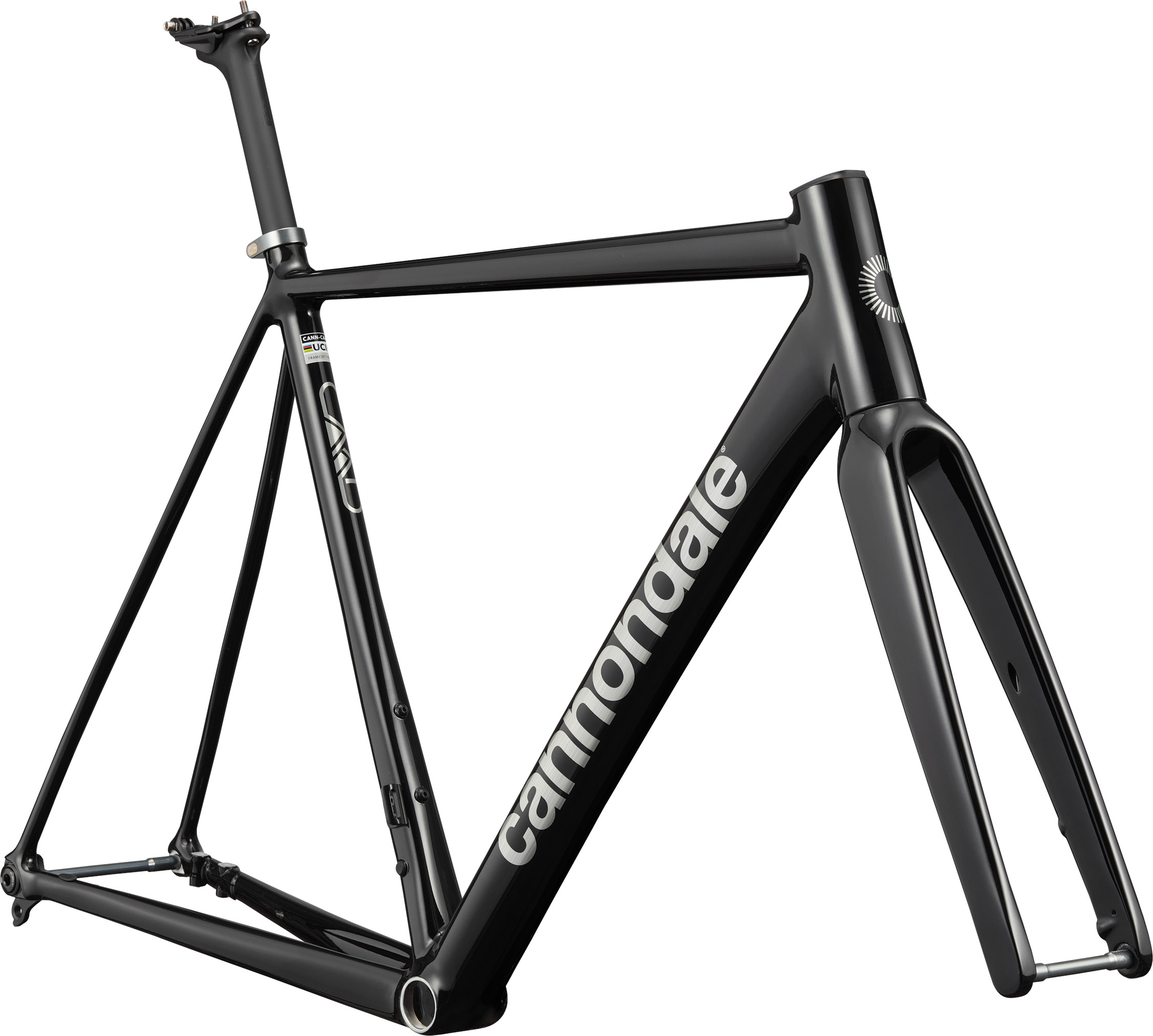
Frameset

Cannondale will also offer a standalone CAAD14 frameset for $1,799 USD / $2,499 CAD, giving riders the chance to build their own high-performance alloy machine from the ground up. The frameset includes the SmartForm C1 frame, carbon fork, and SAVE carbon seatpost.
Cannondale CAAD 14 2 Review woods
(Photo/Jordan Villella)

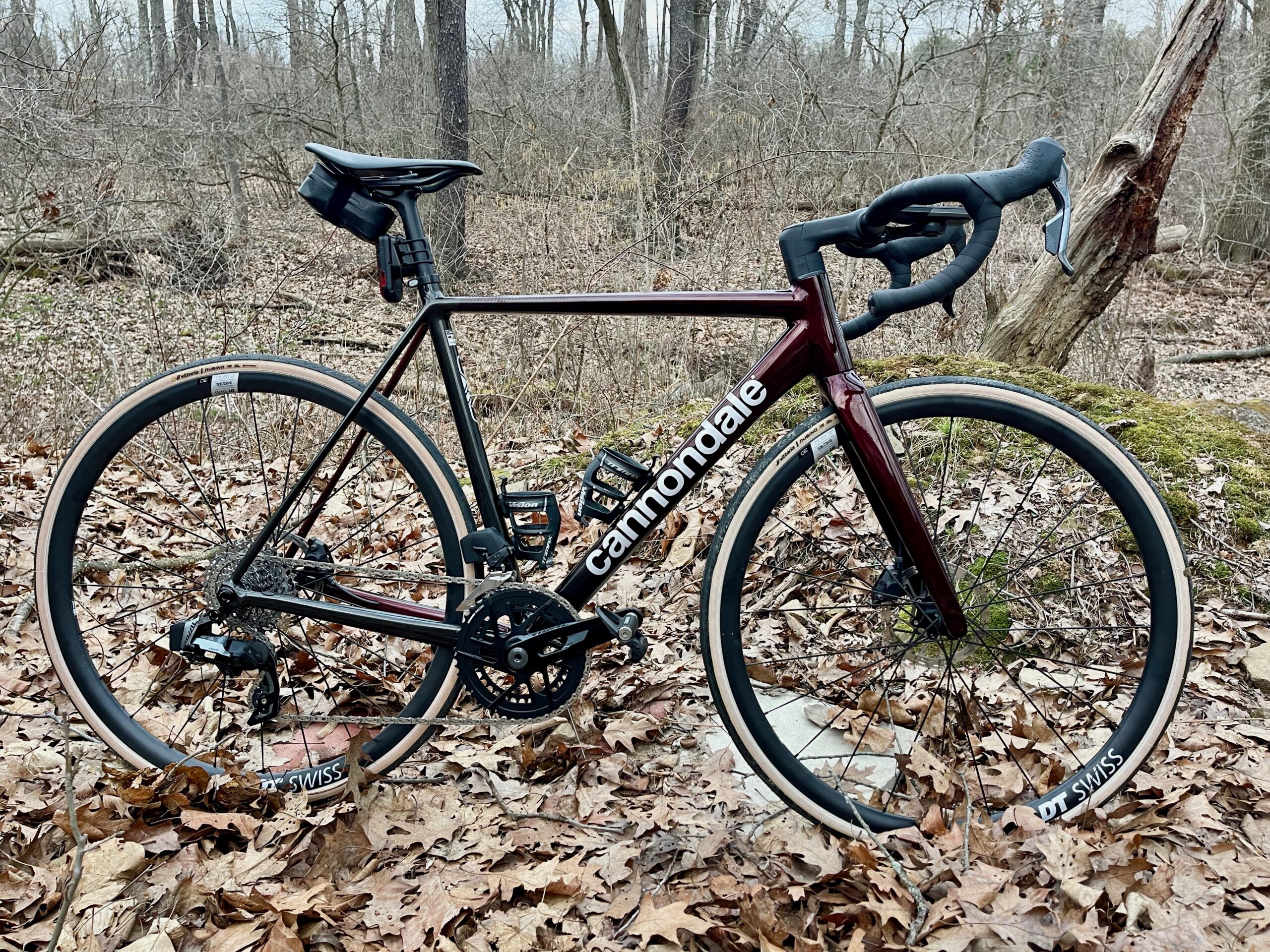
First Impressions: CAAD14 2

We were lucky enough to snag a CAAD 14 2 pre-launch and take it for a few rides before the launch. The expectations were high, and so was the stoke, as the CAAD series meant a lot to me as I was coming up as a bike racer. 
Cannondale CAAD 14 2 Review paint gloss
(Photo/Jordan Villella)

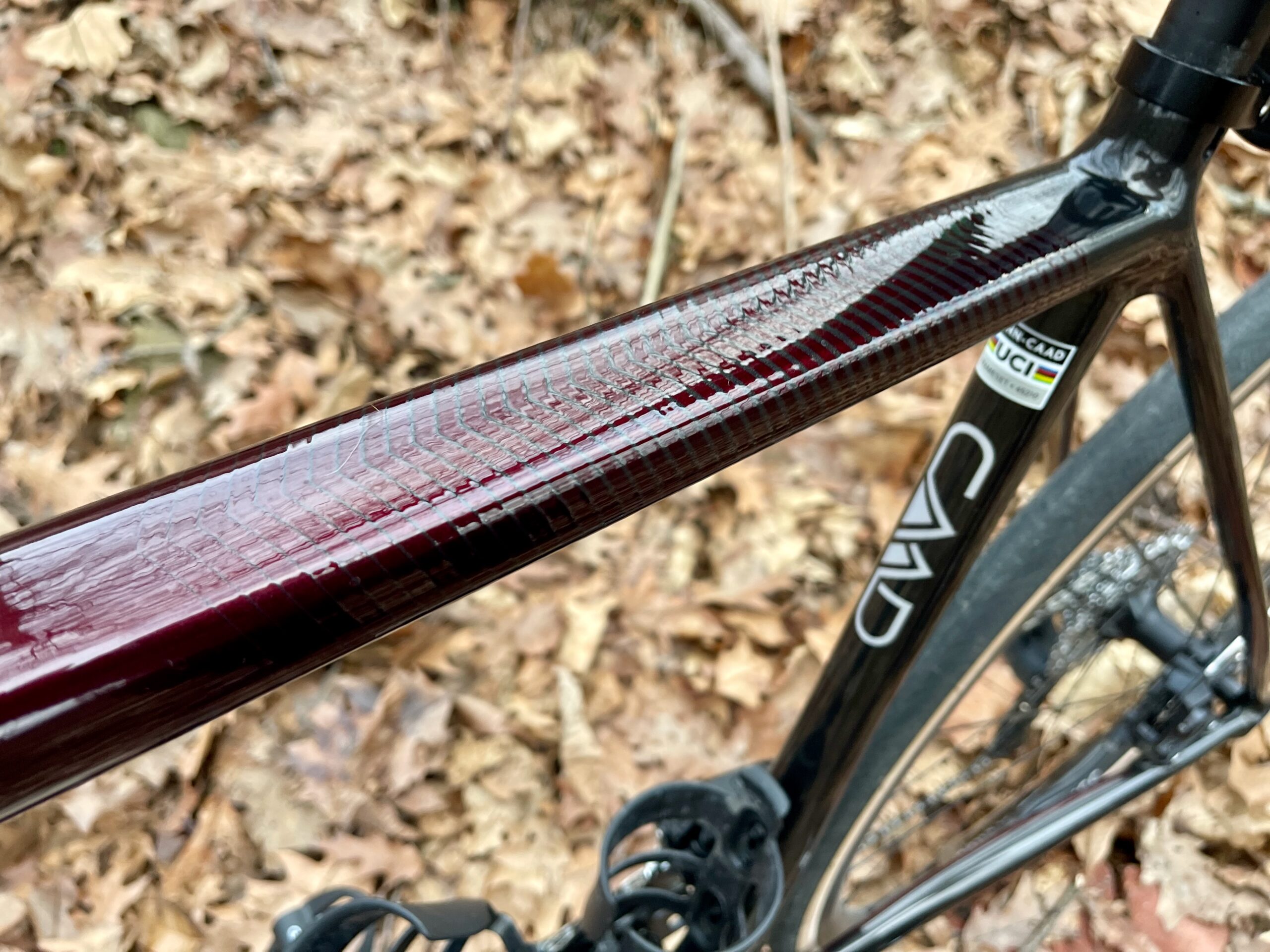
Unboxing, I was very happy to see that Cannondale went with glossy, semi-metallic speckled paint. The red of the frame stands out in the sun, and looks every bit as “carbon” as the super bikes out there. However, the tubes and their sheer bulk give away their alloy nature. I chose a size of 54cm, and it fit well, with only a small adjustment to the stem for a better personal fit. *I’m 5’10” with a 32″ inseam.

Cannondale CAAD 14 2 Review other
(Photo/Jordan Villella)

Classic Feel

The frame is a bit of a throwback to the CAAD 10, with the same shape toptube and silhouette. It looks like a disc brake CAAD 10, and I love it. The seat stays have a nice semi-flattened profile and meet up near the seat collar – no more dropped stays. 
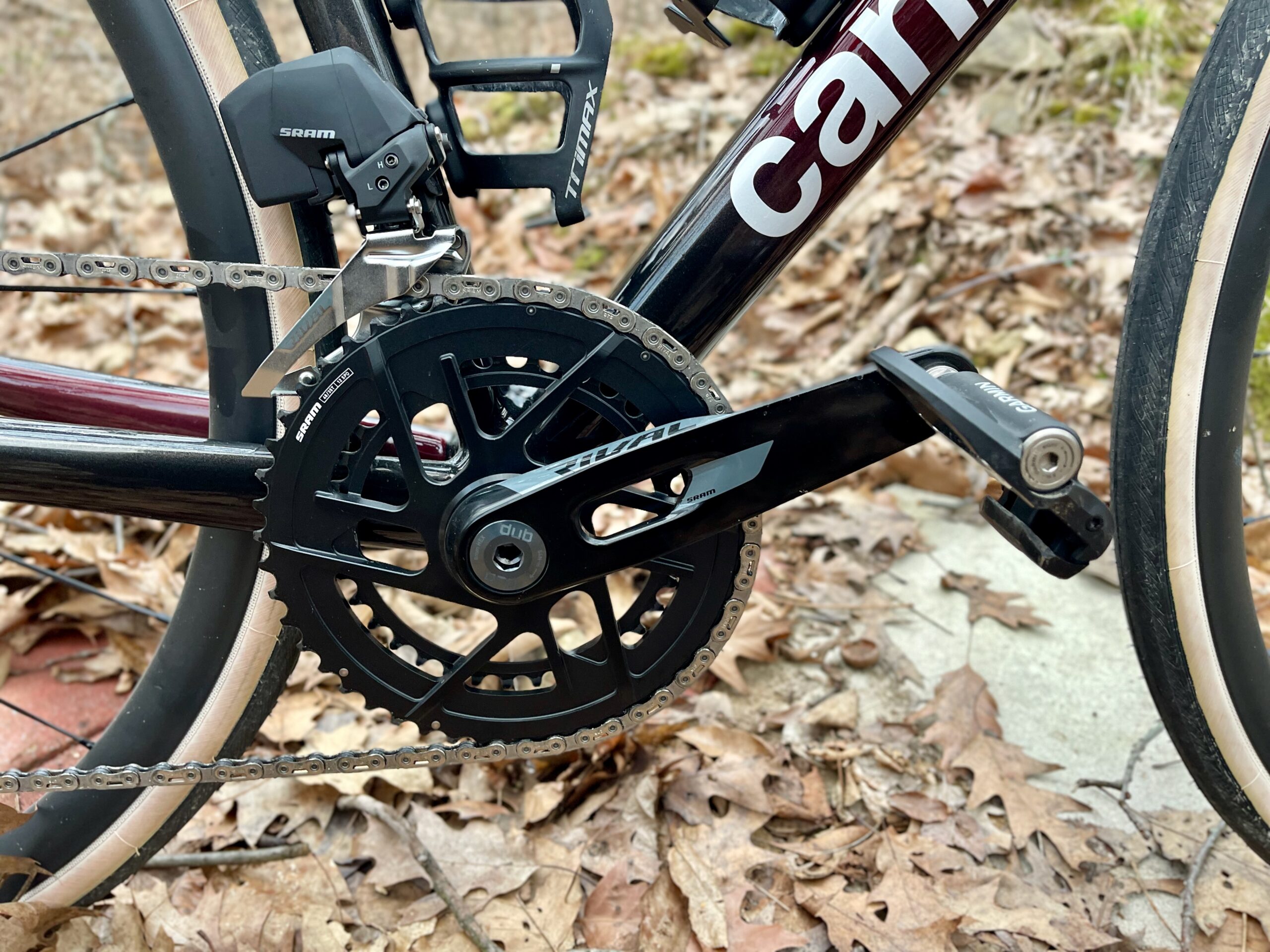
Cannondale CAAD 14 2 Review cranks
(Photo/Jordan Villella)

Build and Quality

The build is a quality spec, especially if you’re a SRAM fan. After the newest SRAM groupset launch, they won me over. I’m officially a fan, even more so that you can barely tell the difference between groupsets (though the Rival is missing the extra shifting buttons on the body). The build is full SRAM Rival with a 48/36T crankset and a 10-36T do-it-all/climb-it-all cassette. 
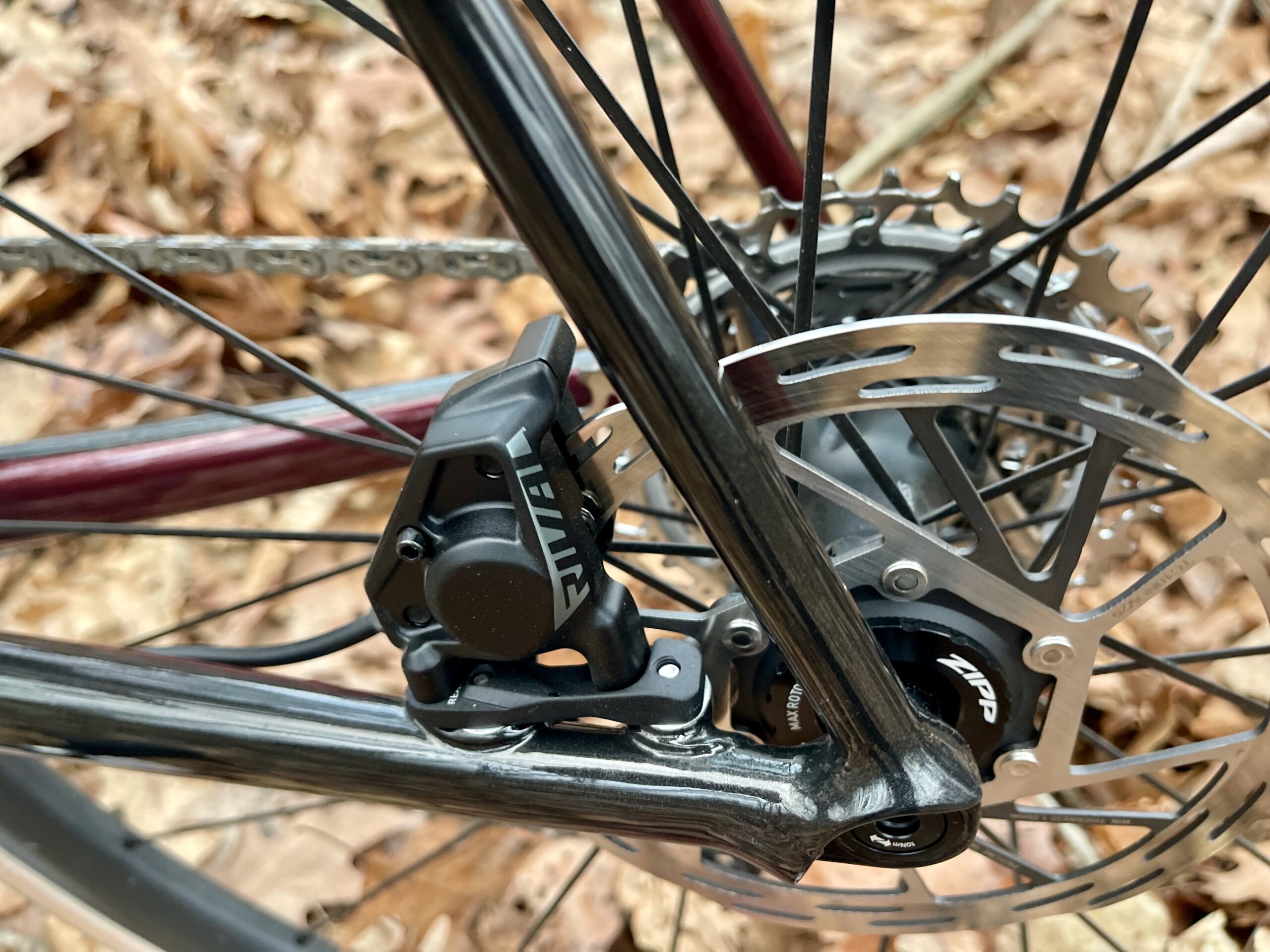
Cannondale CAAD 14 2 Review brakes
(Photo/Jordan Villella)

The wheels and cockpit are more robust. The bars are Vision TriMax 38cm alloy and have a great shape and feel. They are paired with Cannondale’s in-house Conceal stem and work well together. They expertly hide the cables without overdoing it, allowing the bars’ angle and stack to move freely when you need to make an adjustment. 
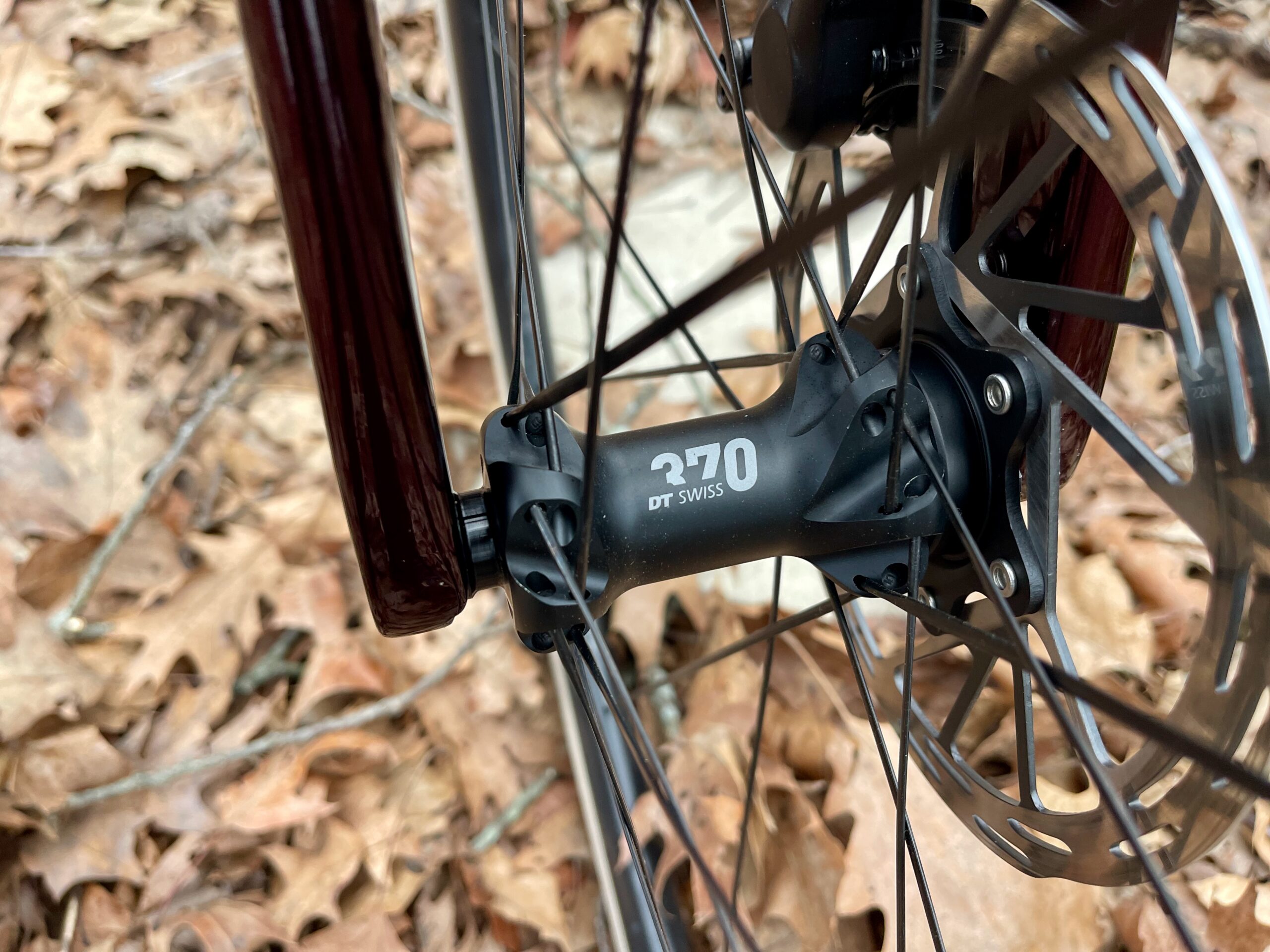
Cannondale CAAD 14 2 Review hub
(Photo/Jordan Villella)

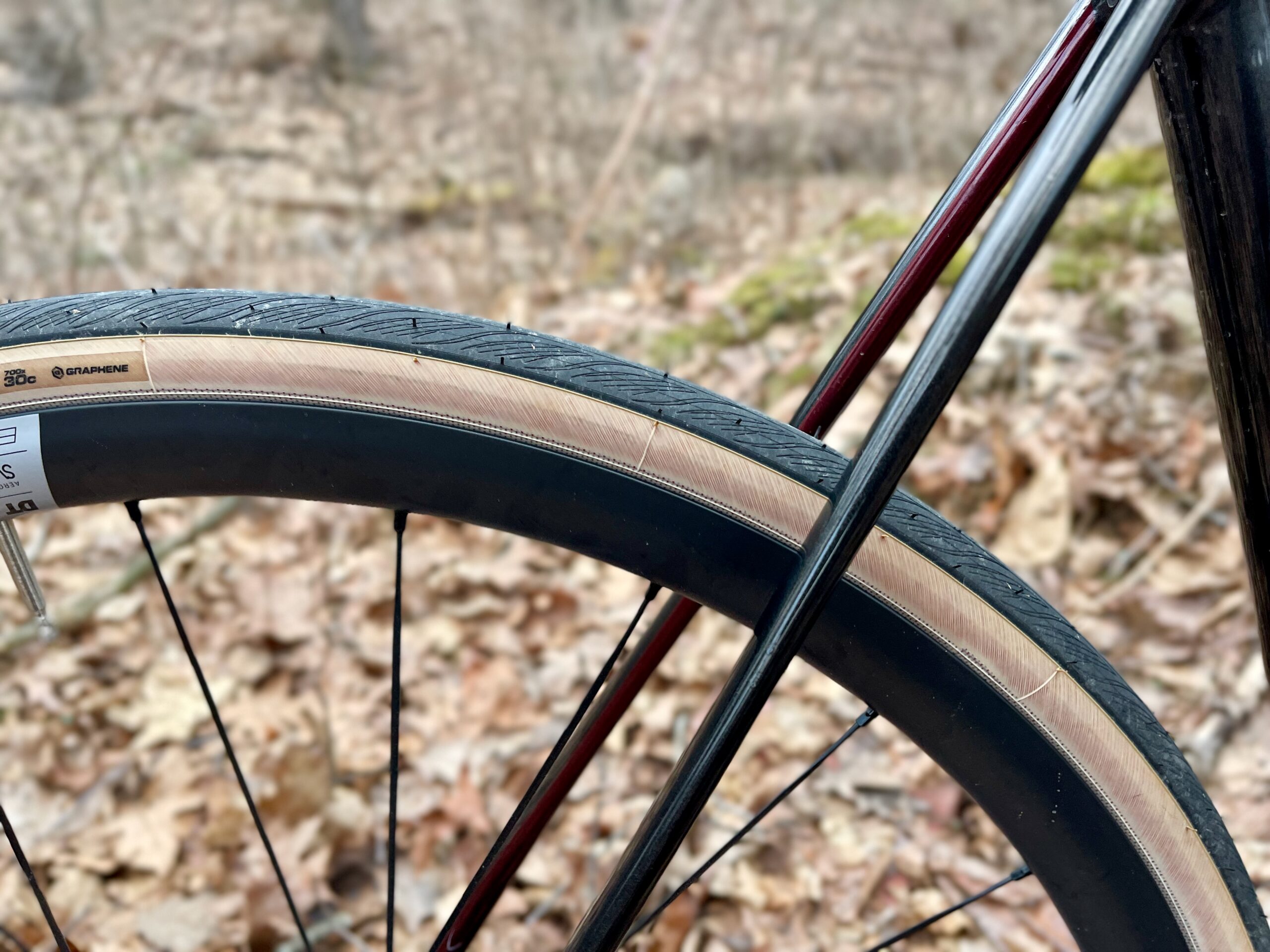
The wheels are DT-Swiss 1800E 30 with DT-370 straight pull hubs. They arrived with tubes, and that’s how I kept them on my test rides, but they are tubeless-ready, with valves included. The wheels come with Vittoria Rubino 30mm tan-wall tires, which add an extra cool, semi-retro vibe to the bike.

Though they are among the heaviest parts on the bike, the wheels are carbon aluminum and deliver solid ride quality. They are a shallow 30mm depth, and play nicely with the sometimes harsh ride of a stiff alloy frame. However, you can feel them when getting the bike up to speed if you’re used to a lighter, sharper-feeling wheelset. 
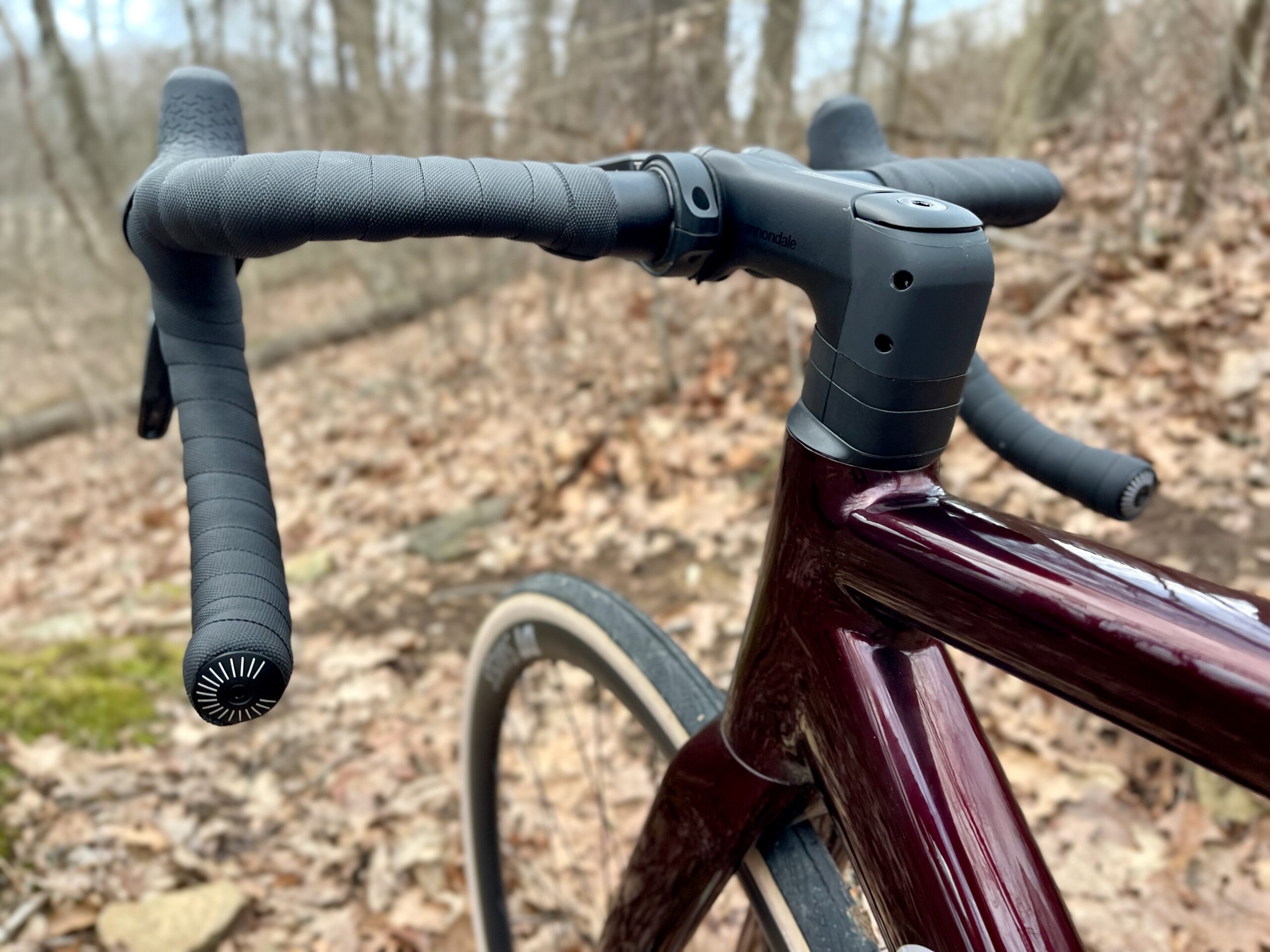
Cannondale CAAD 14 2 Review headtubes
(Photo/Jordan Villella)

Ride Impression – Cannondale CAAD 14 2  

The first thing that stands out is how comparable it feels to a modern aero road bike in terms of ride feedback. I was waiting for a harsher ride that I might have been nostalgic about, but no. The CAAD 14 feels very much like a modern design, but hold that thought.

Cannondale CAAD 14 2 Review riding
(Photo/Jordan Villella)

On my typical mid-length road loop, the CAAD 14 felt responsive and decisive. I was looking for that feel I remember from my CAAD 9, carving around the city streets, that point-and-shoot feeling. Yes – the CAAD 14 has some of that, but much like how I don’t weave in/out of traffic anymore, the CAAD has also matured. It’s more stable; you can feel that in the descending and in the corners. It has the classic CAAD feel, but it’s not a one-trick pony; it can do much more than race a crit.
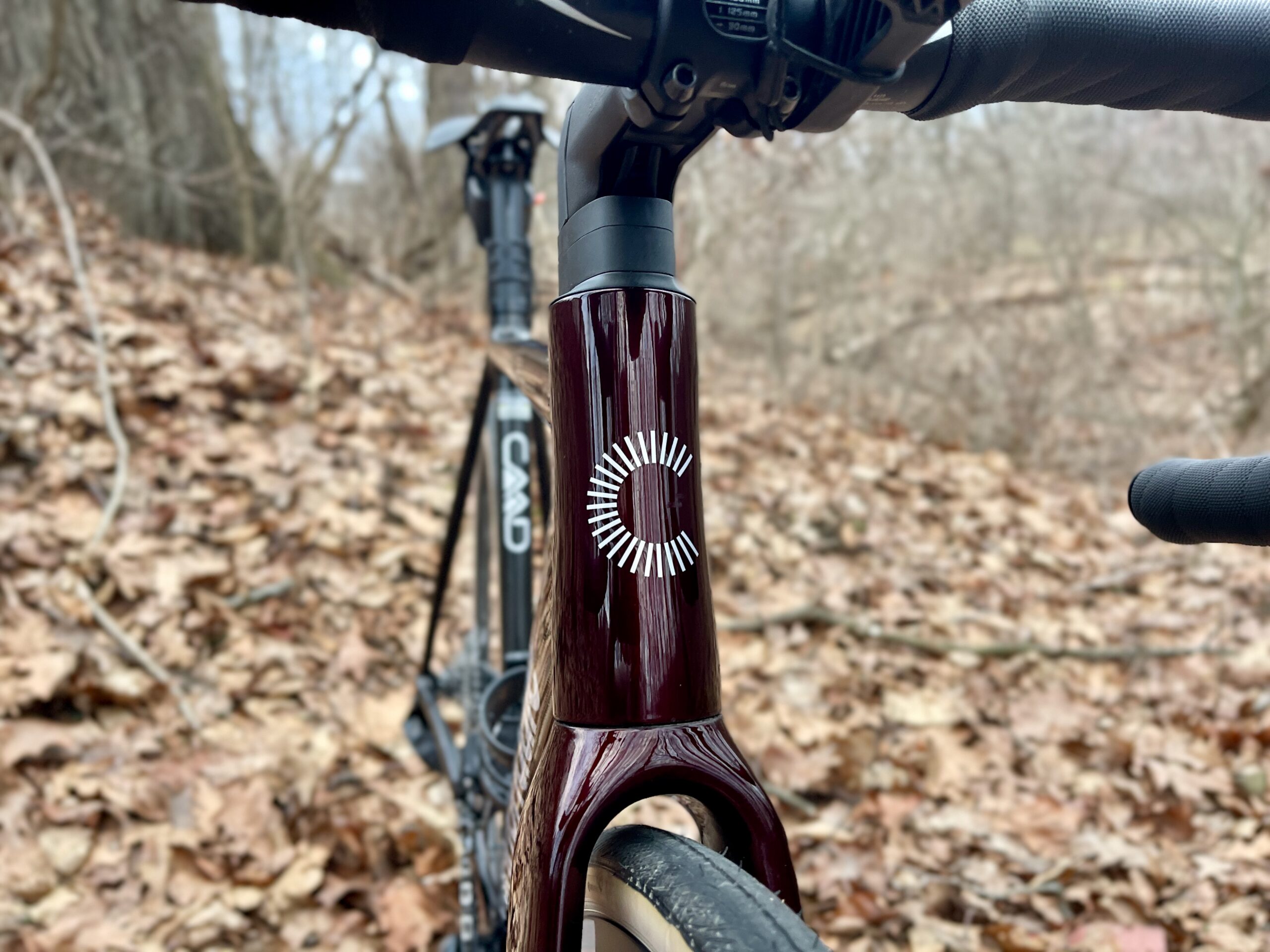
Cannondale CAAD 14 2 Review headtube
(Photo/Jordan Villella)

On climbs, the CAAD feels punchy, though you carry around some extra weight with the wheels. The frame is responsive and stiff, but not terribly harsh. This isn’t the alloy bike of the past that felt like a jackhammer on the bricks, and your back hurt after a race. The updated geo and larger tires make the updated CAAD 14 an all-rounder, with a go-long option – especially if you opt for 32mm. 
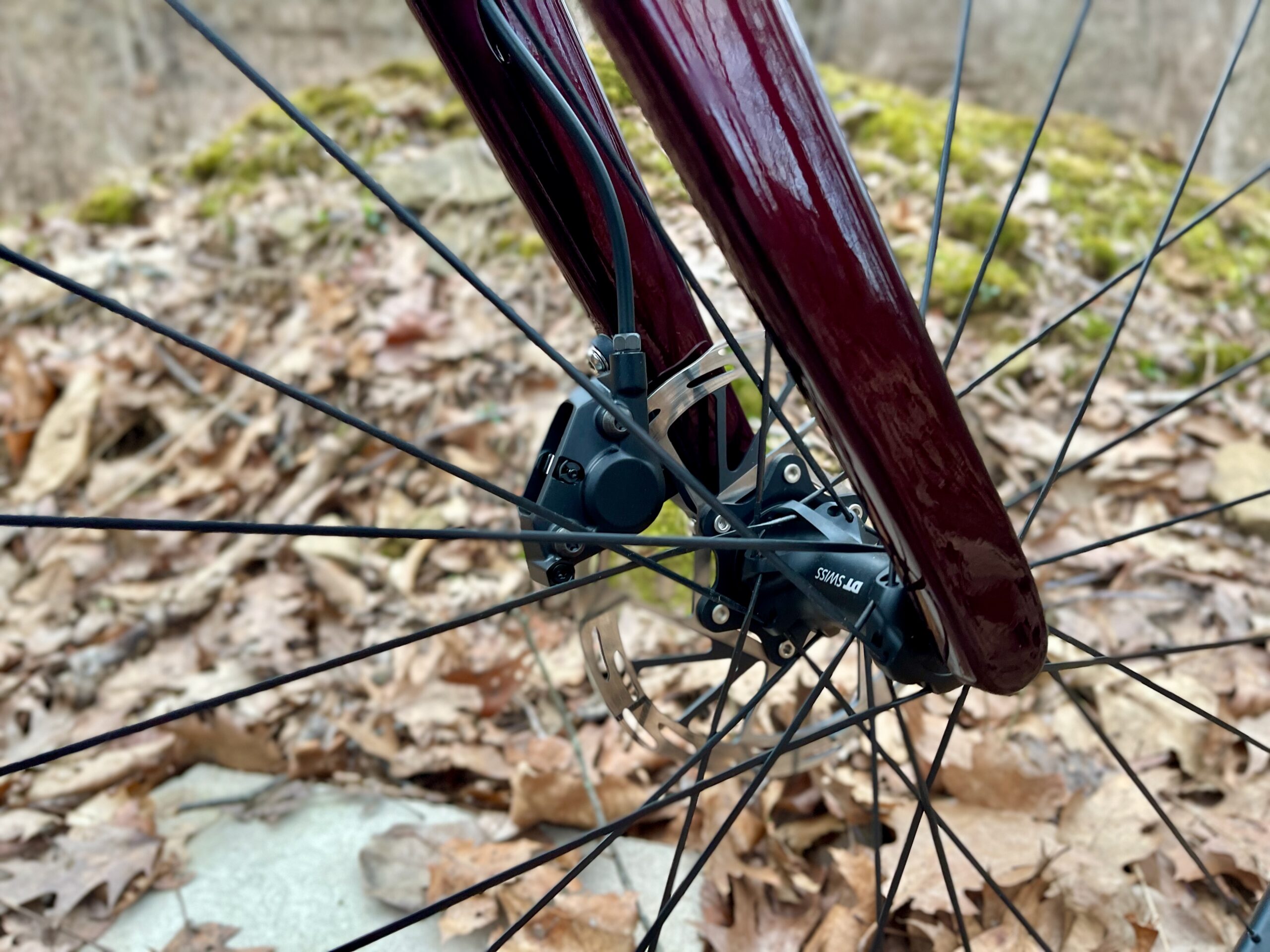
Cannondale CAAD 14 2 Review fork
(Photo/Jordan Villella)

So far, I’m very happy with the performance of our demo CAAD 14. With our limited couple of days of riding, it’s left a lasting impression. I can’t wait to throw some race wheels on it and take it to the races. 

Cannondale CAAD 14 2 Review side
(Photo/Jordan Villella)

If you’re a CAAD fan and are still looking for that 90’s CAAD feel with a modern twist (we’re getting old), the new CAAD 14 is well worth a look. Watch out for a full review coming soon. 

More info at Cannondale.com

Subscribe
Notify of
guest

This site uses Akismet to reduce spam. Learn how your comment data is processed.

38 Comments
Oldest
Newest Most Voted
Inline Feedbacks
View all comments
Shackle ton
Shackle ton
1 month ago

This might be the coolest bike to come out in 2026. I had a first gen Cannondale aluminum mountain bike in the late 80’s. My friends called it the Ghetto Cruiser. I miss that one.

NREsq
NREsq
1 month ago
Reply to  Shackle ton

That’s what Cannondale is selling here, nostalgia.

Nacho Buddy
Nacho Buddy
1 month ago

Those wheels are nice, but they aren’t carbon. How’d you get on with the 55mm rake fork on a 54 frame? Seems odd for a race bike.

C P
C P
1 month ago

A longer rake will quicken the steering which will likely more than offset any ‘stability’ due to the longer wheelbase. All things being equal, 55mm fork rake will have a lower trail figure than 45mm and therefore quicker steering.

Chris
1 month ago

That last statement seems slightly at odds with common perception of trail and steering stability. Even though a 55mm fork offset (vs 45) increases the front center by 10 mm, it also reduces the mechanical trail by roughly the same amount. Any thoughts on this?

Veso Mandaric
Veso Mandaric
1 month ago
Reply to  Chris

You are completely right.
55mm on 71.2 is making – Uncontrollable Stable Steering. Uncontrollable for/by the Rider, Stable by the Bike.
This \, what i say might sound controversial, but let me try to explain.
Controllable Steering mean – rider can aim the bike in any direction she/he wants.
The rider is master of where bike goes.
The bike will behave how rider want it. If you have your hands on the bars, and aim where you want to go – the will obey your command. If you don’t have your hands on the handlebar, the bike might “wonder”.
Stable Steering on the other side is stable for The Bike, but not for the rider.
The bike will go where geometry of the bike and the road dictate.
It is something like riding heavy loaded touring bike. It is very stable, but hard to “Control” it. If you see the pothole, and you want to avoid it, you wouldn’t be able to. The bike will hold the path where it was going to go. You will hit that pothole.
Basically, Stable Steering is the system where you take your hands off the bars, and bike still goes where want to go. Even off the cliff.
Controllable Steering is the system where you must be in control. You dictate where bike will go, and bike will obey.

K B
K B
1 month ago

I like the implementation of the GoPro-style mount built into the seatpost. I’m not familiar enough with Cannondale to know if that’s on all their recent seatposts but that’s a nice little touch

pmurf
pmurf
1 month ago

Heck yes, love to see Cannondale still investing in Alu tech and keeping an alternative material relevant in the industry. My CAAD10 remains one of the most gratifying bikes I’ve ridden. While The 3 is a deal and I’m sure they’ll sell a ton of them, I feel like they’re missing something at the ~$3200 mark, which always seemed to be a sweet spot for buyers when I worked in a shop years ago. 4k is a big jump from entry level.

Johnny M
Johnny M
1 month ago

Thank god for good looking welds again. The last few Gen’s look like they were help together with Plumbers putty.

seraph
seraph
1 month ago

Reserve wheels on a Cannondale is not something I had on my Bingo card for 2026.

Zach Overholt
Admin
1 month ago
Reply to  seraph

Kinda weird, right? Same goes for Reserve wheels on Cervelo. Makes sense when you realize they’re all owned by PON.

seraph
seraph
1 month ago
Reply to  Zach Overholt

Reserve wheels on a Cervelo makes more sense to me, since Cervelo and SC are both directly owned by Pon.Bike, whereas Cannondale was part of the Dorel acquisition. I pretty much forgot they bought Dorel back in 2020.

Paul
Paul
1 month ago
Reply to  seraph

Yeah it’s this as admission that their own hollowgram wheels weren’t up to par?

JBikes
JBikes
1 month ago

Any detail on that fork? Not sure I like that blind hole but that just may be the conservative in me.

MaLóL
MaLóL
1 month ago

Caad15 free design consultancy: make the frame with slooping, like good old mike burrows tcr 😉 bring back dropped seatstays, like mike burrows good old tcr 😉 you save weight, about 100-150g, you gain comfort with the longer post and you save on cost due to less material… AND you will sell so much more cause it will look so much better than this old fart double diamond frame. YOU ARE WELCOME CANNONDALE.

Tom
Tom
1 month ago
Reply to  MaLóL

And…there he is. There’s one in every crowd.

bmwt
bmwt
1 month ago
Reply to  MaLóL

Sounds like a project for Giant.

WheelNut
WheelNut
1 month ago
Reply to  MaLóL

Hahaha. The metal isn’t what is making this bike expensive. This frame is SO CHEAP to build as is. Lopping 50mm off the seat tube won’t do a damn thing at retail.

Dinger
Dinger
1 month ago
Reply to  WheelNut

I bet you’d be surprised at how much an aluminum frame can cost to manufacture. Especially the filled welds and paint.

blahblahblah
blahblahblah
1 month ago

$13000 au lol, you can get f…d

Tim
Tim
1 month ago

I’d consider this were it not for the headset cable routing, which for me is an instant deal killer.

Der_kruscher
Der_kruscher
1 month ago
Reply to  Tim

If an aluminum race bike is what you’re after, Paul Sadoff/Rock Lobster can make you a fully custom frame (i.e. no silly headset routed cable shenanigans) and source a fork for you than not much more than this frameset. If you’re savvy with your money you could have a better bike for less money that’s built by a master craftsperson and an incredibly nice guy. I’d rather support him than Cannondale, personally.

tertius_decimus
tertius_decimus
1 month ago

Finally. A bike to care about. The price though… We can’t have nice things any more.

Flomoe
Flomoe
1 month ago

Make the raw frame available as a framset.

Der_kruscher
Der_kruscher
1 month ago

I wonder how the durability of a lightweight aluminum frame compares to a carbon frame of similar weight. In the “old days” you could flex the downtubes of some of the light alu frames with your hand. The place I see for an aluminum race bike for folks who actually race is for durability, user serviceability, and relatively low cost if you get into a situation where replacement becomes necessary. I still don’t believe that the aero benefits of cables run through the headset outweigh the practicality/serviceability of cables that aren’t routed by that method for 99% of amateur racers.

Dinger
Dinger
1 month ago
Reply to  Der_kruscher

LW aluminum’s durability is far worse. Dent resistance, fatigue resistance, corrosion, all of it. Crit racers in SoCal want good alloy bikes because they’re so much cheaper to replace than carbon, but they’re not any harder to damage.

King County
King County
1 month ago

Cool video. I like natural finishes. They could have gone full, ‘buck-the-trend’ mode and made a retro, rim brake, external cable, mechanical model, low-pro rims, but no one would buy it and there are not many top-tier components with that criteria anymore.

Last edited 1 month ago by King County
Joseph
Joseph
1 month ago

It’s a vibe bike trying to hit the nostalgia of the previous CAAD bikes. Cannondale has stated the CAAD13 was a mistake in trying to make an aluminum bike more like a carbon race bike. So now we see no drops seat stays and a near horizontal top tube with really clean lines. The Rally Red paintjob is a throwback 80’s colorway. I think Cannondale for the most part nailed it especially for the CAAD enthusiasts, but where they totally lost it for me is the weights. 1410g for a painted frame and 1280g for the raw finish ONLY found on the CAAD 14 1, which is a limited edition thus stock will be very hard to come by with no frameset option. 1280g for an aluminum frame would be okay since that’s on par with the Trek Emonda ALR 1257g and the Specialized Allez 1400g but more aero, but since the CAAD like the Emonda is known to be a lightweight bike, I would have like all the frames to come in at 1280g painted or a raw finish to at least be offered in a frameset. I think while the CAAD14 1 shows the pinnacle of aluminum racing bikes the 1x 50t with a XPLR 10-46t is weird and is really niche. Lastly if you exclude the CAAD 14 1 which will be such a limited run, we are left with two model in the 2 and 3. The 2 is a Rival E1 build with no Shimano Ultegra Di2 or 105 Di2 option and the 1 is 105 12 speed mechanical. IMO Cannondale should have taken a book out of Specialized book and yeah only offered one electronic shifting model and one mechanical option but offered a slew of colorways in the framesets. Honestly I would have axed the CAAD 14 1 and just have sent that build or told LBS to use that build as an example for customers. I would have made the raw finish a frameset option and offered at least two more colorways bringing the colorways to 5 total.

Prrrrrrer
Prrrrrrer
1 month ago
Reply to  Joseph

Far out.

Paul
Paul
1 month ago

Beautiful bike. It would be lovely for my commute. Such a shame I suffer from an incurable disease – look at that lovely bike, pity I’m not rich. If my only child could grow up as a successful millionaire and find the cure that would be pretty handy. Maybe I should convince the wife to have a few more kids so we increase the chances of one of them finding the cure? Na, stuff it. Too much war and misery happening. Probably soon enough people will realise it’s cheaper and easier to give out nice bikes and we all ride around with smiles and are nice to each other. Ah utopia, so close I can almost ride it. I’ll take the CAAD14 thanks.

Pete
Pete
1 month ago

More what’s old is new again?
I guess I’ll ride my old Raleigh.

David
David
1 month ago

Aluminum fan here on my 1995ish Klein Quantum. Various upgrades but still have some Shimano 600 stuff. Don’t do centuries anymore but the bike is great on hills in Malibu.

“I chose a size of 54cm, and it fit well, with only a small adjustment to the stem for a better personal fit. *I’m 5’10” with a 32″”– sounds like a racer for sure as that bike seems too small for a fast recreational rider. Reminds me of going to the Grand Prix Cycliste de Montréal and seeing how even champs like Sagan ride smaller bikes than you can imagine.

NREsq
NREsq
1 month ago

So other than a return to ’90’s ‘aluminum bike feel,’ what’s the use case for an aluminum frame bike that’s this expensive?

James
James
1 month ago

Still have my 2011 caad 10 size 56 in red c white accents. The bottom tier build, it was specc’d c 105 10sp, fsa gossamer crankset and house branded finish kit c tektro calipers and shimano 10 wheelset. Over time, I upgraded to ultegra 11sp mechanical and Hunt 50mm carbon/carbon spoke wheelset. One would be hard pressed to find a faster alloy frame from that period worthy of top tier gruppo. I don’t see myself selling ole red.

Caspar
Caspar
1 month ago

CAAD 13 frame weight was 1100g, Bike with 105 2×11 around 1700€. CAAD13 disc frame was even a few gram lighter than rim. The bike felt never flexy or unstable. So why is the new one so much heavier and more expensive??

James
James
1 month ago
Reply to  Caspar

Fair and relevant query Caspar, and one for which you already have the answer: MARKET DRIVEN. It seems that in a free, supply-side economic system, and especially with respect to non-essential vagaries, there are occasional lapses in a pure, unadulterated profit motive wherein actual purpose-driven product development increases the efficiency of a manufactured species, thus the item evolves, word gets out, sales spike. Ah, but inevitably the bean counters resume hitherto lapsed authority and aesthetics leapfrog efficiency. Takeaways? Let us be thankful for those momentary lapses where actual riders assert influence over the marketing geniuses, for the latter will soo enough reassert control.

Subscribe Now

Sign up to receive BikeRumor content direct to your inbox.