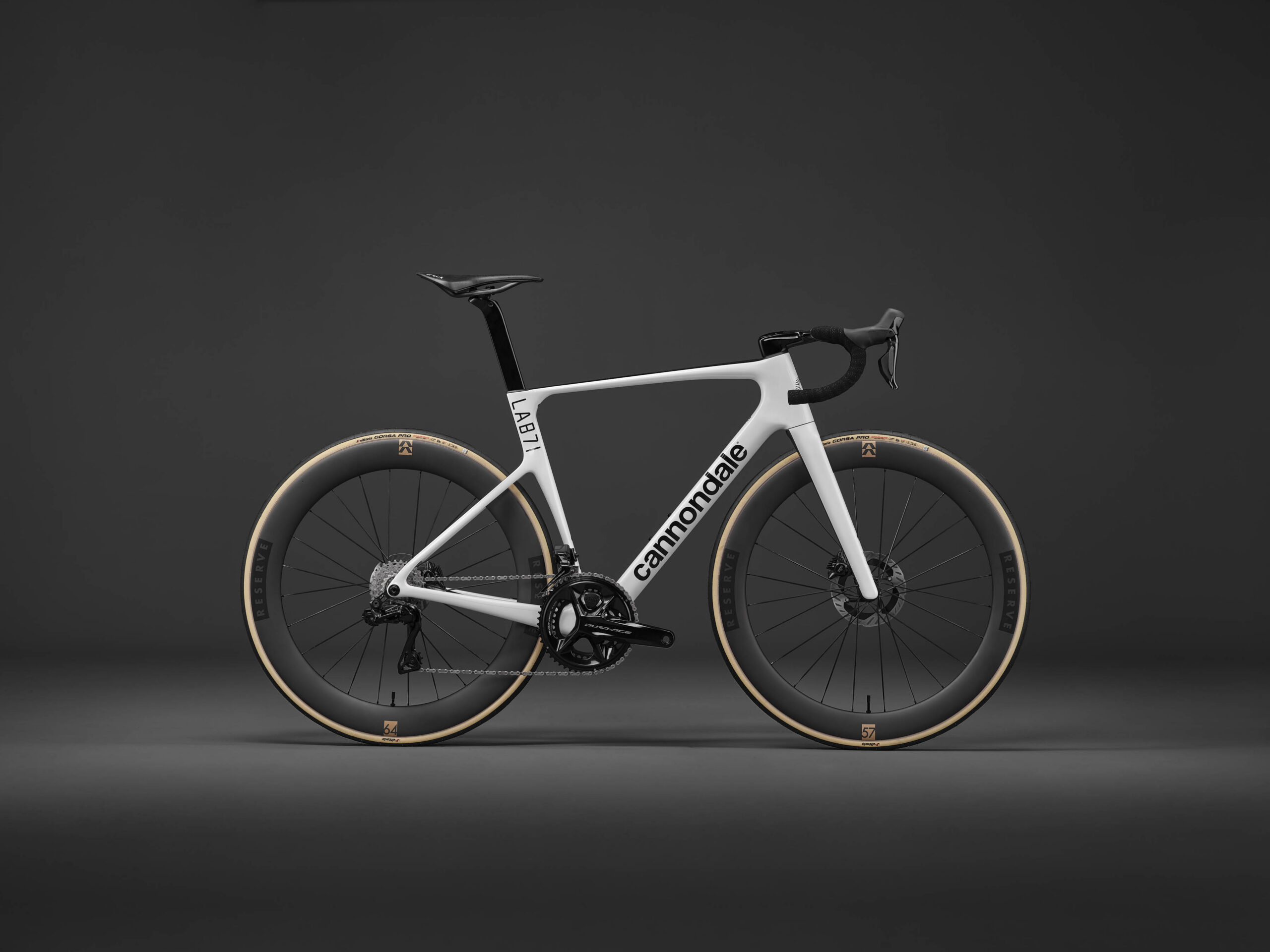


Cannondale’s SuperSix EVO has spent the last few seasons quietly redefining what a modern race bike should be. The previous generation blurred the line between climbing machine and aero weapon so effectively that it ultimately replaced both the classic EVO and the aero-focused SystemSix in the Cannondale lineup. I’ve ridden a SuperSix EVO for the past three years, and hands down, it’s been my go-to for any road.

So when Cannondale says the new, fifth-generation EVO is faster again, the obvious question becomes: how do you improve a bike that many riders love without overworking it and pissing off a large group of cyclists? The answer is you don’t – you make small changes, and refinements – you don’t “reinvent” anything.

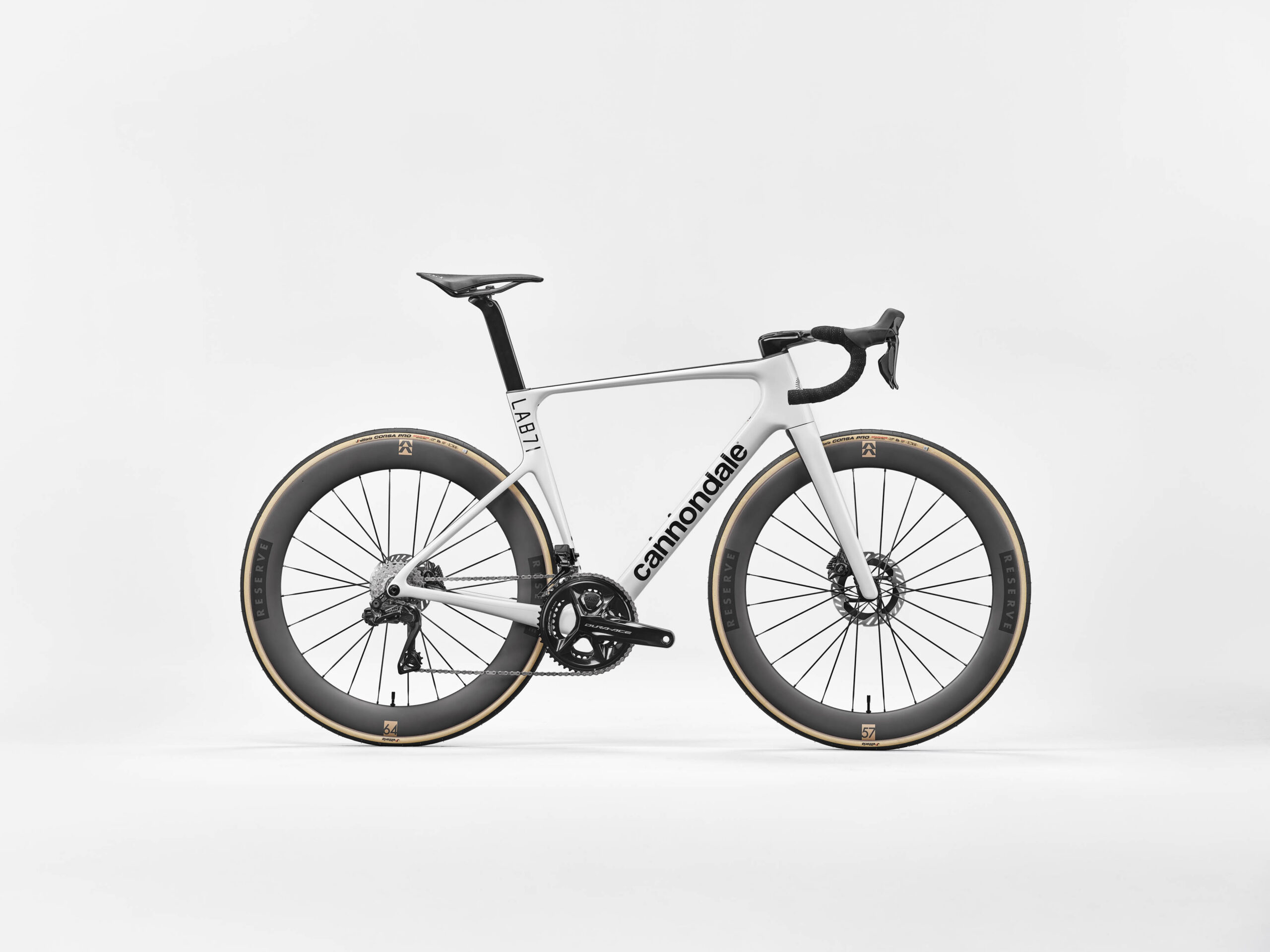
Thats exactly what happened to the new Cannondale Super-Six EVO. At a glance, it’s hard to tell the difference between the outgoing and incoming models. The result of subtle changes and nitpickling is a bike that keeps EVO’s defining ride character while delivering measurable improvements in aerodynamic efficiency, weight, and integration.
In short, the bike that already worked everywhere now works better everywhere.
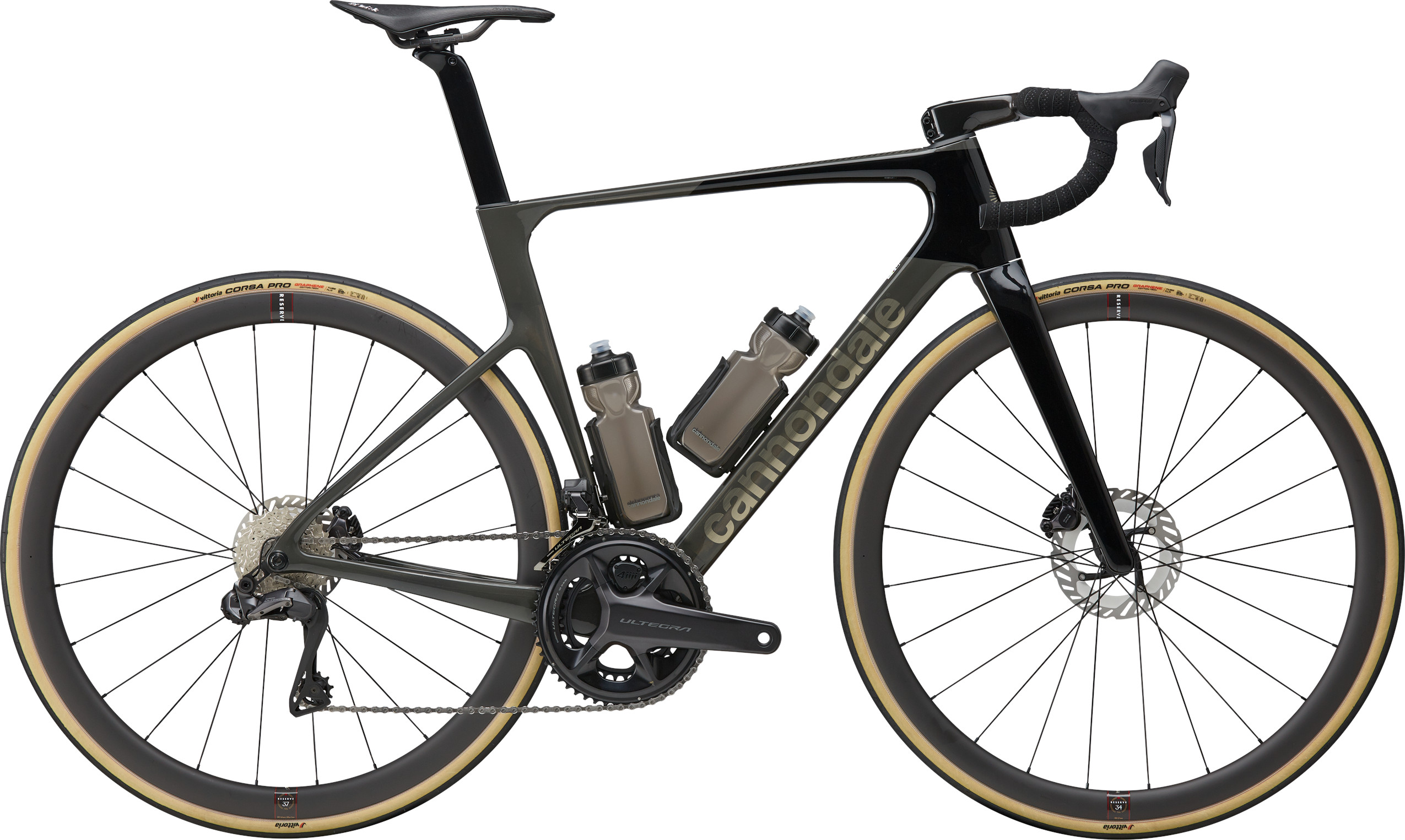
EVO Gen 4 vs. EVO Gen 5
The outgoing EVO was already considered a respected, fast, all-around race bike. Riders could roll into flat classics, mountainous stages, or rolling one-day races without having to swap platforms. Pretty clutch for both mechanics and riders. But when the Cannondale team set out to update the SuperSix EVO, they focused on three major areas where the Gen 4 was lacking.

Aerodynamics
The previous EVO already delivered aero performance comparable to dedicated aero frames. For the new model, Cannondale engineers revisited tube shaping across the entire chassis.
Each tube uses truncated aerofoil cross sections derived from NACA profiles. Now the tubes are refined using CFD modeling and wind-tunnel validation to remove excess material without compromising airflow control. The most gains come around the front end, where airflow is cleanest, and drag penalties are highest.
What did they update? The new Cannondale SuperSix EVO has a slimmer fork crown and head tube transitions, and a slightly revised front-end shaping. This new front end introduces a new Cannondale cockpit integration and drops the Momo Designs piece from the SuperSix EVO Gen 4.
Cannondale says these changes deliver lower real-world drag, not just peak wind-tunnel gains. The engineering squad focused on performance across typical riding wind conditions, meaning efficiency gains translate to actual speed outside the lab. Put simply, riders spend less energy pushing air aside.

Weight: The Lightest Disc EVO Yet
At the same time, weight drops again. Frame weights for a painted size 56 now land at:
- Series 0 LAB71 frame: approximately 728 g
- Hi-MOD frame: approximately 781 g
- Standard carbon frame: approximately 910 g
Fork weights range between roughly 392 g and 427 g, depending on the construction level.
That makes this the lightest disc-brake EVO Cannondale has produced. How? Nothing crazy, Cannondale says a new carbon layup refinement and smarter material distribution helped trim the excess. Plus, they are now trimming structural excess materials wherever aerodynamic shaping allows.

Integration: Cleaner Up Front
Modern race bikes increasingly live or die by cockpit integration, and Cannondale has reworked the EVO’s front end accordingly. Cannondale is using the launch of the updated SuperSix EVO to showcase its newest integrated cockpit designs. No more MOMO Designs bar/stem combo, now two cockpit options define the lineup:

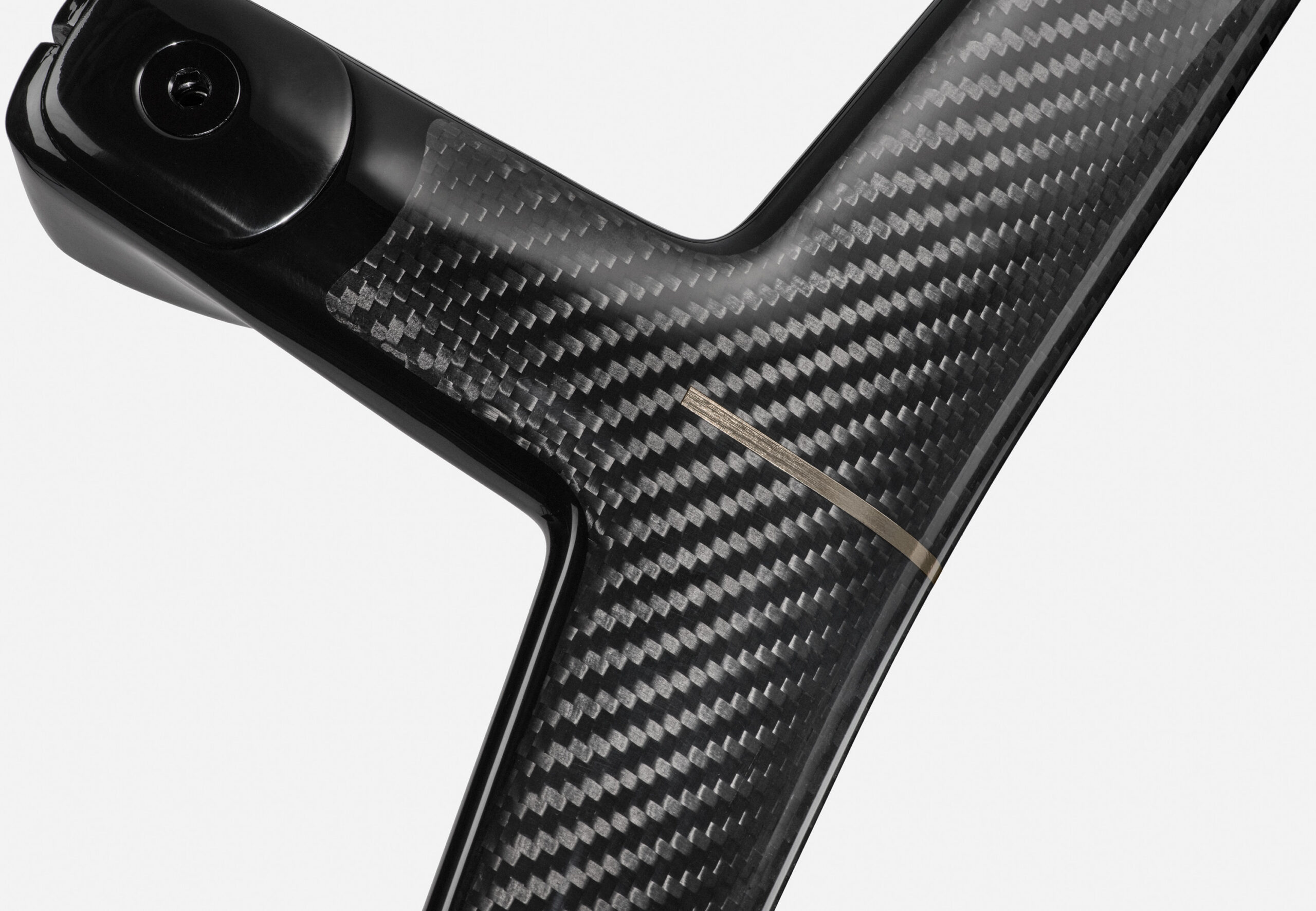
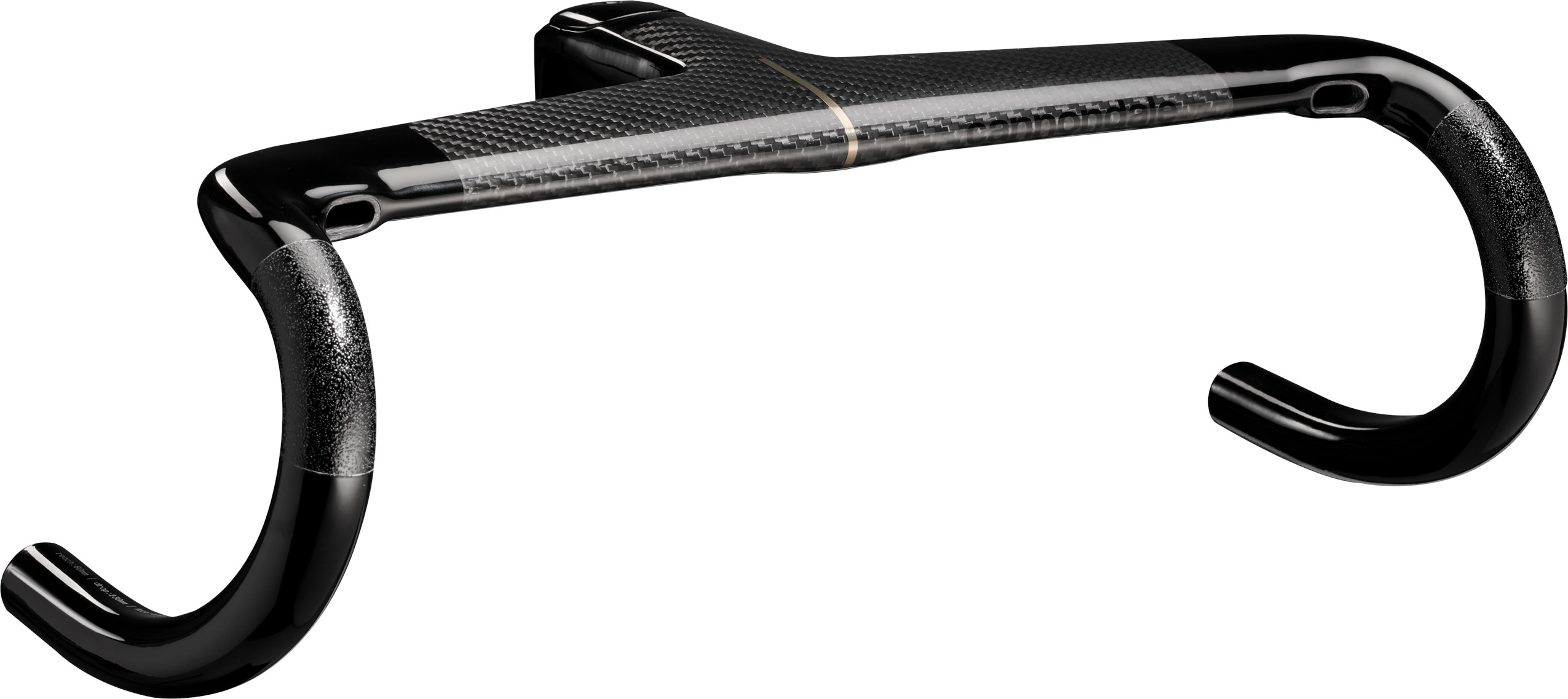
SystemBar Road
- Aerodynamically shaped truncated airfoil profile
- Narrow top section for improved rider position
- Flared drops for handling control
- Fully integrated routing
- Designed for aero efficiency in racing scenarios
- SystemBar Road cockpit: All size options retail for $699 / $999 (USD / CAD)
SystemBar Road SL
- Ultralight construction
- Just 265 grams
- Targeted at climbers and weight-focused riders
- SystemBar Road SL cockpit: All size options retail for $699 / $999 (USD / CAD)
Both route cables internally through Cannondale’s Delta steerer system, reducing frontal area while maintaining reasonable serviceability compared to some fully hidden systems.
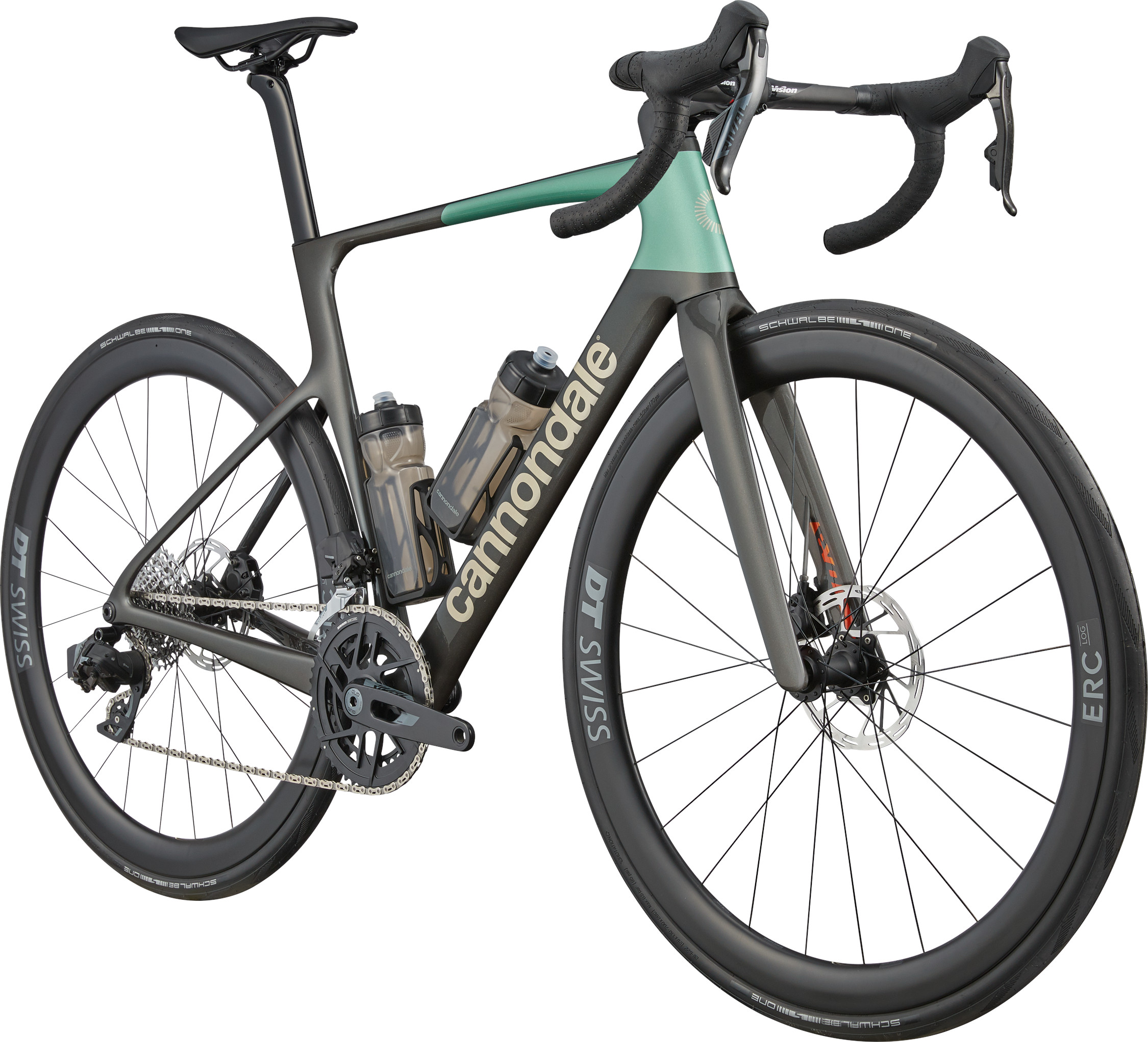
Larger Tire Clearance
Like all competitive race bikes, EVO now embraces wider rubber. Tire clearance officially reaches 32 mm, allowing riders to benefit from modern tire performance. So this means one bike to rule them all, classics, climbing, crits, and cafe rides around the countryside.
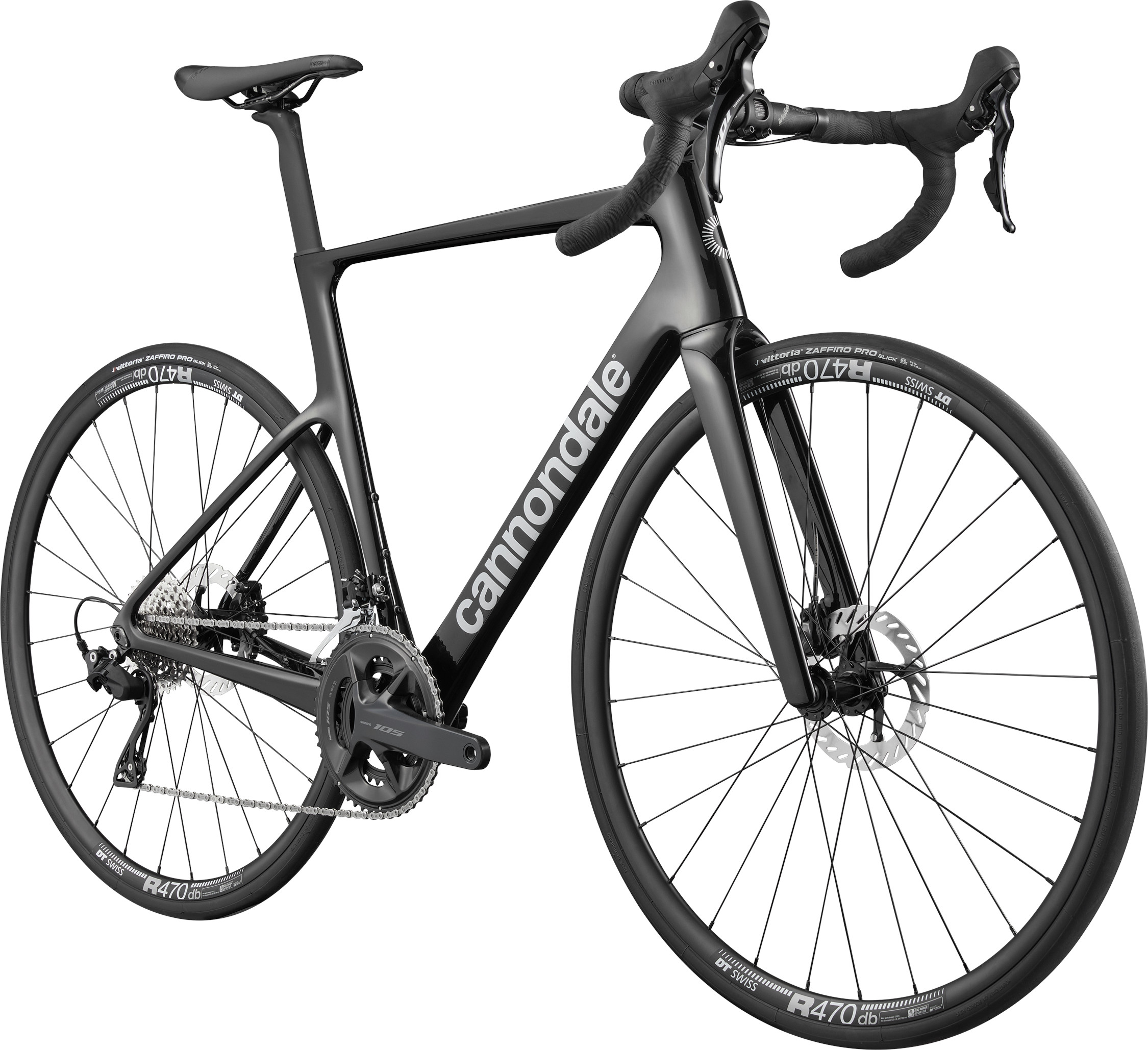
2026 Cannondale SuperSix EVO Pricing
Each new Cannondale SuperSix EVO offering comes in a package that should fit any rider’s or racer’s budget. The SuperSix EVO 6 model arrives at a solid $2,999, with alloy components, a 105 groupset, and the same carbon frame as you’ll find in most of the SuperSix EVO lineup.


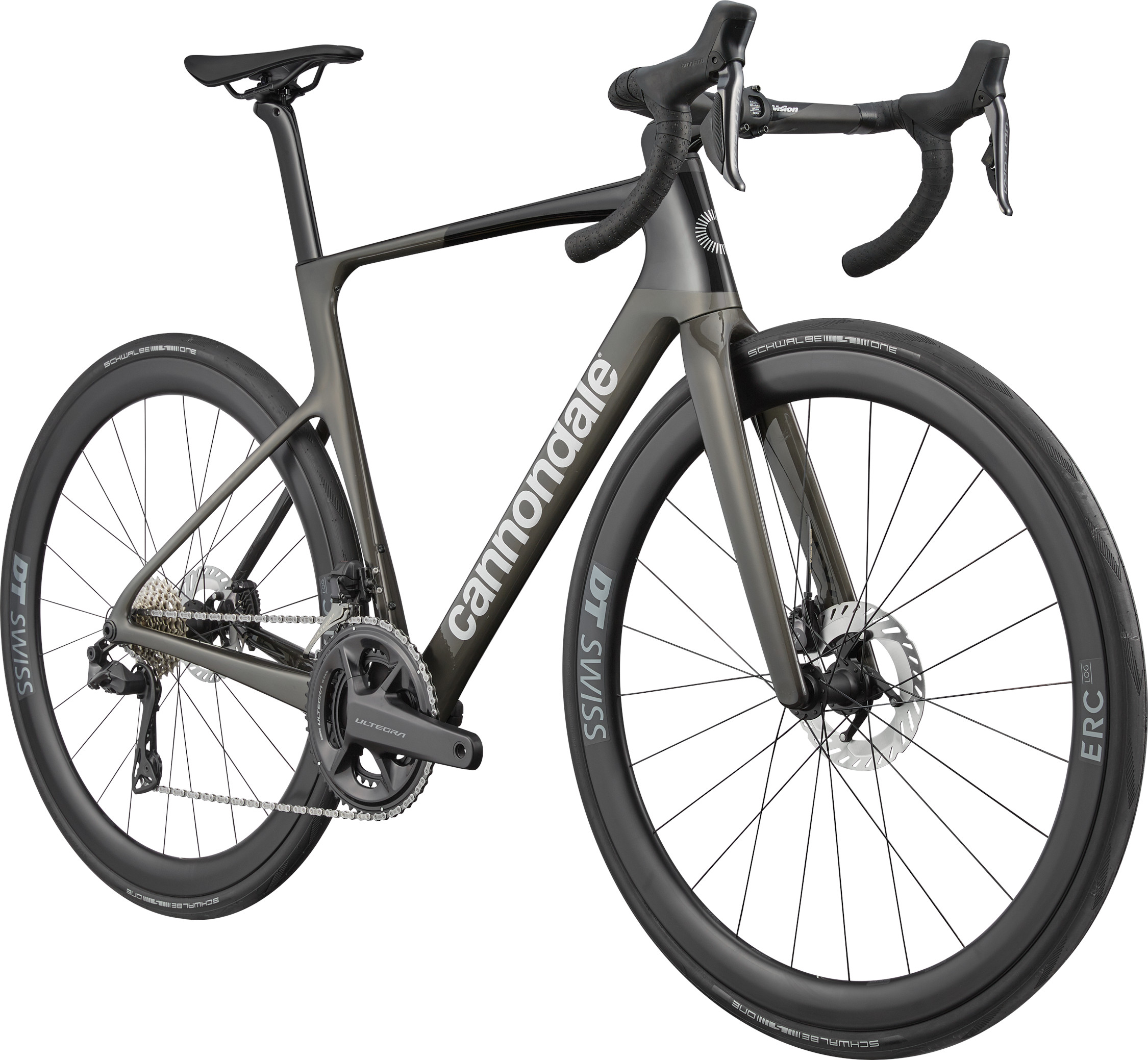
The lineup gets more aggressive from there, and prices increase, including carbon and electronics. Cannondale does a nice job of offering a mix of SRAM and Shimano, starting at Rival/105, moving to Force/Ultegra, and eventually RED/Dura-Ace. The top-dog build comes in at $13,499, available with either the SuperSix EVO LAB71 base or the LAB71 SL build. The SL lightens the load slightly with SystemSL bars and a few tweaks.

- SuperSix EVO 6 — $2,999 / $3,999 (USD / CAD)
- SuperSix EVO 5 — $4,999 / $6,899 (USD / CAD)
- SuperSix EVO 4 — $5,499 / $7,599 (USD / CAD)
- SuperSix EVO 2 — $6,499 / $8,899 (USD / CAD)
- SuperSix EVO 3 — $6,999 / $9,599 (USD / CAD)
- SuperSix EVO 1 SL — $8,999 / $12,399 (USD / CAD)
- SuperSix EVO 1 — $9,499 / $13,099 (USD / CAD)
- SuperSix EVO LAB71 — $13,499 / $18,599 (USD / CAD)
- SuperSix EVO LAB71 SL — $13,499 / $18,599 (USD / CAD)
For riders looking to build from scratch, frameset options include:
- LAB71 SuperSix EVO Frameset — $5,999 / $8,299
- SuperSix EVO Hi-MOD Frameset — $4,499 / $6,199


