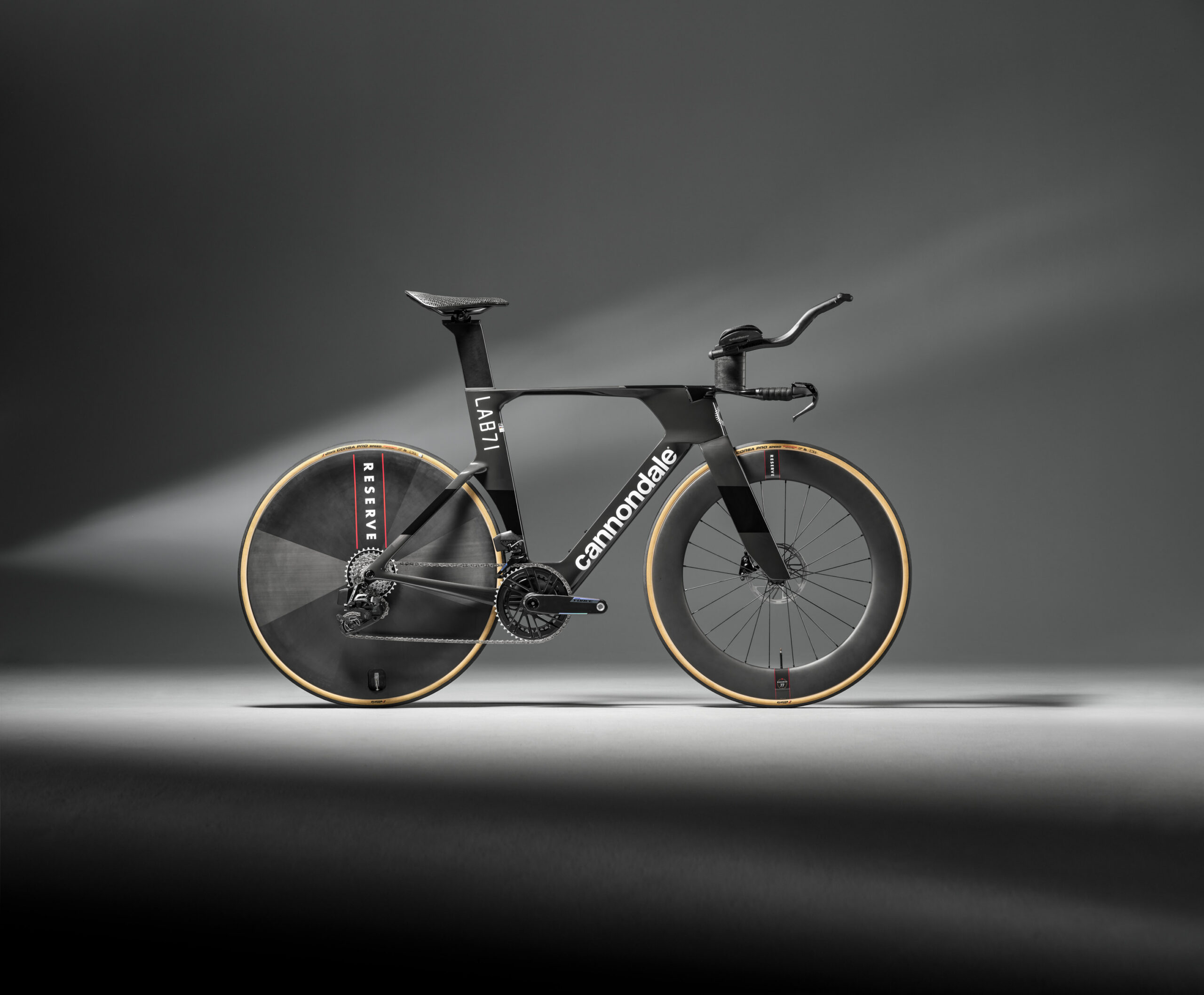


Time trials are brutally simple. No drafting, no tactics, no hiding in the bunch. Just rider, machine, and the clock. Cannondale’s answer to that equation for 2026 is the all-new SuperSlice — a full rethink of its time-trial platform.

Developed alongside the TT specialists at EF Pro Cycling, the new SuperSlice is a pure expression of Cannondale’s aero expertise, blending wind-tunnel science, rider feedback, and obsessive integration into a machine aimed squarely at WorldTour time-trial and triathlon podiums alike.
In Cannondale’s words, it’s the “showcase of speed.” On the road, it’s designed to disappear beneath you while the watts turn directly into forward motion.
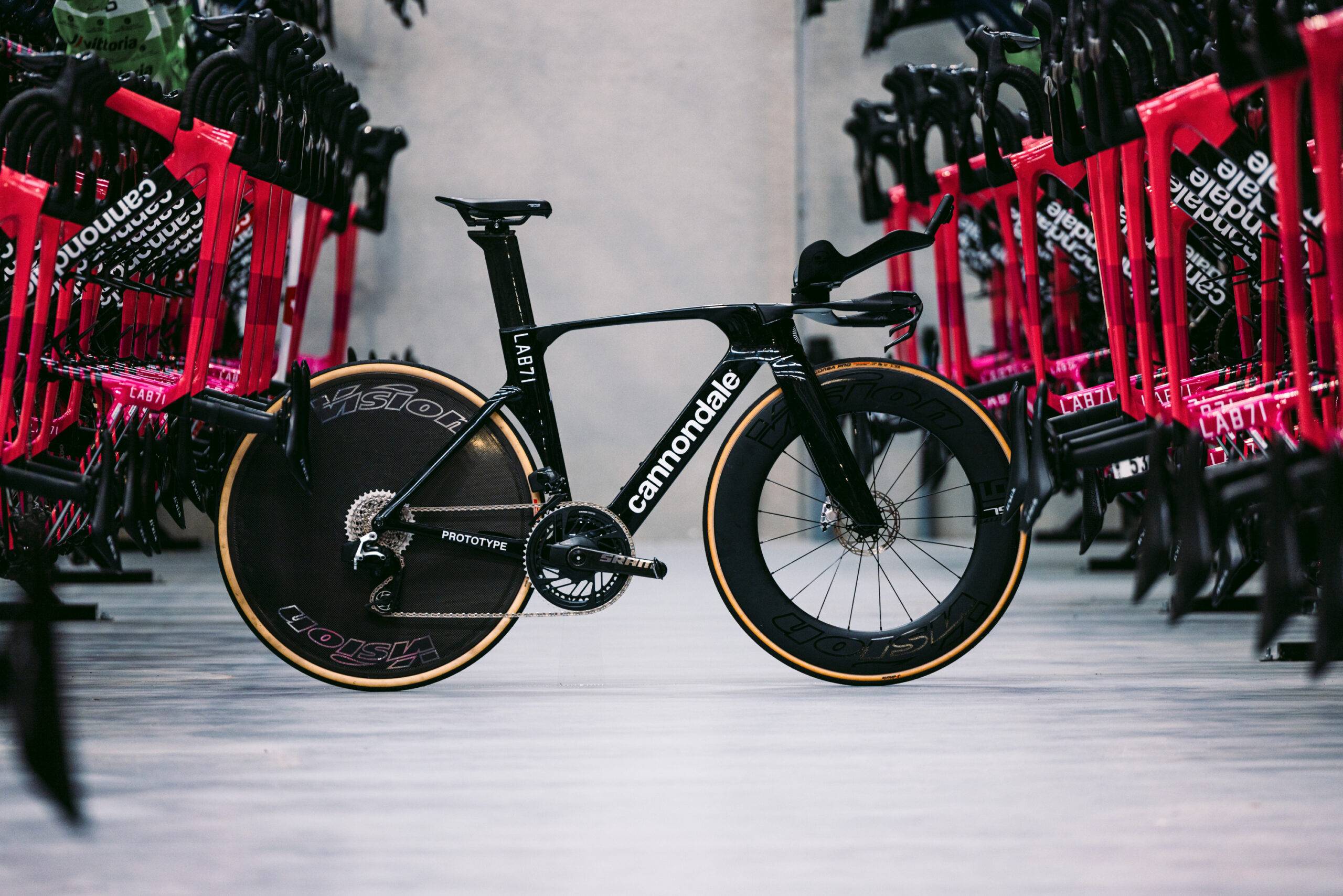
Faster Than Fast — Proven Against the Previous Model
The outgoing SuperSlice was already one of the quickest bikes on the start ramp, so improving it wasn’t about reinvention. It was about refinement.
Cannondale engineers evaluated every tube shape, junction, and component using hundreds of hours of CFD simulations and wind-tunnel validation. The result is a system that produces 14% less drag than the previous SuperSlice, translating into a 10-watt savings at 50 km/h.
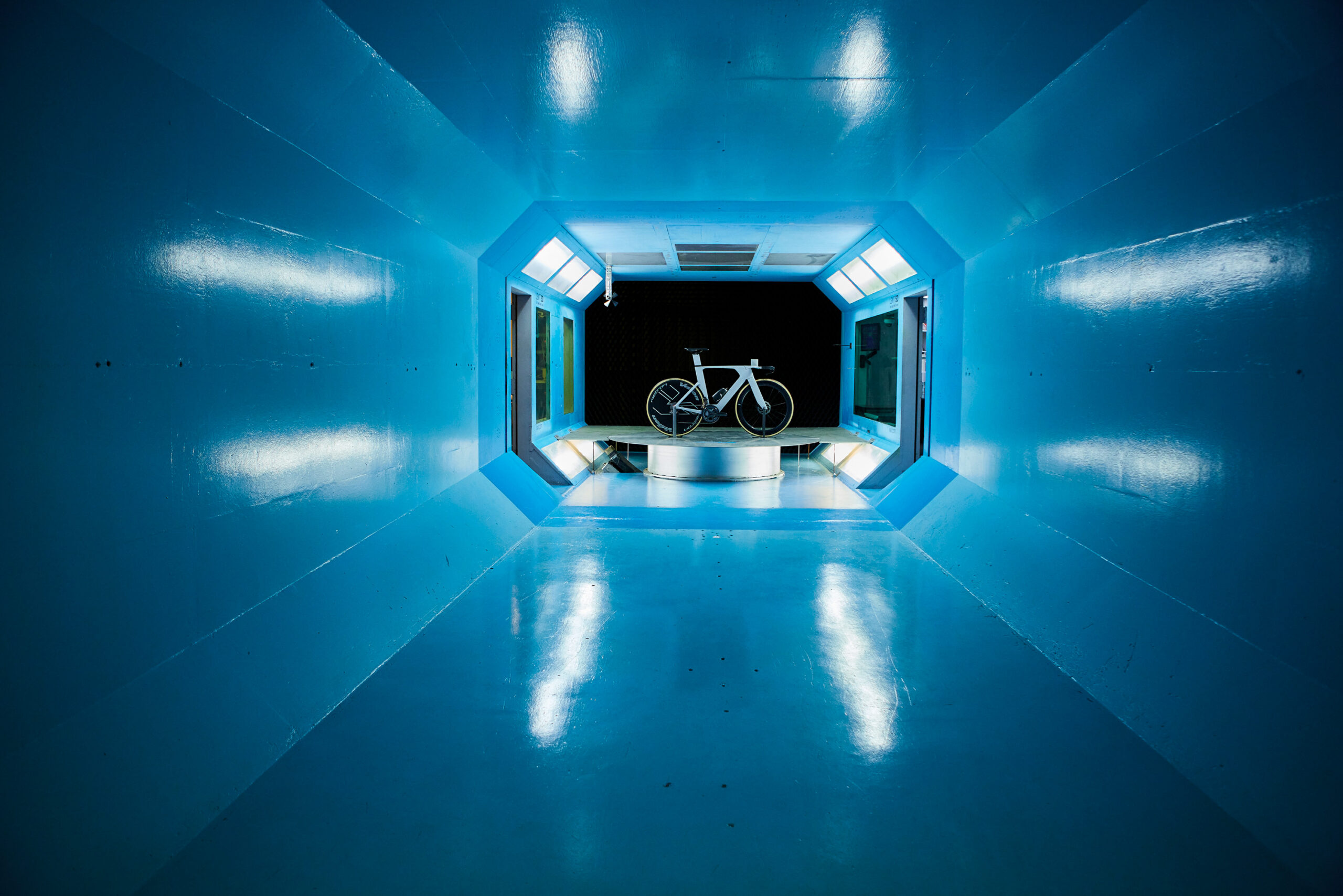
The new frame weighs just 60 grams more than the outgoing bike, a tiny trade-off considering the aerodynamic gains on offer. Geometry and handling remain familiar, but stiffness at the head tube and bottom bracket increases, improving power transfer and steering precision under load.
The end result? A bike that feels sharper while cutting through the air even more efficiently.
Aero Everywhere
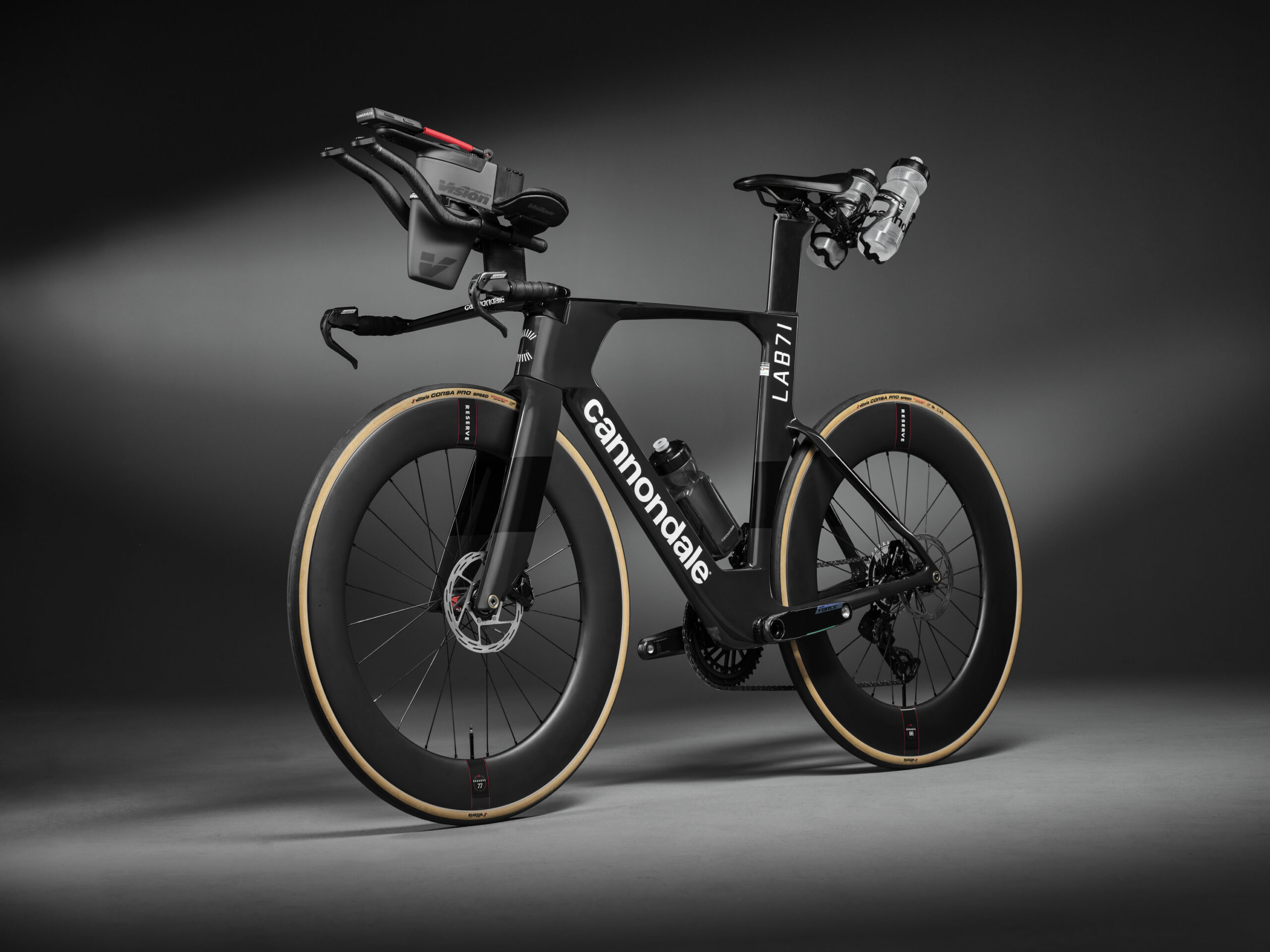
SuperSlice’s silhouette makes it obvious this bike was sculpted with airflow in mind. Deep-section profiles, smooth transitions, and aggressive shaping work to control airflow across the entire chassis.
The front end is especially critical. Clean air hits the fork and head tube first, so Cannondale slimmed and refined these areas while integrating cable routing via its Delta steerer system. That wedge-shaped steerer allows cables to disappear into the frame while keeping the head tube narrow for improved airflow.
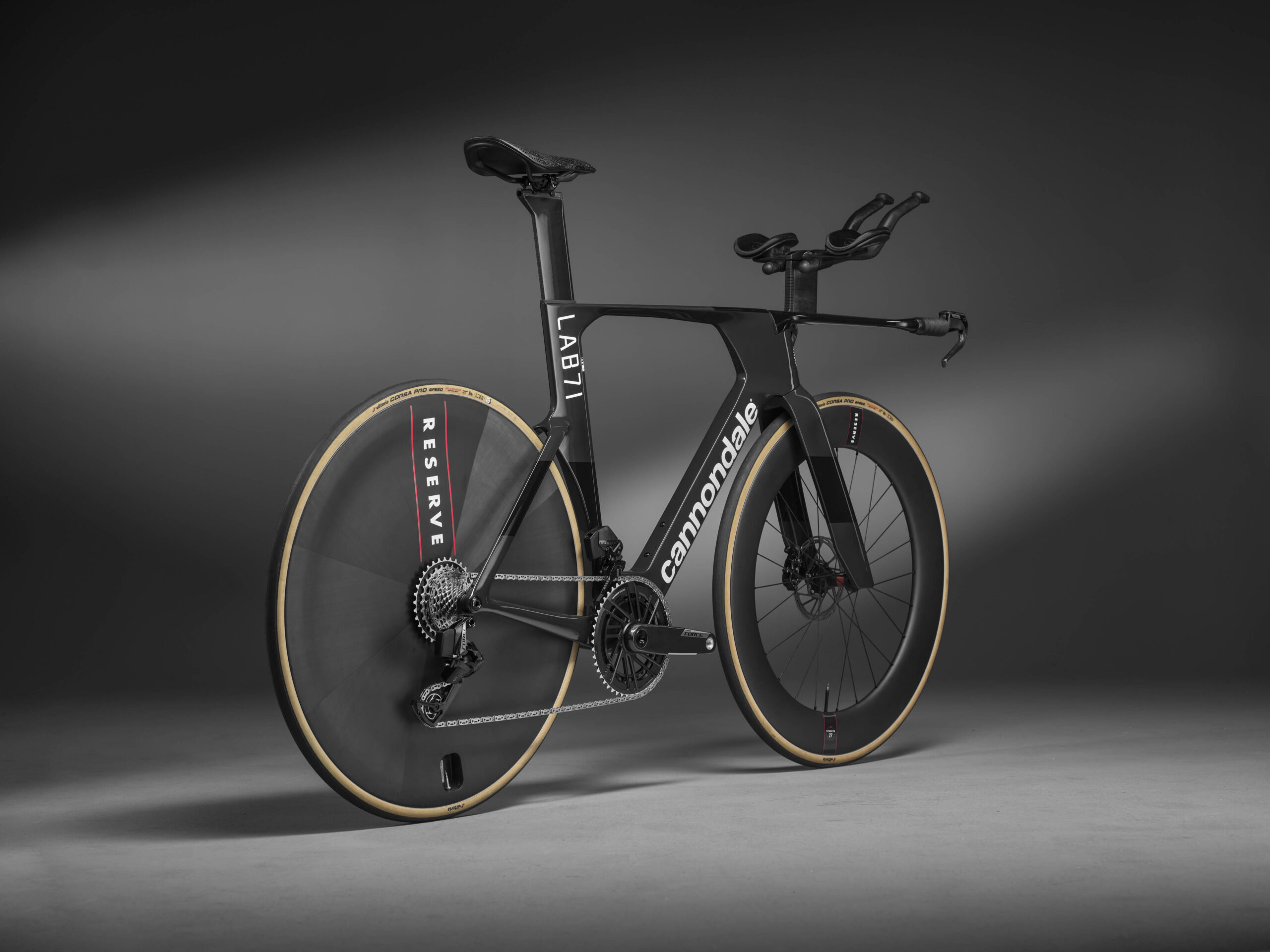
Pair that with the fully integrated SystemBar TT cockpit and the SuperSlice presents minimal disturbance to oncoming air, exactly what you want when speeds creep north of 50 km/h.
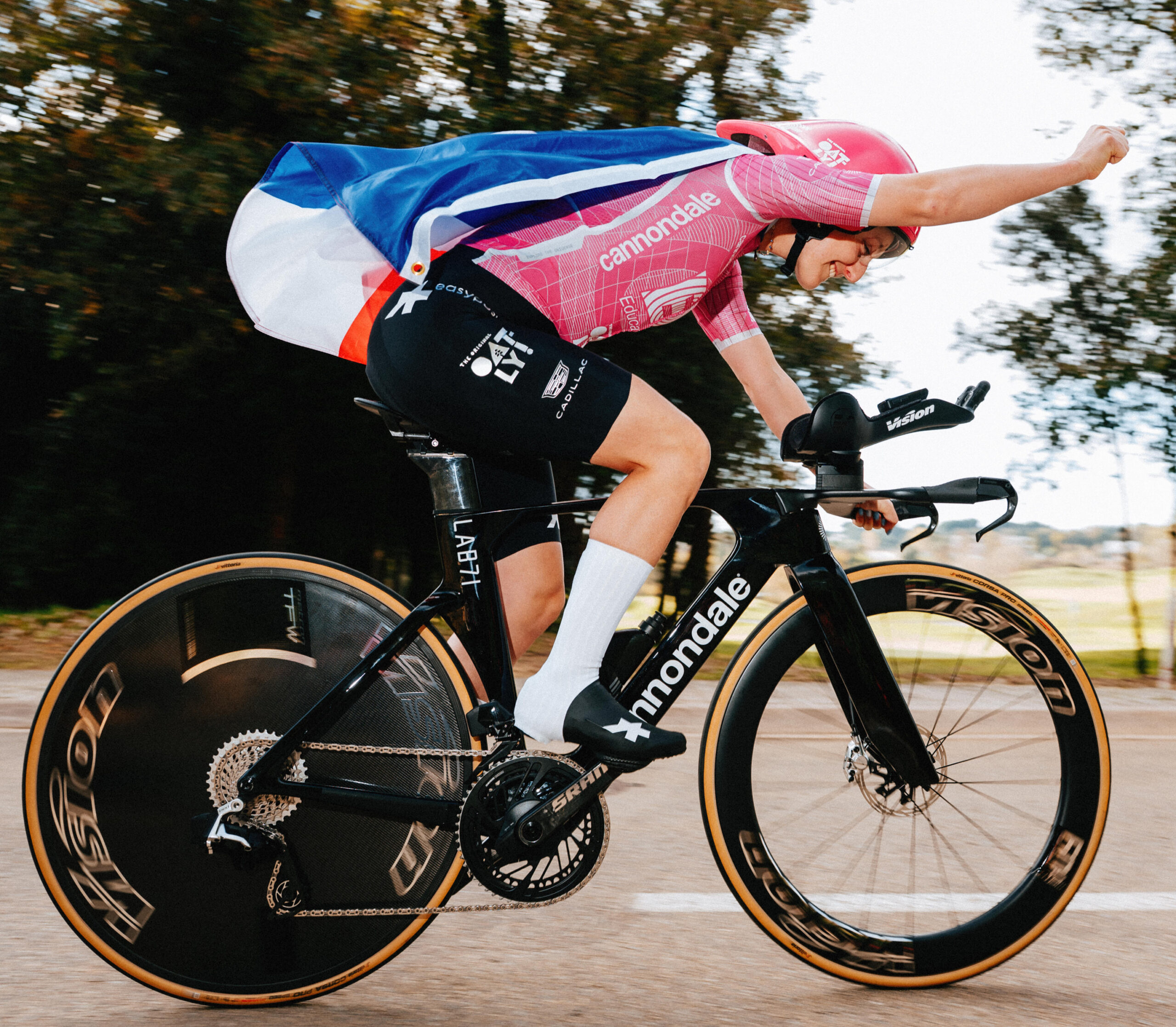
New Cockpit, Better Fit, More Speed
A TT bike is only as fast as the position it allows riders to hold, and Cannondale expands adjustability significantly here.
The SystemBar TT is a full-carbon, fully integrated cockpit featuring a mono-riser design and Vision extensions, compatible with Vision’s TFE EVO extensions used by EF pros.
Adjustment range now improves substantially:
- Pad stack range: 100 mm (5–105 mm in 5 mm increments)
- Pad reach range: 120 mm (7.5 mm increments)
- Extension angle: Stepless adjustment from 0 to 30 degrees
That wider adjustment window allows more riders to achieve optimal aero positions without resorting to aftermarket hacks or compromise setups.

Handling Matters Too
Time trials aren’t always straight lines. Technical courses, city circuits, and rolling terrain demand confident handling.
The new SuperSlice features revised steering geometry and clearance for up to 32 mm tires, allowing riders to run wider rubber for improved grip, lower rolling resistance, and increased confidence through corners and rough surfaces.
Cannondale says the changes help riders stay in the extensions longer, which is exactly where speed lives in a TT.
Weight Still Counts
While aerodynamics rule in races against the clock, weight still matters — especially on rolling or climbing TT courses.
Cannondale redesigned the frame, fork, seatpost, and cockpit as a cohesive unit, keeping mass low while improving aerodynamic performance. It’s a reminder that this is a complete system redesign, not just a reshaped frame.
Built for TT, Ready for Triathlon
Although developed with EF Pro Cycling’s time-trial squads, the SuperSlice isn’t limited to pro racing.
With its adjustability, tire clearance, and aerodynamic advantage, Cannondale positions the bike equally well for triathlon racing. Riders chasing personal best splits or long-course podiums get the same drag-reducing platform as WorldTour pros.
Integrated shaping around the seatpost also minimizes airflow disruption behind the rider’s legs — a critical drag zone at high speeds.
Modern Specs for Modern Racing
The LAB71 SuperSlice frameset features:
- Series 0 carbon construction
- 12×100 front / 12×142 rear thru-axles
- BSA threaded bottom bracket
- Flat-mount disc brakes
- Integrated seat binder
- UDH derailleur compatibility
- Electronic shifting only
Seatpost adjustability provides 45 mm of fore-aft adjustment, covering effective seat angles from roughly 74° to 77°, allowing riders to fine-tune their position for TT or triathlon needs.
Drivetrain compatibility covers modern SRAM and Shimano setups, including large aero chainring options common in elite racing.
Pricing & Availability
For North America, the SuperSlice LAB71 frameset carries a retail price of $6,999 USD ($9,599 CAD).


