


Today, Norco launches the Sight VLT TQ, an electrified version of its Sight all-mountain bike, and the brand’s first with the TQ-HPR60 drive system. This new model slots in alongside the Sight VLT CX and adds to the brand’s growing range of eMTBs, but with more of a bike-first approach. It maintains the robust, hard-charging nature that Norco bikes are known for, but with the stellar mid-power TQ system that ensures its e-bikeness is secondary to the ride experience, not the other way around.
With 150/160mm of travel, mixed wheels, high-pivot suspension, and geometry dialed for aggressive riding, this bike is a BC-bred Norco through and through. But with the compact, lightweight, silent, and incredibly efficient TQ-HPR60 motor, and its 580Wh battery, complete bike weights are down in the low 40-pound range. The TQ motor’s performance is truly top of the class, providing a quiet, balanced, and natural ride experience in a market flooded with bloated, overpowered, and heavy eMTBs.
I’ve been testing the Norco Sight VLT TQ C1 for the past couple of months and have put hundreds of miles and many thousands of vertical feet on it. I’ll start with all of the details on the new bike, but read on for my review of this sweet new mid-powered ride.
Norco Sight VLT TQ Details
The Sight VLT TQ mirrors the travel and geometry of the non-electric Sight all-mountain bike, but is the first in the brand’s lineup to use the latest TQ-HPR60 drive system. Norco also makes the full-power Sight VLT CX, which is similar, but uses the more powerful Bosch CX drive system with an 800 Wh battery, and weighs over 50 pounds.
The Sight VLT TQ has a full-carbon frame designed around the more compact TQ motor and a 580Wh downtube-integrated battery. It’s a mixed-wheel-size affair only, with the smaller rear wheel making sense given its aggressive riding intentions and motor-related packaging constraints. The lighter motor, battery, and component specs keep the weight down between 42 and 44 pounds, depending on the build.
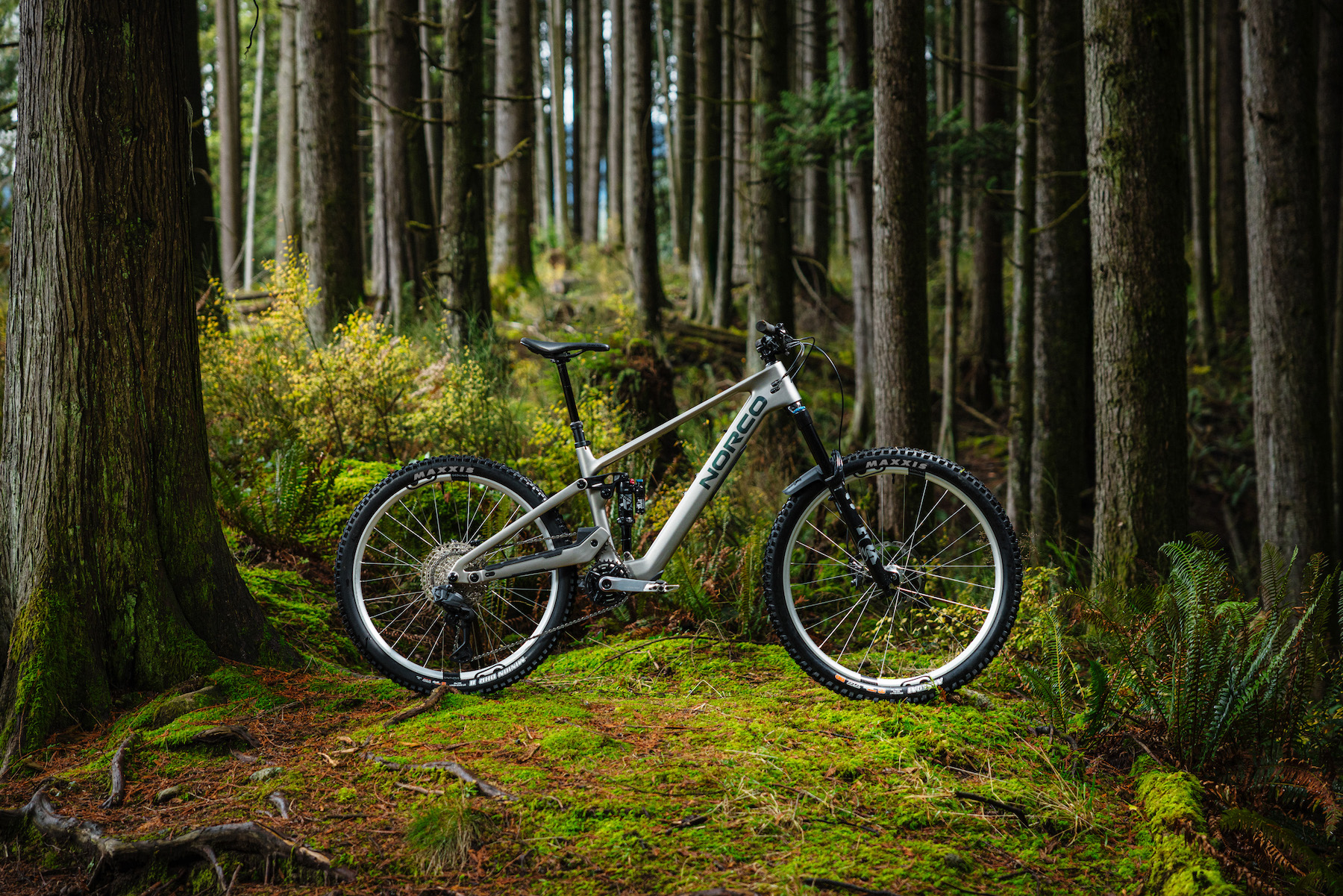
The frame gets 150mm of rear wheel travel, which is paired with a 160mm fork. As with many Norco bikes, including the other Sight models, the TQ uses the brand’s VPS high-pivot suspension design. As the name suggests, this suspension layout positions the main pivot higher up the seat tube. This position allows the axle path to move both rearward and upward as the suspension compresses, requiring an idler pulley to compensate for chain growth. The idea behind the rearward axle path is that the wheel moves away from the direction of impact, reducing the likelihood of it hanging up on edges, while the idler reduces pedal kickback and helps separate braking forces.
The Sight VLT TQ has short, straight seat tubes intended to allow riders to maximize seatpost drop. Other frame features include internal cable routing, molded protection for the motor, downtube, and chainstay, and a rubber flap covering the main pivot. The downtube also has a set of bosses for a water bottle or to mount the optional TQ range extender. Another set of bosses on the underside of the top tube is ideal for mounting tools or other accessories.
TQ-HPR60 Motor, Battery, and Controls
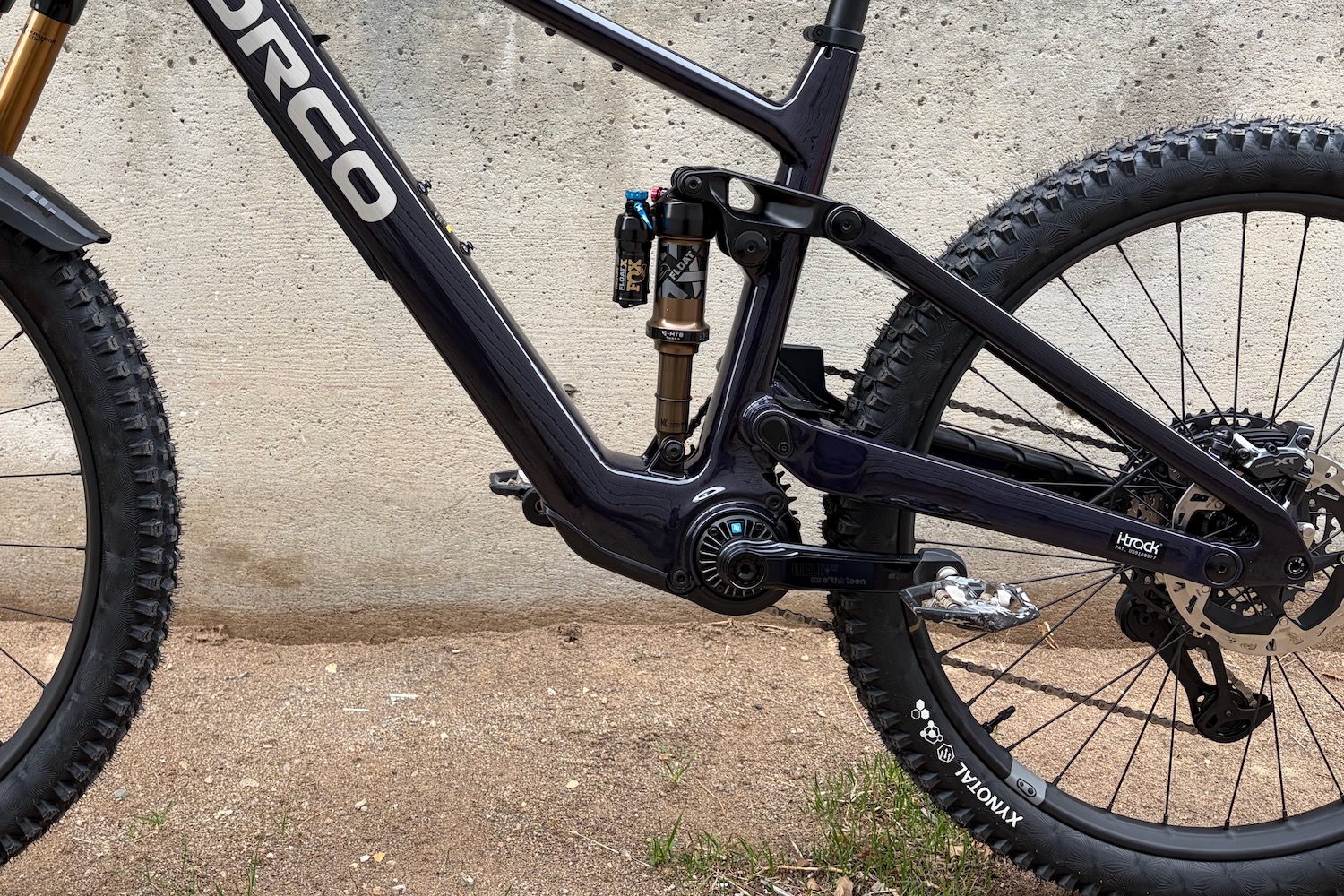
TQ introduced the HPR60 drive system last year, and it has slowly been gaining traction in a market that’s recently been dominated by the e-bike power wars. The Sight VLT TQ joins a small handful of eMTB models to use the system, including the Yeti MTe and the Propain Sresh, along with a few e-gravel bikes. You can check out our launch coverage of the TQ-HPR60 for all of the details, but here’s a quick rundown.
This drive system is very compact, using a Harmonic Pin Ring design that’s concentric to the crank spindle, and is visually barely noticeable. It’s also one of the lightest in its class, weighing just 4.2 lbs. (1.92kg). Still, it delivers up to 60Nm of torque, 350W of peak power, and 200% support, giving it a high power-to-weight ratio. For comparison, the Bosch CX motor puts out up to 100Nm of torque and 750W of peak power. It has three assist modes, providing an excellent usable range of support. The motor comes with Norco’s custom levels programmed, but you can customize the modes through the TQ app.

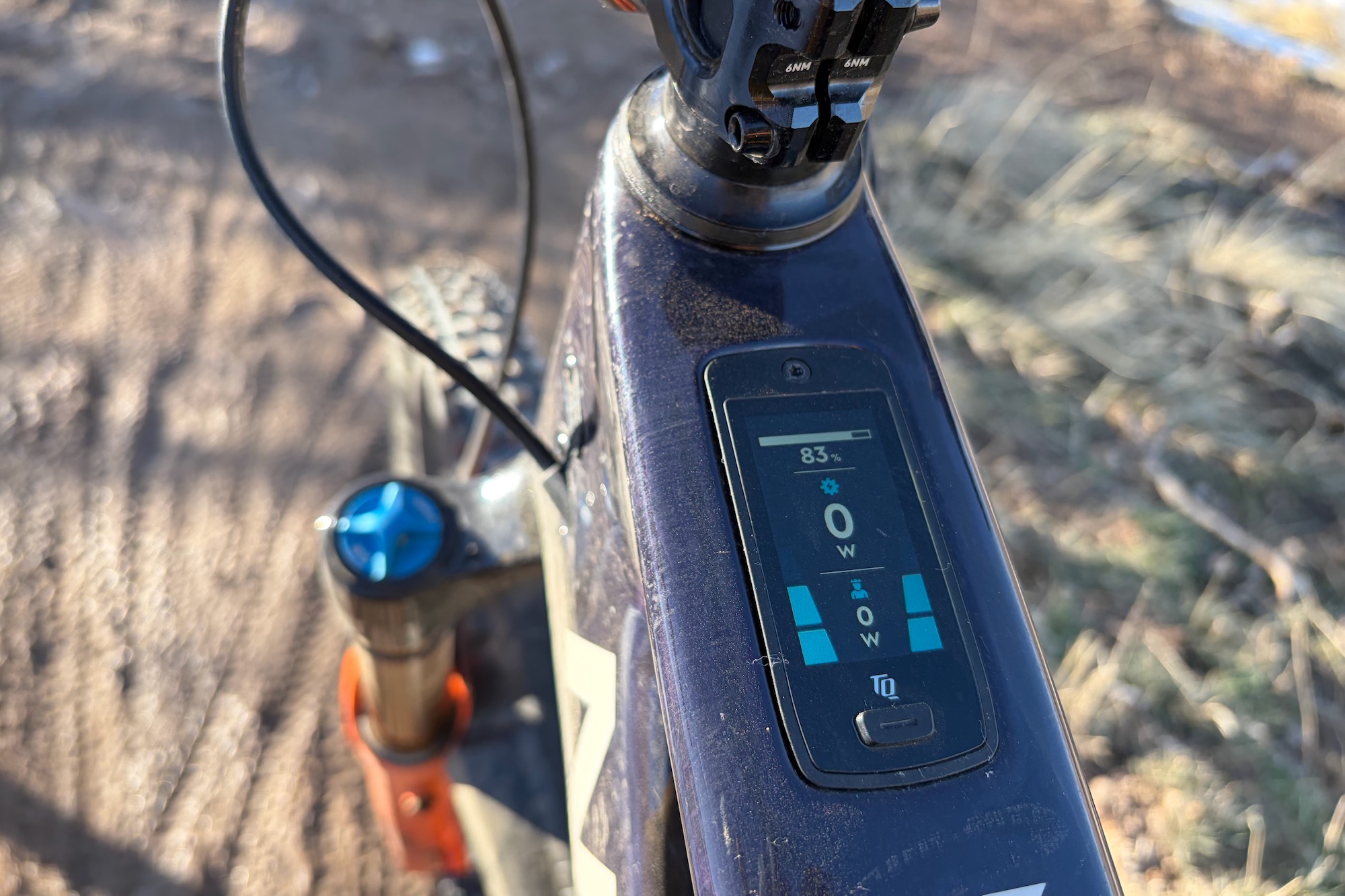
Powering the TQ motor is a 580Wh battery housed in the downtube that’s shockingly slim, avoiding the bloat of most full-power e-MTBs. It’s also compatible with TQ’s 160Wh range extender, which can be added for those really big rides. The TQ system has a small, wired handlebar-mounted remote, which makes it easy to change assist modes on the fly. The top tube integrated display is easy to see and features a color screen showing assist mode, watts, and battery life as a percentage. All components of the system are well integrated, for a very clean look that nearly hides the fact that this is an e-bike.
Geometry
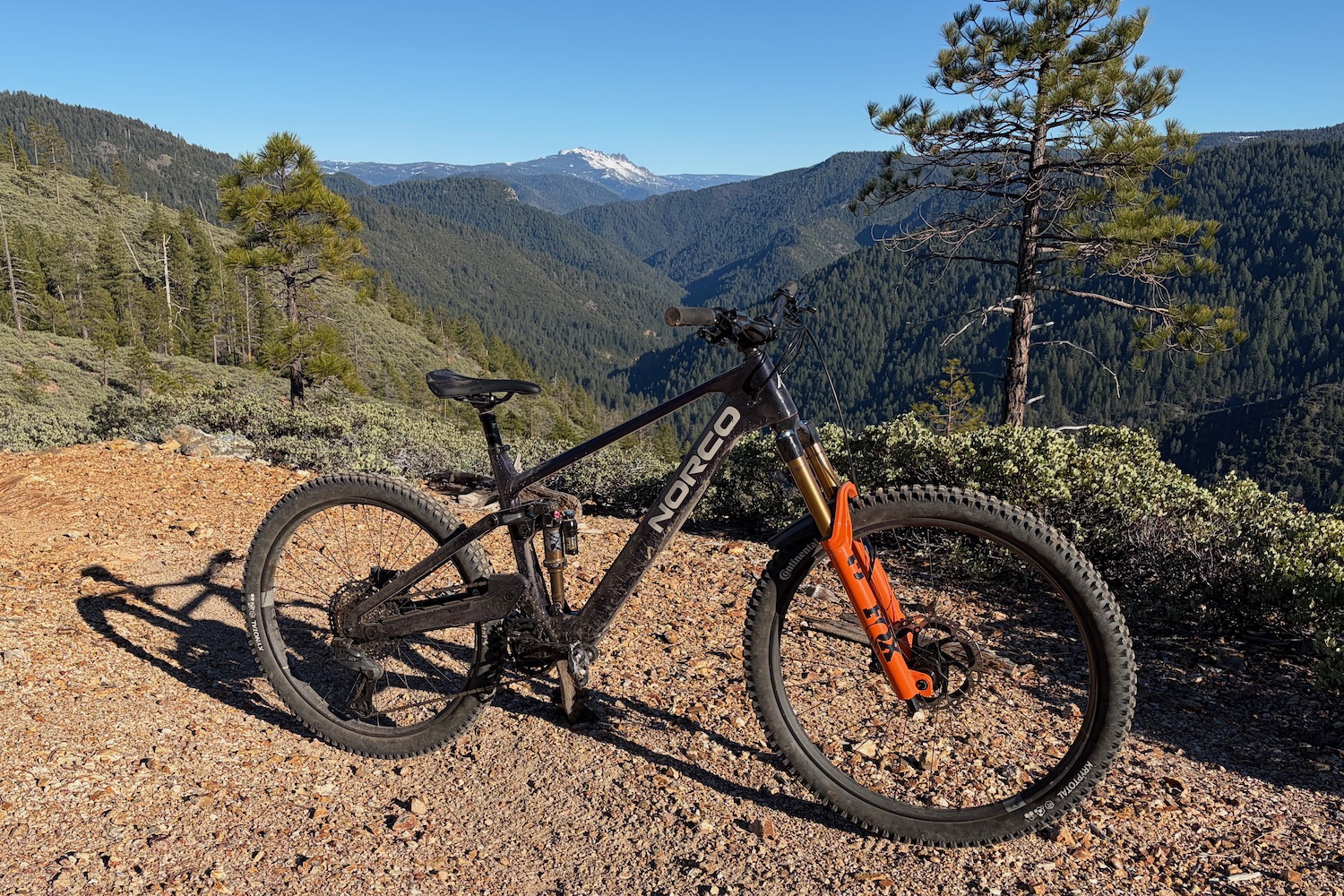
Norco’s bikes have always leaned toward the more aggressive side of the mountain bike spectrum, with geometries reflective of the trails that the folks at the brand like to ride. That continues with the Sight VLT TQ, an aggressive trail and all-mountain bike with geometry shaped by Norco’s BC roots. It has some minor differences, but it matches the non-electric Sight MX in the head tube angle, seat tube angle, reach, and stack — numbers that play an outsized role in how the bike fits, feels, and handles on the trail.
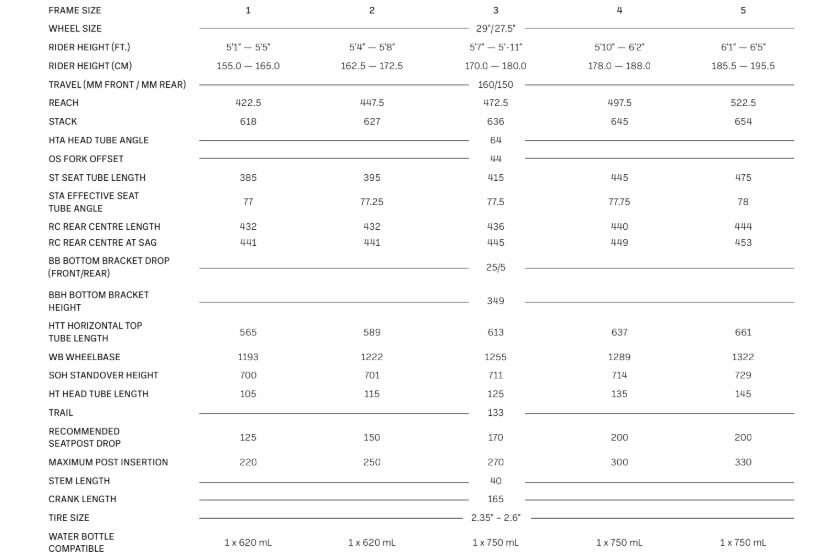
The Sight VLT comes in five frame sizes to provide more options for riders to find the perfect fit. All sizes share the 64-degree head tube angle. After that, Norco hangs its hat on size-specific everything, aiming to provide the same ride feel, fore-aft balance, and handling characteristics across the size range. This includes the chainstay/rear center length, which increases by 4 mm per size from 432mm on S1/S2, topping out at 444mm on S5. It should also be noted that the rear center length grows by 9mm at sag, due to the rearward axle path of the high-pivot suspension. Likewise, the seat tube angle steepens by 0.25 degrees per size, with effective angles between 77 degrees on S1 and 78 degrees on S5
Stack heights are quite generous, as are reach measurements, which start at 422.5mm on S1, and grow by 25mm per size up to 522.5 mm on S5. My S4 test bike’s 497.5mm reach is a bit longer than I’m used to, but the taller front end, riser bar, steep effective seat tube angle, and saddle adjustment accounted for that with no issues. Check out the chart below for sizing info and the rest of the details.
Norco RideAligned Setup Guide
Proper bike setup, particularly suspension, can be tricky, but it is critical to a bike’s performance. The folks at Norco are aware of this, and the brand’s RideAligned setup guide is made to take some of the guesswork out of the process. Some other brands are providing similar baseline setup instructions, but I’d argue that RideAligned is one of the best in the industry. I’ve used this system with this bike and another Norco eMTB that I tested a couple of years ago, and I’ve been impressed on both occasions.
Once you’ve got your RideAligned account set up, you simply find your bike model, enter your height, weight, and a few other preferences, and it provides you with suggested shock pressures, compression and rebound settings, and even tire pressures. As someone who tends to struggle with finding the perfect suspension settings, having Norco’s suggested settings as a baseline is super helpful.
When I first got the bike, I had some technical difficulties accessing it on RideAligned, mostly due to user error. So for the first couple of rides, I just went with what I assumed was a reasonable suspension setup. Eventually, I was able to access the RideAligned setup suggestions and quickly made some adjustments. The difference in suspension performance was dramatic and a significant improvement over the first couple of rides. I’ve since sped up the shock rebound by two clicks and dropped air pressure in the fork by a couple psi, but Norco’s suggestions were near perfect right out of the gate.

Norco Sight VLT TQ: Builds and Pricing
Norco’s new Sight VLT TQ comes in three complete builds, all of which share the same carbon frame, TQ-HPR60 drive system, and 580Wh battery. All of the builds vary in terms of components, of course, but also in frame color. Each color is only available in its respective build.
Sight VLT TQ C1: $10,599 USD, $13,499 CDN
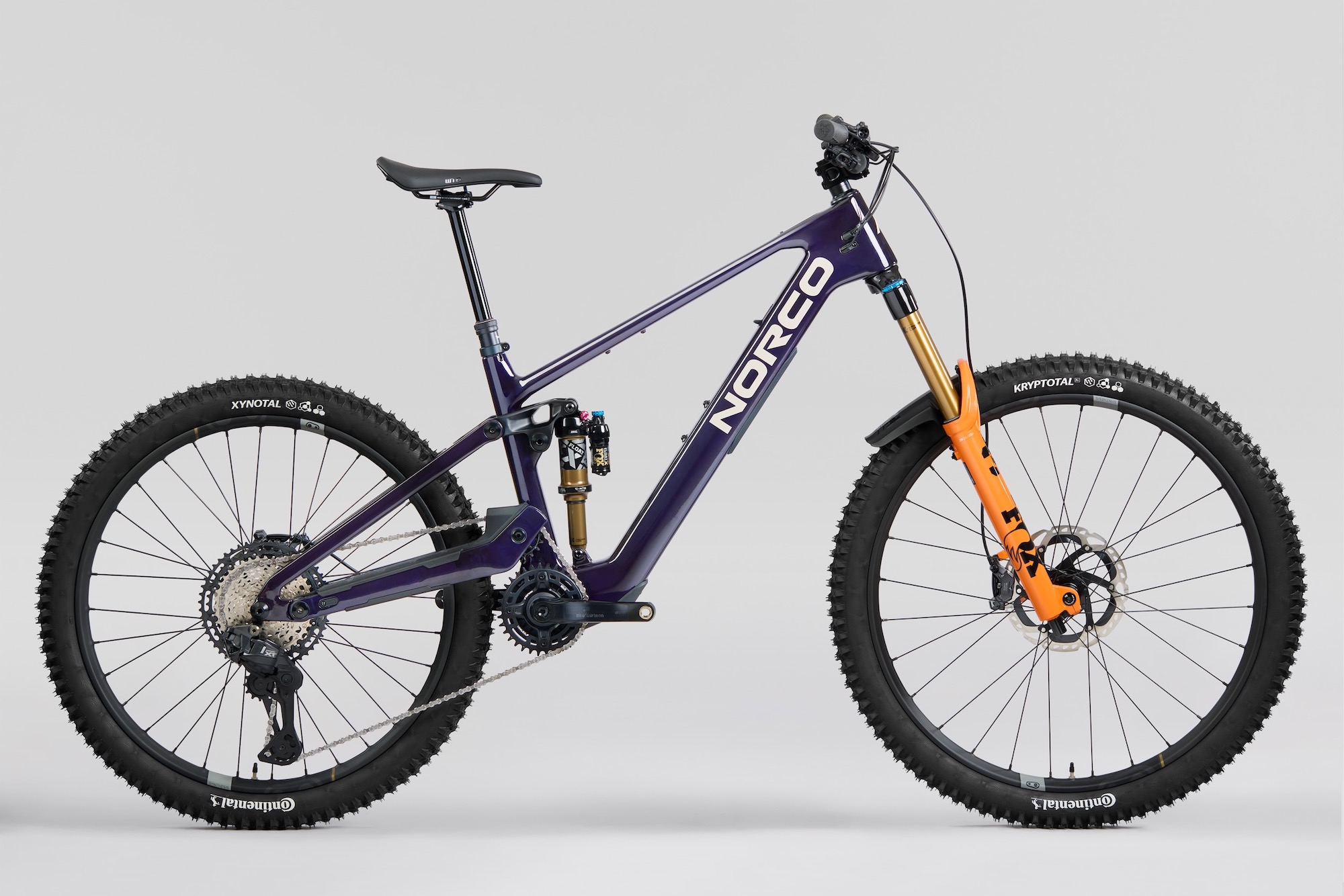
- Fork: Fox 36 Factory, Grip X2, 160mm
- Shock: Fox Float X Factory
- Drivetrain: Shimano Deore XT Di2
- Cranks: e*thirteen Helix Race Alloy TQ, 34T, 155mm (S1, S2), 160mm (S3, S4, S5)
- Brakes: Shimano XT M8220 4-Piston, 203/180mm rotors F/R
- Wheels: Crankbrothers Synthesis Enduro Carbon, MX – 29”/27.5 F/R
- Tires: Front: Continental Kryptotal-F, Enduro, Soft, 29” x 2.4”, Rear: Continental Xynotal, Enduro, Soft, 27.5” x 2.4”
- Handlebar: Race Face Era Carbon, 760mm – 20mm rise (S1, S2), 780mm – 20mm rise (S3, S4), 780mm – 40mm rise (S5)
- Seatpost: TranzX YSI08 RAD+ Travel Adjust Dropper, 31.6mm, 125mm (S1), 150mm (S2), 170mm (S3), 200mm (S4, S5)
- Saddle: WTB Rocket Fusion Med, 142 x 250mm
- Claimed Weight: 19.05 kg (42 lbs.)
Sight VLT TQ C2: $8,999 USD, $9,999 CDN
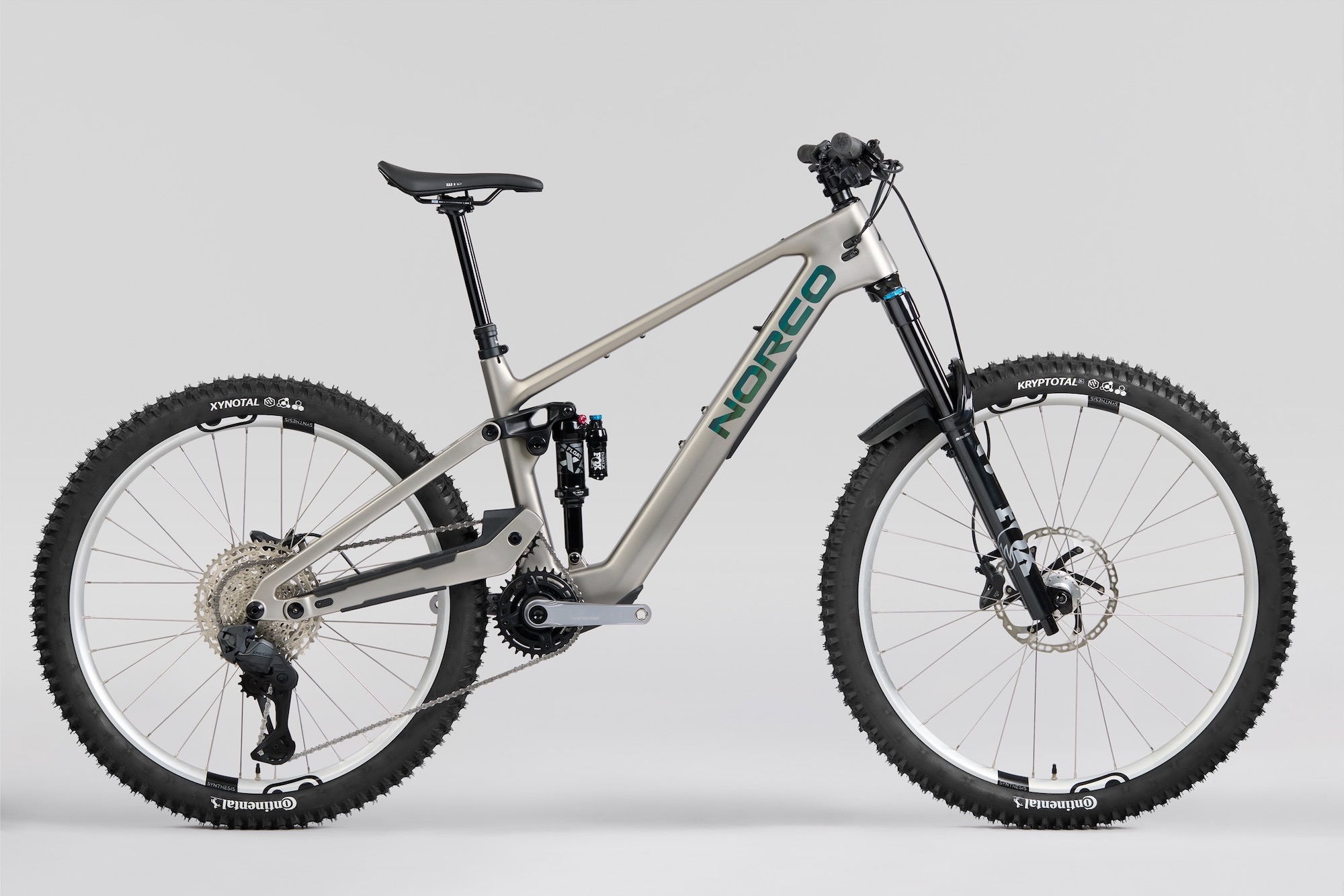
- Fork: Fox 36 Performance Elite, Grip X2, 160mm
- Shock: Fox Float X Performance
- Drivetrain: Shimano Deore Di2
- Cranks: e*thirteen Helix Race Alloy TQ, 34T, 155mm (S1, S2), 160mm (S3, S4, S5)
- Brakes: Shimano Deore M6120 4-piston, 203/180mm rotors F/R
- Wheels: Crankbrothers Synthesis Enduro Alloy, MX – 29”/27.5 F/R
- Tires: Front: Continental Kryptotal-F, Enduro, Soft, 29” x 2.4”, Rear: Continental Xynotal, Enduro, Soft, 27.5” x 2.4”
- Handlebar: Norco Alloy, 25mm rise, 800mm wide
- Seatpost: TranzX YSI08 RAD+ Travel Adjust Dropper, 31.6mm, 125mm (S1), 150mm (S2), 170mm (S3), 200mm (S4, S5)
- Saddle: WTB Rocket Fusion Med, 142 x 250mm
- Claimed Weight: 19.50 kg (43 lbs.)
Sight VLT TQ C3: $6,999 USD, $8,399 CDN

- Fork: DVO Diamond 36 D1, 160mm
- Shock: DVO Topaz Pro Gen 3
- Drivetrain: Shimano Deore M6100, mechanical
- Cranks: e*thirteen Helix Race Alloy TQ, 34T, 155mm (S1, S2), 160mm (S3, S4, S5)
- Brakes: TRP Slate Evo, 203/180mm TRP rotors F/R
- Wheels: WTB ST i30 rims w/Bear Pawls hubs, MX – 29”/27.5 F/R
- Tires: Front: Continental Kryptotal-F, Enduro, Soft, 29” x 2.4”, Rear: Continental Xynotal, Enduro, Soft, 27.5” x 2.4”
- Handlebar: Norco Alloy, 25mm rise, 800mm wide
- Seatpost: TranzX YSI36KL, 31.6mm, 125mm (S1), 150mm (S2), 170mm (S3), 200mm (S4, S5)
- Saddle: WTB Rocket Fusion Med, 142 x 250mm
- Claimed Weight: 19.96 kg (44 lbs.)

Norco Sight VLT TQ Review
I’ve been riding the Sight VLT TQ on and off since around mid-December. Until now, it has been relatively mild in my area, which has allowed me to test this bike — and plenty of other gear — something that isn’t always possible here in the middle of winter. I’ve logged well over 250 miles on it, heaps of vertical, and a wide range of trail types, terrain, and conditions. It’s fair to say I’ve grown quite fond of it, both for its extremely confident, composed ride and for the outstanding TQ drive system. This is my first experience riding with the mid-power TQ system, and it’s easily the best I’ve used, providing the eMTB experience that I’ve been after all along.
TQ-HPR60 Drive System
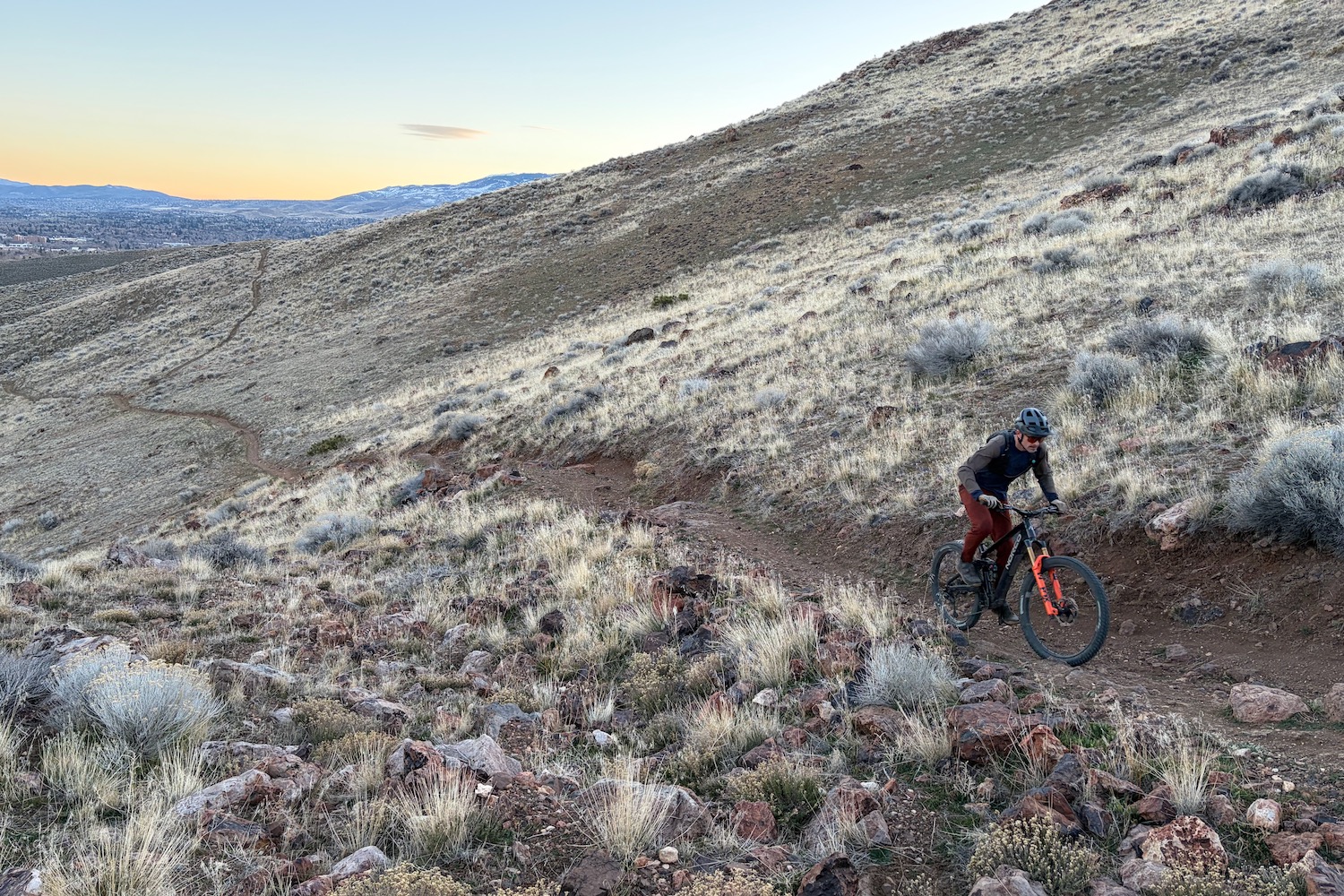
I love bikes of all kinds, and I’m a really big fan of eMTBs. But, if I’m being honest, I find the latest full-power motors to be too powerful. I almost never use the highest assist modes, because they make me feel like I’m just along for the ride. Plus, the more power, the bigger the battery, and then the bike weighs more than 50 pounds. Not to mention that even when I’m riding an e-bike, I still want to get a good workout. The reason I ride e-bikes isn’t that I can’t pedal a bike up a hill; it’s that I want to ride more in the same amount of time. And that involves pushing plenty of my own watts, and I can assure you, I’m just as shattered at the end of an eMTB ride as I am on my analog bikes.
So, while some brands are tripping over themselves competing for the most powerful motors, I’m more interested in something that aligns better with my preferences. And that’s exactly what the TQ-HPR60 is. It’s small, light, and it is virtually silent. I honestly don’t understand how this motor is as quiet as it is, but you can seriously barely hear it. The motor’s output and modes are more usable for me, and I actually use all of them. Rather than overpowering or dominating the ride experience, the TQ’s support is much more subtle. As cliché as it sounds, the pedal assistance feels incredibly natural and smooth, amplifying your effort but not doing all the work for you. I think Norco’s “be the pilot, not the passenger” tagline is a good way to describe the difference in feel between the TQ and a full-power drive unit.
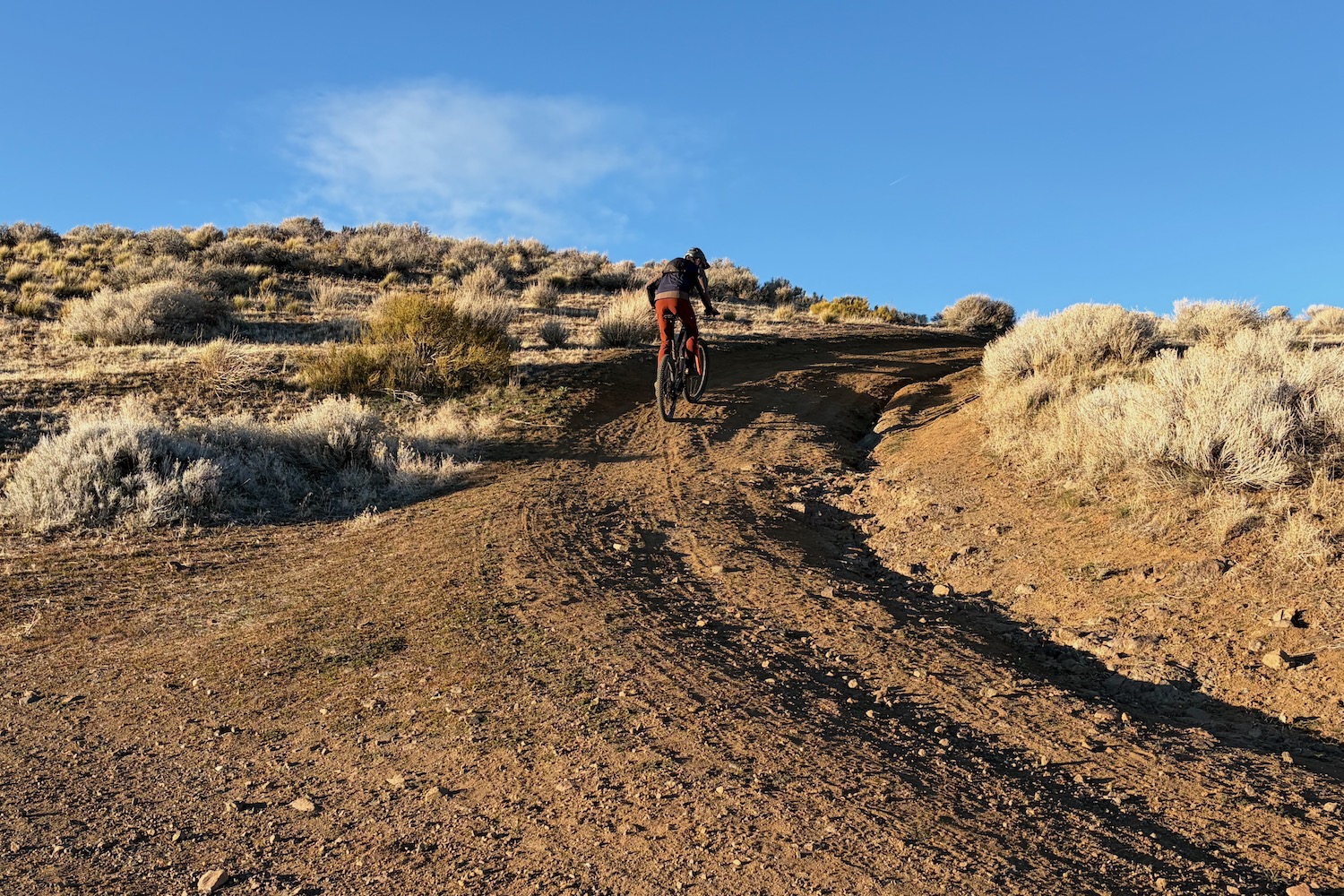
The system’s efficiency is also remarkable. Part of that is simply because lower power output means lower power input, so it consumes less battery than more powerful systems. But I think the other part of it, for me anyway, is that this bike feels more like a “regular” bike, and I’m more inclined to ride it that way. I’ve generally been riding in the low and mid modes, where I can still push hard and get the workout I’m after, yet cover double the distance, vertical, or both in the same amount of time. With a 580Wh battery, I’ve been consistently logging ~4,000 vertical feet of climbing and finishing with roughly 40 – 50% battery left. I can easily burn through it more quickly, and most people probably will, but the efficiency is impressive regardless.
So, I applaud Norco’s choice of the TQ-HPR60 for this bike. It provides a nicely balanced, natural feel, while keeping the weight to a minimum and helping to maintain the ride quality of the analog version. It feels like the logical progression for the lightweight category, splitting the difference between the earlier underpowered motors and the new breed, which feels overpowered to me. Preferences vary, but I think this is the perfect eMTB motor, and I’d argue its the best drive system currently on the market. It’s definitely one of the main reasons I like this bike so much.
Descending
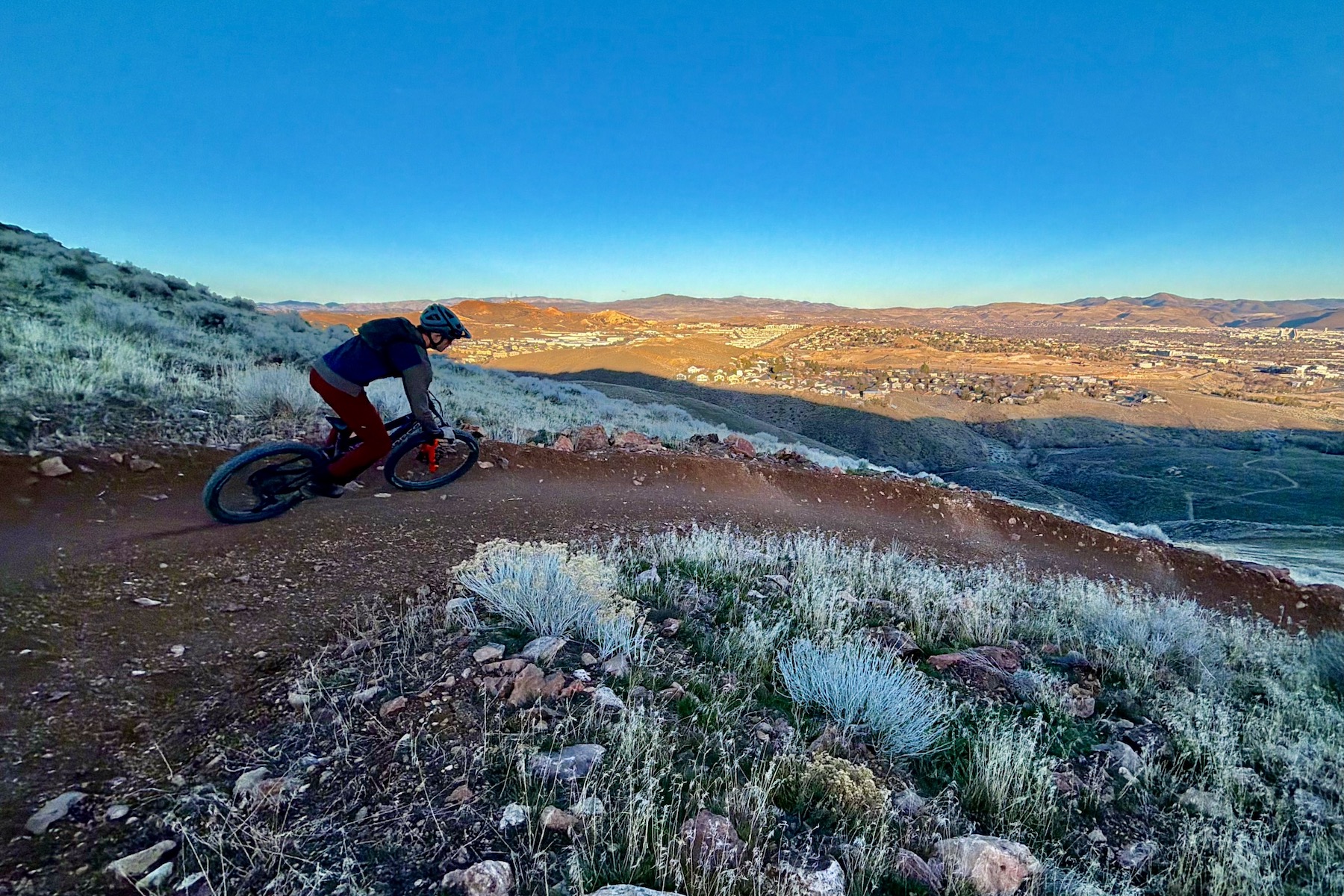
But even with as much as I like the motor, it wouldn’t matter if the bike didn’t perform on the trail. And I’m a big fan of the Sight VLT TQ’s downhill performance. With the perfect amount of travel, high-pivot suspension, dialed geometry, and the excellent C1 build I’ve been testing, this bike has handled everything I pointed it down with confidence and composure. At the same time, it’s not just good at riding steep, rough, and rocky descents; I’ve been having a blast riding mellower flow trails and even XC-style terrain.
For my needs, the 150/160mm travel of the Sight is just about perfect. It’s enough travel to handle pretty much any situation without really ever being overkill. I rode this bike on everything from brake-burning steeps and drops to machine-built flow and janky old mining trails, and it never once let me down. Thanks to Norco’s RideAligned suggestions, I was able to find the sweet spot in the suspension setup, maximizing both travel and support. It’s supple off the top with ample support in the mid-stroke to keep things playful and responsive, and impressively composed on big impacts deep into the travel.
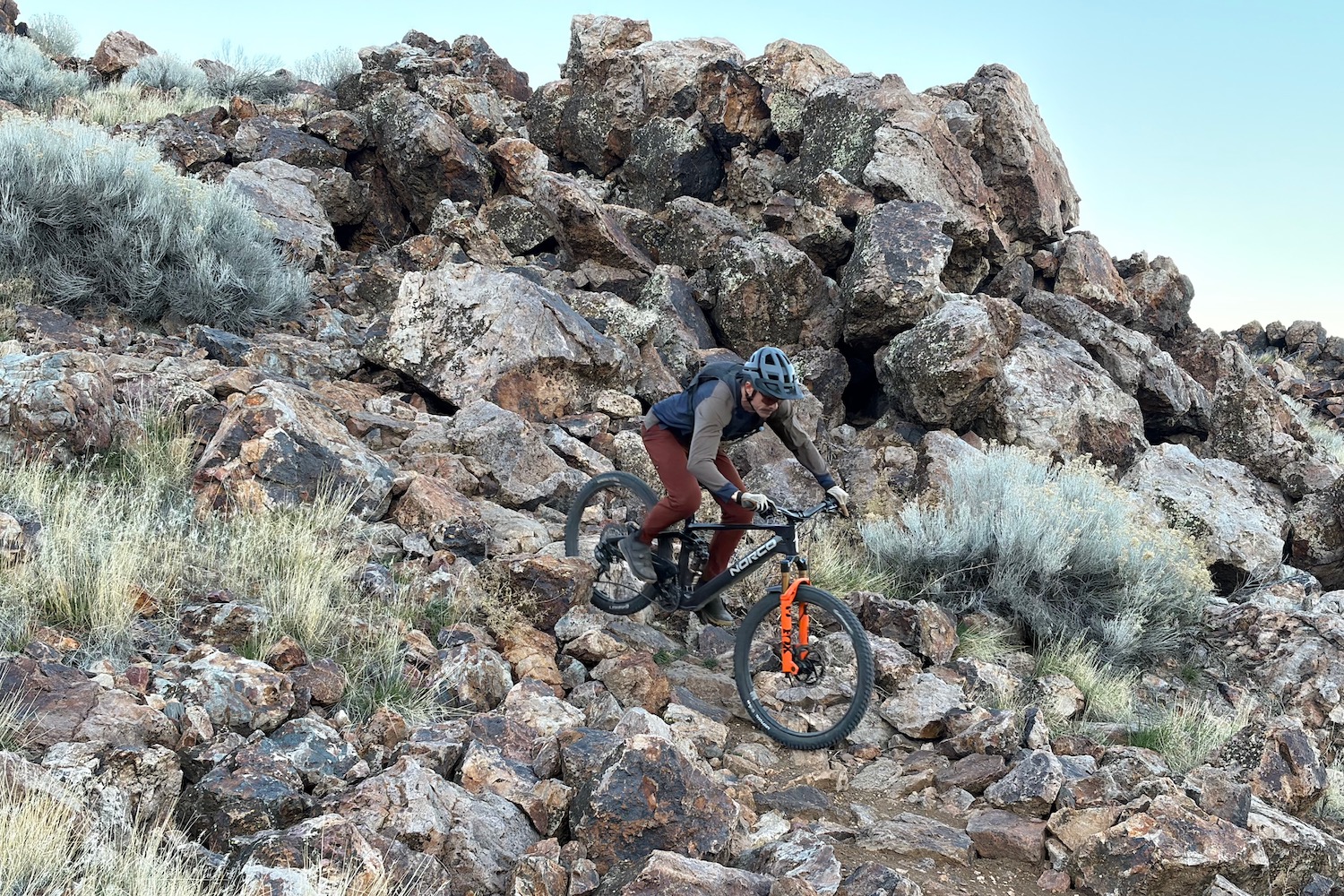
The VPS high-pivot design plays a big role, too, of course. The rearward path of the axle is more noticeable than you might expect. I find it makes the rear wheel much less prone to hanging up on square edges, helping to maintain momentum and speed through chunk and chunder, and, in my experience, reducing the frequency of hard rim-outs in the rough stuff. It also gives the bike impressive stability and a planted, confident feel, with plentiful traction at the rear wheel. The Sight tracks predictably through turns and berms, yet it remains surprisingly agile for a bike of its size and weight, thanks in no small part to the 27.5″ rear wheel.
And let’s not forget the Sight’s geometry, which is arguably the biggest factor in its downhill performance. It’s clear that the brand’s designers prioritized the descents with the 64-degree head tube angle, lengthy 497.5mm (S4) reach, and fairly high stack. But it’s clear they also prioritized balance, most notably with the size-specific rear center lengths and seat tube angles. This is one of those bikes where the rider’s position is comfortably and reassuringly centered between the wheels. On the Sight, I settle into the bike, letting the 29″ front wheel, slack head tube, and somewhat tall front end keep me comfortably and confidently in the driver’s seat on steeper trails. At the same time, that centered weight helps maintain ample pressure at the front wheel for traction and control.
I’m nitpicking a little here, but one of my only critiques of this bike is that there are no options for a 29″ rear wheel, unlike the analog Sight. I’ve got long legs, and I generally prefer full 29″ setups. But with the high pivot, the MX setup works pretty damn well, so…
Climbing

While the TQ system doesn’t dominate like a full-power motor, it is still a part of the climbing experience. As mentioned above, the lower output is more subtle, which I found allowed me to pedal the bike more naturally, working just as hard, but going faster up the hill. And with three modes to choose from, you can choose how much faster that is. Regardless, the overall feel is quite different from that of full-power bikes, and that’s also related to the system’s — and the bike’s — lighter weight. In my opinion, the lighter weight of this bike makes it more maneuverable than heavier bikes, and it handles much more like an analog bike on the climbs. Heck, I rode this bike with the power off for a few rides, and it felt almost completely normal, though a touch sluggish due to the 42-pound weight.
Geometry-wise, the Sight’s steep seat tube props you up quite nicely and is geared toward the steep fire roads and trails that typically lead to more aggressive descents. It pairs well with the tall stack and stock riser handlebar, keeping the seated pedaling position fairly relaxed and preventing the longer reach from feeling too stretched out. Despite the slack head tube angle, I thought the size-specific rear center length also helped keep my weight centered on steeper climbs, preventing the front end from feeling too light and lifting or wandering.
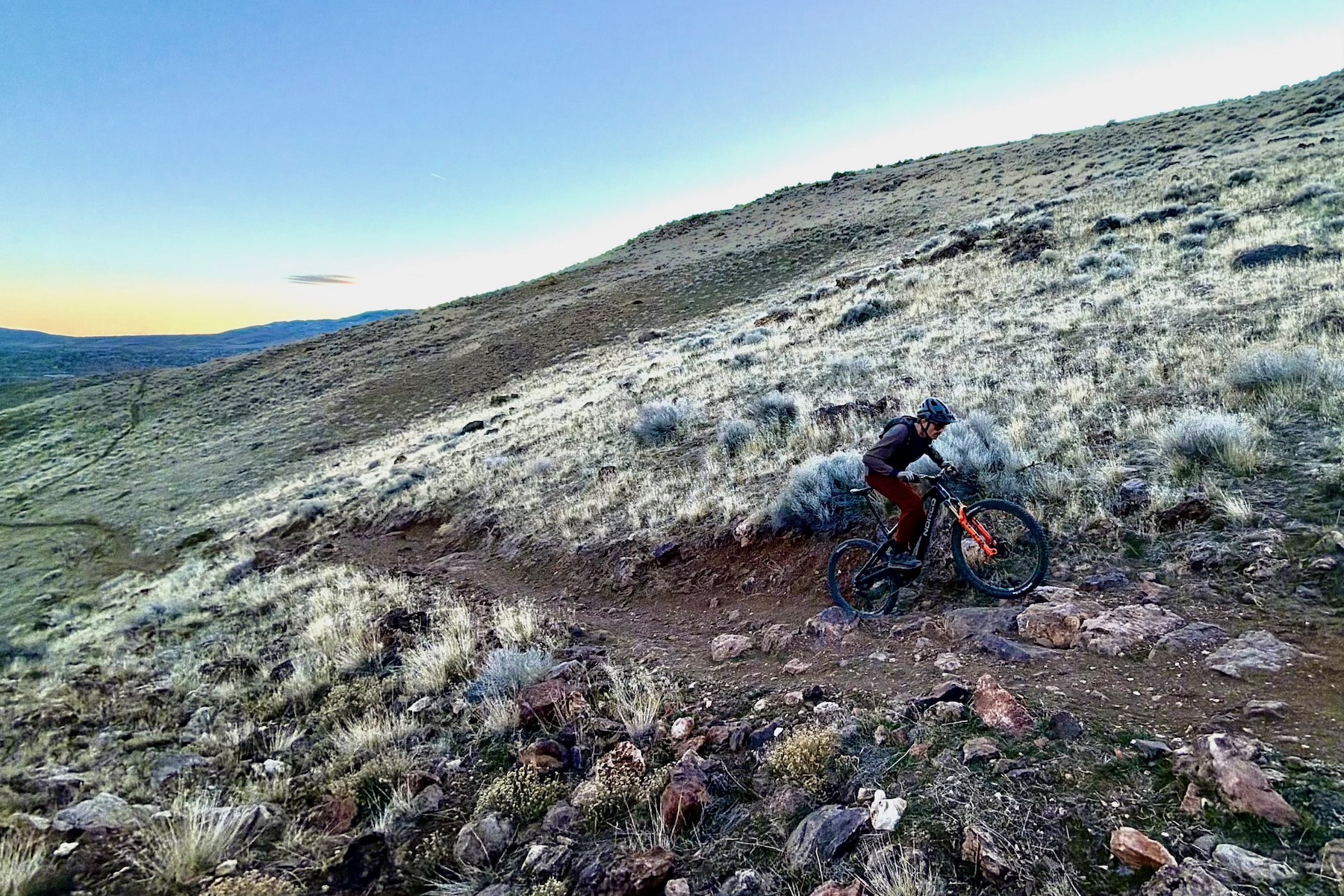
Overall, I can’t complain about the suspension’s pedaling performance. Norco didn’t provide exact anti-squat numbers, but I can say from my experience that the VPS high-pivot feels adequately supportive under pedaling power. Both in the saddle and out, it generally remains calm, yet smoothes out small bumps and maintains plenty of grip at the rear wheel. While it is primarily intended to improve downhill performance, the rearward axle path also affects climbing performance. It helps the smaller, 27.5″ rear wheel maintain momentum uphill by hanging up less on ledgy rocks and technical sections.
Build
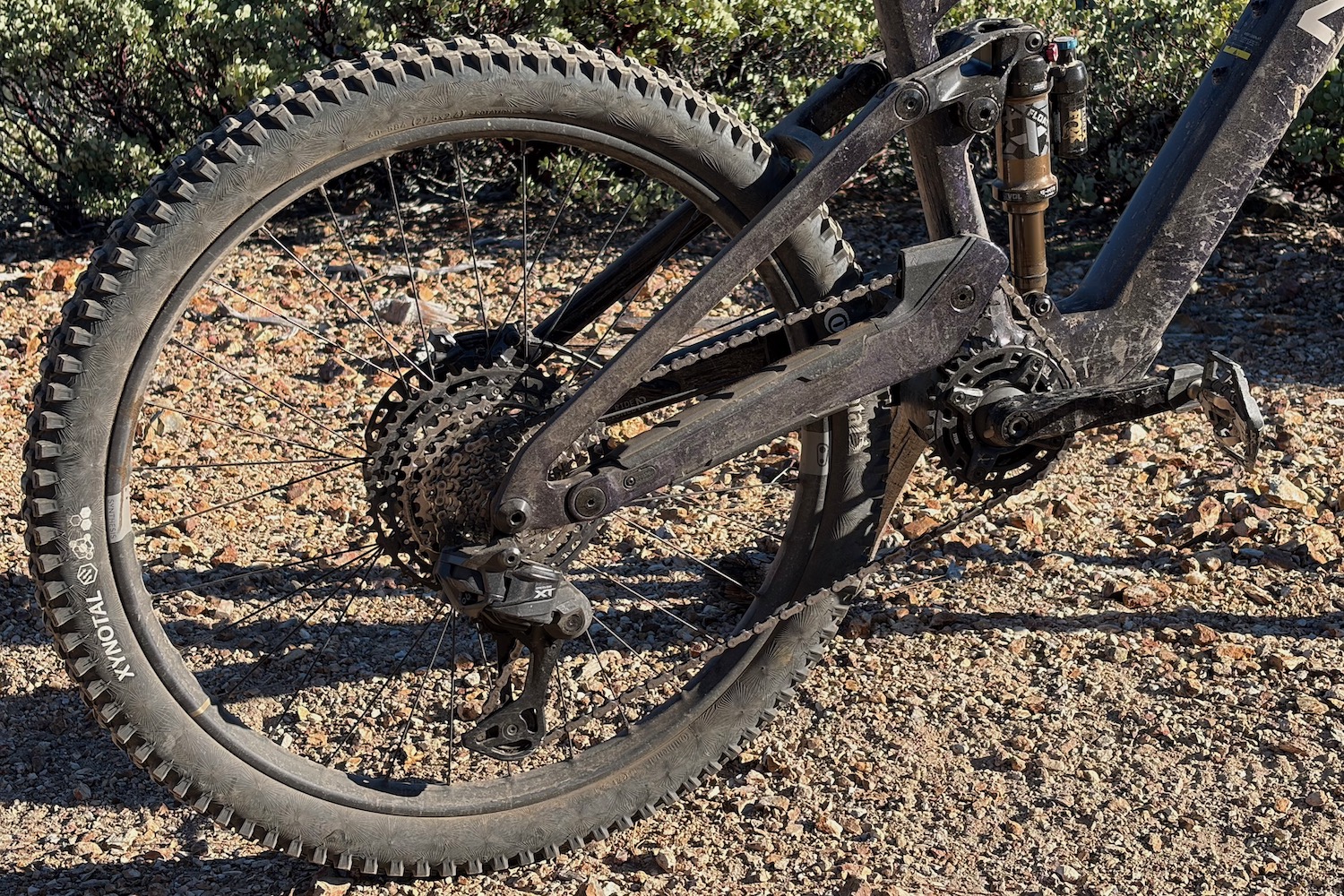
The C1 build I’ve been testing is the top-of-the-line option, and it comes with a component spec that’s pretty dialed straight out of the box. I’m a huge fan of Shimano’s Di2 wireless shifting, and the XT setup on this bike has been performing flawlessly the whole time. The battery lasts a long time, I really appreciate the ergonomics of the shifters, and I’ve smashed the derailleur on rocks a few times, and it bounces right back. Shimano’s latest 4-piston XT brakes also work super well. They felt a tad underpowered straight out of the box compared to Mavens, but they’ve since broken in and feel great.

I’d probably switch out the grips for something else, but the cockpit is otherwise well-appointed. The Race Face Era carbon handlebar feels great, providing responsive handling and relatively good vibration damping. The TranzX dropper is nothing special, but it gets the job done, and the new WTB Rocket saddle has a shape and width that I get along with. I’ve been beating on the Crankbrothers Synthesis Enduro Carbon wheels for a couple of months, and they’ve taken it all in stride. They feel sturdy, but not overly stiff, helping to mute trail feedback. They’ve stayed perfectly true and round, with only minor cosmetic scratches to show for it. Continental’s Soft rubber compound may not be the outright grippiest, but otherwise, the Kryptotal/Xynotal tire combo is appropriately aggressive to match the Sight.

I’ve got no complaints about the performance of the Fox 36 Factory fork or the Float X Factory shock. Harder charging riders than I might wish for a 38, for added stiffness, but to me the 36 feels like a great match for the Sight VLT TQ. Plus, it helps keep the bike’s total weight down, which was undoubtedly one of the goals when Norco chose components for these complete builds. At $10,599, it’s definitely not cheap, but it’s quite a bit less expensive than many brands’ top-tier builds.
Norco Sight VLT TQ: My Takeaway
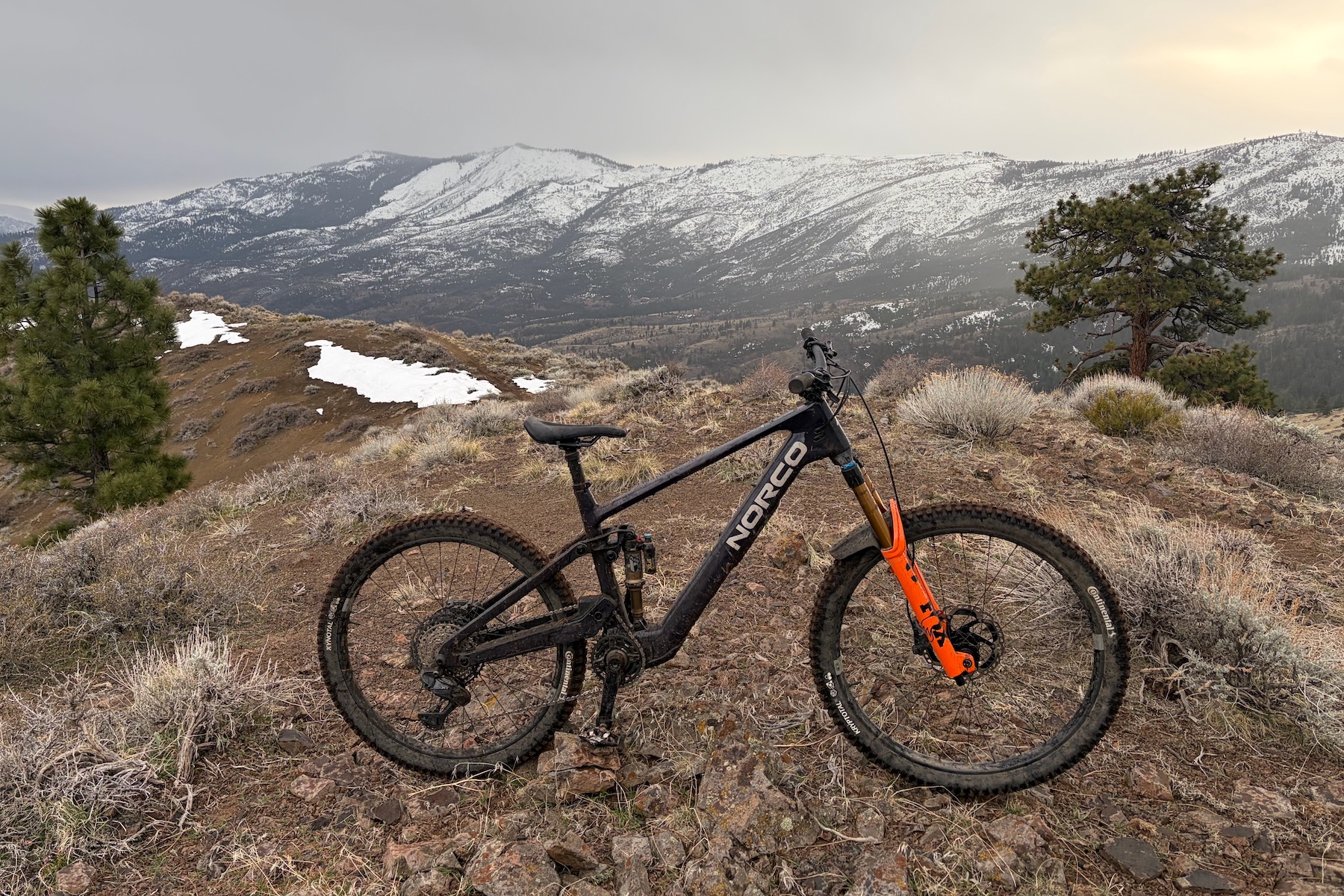
I’ve been testing e-bikes for nearly a decade, and Norco’s new Sight VLT TQ is one of the best I’ve ever ridden. This is due in large part to the new TQ-HPR60 drive system, which aligns well with how I want an eMTB motor to perform and feel. It’s lightweight, so small it’s barely noticeable, impressively quiet, very efficient, and delivers power in a balanced way that feels more “normal” than anything else I’ve tried. You’re not along for the ride; your ride is just a little faster.
On top of that, the Sight VLT TQ is a dialed all-mountain bike with the travel, high-pivot suspension, and geometry that delivers its signature Norco ride feel. This bike is a confident descender that has enough travel and the right angles to handle anything you’re willing to ride it down. At the same time, it’s well-balanced, with sharp handling, maneuverability, and a dynamic energy that make it fun to ride on trails of all types.
If you’re like me and enjoy riding eMTBs but find full-power motors to be overkill, you’re gonna wanna check out the Norco Sight VLT TQ. This is an excellent new offering from Norco, combining TQ’s outstanding drive system with the excellent Sight mountain bike. As other bikes and motors continue getting heavier and even more overpowered, I’d argue the Sight VLT TQ is moving in a more logical direction. I’m sure going to be sad to send this one back.

