


Giro is officially replacing the Eclipse Spherical with an all-new flagship aero road helmet: the Eclipse Pro. We’ve just received one for a sneak peek, and it looks like a solid mix of aero and airflow.
Designed for WorldTour racing and high-speed endurance riding, Giro says the Eclipse Pro is 17% faster than the previous Eclipse Spherical, making it the fastest road helmet the brand has ever produced.
Rather than building a pure aero specialist meant only for flat, high-speed racing. Giro’s goal with the Eclipse Pro was broader: deliver meaningful aero gains while improving ventilation, stability, and all-day comfort.

A New Top-Tier Aero Platform
The Eclipse Pro now tops Giro’s road helmet lineup. Development took place entirely in Giro’s in-house R&D lab, using extensive CFD analysis, iterative clay modeling, and wind tunnel testing. The final silhouette is designed to smooth airflow across critical transition zones while remaining stable in real-world riding conditions, including crosswinds and high yaw angles.
Compared to the outgoing Eclipse Spherical, the Eclipse Pro features a more refined external shape designed to reduce drag without adding weight or bulk.
17% Faster Than Eclipse Spherical
Giro is particularly proud of its aerodynamic claim: the Eclipse Pro is 17% faster than the Eclipse Spherical in internal aerodynamic testing. While the brand isn’t publishing watt-savings numbers, Giro makes it clear this isn’t a marginal update. The Eclipse Pro represents a clear step forward in outright aero efficiency. All the while, a more ventilated design that can go from XC mountain bike racing to World Tour road racing, and anything in between.
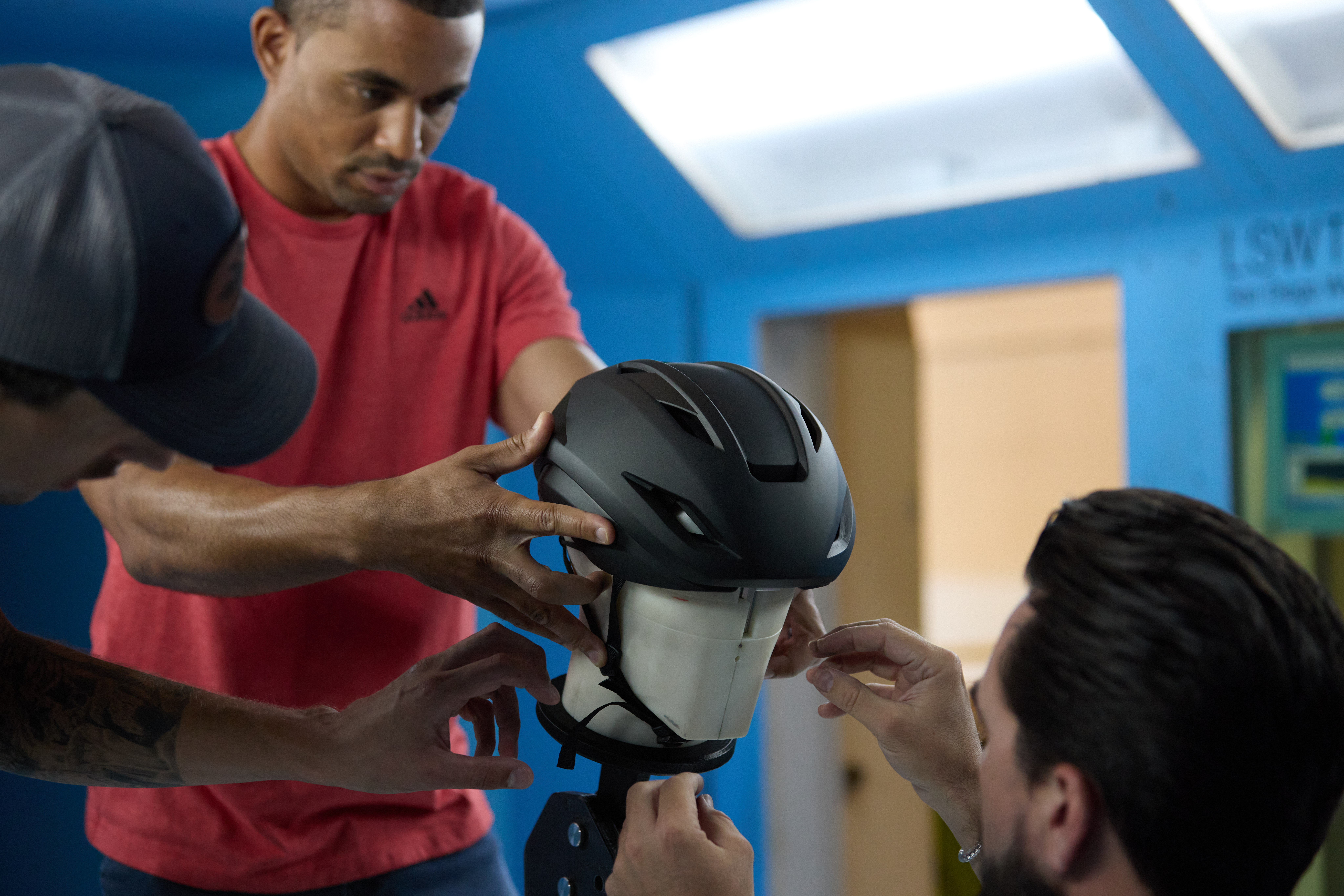
Giro also says the updated profile improves stability at speed. This update will/ help the helmet feel calmer during fast-pack riding and in variable wind conditions compared to the previous model.
15 Vents, Designed Around Cooling
Ventilation is where the Eclipse Pro departs most clearly from its predecessor and other aero helmets. The new helmet features 15 vents and a redesigned internal airflow system that actively manages heat, rather than reducing openings to reduce drag.

Air enters through deep front intake ports and is split across the forehead and brow. This opening feeds structured internal channels that guide airflow across the scalp. Giro’s goal was to maintain cooling during climbs and sustained efforts without compromising the helmet’s aerodynamic profile.

Do I Know You From Somewhere?
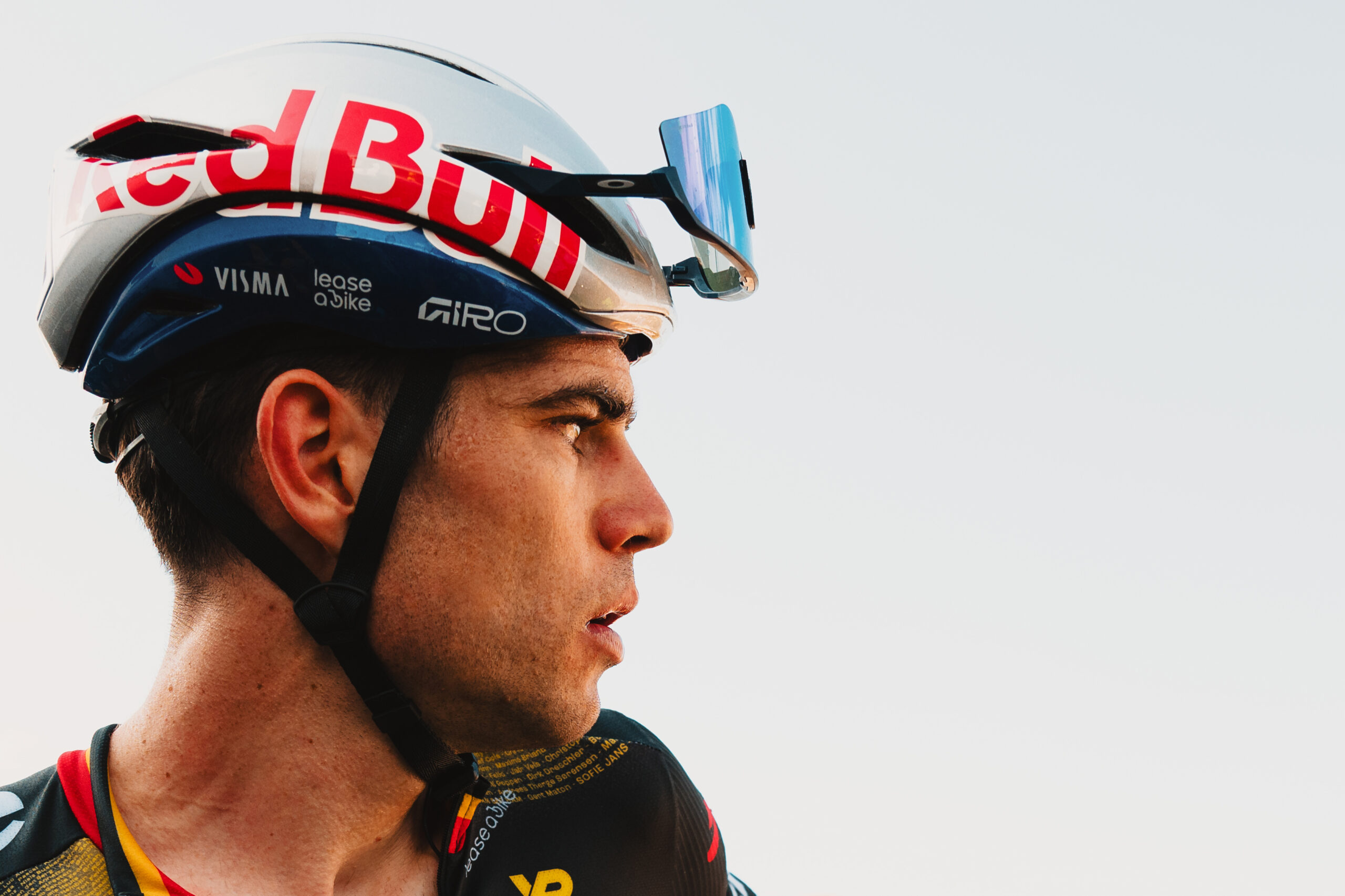
If you think you’ve seen this helmet before, it’s because you have… but it’s usually been hidden behind team-only graphics. The Eclipse Pro has already earned its place at the top of the podium across road, gravel, and cross-country disciplines:
- Pauline Ferrand-Prévot — General Classification Winner, 2025 Tour de France Femmes avec Zwift
- Wout Van Aert — Stage 21 Winner (Montmartre), 2025 Tour de France
- Jonas Vingegaard — General Classification Winner, 2025 La Vuelta a España
- Team Visma | Lease a Bike — Team Classification Winner, 2025 Tour de France
- Kate Courtney — XCM World Champion, 2025 UCI World Championships (Valais, Switzerland), & 1st Place & Women’s Course Record, 2025 Leadville Trail 100 (Colorado)
The list is impressive and diverse across disciplines.
Safety, Fit, and Weight
Like its predecessor, the Eclipse Pro uses Spherical, powered by MIPS: Giro’s dual-layer impact system, designed to help manage rotational forces in angled impacts. The helmet also features a reinforced polycarbonate shell that extends further around the EPS liner for increased coverage and durability.

Fit is handled by Giro’s Roc Loc 5.5 Air system, offering micro-adjustability while keeping weight low and the profile compact. Claimed weight is 280 grams (actual 289g) in a size medium, which is pretty light given the helmet’s aero focus.
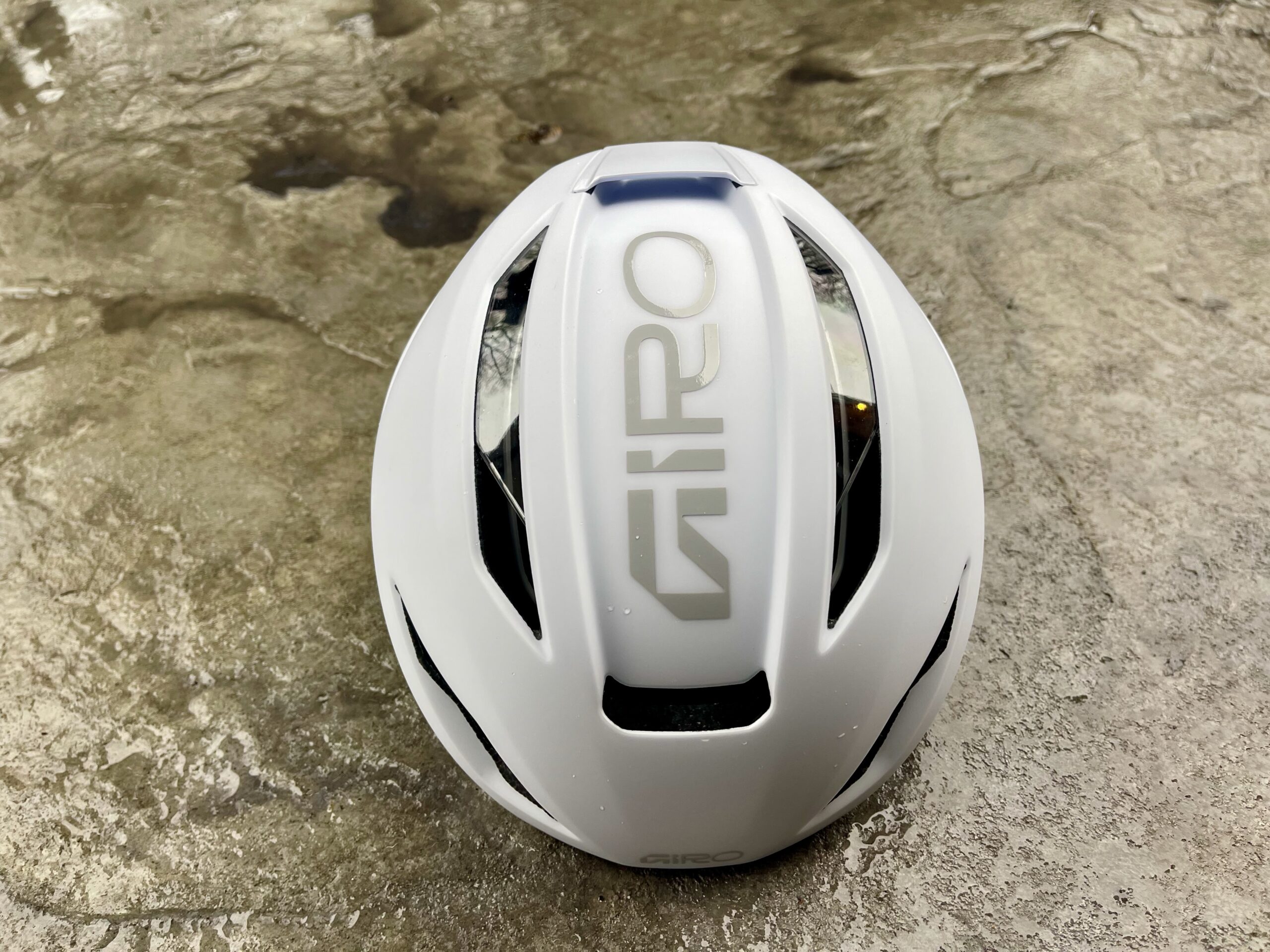
First Look Giro Eclipse Pro
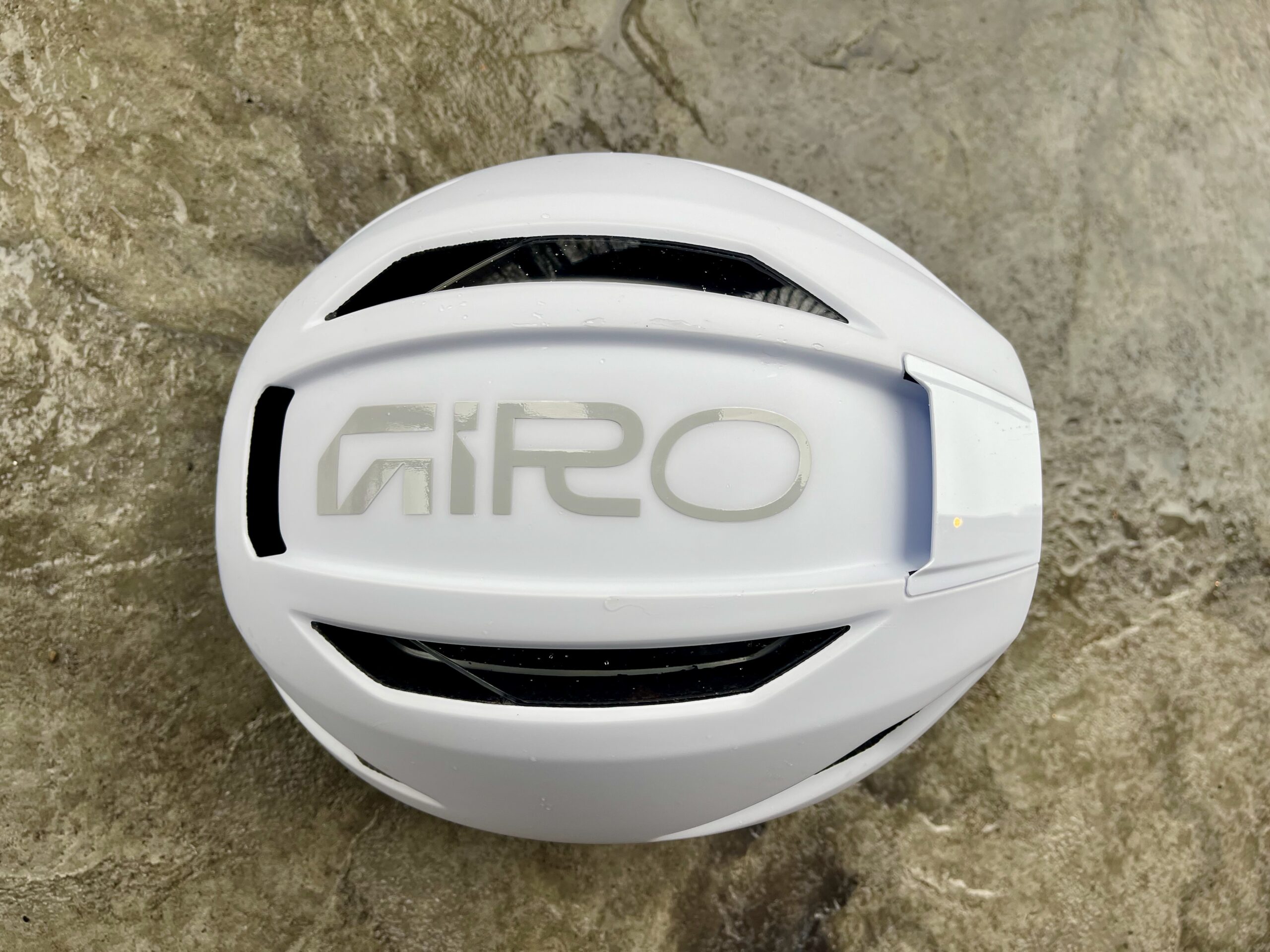
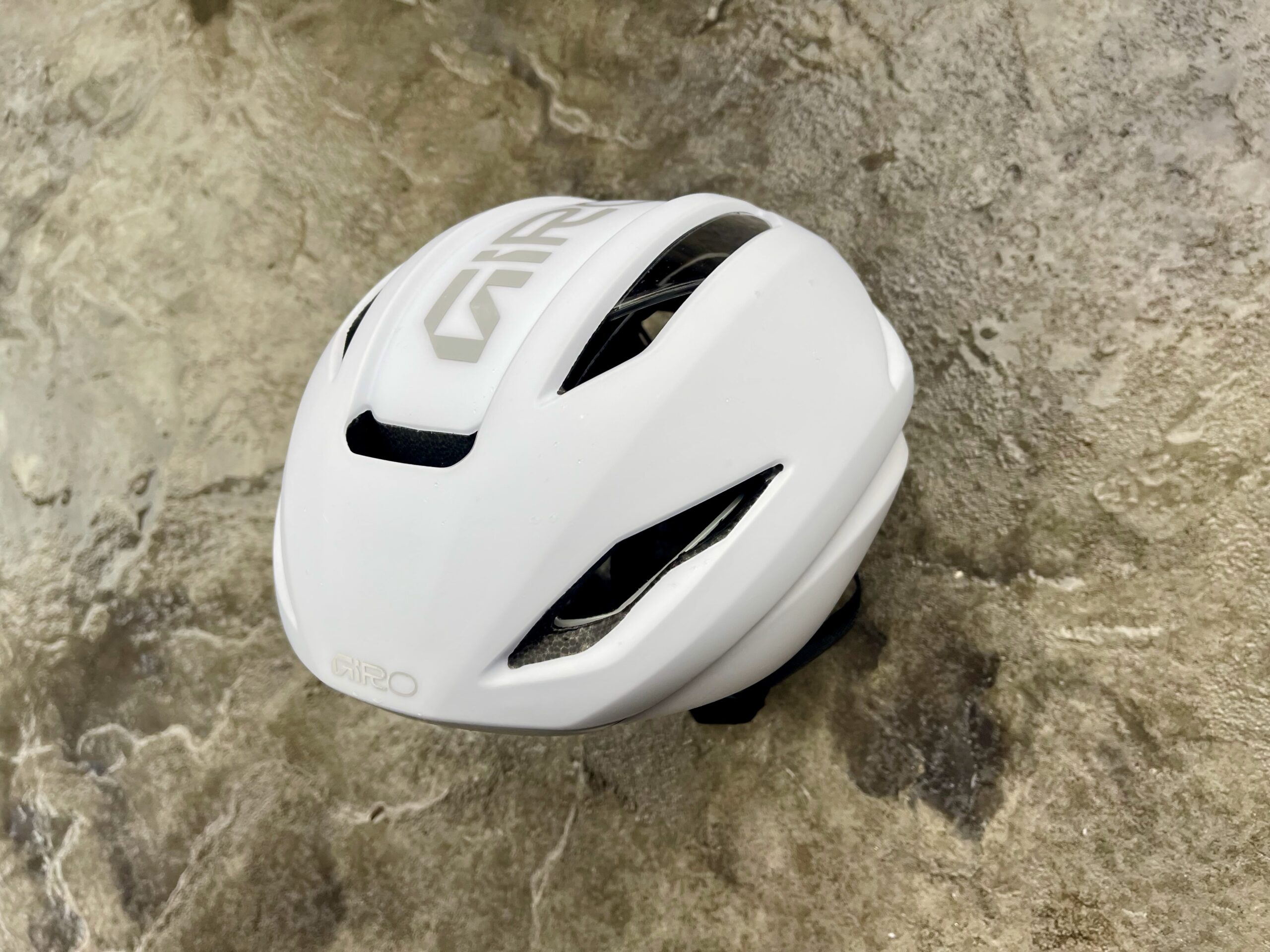
At first glance, the Eclipse Pro looks similar to its predecessor, but the vents are oriented differently. However, upon closer examination, many subtle tweaks make it just a bit more.
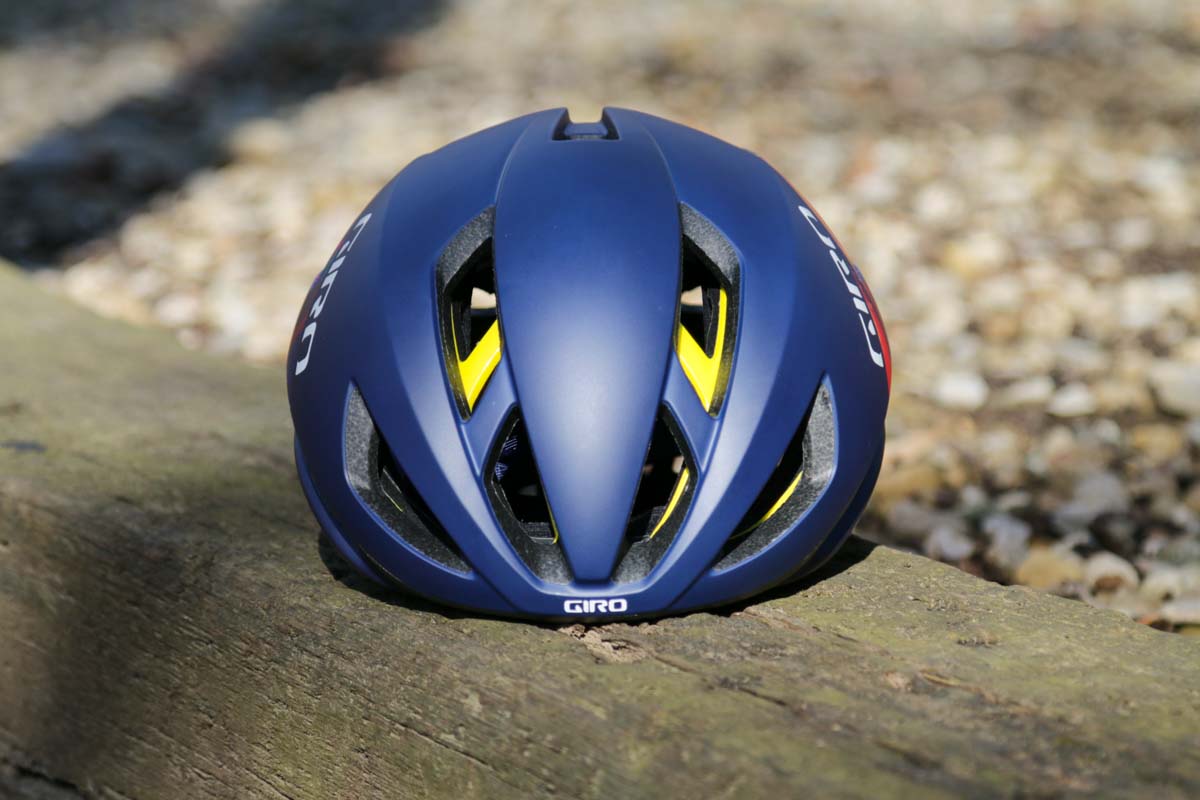
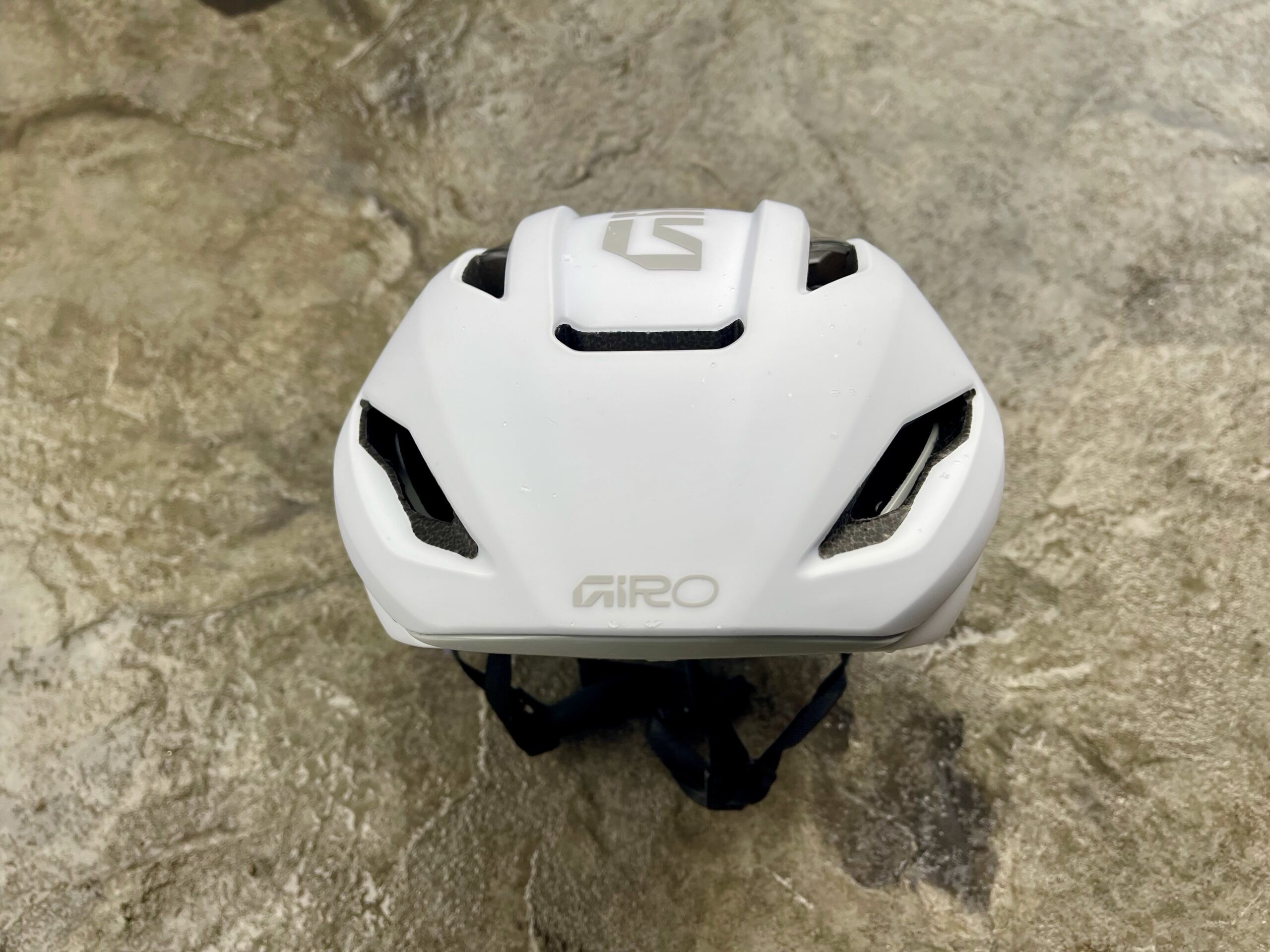
The center of the helmet is notably flatter, with a concave section compared to the previous model. You can see this notably in the photo above. This section has vent ports at both ends, but only one for intake. The larger side vents on the helmet’s shoulder are 75% covered by a shell, with a small diamond-shaped port at the front.
On the front of the Elipse Pro, there are no longer direct forehead vents, but the side near-temple vents remain. These vents went slightly down in size.

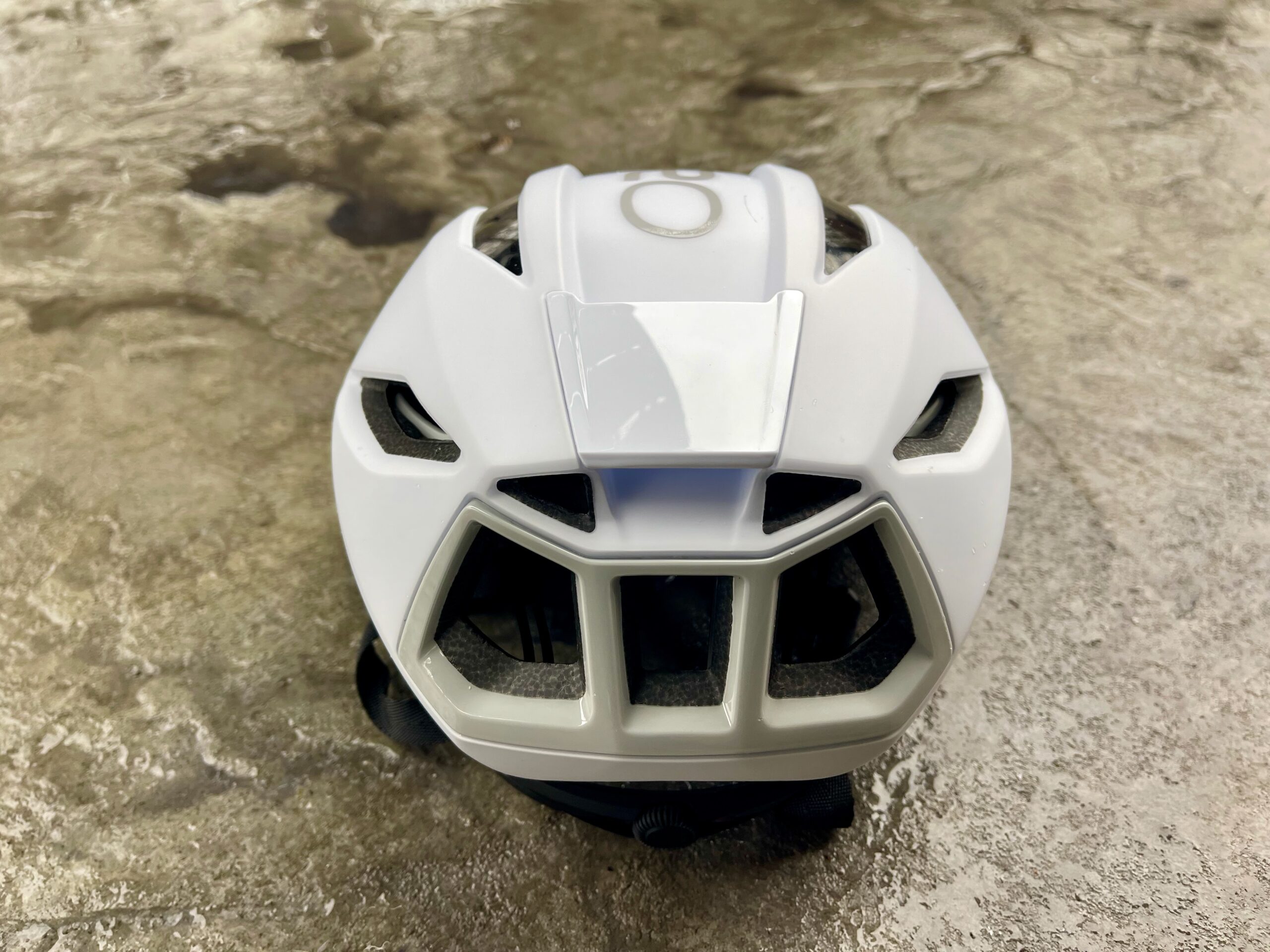
Moving to the rear of the helmet, you can see numerous changes and vent reconfiguration. The back end is much boxier than the previous model. Still with three large vents, but this time they look more like exhausts than panel cuts. On the sides of the spherical MIPS, there are small vents facing rearward.

How does it fit? Based on our limited time in the helmet, it’s a standard Giro fit. It’s comfortable, and the under-the-ear cradles are not an issue. That said, Giro helmets fit my head like a glove (or a hat), and I never have sizing issues.
We’ll put more miles on the Eclipse Pro ahead of its official release, with a full review closer to launch.

Details: Giro Eclipse Pro Helmet
- Vent count: 15
- Weight: 288g (size M)
- Safety: Spherical powered by MIPS
- Fit system: Roc Loc 5.5 Air
- Availability: Mid-February 2026
- Price: N/A


