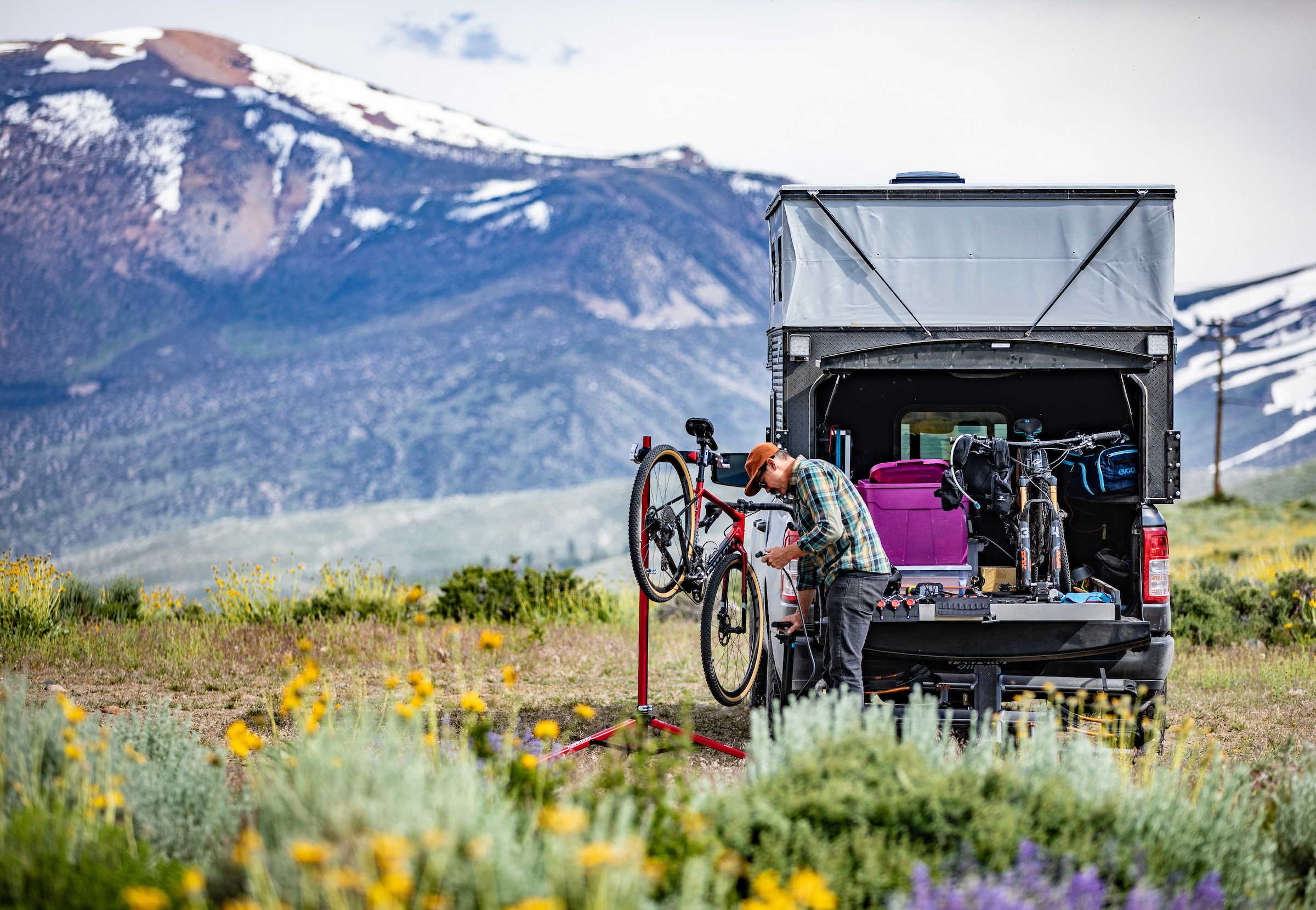


Mike Wilson knew bikes were cool. Rolling across the 2013 finish of a solo Race Across America, however, gave the Alabama native a new appreciation of all the places in the world that a bike can take you: starting on one side of the country and ending up on the other.
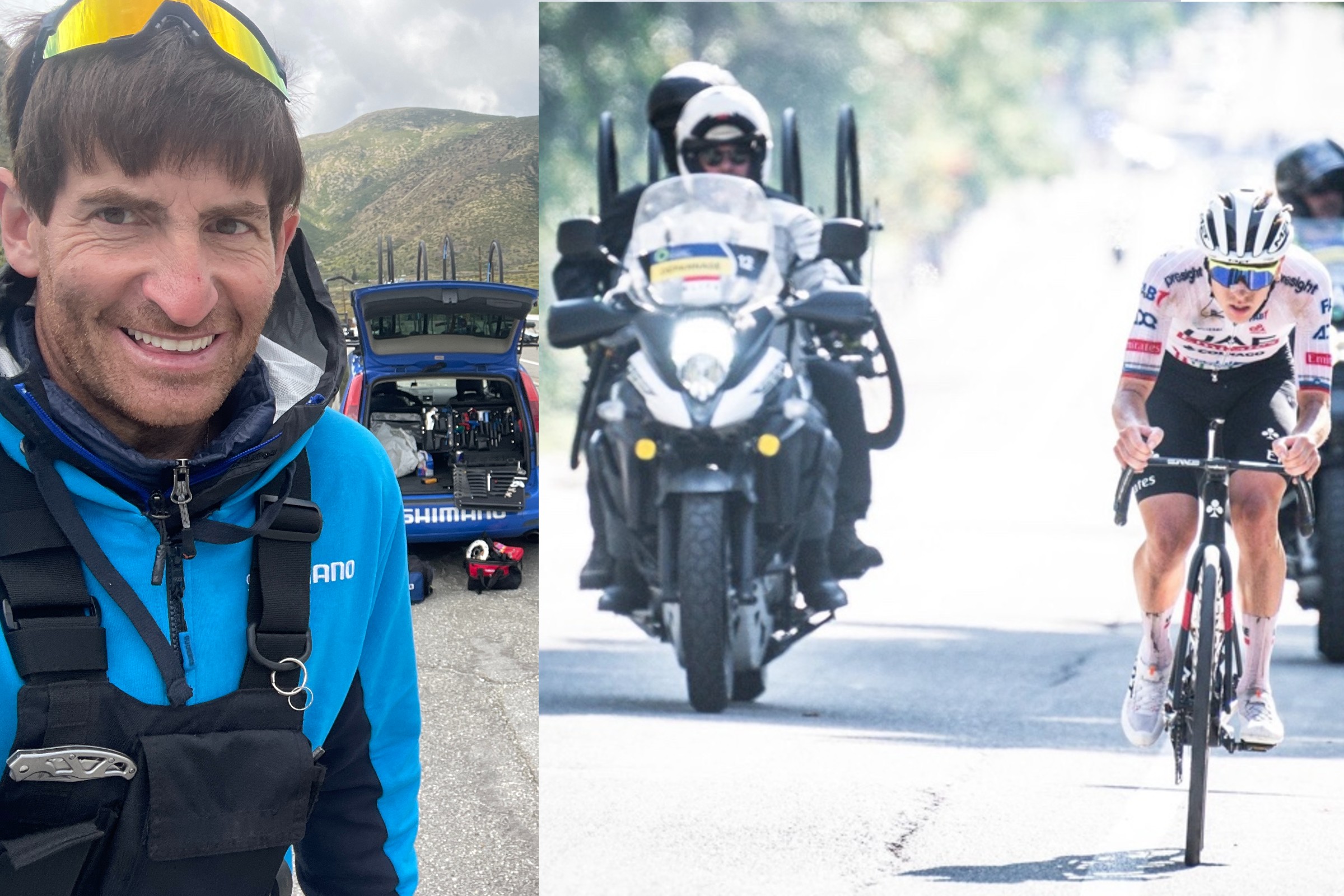
For the next decade, Wilson shifted into a more specialized mechanic work, chasing the world’s best as he built Elite Racing Services into North America’s only UCI World Tour-level pro race support service. Though he can certainly appreciate the prep work that goes into a Tour de France stage, he also knows that the smallest details make all the difference when it comes to planning your own next bike trip ahead.
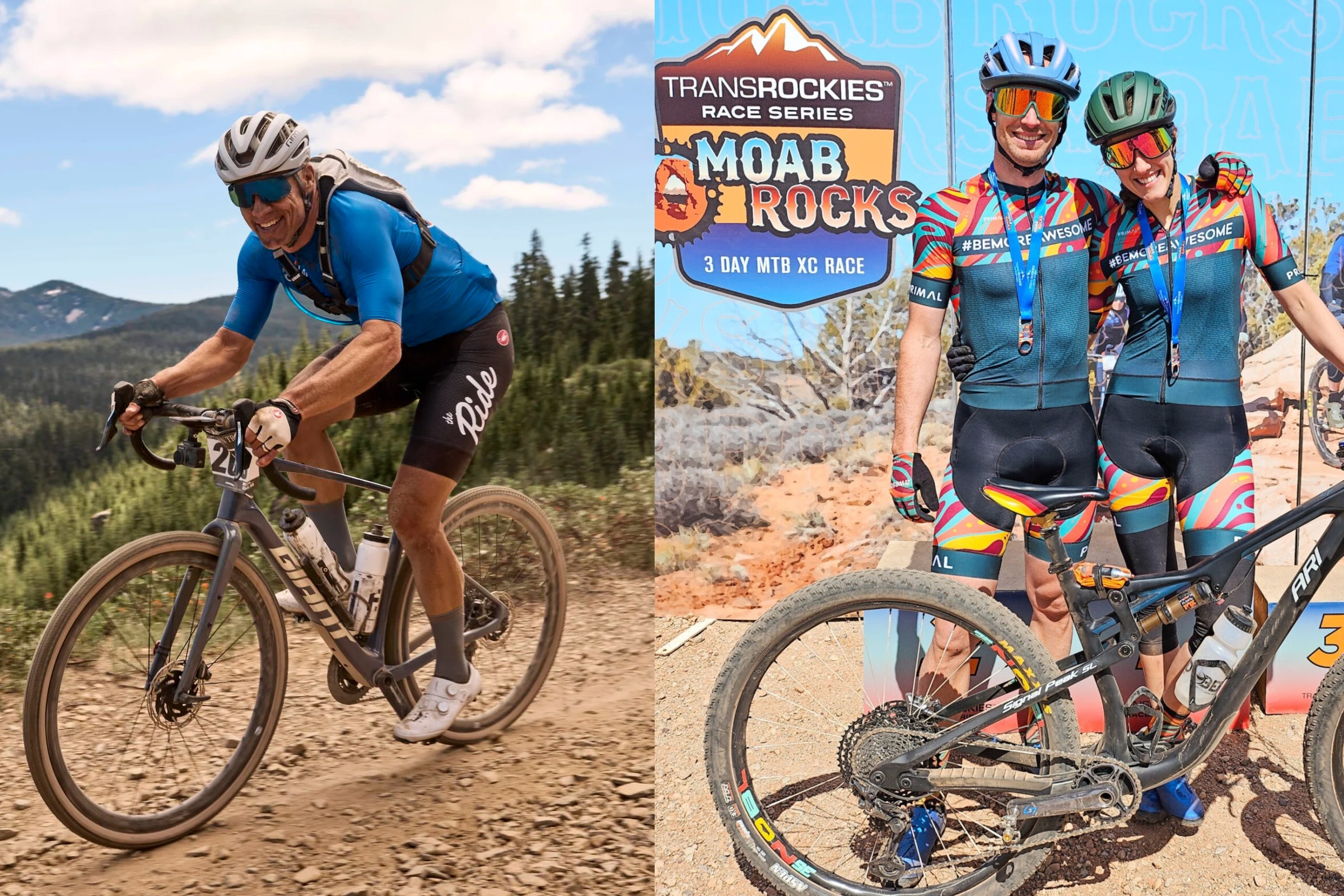
We sat down to get Wilson’s take alongside two other seasoned cyclists who have made careers of traveling to ride bikes. Macky Franklin and his wife, Syd Schulz, have been traveling to experience “the best (and most challenging) mountain bike races” since 2013, graduating from seven vanlife years to globe-trotting adventures from their home in Los Alamos, N.M., sharing training and race reports on their YouTube channel. Meanwhile, Ben Delaney is a veteran cycling journalist who covers races and gear on Instagram and YouTube, lately with an eye to gravel bike tests at growing events he travels to across the U.S. from his home in Boulder, Colo.
Take advantage of the hard-earned wisdom from these well-traveled pros. From the right gear to the proper training, use their best advice on how to plan and prepare—then ride the inspiration to your next big bike-based adventure in the season ahead.
Bikerumor: Your trip is three months out, and you haven’t touched your one travel bike all winter. Where do you start?
Ben Delaney: Start with the tires and chain. Is your chain cleaned and lubed? Is the sealant in your tubeless tires good to go? If not, refresh both.
Macky Franklin: Pop your bike in a stand like the Feedback Sports Pro Mechanic or Sport Mechanic 2.0, confirming that it’s shifting correctly and that the brakes are working. Then check that the dropper post is working and double-check your suspension (air pressure and rebound/compression settings). Add some tire sealant and/or replace your tires. Then, if at all possible, take your bike out for a short ride.
Mike Wilson: On the ride, think of the ways the area you’ll be riding will differ, and start making a mental (or actual) list for bike prep. Is that area hillier? I need more climbing gears. Will I ride some mixed-surfaces (sand or gravel)? Choose an all-purpose tire and size. Will I have immediate access to a bike shop for repairs? Think about ways to make the bike more robust and less likely to need adjustments (electronic drivetrain, tubeless tire setups) and the supplies I should stock up on (spare tires, tubeless sealant, tire plugs).
How much of your home tool kit makes it from the garage to the travel vehicle?
Wilson: You really don’t need the bulk of the home tool kit for most trips; think about the riding you’re planning and imagine the most common ‘Party Stoppers,’ meaning, the likely mechanicals that would stop your ride. For example, if I shred my tire, I’m totally done. Most of the tools I bring and supplies to get a backup come directly from that list.
Franklin: We have a dedicated toolbox that stays in the car and has the necessary tools for basic repairs like cleaning and lubing the chain, tightening bolts, adjusting the suspension air pressure, changing tires, etc. The Feedback Sports Team Edition Tool Kit is ideal for leaving in your car, it’s small enough to fit under a seat. On a weekend trip (or longer), we bring spares of things that might be hard to find. For places that we know have good bike shops, that means only parts that are specific to our bicycles. For camping trips or more rural areas where a bike shop might not have a good selection (or might not exist at all), that means spare derailleur and shifter, chain, brake pads, and tires.
Delaney: I am pretty good at forgetting key things, so I keep a Feedback Sports Team Edition Tool Kit in my vehicle. That way, I don’t have to think about it, and I always have what I need on the road, then supplement depending on what I’m doing and where I’m going. I just loaded up this morning to drive to Texas for Valley of Tears. I’ve got a Feedback Sports Sprint work stand and a floor pump by the front door. I’m also bringing two Rakk 2.0 stands because I’m doing video/photo features on some pro bikes while out there.
If you’re pressed for space, what makes the must-take list?
Franklin: For flying, we make sure to bring tools we need to build up our bikes, specifically a center-lock tool, quick link tool, and a good set of hex keys, like the Feedback Modular T-Handle Kit, and the Fanttik mini air compressor to fully air up our tires.
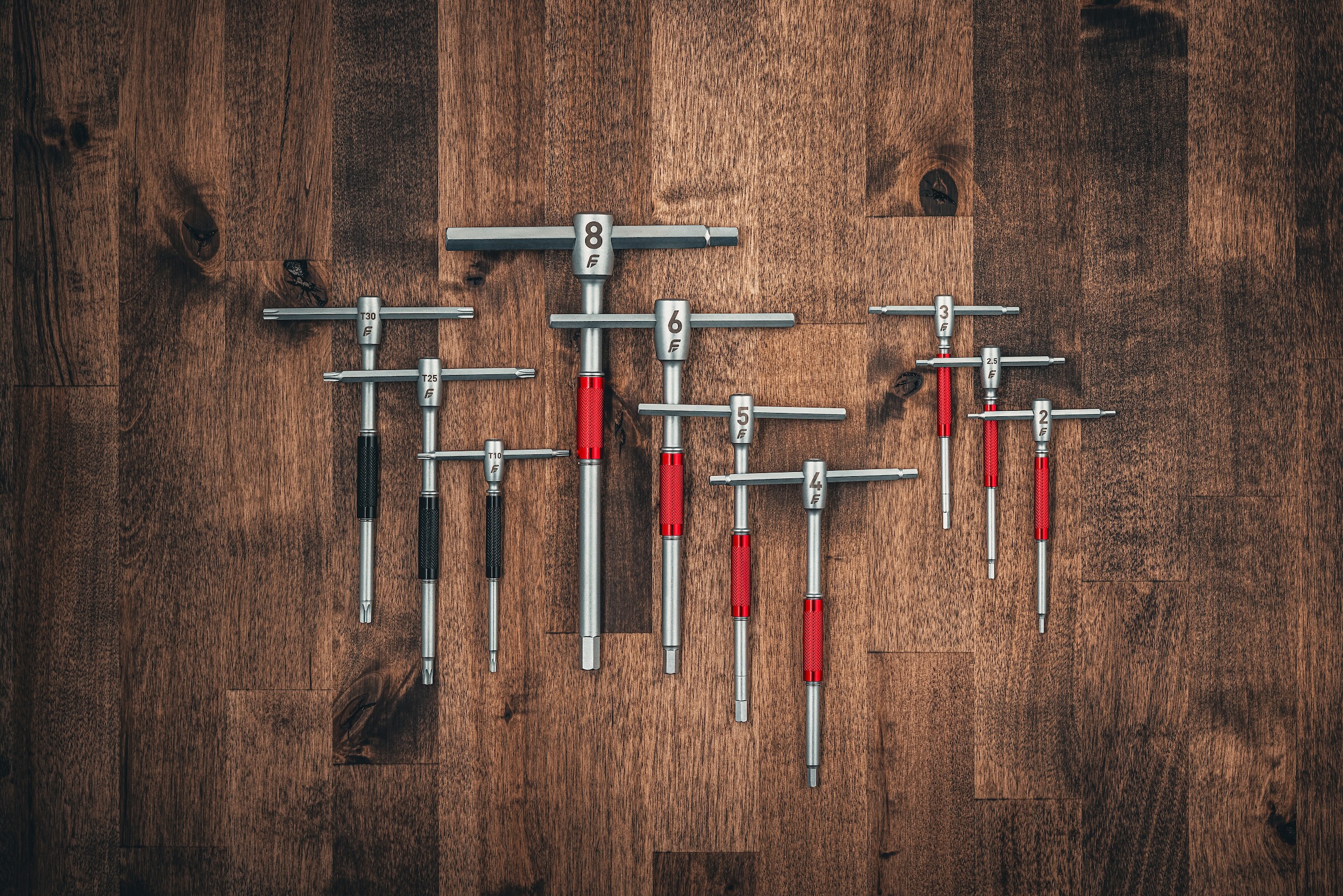
Delaney: The Team Edition Tool Kit is the size of an old Trapper Keeper. Zips up with handles. Super easy. For flying when I’m going super minimal, I’ll bring a smaller kit. Last weekend, I flew to Louisiana for a race and just had the Feedback Sports’ Modular T-Handle Kit tucked into my cycling shoes inside my bike case. Sometimes I will go as light as just Feedback’s Reflex Fixed Torque Ratchet Kit. You can put that in your pocket.
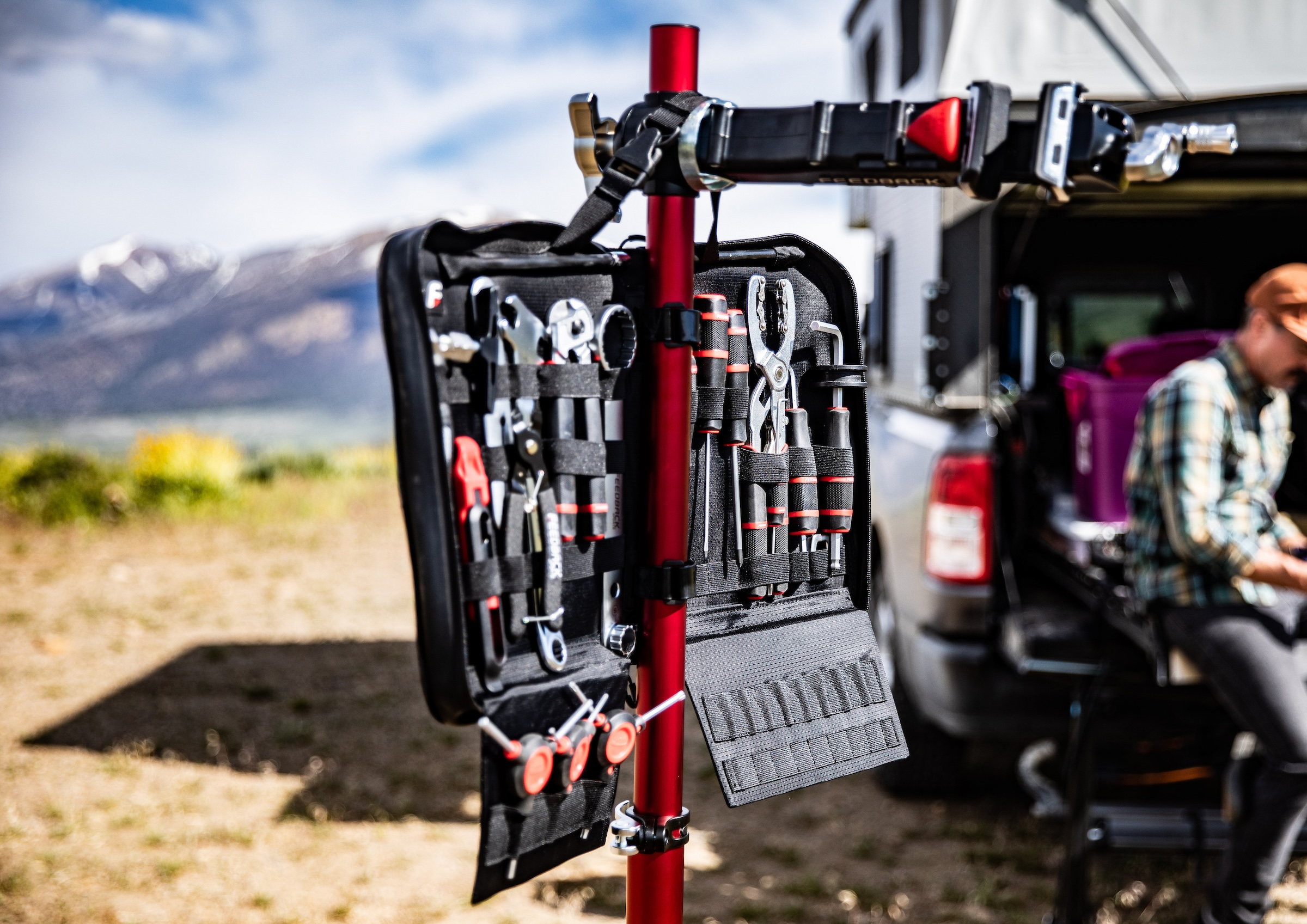
Wilson: The Team Edition Tool Kit should give any home mechanic confidence that they have a ‘complete’ tool set for almost anything they could ever need, especially traveling. We often meet riders who might be embarrassed to admit they’re not sure what a complete set would even look like — so there’s confidence, convenience, and peace of mind to provide one great solution that’s designed to travel and work anywhere.
How do you begin physical preparation?
Wilson: Not the week before!
Franklin: When you start training, start short and easy. Consistency is the most important thing, and it’s easy to overdo it, get tired and sore, and stop — much better to do a little every day.
Delaney: I like to do long steady rides in the winter/spring and then start mixing in some intervals a month or two out from the event. Consistency over time trumps panic training. There’s no one perfect workout; just practice regularly.
Which Feedback Sports item do you recommend most to friends?
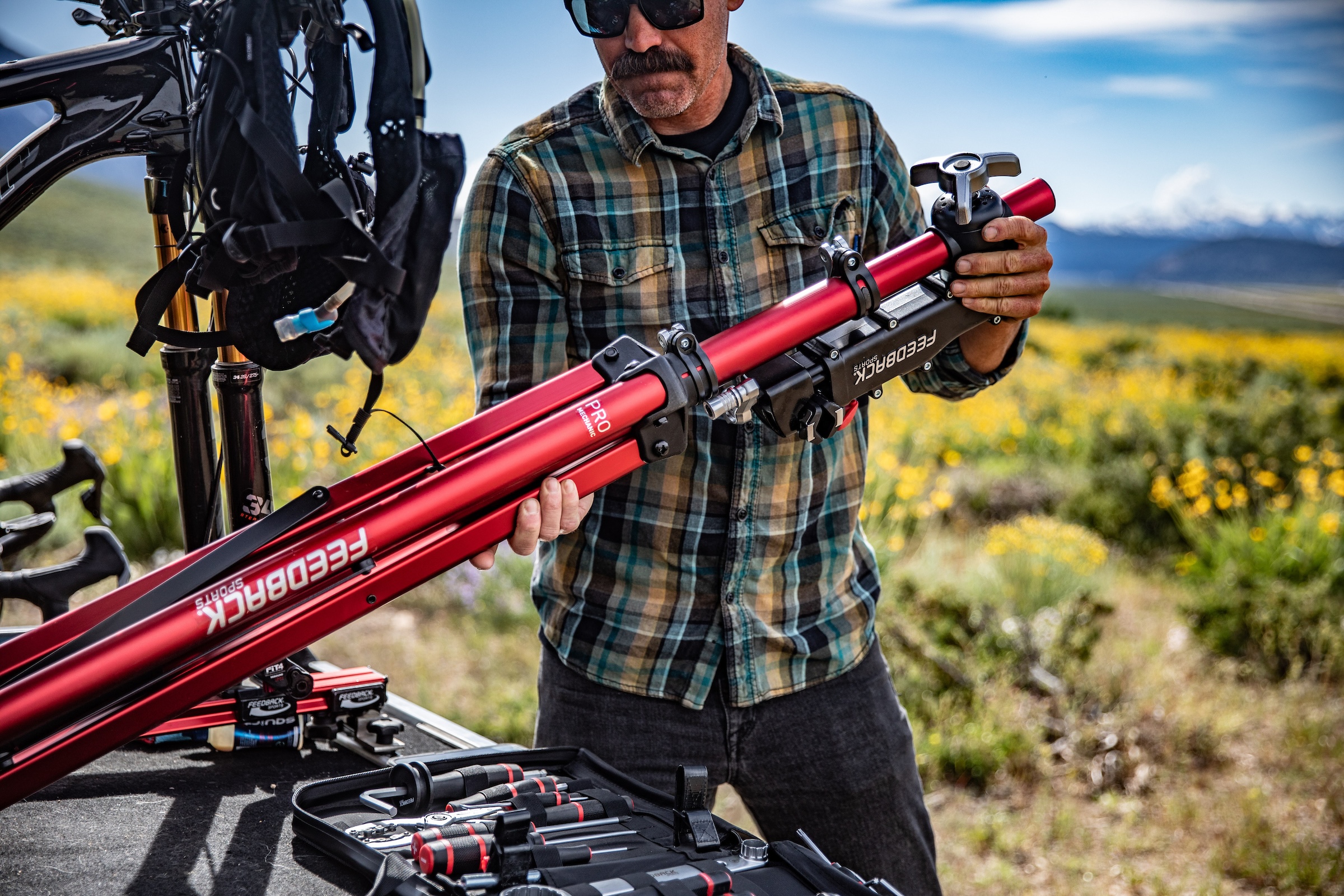
Wilson: A Feedback Pro Mechanic stand. It’s often under-appreciated or under-valued; it’s literally the first ‘tool’ any rider or mechanic should start with to enable every other repair. Nothing happens until it goes in that stand! Then, after the Team Edition Tool Kit, the tool ‘trifecta’ is complete with the Pneuma CC Floor Pump: lightweight, robust, and capable for travel anywhere, versatile to handle almost any type of inflation need, and particularly capable (thanks to the internal air canister) for tubeless-compatible setups where most folks think they need a compressor.
Franklin: The Modular T-Handle Kit, because everyone needs a good set of hex keys!
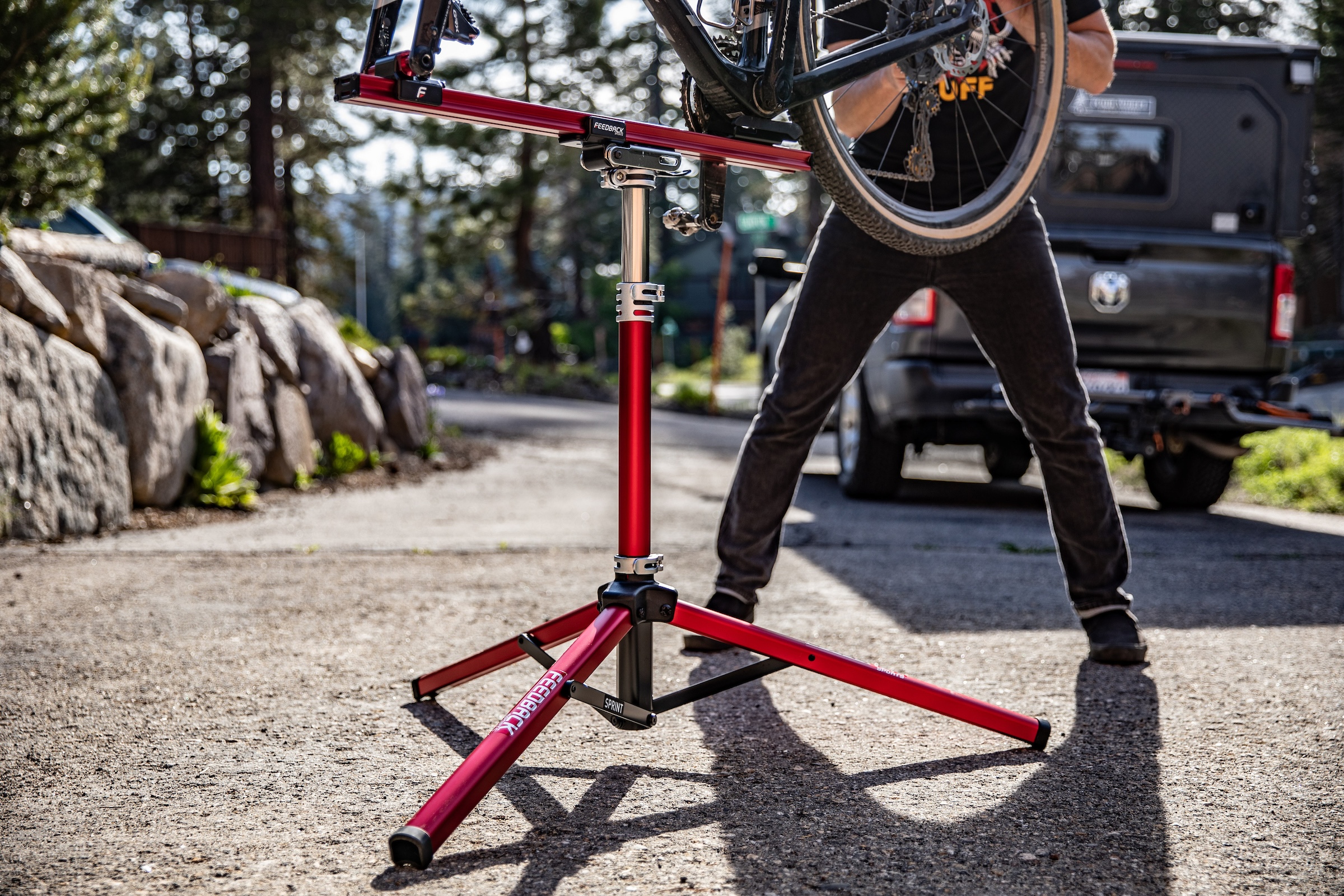
Delaney: The Sprint stand is what I most often recommend, and also the one people most often ask about.
When’s the last time you forgot a key piece of maintenance gear?
Franklin: We didn’t bring a quick link tool to the Trans Madeira Enduro stage race, assuming that someone at the [Portuguese island] event would have one we could borrow to remove our chains when we were packing our bikes to head home; we had to ask the hotel to contact their maintenance team to lend us a pair of giant pliers. We haven’t made that mistake since!
Delaney: I flew to Belgian Waffle Ride California and neglected to bring the rotor tool I used to take my rotors off. Rule of thumb for travel: If you use tools to take apart and pack your bike, bring these exact same tools with you to put it back together again.
What’s the most common issue where a key piece of maintenance gear is needed or missing?
Wilson: Across many disciplines, it’s disc brakes. Rotors get bent. Wheels get swapped and rotors no longer free-spin, etc. Brake pads wear out or get contaminated for all kinds of normal reasons and start making noise or have reduced performance — these situations rarely need a bleed kit and the dark art of “bleeding” your brakes.
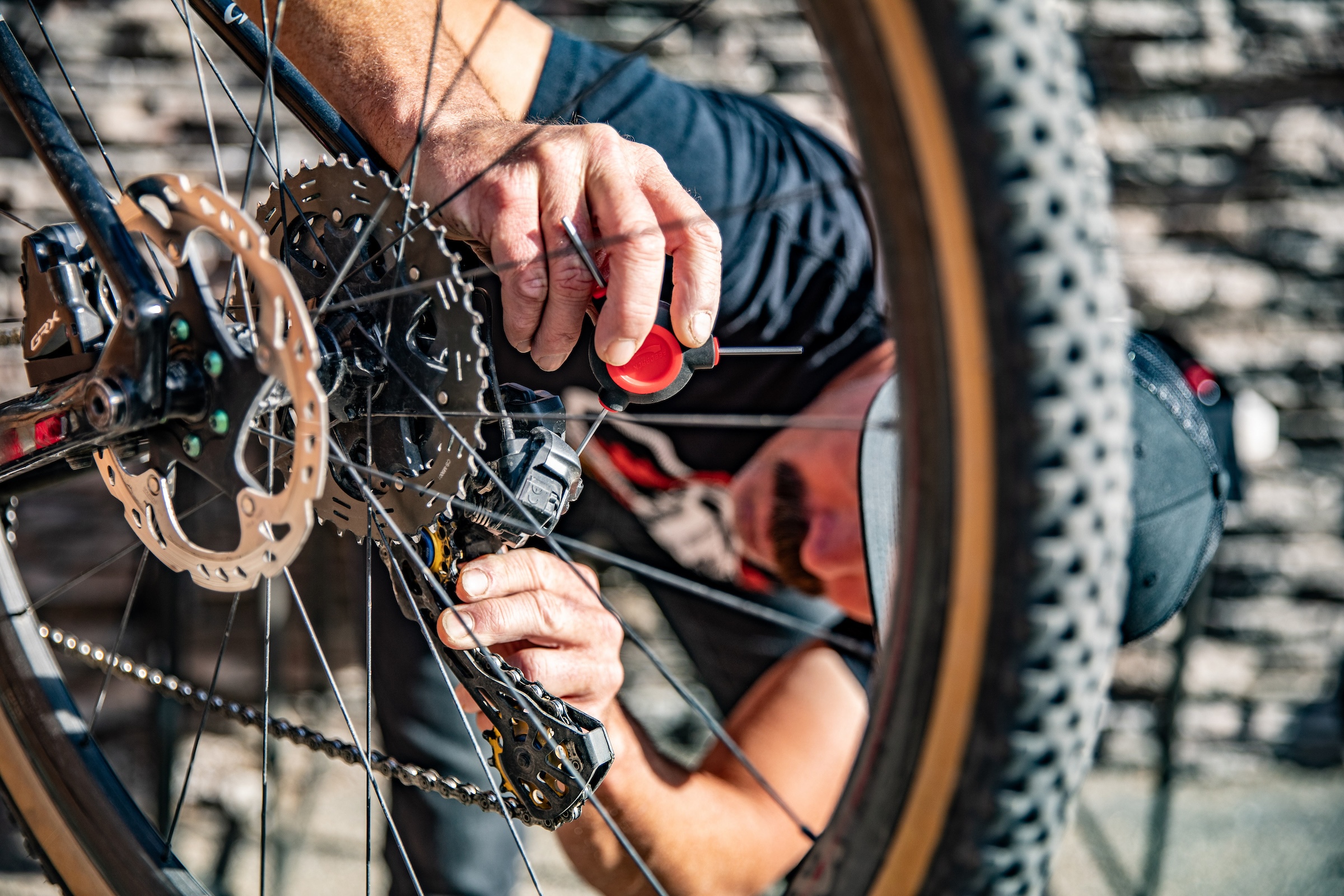
And most can be commonly addressed with a 3-Way Hex or Torx wrench (for centering misaligned brake assembly), a Steel Core Tire Lever (for fully opening the calipers), and a small Rotor Truing Fork (to confirm the rotor is true), plus about less than 10 minutes of practical instruction from a mechanic. This common brake area is probably where most riders (aka home mechanics) could make their biggest gains in performance and competence in working on their own equipment.
What overlooked extra (non-bike) item do you always double-check to remember?
Franklin: Syd always travels with fancy single-serve instant coffee packets in case the coffee options are bleak.
Delaney: Coffee and snacks.
Wilson: Fun, positive music. Since so many of our most important moments working involve riders that are having a very bad time, we’re big fans of always working as a team (driver/jumper or pilot/jumper) and starting the day with positive energy and upbeat mentality. Forrest Frank’s Good Day is a current fave.
Where has cycling taken you that stands out the most?
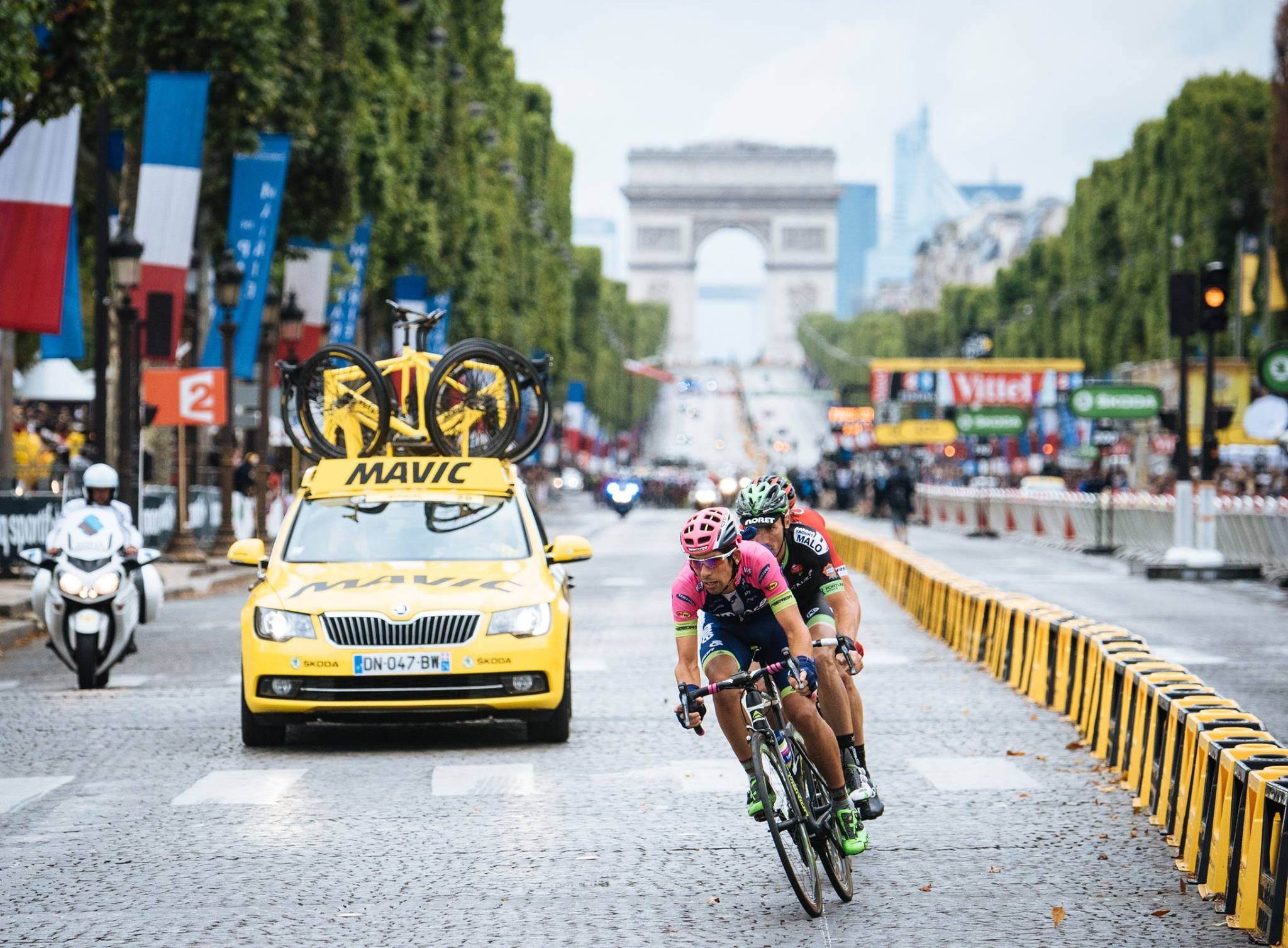
Wilson: Inside a race vehicle at the Tour de France stands out. Driving a neutral support wagon behind Tadej Pogačar, winning a World Tour race. Or two. The guy is easily the most talented rider I’ve ever seen and smiles more than almost anyone in the peloton.
Delaney: I’ve made a 25-year-plus career in cycling — still grateful to play with bikes for a living. Gotta drive to Texas now!
Why travel to bike?
Franklin: It’s a great way to get to know an area. And you automatically have a group of people to connect with — fellow bike riders — regardless of whether or not you speak the same language.
Delaney: The world is beautiful and diverse and incredible, and experiencing it by bike is the best way to go. You see more than by foot, but interact with it much more closely than by car.
This article is sponsored by Feedback Sports.
