


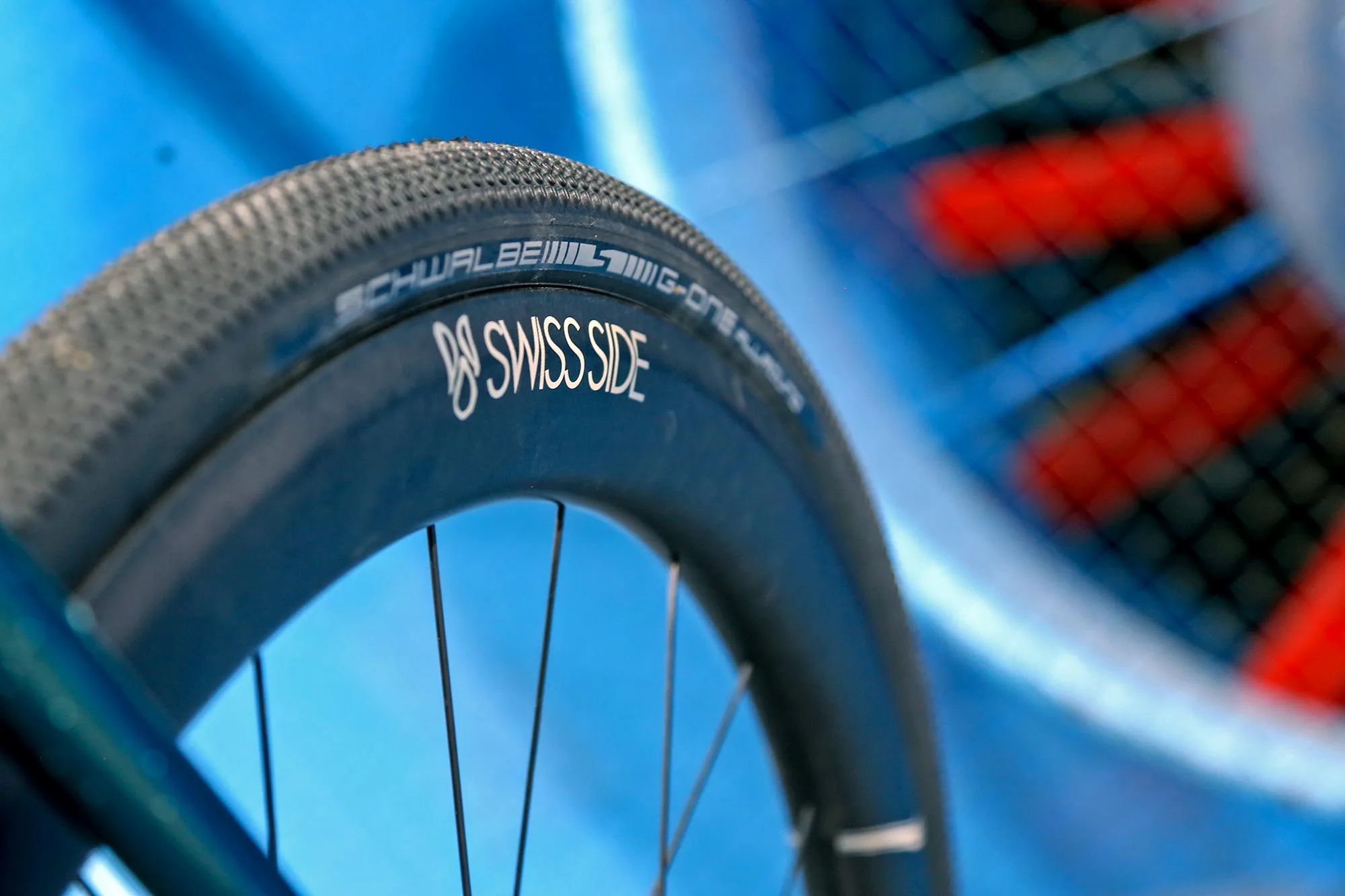
Roughly a month after the UCI announced significant changes to their wheel depth rules, Swiss Side has announced a new wheel series that the new rules would ban. Swiss Side is taking a stance similar to MyVelo in addressing the UCI, but this time, the product is already available (like SRAM) and may be banned before it has a chance to prove its worth. In an open letter addressed to the UCI (just like MyVelo), the aero-obsessed wheel brand has taken a firm stance against the governing body’s latest proposed regulation. A rule limiting rim depth to a maximum of 65mm in UCI-sanctioned road races starting January 1, 2026.
Who is Swiss Side?
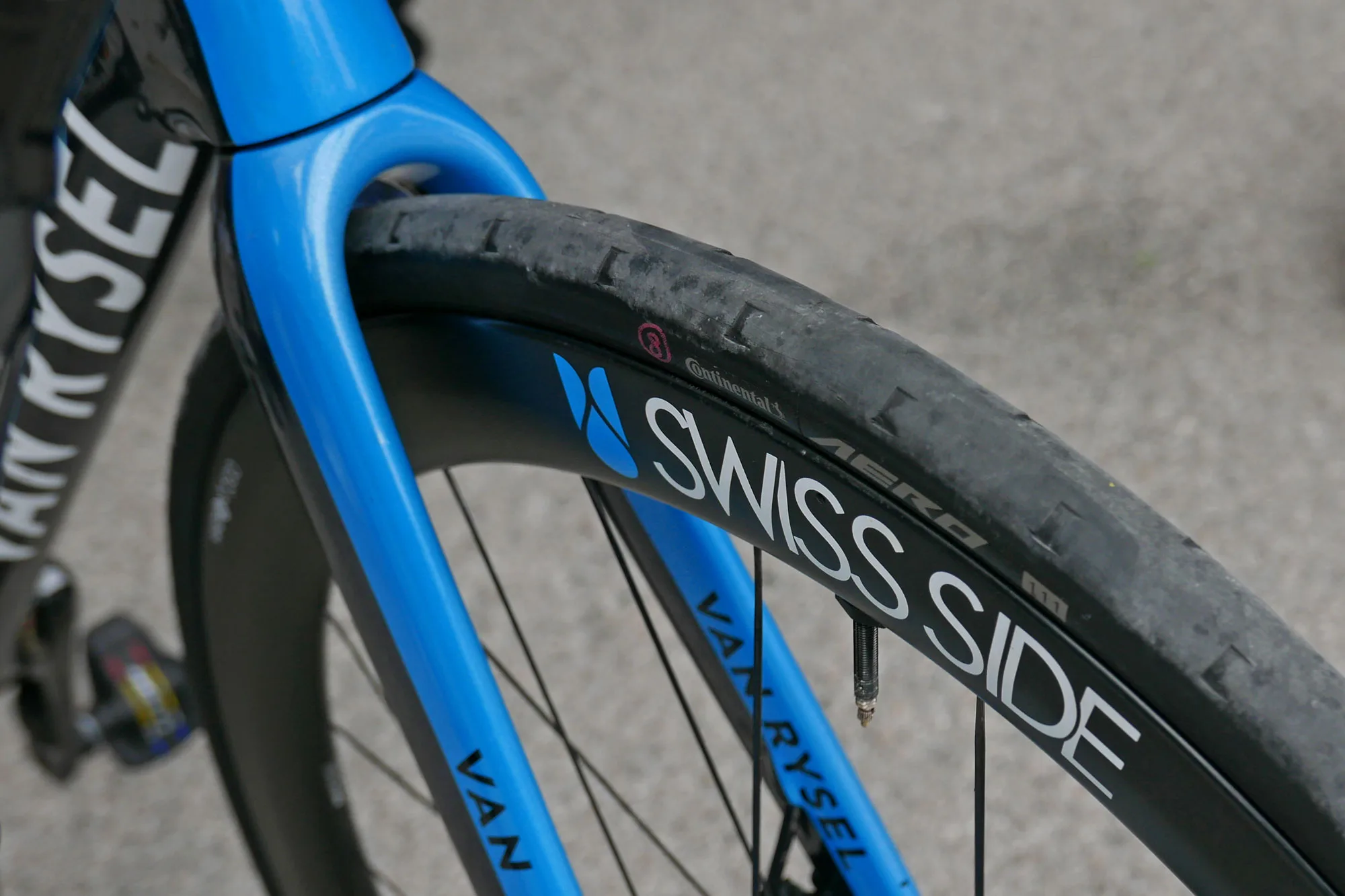
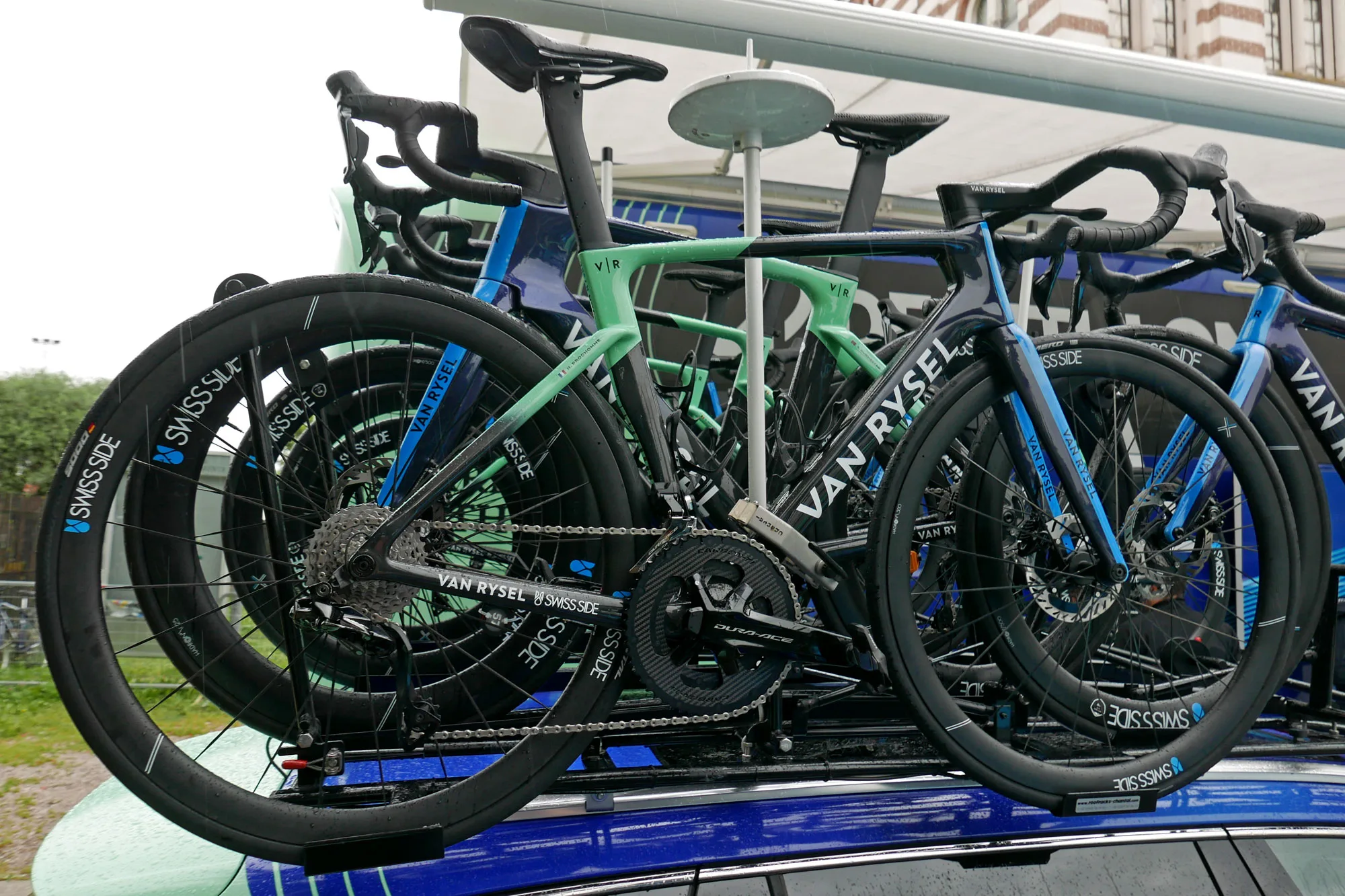
Notably, Swiss Side is the wheel supplier for Decathlon AG2R La Mondiale, and this decision will have a direct impact on the team. The rule would immediately outlaw Swiss Side’s freshly launched 68mm Hadron Ultimate 680. Swiss Side claims their new Hardron Ultimate 680 not only outperforms, but also out-handles many shallower options currently racing in the WorldTour. And they’re not alone in their frustration.
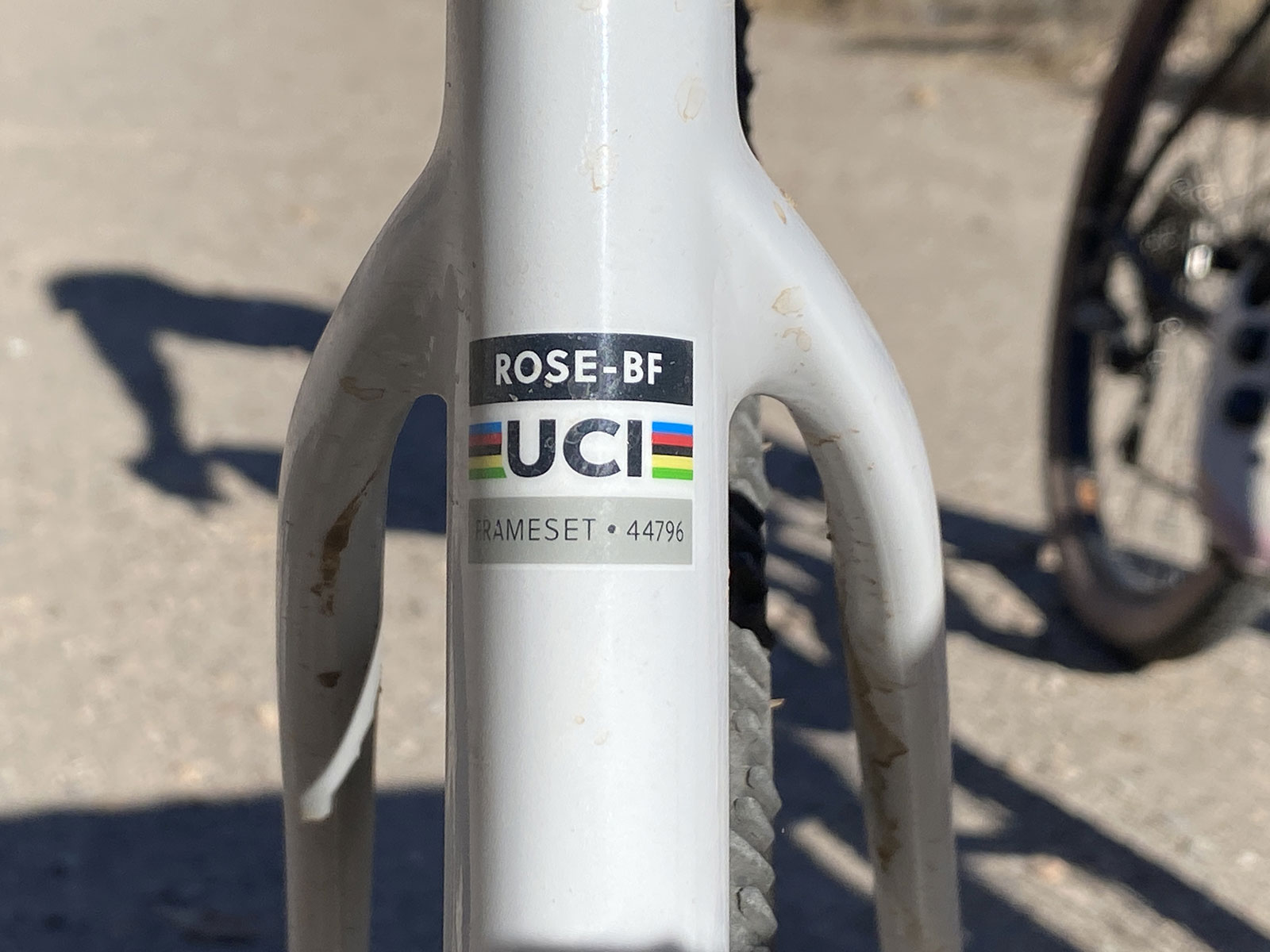
This new depth limit follows closely on the heels of the UCI’s controversial 400mm minimum handlebar width rule and gearing restriction (seemingly directly aimed at SRAM’s 10T cog). Both sparked backlash from riders, fitters, and advocates. The bar rule, particularly regarding its impact on smaller riders and female athletes. Now, the conversation has shifted to rims, aerodynamics, and what makes a wheel “safe.”
Is 65mm Too Deep For All Around?
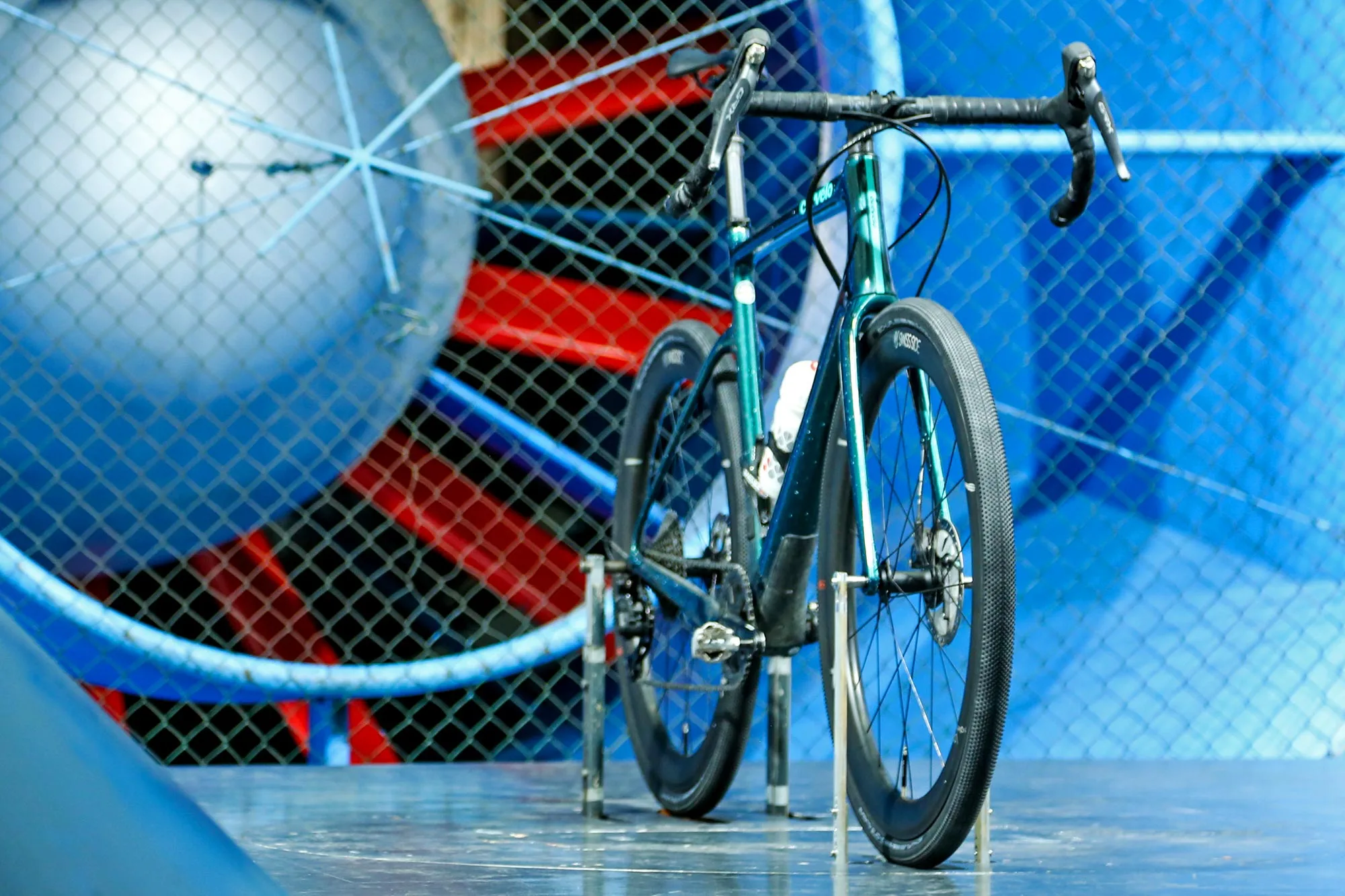
According to Swiss Side, the UCI’s rationale behind the rule states that deeper rims are more unstable in crosswinds. They believe that these deeper wheels contribute to higher average race speeds, but real-world data doesn’t support this claim. To prove it, the brand laid out wind tunnel test results comparing its 68mm Hadron Ultimate to several 50–60mm wheels currently approved for racing.
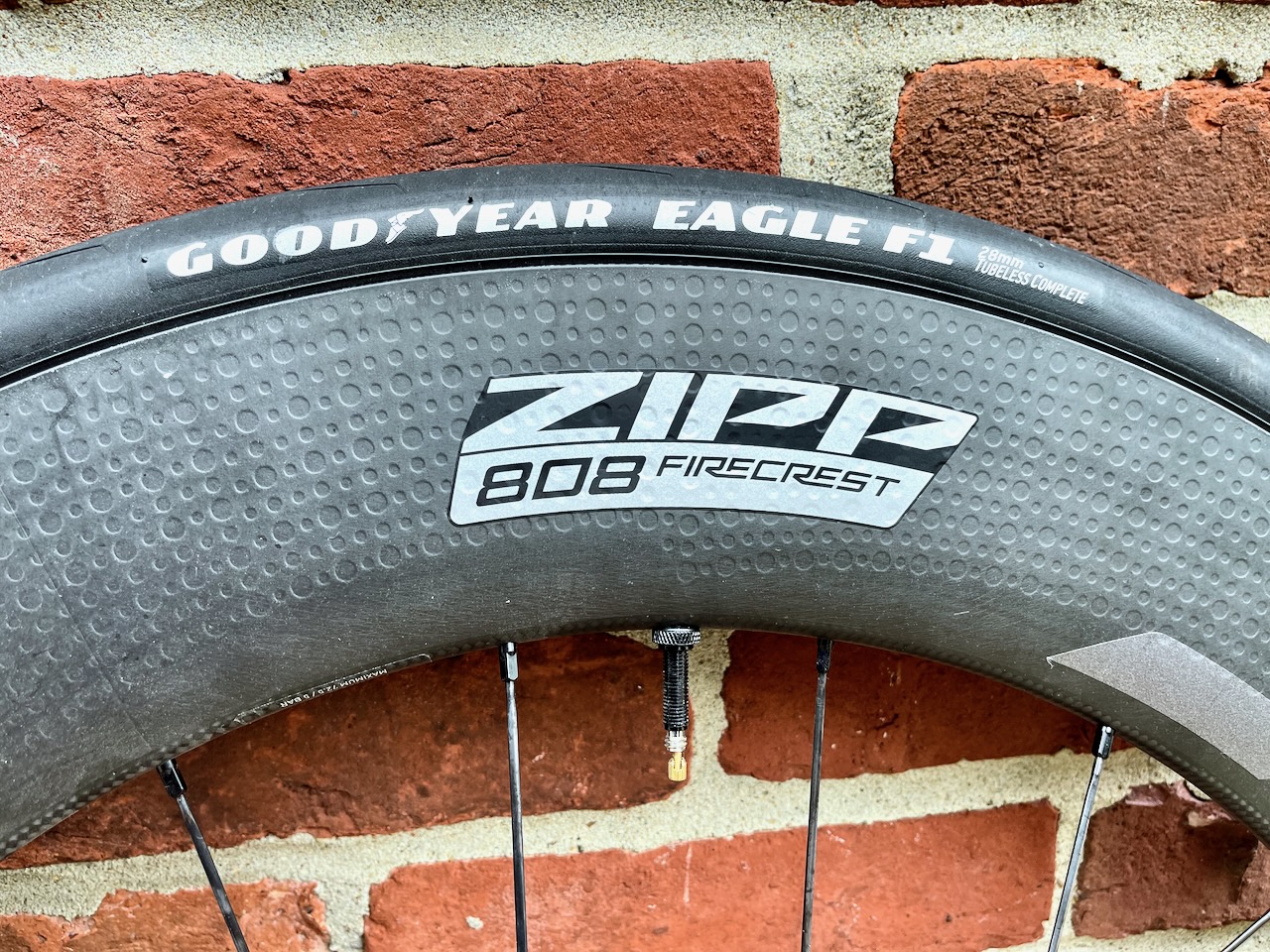
Their findings? The Hadron Ultimate delivered lower steering moment values, making the new wheels not only more aerodynamic but also more stable than many of its shallower competitors. I found this to be true with the Zipp 808 wheels I reviewed in the past, and changed my mind that deeper doesn’t necessarily mean twitchier.

Stability Is More Than Just Depth
Swiss Side argues that rim depth alone is a blunt metric for judging wheel safety. According to their engineers, factors such as tire width, tread pattern, and the bike’s steering geometry play a significantly larger role in determining how stable a wheel behaves in real-world conditions.
Swiss Side states, “Rim height has a limited impact on stability, predictable handling, and safety.” “It’s the system—rim, tire, and frame- that defines how a wheel performs. Poor handling is a design flaw, not a depth issue.”
Aerodynamics and handling are tightly interwoven, and Swiss Side has been pushing the envelope by designing wheels as part of an integrated system. This approach is not a standard practice among all manufacturers.
Blindside Blow
What might sting the most, though, is the UCI’s timing. Swiss Side says they learned of the proposed rim rule just two weeks before launching the Hadron Ultimate 680, after investing years and a six-figure budget into R&D. Swiss Side reacted, stating:
“To uncover through the press that our rim would be non-compliant in six months is not only damaging—it’s borderline irresponsible. “The UCI should be a responsible, objective, and inclusive governing body. These actions don’t align with that vision.”
With a typical wheel having around a four-year product life cycle, Swiss Side now faces the prospect of its latest flagship wheel being banned from competition before it even gets a full season in the spotlight.
What Comes Next?
While acknowledging that steering matters for safety, Swiss Side advocates for standardized testing protocols over blanket regulations, rather than outlawing deeper rims. Swiss Side proposes that the UCI work with industry engineers to define stability metrics that reflect on-road handling.
Final Word
Swiss Side’s beef with the UCI isn’t just about one wheel; it’s about how rules are made. It’s about who gets consulted, and whether performance and safety can truly be measured solely by depth. With data in hand and their Hadron 680 on the chopping block, the Swiss aero specialists are making a compelling case. That rim depth isn’t the villain here—bad design is.
Whether the UCI listens remains to be seen. However, one thing is sure: the conversation about race, tech, safety, and innovation is just getting started. You can read all the updated UCI rules here.


