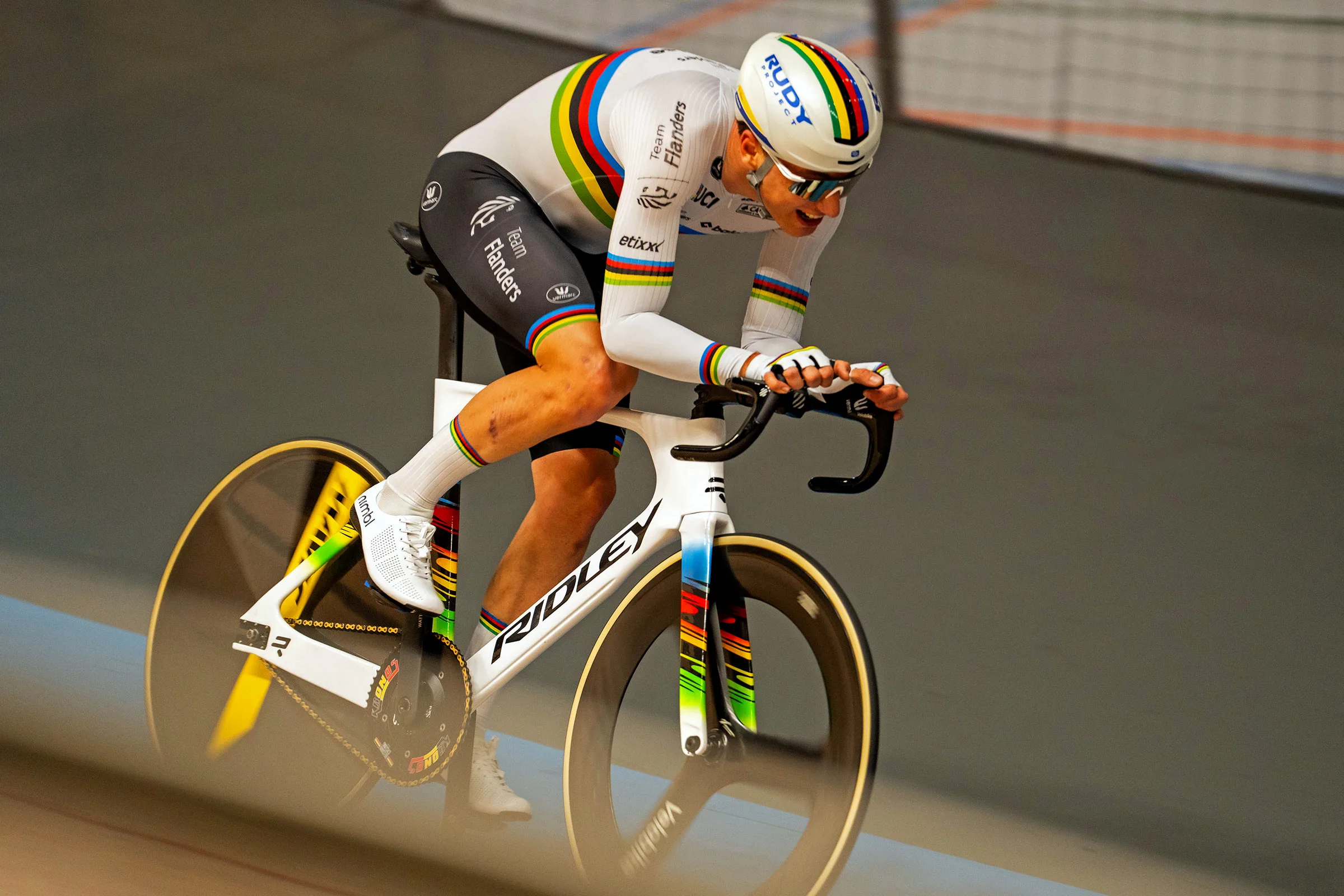


The UCI is on a rule bender this week and has just dropped one of its most controversial tech moves in recent memory: price caps on track cycling equipment. Starting January 1, 2027, national federations will be required to adhere to maximum allowable prices on key components, framesets, forks, wheels, handlebars/extensions, helmets, and skinsuits. The aim is to bridge the competitive divide between wealthy and smaller cycling nations, making Olympic-level gear more accessible to those with limited financial resources. But that’s only as long as said equipment doesn’t include a 10t cog (inside joke here).
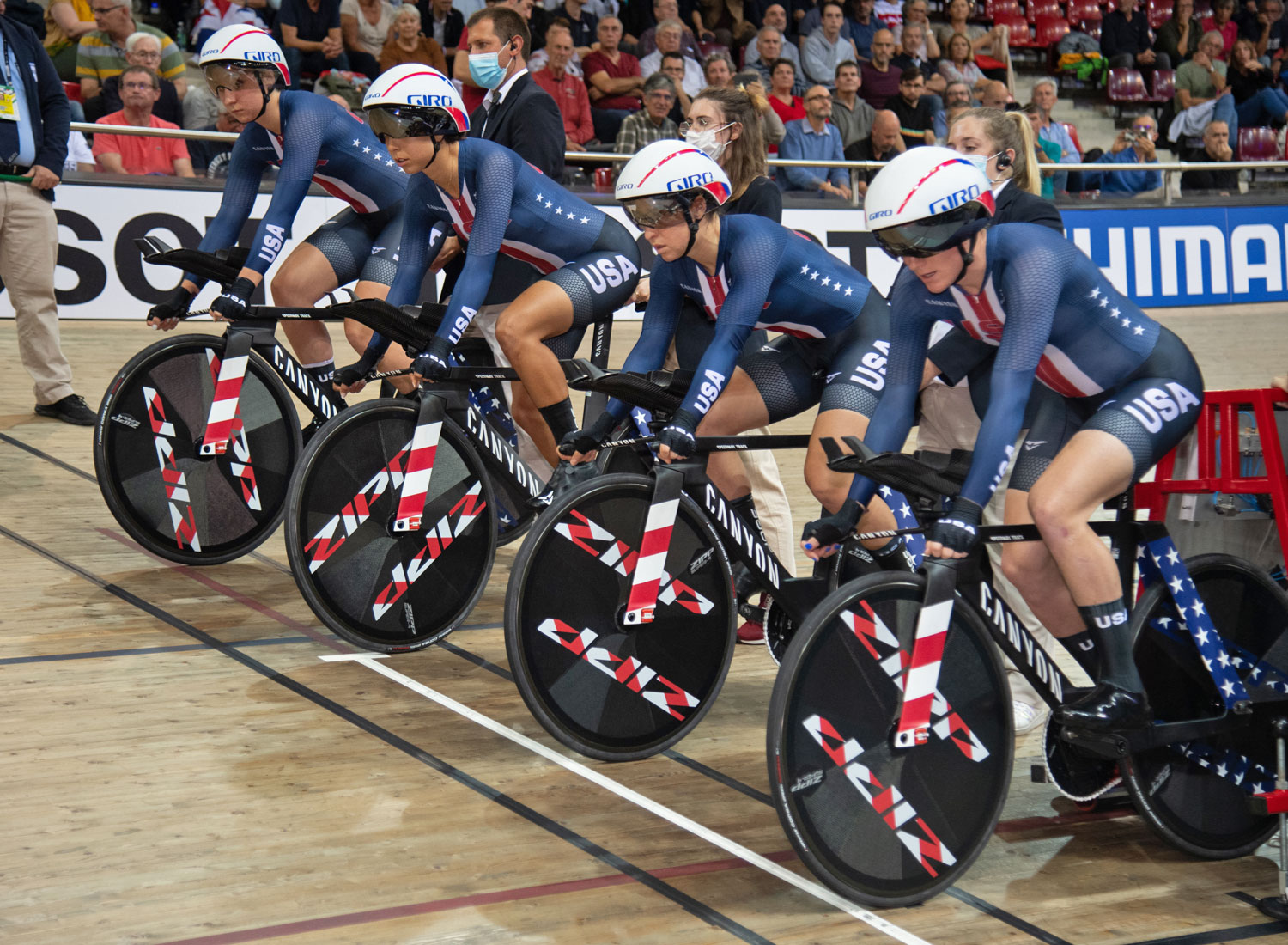
The latest ruling isn’t the first time the UCI has regulated gear, but imposing cost ceilings is a significant escalation. National teams will no longer be able to splash out on exotic carbon frames or proprietary aero helmets with open-ended budgets.
The measures, approved by the UCI’s Management Committee during their meeting at the World Road Championships in Kigali, weren’t hastily put together; they came with updates to previous technical rules (e.g., handlebar widths, helmet standards, e-sports weigh-ins) as part of a broader effort to rein in runaway costs.

Isn’t There A Rule Already?
The UCI’s Equipment Regulations (which cover the Olympic Games) require that any frames, wheels, handlebars, helmets, and other racing gear used in competition must be:
- Approved and registered with the UCI in advance.
- Commercially available to the public within a certain timeframe (usually 12 months of being used in competition).
This is meant to prevent teams from having access to “secret prototypes” or one-off, prohibitively expensive gear that other nations or riders can’t obtain. However, there are some significant loopholes.
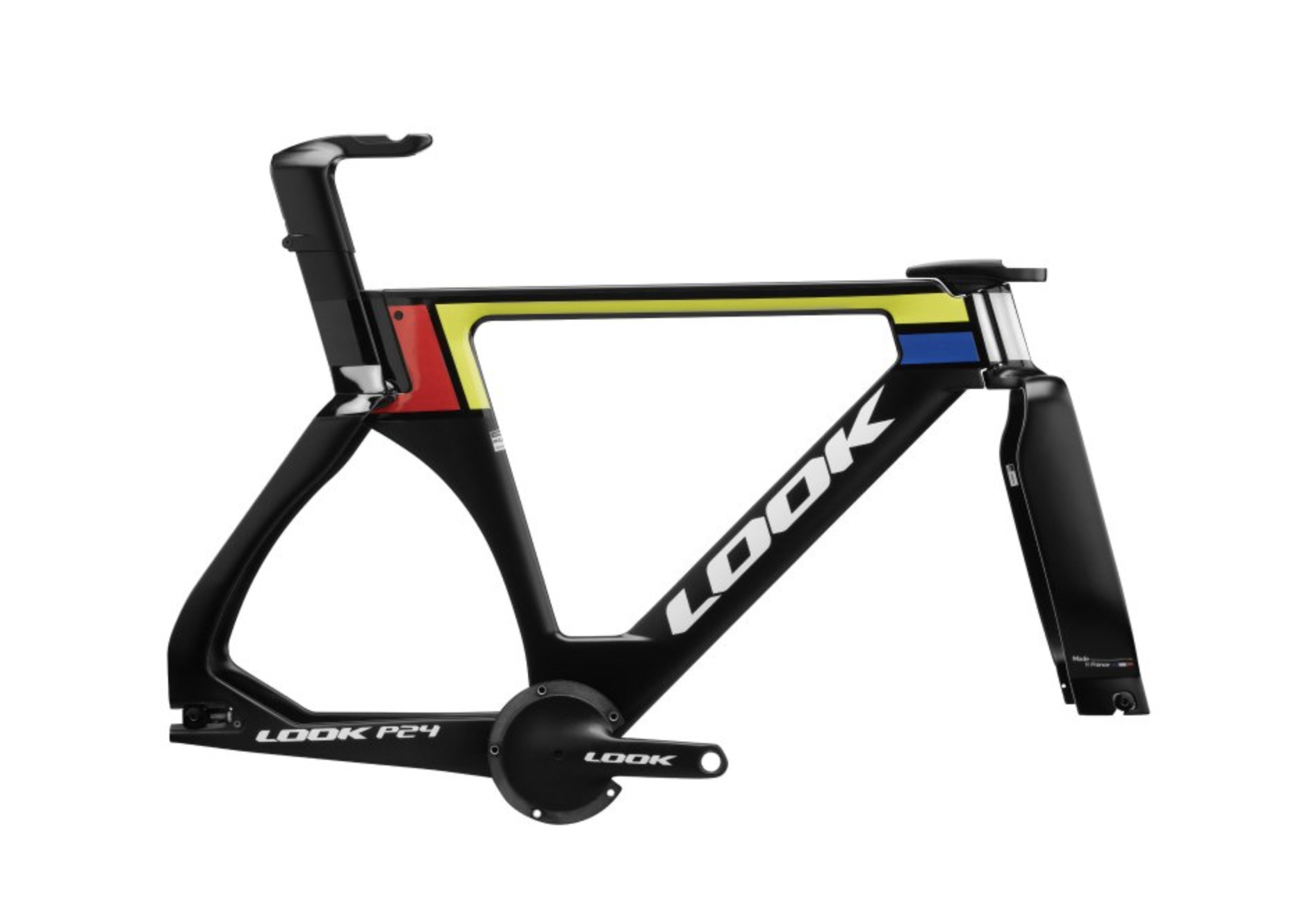
For example, the UCI defines “commercially available” pretty loosely. In practice, this has meant that manufacturers only need to make the equipment available for purchase, rather than providing it directly. This means very limited runs, sometimes (most of the time) at eye-watering prices. That’s why we’ve seen Olympic track framesets selling for tens of thousands of dollars (the LOOK P24 above is $15,000 just for the frameset). They are available, but only if a federation, team, or wealthy rider can afford them.

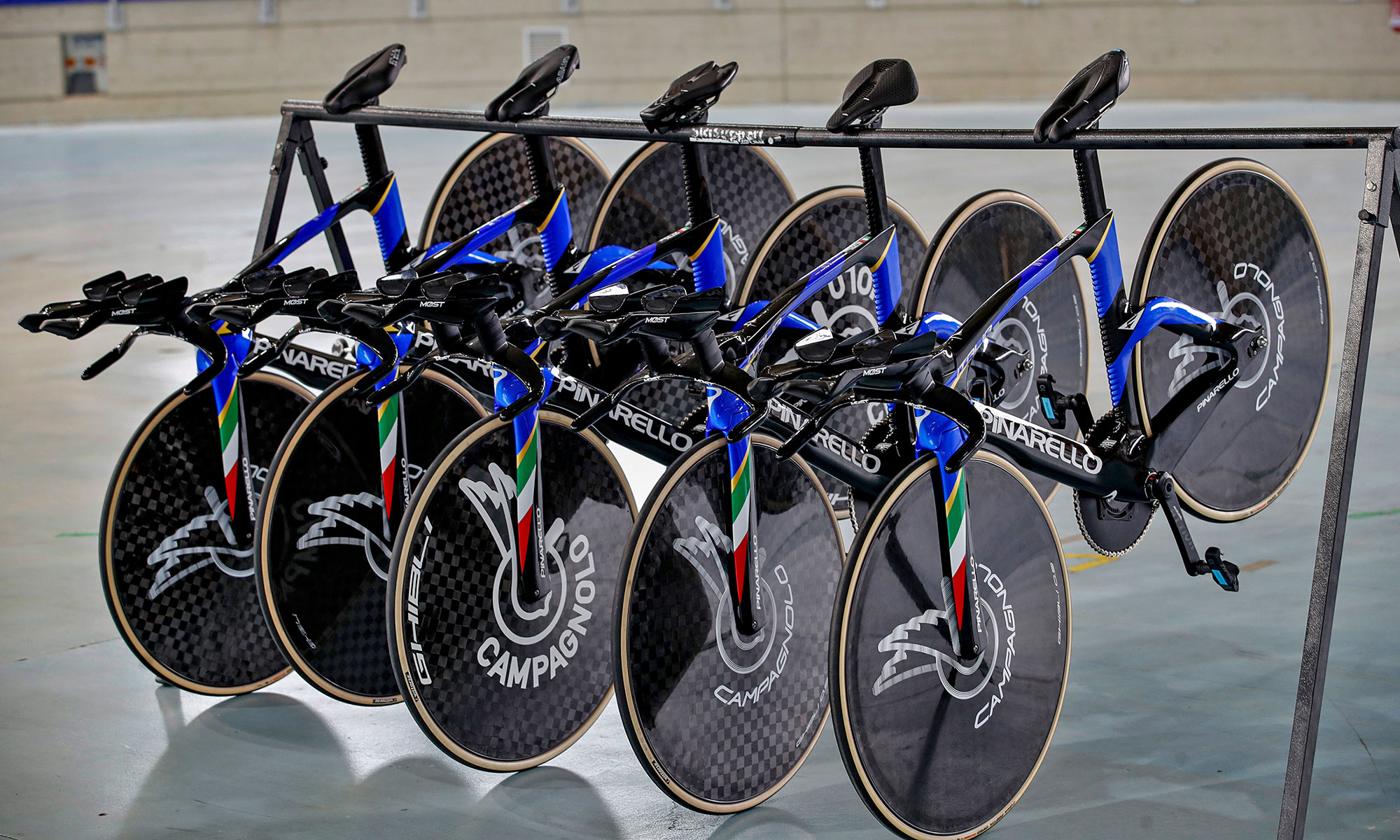
Image: Pinarello
What’s Changing, and Why
Under the new rules, price caps will apply to: Framesets, Forks, Wheels, Handlebars/extensions, Helmets, Skinsuits
The UCI says the move “reinforces the integrity of competition by preventing excessive cost barriers so participants from all nations have fair access to equipment.” In effect, they’re trying to stop a “superbike arms race” where equipment budgets overshadow athletic ability.
Just wait till they hear about Team UAE and INEOS Grenadiers.

Until now, equipment registration rules required nations to declare gear months in advance, with the mandate that it be commercially available once a prototype period elapsed. But there was no check on price or exclusivity. Some national-level track bikes reportedly sell for tens of thousands of dollars, some framesets alone pushing $25,000 or more. The HOPE/Lotus bike above is pushing that price point or above for certain.
With caps coming in 2027, nations that manufacture their own gear may be forced to dial back custom, ultra-exclusive builds. The exact maximums have not yet been published, but the implication is clear: high-end, boutique track setups could be constrained or pushed out entirely.
The Tension: Fairness vs. Innovation
This move lands squarely at the intersection of sporting equity and tech evolution. On one hand, smaller federations no longer have to chase budgets to remain competitive. On the other hand, limiting price ceilings may slow development in materials, aerodynamics, and performance, which pushes the sport forward.
Track cycling has always been a tech-heavy discipline, where gains measured in grams, aero gains, and marginal improvements matter. For manufacturers and national programs that invest heavily in R&D, a price cap could choke off their returns or disincentivize radical innovation.
The UCI is aware of the tension. They claim the caps won’t be crippling if set high enough, small enough to restrain the outrages, and big enough to accommodate legitimate innovation. However, the danger is real: if the ceiling is set too low, we could see “innovation creep” across the border, as brands rush to find legal loopholes rather than breakthrough technology.
Lots of eyes on the UCI this week.


