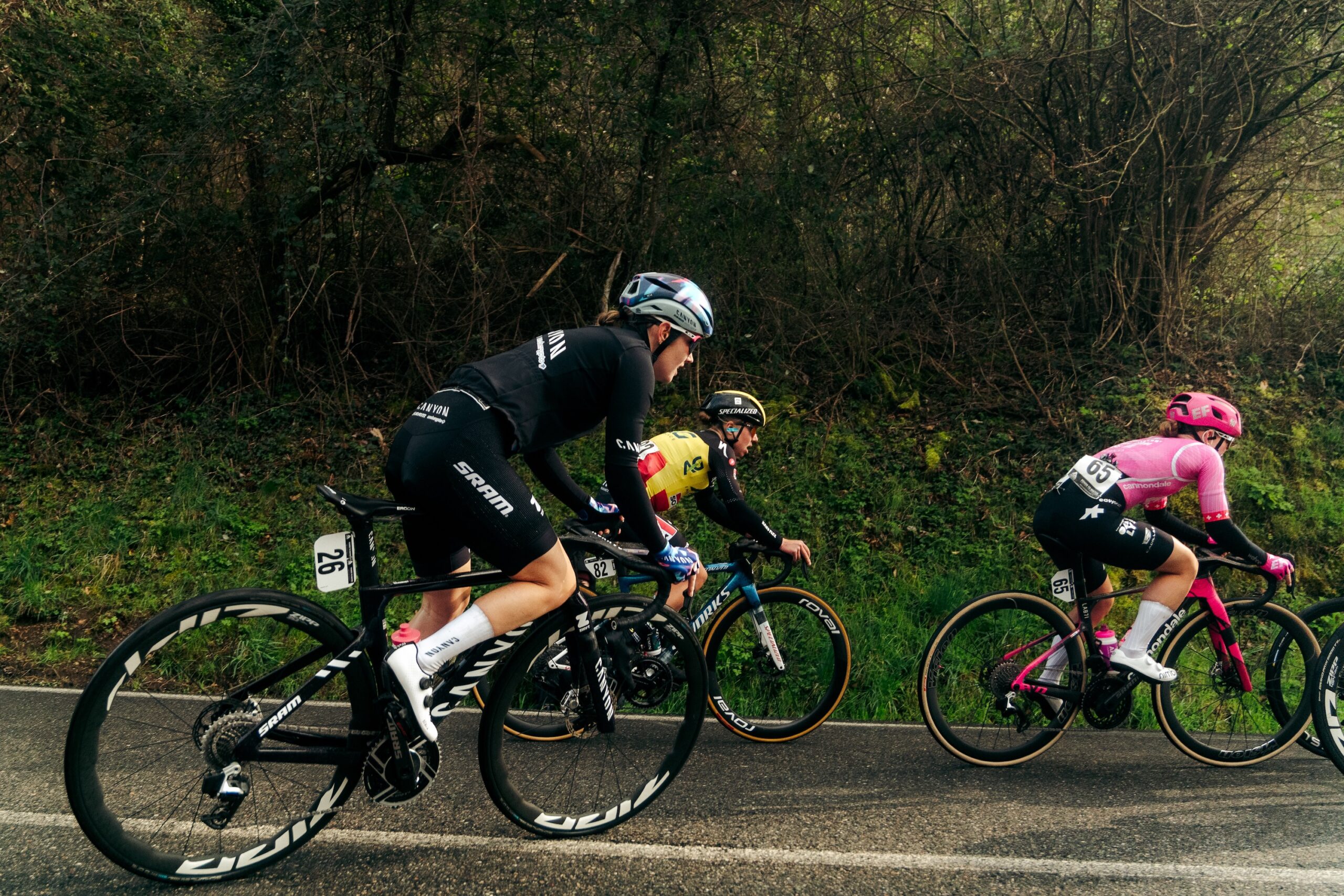


Cyclists will chase watts almost anywhere. Faster tires, waxed chains, ever-narrower bars, shorter cranks, aero helmets, even aerodynamic socks. If there is a little speed to be found, someone is going after it.
Shoes usually get less attention, which is odd considering every watt has to pass through the foot and into the pedal. That makes fit an outsized part of the performance equation. If the foot moves around inside the shoe, or the upper doesn’t hold it securely under load, some of that effort is wasted before it reaches the bike. BOA has been intently focused on quantifying (and improving) that connection with the BOA Fit System, and the results are eye-catching. Here are five reasons they’re worth a closer look.
1. The Shoe Is Part of the Drivetrain
In cycling, the shoe is one of the bike’s main contact points, and it sits at the center of power transfer. The foot pushes into the shoe, the shoe drives the cleat, and the cleat drives the pedal.
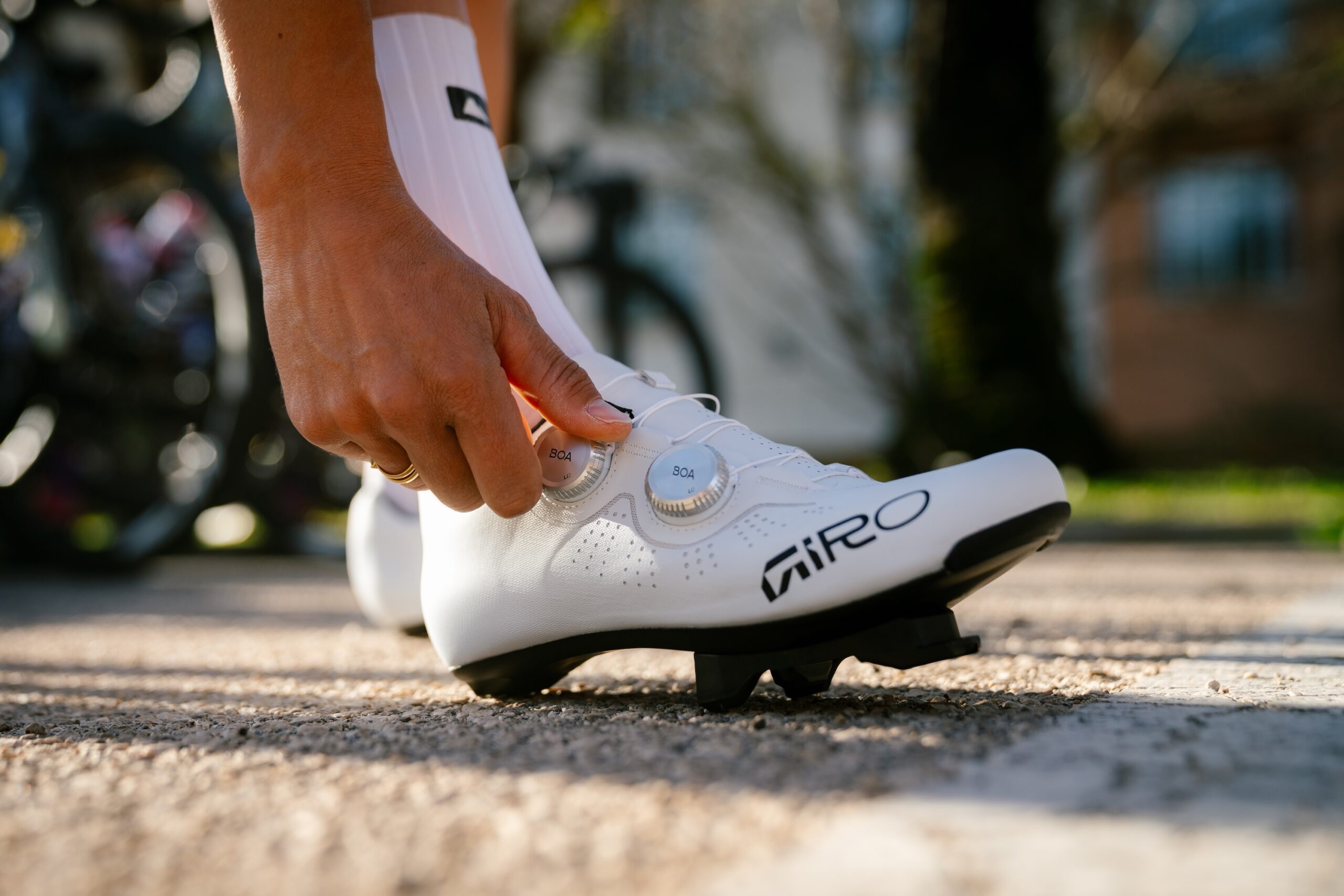
The BOA Fit System is more than just getting the shoe snug. Most enclosure systems can do that. BOA helps stabilize the foot inside the shoe so the rider can put power down without extra movement in the upper or hot spots.
For riders, that means better foot retention, a more stable platform, and cleaner power transfer when the effort gets tough or all out.
2. BOA Has Numbers Behind the Claim
BOA’s Human Performance Fit Lab points to measurable gains from its fit configurations: 2 watts in time trial conditions; 4 watts while climbing; and up to 22 watts when attacking.
The harder and longer the effort, the more that fit matters. In a time trial, a couple of watts over a long effort is enough to get attention. On a climb, keeping the foot stable becomes more important as fatigue sets in. In an attack or sprint, much more force goes through the shoe, and the foot has to stay planted while the rider pushes and pulls through the stroke.
That is why the 2-watt, 4-watt, and 22-watt figures are interesting. Riders spend plenty of money chasing smaller gains than that. The 22-watt number grabs the headline, but the more useful point is that better foot retention can keep more of the rider’s effort going into the pedal—instead of being lost to movement inside the shoe.

3. We’ve Felt the Difference Ourselves
When BikeRumor reviewed the Specialized S-Works Recon EVO, the takeaway matched the same performance story the BOA numbers support. In muddy gravel race conditions, the shoe held the foot securely, put power down cleanly, and stayed supportive without feeling overdone. That is the off-road side of the results: rough terrain, uneven cadence, hard accelerations, and plenty of moments when the shoe has to keep the foot stable while the ground does something stupid.
With the Specialized S-Works Ares 2, the road-race angle is more direct. We noted the pressure-spreading fit and how the BOA hardware helps settle the upper around the foot instead of loading one narrow section. That matters in high-output road efforts, especially when the rider is sprinting, climbing, or pulling hard through the stroke. Plus, our editors found them surprisingly comfortable, earning them nods as go-to picks.
The Canyon TEMPR Road proves that there’s more than one brand whose high-performance shoe concept relies on the BOA Fit System. We reviewed the Tempr CFR MTB platform and covered the newer Tempr Road shoe. Canyon’s TEMPR family has cleanly integrated the same fit-performance thinking into a high-performing on/off-road platform.
4. The Same Fit Story Carries Across Road and Dirt
The Recon EVO proves the BOA Fit System carries over to gravel and off-road racing. The rider deals with mud, loose surfaces, rough roads, hike-a-bike moments, and hard seated or standing efforts where the foot can’t slide around inside the shoe.
The S-Works Ares helps apply the wattage gains that add power on pavement. This is the sprint, climb, and high-power shoe. The story is foot hold, pressure distribution, and staying connected when the effort spikes.
The Canyon TEMPR Road broadens performance. It confirms BOA’s fit demonstration is not locked to one brand or one kind of rider. The same idea applies across different shoe platforms because the foot-shoe-pedal connection is always there.

5. Fit Is an Overlooked Place to Find Speed
Simply put: You can’t make power without precision. A locked-in fit helps a rider produce power most effectively.
Frames, wheels, tires, and drivetrains get most of the watt talk. BOA has now shown that footwear deserves a closer look, not simply because of its ability to adjust, but because fit can affect rider stability and foot retention when power goes through the shoe.
In the end, shoe fit is not the flashiest place to look for speed, and it takes more than numbers on a chart to decide what to buy. It is, however, one of the few pieces that touches every pedal stroke. Choosing the right shoe with the right fit will save you watts, because precision creates power.
This article is sponsored by BOA.