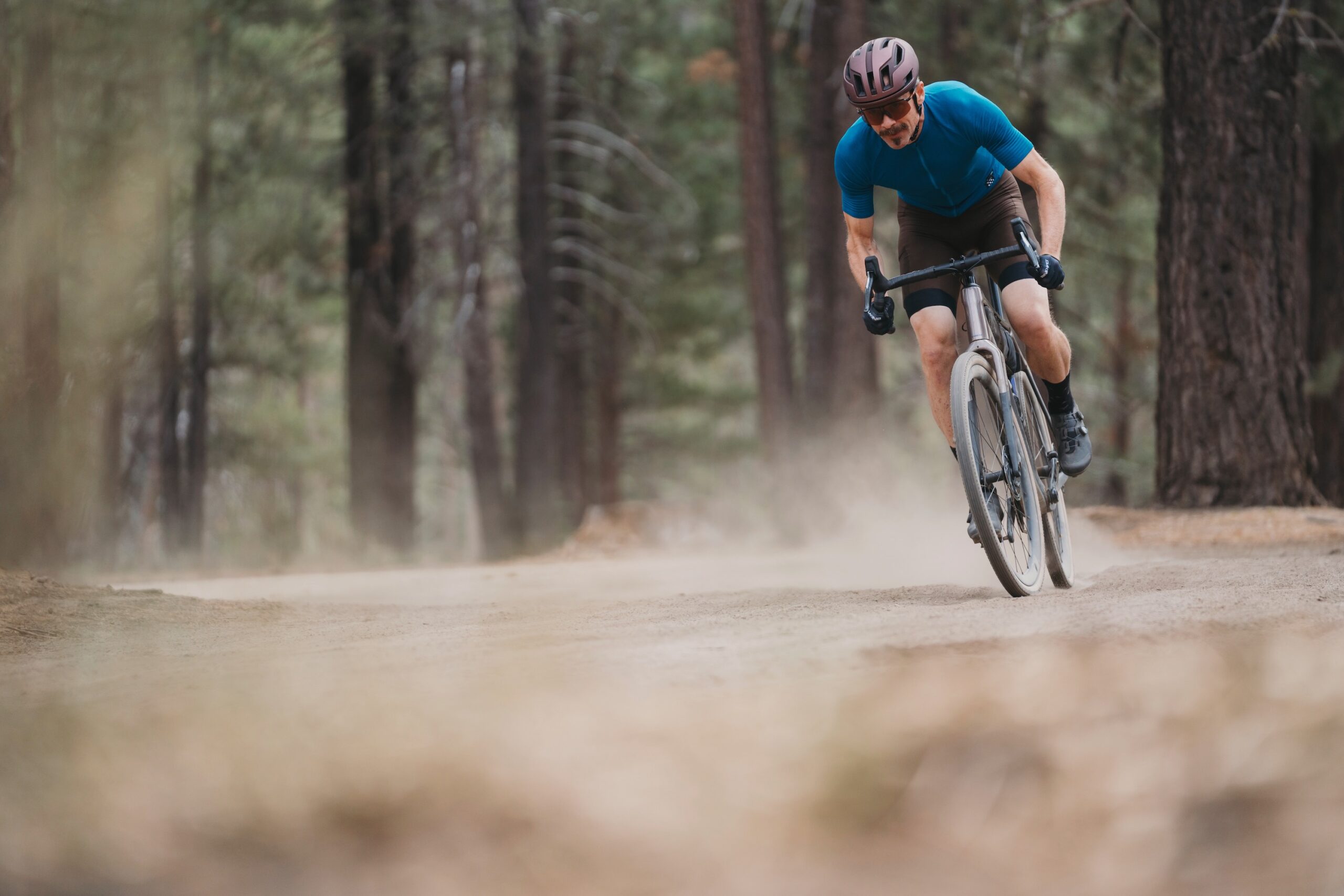


Gravel cycling is good for the lungs, good for the soul, and generally safer than riding in traffic. In some places, you can pedal for hours without ever seeing the dusty trace of a car. Outside of the right bike and a protective helmet, a good pair of gravel bike shoes is one of the most important investments you can make.
The feet are one of three contact points with the bike. Butt in the saddle and hands on the bars, your shoes are critical for comfort, control, and transferring your pedaling power into forward momentum. Having a well-fitting pair of gravel riding shoes that suit your riding style can help enhance your efficiency, comfort, and enjoyment out on the roads.
Our gravel riding experts tested and compared a diverse selection of the best gravel bike shoes on the market. We rode in these shoes for months — and in some cases years — to assess important factors like fit, comfort, pedaling efficiency, walkability, closures, and durability.
From the high-end, race-ready Shimano S-Phyre XC9 to the budget-friendly Crankbrothers Candy Lace, we’ve got recommendations to suit your needs and budget.
Editor’s note: This buyer’s guide was transferred from our sister site, GearJunkie.com, on May 13, 2026, along with the addition of the Sidi Dominator X and the Fizik Terra Atlas to our selection.
The Best Gravel Bike Shoes of 2026
Fizik Vento Ferox Carbon
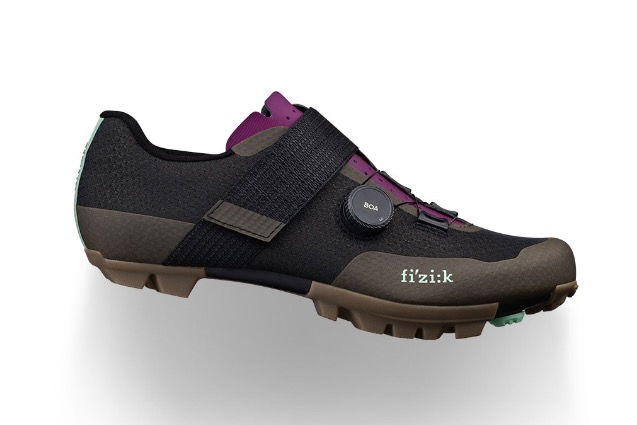
- MSRP: $300
- Weight (pair): 662g (43.5)
- Closure: large velcro strap and Boa dial
- Intended Use: XC, gravel, cyclocross
- Available Sizes: 36-48 EU (half sizes 37.5-46.5)
- Colors: Black, Mud-Grape, Lime-Purple, Magenta-Lime, Red-Aqua Marine
Pros
- Lightweight
- Stiff – excellent power transfer
- Less expensive than other high-end XC shoes
- Rubber sole tread covers most of the carbon midsole
- Relatively well-ventilated
Cons
- Still fairly expensive
- Minimal foot protection
- Limited padding in heel and on tongue could cause discomfort for those with sensitive feet
Crankbrothers Candy Lace
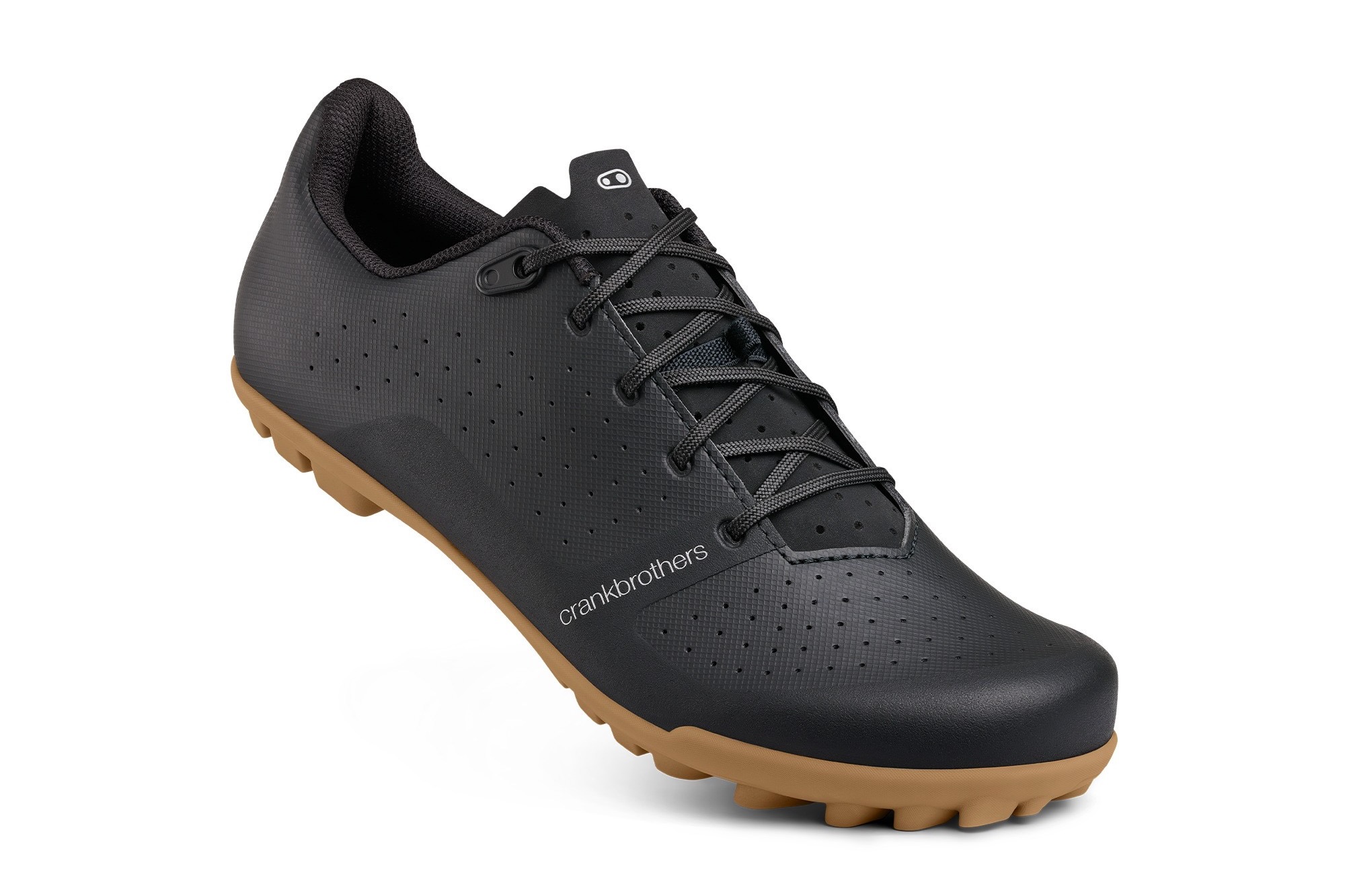
- MSRP: $170
- Weight (pair): 746 g (size 43.5)
- Closure: Laces
- Intended use: XC, light trail, gravel
- Available sizes: 5 – 15 US (half sizes 5.5 – 12.5)
- Colors: Black, Blue, Dark Green, White
Pros
- Reasonable price
- Classy looks
- Good pedaling efficiency
- Comfortable
- Decent hiking traction for an XC shoe
Cons
- Not as stiff as high-end options
- Limited foot protection
Giro Empire XC
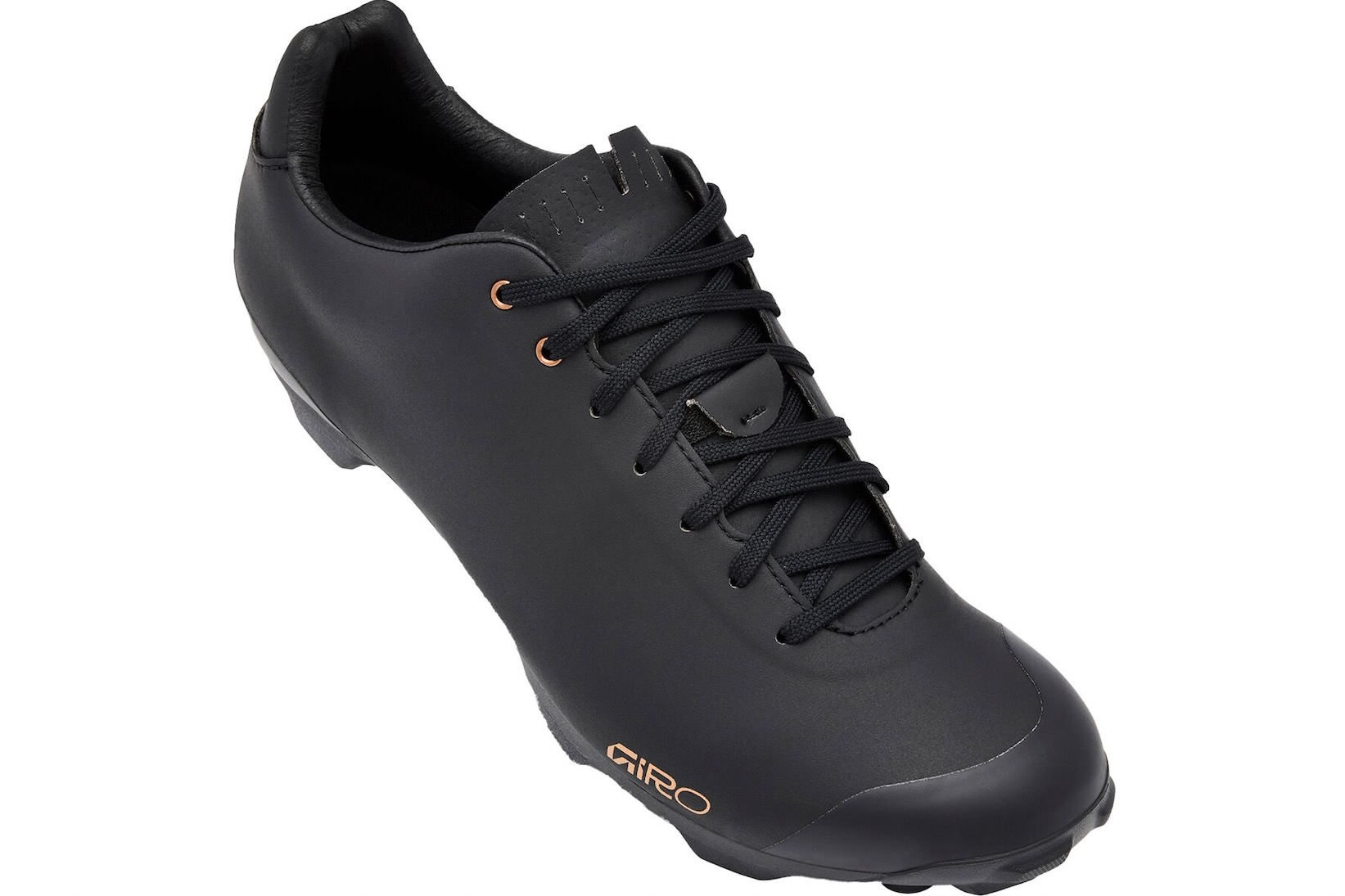
- MSRP: $375
- Weight (pair): 720 g (43.5 EU)
- Closure: Laces
- Midsole: Carbon composite
- Upper: Teijin Evofiber
- Intended use: Cross-country, gravel
- Available sizes: 39 – 48 EU, half sizes 42.5 – 45.5 EU
- Colors: Black/Gold, Dark Sage
Pros
- Super comfortable
- Excellent pedaling efficiency
- Adjustable footbed
- Respectable walkability
- Classic style
Cons
- Expensive
- Minimal ventilation
- Not super light
Pearl Izumi Expedition PRO Shoes
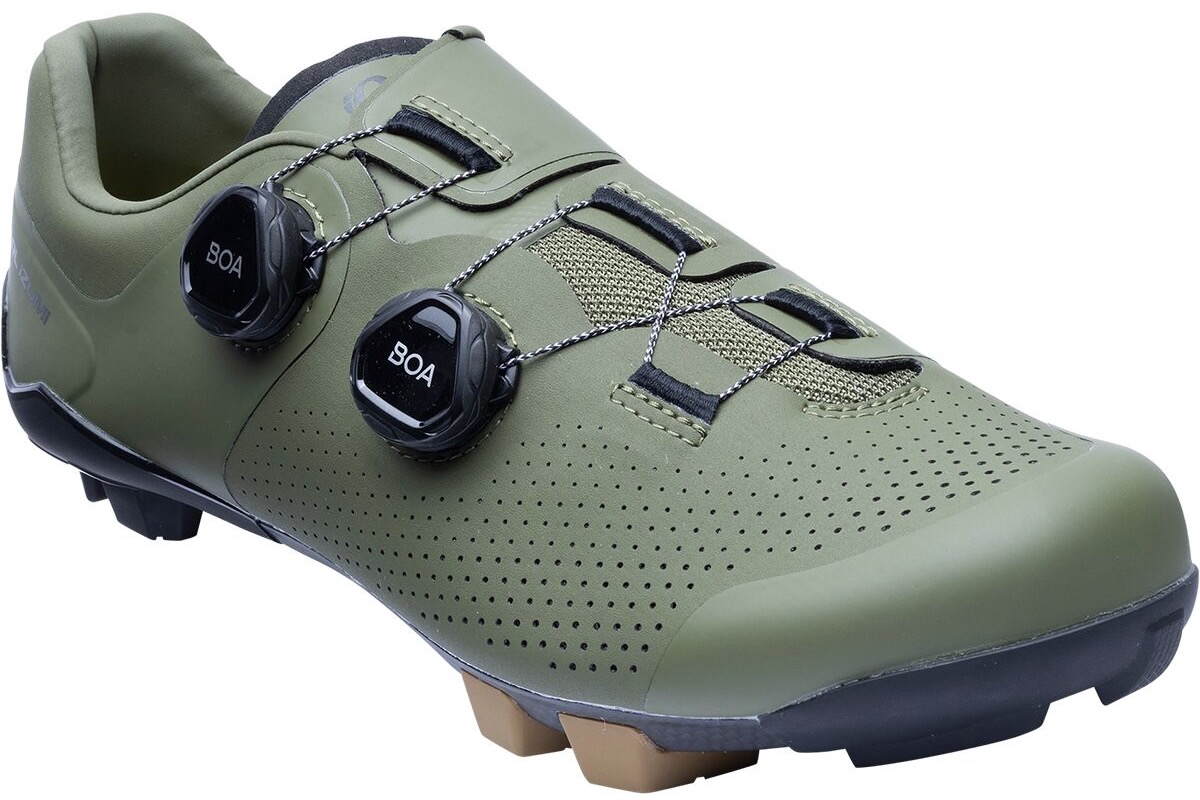
- Weight: 684 g/pair (size 43.5)
- Closure: Dual BOA L6C dials w/ TX4 laces
- Cleat Compatibility: 2-bolt
- Midsole: 1:1 EX PRO Carbon
- Upper: Synthetic leather
- Outsole: TPU lugs
Pros
- Affordable compared to other top-of-the-line models
- Efficient power transfer
- TX laces and padded tongue are comfy on tarsal bones
- Sleek looking
- Good ventilation
- Sturdy toe protection
Cons
- Exposed carbon on sole is prone to scratching
- Heel cups need a few rides to break in
Shimano S-Phyre XC9
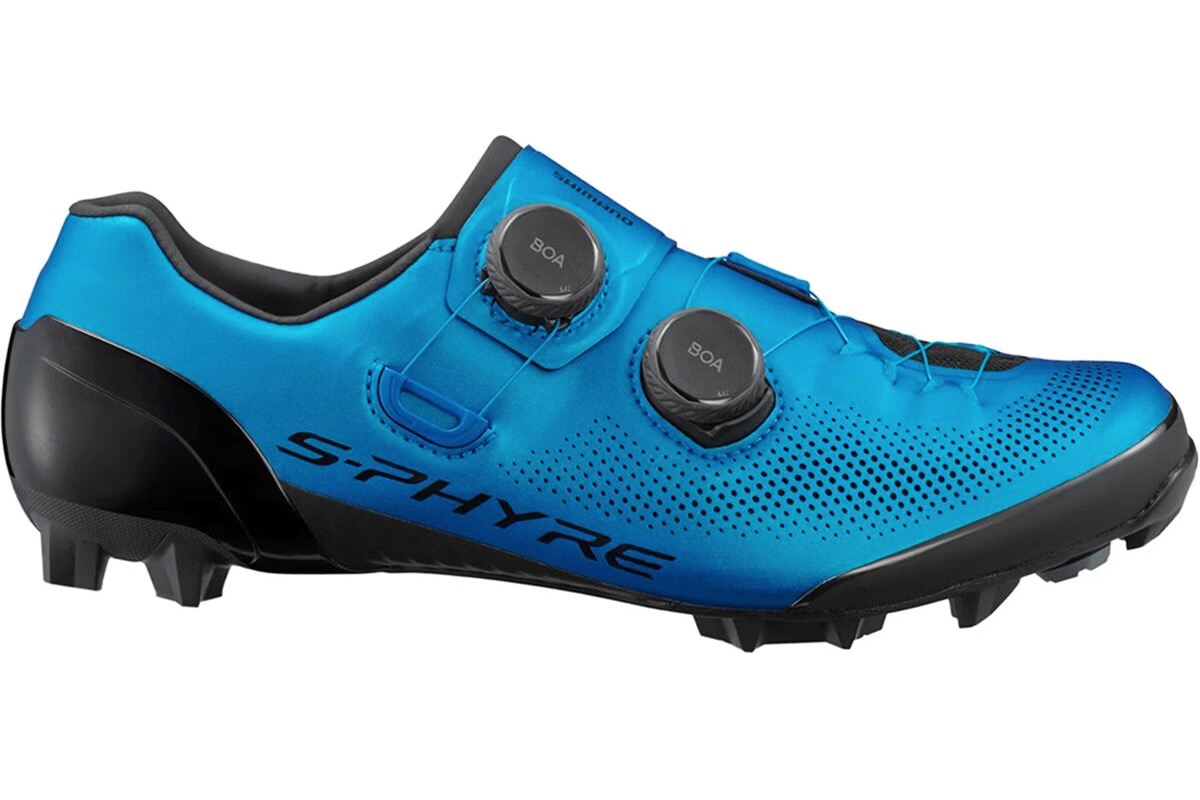
- MSRP: $480
- Weight (pair): 616g (43.5)
- Closure: Dual BOA dials
- Intended use: XC, gravel, cyclocross
- Available sizes: 38-48 EU, (half sizes: 40.5-46.5)
- Colors: White, Blue, Black, Limited Edition Camo, Limited Edition Silver
Pros
- Awesome power transfer
- Super lightweight
- Well-ventilated
- Comfortable
- Comes in a wide version
Cons
- Limited foot protection
- Very Expensive
- Relatively narrow fit
- Limited dampening in sole can cause fatigue over rough terrain
Rapha Pro Team Powerweave Gravel Shoes
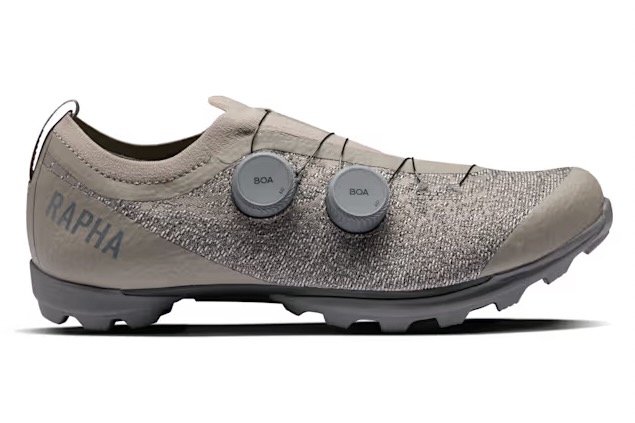
- MSRP: $580
- Weight: 621 g/pair (size 44)
- Closure: Dual BOA Li2 dials
- Cleat Compatibility: 2-bolt
- Midsole: Carbon plate
- Upper: 3D woven Powerweave w/ 40% TPU yarn
- Outsole: Vibram Megagrip rubber
Pros
- Lightweight
- Great pedaling efficiency
- Well-ventilated
- Comfortable sock-like fit
- Good traction and walkability
Cons
- Powerweave material isn't the easiest to keep clean
- VERY expensive
Other Great Shoes for Grinding Gravel
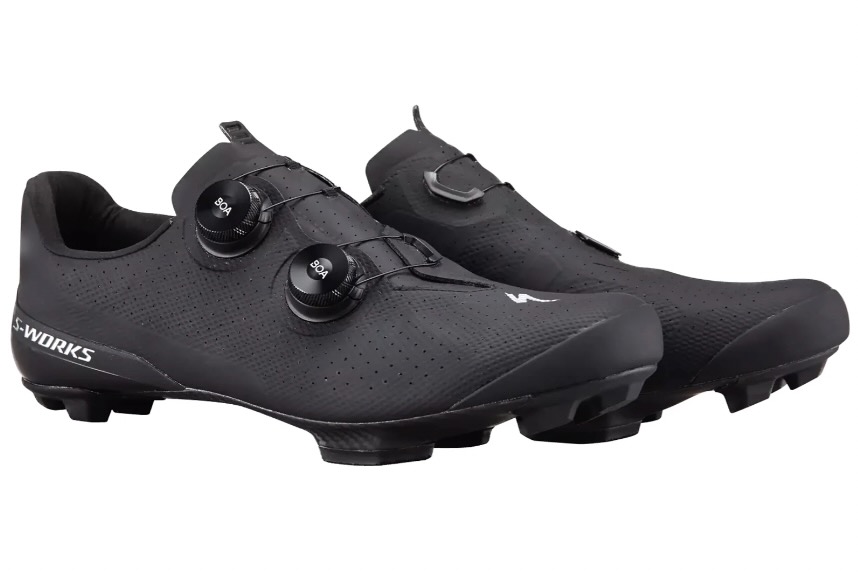
- MSRP: $500
- Weight (pair): 590g (43.5)
- Closure: dual Boa dials
- Intended Use: XC, gravel
- Available Sizes: 36-49 EU (half sizes 38.5-46.5)
- Colors: Black, White, Grey Blue
Pros
- Incredible power transfer
- Very lightweight
- Slick looks
- Tunable pontoon height/pedal interface
Cons
- VERY expensive
- Limited foot protection
- Not great for walking
- Lots of exposed carbon on sole
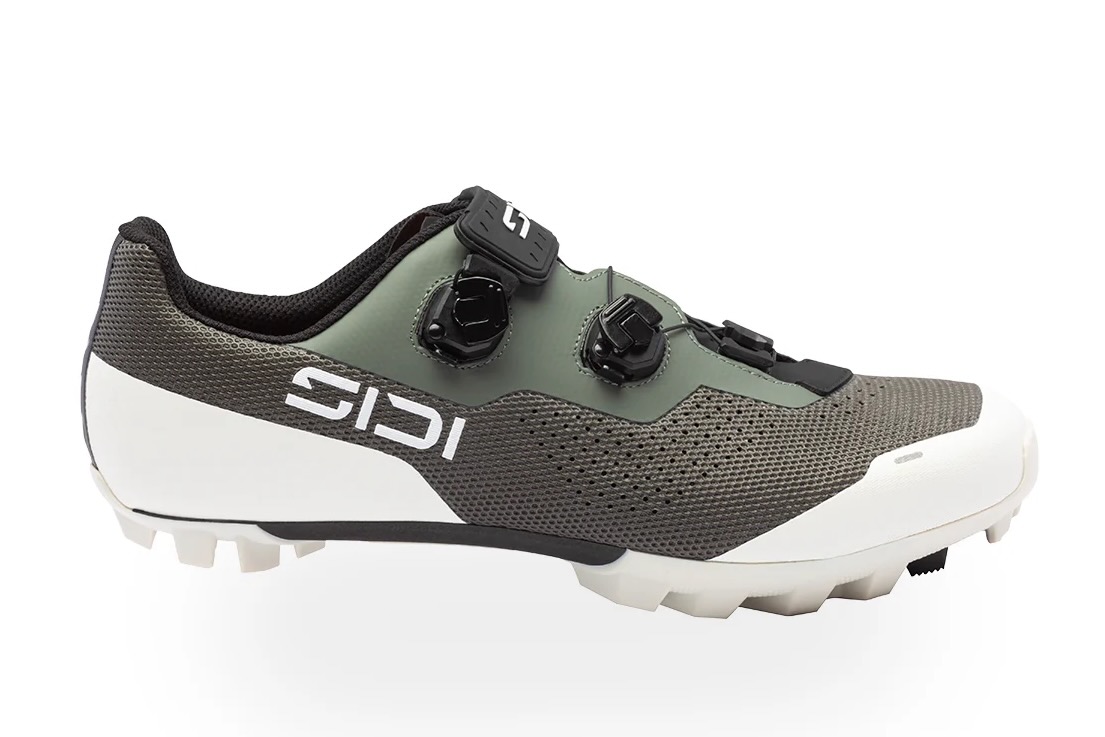
- MSRP: $370
- Weight: 820 g/pair (size 43.5)
- Closure: Dual NUUN dials w/ Sidi instep system
- Upper: WYVE fabric
- Midsole: X3CC carbon composite
- Outsole: Rubber traction lugs
Pros
- Renowned durability
- Comfortable fit
- Stiff but not punishing
- More accommodating fit than previous Sidi shoes
Cons
- On the heavier side
- Expensive
- Sidi's dial aren't as user-friendly as BOA
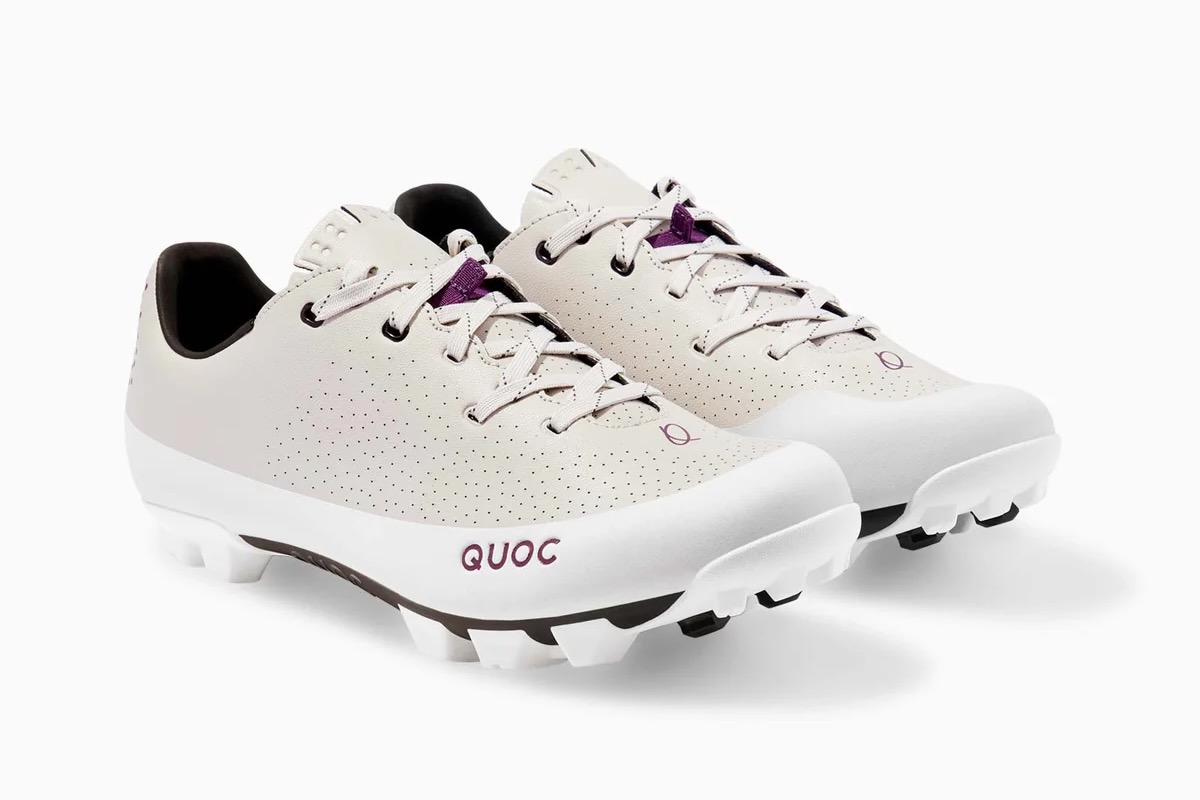
- MSRP: $290
- Weight: 730 g/pair (size 43)
- Closure: Laces
- Cleat Compatibility: 2-bolt
- Midsole: Carbon Composite
- Upper: Microfiber with TPU
- Outsole: Rubber
Pros
- Durable
- Good-looking
- Locking laces are comfy and stay put
- Stiff enough – but not too stiff
- Grippy lugged outsole
Cons
- Racers may want something a little stiffer
- Not the lightest
- No half sizes
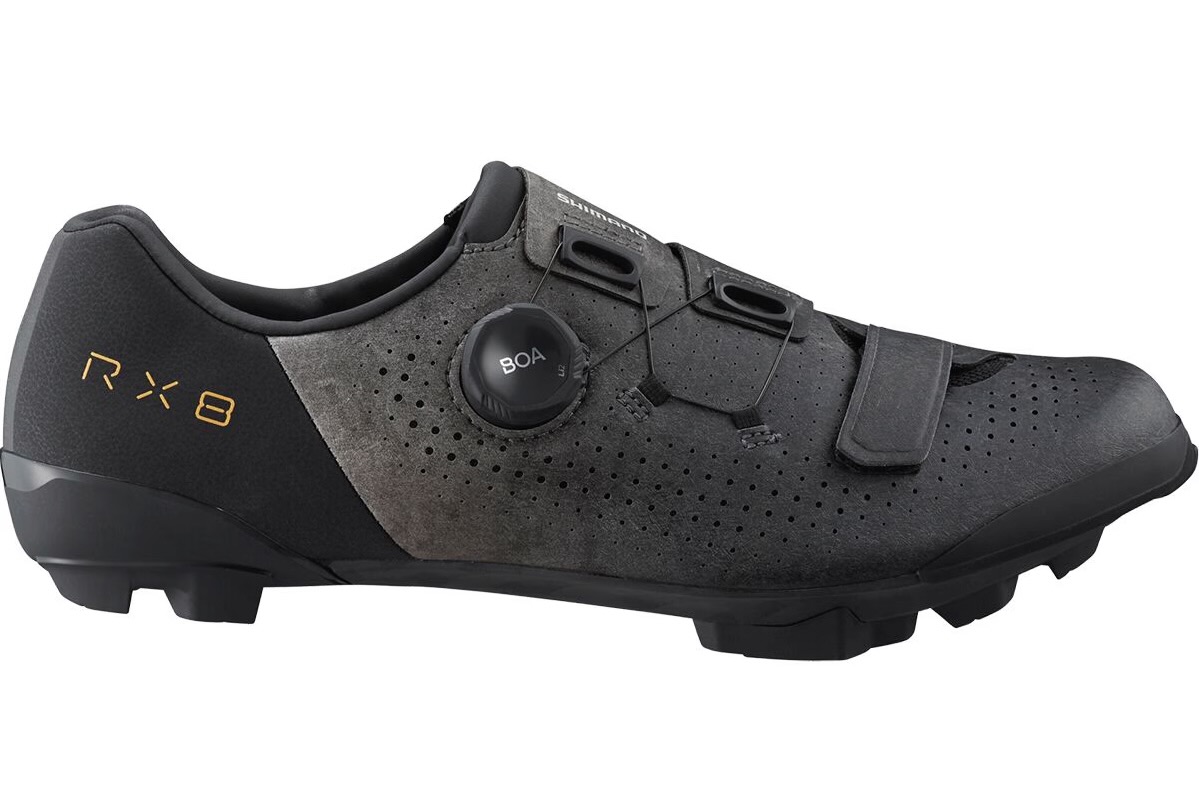
- MSRP: $300
- Weight: 530 g/pair (size 43)
- Closure: BOA Li2 dial and hook and loop strap
- Cleat Compatibility: 2-bolt
- Midsole: Carbon composite
- Upper: Synthetic
- Outsole: TPU
Pros
- Lightweight
- Stiff soles
- Glove-like fit
Cons
- Not the best for walking due to stiff sole
- Velcro strap isn't that useful
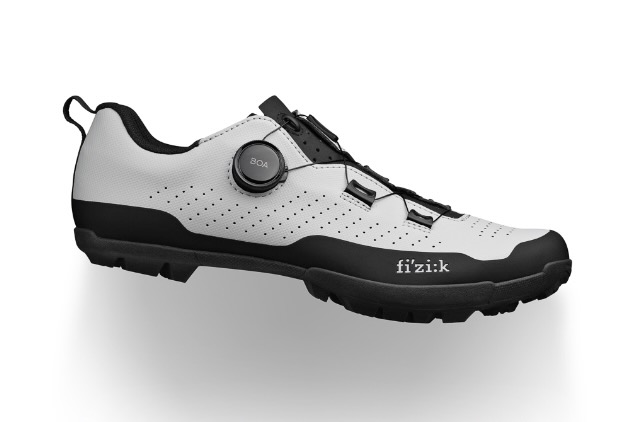
- MSRP: $180
- Weight (pair): 758g (43.5)
- Closure: single BOA dial
- Intended Use: trail riding, gravel
- Available Sizes: 36-48 EU (half sizes 37.5-46.5)
- Colors: Army, Black, Grey/Black
Pros
- Comfortable
- Supple uppers conform nicely to the feet
- Good off the bike traction
- Pretty good ventilation
Cons
- Not the best power transfer
- Uppers aren't the most supportive
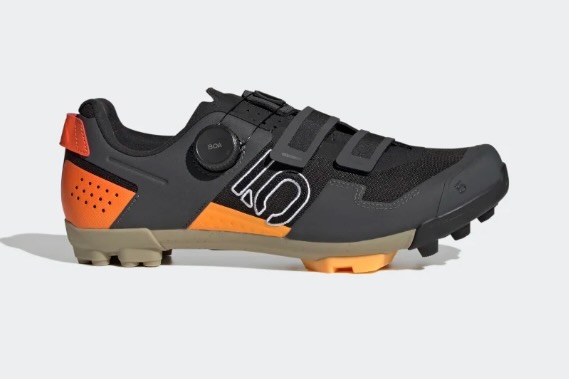
- MSRP: $230
- Weight (pair): 724g (9.5 US)
- Closure: Boal dial and 2 velcro straps
- Intended Use: XC, downcountry, gravel
- Available Sizes: 6-14 US (half sizes 6.5-12.5)
- Colors: Black, Black/Blue, Grey/Olive
Pros
- Great power transfer
- More protective than typical XC shoes
- Sole lugs provide good walking traction
- Less expensive than many XC shoes
Cons
- Higher volume fit in forefoot – may be roomy for narrow feet
- Slightly heavier than other XC-style shoes
Gravel Bike Shoes Comparison Chart
| Shoe Model | MSRP | Weight | Closure | Midsole | Upper | Outsole |
|---|---|---|---|---|---|---|
| Fizik Vento Ferox Carbon | $300 | 662 g/pair (size 43.5) | BOA Li2 dial and Velcro strap | Carbon fiber | PU-laminated woven mesh | Rubber |
| Crankbrothers Candy Lace | $170 | 746 g/pair (size 43.5) | Laces | Fiber-reinforced nylon shank | Synthetic | MC1 Rubber |
| Giro Empire XC | $375 | 720 g/pair (size 43.5) | Laces | Carbon composite plate | Teijin Evofiber | Sensor rubber |
| Pearl Izumi Expedition PRO | $285 | 684 g/pair (size 43.5) | Dual BOA L6C dial w/ TX laces | 1:1 EX PRO Carbon | Synthetic leather | TPU lugs |
| Shimano S-Phyre XC9 | $480 | 616 g/pair (size 43.5) | Dual BOA Li2 dials | Carbon fiber | Microfiber | ULTREAD XC Rubber |
| Rapha Pro Team Powerweave Gravel | $580 | 621 g/pair (size 44) | Dual BOA Li2 dials | Carbon plate | 3D-Woven Powerweave | Vibram Megagrip |
| Specialized S-Works Recon | $500 | 590 g/pair (size 43.5) | Dual BOA S3 dials | Carbon | Synthetic | Rubber |
| Sidi Dominator X | $370 | 820 g/pair (size 43.5) | Dual NUUN dials w/ Sidi instep system | X3CC carbon composite | WYVE fabric | Rubber traction lugs |
| Quoc Gran Tourer Lace | $290 | 730 g/pair (size 43) | Laces | Carbon composite | Microfiber w/TPU | Rubber |
| Shimano RX8 | $300 | 530 g/pair (size 43) | BOA Li2 dial and Velcro strap | Carbon composite | Synthetic | TPU |
| Fizik Terra Atlas | $180 | 758 g/pair (size 43.5) | Single L6 BOA dial | X5 nylon | Synthetic | Rubber |
| Five Ten Kestrel BOA | $230 | 724 g/pair (size 9.5 US) | BOA dial and 2 Velcro straps | Glass fiber | Synthetic | Stealth Marathon Rubber |
How We Tested Gravel Bike Shoes
At BikeRumor, we love all kinds of cycling. Most of us jumped on board the gravel train years ago and have been riding it ever since. Fortunately, we’re also gear nerds who are obsessed with finding the best products to make our gravel rides better. We’re fortunate to be in a position that allows us to test out the latest and greatest gear, and we’ve been doing our best to provide honest and trustworthy product recommendations to our readers for years.
Our gravel bike shoes buyer’s guide is the combined effort of two gravel-obsessed professional gear testers — Steve Graepel and Jeremy Benson. Steve is an all-around outdoorsman from the Boise, Idaho, area. He’s been testing and reviewing all sorts of outdoor gear for GearJunkie for the past 10 years, and some of his writing has appeared on BikeRumor, too. Steve is an avid gravel cyclist and bike-packer, and he knows the importance of choosing the right footwear to make his rides the best they can be.
Benson is an Editor at BikeRumor, and he’s been professionally testing and reviewing bikes and related accessories for over 8 years. He’s an obsessive cyclist and gravel racer who participates in numerous endurance cycling events each year. He has tested over 40 pairs of mountain and gravel biking shoes and has a great ability to tease out the performance differences in the products he tests. He lives in the greater Lake Tahoe area, where he has hundreds of miles of world-class singletrack and gravel roads right out the door.
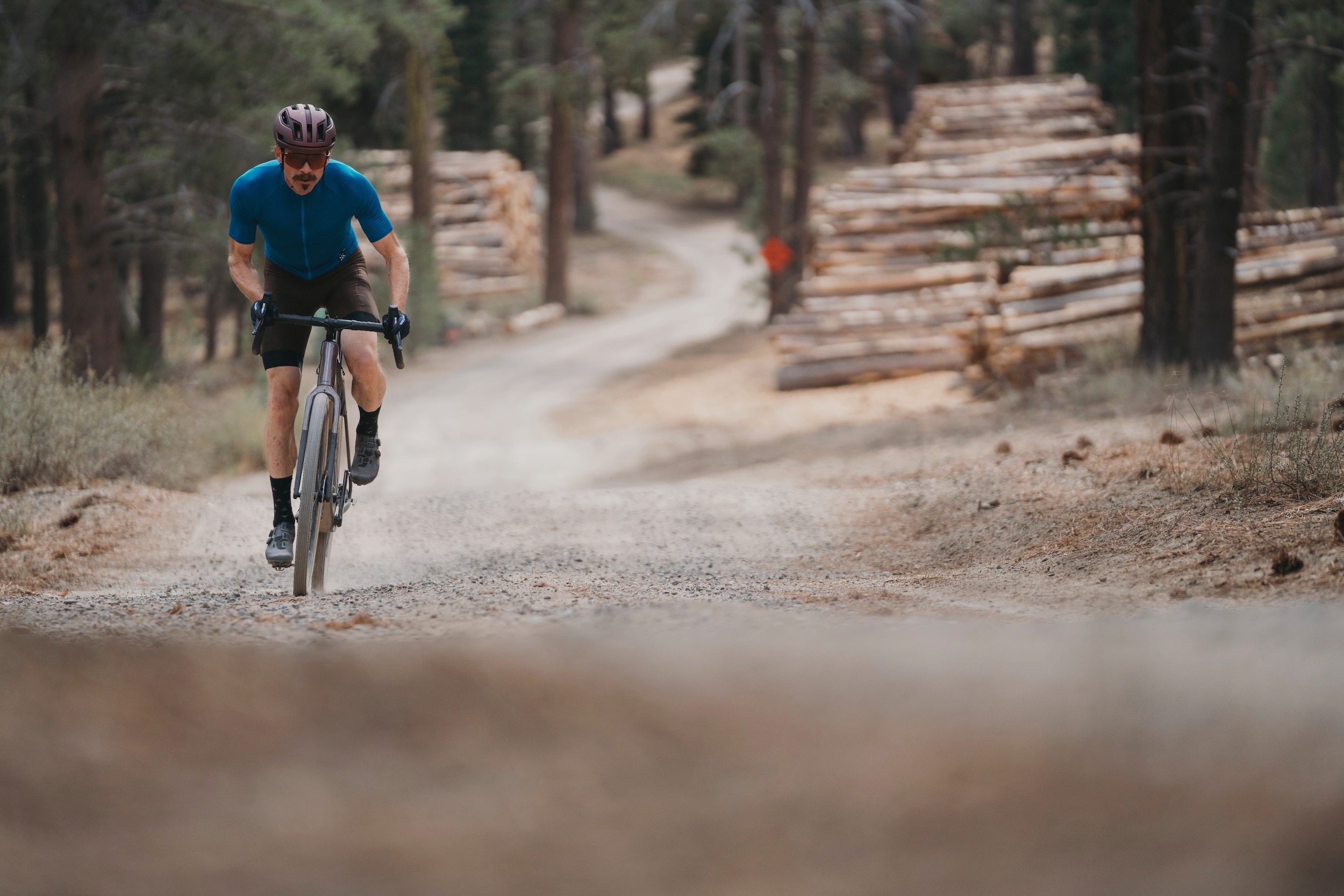
Our testers live in the mountain west, where there is a wealth of gravel riding accessible from the towns where they live. In addition to frequently riding the seemingly endless dirt and fire roads surrounding his home city of Boise, Idaho, Steve enjoys traveling internationally to exotic locations for extended bike-packing adventures.
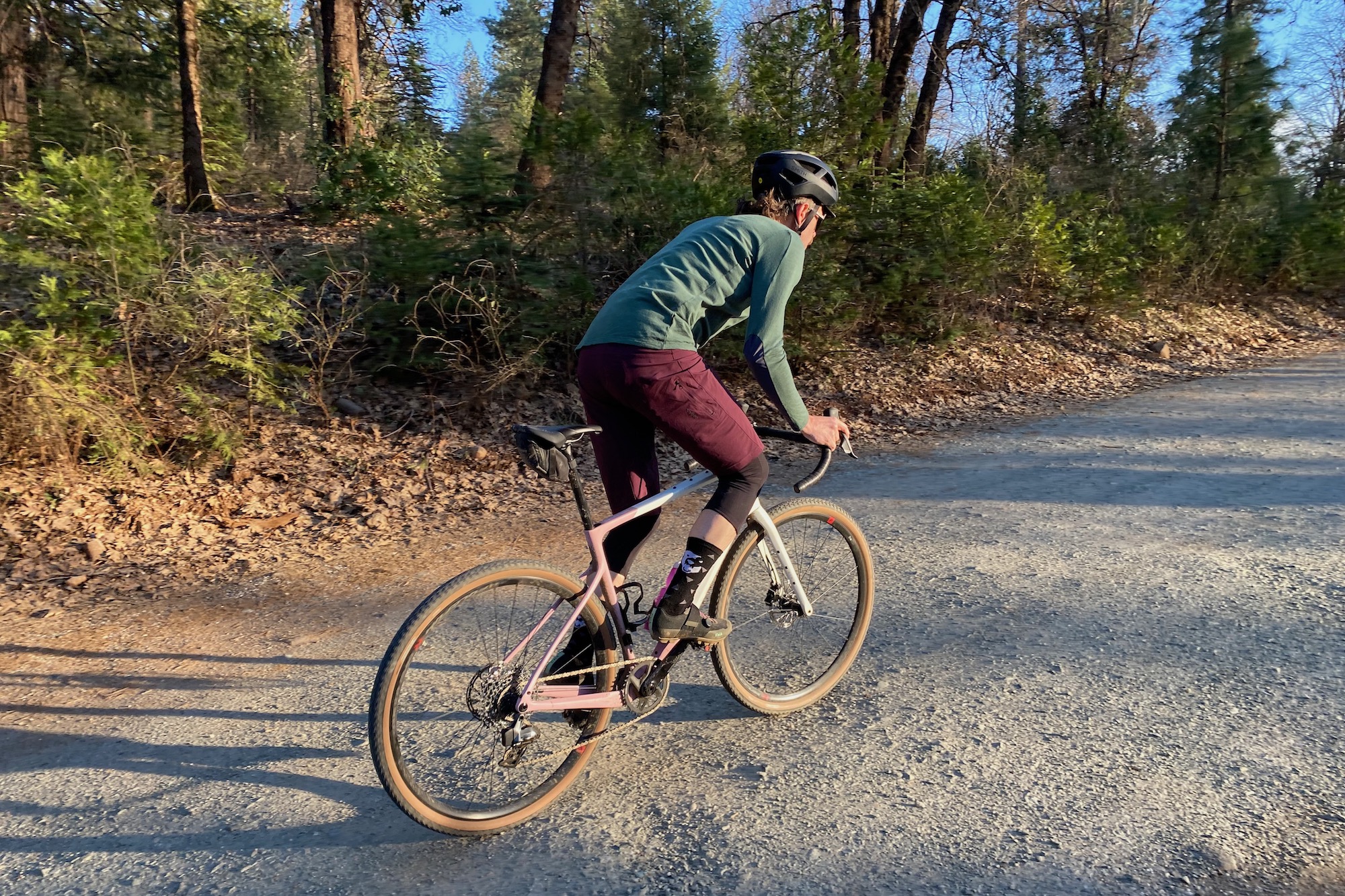
Jeremy has lived and played in the Lake Tahoe area for over 20 years, where there is no shortage of fantastic gravel riding. His test loops start from the garage and feature every gravel surface and terrain imaginable. From smooth to super chunky, meadows to mountains, you name it, and it’s there. The area is also home to some excellent endurance gravel racing, with events like the Lost & Found Gravel Grinder and Truckee Tahoe Gravel providing training motivation and racing to test these shoes to their — and his — limits.
After exhaustively researching the market, we chose the models included here to test and compare. After examining each shoe’s materials and construction and weighing them for consistency, Steve and Jeremy thoroughly tested them the only way they knew how — gravel riding.
OK, well, these shoes also saw their fair share of road and singletrack miles, too, but that’s the beauty of gravel riding. This isn’t a one-dimensional sport; gravel riding is whatever you want it to be.
Every model included in this guide was tested for a minimum of several months, and most were used for a year or more. From quick after-work gravel grinds and week-long bikepacking missions to 100-mile gravel races, these shoes were put through their paces while analyzing important factors like fit, comfort, closures, pedaling efficiency, and walkability. Rest assured, no pedal has been left unturned, and these shoes have all been put through the wringer.
Buyer’s Guide: How to Choose Gravel Bike Shoes
Gravel biking has exploded in popularity in the past decade, and there are lots of different gravel bike shoes to choose from. While cross-country mountain bike shoes were previously the only option — and are still great options — there are now quite a few shoes designed and marketed toward the gravel rider.
Since gravel riding and cross-country mountain biking share similar performance demands, we’ve tested shoes designed for each discipline and several that claim to be great at both.
There’s much to consider when looking for the best gravel bike shoes. Here, we’ll discuss important factors like fit, closures, ventilation, stiffness, and outsole designs. Of course, the type of riding you’re doing will also affect the shoes you choose.
Do You Need a Gravel Shoe?
Gravel riding borrows aerodynamics, stiffness, and weight savings from the road and pulls in durability and traction from the mountain. We want our shoes to provide plenty of pedaling efficiency and support, but we also need them to be rugged enough to handle the added stresses of off-road riding.
Because we all end up pushing the bike at some point, they should be comfortable enough to walk in without slipping around on loose terrain.
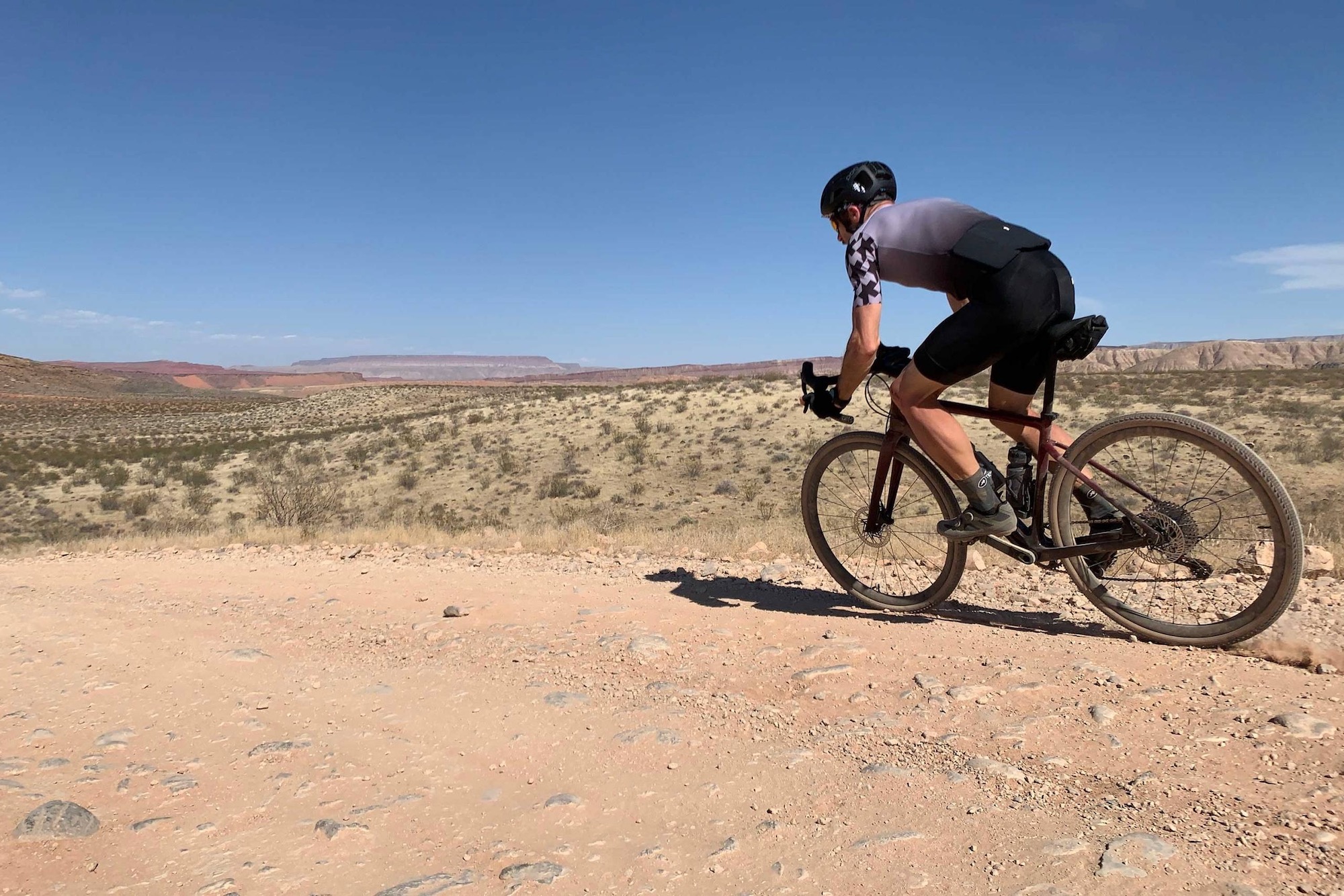
If money is tight and you already have a pair, cross-country mountain bike shoes are a great start. In fact, the lines are becoming increasingly blurry, and many modern cross-country shoes are now being touted as ideally suited to gravel and XC mountain bike riding.
If you ride more roads than mountains, you can split the difference and get away with one shoe for both gravel and road. If you go that route, we’d recommend looking at a stiffer model, like the Shimano S-Phyre XC9, Specialized S-Works Recon, or Shimano RX8. While you can ride road bike shoes and pedals on gravel, we’d only recommend that if you’re sure you won’t need to do any walking whatsoever.
Fit
A well-fitting shoe will be snug — but not excessively tight — with some room for the toes to wiggle. Ideally, you can find a width and volume that matches your foot shape, and the uppers should secure snugly around the feet like a good hug.
You don’t want the foot to feel constricted, but excessive movement is also undesirable as it can cause discomfort and instability or rob you of efficiency. The heel should also feel locked in the shoe’s heel pocket and shouldn’t slip up or down.
Laces and BOA systems can fine-tune a fit, but it’s always best to start with a shoe that generally fits well. If you’re ordering online, be sure to look at the sizing guides. Some Euro sizing puts shoes between U.S. sizes (if that’s the case for you, it’s usually better to size up). Some brands also offer wide sizes.
Closure System
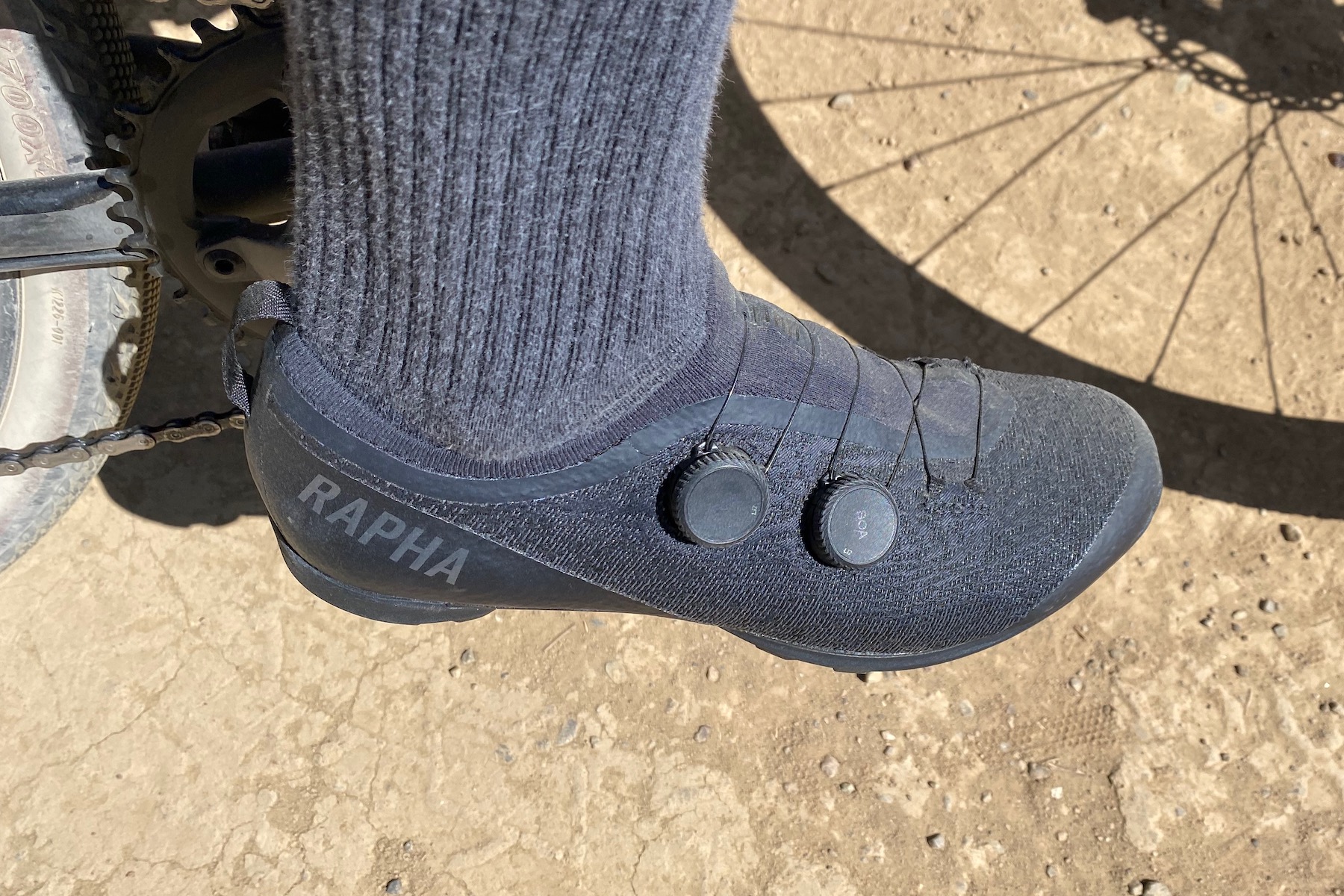
Shoes generally close with one or two of four systems. Most modern shoes use a single or double-dial — BOA is the most common — closure system. You push the knob shut and spin the dial to get a custom fit around the foot. To release it, you pull the knob, and the spool unravels.
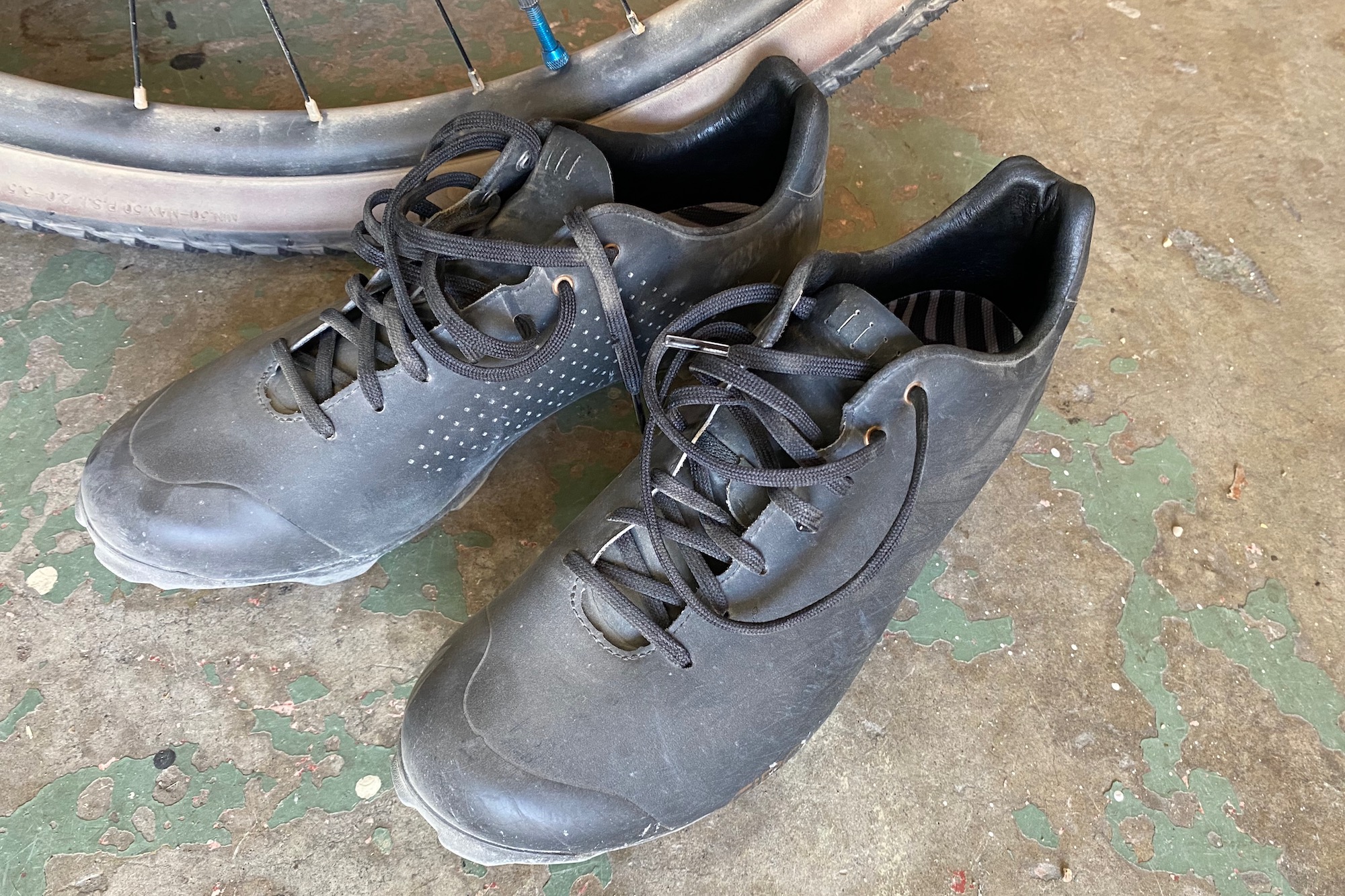
- BOA Fit Systems seems to dominate the dial market and have come a long way. In our experience, it’s a bombproof system that makes shoes quick and easy to get in and out of and allows you to micro-adjust the fit over the ride. Our favorite shoes use a twin BOA system, allowing you to further tweak the fit over both the midfoot and forefoot independently.
- Hook-and-loop straps use Velcro over the foot. Many shoes use a combination of Velcro over the toes and a BOA system over the upper and midfoot. This combination saves a few grams (and some pocket change) but doesn’t typically lock the foot in as well as a twin BOA system. In muddy conditions, crud can get trapped in the hook and loop, reducing their effectiveness. Velcro also tends to wear out faster.
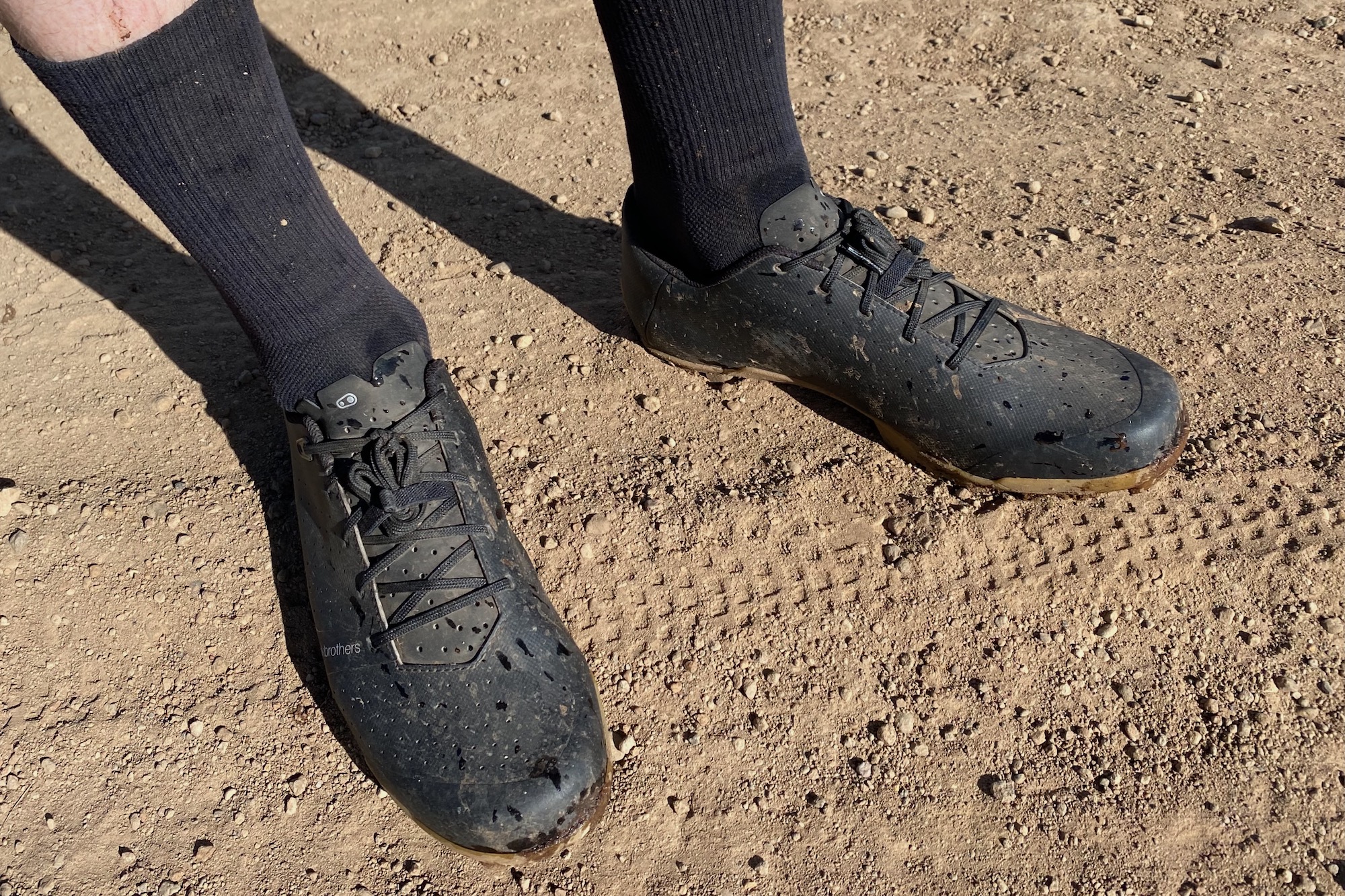
- Good old-fashioned shoelaces are making a comeback. They are light, cheap, replaceable, and winning on the fashion front. The best applications will often vary the eyelets so you can lock a section and loosen another. This allows a custom fit over different parts of the foot.
We didn’t review any shoes that use this, but it’s worth sharing that a few older models use a ratchet system that incrementally tightens a strap over the foot, like a ski boot buckle.
Sole Stiffness
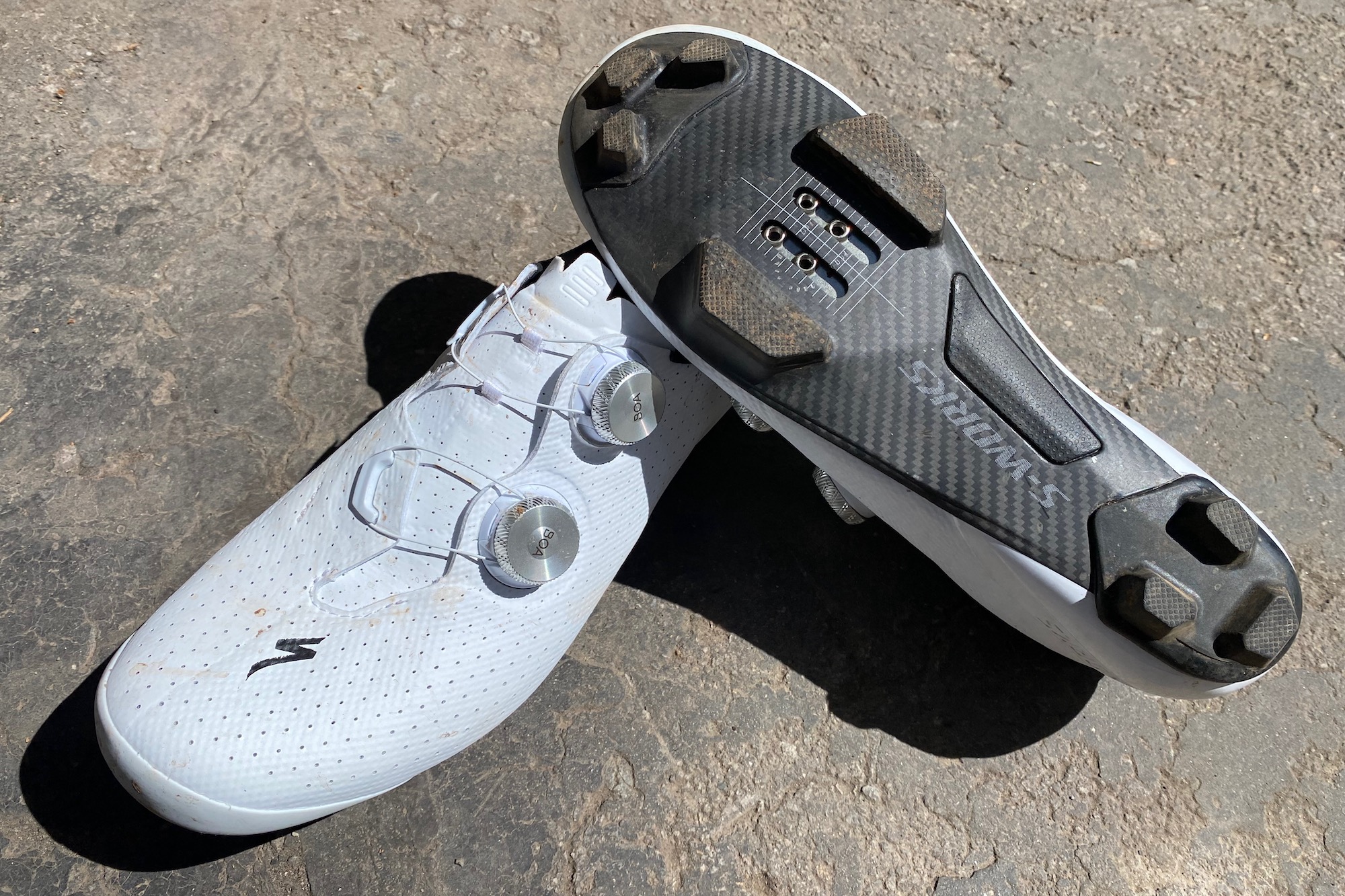
Linking the rider to the bike, a proper gravel shoe is stiff enough to transfer force from the legs into the drivetrain, is durable enough to endure the rough terrain, and has lugs for traction. The shoe’s stiffness comes from the midsole plate, sometimes called a shank.
Higher-end models often use carbon fiber, which is light, stiff, and expensive. Less pricey shoes will use a durable nylon or fiberglass plate. While stiffness is often talked about in terms of performance, super stiff soles aren’t necessarily the best thing for all riders.
Racers or performance-minded riders typically steer toward very stiff soles with the goal of transferring every drop of pedaling power from their legs to the drivetrain. That said, the stiffer the sole, the less forgiving it is, so race shoes can be a bit less comfortable, especially over rough surfaces. The majority of the stiffest shoes we tested have a carbon fiber midsole and also happen to be the most expensive. The Shimano S-Phyre XC9 and Specialized S-Works Recon are great examples. While not exactly in the budget category, shoes like the Fizik Vento Ferox Carbon and the Pearl Izumi Expedition PRO cost a bit less than the aforementioned models while still featuring stiff carbon midsoles.
If you’re not racing, soles that are slightly less stiff than race shoes are often the best bet. They are still stiff enough to be efficient, yet they are a bit more forgiving and comfortable for most riders. They also make walking a bit easier.
If you’re more interested in the experience and comfort over PRs and watts, then a more balanced sole stiffness is likely the way to go. Shoes like the Crankbrothers Candy Lace and Quoc Gran Tourer both fit into this category.
There is such a thing as shoes that are not stiff enough. If you can see or feel the sole flexing under your foot while pedaling, it is also sapping a tiny bit of your pedaling energy. Soft soles can also cause foot and calf fatigue over time. Otherwise, softer-soled shoes are generally quite comfortable and make walking around much easier.
Some shoes run the composite footplate just short of the toes, giving the shoe a little flex in the toebox. A little extra mobility in the toes makes it easier to walk around in the shoes. Many shoes also put a rocker in the front of the sole, allowing you to “roll” your gait in a fully rigid shoe.
Outsole
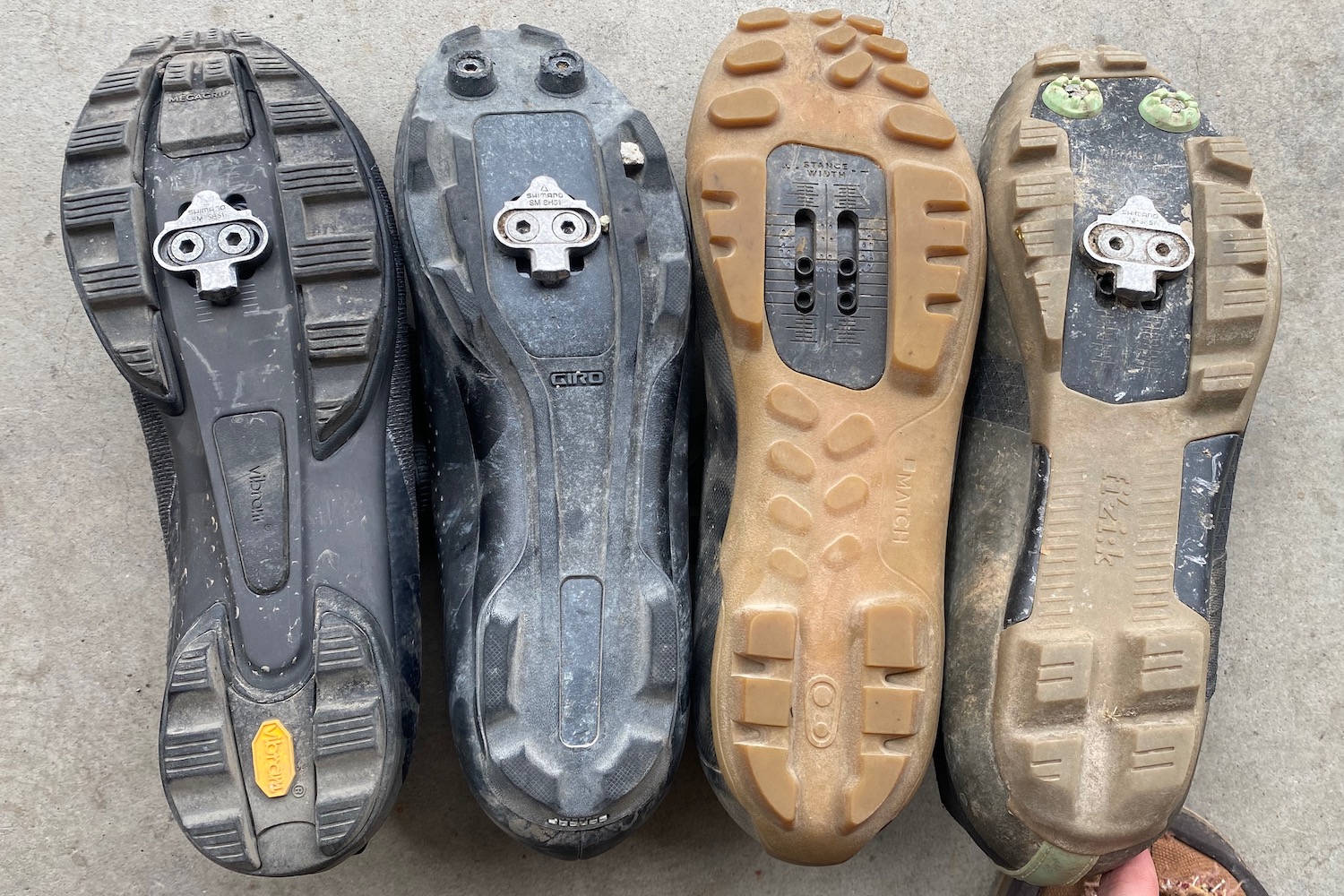
Put enough time in the saddle, and you’ll put more than enough time out of the saddle. Adventurous gravel riding can be equal parts pushing and pedaling. A solid gravel shoe should not only be comfortable to walk in but also have enough traction so you aren’t slipping around.
We found two general kinds of lugs — a harder lug compound and a softer lug compound. For rides that walk over hard rock, we prefer the outsole with softer rubber lugs. They grip rock better, add a touch of cushion, and tend to hold up better over time.
For mud and muck, we appreciated the sharper edge retention found on a harder rubber lug. They bite in better, but they tend to flake off sooner.
If your rides don’t pull you out of the saddle, you have a lot more leeway with traction. Low-traction shoes will be lighter (by a few grams) and still be comfortable enough to walk around the parking lot or coffee shop.
Cleat Compatibility
Gravel and cross-country mountain bike shoes all share one thing in common: the two-bolt cleat interface. This means they are compatible with two-bolt cleats typical of clipless (clip-in) mountain bike pedals. There aren’t too many true “standards” in cycling, but luckily, the two-bolt “mountain” cleat interface is one of them.
Even though there is some variation in the cleat designs between pedal manufacturers, they all use the two-bolt standard. This interface consists of two parallel tracks in the sole of the shoe under the forefoot. Inside the cleat tracks are cleat mount plates that can slide fore and aft to find the optimal position of the cleat to suit your preference.
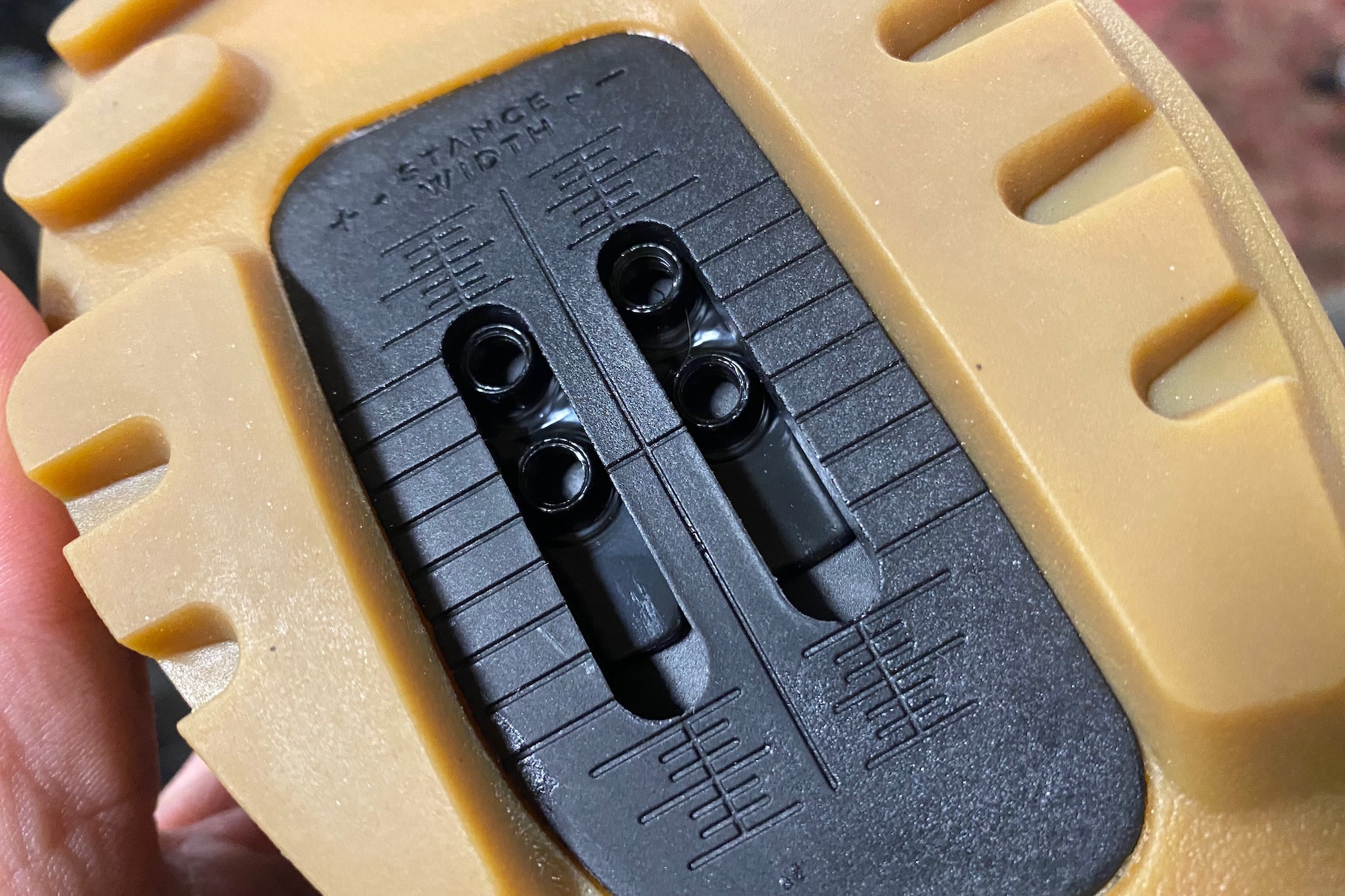
Gravel and cross-country mountain bike shoes use the two-bolt cleat standard because the cleats are smaller and can fit in between the tread blocks that border the cleat box. These tread blocks aid in walking, protect the cleats, and often interface with the pedal body for lateral stability.
This is in contrast to road bike shoes, which use much larger three-bolt cleats. Road bike shoes don’t prioritize walking. Instead, the goal is to maximize surface area contact between the shoes, cleat, and pedal body.
Price & Value
The gravel bike shoes we tested vary pretty widely in price, from more affordable models, around $160, to super high-end race shoes that cost $400 or more. Realistically, if you’re not racing or super concerned with having the absolute stiffest and lightest shoes imaginable to eke out every precious watt of your pedaling power, then any of the more affordable shoes will likely serve you just fine while keeping some money in your bank account.
Budget
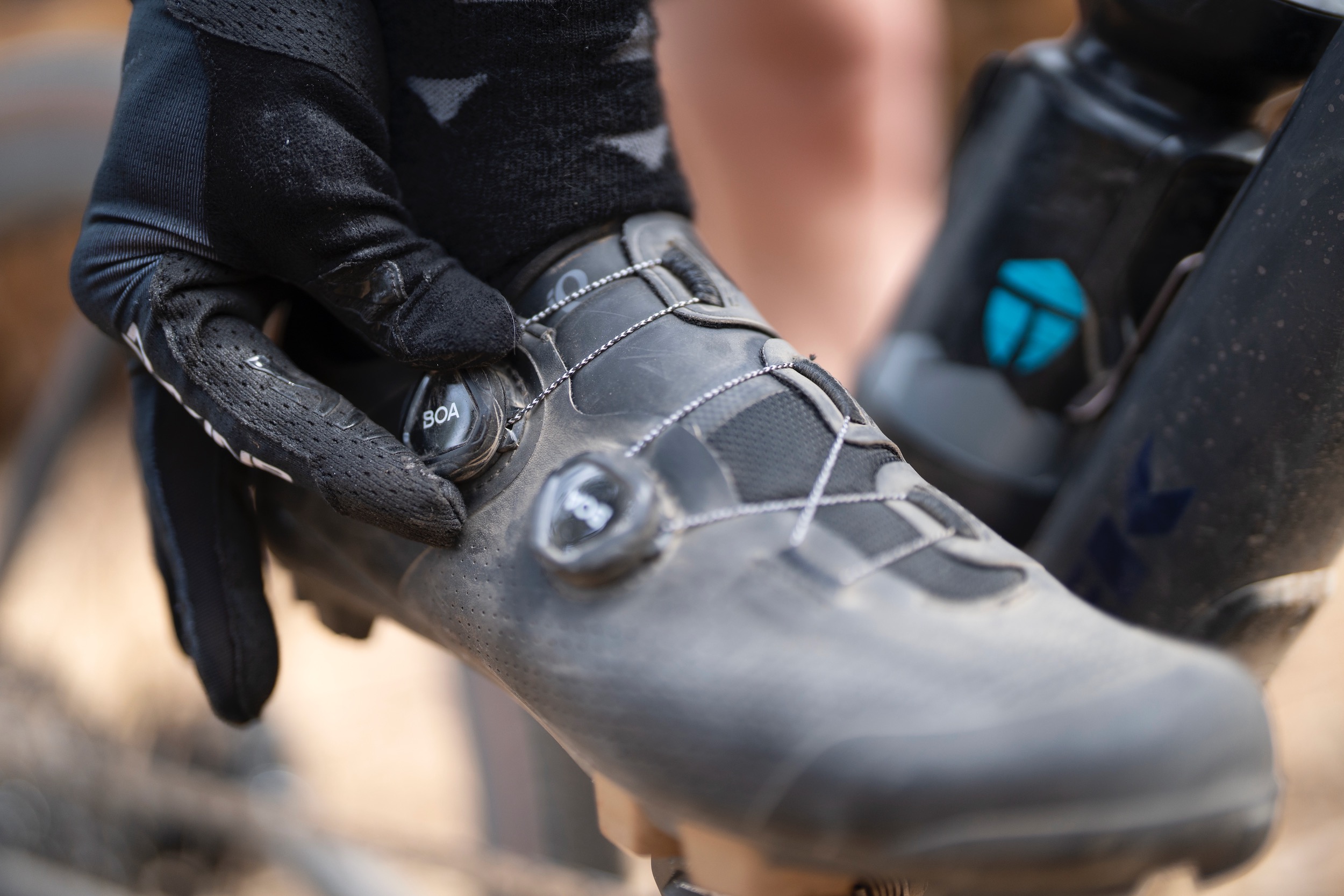
Budget-friendly shoes typically use less exotic materials and have simpler closure systems that help to keep the price down. This is evidenced in a couple of the less expensive models we tested, the Crankbrothers Candy Lace ($170) and Fizik Terra Atlas ($180). These shoes both use nylon shanks in the midsole to provide stiffness and support, as opposed to carbon fiber or composite.
Likewise, the Candy Lace uses traditional laces, and the Fizik employs a single BOA L6 dial to secure them around the feet. Both closures are comfortable and functional. Compared to their higher-end competition, these more affordable shoes aren’t quite as stiff or “high-performance,” but they are comfortable and absolutely get the job done.
Mid-Tier
As we climb above the $200 mark but stay below $300, we begin to see fancier materials like carbon fiber, BOA closures, an increase in sole stiffness, and potentially a reduction in weight. This will likely be the sweet spot for most riders seeking a higher level of performance without totally breaking the bank.
While it is priced in the mid-tier, the Pearl Izumi Expedition PRO ($285) boasts similar features and performance to the premium models at a more easily palatable price point. With a dual BOA closure, supple uppers, and stiff carbon soles, these shoes are ready to mix it up in races or provide you with great efficiency on far-flung adventures.
Premium
For those looking to be at the pointy end of races or atop the Strava leaderboards, it may be worth the investment in a high-end pair of shoes to maximize your efficiency and performance. For others, simply looking and feeling fast may justify the expense.
If you’re seeking the pinnacle of performance through fit, weight, and pedaling efficiency, you can find it in the Shimano S-Phyre XC9 ($480) and the Specialized S-Works Recon ($500). These shoes are incredibly light, have impeccable fits, and super stiff soles that help provide efficient transfer of pedaling power into forward momentum.
Leave it to Rapha to break the price ceiling with the latest Pro Team Powerweave Gravel ($580) shoes. These top-of-the-line shoes boast carbon soles, dual BOA dials, and a super unique Powerweave upper material. They provide a sock-like fit, impressive comfort, excellent breathability, and stellar pedaling efficiency. If you’ve got money to burn, these shoes are tough to top.
Even then, not all light and stiff race-ready shoes cost over $400. The Fizik Vento Ferox Carbon ($300) stands up well against its more expensive competitors while keeping a little money in your wallet. Similarly, the Giro Empire XC ($375) is iconic and one of the most comfortable shoes on the market. Both may be a tad heavier than the abovementioned models, but their performance is otherwise spot-on.
Frequently Asked Questions
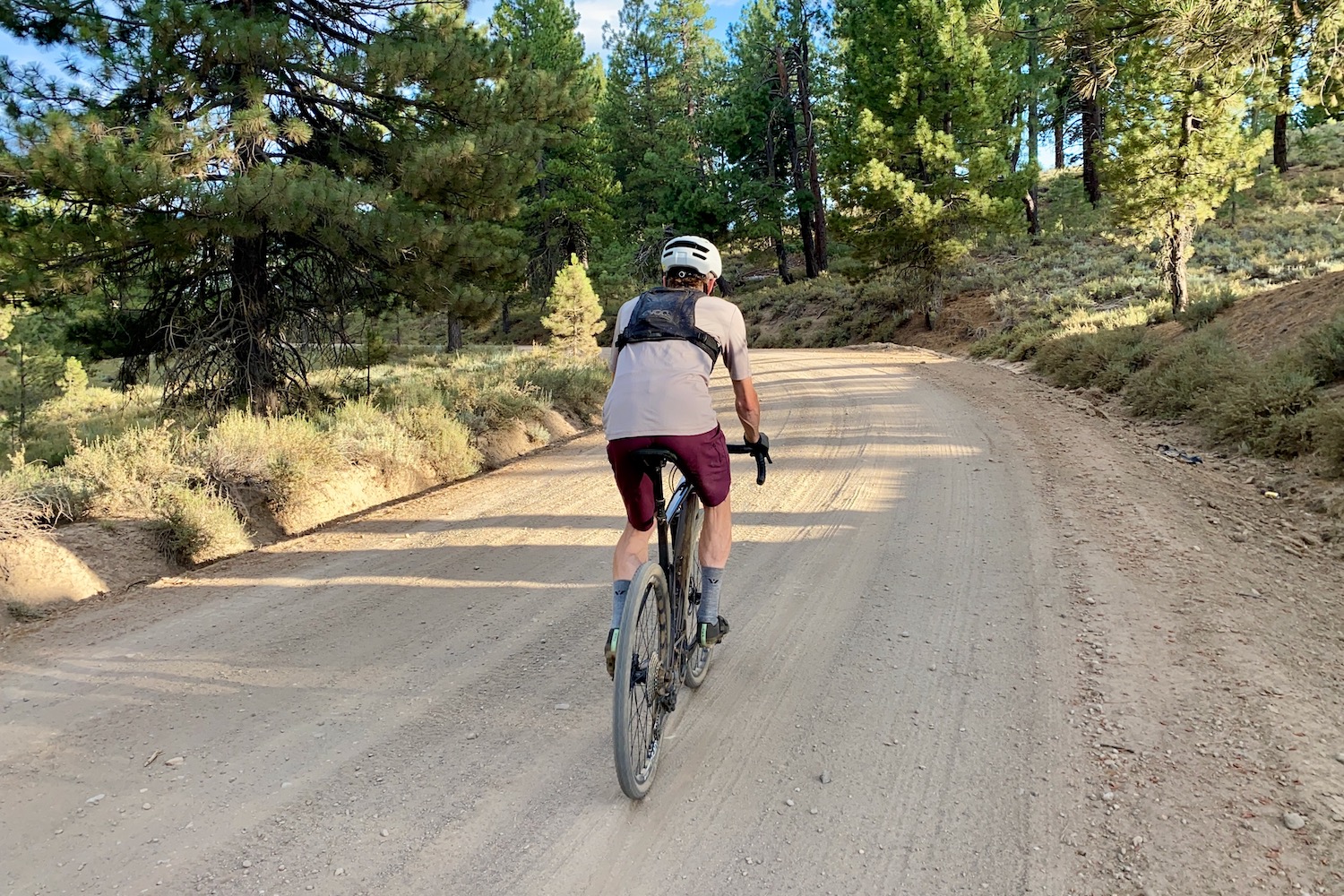
If you ride gravel, then you could benefit from having some gravel or cross-country mountain bike shoes when you ride. The combination of stiff soles, grippy and walkable outsoles, lightweight uppers, and comfortable closures make this style of shoe the ideal footwear for riding gravel.
Trail riding shoes are heavier, bulkier, and often not adequately stiff for gravel riding. Road bike shoes don’t have walk-friendly outsoles, and they will get trashed when you dismount your bike on a rough gravel road. Gravel shoes combine pedaling efficiency, comfort, and walkability to make them perfectly suited to the task.
Realistically, gravel and cross-country mountain bike shoes are essentially the same. In fact, lots of shoes these days claim to be suited to both disciplines since the footwear demands for each are basically the same. Other types of mountain bike shoes, like those for trail, enduro, or gravity riding are quite different, however.
These shoes tend to be bulkier, heavier, and not quite as stiff through the sole, making them less ideal for pounding out miles on gravel roads. Likewise, unless you ride the smoothest gravel ever and never put your feet down, road bike shoes aren’t ideal for gravel either.
While plenty stiff and light, road bike shoes typically have smooth, hard soles that are not ideal for walking on gravel or trails and they will get all scratched up if you do.
The fancier the materials, technologies, and components incorporated into a gravel bike shoe, the more they cost. Carbon fiber midsoles, BOA closures, and ultralight materials aren’t cheap, and combining them into a shoe drives the cost up. Not to mention the research, development, and testing that goes on to make them 1% lighter and faster than the previous version.
We won’t lie; it does seem ridiculous to pay $400+ for a pair of bike shoes. We’ll also admit that they are usually incredibly nice and have even improved our performance by using them. That’s not to say that everyone needs to spend that much to have a good time. You don’t. But, those shoes exist for those who want them.
Our top pick for gravel racing is the Shimano S-Phyre XC9. Yes, this is a cross-country mountain bike race shoe, but they’re still the best we’ve used for gravel races. But, the best gravel race shoe for you may be different depending on what fits your foot the best.
The important factors for race shoes are a stiff sole, precise and comfortable fit, and lightweight. While stiff and light shoes are great, a good fit is arguably the most important piece of the puzzle for long-term comfort while trying your hardest.
Also, consider your goals. If you’re fighting for a podium, then shelling out big bucks for the trickest shoes may be worth it. If you’re just starting out or you enter races more for fun than competition, then it may not make as much sense to go so high-end. Budget is another consideration since race-oriented shoes are often quite expensive.
Related Content
The Best Cycling Sunglasses of 2026
We tested 18 of the best cycling sunglasses on the market to help you find the right model to suit your needs and meet your budget.
The Best Mountain Bike Helmets of 2026
We tested the top models from Giro, Specialized, POC, Smith, and more to help you find the best mountain bike helmet for your next ride.

