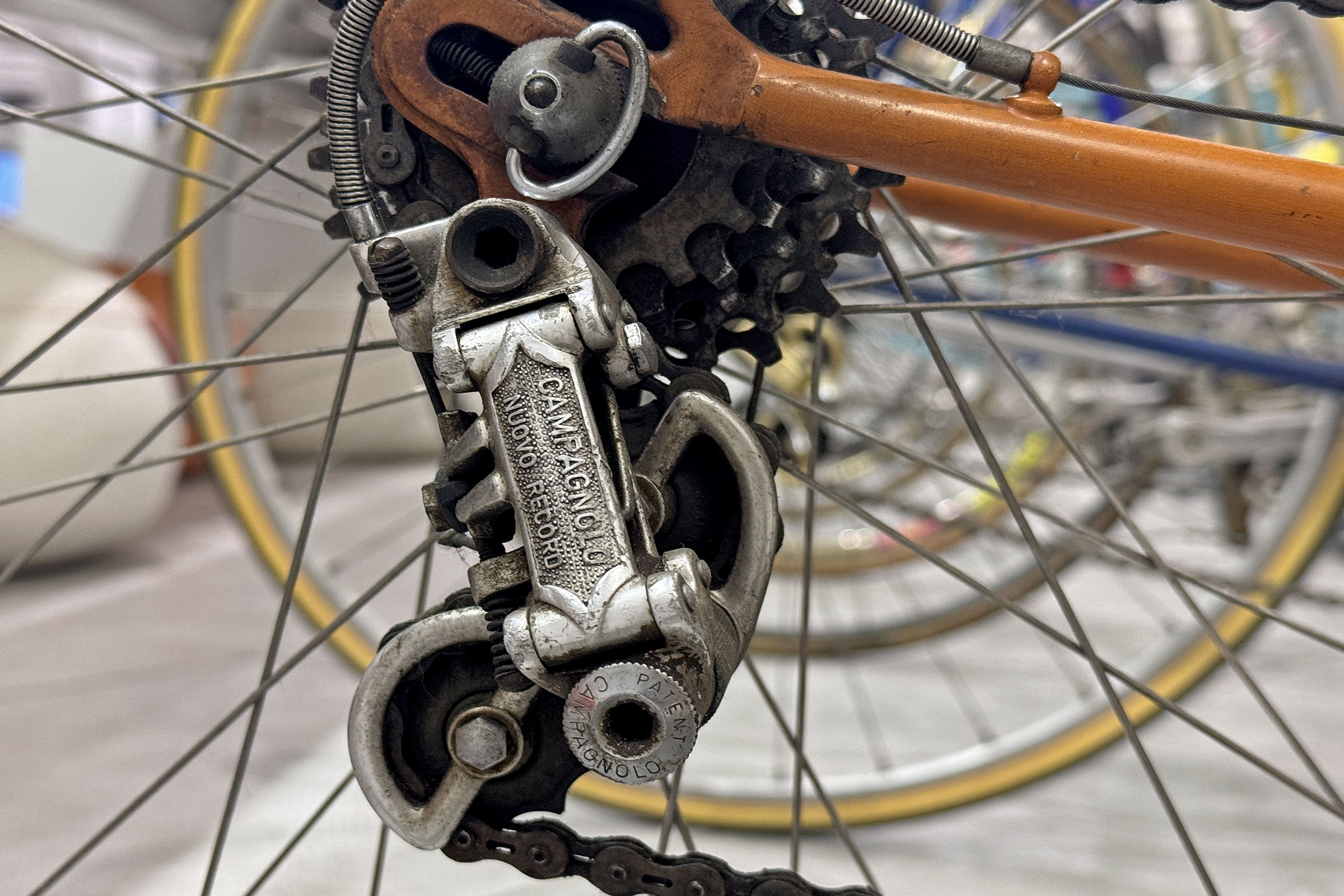


Let’s start with what might sound like several controversial statements, but they really shouldn’t have to be…
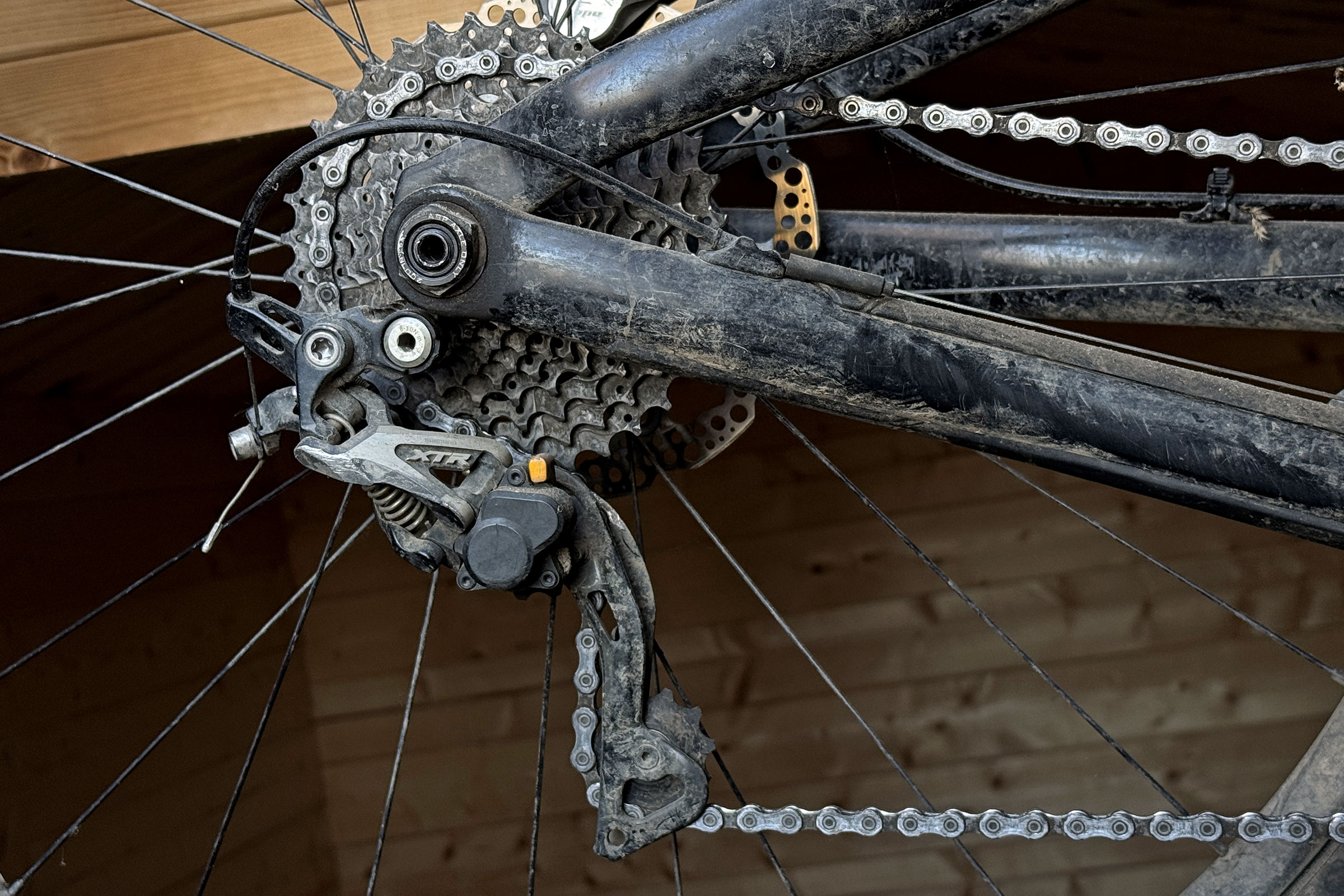
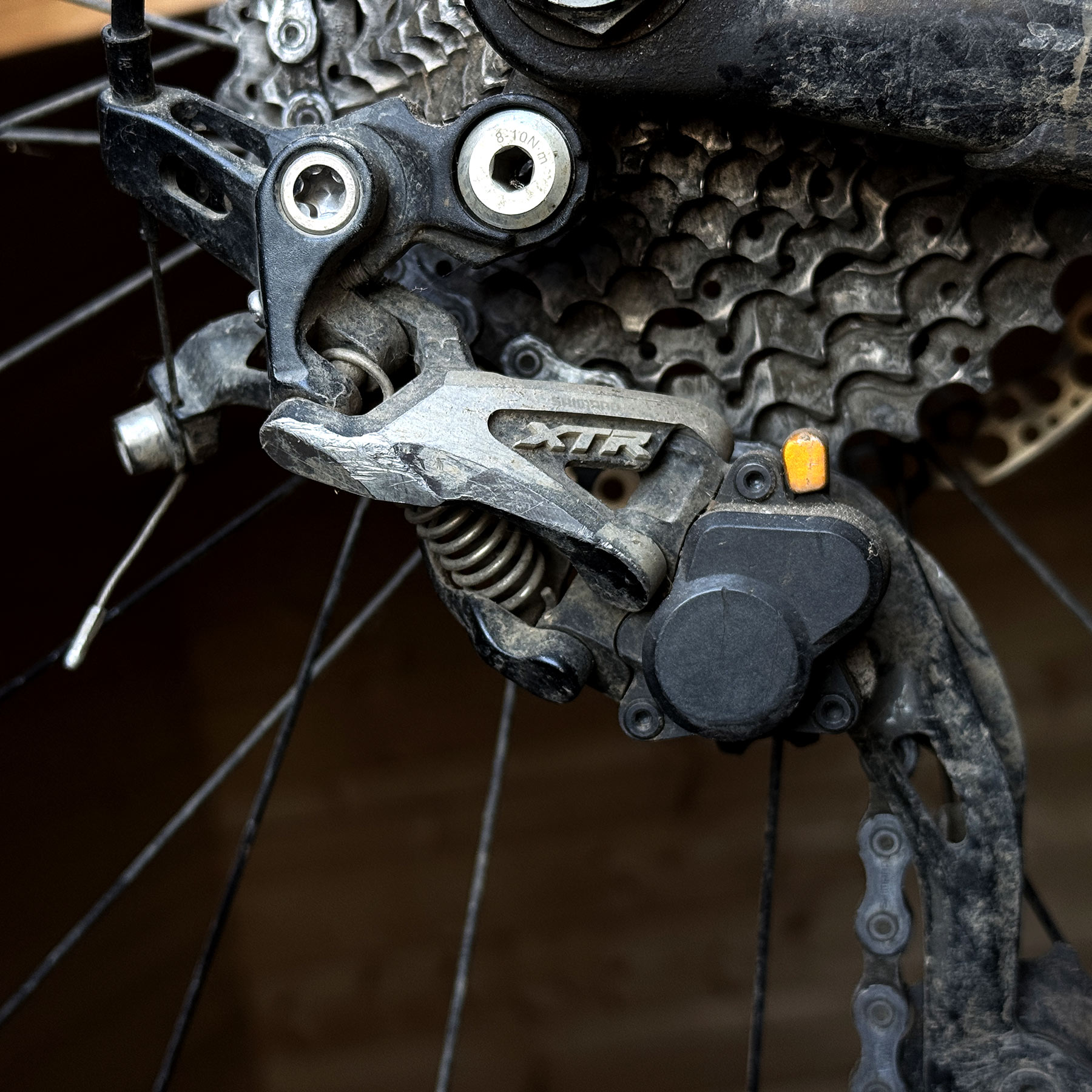
Maybe the best groupset I have on an XC bike today is a 16-year-old Shimano XTR M980 2x10sp setup. Its shifting is still so crisp, quick & tactile!
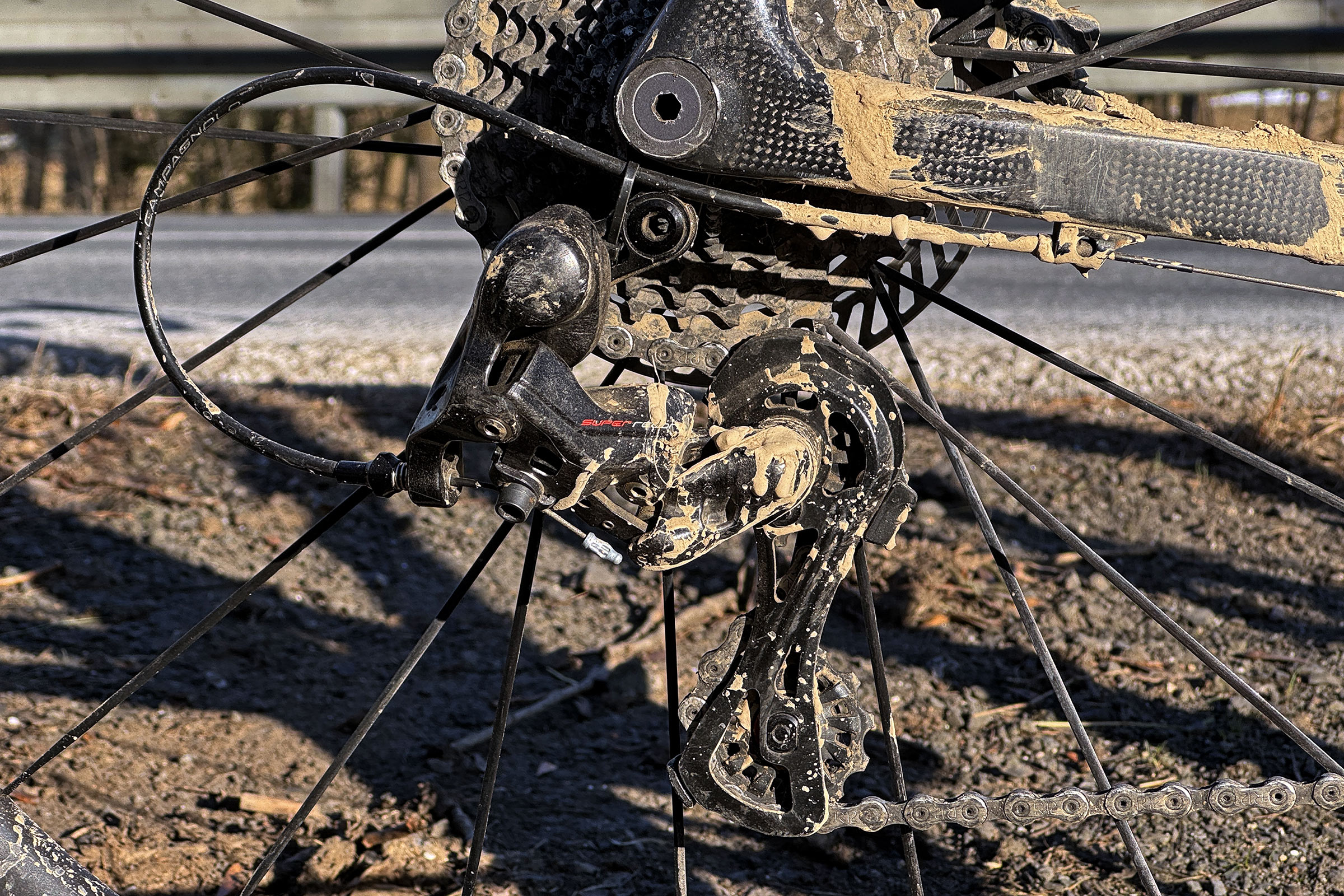
My favorite groupset I have on any dropbar bike is an 8-year-old Campagnolo Super Record 2×12-speed mechanical. It’s light, has great ergonomics, excellent brakes, and delivers an excellent click with each shift. Plus, it was almost entirely made-in-Italy.
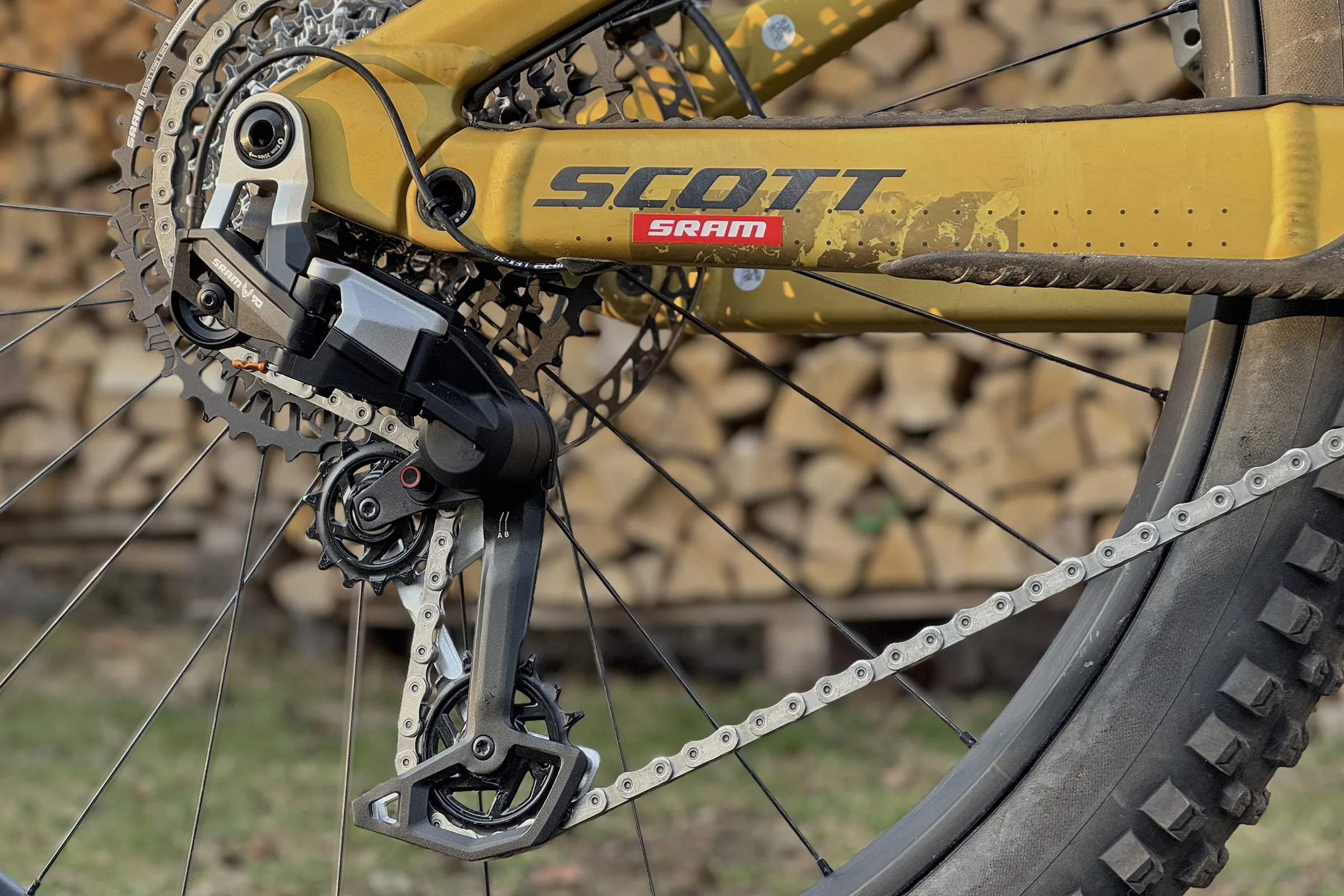
And I downright love the modular durability of last spring’s SRAM Eagle 90 drivetrain on my enduro bike. It just feels bulletproof, while rewarding inputs with an unmistakably positive click as it shifts into place.
I have many opinionated leanings for sure. And yet I am Agnostic when it comes to picking one drivetrain maker over another, or even whatever technology is going to manage my shifts. But at the same time, I just love the classic, simple & predictable performance of a mechanical shifting groupset. And I think I’m not alone.
And don’t forget, each one of those groupsets I’ve singled out is ready to ride at a moment’s notice. Not a battery in sight.
Mechanical shifting is simple, serviceable & more affordable

OK, buckle up buttercup, here comes a bit of a rant…
Electronic shifting is great. And new gadgets are genuinely really cool.
But good old mechanical shifting can still be just as good. In fact, historically, top-tier mechanical shift drivetrains were also almost always lighter.
Am I the only one who remembers that?
My recent ‘upgrade’ from mechanical XT M8100 with full-length housing to new wireless XT Di2 M8200, for example, added 99g to my bike, even if it will also make your wallet lighter.
By definition, mechanical shifting is also mechanically much less complex. When something stops working, you can just look at it and see what’s wrong. Plus, moderately skilled home mechanics can not only diagnose most normal shifting issues, but also often fix them easily.
And finally, mechanical drivetrains are just more affordable when you remove motors, batteries, and smart controllers from the equation.
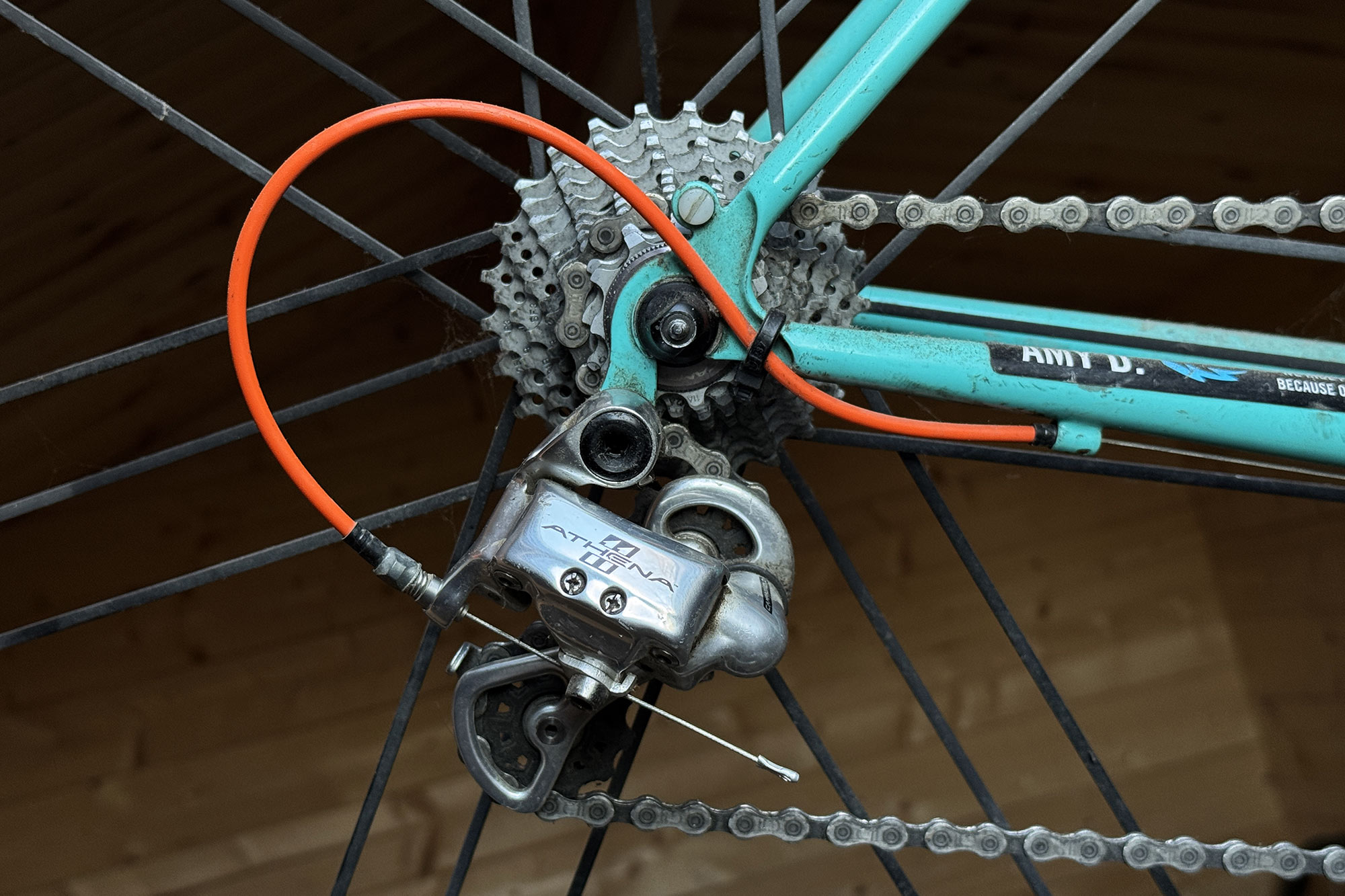
Sure, you need to replace cable housing every once in a while. What a great excuse to add some colorful new housing!
But honestly, it’s not something you have to do every season if you clean and take care of your bike. I have two, three, and even (gasp!) four-year-old cables that still shift quite smoothly. And can sometimes even deliver faster gear changes than an electronic setup, in certain situations.
Not just a retro-grouch, so what am I trying to rebel against?
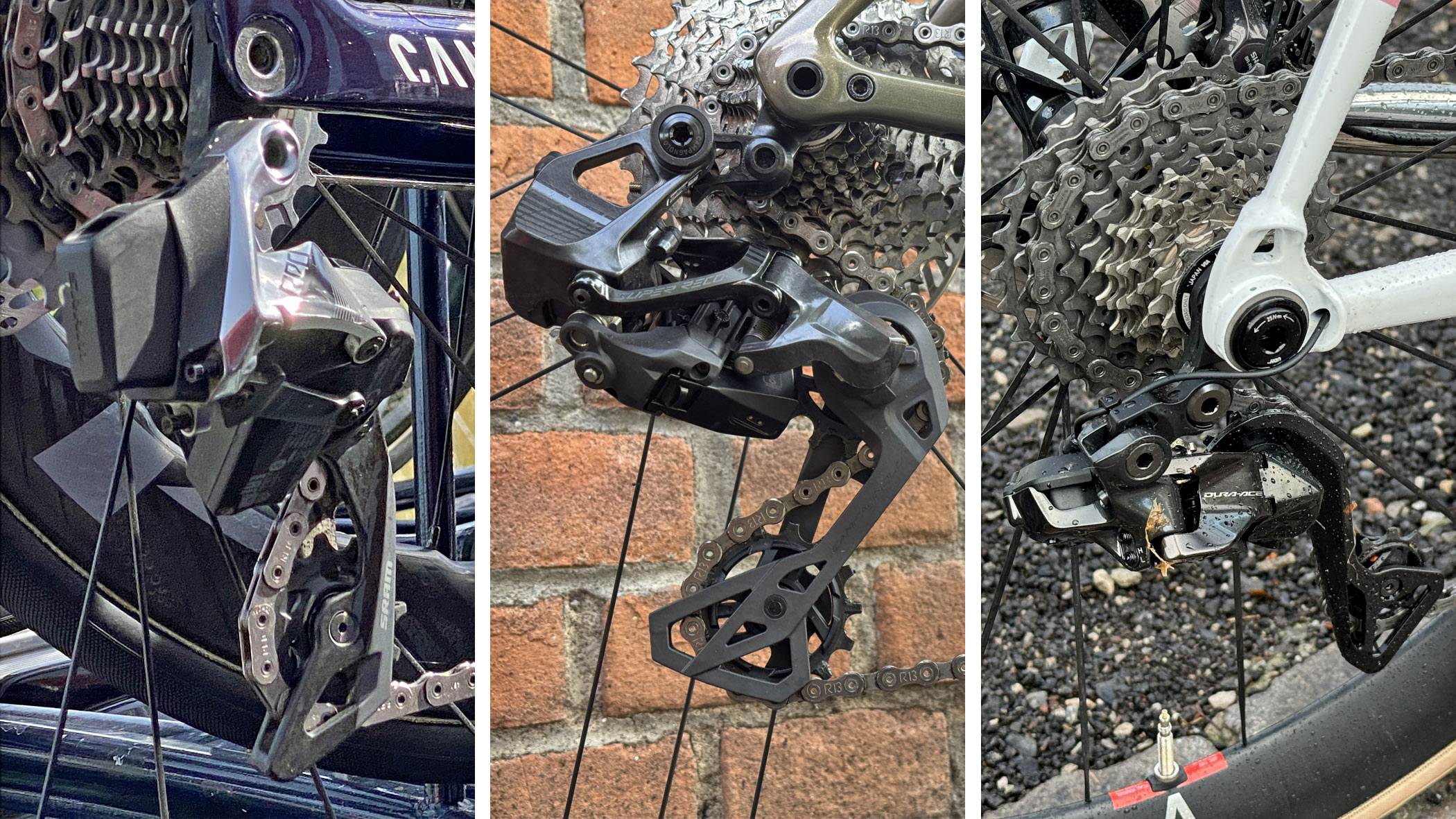
Look, I’m not a Luddite. I have fun playing with new electronics. They do some cool things, but also add a lot of complications, too.
What you never have to do is remember to charge a mechanical drivetrain.
Or update its firmware.
Or remember to replace those tiny hidden shifter batteries that you forgot about.
Or worry that you leaned another bike up against your electronic-shift road bike, and not only drained the battery, but actually destroyed the battery by over-draining it. Yeah, I did that with a Di2 setup several years ago.
Also, a couple of years ago, I found an AXS battery on the side of a trail about 2500m above sea level, high and deep into the Swiss Alps. I hope someone lost their spare battery. Because if that had fallen out of their mountain bike derailleur there, it would have been a really long day stuck in the wrong gear before they made it back to civilization, where they’d have been able to shift again.
Decades of EPS, Di2 & AXS, but is our riding life better now?

Generation after generation of little servo motors, silicon microprocessor chips, and various communications protocols – many wired, now almost all wireless; add to that all manner of rechargeable, sometimes interchangeable, and also plenty of disposable batteries to power them.
There are even (and have been) a lot of apps that promise unique drivetrain adjustability, which has truly been pretty cool. But those also brought endless firmware updates and the threat (promise?) that one day your phone or app or derailleur won’t be the correct version anymore. And so eventually, your electronic shifting may simply no longer work.
Electronics almost inevitably mean some degree of planned obsolescence. SRAM has done a great job with universal AXS batteries powering all of their electronics for years. But Campagnolo and Shimano have both gone through several electronic generations that are not backwards compatible, as have other smaller electronic drivetrain makers.
Sure, electronics bring some of the fastest, most powerful, most consistent, and precise shifting drivetrains that bicycles have ever seen, to be sure. At the same time, some of them even slowed down shifting speeds to ensure ebike compatibility or to make them work no matter the user (i.e. more idiotproof).

But let’s just remember that old mechanical M980 XTR groupset of mine.
It still works well, a decade and a half later (and likes to spend time in the air). 10-speed chains and cassettes are cheap and readily available, as are standard shift cable sets. And when the power goes out, that bike keeps shifting!
Dead batteries!
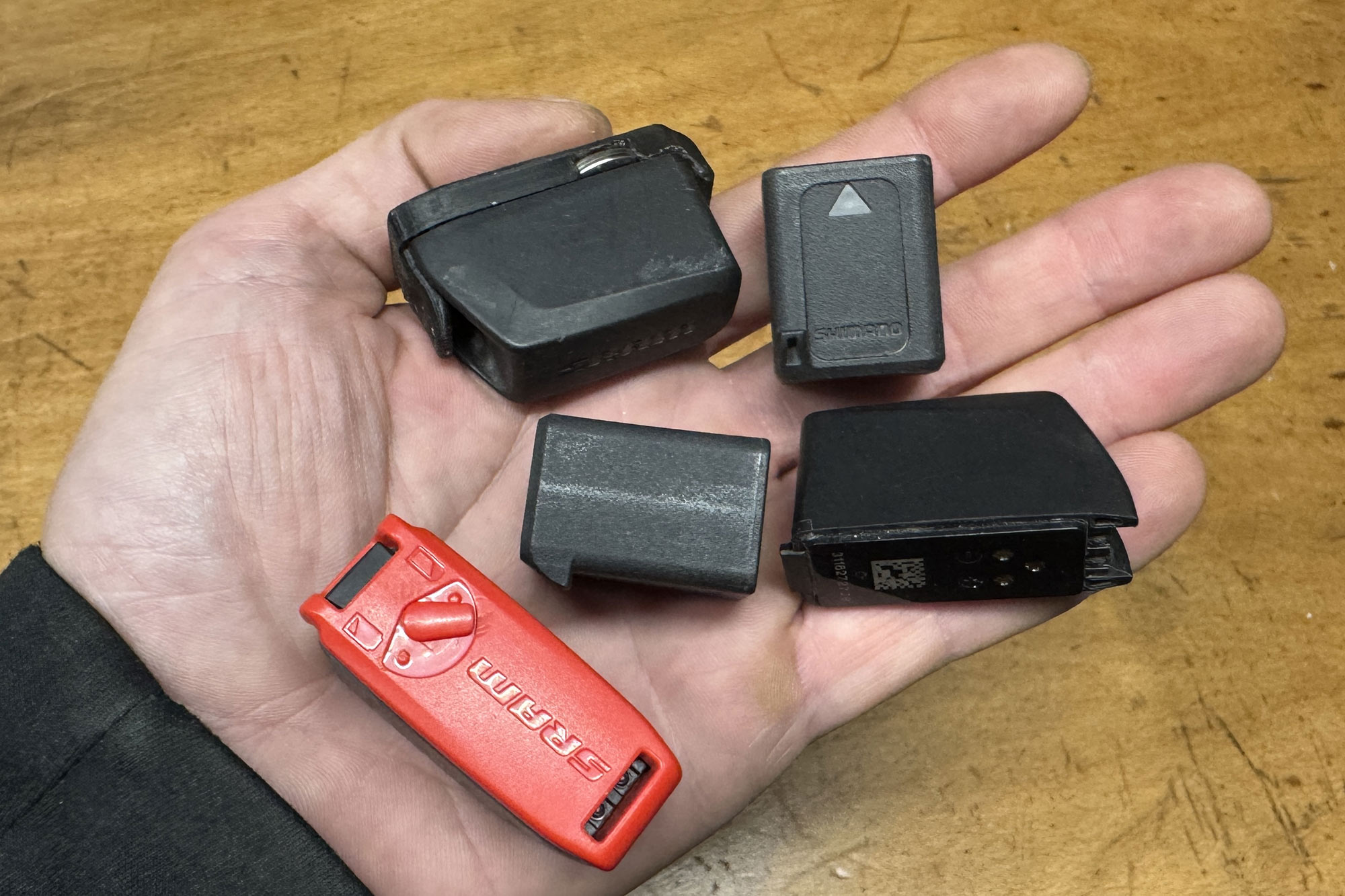
Talking about the power going out… Nothing hurts worse than heading out for a ride, and 1 minute out the door, realizing that you can’t shift. Yes, your bike is dead. And departure cut short. Hopefully you have a spare battery, or maybe a spare bike with mechanical shifting! 😉
Actually, you know what is worse? Having your bike die an hour or more away from home, especially when you thought it was still charged. We’ve had electronic bikes run out faster than normal because they had bad firmware, or because battery contacts were corroded or loose, or even just from an age-degraded battery.
It happens more than you would expect. More than I would want, at least. I don’t care how many little red flashing warning LEDs exist.
Or how about having remembered to charge your derailleurs, and then the stupid shifter battery dies.
Oops, you forgot about that one, didn’t you! Since they last anywhere from 1-3 years between replacement now (an inconveniently wide time range), you’ll be forgiven for having forgotten about them. And when it happens, of course, you don’t have an extra CR2032 or 1632, or whatever obscure watch battery your specific shifter requires.
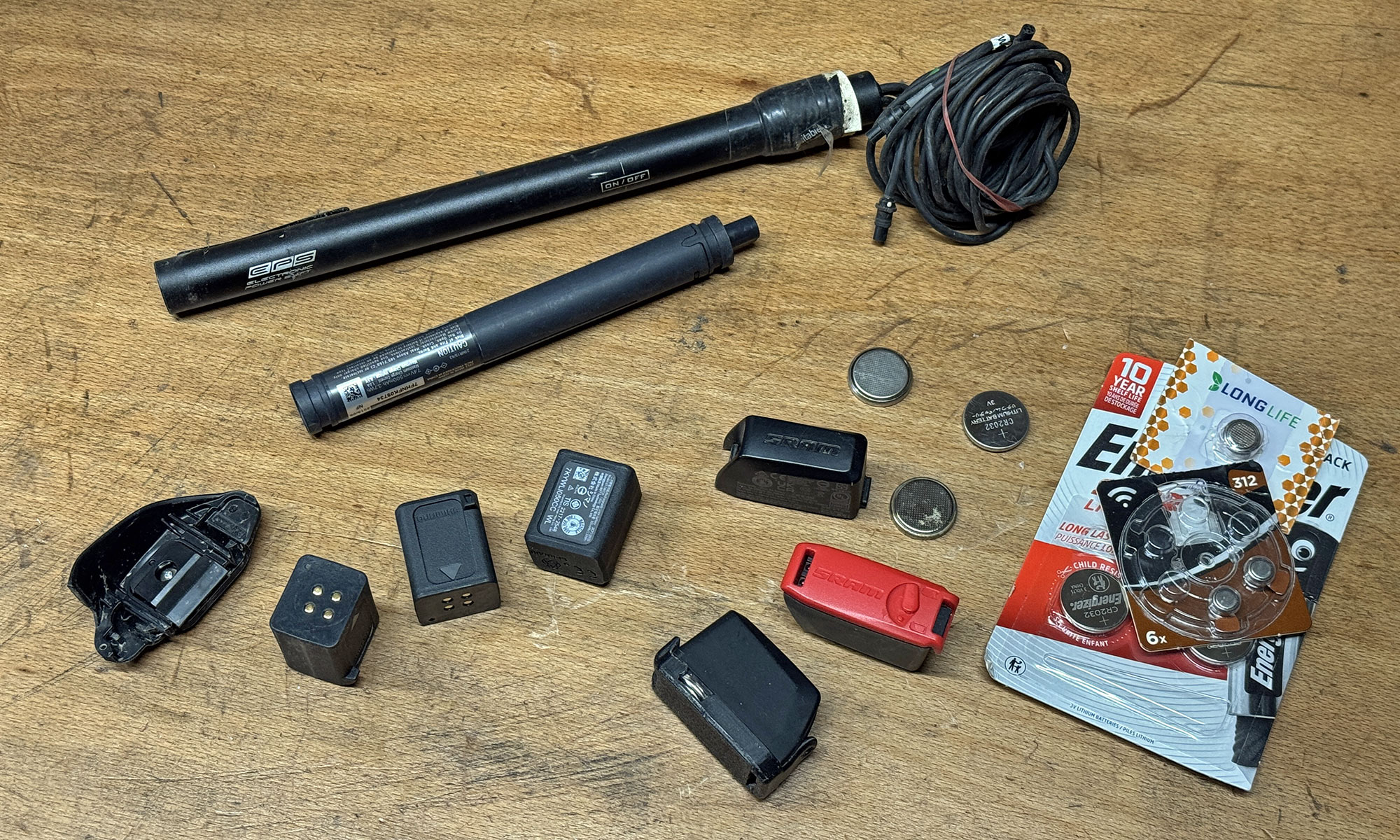
No, they are not all the same. I keep 2032 spares at home, and some others that I don’t even remember what they are for now. But not the CR1632 of the latest wireless Di2 setups that will start to die on us all in about a year or two.
No rechargeable derailleur batteries or disposable shifter batteries required for mechanical shifting, thank you very much.
Replacements didn’t (and still don’t) have to break the bank!

Oh, and let’s remember that crash replacement is a real thing.
Outside of tires and brake pads that simply wear out, I feel like the rear derailleur is my most often ‘impact-damaged’ component requiring replacement. On proper mountain bikes, it really is unavoidable. On road and gravel bikes, derailleur damage is also not unheard of.
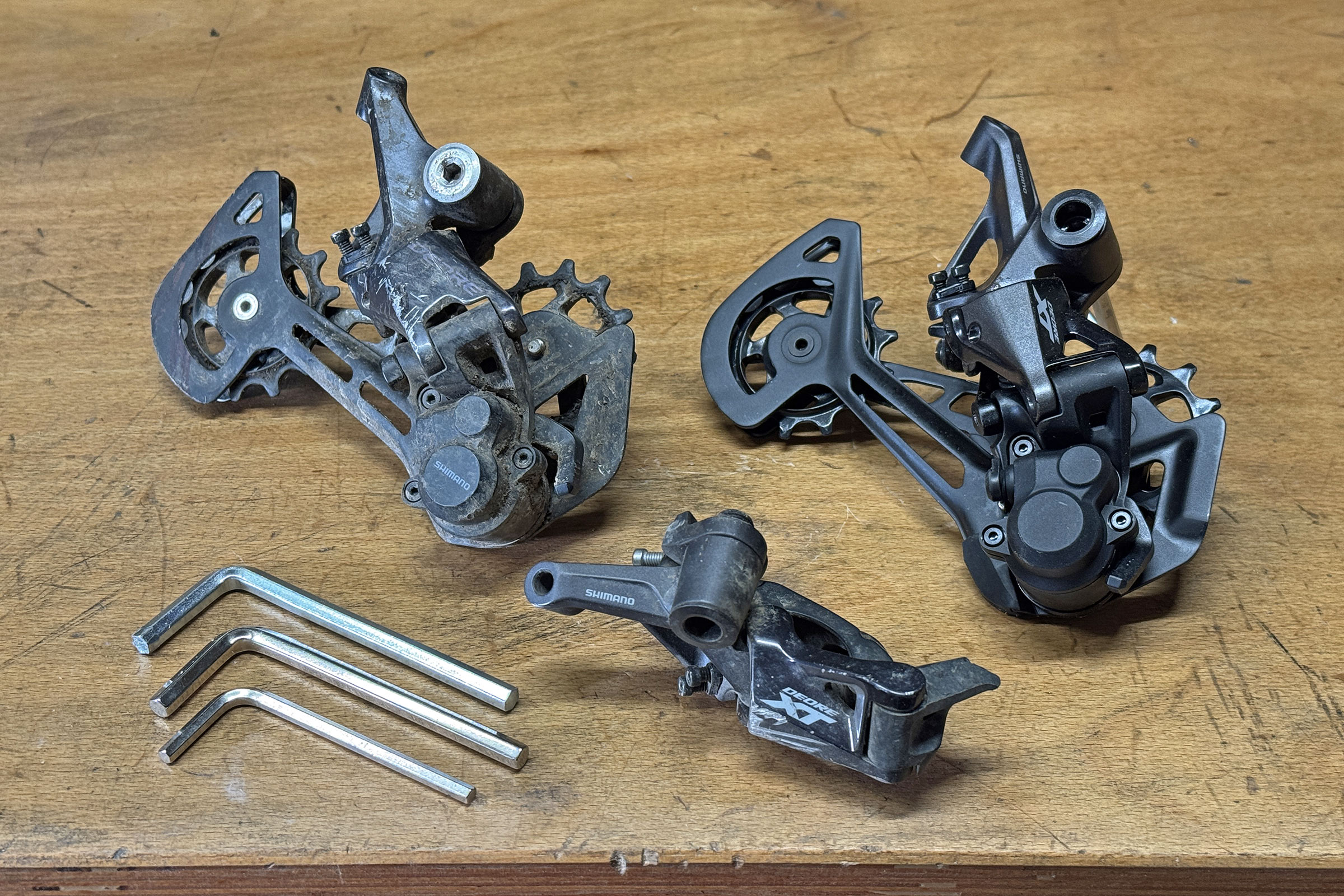
When I broke an XT M8100 12-speed mechanical derailleur on a rock last summer, it only cost me 50€ in a bikepark bike shop to replace it with a perfectly functional Deore M5100 mechanical derailleur. Back home, the original XT derailleur replacement officially retailed for 135€, but I could find it online for nearly half that price. Now I have a spare.
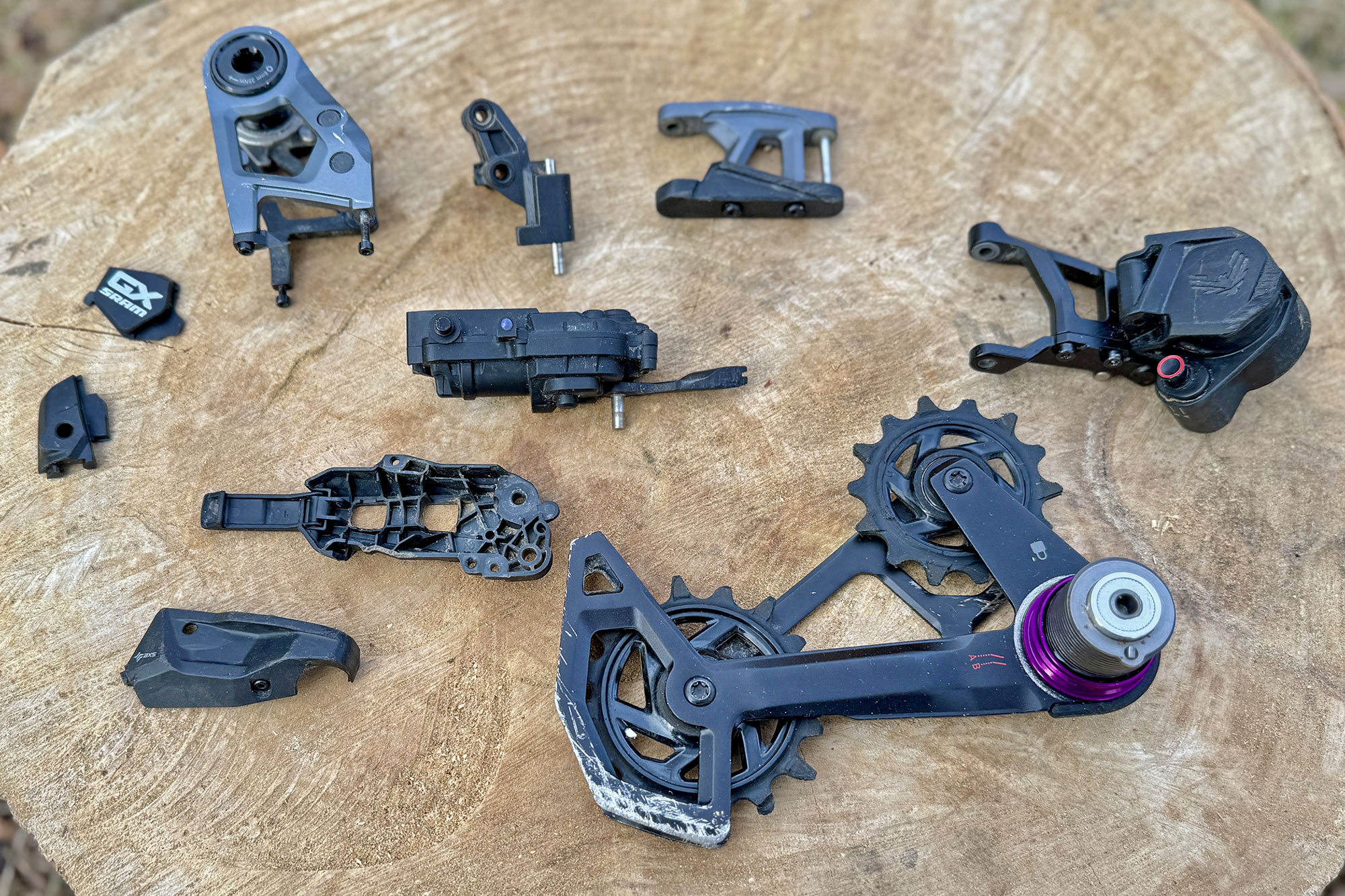
At the same time, when my GX AXS T-type derailleur started mysteriously running out of battery, I couldn’t even diagnose what was wrong. Ultimately, I had broken a part of the un-serviceable electronic shifting core in an impact that I don’t even remember. Only it took a couple weeks to properly diagnose what was even happening. That then meant buying a new derailleur for 475€ just to get riding again. And that’s the cheapest wireless T-type derailleur that SRAM sells (and doesn’t even include a battery!) Sure, I could find one online for as little as 330€, but no deals like that in a shop to get me riding again on the spot.
#facepalm
Lasting pleas
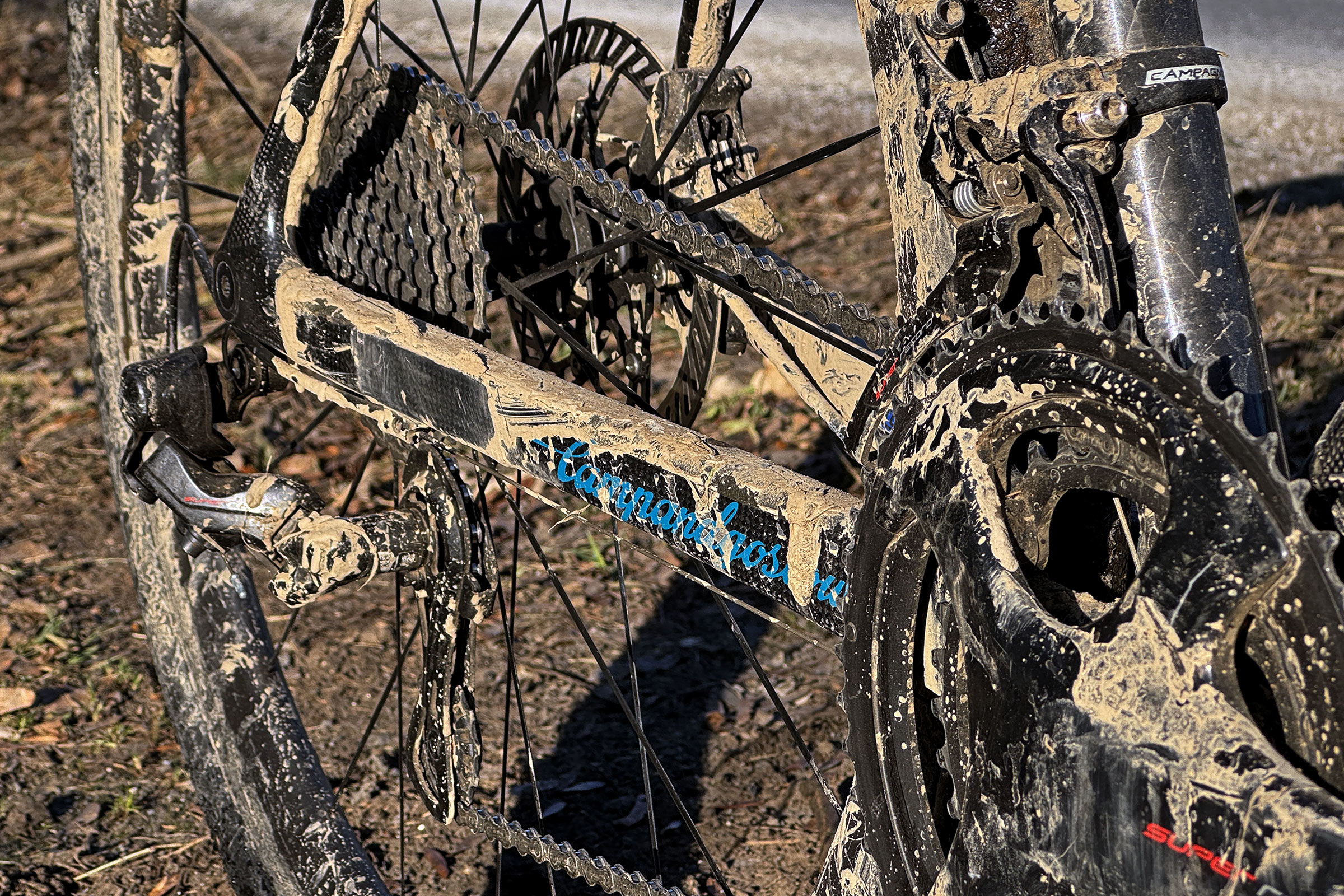
Yes, wireless electronic drivetrains are cool. And your cockpit will be a tiny bit cleaner with one fewer cable.
Yes, you’ll never have to dial-adjust tune the derailleur as your cables stretch, or replace shifter cables & housing every year or two.
And yes, building up a new bike is so incredibly easy when all you have to do is pair a wireless shifter and derailleur together.
So, I’ll just end all of this with a Dear Bike Industry request…

Please Shimano, keep making XTR M9100 & XT M8100 mechanical derailleurs. And I know we are limited to 105 on the road now, but could you please at least give us Ultegra mechanical? And yeah, don’t abandon mechanical GRX.
Please SRAM, keep the Eagle mechanical family going strong. Maybe even give us an option with a lighter carbon cage or some other weight savings? I’m thinking Eagle 100 or 110 sounds nice! (I guess we mechanical-loving weight weenies can probably already piece that together on our own with a replacement XX SL Cage Assembly.) SRAM, remember when mechanical Red was your lightest-ever road groupset? You could totally do that again!
And dear Campy, thank you for Ekar. Don’t abandon that lightweight mechanical simplicity. And maybe please give me a new 13-speed mechanical road groupset compatible with those newest SR13 cassettes. It doesn’t need to be Super Record. We’d all be very happy with ‘just’ Record. But remember how light mechanical can be!

/rant


