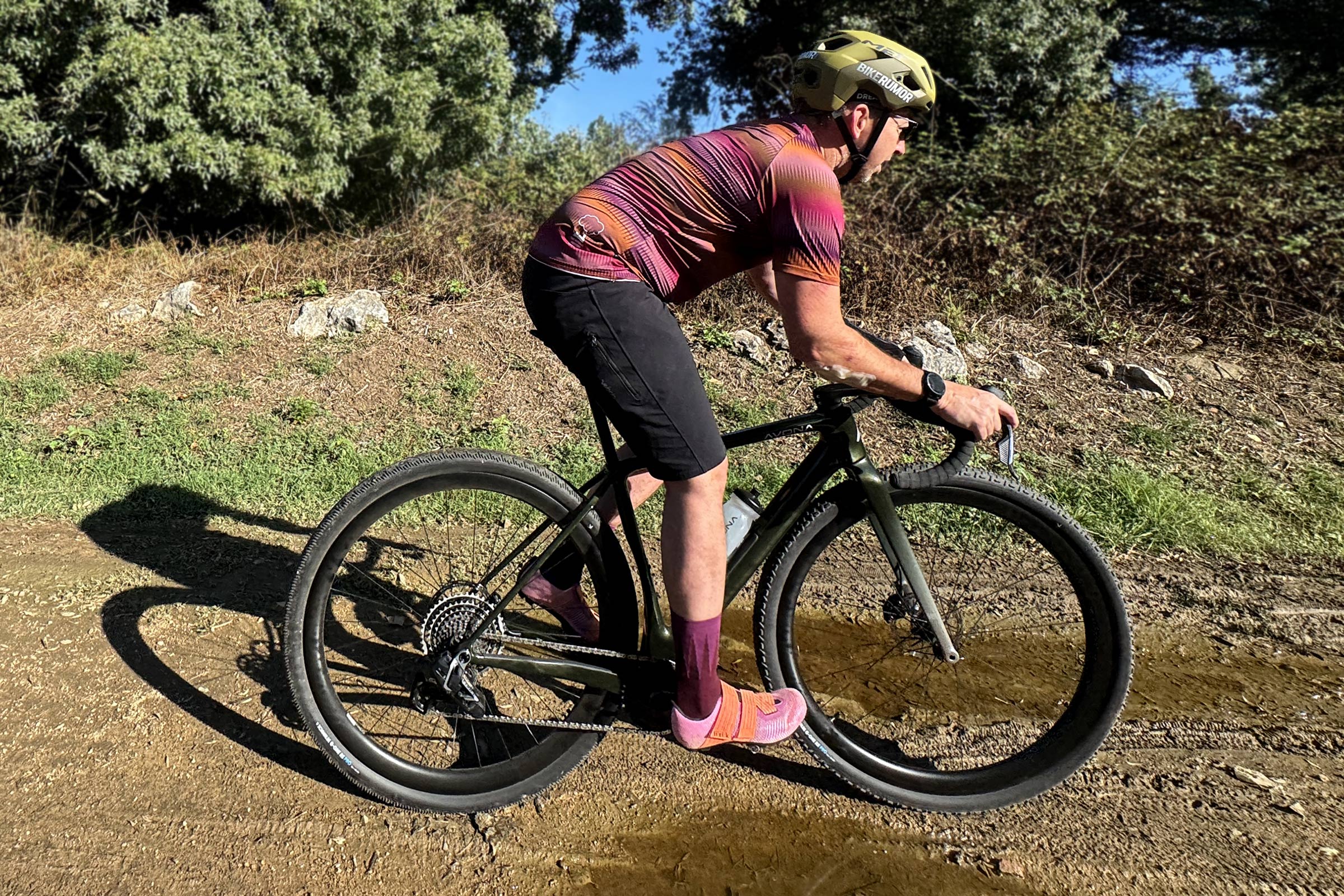


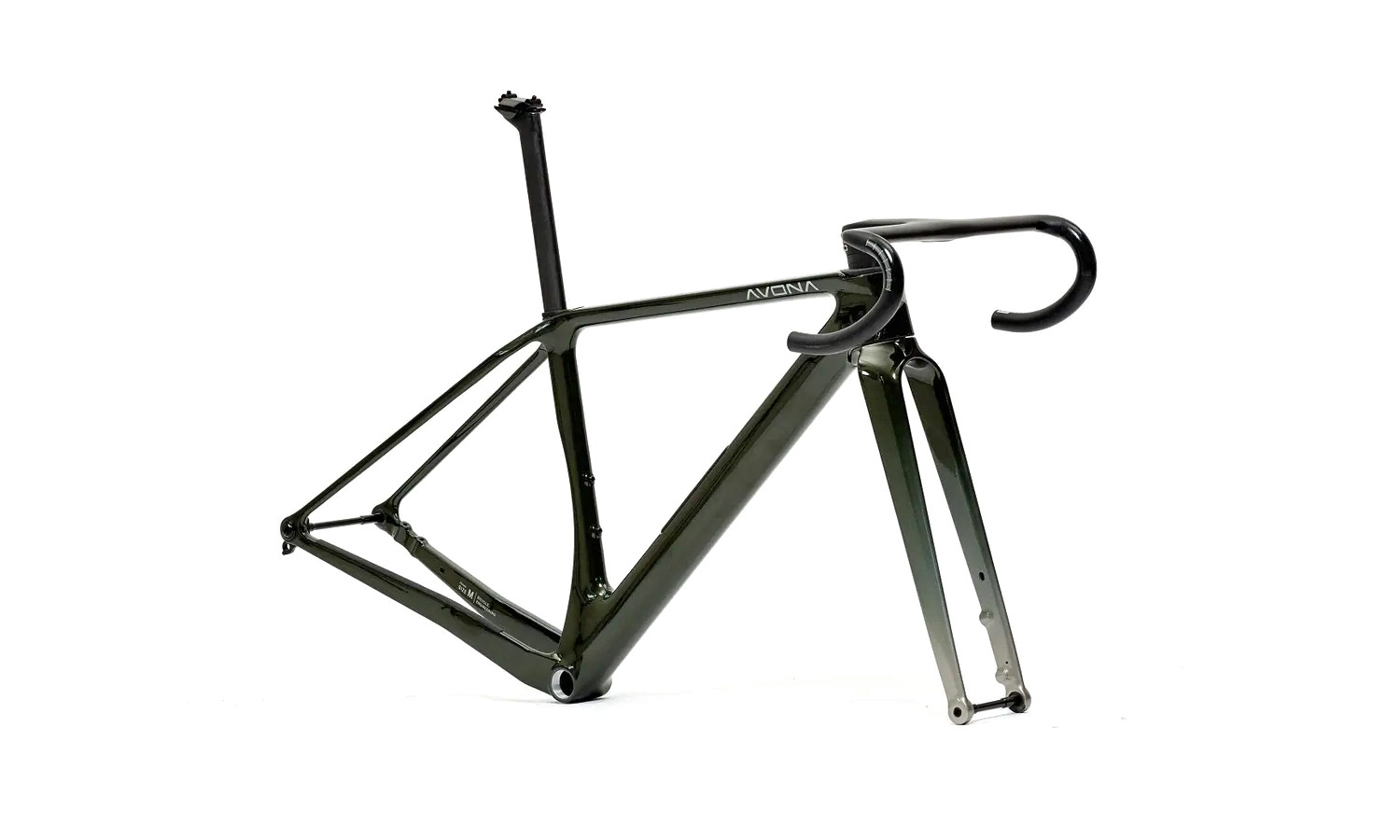
Just a couple of weeks ago, we got a sneak peek at this all-new Avona Callis 32″ gravel race bike at Sea Otter Europe, where it was ridden to a UCI World Series race win. About the same time, I was also able to throw a leg over a stock, consumer-friendly spec, then head out of Girona’s city center for a couple of quick rides over two days. And now, it is available to buy, making this the first proper production carbon gravel bike to market on 32″ wheels.
Let’s break down the details. What’s new, how it rides, and how you can get your own 32″ carbon gravel race bike now…
Avona Callis 32 is the first 32″ gravel race bike you can buy
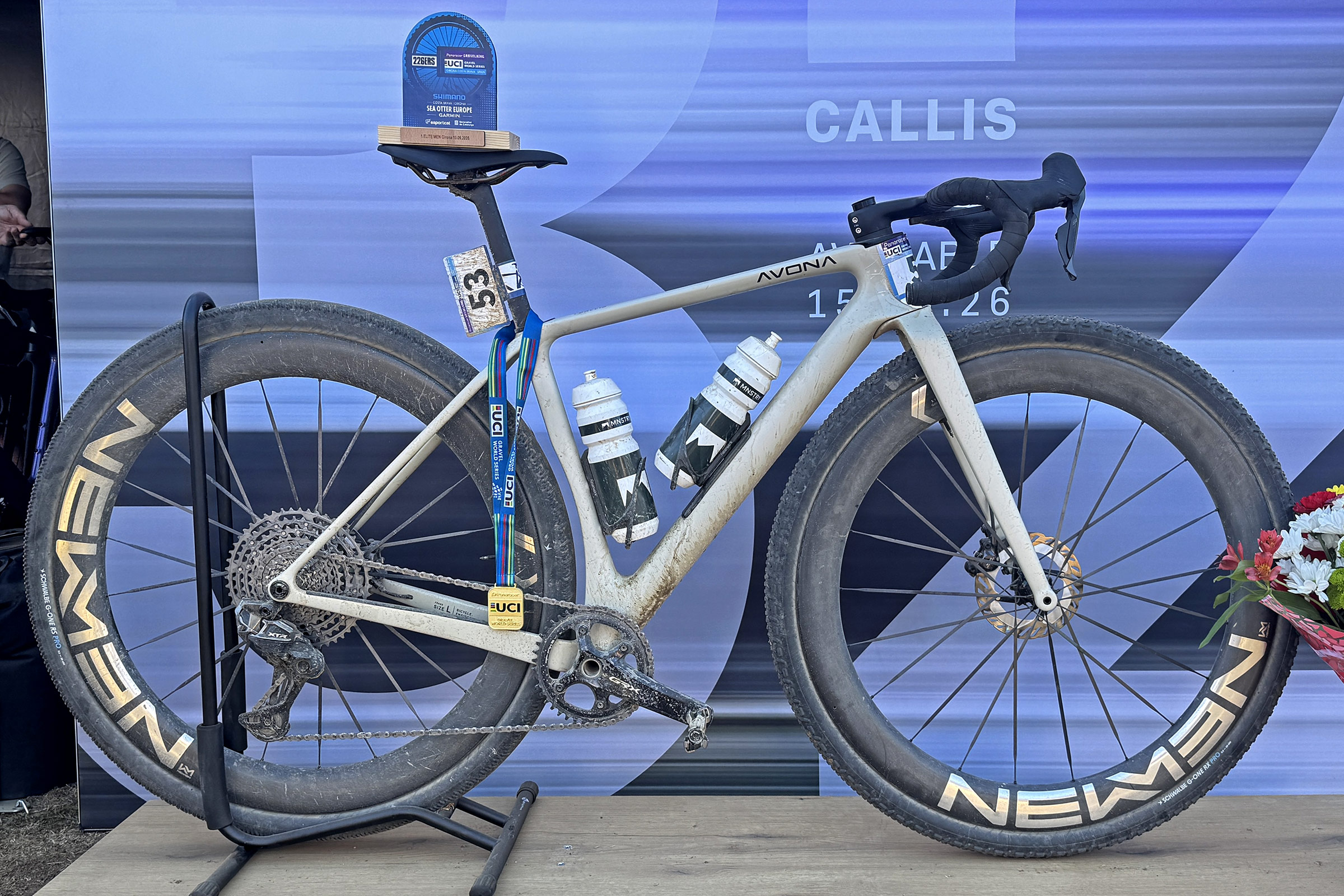
We all knew 32″ gravel bikes were coming. They’ve been popping up all year, winning pro gravel races. Then, back in Girona, Avona made it clear that the big Callis 32 gravel bike would go on sale on October 15th. So, now we have the full details.
From a starting point, the Avona Callis 32 follows the same ethos of the original Callis they debuted just last year. Avona aims to develop high-performance bikes for everyday riders. And even though this bike was ridden to a pro-level gravel win, it was created for all gravel riders looking to go fast.
Now, much of the tech in the new bike is the same as the 700c/29″ wheeled Callis gravel bike that I rode last year. But Avona didn’t simply scale it up and slap bigger wheels on the Callis 32. Instead, they describe their bike development process more as being ‘holistic’. In fact, they too were a bit skeptical of the jump to 32″ at first, so it was digging into all of the data that convinced them to push on.
Holistic bike development was ideally suited for the shift to 32″ wheels
To Avona, holistic design means, instead of just making a bike to be aerodynamic or lightweight or to fit bigger tires & wheels, they strive to look at all performance characteristics and even component specs together.
Aero gains are great, until the point they make a bike too stiff to ride for several hours. Light bikes are nice for big mountain days, but have less of an impact if your climbing is limited. And wider tires and bigger diameter wheels can boost comfort, control, and even lower rolling resistance, as long as they don’t become heavy, sluggish, or unintentionally introduce extra drag.
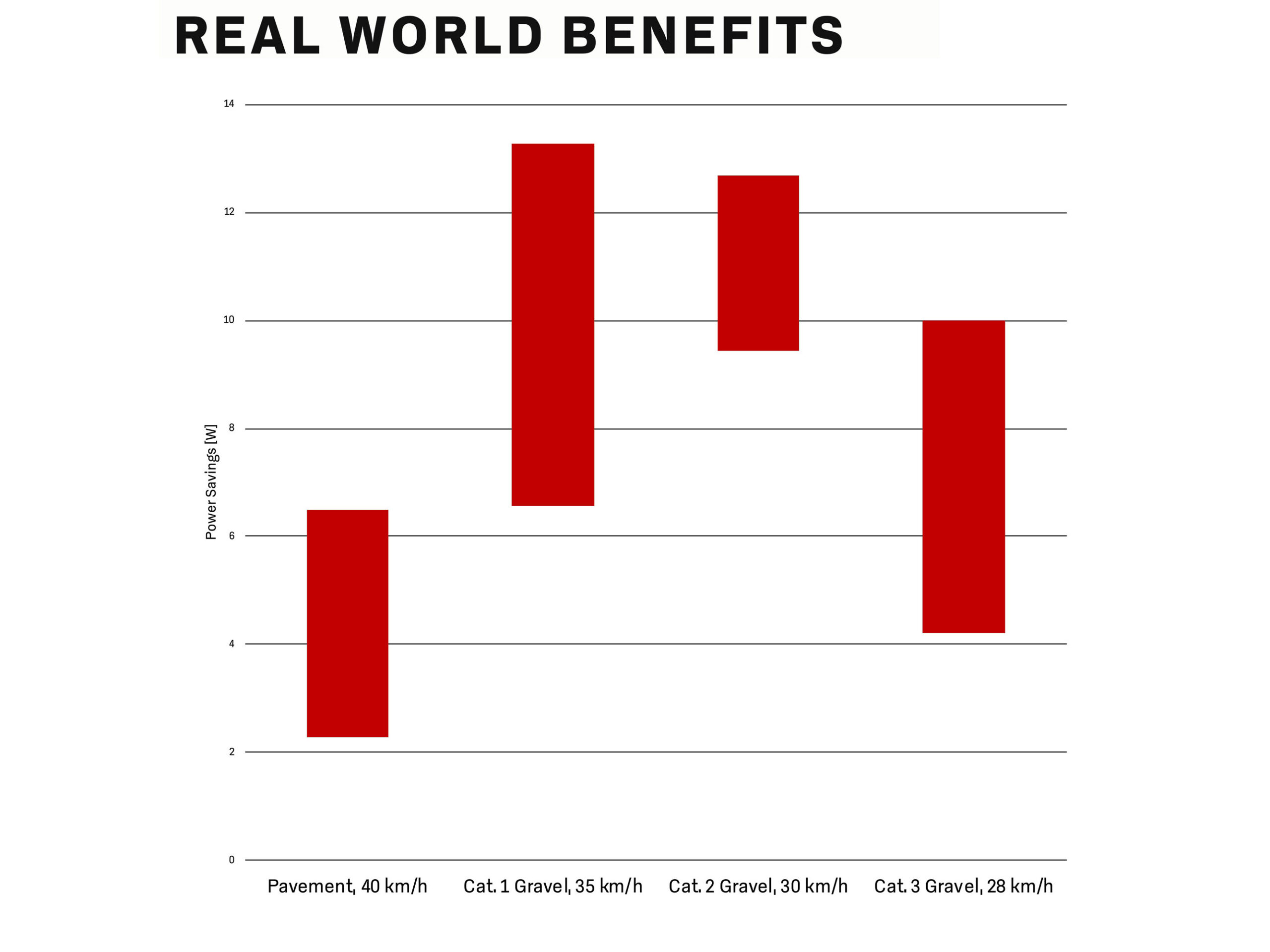
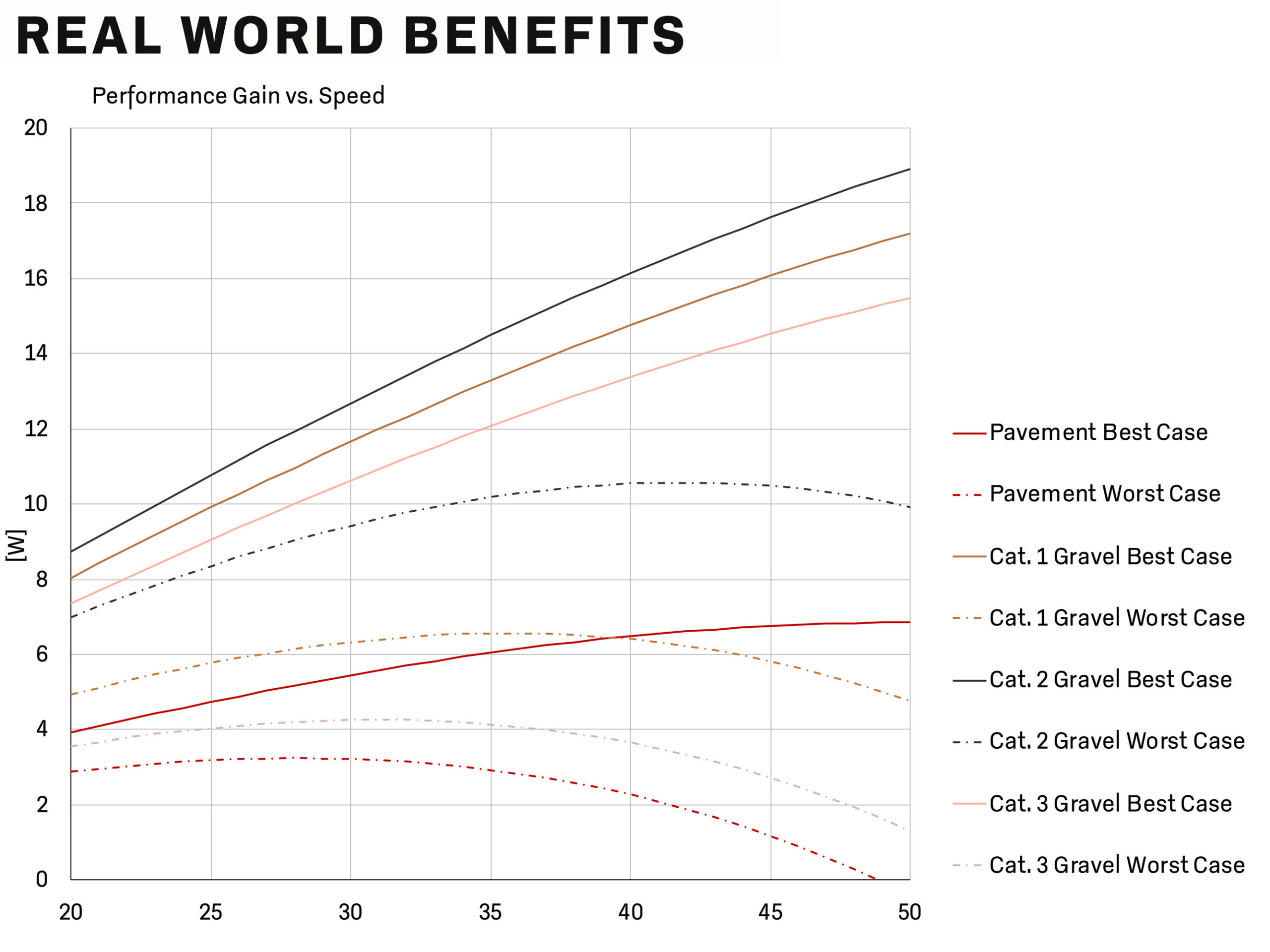
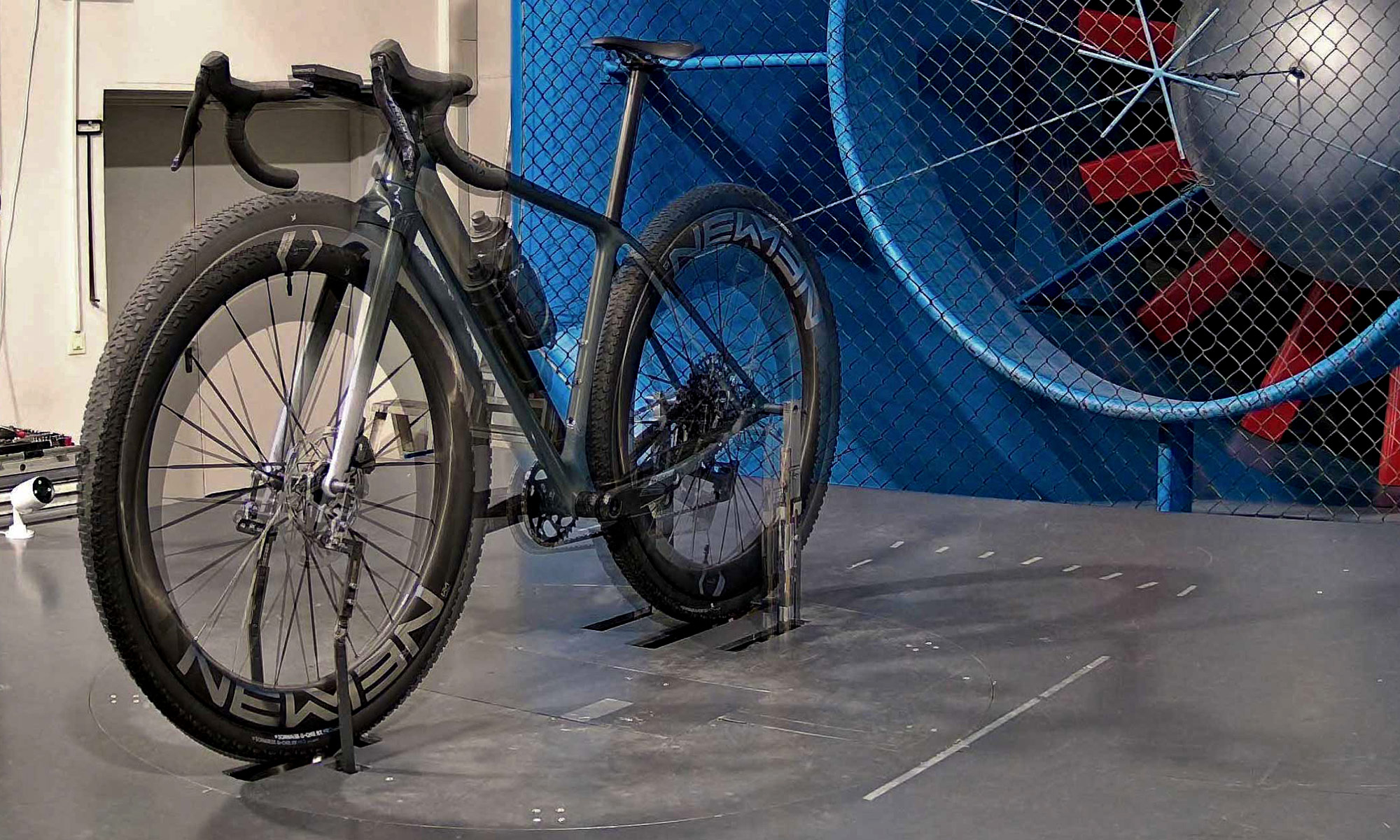
When considering the jump to 32″ wheels for gravel, Avona first pooled available data, and realized 32″ rolling resistance gains would probably outweigh any aerodynamic losses. So once they had a design and could prototype, they built up identical 700c & 32″ bikes and ran a Virtual Elevation Method rolling resistance simulation on a real-world, out-and-back section of rough gravel track to determine how much energy the bigger wheels could save by smoothing those bumps out. Their findings showed that switching to the bigger wheels saves 11.7W in rolling resistance at 35kph. Then, in the wind tunnel, the aero drag would only add an extra 1-3W penalty.
(Avona share a Whitepaper of their data analysis for those that like to nerd out on the numbers. Plus, there’s also a deep look at Avona’s 32″ pros & cons that led to the development of the Callis 32 in the first place.)
OK, so what all is new?
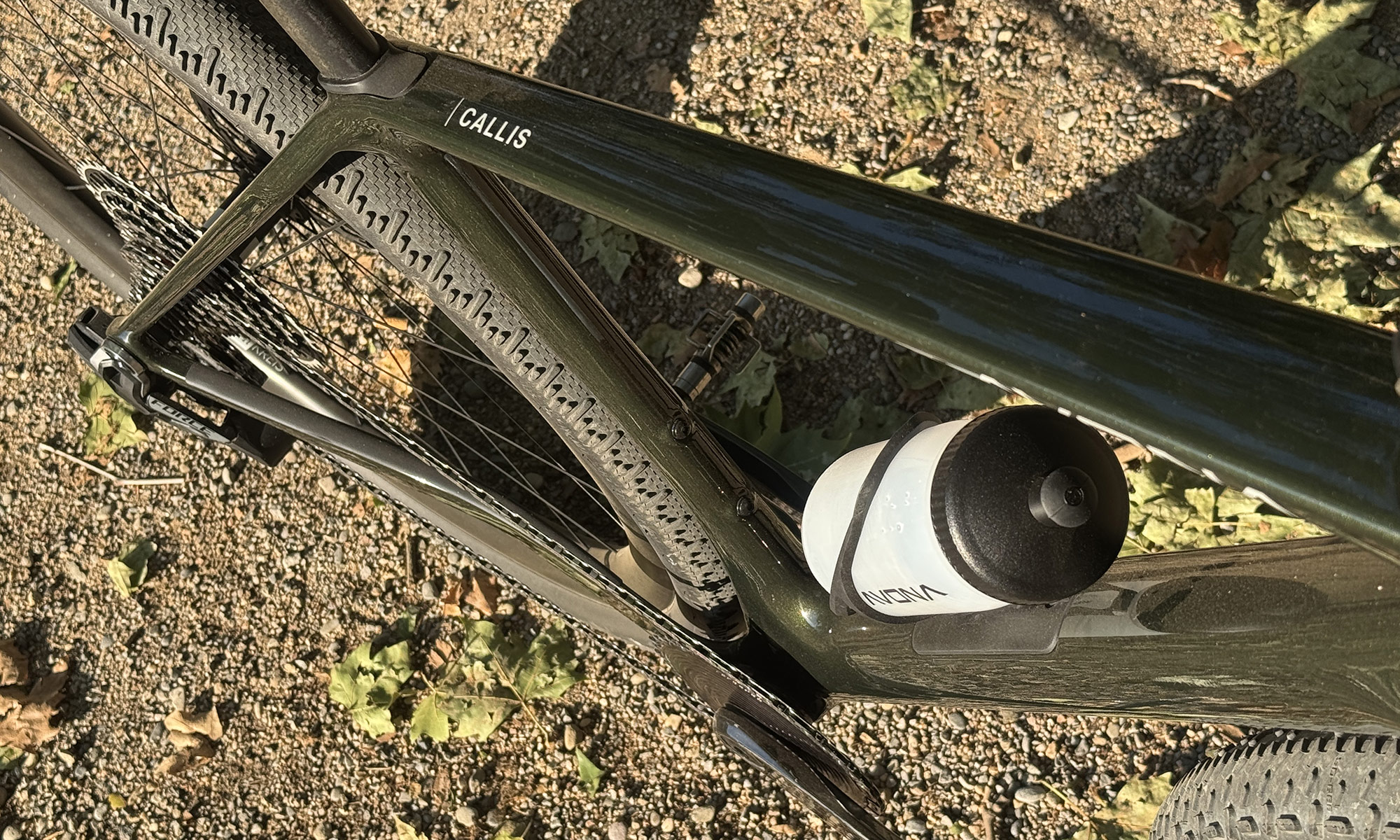
Back in Girona, I was able to suss out pretty much all the technical similarities with its smaller 700c sibling.
But really, a lot of what makes this new 32″ gravel bike work is Avona’s attention to refining agile big-wheel geometry. They worked hard on refining the big bike’s geometry – and making sure to develop light & responsive 32″ wheels for it – to be sure to create a proper gravel race bike without compromise on the bigger wheels.
Let’s talk 32″ gravel race-tuned geometry
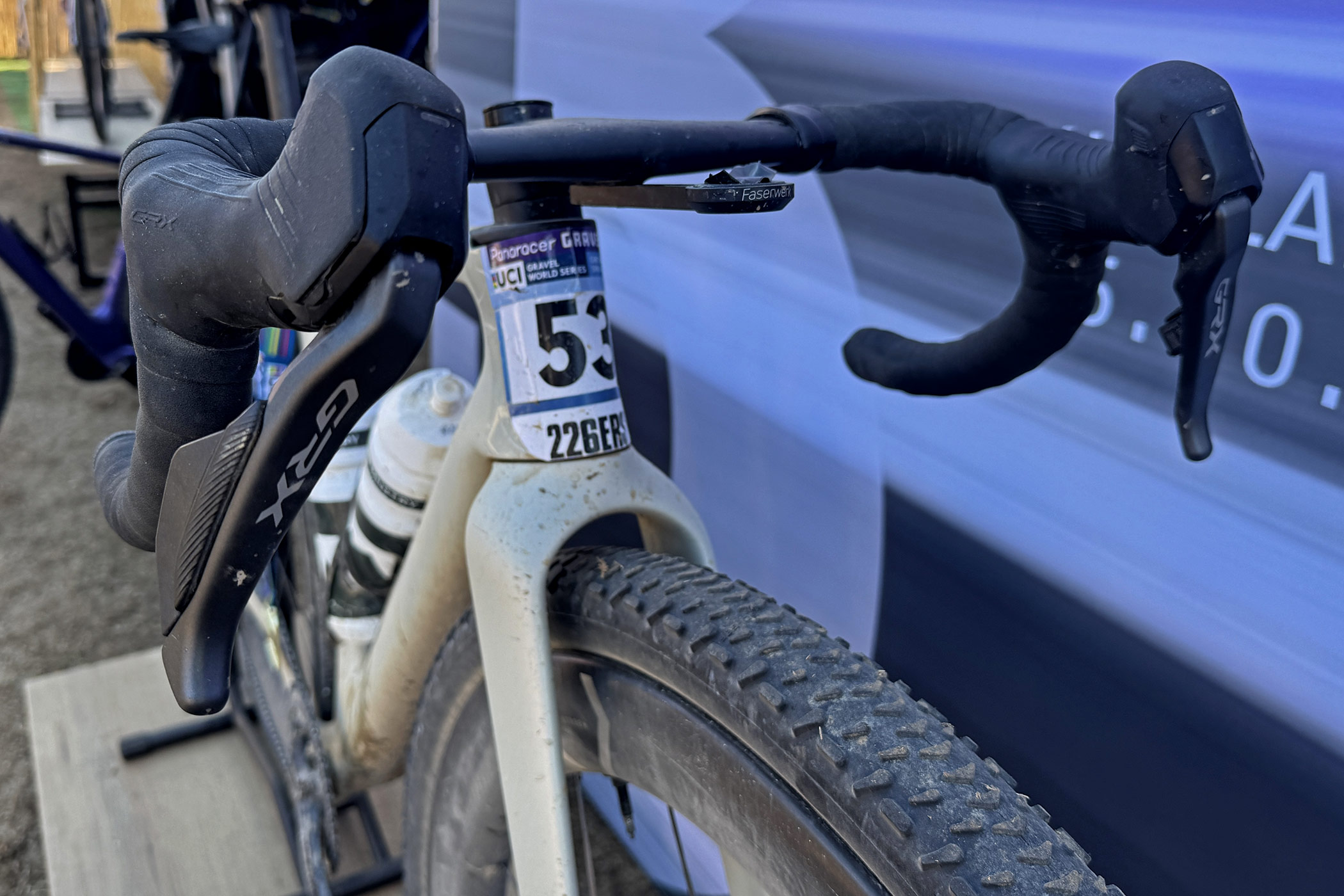
So, contrary to the recent trend of making gravel bikes slacker to go faster off road, the Callis 32 has decidedly steep angles – a 70° headtube and 74° effective seattube angle. Of course to fit that big wheel in front of you with acceptable toe overlap, frame reach is a bit longer, although the 398mm of my size Large test bike wasn’t extreme. Then, it was a relatively long 60mm fork offset that kept fork Trail in check.
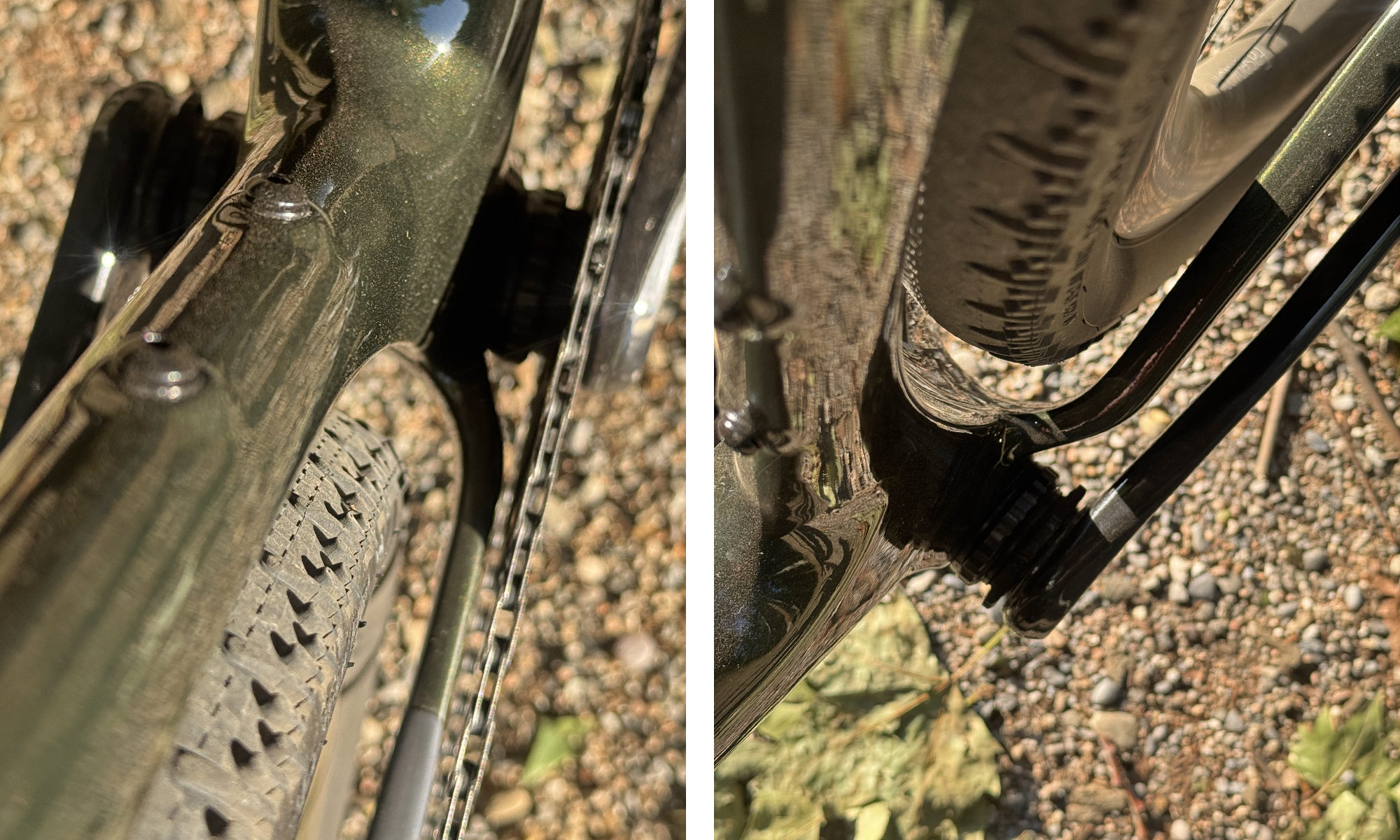
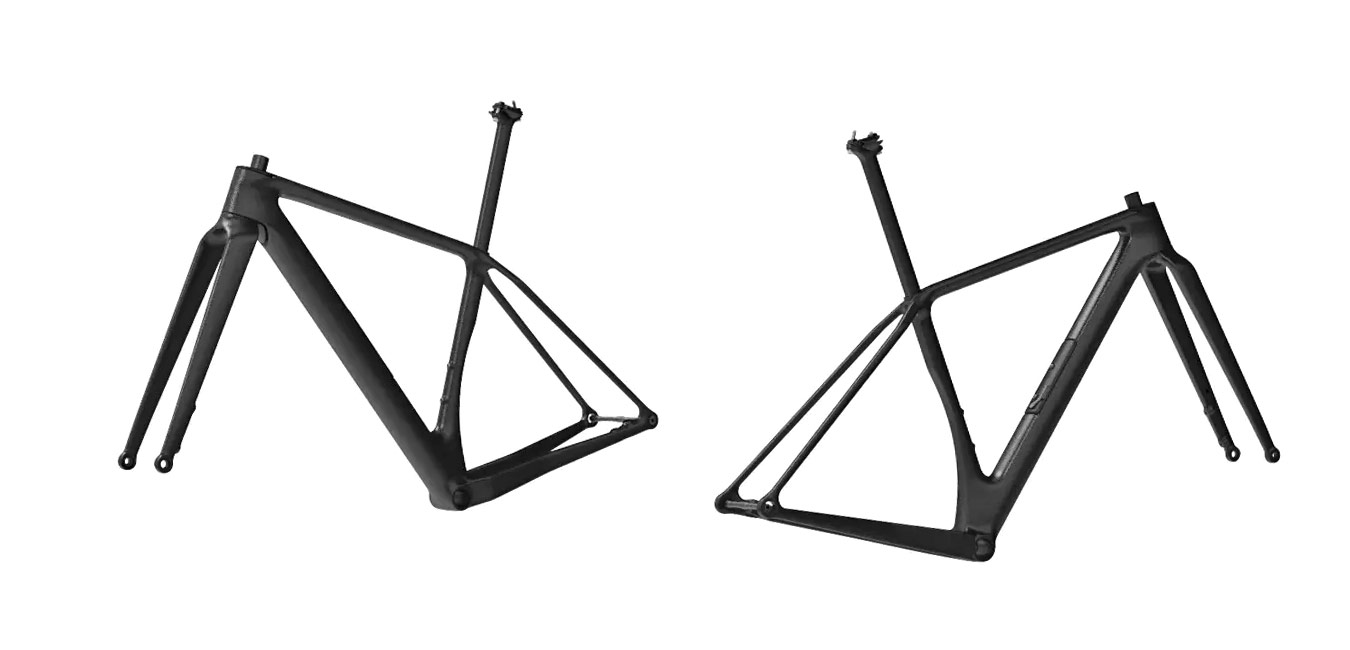
And Avona still managed to keep chainstay length surprisingly short at just 440mm thanks to a dramatically curved seattube, super thin chainstays, and 1x only compatibility.
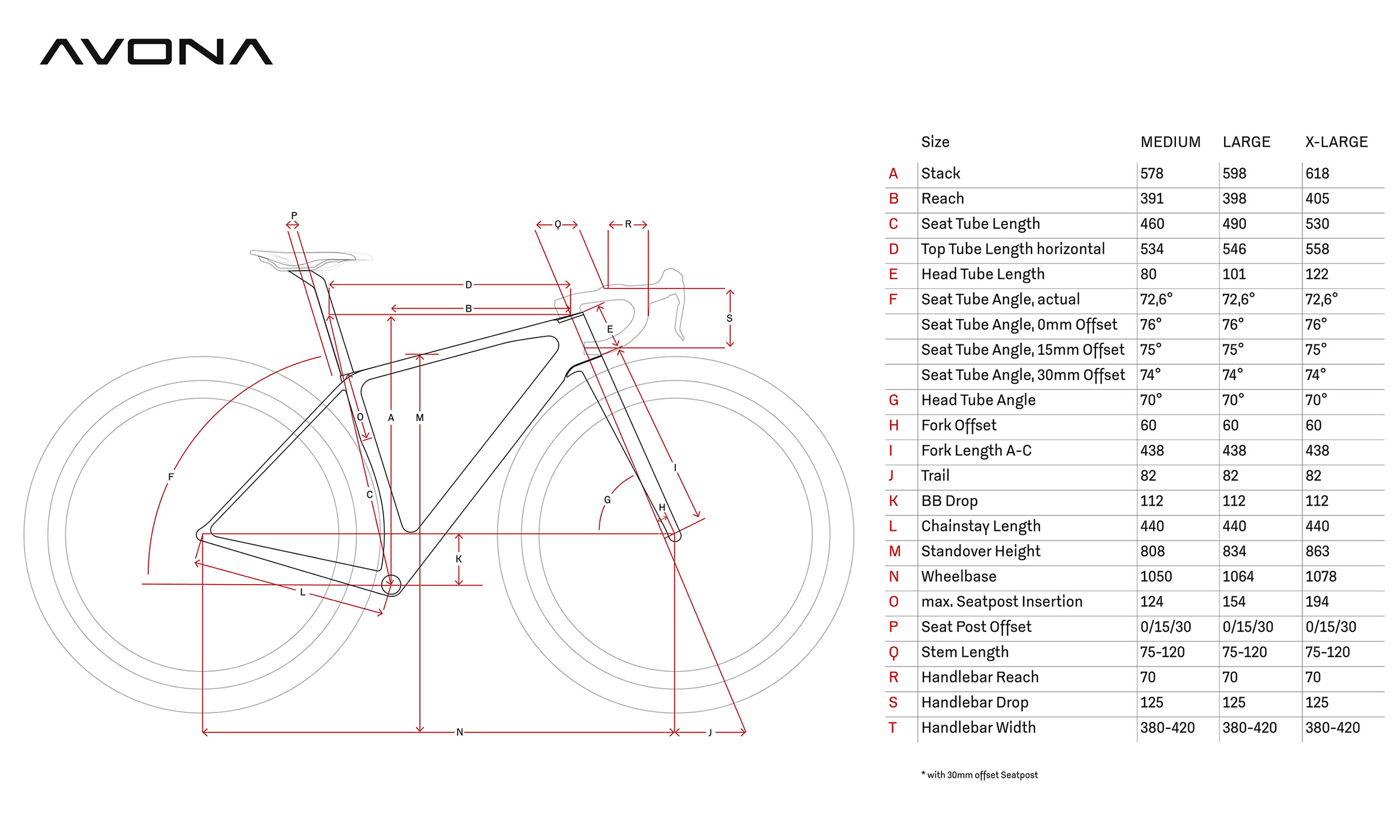
Avona admits that they couldn’t really build a 32″ gravel bike smaller than a size Medium frame without compromising handling, so they didn’t. The Callis 32 comes in just three sizes: M-XL. But since they started with a 30mm offset seatpost and conventional stem lengths, there is still quite a bit of room for adjustment to fit smaller riders. I saw a rider less than 165cm tall test the size M with a 0mm offset post and a slammed 75mm stem, and both her and I were surprised with how well it fit, and how well the bike handled.
It clear that getting bigger riders on 32″ bikes is always going to make the most sense. But Avona’s sharp handling and tight clearances approach proves smaller riders have a chance, too.
Tech details
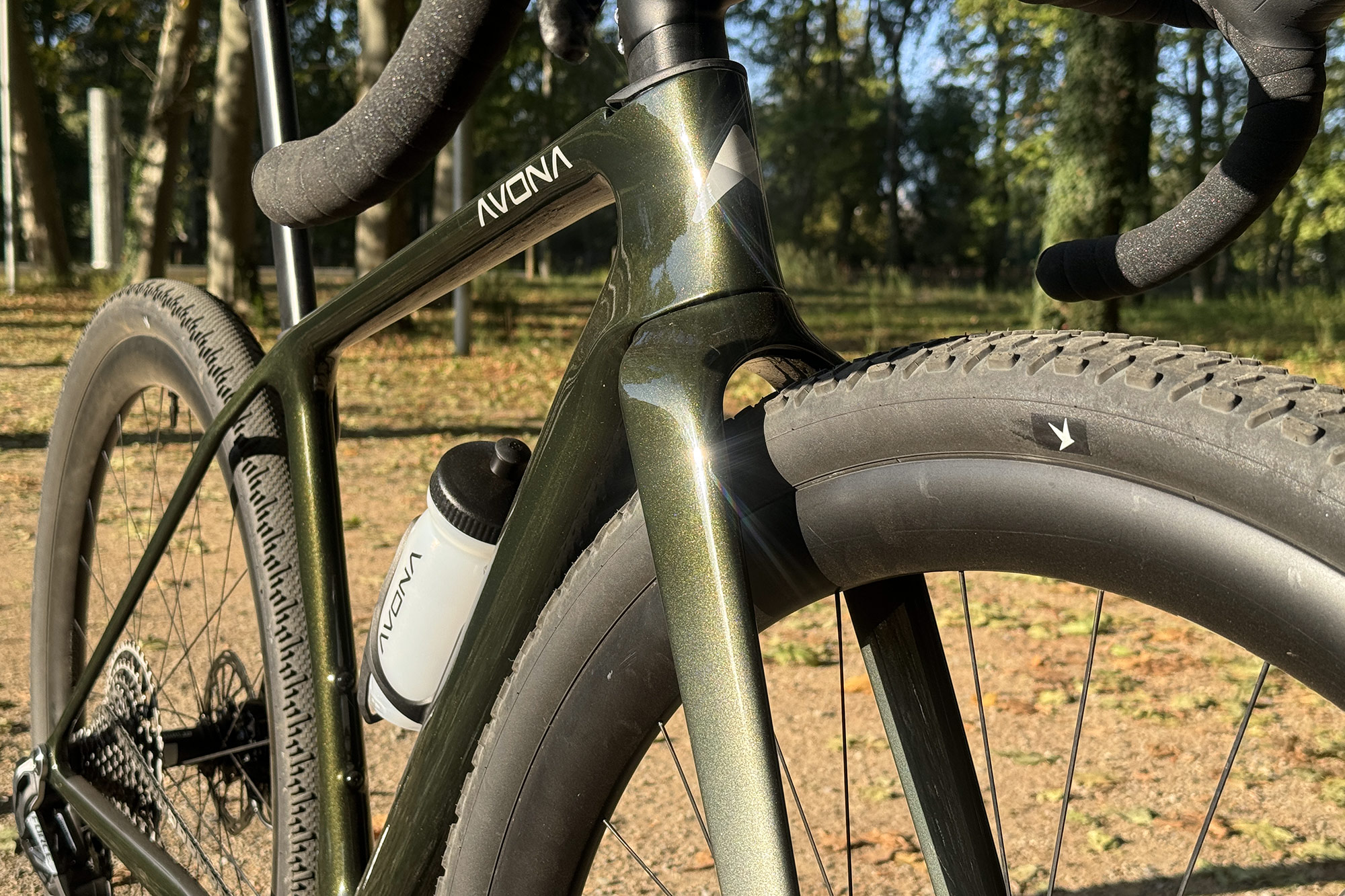
Beyond the big wheels and properly tuned geometry, the Avona includes a lot of other lightweight gravel race bike technologies.
- lightweight carbon frame
- internal frame storage & mounts to fit 2 full-size water bottles
- 55mm max tire, with 6mm clearance (not enough for the 2.4″ Aspens on adventure focused 32″ bikes, but yes to the 2.15″ Aspen ST)
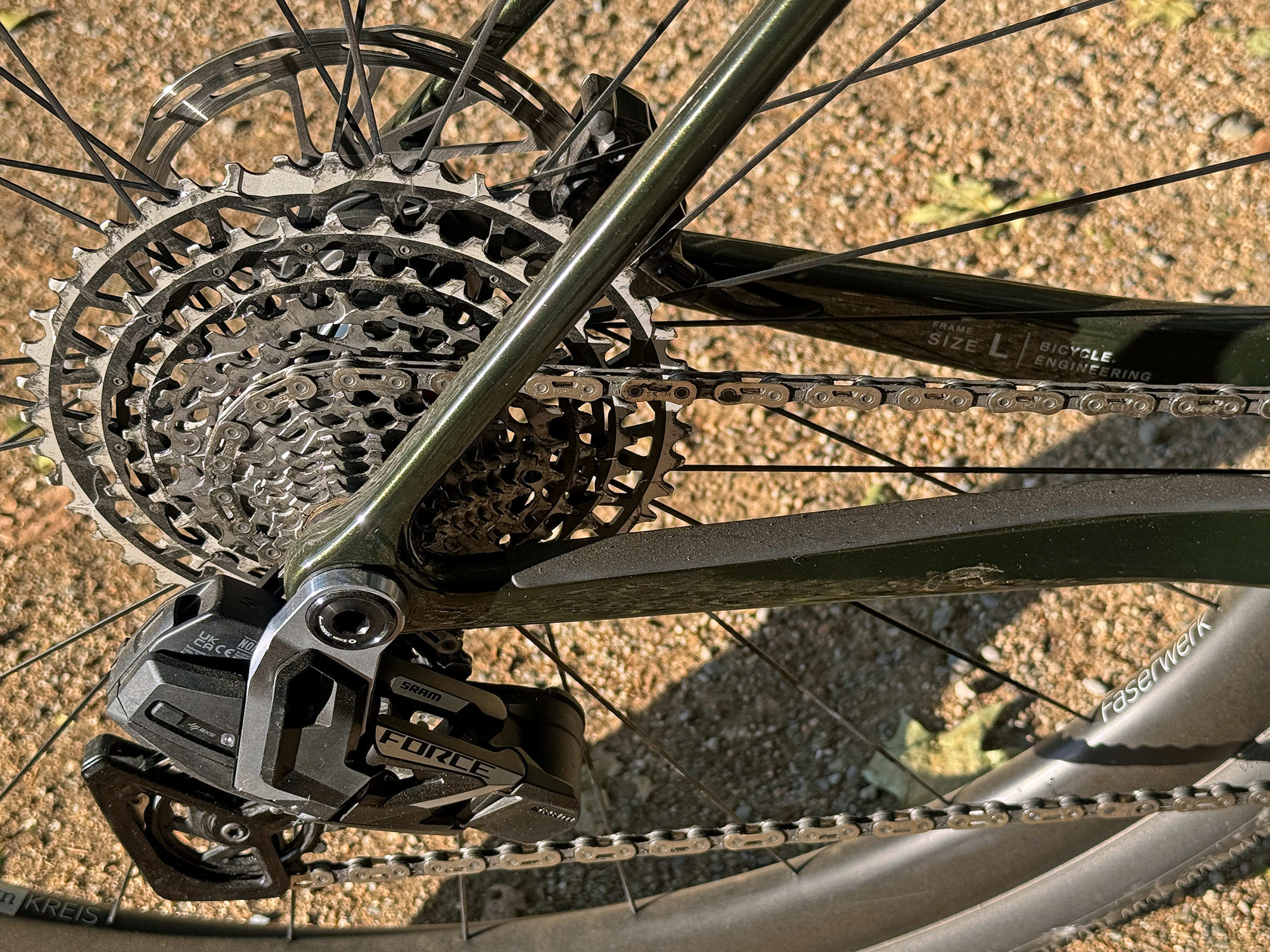
- 1x and electronic shift only; max 50T chainring
- Boost chainline, Boost rear axle spacing (12x148mm) & Road Boost front (12x110mm)
- UDH
- threaded BSA bottom bracket
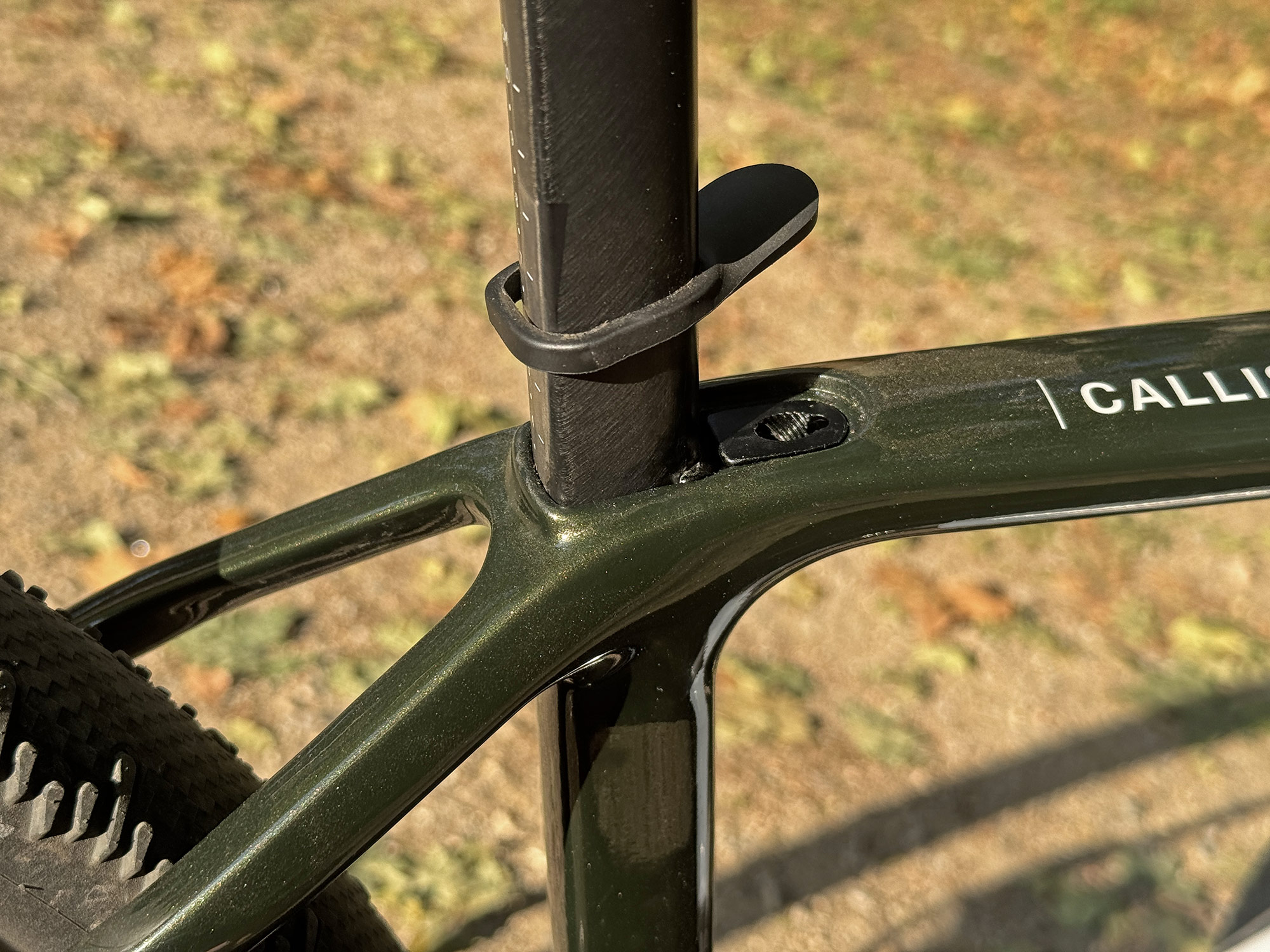
- proprietary D-shaped aero seatpost with hidden wedge-style clamp
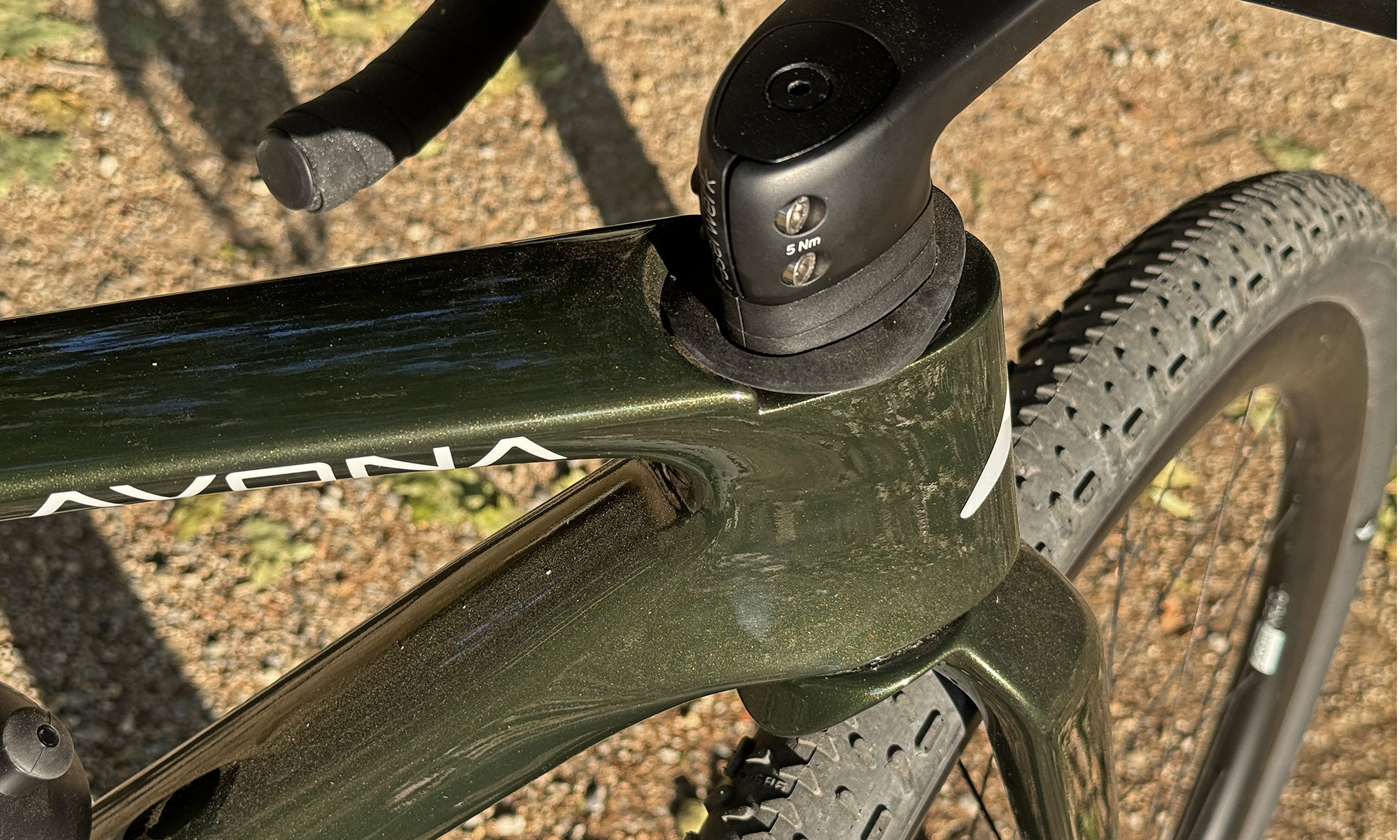
- fully integrated cable routing through the ‘sealed’ headset
- FM160 flat mount rear brake (160 or 180mm rotors)
- 898g claimed frame weight (size M painted, but without any hardware like the storage door, seatpost clamp, axle, or hanger)
- 409g claimed fork weight, painted & uncut
OK, so how does it ride?
Fit & First Impressions
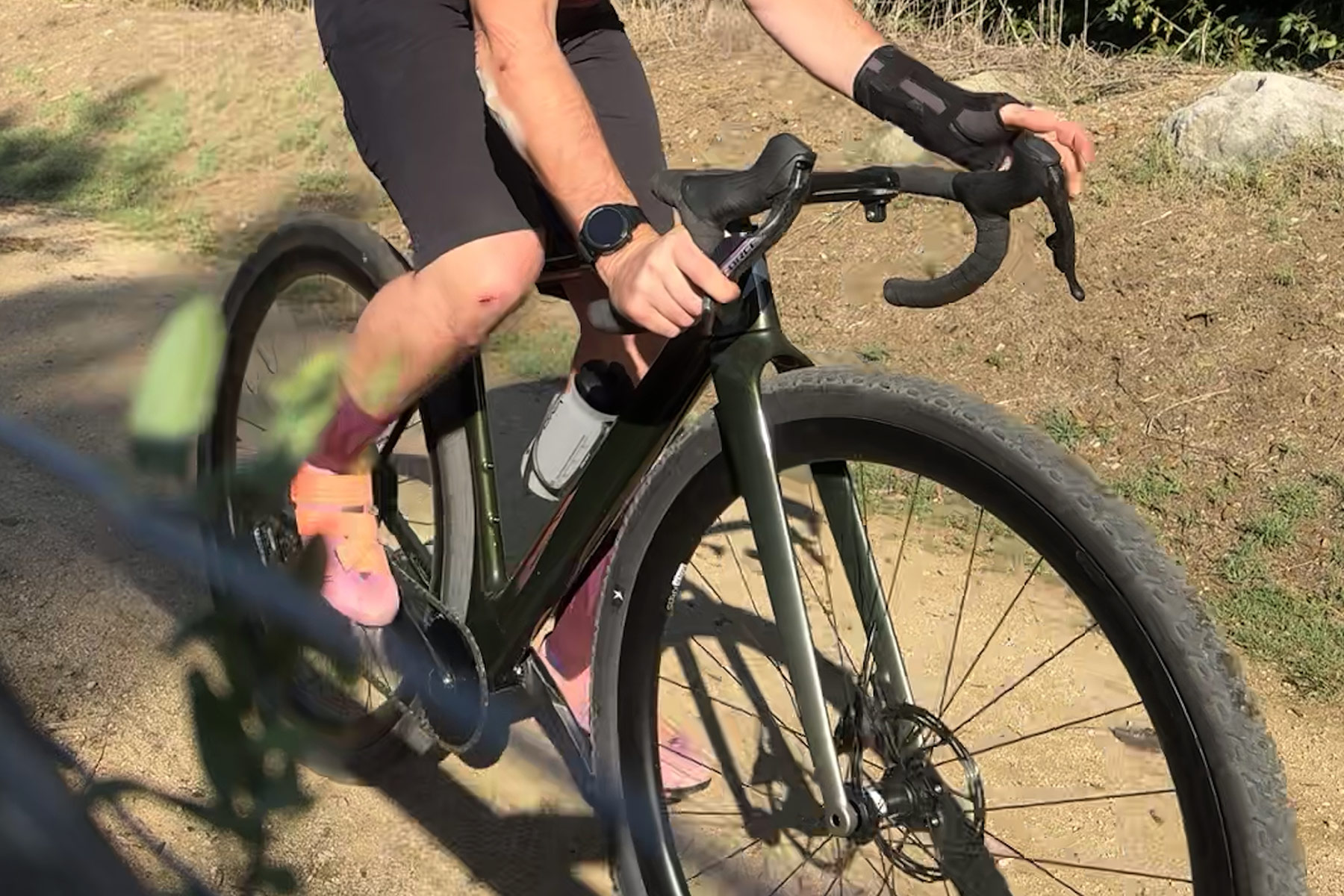
At 185cm tall (+/-6’1″), it’s not really a stretch to fit me on bigger wheels (like on the 750D Jumbo). Avona has me on a Large with a middle-of-the-road fit – stem & seatpost wise. But still, about half of the 32″ bikes I have ridden so far (~75% being mountain bikes) could be described as muted, if not specifically sluggish – even if ride data suggests most were actually quicker than comparable 29ers. So, I was cautiously optimistic to try out my first carbon 32″ bike, and the first real production 32″ gravel bike.
Even though I’m quite tall, I most often size down to a Medium on dropbar bikes. But even with that in mind, I didn’t feel stretched out on the Large Callis 32. The 398mm Reach isn’t much more than most L gravel bikes these days, and the 598mm Stack is actually lower than almost all other gravel bikes I’ve ridden this year. Chainstay length is even the same as a fast-feeling 700c gravel bike I’ve been riding lately, just 10-15mm longer than most other 700c gravel bikes I’ve been testing lately.
Out on gravel road & trail?
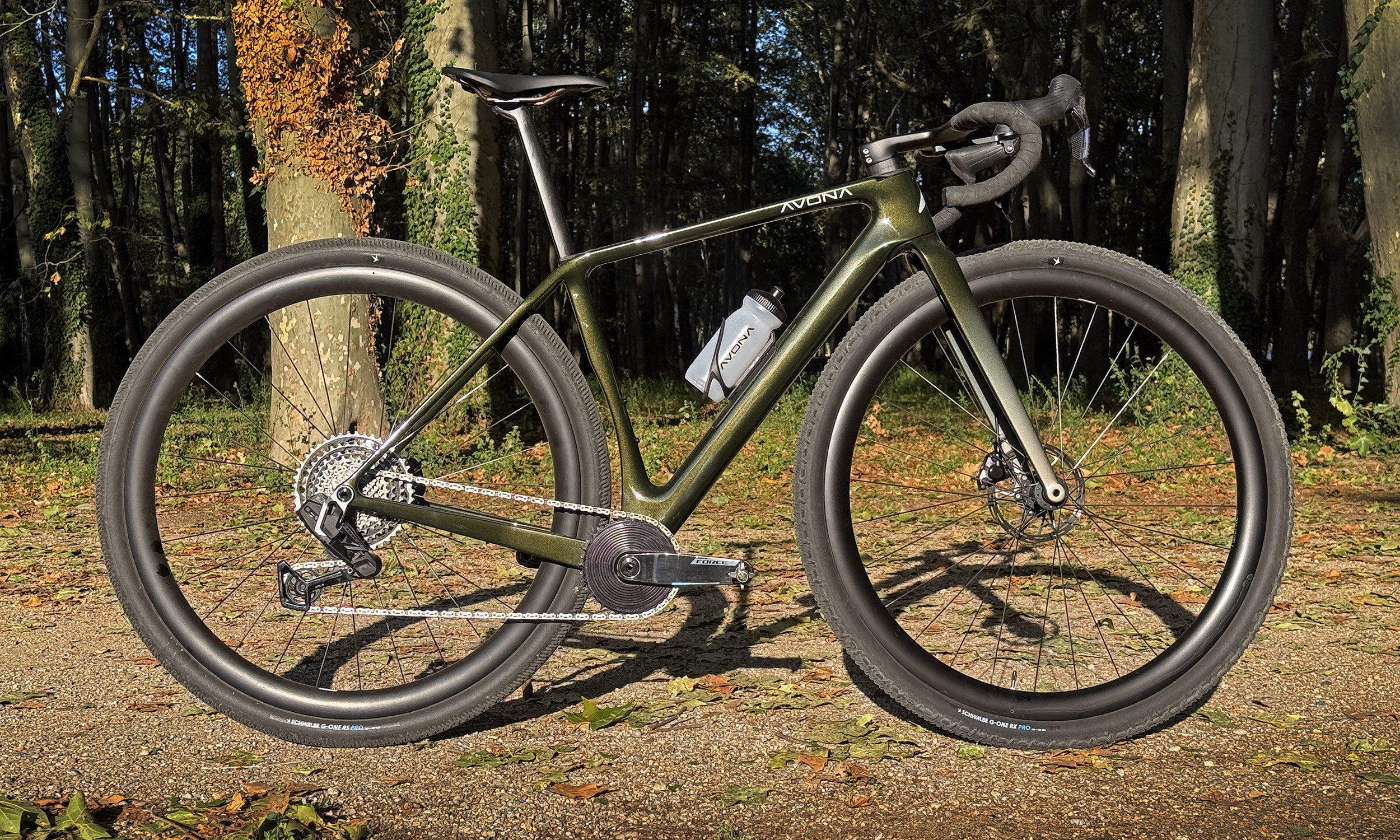
I had the chance to put in two different rides on the new 32″ Callis during my limited time with it. First, was a pretty chill late afternoon ride, mixing city tarmac and fast, smooth gravel roads. The second, a morning ride on a mix of gravel – Champagne hardpack, some choppy car-induced brake bumps & soft deep gravel outside of the center of Girona, plus a bit of bumpy singletrack along the river resulting from the remnants of muddy MTB ruts.
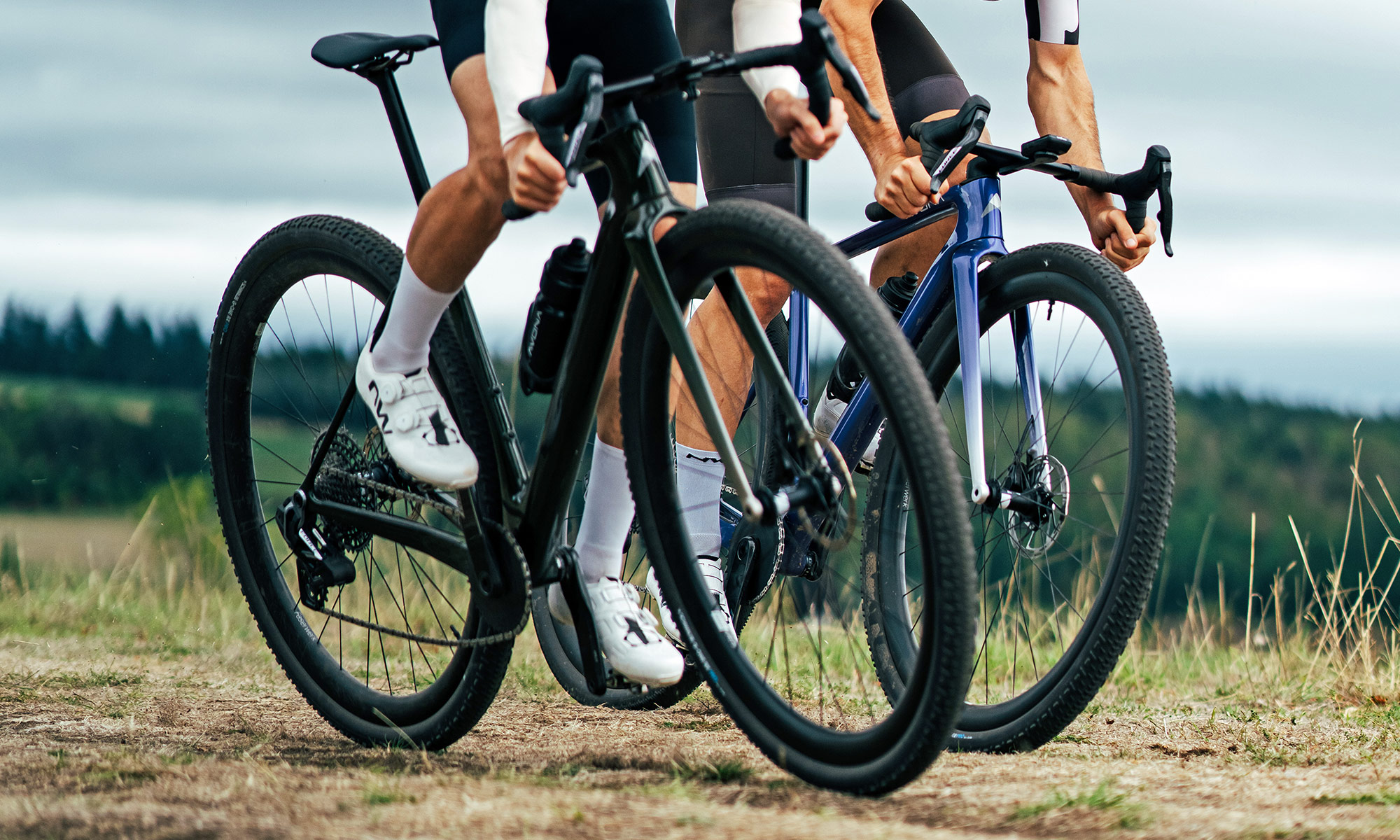
My immediate feeling on the road then hardpack was how effortlessly the bike was to ride quickly. I cruised along the streets, drafting roadies with seemingly no effort – even rolling on 50mm gravel tires. In the dirt, the wheels spun up quickly when I stomped on the pedals. And it required seemingly little effort to maintain speed.
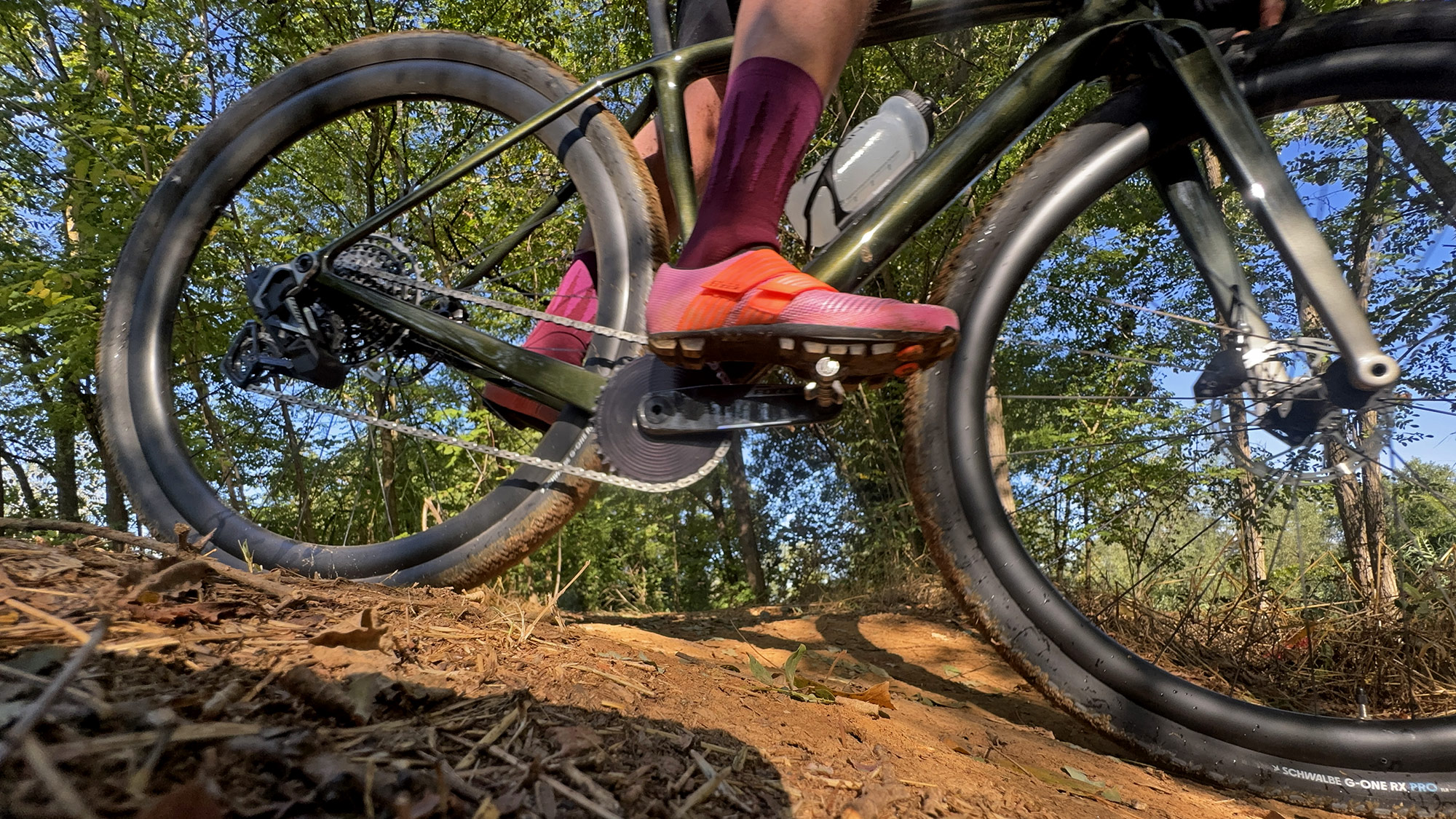
When riding gravel roads, I didn’t feel like it required any additional effort to change directions. But when I ended up on twisty singletrack, it did feel like I probably had to work a little harder through the turns. That feeling was a bit more exaggerated on tight ups and downs that robbed my momentum, where I could feel it took more effort to re-accelerate and tuck through low-speed turns at the same time.
But notably, I barely felt the brake bumps and just rolled over dried-out ruts & ridges. Maintaining speed on smooth tracks was nice. But the slightly rougher ones were where it felt like the bigger wheels and lower tire pressure (~5psi less than usual) really shone. And I think credit is due here for the Faserwerk wheels too, which thankfully didn’t feel overly stiff (an issue I personally notice with many deeper aero gravel race wheels).
Why does it feel so quick, even with bigger wheels?
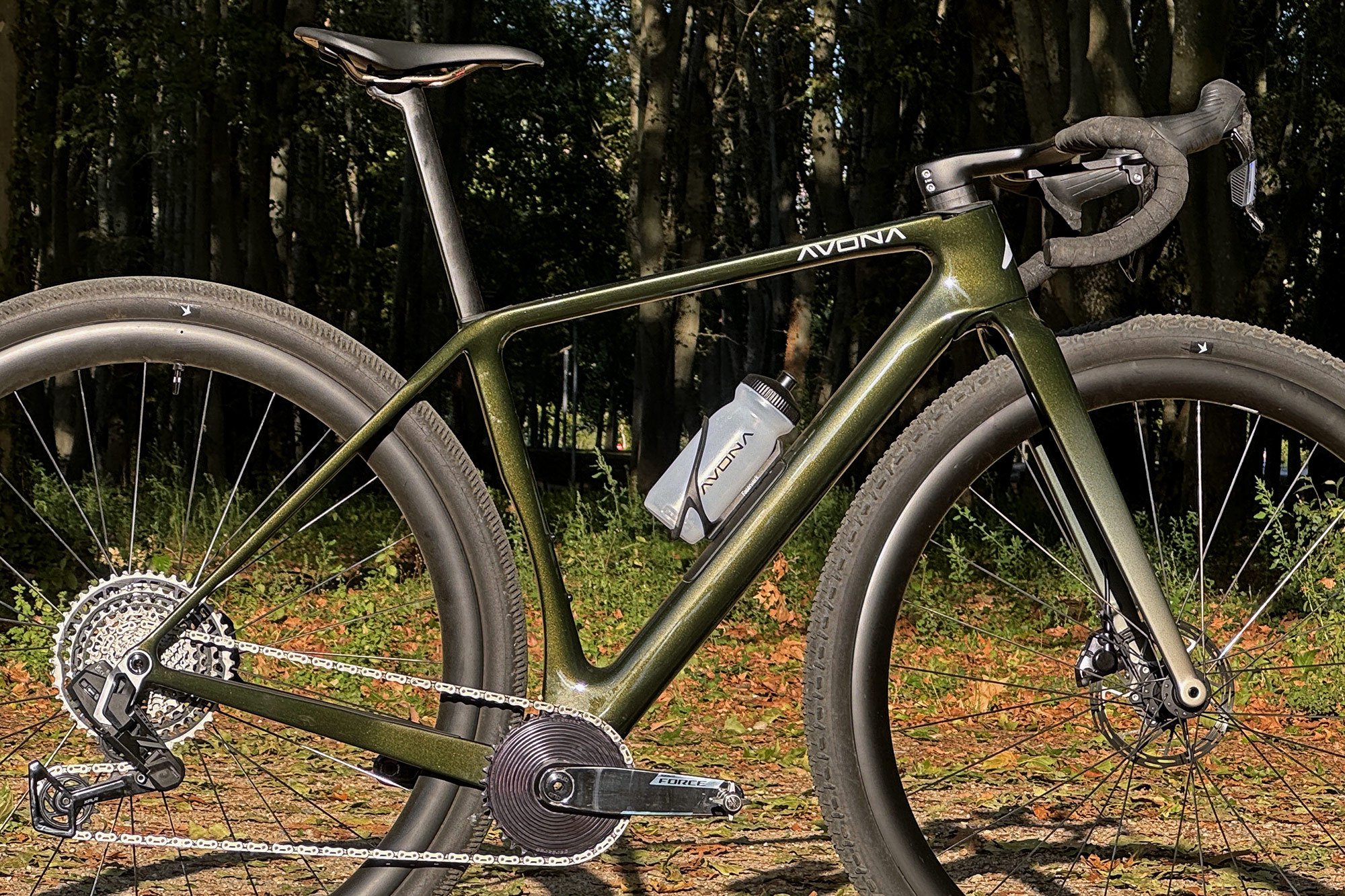
Avona’s 32″ frame at a claimed 898g (M, painted) is actually lighter than their 700c version, offsetting about +100-200g extra weight in the wheels, so their complete Callis 700 & Callis 32 bikes are effectively the same total weight. So the whole 32″ bike is as light as many 700c bikes.
Plus, I’ve ridden 32″ XC bikes with >2500g wheelsets with 1700g of additional tire weight. Avona’s own Faserwerk Kornkreis 32″ wheels on DT 350 hubs like I rode are said to weigh just 1567g, making them no heavier really than many aero 700c gravel wheelsets. And the 50mm Schwalbe tires add about 1300g on top of that, maybe 100g more than a 700c setup.
Really, it all adds up – light overall bike weight, especially light wheels, light and not too wide tires, reduced Trail, steep head angle, and a forward-leaning rider weight balance.
To me the Avona Callis 32 simply felt quick, not really possessing any of the sluggishness I had felt when riding more adventure- or XC-focused 32″ bikes on gravel roads. Several pro cyclists I have discussed 32″ wheels with told me that the bigger-wheeled bikes felt slower, but measured faster lap times without fail. As someone not racing, that doesn’t really sound appealing to me.
But riding the Callis 32, which actually feels faster to my amateur rider brain, now I’m coming around to the idea that 32″ wheels could appeal to the average gravel bike rider, too. Not just the gravel racer.
Looks like I’m going to need to spend a lot more time riding 32″ bikes to keep building a larger baseline of comparison. In the meantime, this new carbon Callis 32 gravel bike seems like a solid starting point for production 32″ gravel bikes.
Avona Callis 32″ gravel bike – Pricing, options & availability
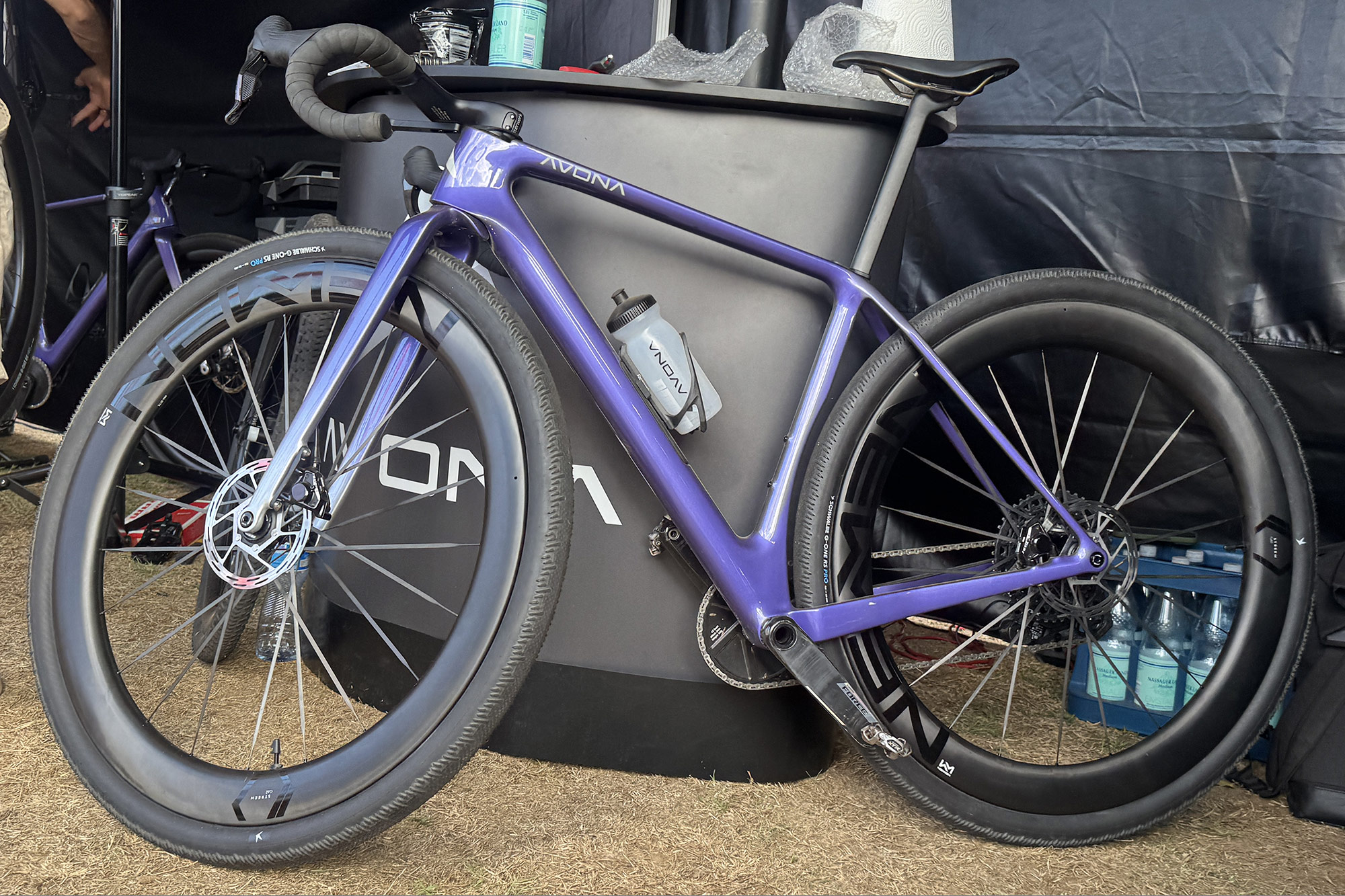
The new Avona Callis 32 is actually available now, making it the first production carbon gravel bike you can buy on 32″ wheels as far as I know. Three complete bike specs are available, in three paint colors – clear over carbon, Deep Olive green, Ultra Violet purple, or primed ready-to-paint.
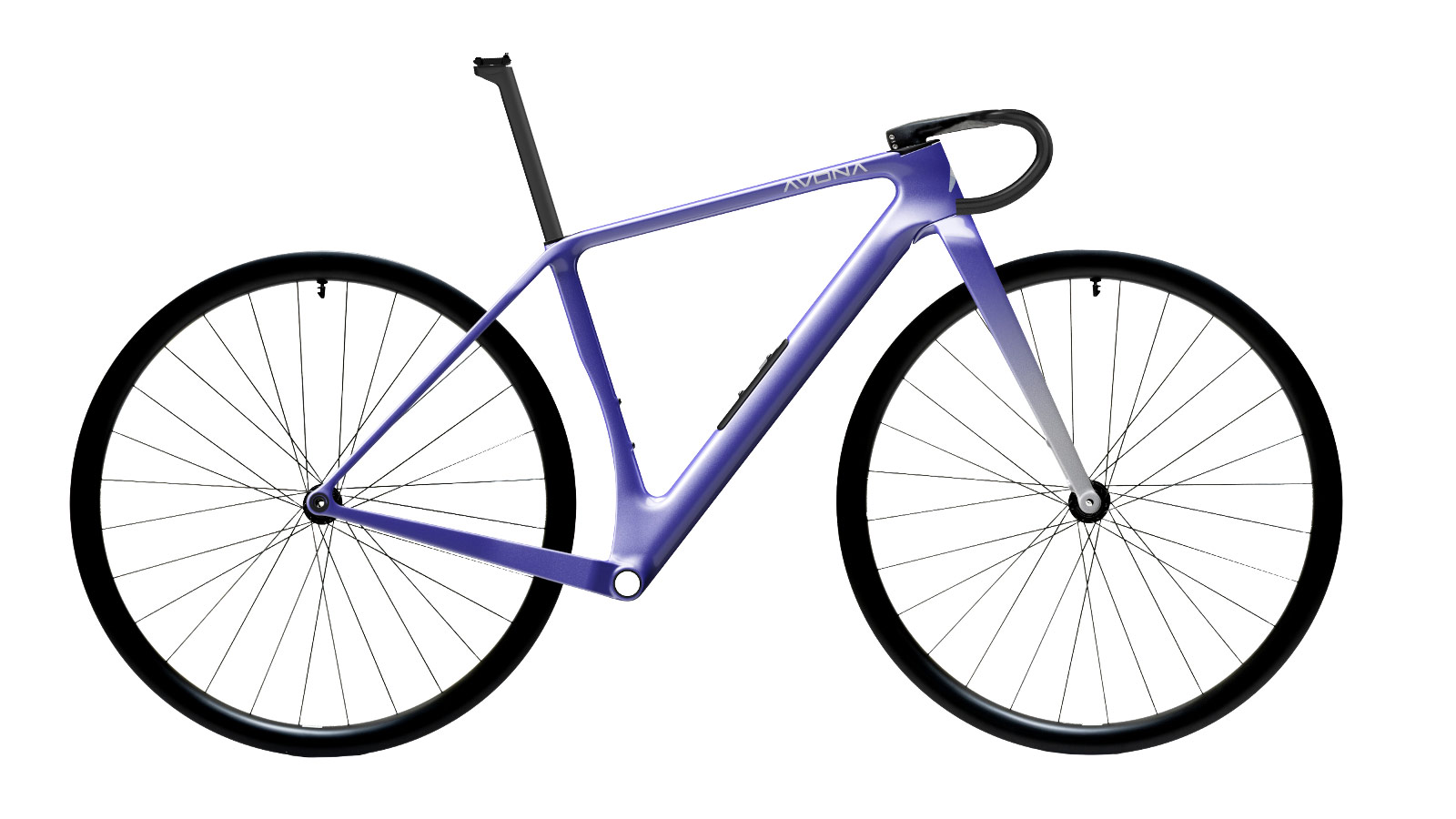
As well as a ‘rolling chassis’ frame kit that includes frame, fork, headset, seatpost, 1-piece integrated cockpit, and a set of 32″ wheels starting at 4800€ for you to build up with the drivetrain of your choice.
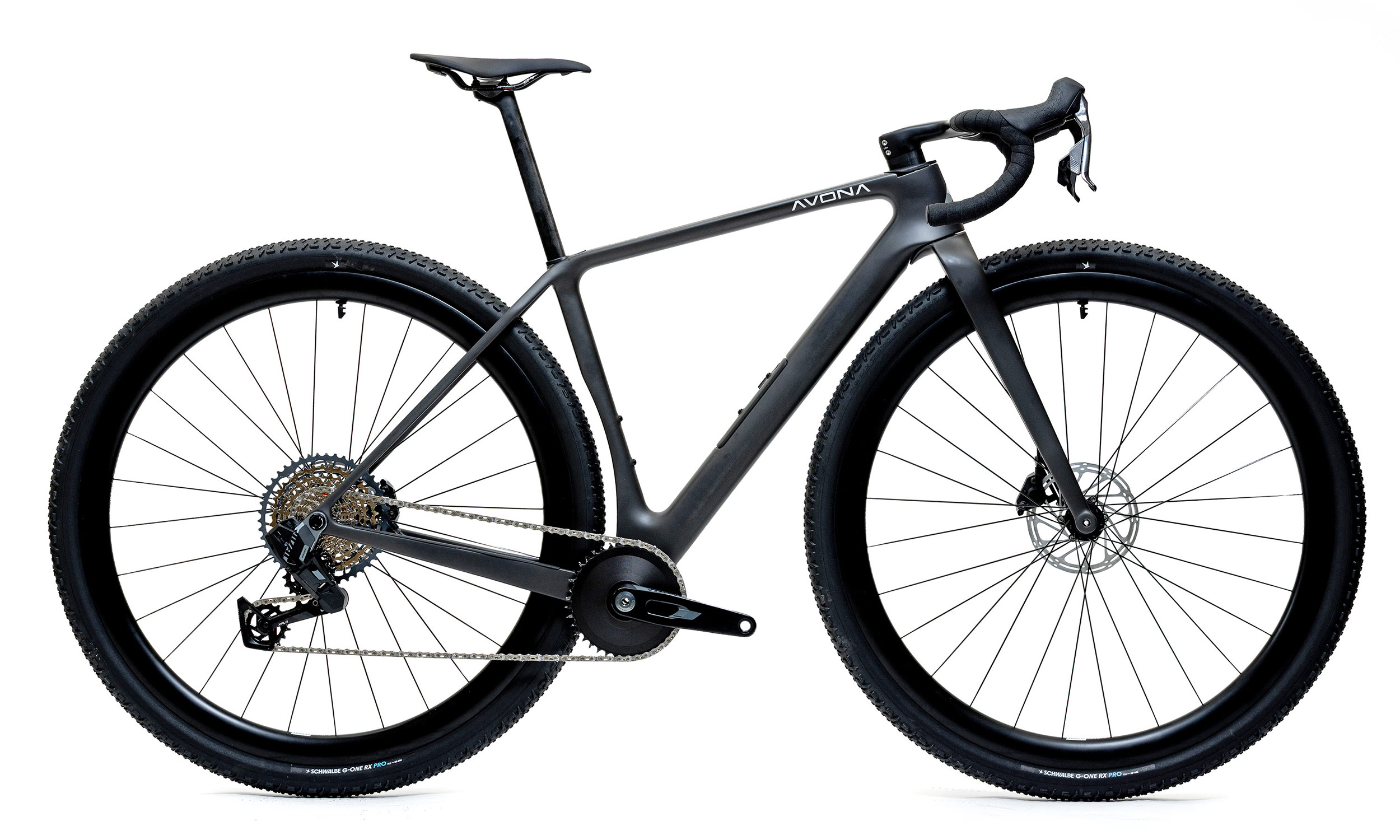
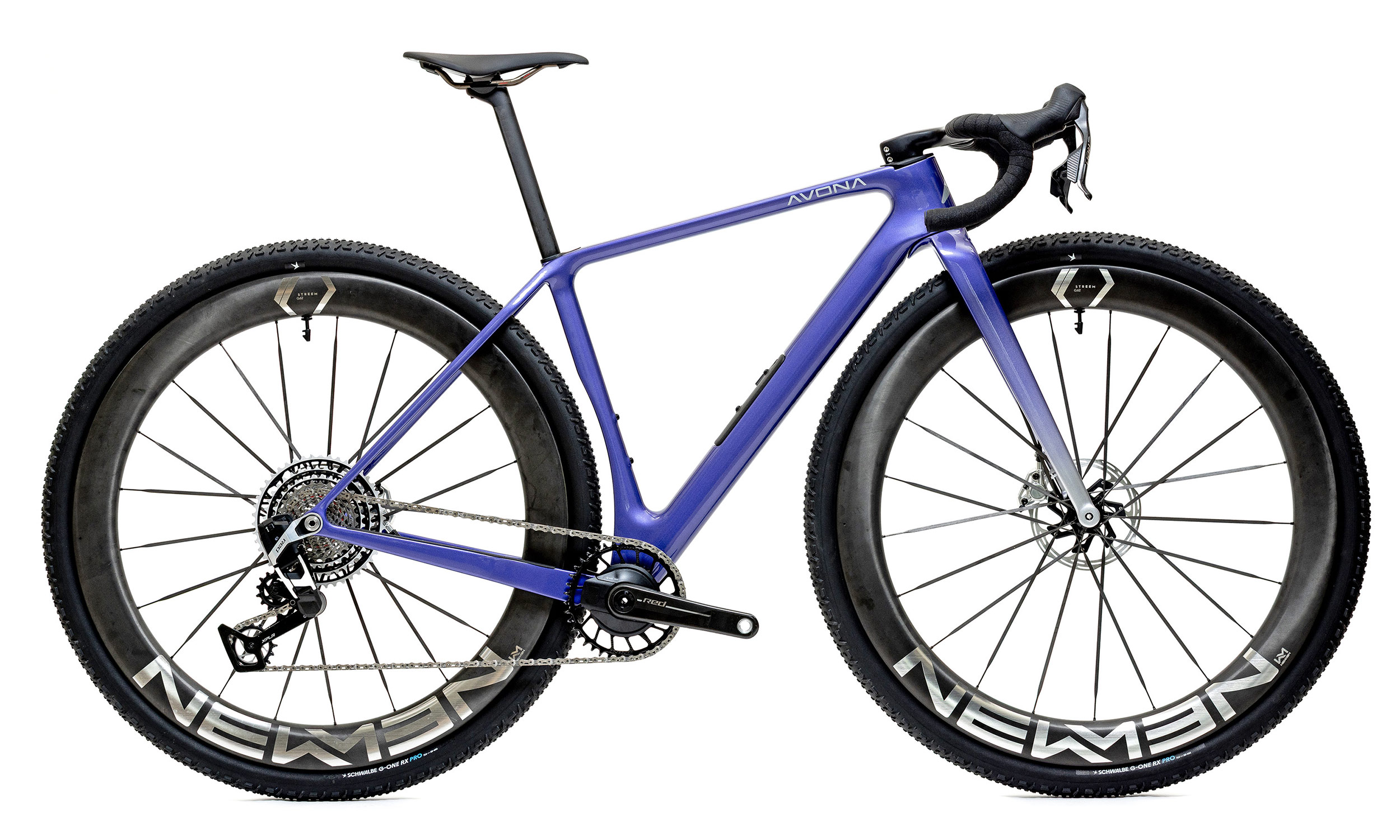
Complete builds start at 5800€ with SRAM Rival AXS Xplr or 6600€ for Force. The SRAM Red AXS Xplr build starts at 9000€ including a power meter. (A GRX 1x Di2 build will come in 2027, as well.) All feature the 45mm deep Faserwerk Kornkreis wheels on DT 240 hubs standard. But can be upgraded to stiffer 62mm deep Newmen wheels with steel (+120€) or carbon (+470€) spokes for a bit more. All Avona builds are semi-custom, letting you choose post offset, bar width, stem & crank length, chainring size, cassette spread, and tires to get your perfectly dialed setup. Plus, all include CeramicSpeed UFO waxed chains out of the box,
Order your now to either pick it up from an Avona dealer bikeshop, or to have it shipped directly to you throughout Europe, the US, and South Africa.

