

Allied Cycle Works launched the FITZ back in February. Along with the XC-oriented BC 40, the FITZ is only Allied’s second mountain bike model and its first entry in the broad trail bike market. With a lightweight carbon frame, 140mm of travel front and rear, and a surprisingly progressive geometry, the FITZ landed squarely in that Goldilocks do-it-all category — on paper anyway. And with a stated goal of bringing lightweight back to the trail bike category, it certainly appeared that Allied was offering something a little different.
With the weight of many trail bikes inflating above the 30-pound mark in recent years, it was that last part that really appealed to me. And since the FITZ came out last winter, I’ve been eager to throw a leg over one. It took a few months to arrange a test bike, but I’ve been testing the FITZ for the past 6 weeks or so. Rather than the typical 140/140mm setup, I opted for the 150mm version, which I thought would be a better fit for my terrain and riding style.
Allied FITZ Details
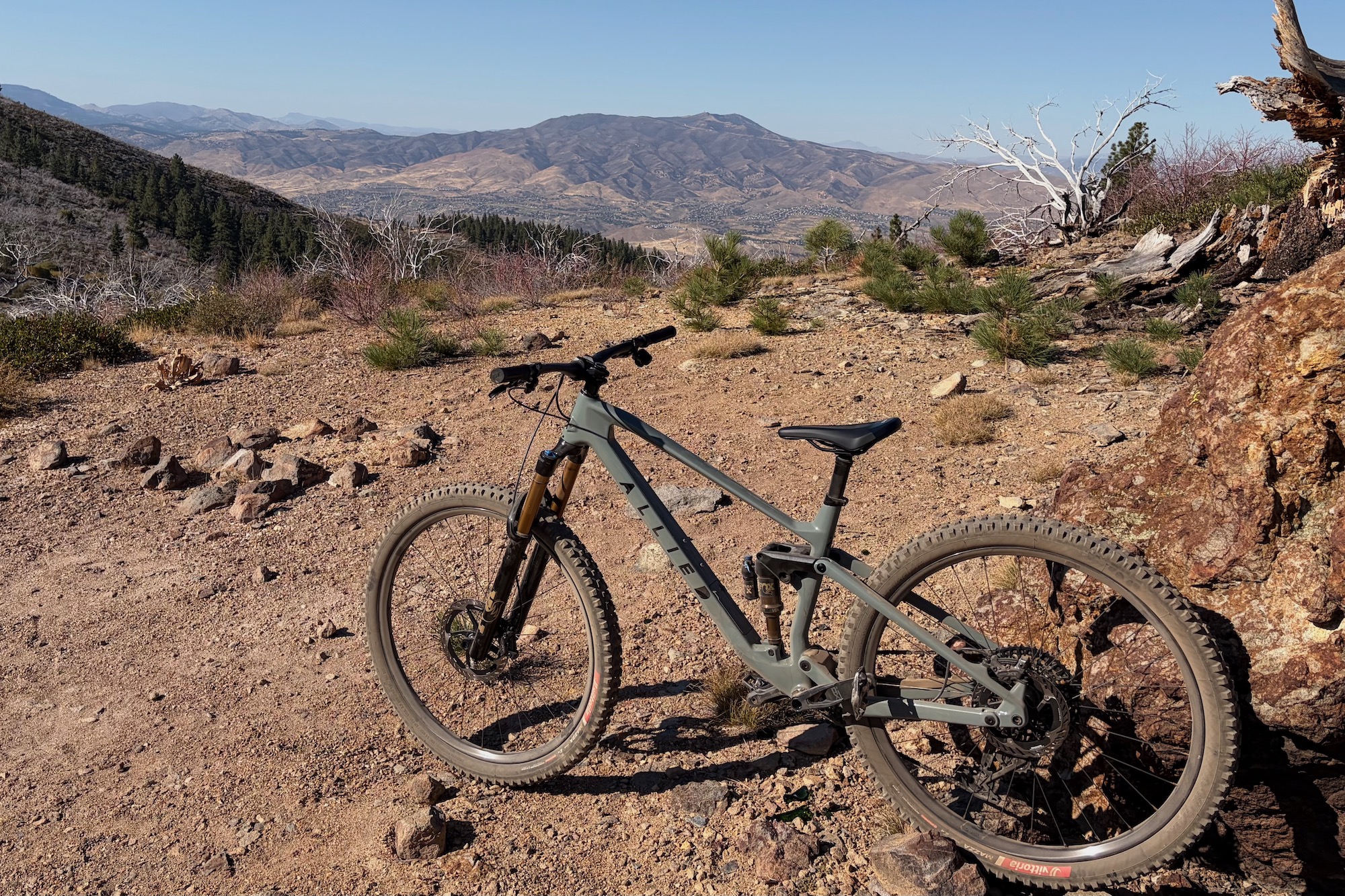
We covered the FITZ when it launched back in February, and you can check out all the details here. Long story short, it’s got a carbon frame with 140mm of rear travel that’s typically meant to be paired with a 140mm fork. It’s compatible with 150mm forks, and the rear travel can also be bumped to 150mm with a longer-stroke shock.
It rolls on 29-inch wheels front and rear and has most of the features common on modern mountain bikes, including internal cable routing, molded rubber frame protection, and in-frame storage. At the same time, the brand focused on keeping the weight as low as possible, which the designers say is one of the reasons why it went with a fairly straightforward 4-bar Horst-Link suspension layout.
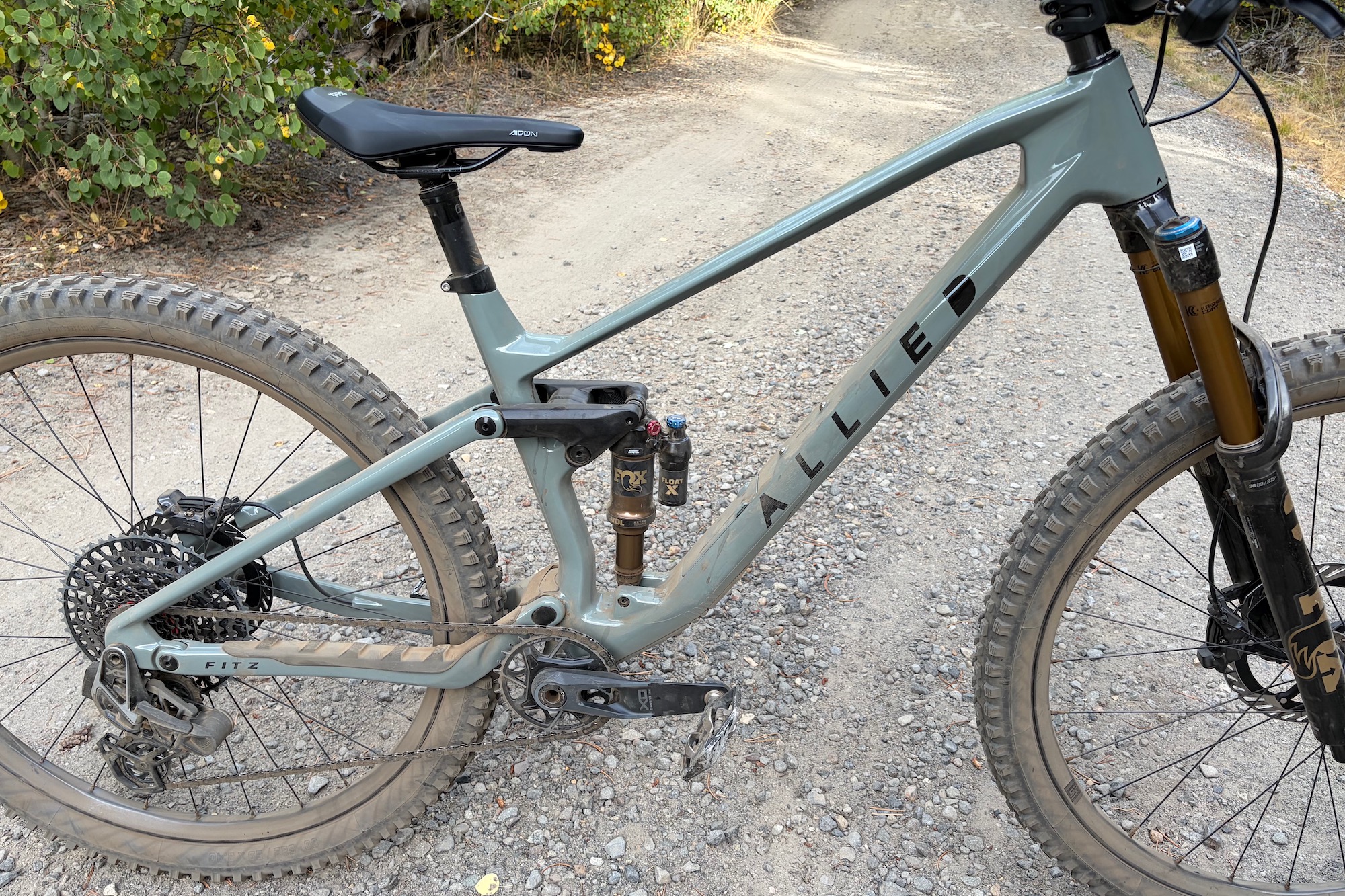
According to Allied, complete bike weights start at 26 lbs for the top-tier XX SL build, which is very light for a 140mm travel trail bike. That’s only 2 pounds heavier than many of the latest XC race bikes, with 20mm more travel at both ends. Weights increase incrementally from there, but the starting point is quite low for a trail bike.
Geometry-wise, Allied didn’t tip-toe into the trail bike category. Instead, they jumped right in and gave the FITZ what I consider to be a very modern do-it-all geometry. Reach numbers are in the typical range with 480mm on a size large, and the seat tube angle is adequately steep at 76.6°. The 64.5° head angle (with 140mm fork) seals the deal and really speaks to this bike’s ride-anything intentions.
My Test Bike
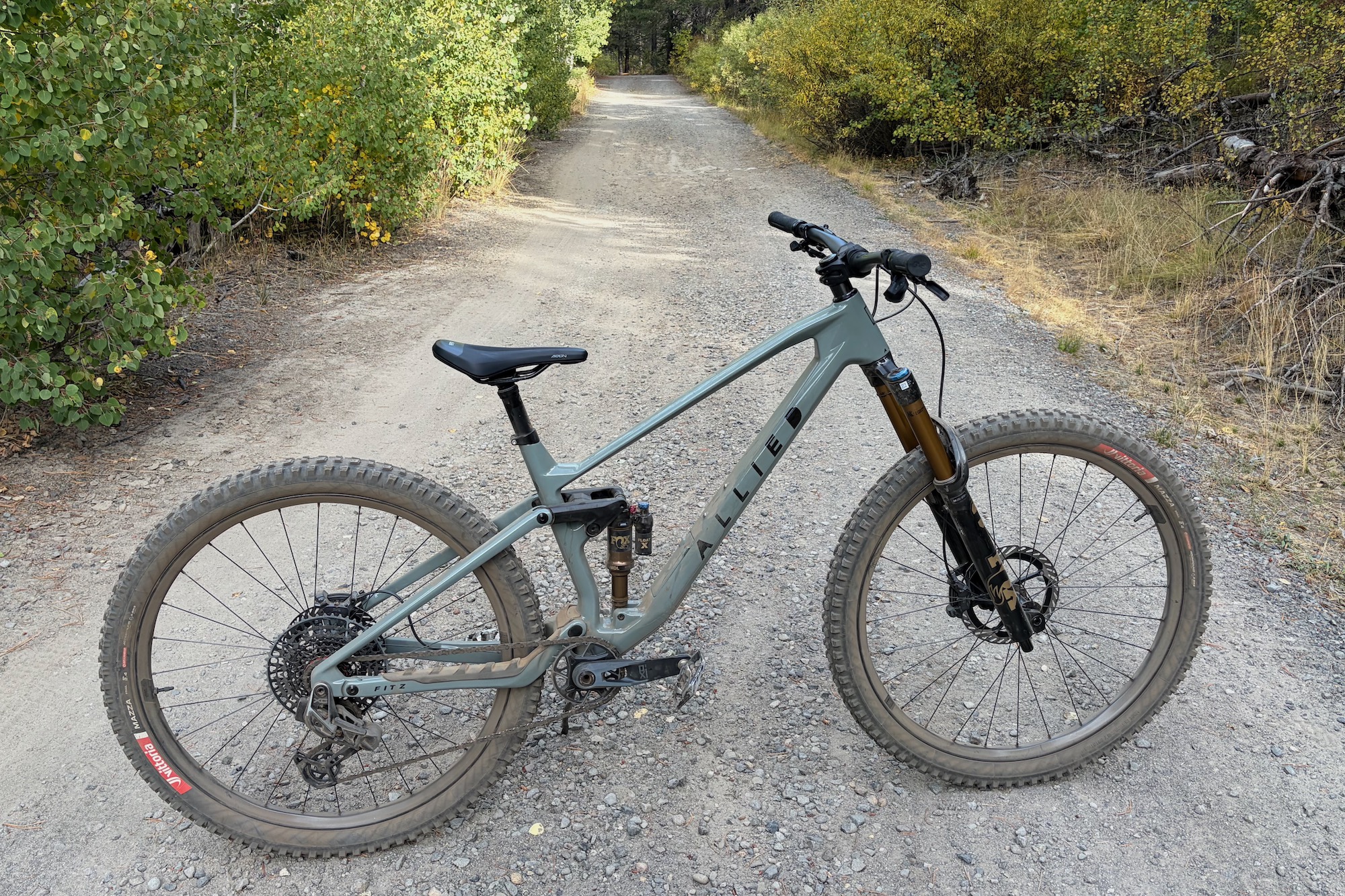
The FITZ is sold as a frame kit, or in three complete builds: SRAM XX SL, SRAM XO, and SRAM GX. When purchasing, buyers have numerous customization options, including the frame and logo color, fork, shock, handlebar, seatpost, wheels, and more. Opting for a custom color or making any changes to the stock component spec may change the final price, depending on what you choose.
As mentioned, I opted for the 150mm setup, which is one of many options when purchasing the FITZ. All of the stock builds come with 140mm travel Fox 36 SL forks. Since the 36 SL tops at 140mm, the bump to 150mm moves you onto a non-SL Fox 36 Factory with the Grip X2 damper (+$25). Similarly, the stock builds come with 210x50mm Fox Float shocks providing 140mm of rear wheel travel. Buyers have the option to upgrade to a 210x55mm Fox Float X (+$25), and the longer stroke increases rear wheel travel to 150mm.
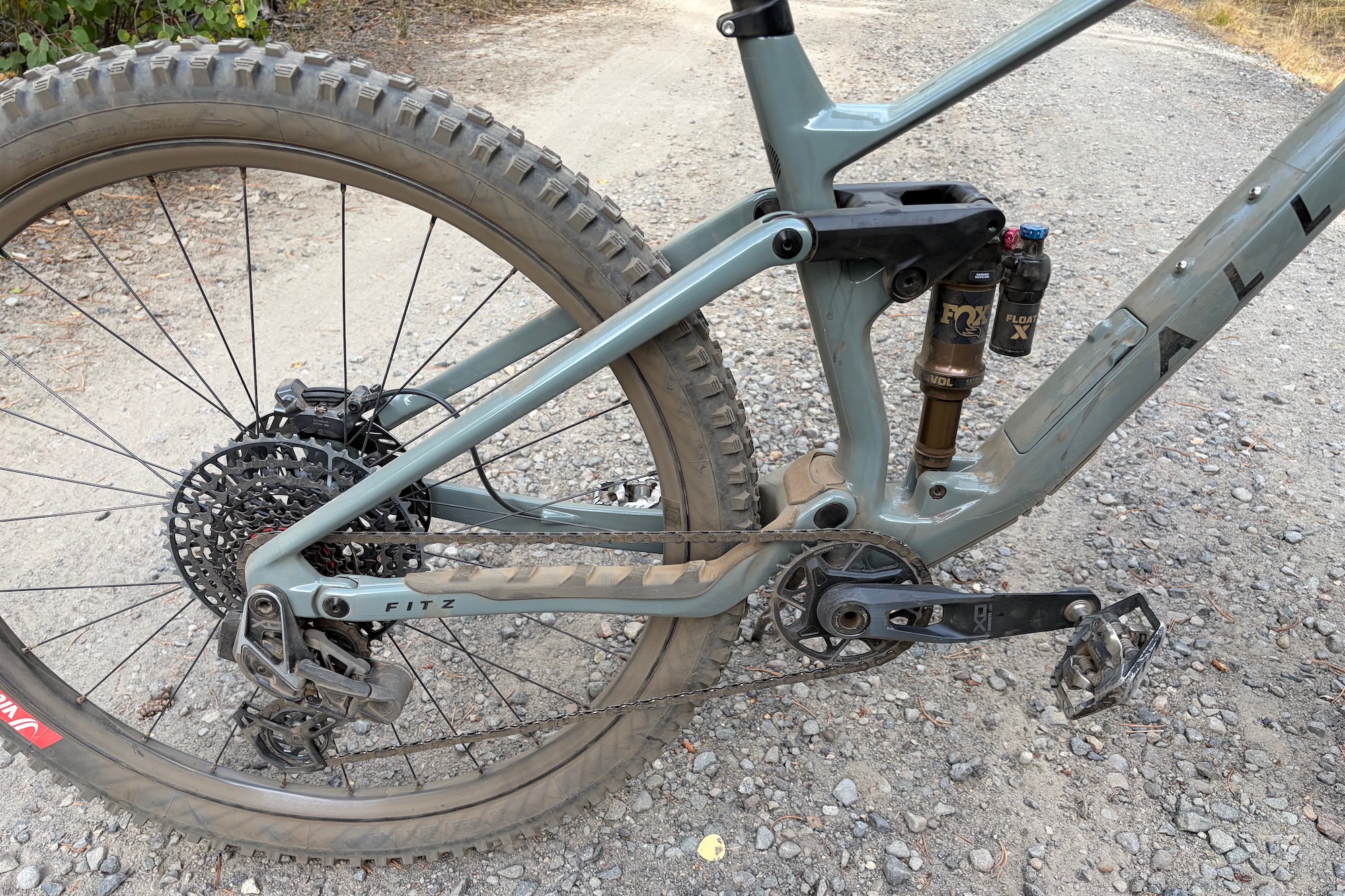
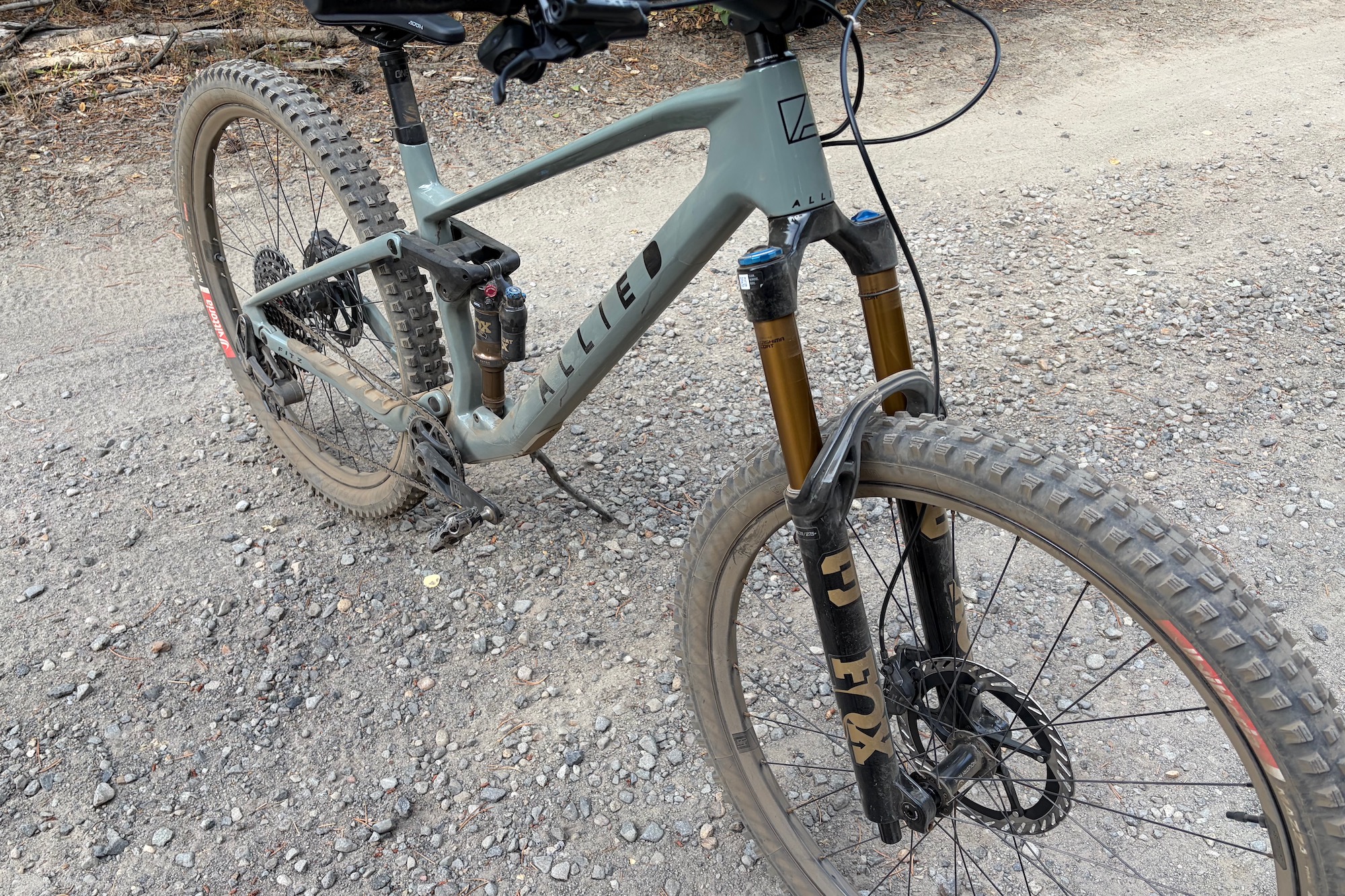
Given that the Float X has a longer stroke, but the same eye-to-eye measurement, the increase to 150mm of rear travel doesn’t impact the FITZ’s geometry. The addition of 10mm of fork travel, however, relaxes the head tube angle and seat tube angles by roughly half a degree, putting them right around 64° and 76°, respectively.
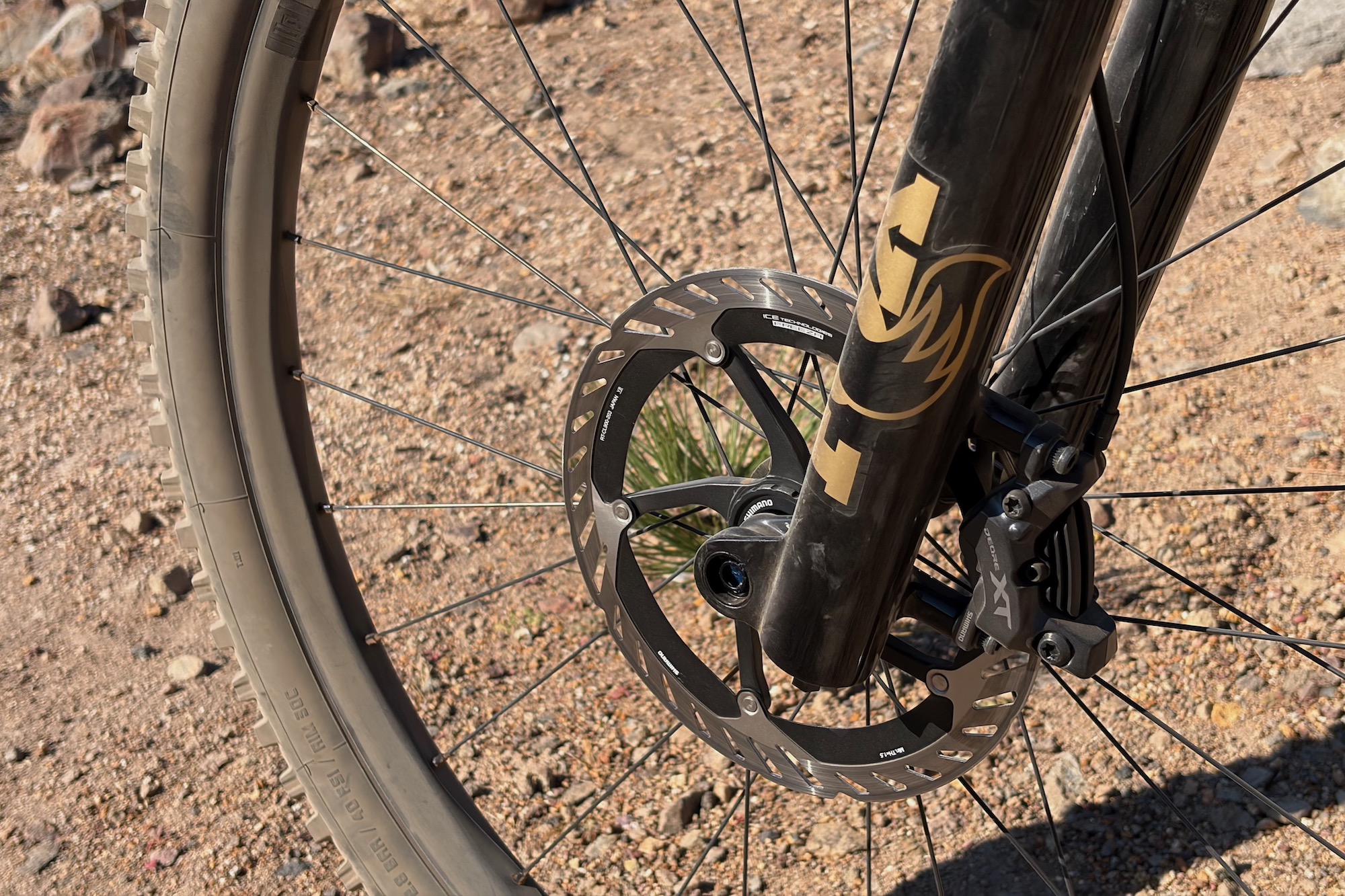
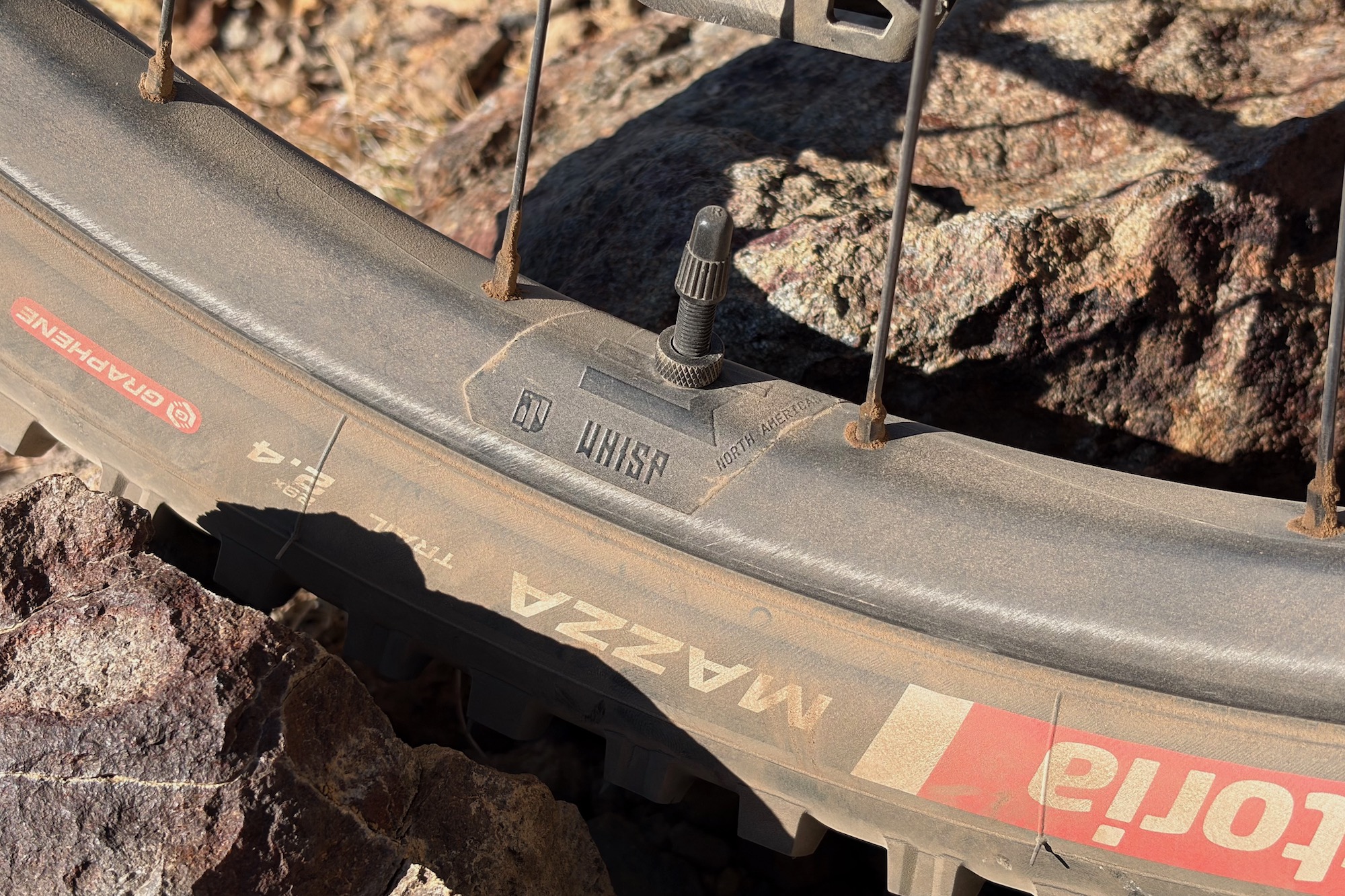
I ended up with the XO build, which, other than the suspension, is mostly stock with an XO AXS drivetrain, We Are One Whisp Wheels with Industry Nine 1:1 hubs, and a OneUp cockpit. Interestingly, my test bike arrived with a matching set of Vittoria’s beefy Mazza tires front and rear. I’ve been a fan of the Mazza for years, so I wasn’t disappointed, but the faster-rolling Vittoria Aggaro or Maxxis Rekon are the only options when buying. It also came with Shimano XT 4-piston brakes with 203mm front / 180mm rear Ice Tech rotors, which doesn’t appear to be one of the customization options either.
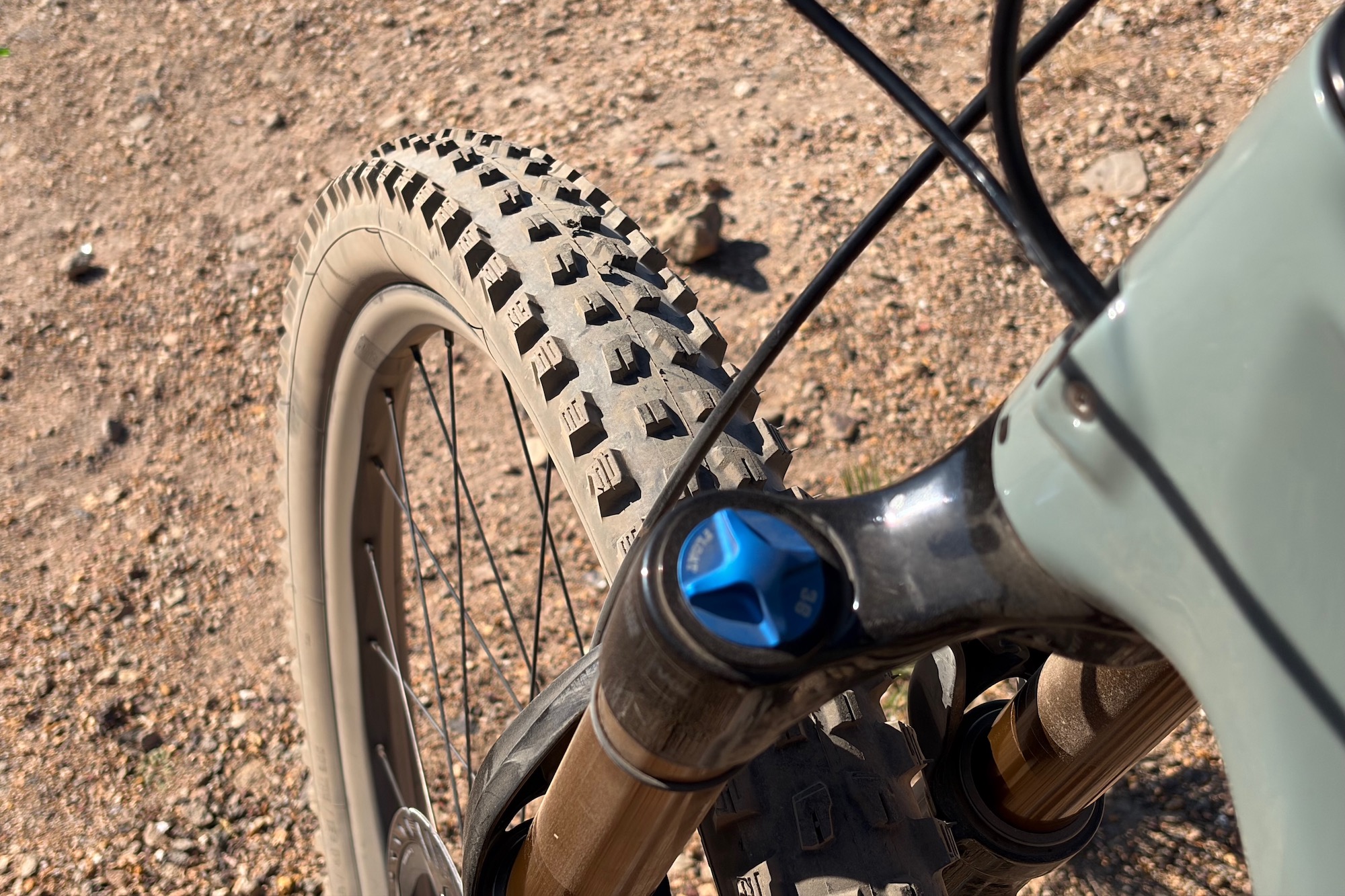
On my scale, the FITZ weighed in at 29.8 pounds. While that’s a bit heavier than the starting weight of 26 pounds, I think that’s still pretty light for a 150/150mm travel bike with meaty tires. The stock build with the 140mm 36 SL fork and lower-profile tires would surely save some weight. As tested, the FITZ with the SRAM XO build and 150/150mm upgrade retails for $8,815.
Riding the Allied FITZ
The FITZ makes a good first impression, and I think it’s a really nice-looking bike. Sure, the tiny hump in the top tube takes a little getting used to, but I stopped noticing it pretty quickly. Otherwise, I generally dig the tube shapes, reinforced head tube, and somewhat minimalist design of the frame. I also appreciate that the bottom of the downtube slopes to the bottom bracket, providing a bit more frame clearance than many bikes which stick out a bit more these days.
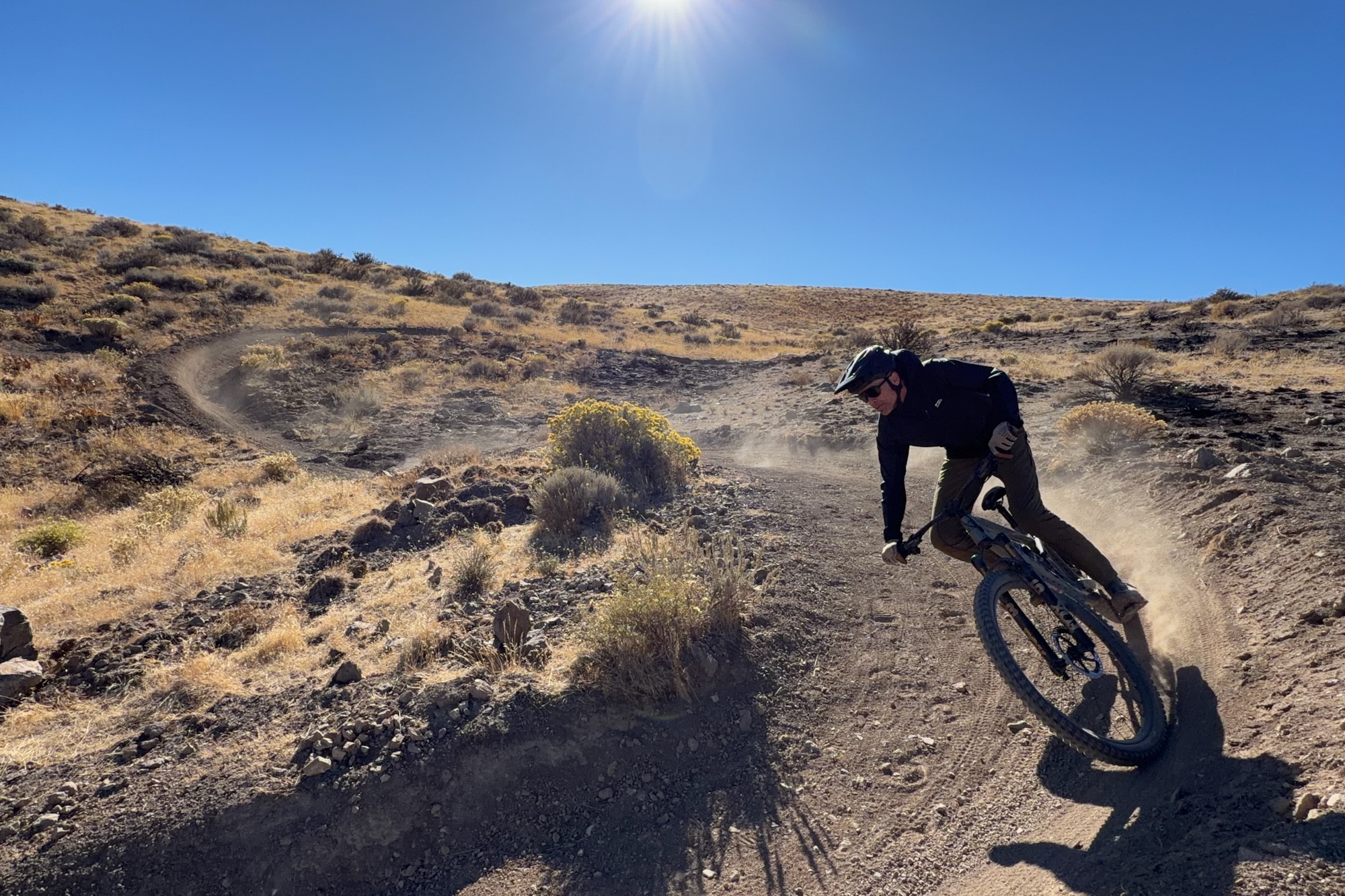
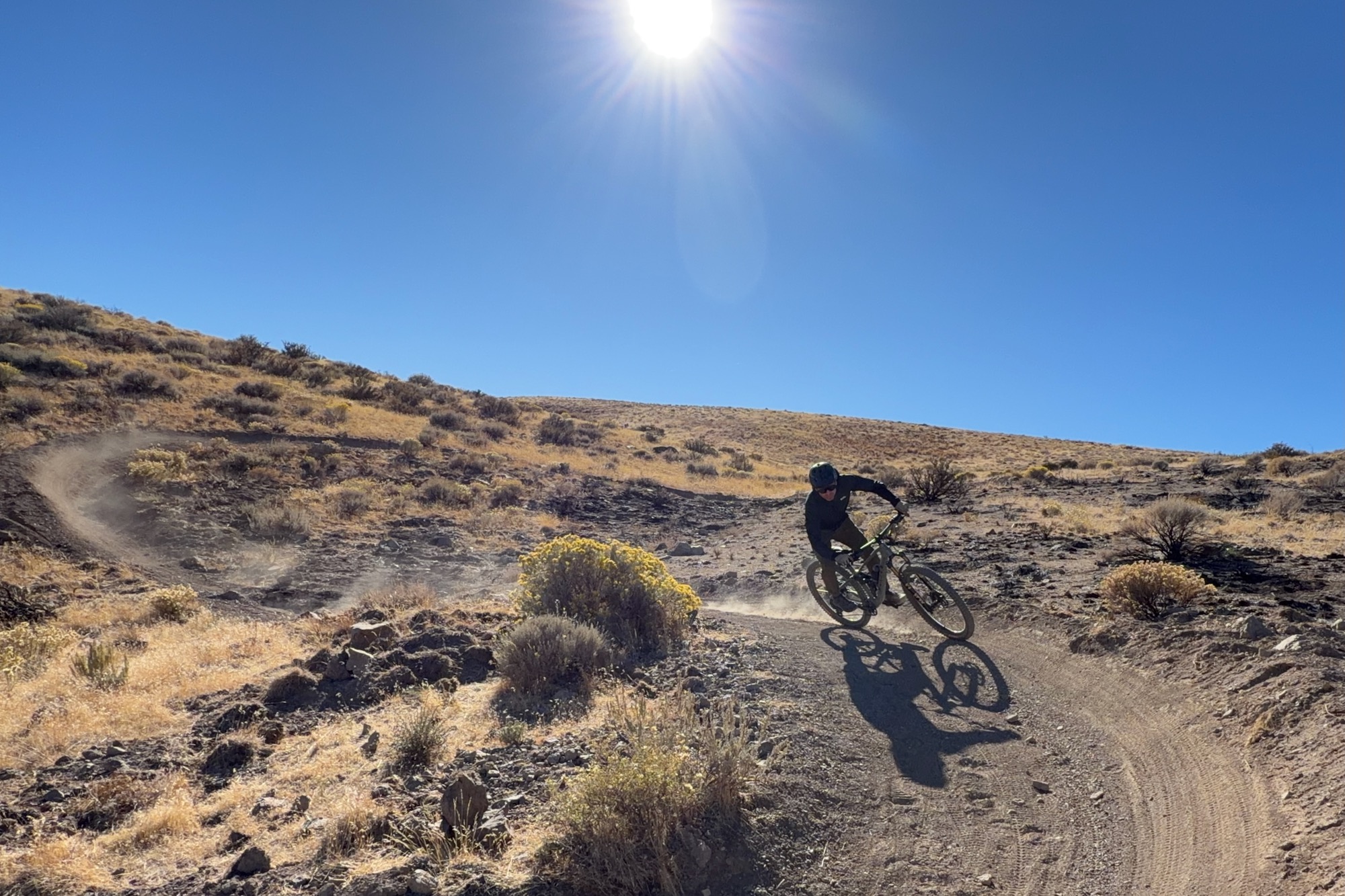
After making a few fit adjustments and dialing in suspension pressures, I took to the trails. In the past six weeks, I’ve been riding the FITZ off and on, switching between the Gen 6 Santa Cruz Tallboy and the new Yeti MT. I’ve been riding it out the door to my local trails in Reno, NV, and venturing up to the Tahoe/Truckee area for a bit of terrain variety. It’s seen a mix of everything, including fast-paced XC-style riding, some janky hand-built skidders, and some long climbs and sustained descents. It hasn’t rained in a while, so it has been pretty dusty and loose, too.
Climbing
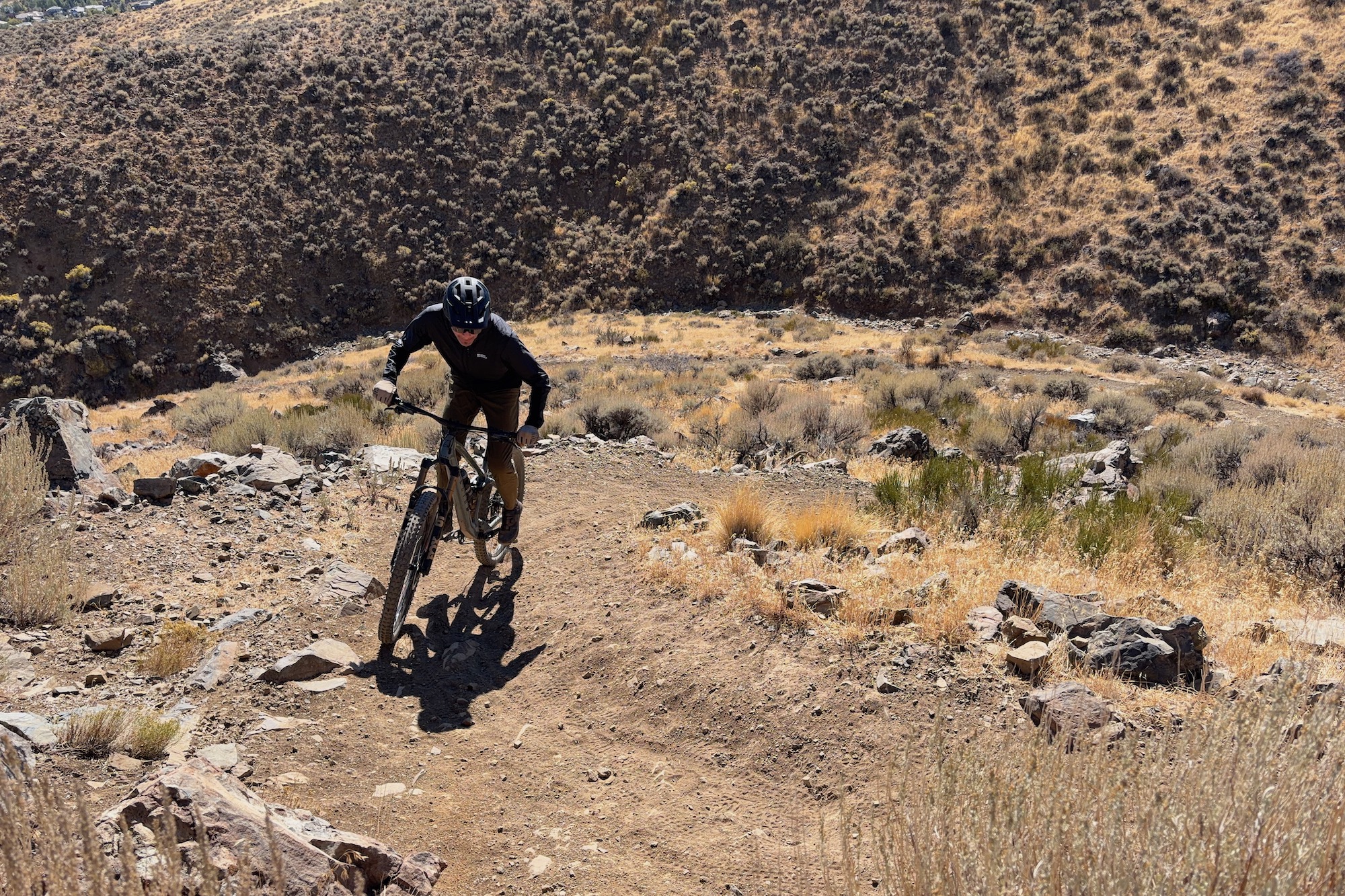
I felt comfortable immediately on the FITZ. The reach, seat tube angle, and cockpit setup put me in a neutral seated pedaling position that worked well for me on mellower terrain and steep climbs alike. At no point did the seat tube angle feel too steep with too much weight on my hands, nor too slack with a wandering front end. I’m a big fan of OneUp’s Carbon bars for their comfortable ride feel, and there were plenty of stack spacers to adjust bar height if needed.
On the climbs and through the flats, the FITZ did what I wanted and responded to handling inputs well. It’s not super snappy or hyperresponsive like an XC race bike, nor is it bulky and lethargic the way some enduro bikes can feel. Instead, it lands nicely in the middle, and I think it handles exactly how a trail bike should. There are more agile trail bikes, the new Tallboy, for example, but I had no issues climbing up techy sections or negotiating tight terrain or switchbacks, even with the 150mm fork and slightly slacker head tube angle.
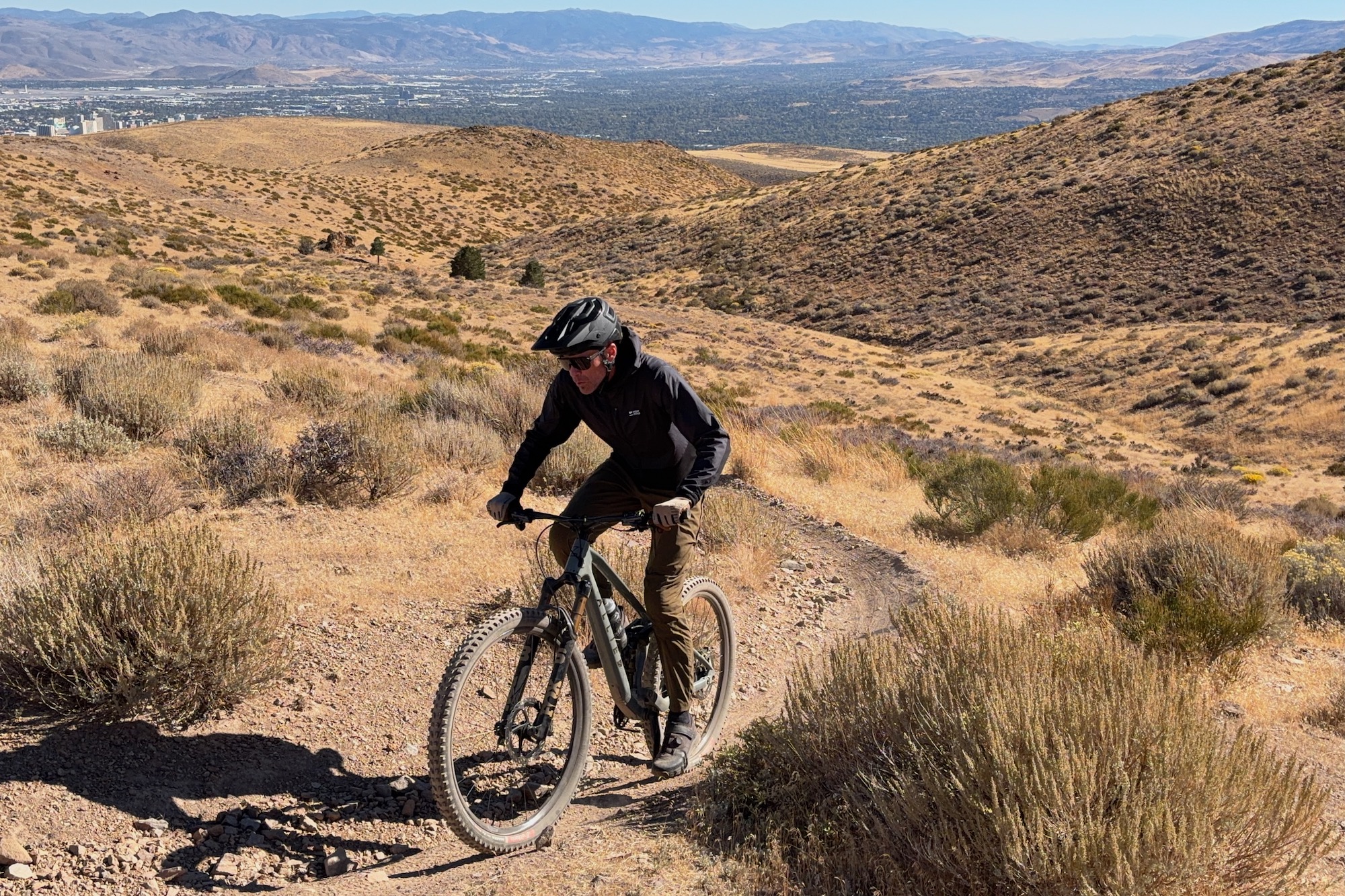
For its travel bracket, the FITZ undoubtedly has a light and lively character, and that contributes to its energetic pedaling feel. It has a quick demeanor and eagerness to keep the pace up, especially compared to the heavier Yeti MT, for example. I’m not saying that bike doesn’t pedal or climb well, just that the FITZ has a bit more pep with an efficient pedaling platform and 3 pounds less junk in the trunk. And that’s with the slower-rolling Vittoria Mazza rear tire.
I set up the rear suspension a touch on the stiff side, as close to 25% sag as I could get, for pedaling support — and bigger hits — and that sacrificed a little small bump compliance. Still, I had no shortage of climbing traction, but I’m sure the grippy and aggressive Mazza rear tire contributed to that a bit. And while I appreciated that traction, I’d still be inclined to swap that rear tire out for something faster, like the Vittoria Aggaro or Kenda Ripper Trail for a bit less rolling resistance.
Descending
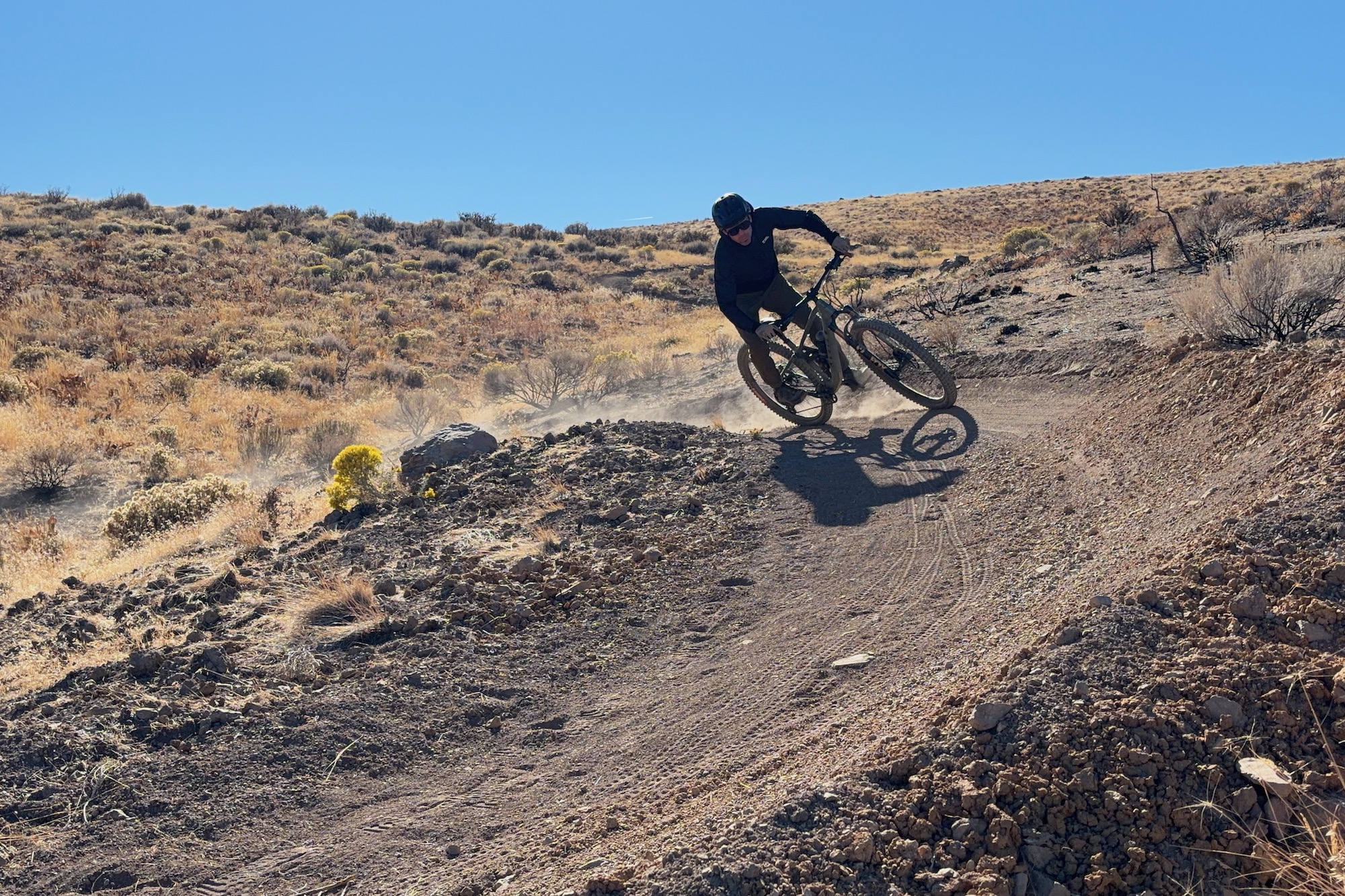
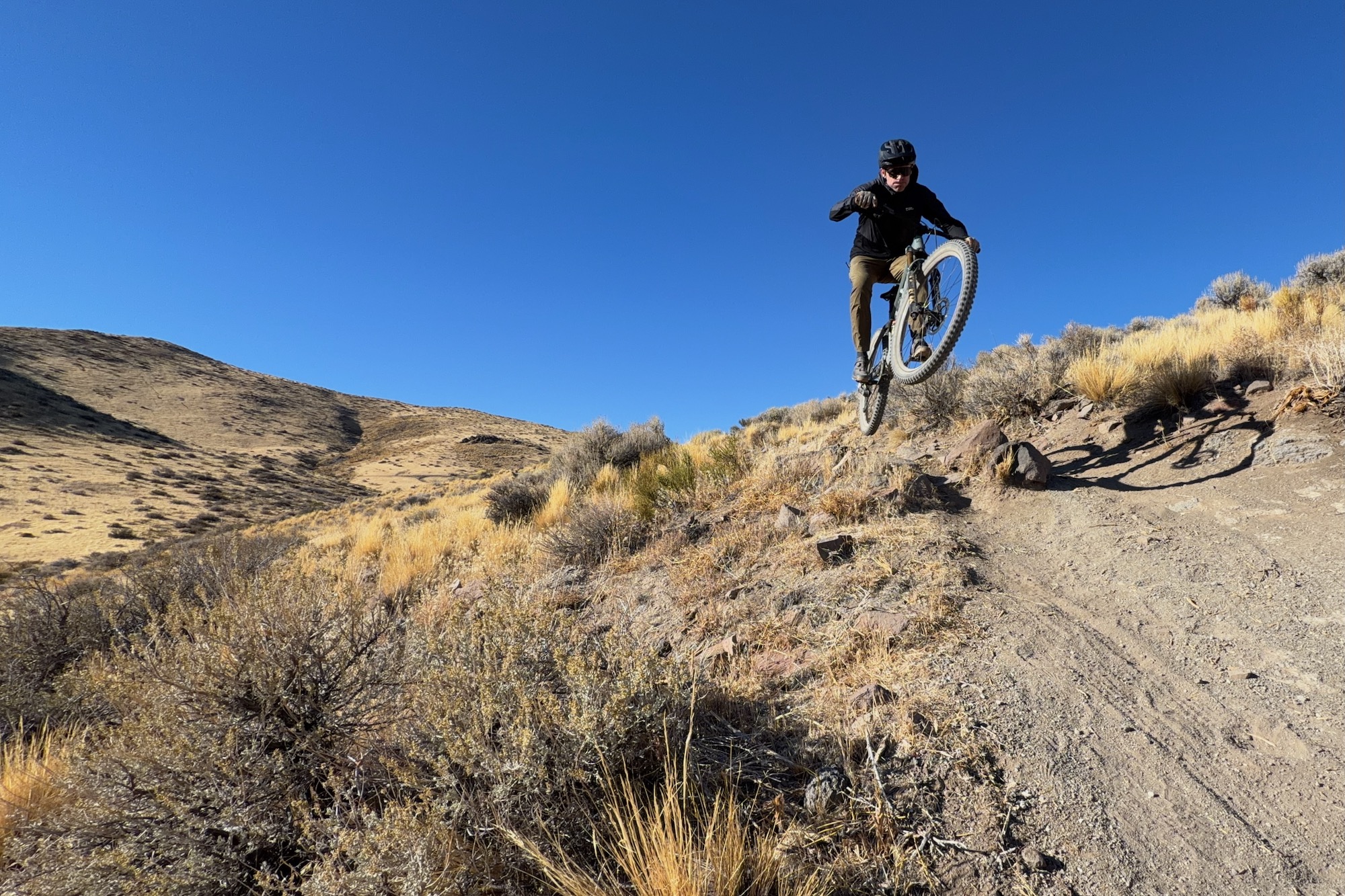
I didn’t really know what to expect from a trail bike that had low weight as one of its design priorities, but I quickly learned the FITZ was a blast on the descents. Again, it felt lively and agile for a 150/150mm bike, but certainly did not lack confidence or capability in steeper or rougher terrain. I’m sure some of that is due to the 150mm setup and beefier tires, but the geometry undoubtedly plays an outsized role in its versatility.
With a 480mm reach, 210mm dropper (size large), and comfortable cockpit setup, I felt right at home on mellower terrain, machine-built flow trails, or rolling into steeper slabs and technical rock gardens. The 440mm rear center length is the same on all sizes, and I thought it felt perfect on the size large. I can’t speak to the other sizes, but it felt nicely balanced front and rear, plenty stable at higher speeds, yet far from a monster truck. Importantly, it was easy for me to find and stay in the sweet spot and keep the front end weighted for traction. This bike absolutely railed through berms.
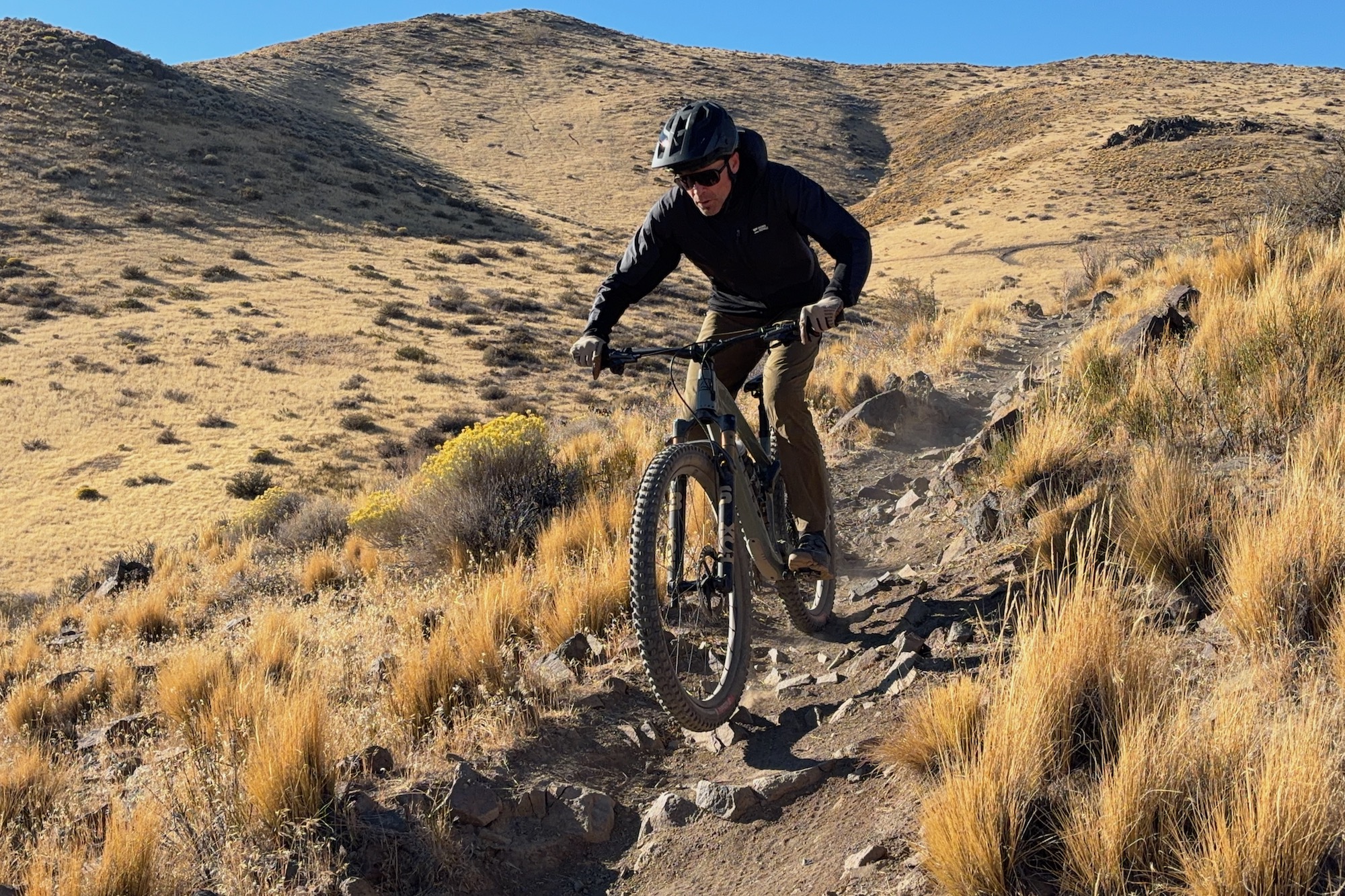
The aforementioned light, lively character carried over to the descents, too. It was easy to get the front or both wheels off the ground, work the terrain, and pop all the side hits. At the same time, it didn’t flinch when jumping straight into blown-out skidders and steep rock rolls. Sure, the 150mm fork and 64-ish-degree head angle helped, but I seriously didn’t think twice about taking it down the toughest trails I typically ride. That’s got plenty to do with the burlier build, but the FITZ’s geometry makes it a bike I’d ride anywhere.
While some might question the run-of-the-mill 4-bar suspension layout, modern shocks are fantastic, and I liked the way it rode. It was easy to set up, and while it might not have been the most sensitive off the top, it delivered in every other way. The mid-stroke was supportive to push off of, yet nice and active when smoothing over chunk and chatter. It responded to big hits with composure, didn’t wallow, and I never once bottomed it out, even when getting full travel. So, even if it doesn’t make headlines, it rides well and helps keep the FITZ’s weight down.
Allied also managed to make the FITZ very quiet. I didn’t notice any chain slap noises, and the internally routed brake line and dropper cable never made a sound. It was so quiet that I started noticing the front brake hose barely tapping the handlebar. The magnetic hatch on the in-frame storage compartment was also silent, yet very easy to remove and replace. The opening of the compartment isn’t the biggest and the included storage bag is fairly long and narrow, but it’s certainly useful for stashing some tools, even if it won’t fit a burrito.
Spec Report
The XO build is honestly fantastic, and my complaints are few. The Fox suspension worked flawlessly, as did the SRAM XO drivetrain. This was my first time riding the We Are One Whisp wheels, and at ~1,500 grams for the set, they’re probably one of the contributors to the FITZ’s light, energetic ride feel. I thought the ride quality was pleasantly neutral, and I appreciated the quick pickup of the Industry Nine 1:1 hubs.
I’m a big fan of Shimano brakes, and the new XT’s work really well. No, they aren’t as powerful as Mavens, but not every bike needs DH brakes either. They’ve got ample power, excellent modulation, and in my experience, they never make any noise. The OneUp stem, handlebar, and grips make for a great cockpit setup, and I wouldn’t change a thing. Likewise, the OneUp V3 dropper just plain works and is easy to service if needed.
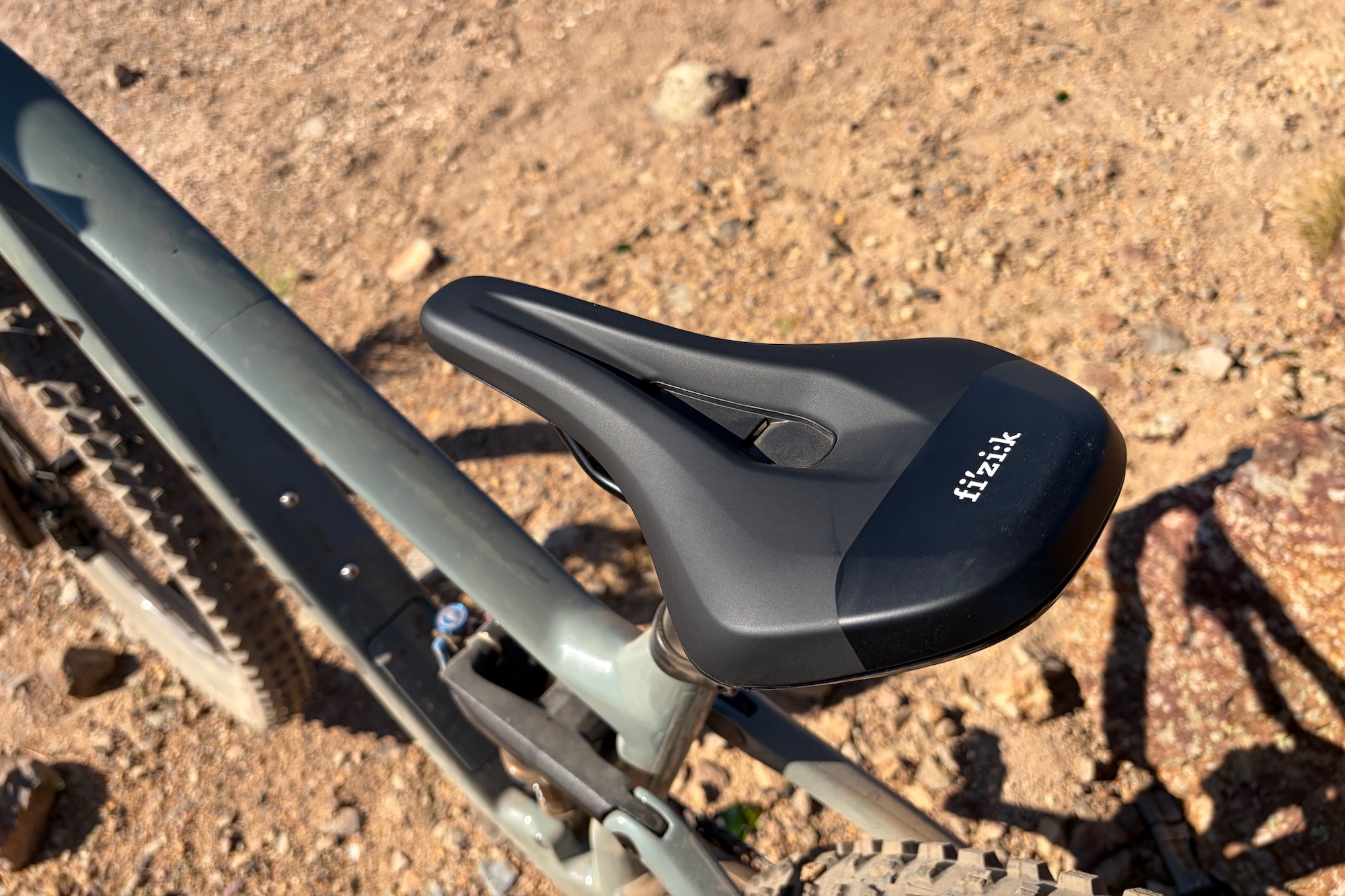
On top of that dropper, however, the Fizik Aidon X5 reconfirmed that I just don’t get along with Fizik saddles. I found it to be stiff, and the edges of the pressure-relief cutout were very noticeable and uncomfortable. Saddle choice is personal, obviously, but I’d swap it out immediately if I were keeping this bike. As mentioned above, I’d probably keep the Mazza tire up front, but would switch to something a little faster-rolling in the back for the majority of my riding. Not that the Mazza tires are an option when purchasing anyway.
My Takeaway
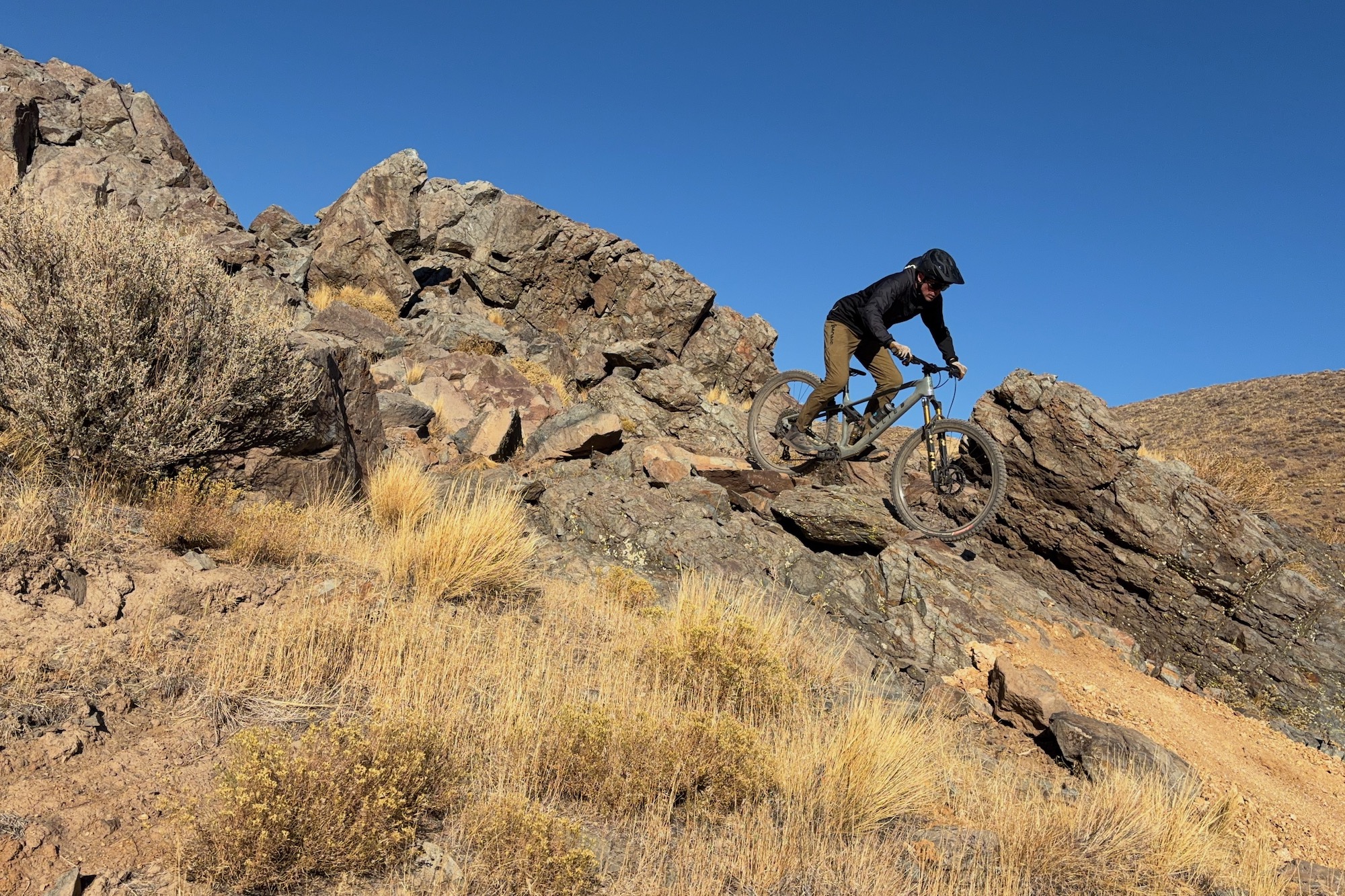
If you couldn’t already tell, I really enjoyed riding the Allied FITZ. To me, it’s exactly what a trail bike should be, and that’s a single bike to do it all. If this was the only bike I had in my garage, it would have me covered for pretty much any ride outside of the XC race course. It’s lighter than most of its direct competitors, and it pedals and climbs efficiently and comfortably, making it a solid choice for big vert and/or big mileage. It handles well and is a blast to ride whether you’re ripping the after-work XC loop or doing laps on more aggressive terrain — especially in the 150mm configuration I tested.
Unfortunately, I didn’t get to try the 140/140mm setup, but based on my experience I’m inclined to believe it’s a heck of a lot of fun, too. It strikes me as a great option for people who want a lighter bike for long rides and want/need more travel than XC or downcountry rigs offer. For the folks lamenting that trail bikes have gotten heavier over the years, the FITZ might be just what you’re looking for. I think it’s a very impressive first effort from Allied, and I’m intrigued to see what they cook up next.
