Home > Bike Types > Mountain Bike

Santa Cruz Introduces the Gen 6 Tallboy, and Boy, are There Some Changes!

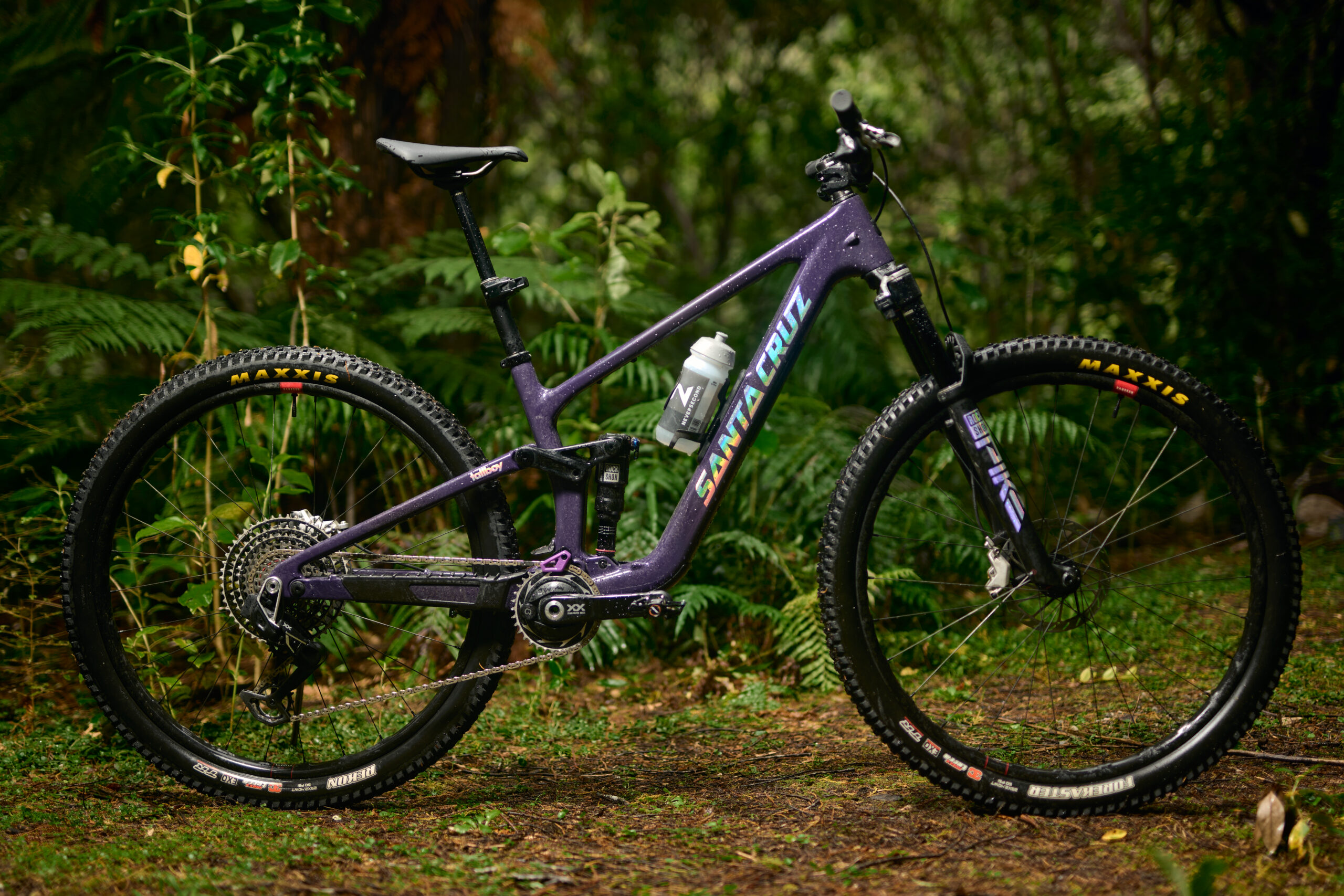
Santa Cruz introduces the Gen 6 Tallboy with a 4-bar suspension system
11 Comments
Support us! Bikerumor may earn a small commission from affiliate links in this article. Learn More

Rumors have been circulating for the past week or so about a new Santa Cruz Tallboy. The 5th generation of the bike was released in ‘22, with around a 3-year gap between previous versions, dating back to the original Tallboy, released in 2009.

Along with those rumors came a few sneak peeks at the bike. And, boy (feeble attempt at a “Tallboy” pun), did that new bike look different. As we saw in a few leaked photos and the video Santa Cruz put out over the weekend, they’ve moved away from its VPP suspension platform, synonymous with the brand, in favor of a four-bar design.
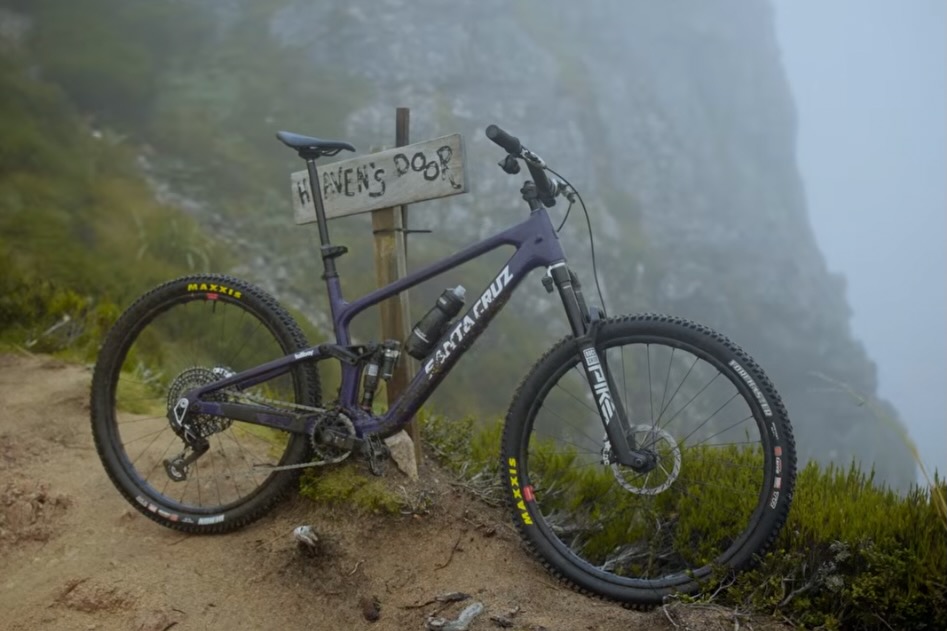
And while the move to 4-bar suspension is clearly the most significant change, that isn’t the only thing that’s new with the latest Tallboy. Let’s take a look at all the changes.

No More VPP
“Santa Cruz” and “VPP” have long been synonymous, despite some criticism of the suspension platform. However, we have seen Santa Cruz break away from the VPP platform in recent years. The Vala and Bullit were both recently released as four-bar bikes, moving away from the VPP platform.

The caveat? Obviously, both of those are e-bikes. And while Santa Cruz had to be aware of some of the criticism the VPP platform received, the move to four-bar on these bikes was mostly motor-related. Simply put, the VPP system didn’t leave much room for squeezing in a bike and battery.
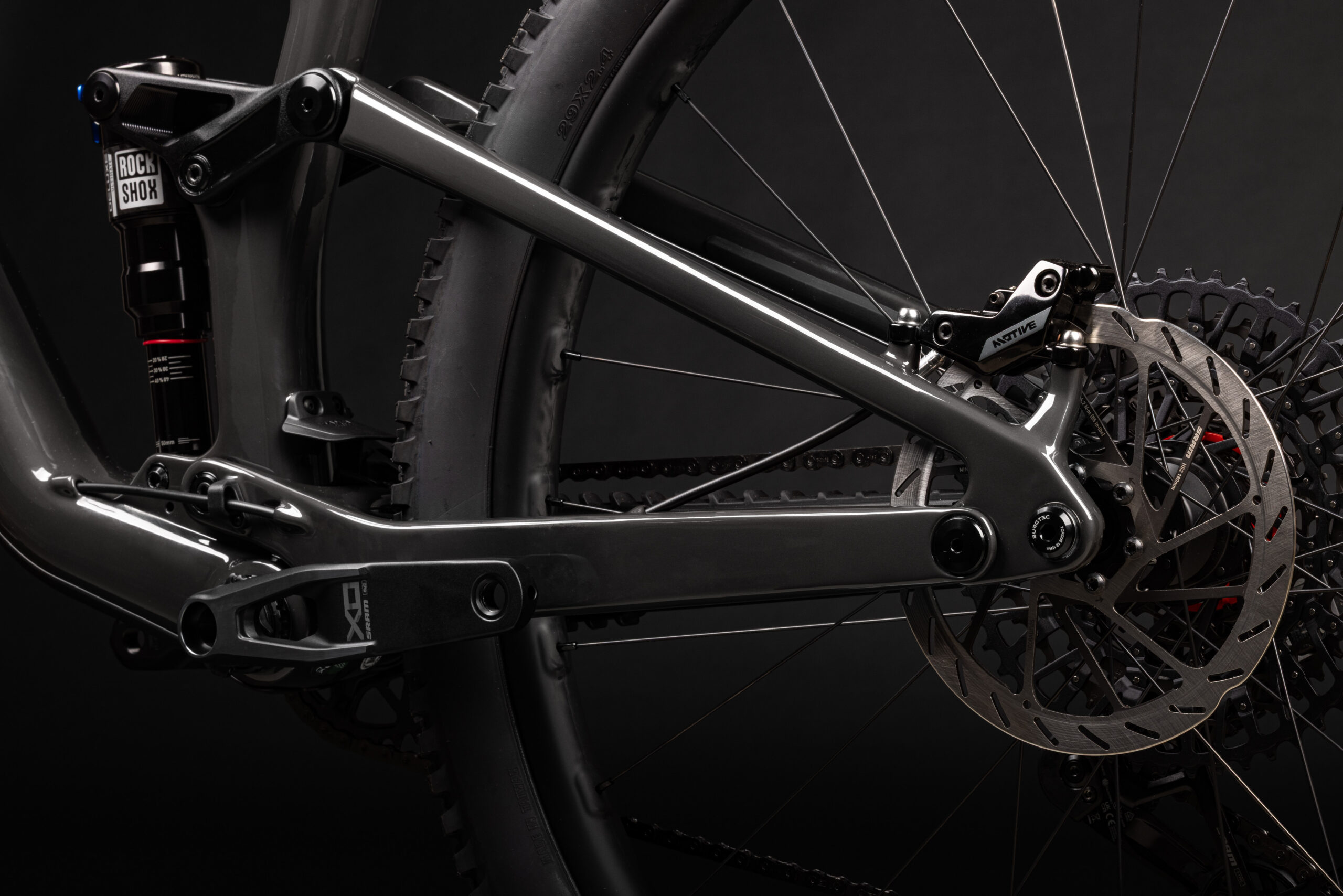
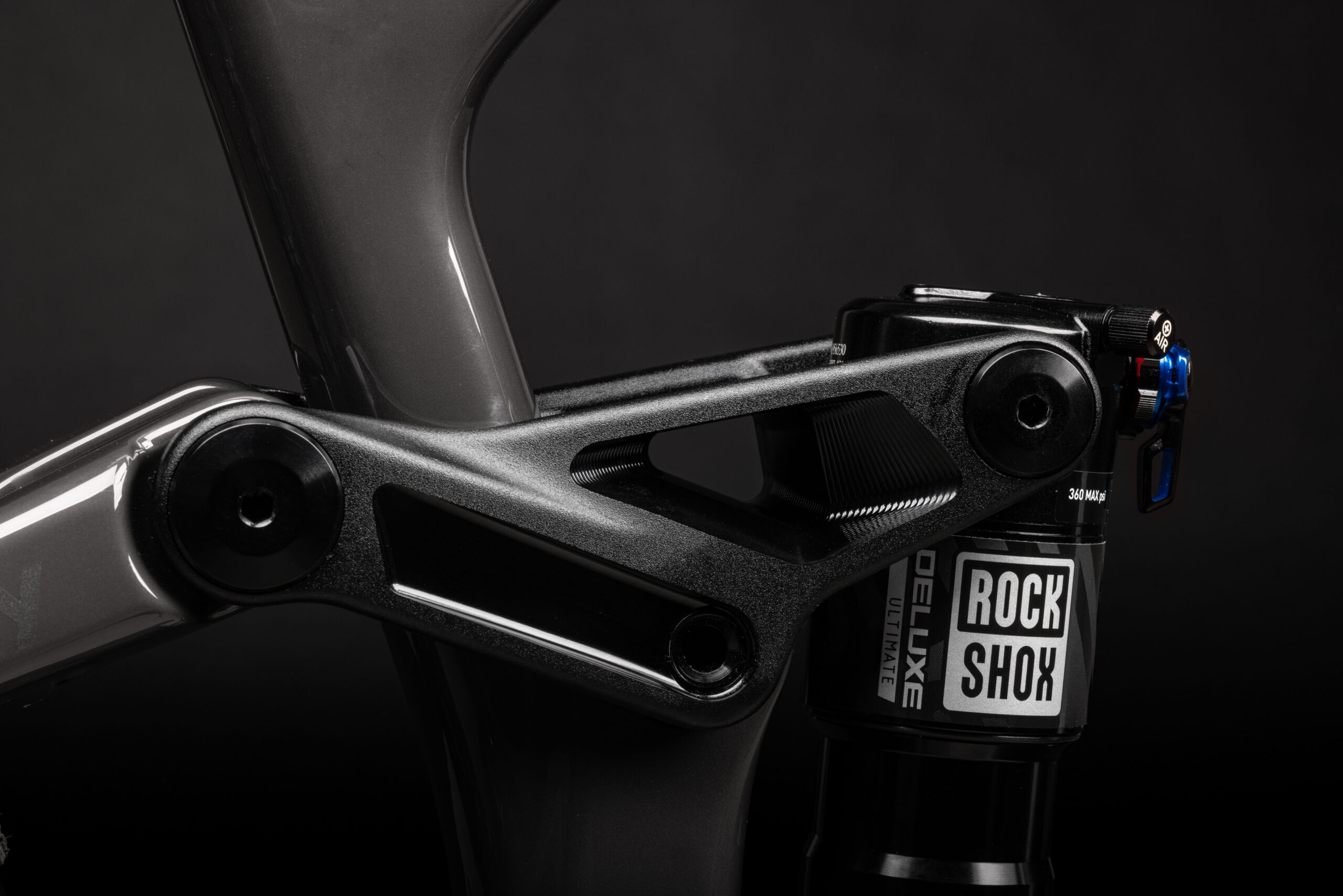
Santa Cruz also mentioned that the move to a four-bar was to make their “best handling bike” yet. So maybe some acknowledgment..?

If there was any acknowledgment, it is fulfilled in the new Tallboy. Santa Cruz’s 6th-generation Tallboy ditches VPP Suspension for a four-bar design. Why? Santa Cruz felt like they’d gotten all they could out of the VPP platform on the Tallboy. To achieve their desired performance moving forward, they need to move to something different.
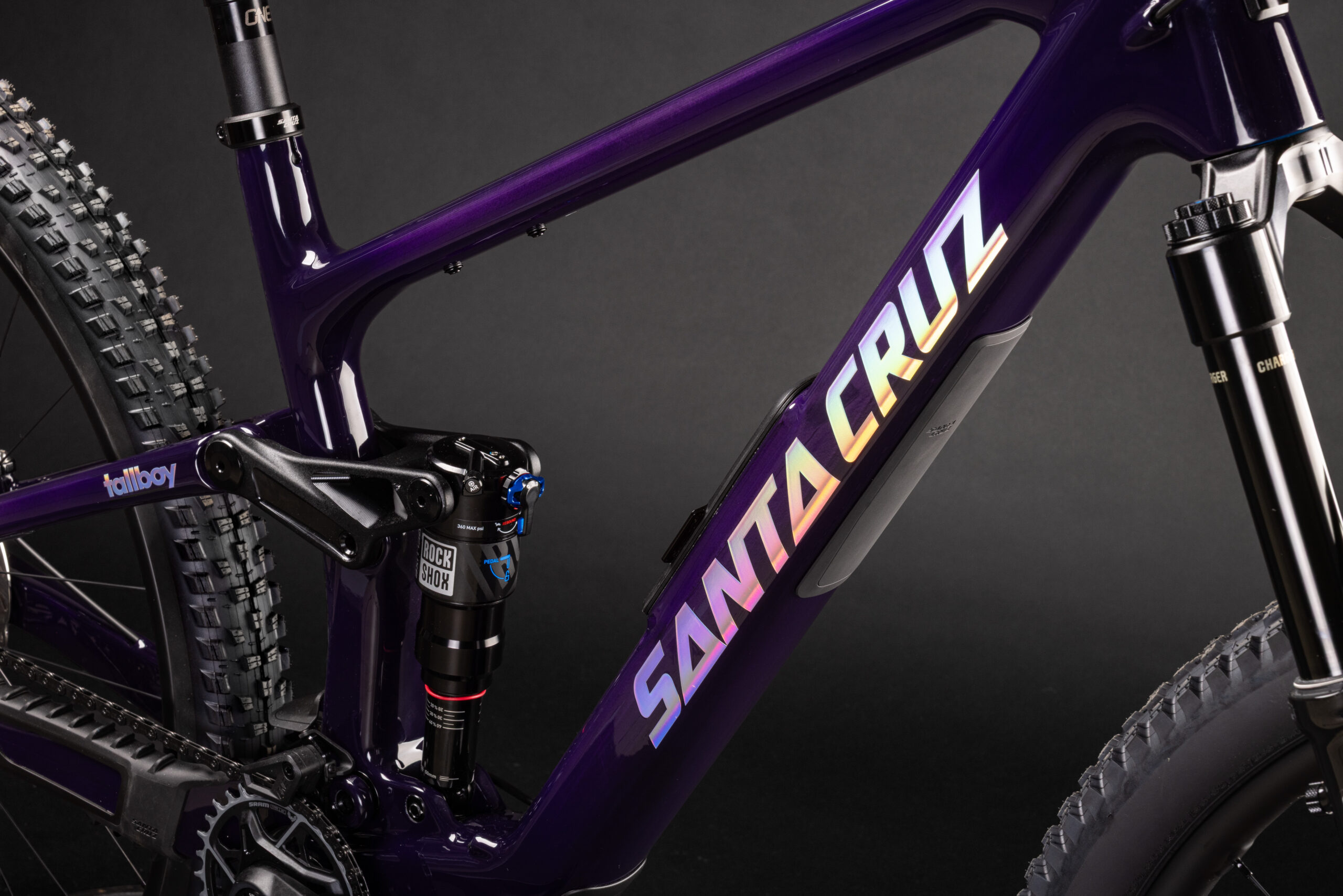
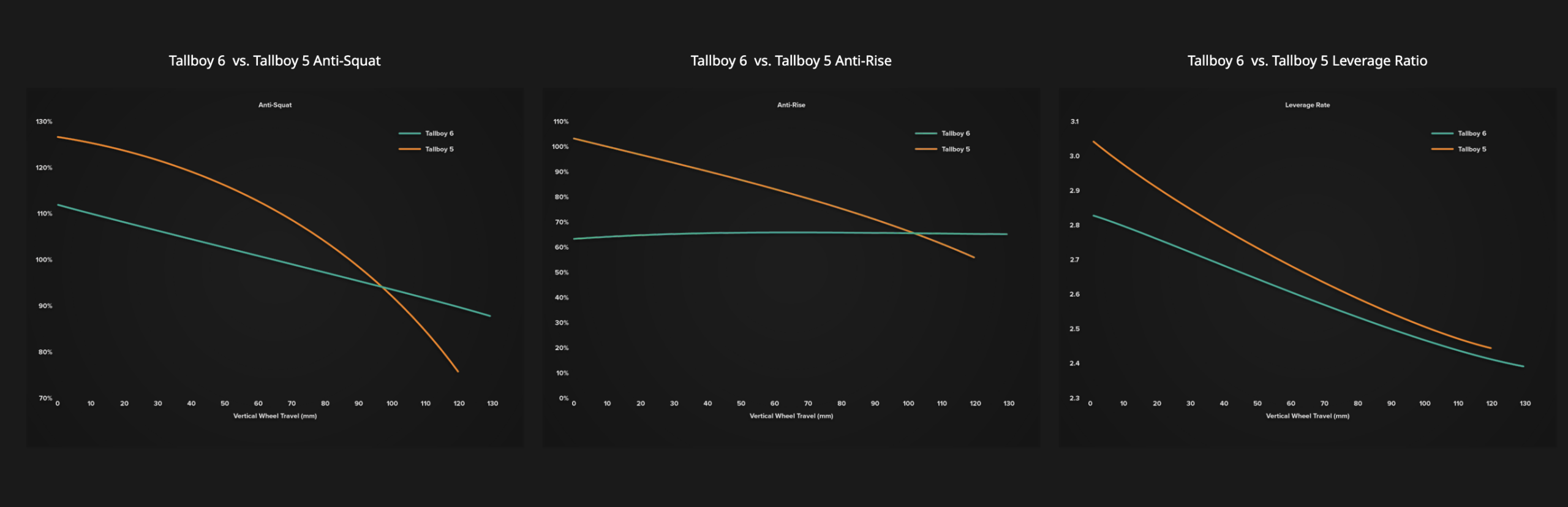
Despite testing a few different suspension platforms, including flex stays, they landed on a four-bar layout. They say this allowed them to more easily achieve the kinematics they were looking for, including lower anti-squat and anti-rise, and a bit less progressivity.
But, wait, didn’t they just release a new Nomad? Why not a four-bar there? Basically, the VPP platform still allowed Santa Cruz to accomplish their goals with the new Nomad. However, for shorter-travel bikes, like the Tallboy, Santa Cruz is clearly admitting that a different suspension design has won out for that travel bracket.

Ok, Four-Bar, But What Else Is New?
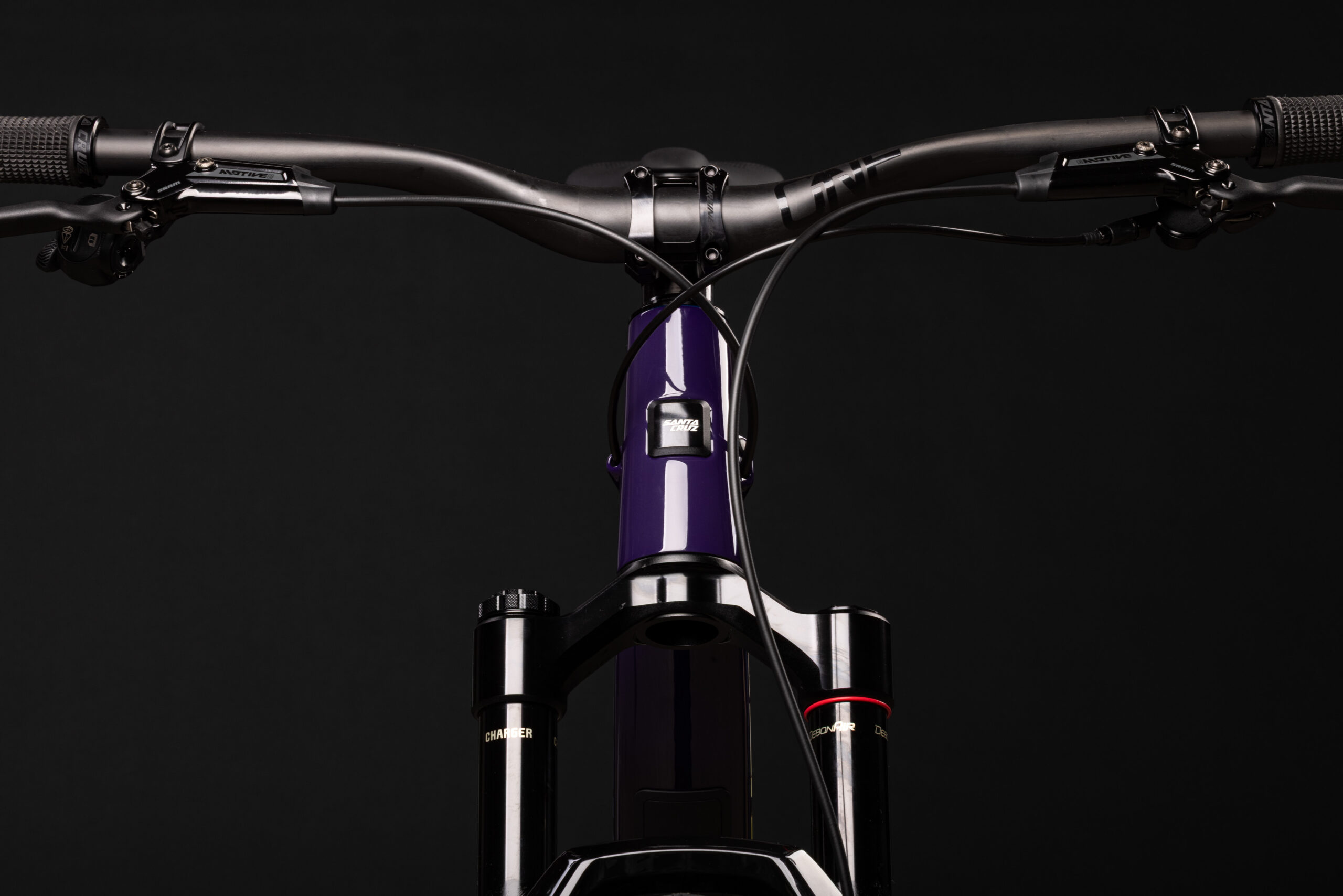
A lot, actually.

First, the Tallboy’s legs grow a bit. Suspension travel has increased by 10mm on both ends. The Tallboy now sits as a trail-ready 130mm machine, paired with a 140mm fork.

Santa Cruz did this partly in response to growing XC travel numbers, noting that the Blur now sits at 120mm. While the 5010 filled the gap between XC bikes like the Blur and longer travel offerings like the Hightower, there wasn’t a full 29er option. The new Tallboy now slots in between those other models.
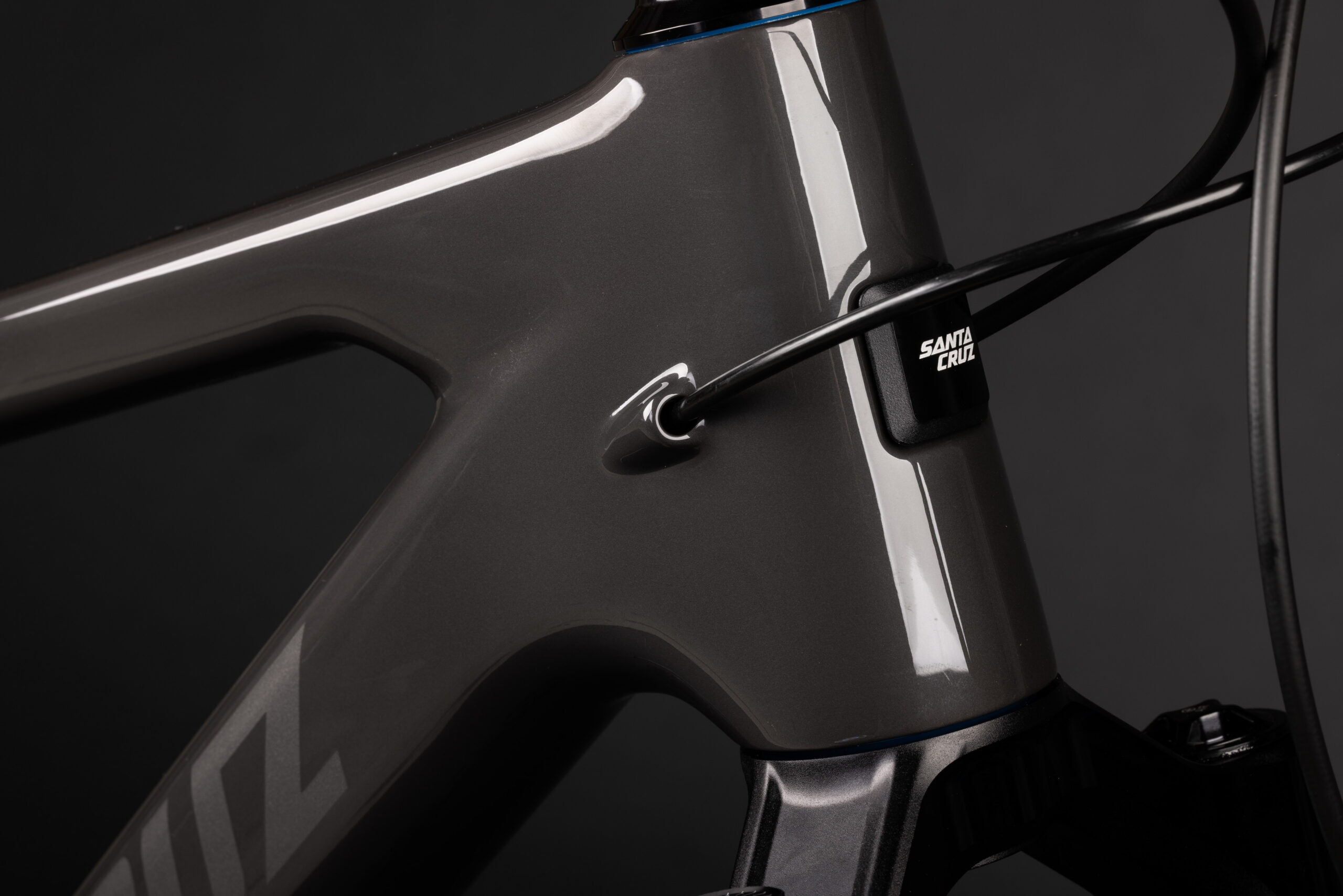
Despite growing in travel, Santa Cruz also shed some weight on the new Tallboy. The latest iteration dropped 300g, a result of the simpler four-bar platform. Like the new Nomad, Santa Cruz only offers the Tallboy in their premium CC carbon. This not only sheds some weight but simplifies the lineup and helps reduce lead times.

And, like the new Nomad, they kept cable ports for cable-actuated rear derailleurs.
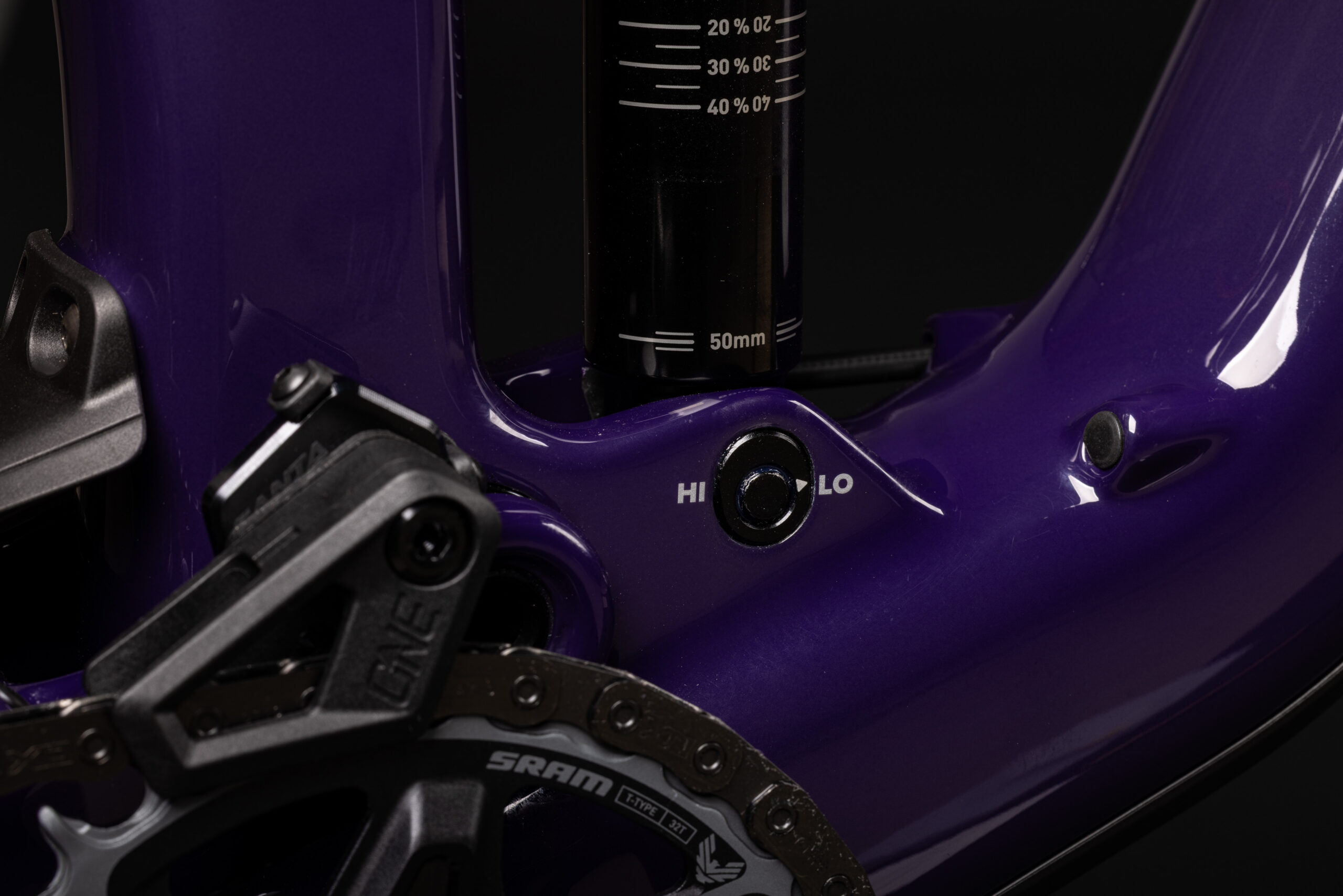
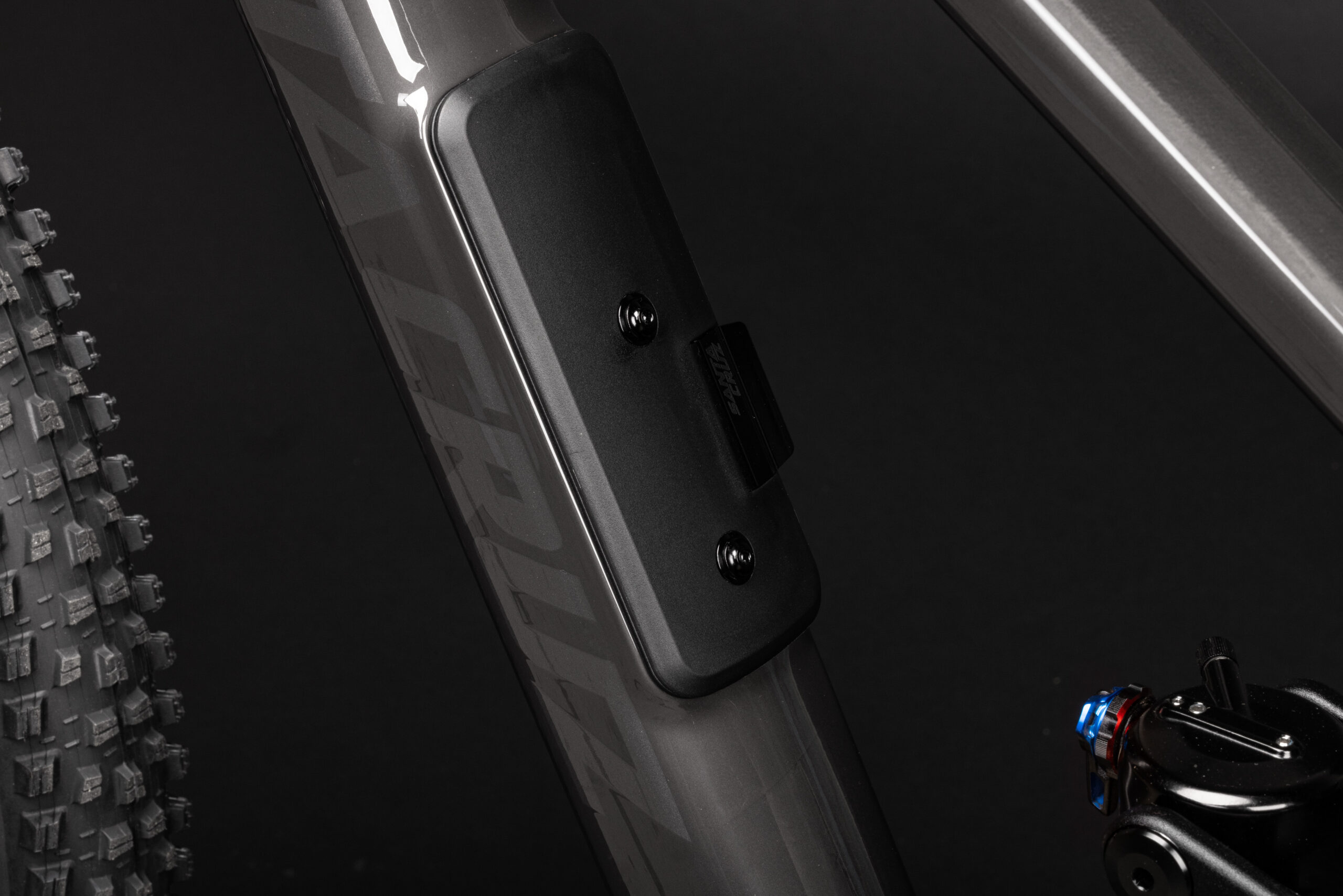
The bike also gets a couple of accessory mounts underneath the top tube, a geo-adjust flip chip, and the updated V2 Glovebox in-frame storage. There are six frame sizes (XS-XXL), and all frames have proportional sizing and stiffness. Plus, the seat tube is uninterrupted, allowing for longer dropper posts, with the largest frames easily fitting a 240mm dropper.
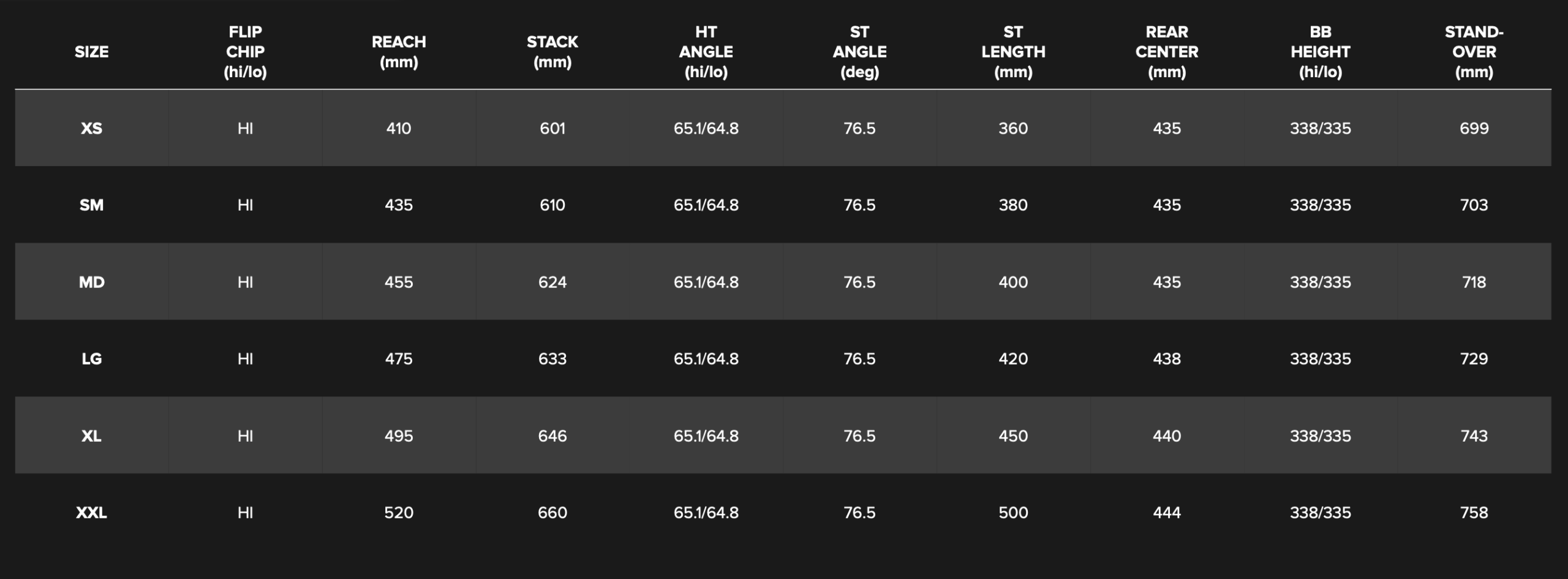
Santa Cruz also tweaked the Tallboy’s geo. The major standouts are a slacker head tube angle and a steeper seat tube angle. In the HI position, the HTA now sits at 65.1°, dropping to 64.8° in LO. The flip chip also changes the bottom bracket height by 3mm. Check the chart above for the rest of the details.

Tallboy 6: Builds and Pricing
Santa Cruz is offering the Tallboy in six builds, including a top-spec limited-edition build. All bikes use RockShox suspension, with a Pike fork and Deluxe shock. These, of course, increase in performance level as you go up tiers, starting with a Pike Base and Deluxe Select+ for the entry Tallboy, and hitting Ultimate-level at the top. 

The limited-edition Tallboy features a Super Deluxe Ultimate rear shock and a Pike Ultimate fork, both equipped with Flight Attendant. All builds have claimed a weight between 29 and 31lbs.

See the rest of the build specs in the chart below:
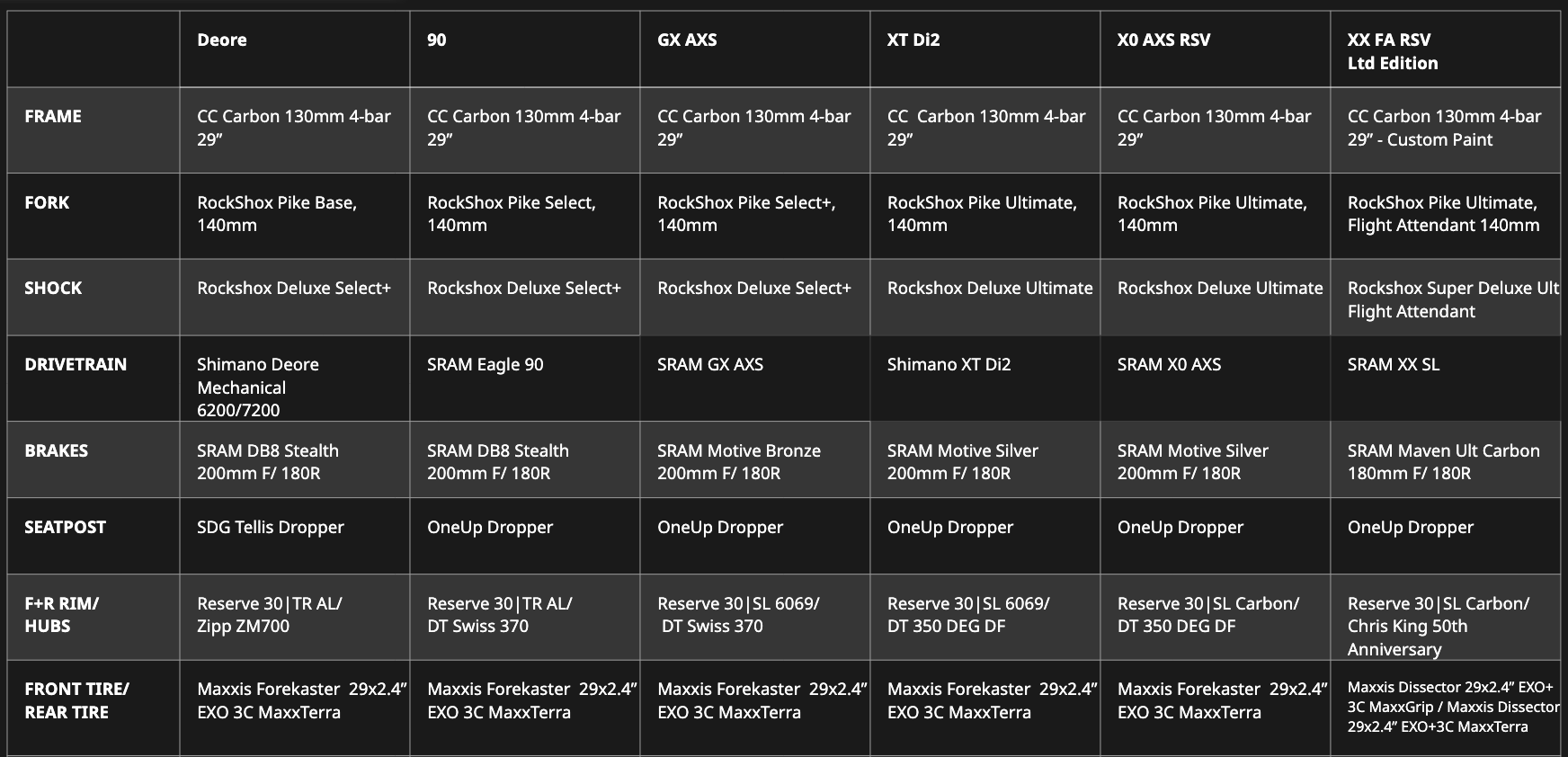
So, how much? The Tallboy starts at $5,899 for the 90 build and tops out at $9,299 for the XO AXS RSV build. In the press materials, Santa Cruz didn’t disclose the cost of the lower Deore build, or the highest spec’d XX FA RSV build.

We’re hoping to get our hands on a test bike to see how it compares to the previous version, and we’ll certainly let you know about it if/when we do.

In the meantime, head to the Santa Cruz website to learn more about the redesigned Tallboy.

santacruzbicycles.com

Subscribe
Notify of
guest

This site uses Akismet to reduce spam. Learn how your comment data is processed.

11 Comments
Oldest
Newest Most Voted
Inline Feedbacks
View all comments
nooner
nooner
21 days ago

It’s time to have a good cry VPP fanbois. It’s 2026 and Santa Cruz has just released a carbon copy of a 2004 ELLSWORTH TRUTH! VPP always did pedal well but would get pedal kickback and hung up climbing rough terrain. The VPP suspension was always terrible under rear braking just packing up, bouncing around and skipping over compressions with the rear brake locked up. Poor little Jacko was getting tossed like a ragdoll at the recent Korea world cup under heavy braking, heels dropped, when he needed active suspension most! Will we see a new V10 now?

Doc Sarvis
Doc Sarvis
21 days ago

Be interesting to see how the premium brands adjust to the new world order. Spesh jumped on early and certainly others have to follow suit.

Mr Pink
Mr Pink
21 days ago

Let’s make no mistake here. They did this to cut costs and nothing more. Full stop. It’s cheaper to make that’s it. The VPP suspension is far better for such but harder to make.

yet sadly the Santa Cruz tax is still there for the name. One should just get a transition or one of the countless I expensive four bar bikes available for much less.

Space Raccoon
Space Raccoon
19 days ago
Reply to  Mr Pink

I doubt that’s the case – VPP has the exact same number of pivots and one more forged link, which will be cheaper to make than a separate carbon chainstay. I think what’s more likely is that like any performance industry, everything ends up on the one solution that works best rather than running different solutions just for the sake of being different. Have you ever asked yourself why all motorcycles have pretty much the same rear layout?
If you think all four-bar bikes ride the same, you clearly haven’t ridden many bikes – just like any suspension layout, small changes can have very big effects. It’s probably easier to make those changes on a four-bar than VPP though as you have a much bigger window for pivot placement etc, which is a good thing if you want bikes that perform well and ride differently from each other.

benito
benito
20 days ago

what are the supposed handling benefits of horst link over VPP? i’ve never heard of VPP having poor handling

JBikes
JBikes
20 days ago
Reply to  benito

I’d also ask what were the benefits of VPP over the 4-bar? Commenters dismissing this or saying grab any other 4-bar apparently have only ridden one bike, because not all horst links feel the same

Doc Sarvis
Doc Sarvis
20 days ago
Reply to  benito

I really struggled to get the shock sag on my Heckler for some reason.

Traildog
Traildog
19 days ago
Reply to  benito

The way that Santa cruz implemented it, VPP usually had a weird reverse bend in the leverage curve. The lower link shock mount design that the previous gen tallboy had (along with their other bikes) fixed the leverage curve issue, but made the bikes heavy. Also, Santa Cruz usually put too much antisquat on the bikes. Hence the previous hightower getting a reduced antisquat revision. Which is not at all inherent to VPP (which just means “counter rotating links”), but the way they went implemented it with the short bottom bracket link, yeah it was a pretty dumb and hard to tune design. A chain stay pivot near the axle a la horst link/4 bar plus the swinging upper link would have worked just fine.

Chunk Plepgeat
Chunk Plepgeat
20 days ago

I’ll keep my 2021 Gen 4 Carbon ‘R’ with a 140mm fork and a Cascade Link for 128mm of rear travel.

Adam Zimmer
Adam Zimmer
19 days ago

I remember when I worked for a Specialized and Santa Cruz dealer and we took a tour of the Santa Cruz and Specialized factories. Santa Cruz talked nonstop crap about the Specialized guys and their mountain bikes. It was funny how much they dislike them and even the Horst Link/FSR. The Specialized guys were asking us tips on how to better sell MTB’s like Santa Cruz.

Traildog
Traildog
19 days ago

I’ve been moaning about excessively high anti squat for years so I guess I have to buy one. Looks good. Of course the graphs don’t specify gear development but at least they are breaking the trend a little bit.

Now if it still has the heel clearance that Santa cruz has been great about, I’ll be even more psyched.
I think the argument about limitations on VPP is BS though; you can have a swing upper link with a horst style chain stay and it’s still “counter-rotating”. My guess is their branding with the small, squished lower link behind the BB had kind of painted them into a corner on excessively high frame weight. The last tallboys were obscene and the weight was a big reason I didn’t buy one.

Having spent a lot of time with LinkageDesign software, it is kind of difficult to get that kink in the leverage curve out with the top swing link though. Smoother leverage ratio, lighter weight, and much a easier manufacturing are probably the main reasons. I do wish they were able to keep the top swing link while going to a horst style chain stay with all the kinematic improvements, it is definitely possible, but not as flexible to implement across different frame sizes and styles. So I understand why they didn’t

Subscribe Now

Sign up to receive BikeRumor content direct to your inbox.