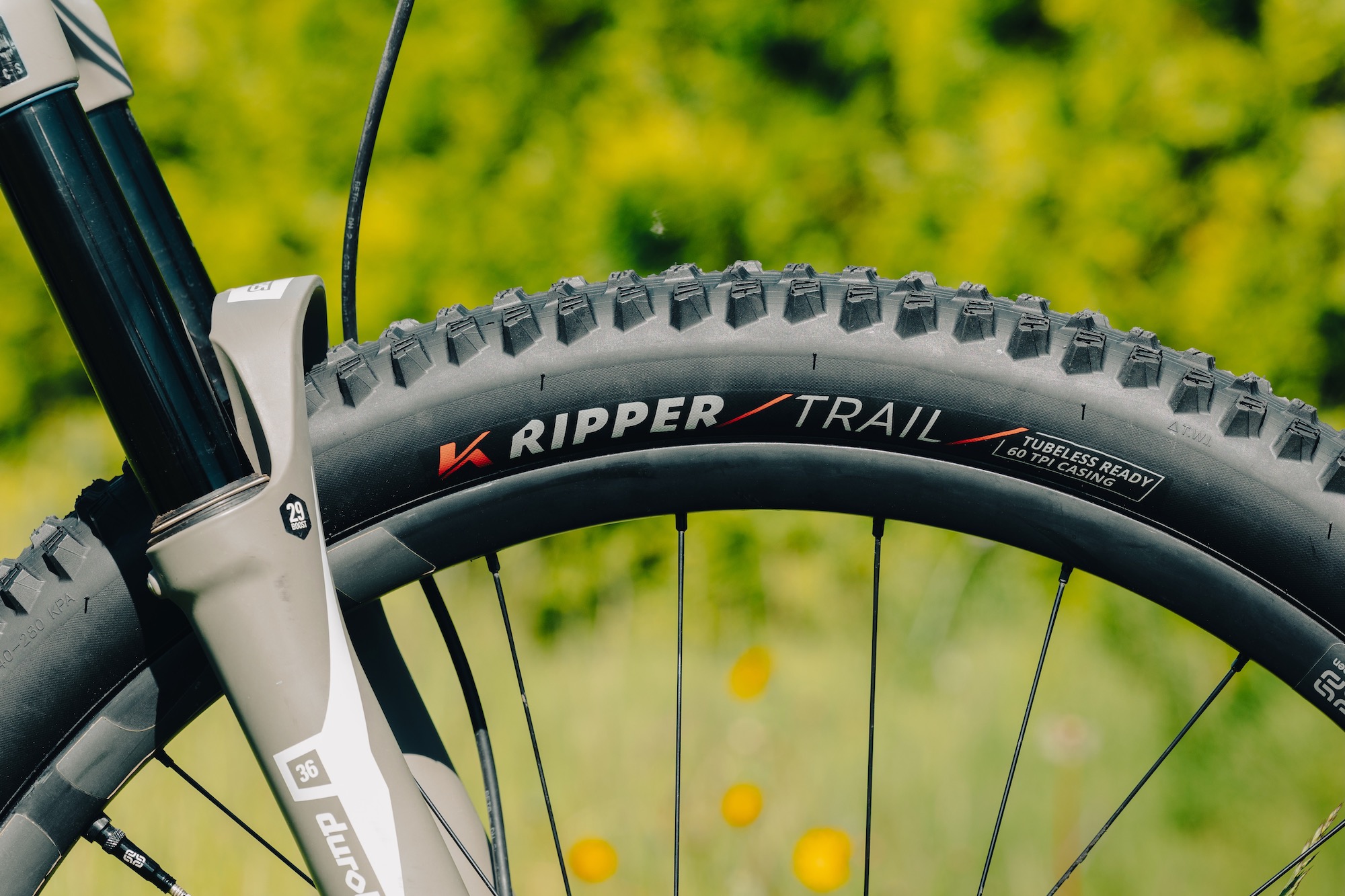


The K-Series is Kenda’s designation for its top-tier road, gravel, and mountain bike tires. Made with premium materials and developed alongside its professional athletes, the K-Series mountain bike range includes everything from fast and light XC tires to burly and aggressive gravity treads. Today, Kenda is adding a brand-new model to the lineup, the Ripper.
According to the brand, the “Ripper bridges the gap between efficient XC/downcountry tires and heavy enduro rubber.” It’s designed as a versatile, do-it-all trail and all-mountain tire that rolls fast and delivers consistent, predictable cornering and braking traction. The Ripper is launching in the K-Series Trail casing to start, with a next-gen All-Mountain Casing version to follow.
Kenda sent me the new Ripper Trail along with the Double Diamond (Trail and Enduro casings) to check out before launch. I’ve got a couple of rides on them so far, and I’ll share my initial impressions at the end of this article.
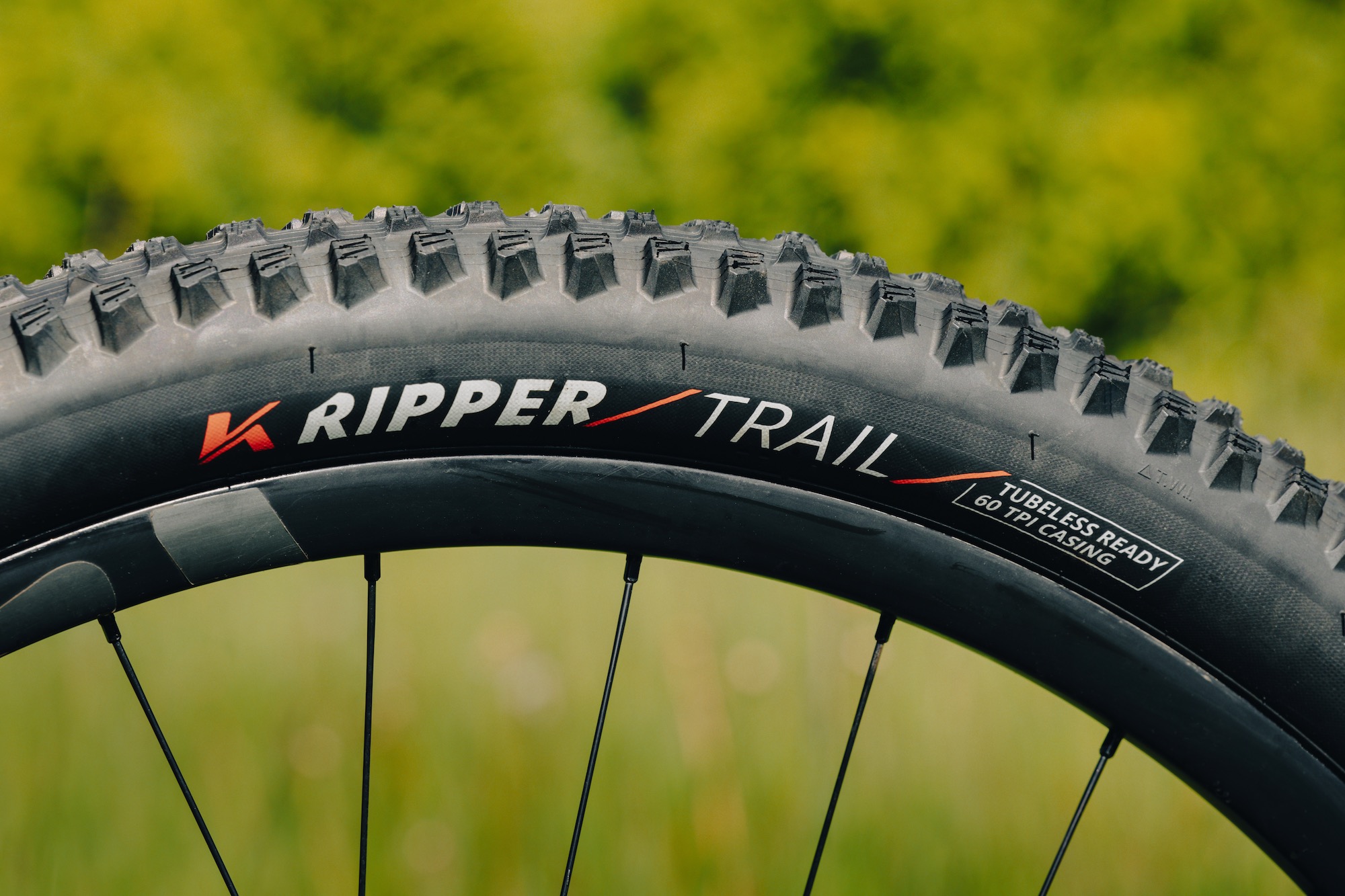
K-Series Ripper Trail
According to the brand, the Ripper was designed for “Riders who want a fast, efficient trail tire with confident traction but don’t need enduro-level aggression.” Within the brand’s K-Series range of mountain bike tires, it sits directly between the XC-oriented Dagger and more aggressive Double Black models. As such, it aims to combine the performance attributes of both tires, balancing the former’s rolling speed with the latter’s traction.
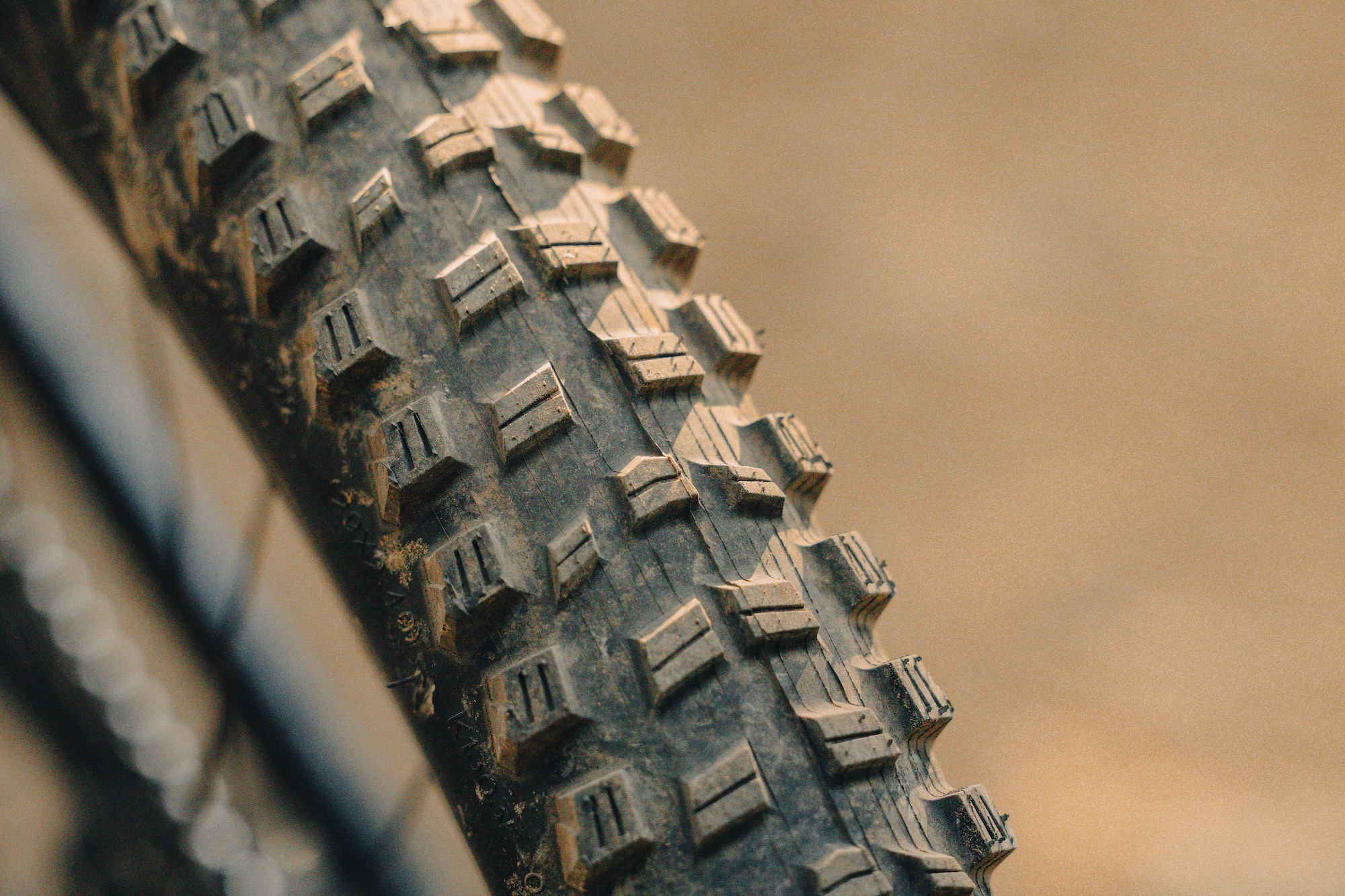
The Ripper’s center tread is an alternating 2-2-3 pattern of medium-height knobs, all of which feature ramped leading edges and horizontal sipes. The spacing is fairly close and spreads into the intermediate/transition zone, and Kenda refers to it as a “neutral void tread.” The shoulders consist of a uniform row of fairly substantial cornering knobs, each with 2 vertical sipes. According to the brand, the broad bases of the tread knobs provide stability for consistent cornering and braking traction.
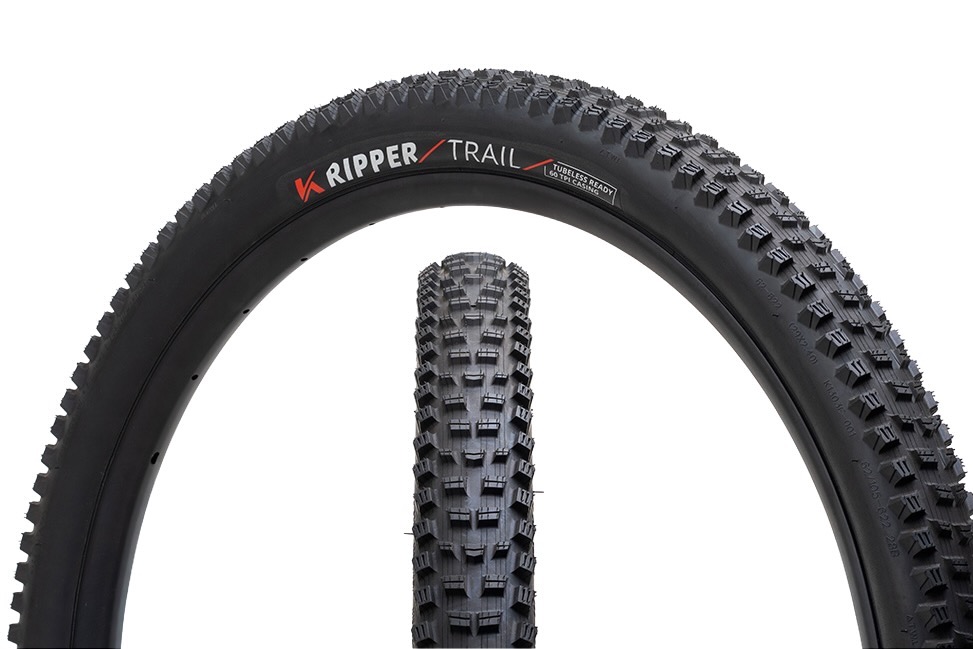
The Ripper Trail uses a dual-layer rubber compound with a softer, high-traction rubber over a fast-rolling base layer. This is intended to provide a balance of rolling speed, grip, and durability. That sits atop Kenda’s 60 tpi K-Series Trail casing, which is meant to balance protection, durability, ride quality, and low weight. Kenda says the 62mm casing and tread width are optimized for modern wheels and riding styles, and the Ripper Trail is compatible with analog bikes and eMTBs.
The Ripper Trail is intended for use in the front and rear for a balanced, quick-rolling setup. For more aggressive riding, Kenda recommends running it as a rear tire paired with the Double Black in the front. Or, for a faster-rolling setup, try the Ripper in front and with the Dagga in the back.
Sizes
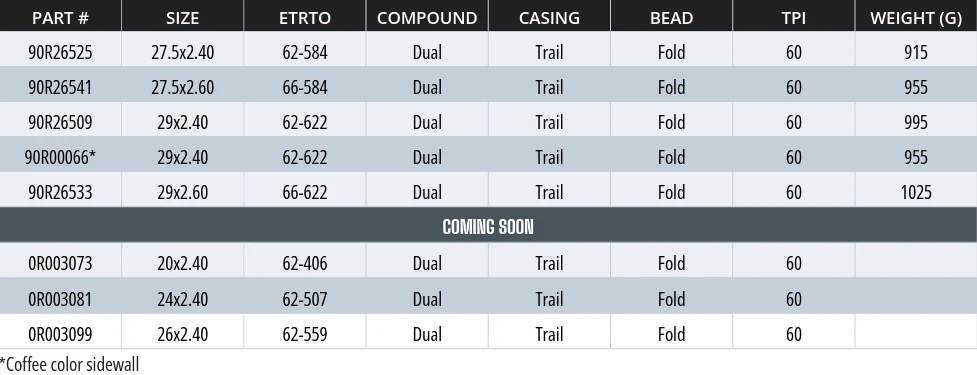
The Ripper is currently available in the Trail version only, but Kenda says a slightly more robust All-Mountain version is in the works. The Ripper Trail comes in 27.5” and 29” diameters in 2.4” and 2.6” widths. All of them come with black sidewalls, and the 29”x2.4” is also available with a coffee colored sidewall. Claimed weights range from 915 grams to 1025 grams, depending on the size.
Additionally, Kenda says that 20”, 24”, and 26” sizes are coming soon.
Pricing and Availability
The new Ripper Trail retails for $84.95 and is available now. Head to the Kenda website to learn more or purchase some fresh tires for your fall mountain bike adventures.
First Impressions
I was a pretty big fan of the Kenda Nevegal back around 2005-ish, but I haven’t ridden any of the brand’s mountain bike tires in well over a decade. So, when they offered to send me some of their latest tires, I was intrigued and interested to see how they perform. In addition to the brand-new Ripper Trail, they sent me the more aggressive Double Black in both the Trail and Enduro casings.
Actual Weights and Measured Widths
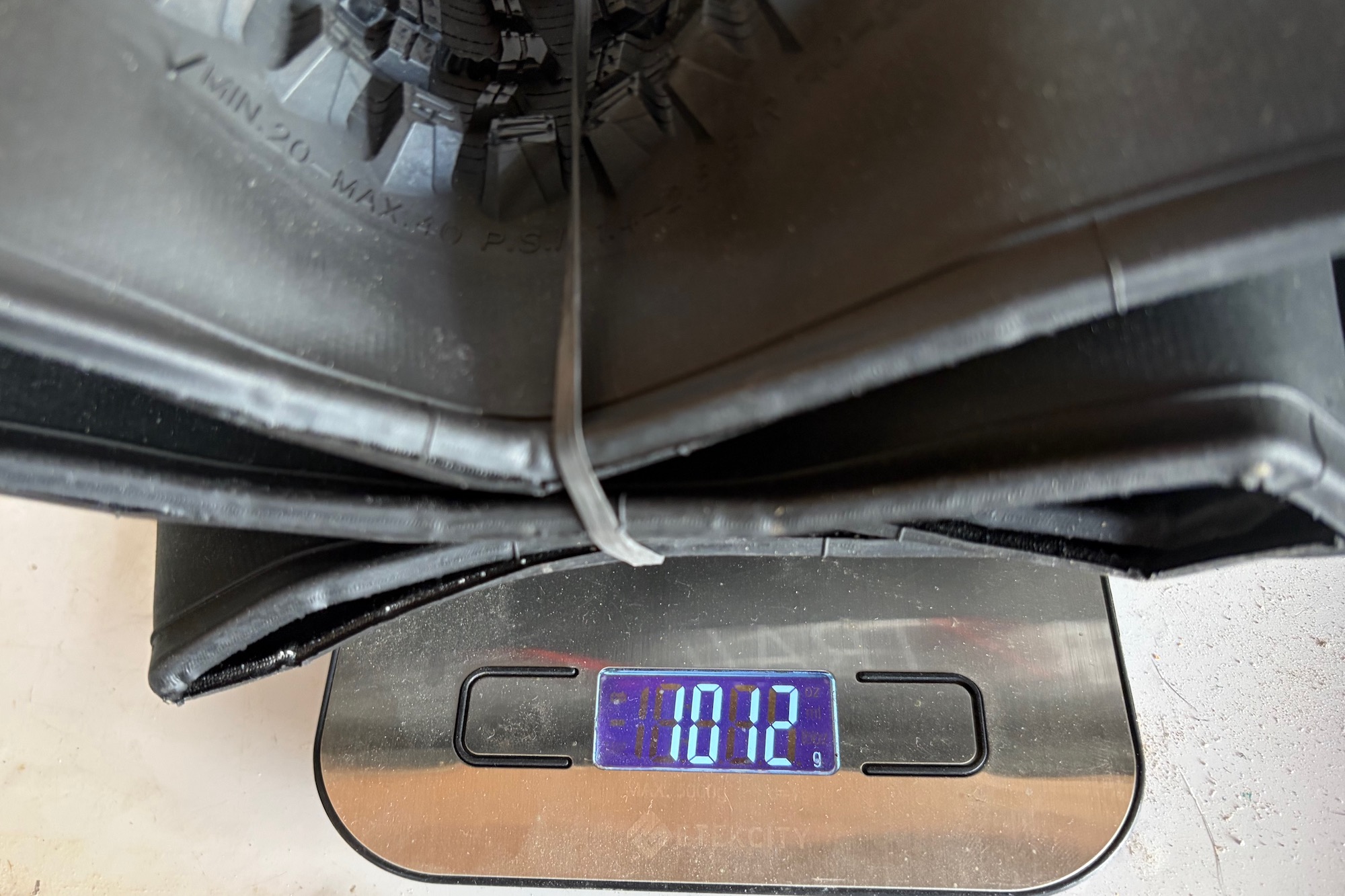
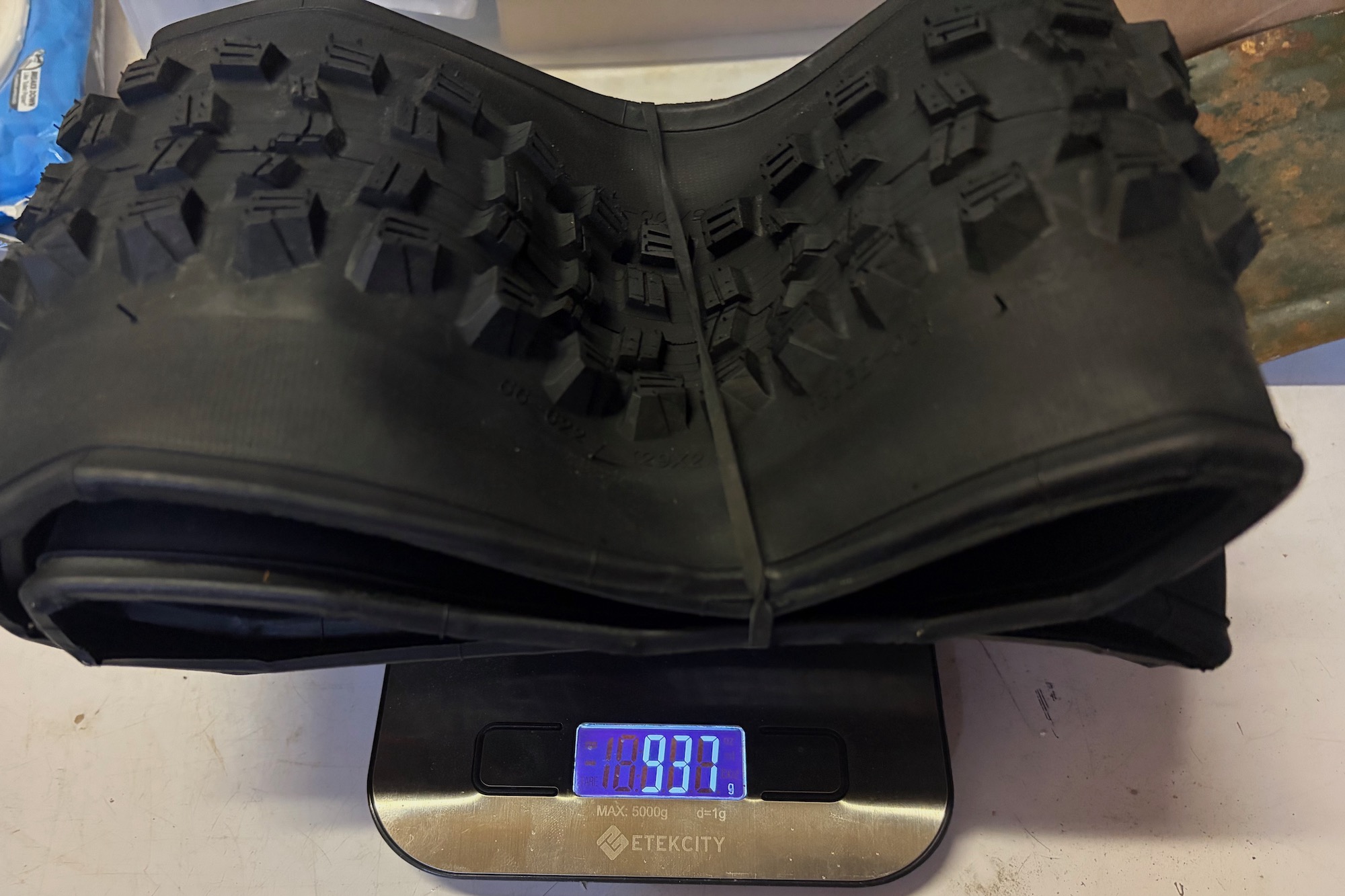
Before mounting the Ripper and Double Black Trail tires, I weighed all of the tires I have on hand. Interestingly, the 2.4” Ripper Trail weighs more than the 2.6”; I triple-checked to make sure I wasn’t mixing up the sizes. The 1012g measured weight of the 2.4″ version is only 17g higher than claimed, which isn’t too far off. The 937g weight of the 2.6″, however, is significantly lower than its claimed weight of 1025g. An 88g discrepancy is fairly significant and could potentially be due to it being a preproduction sample, but that’s speculation.
Weights
- Ripper Trail 29”x2.4”: 1012g
- Ripper Trail 29”x2.6”: 937g
- Double Black Trail 29”x2.4”: 986g
- Double Black Trail 29”x2.6”: 1160g
- Double Black Enduro 29”x2.4”: 1259g
- Double Black Enduro 29”x2.6”: 1421g
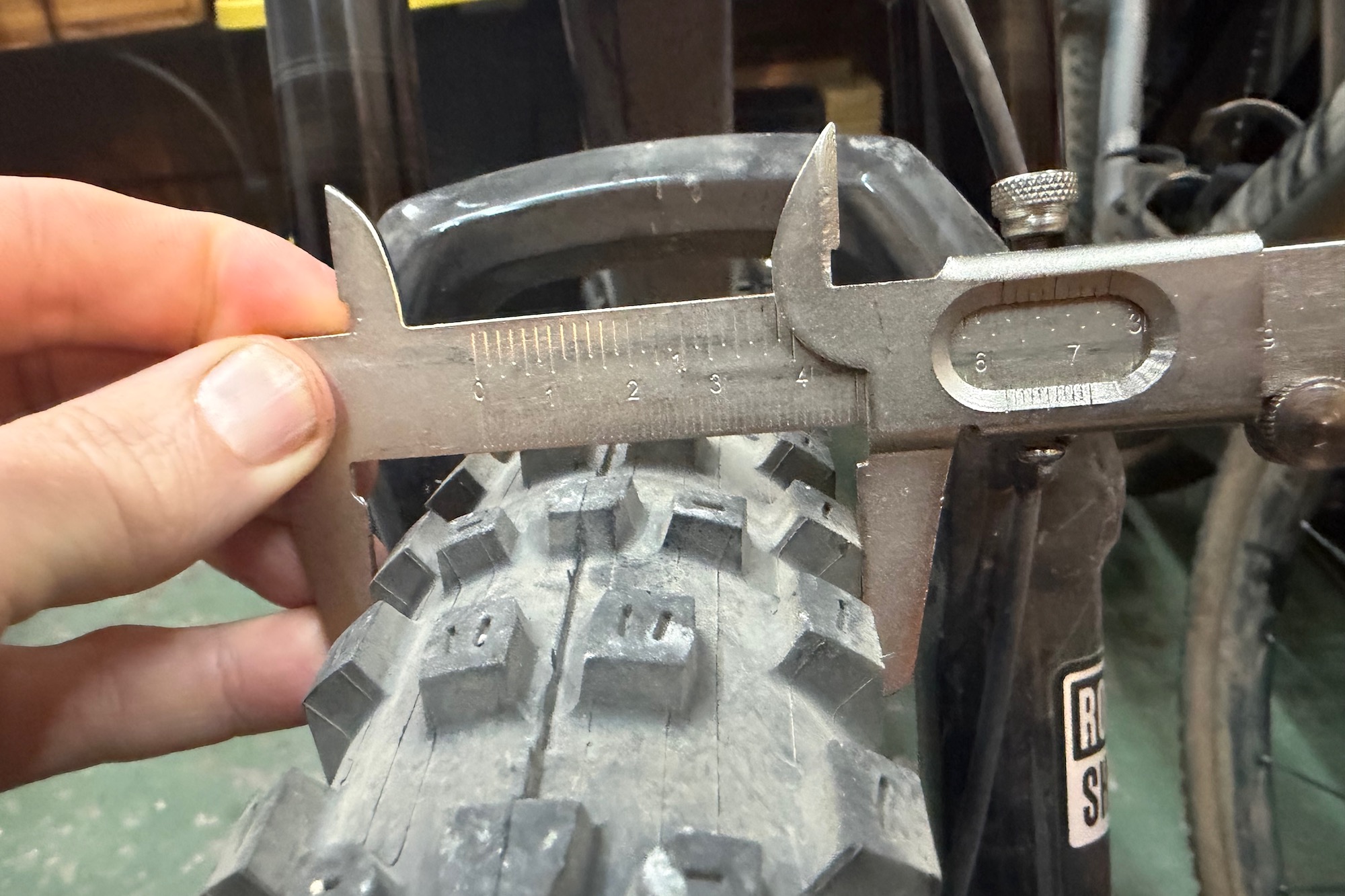
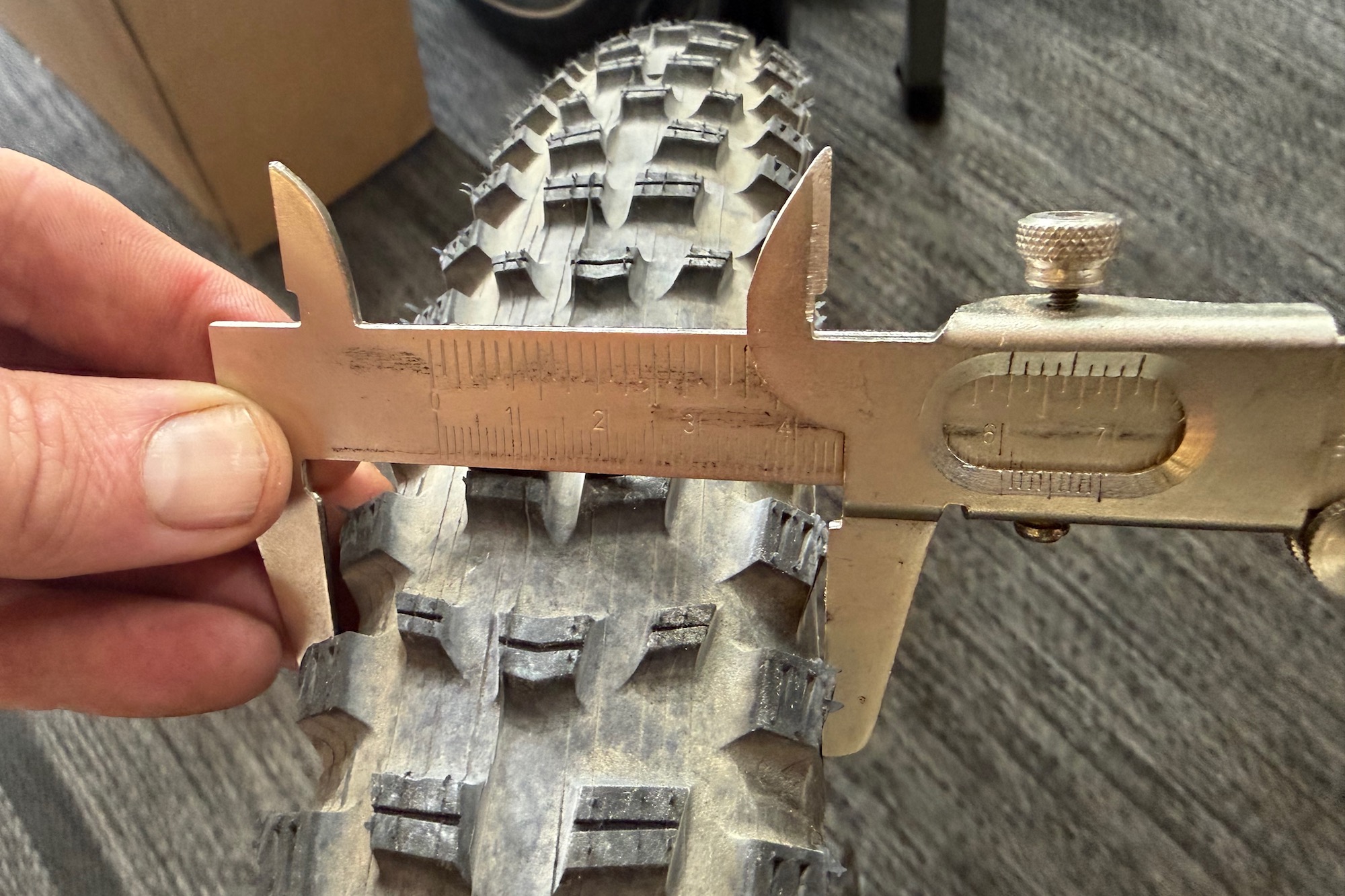
I’ve only mounted two of the tires so far, and I measured their widths on 30 mm internal-width rims. The Double Black was spot on at 62mm or 2.4″. The Ripper Trail measured a touch narrow at 60mm, or 2.36″, but it’s still essentially brand-new, so that might change as the casing breaks in a bit more.
Widths
- Double Black Trail 29”x2.4”: 61mm or 2.4”
- Ripper Trail 29”x2.4”: 60mm or 2.36″
Installation
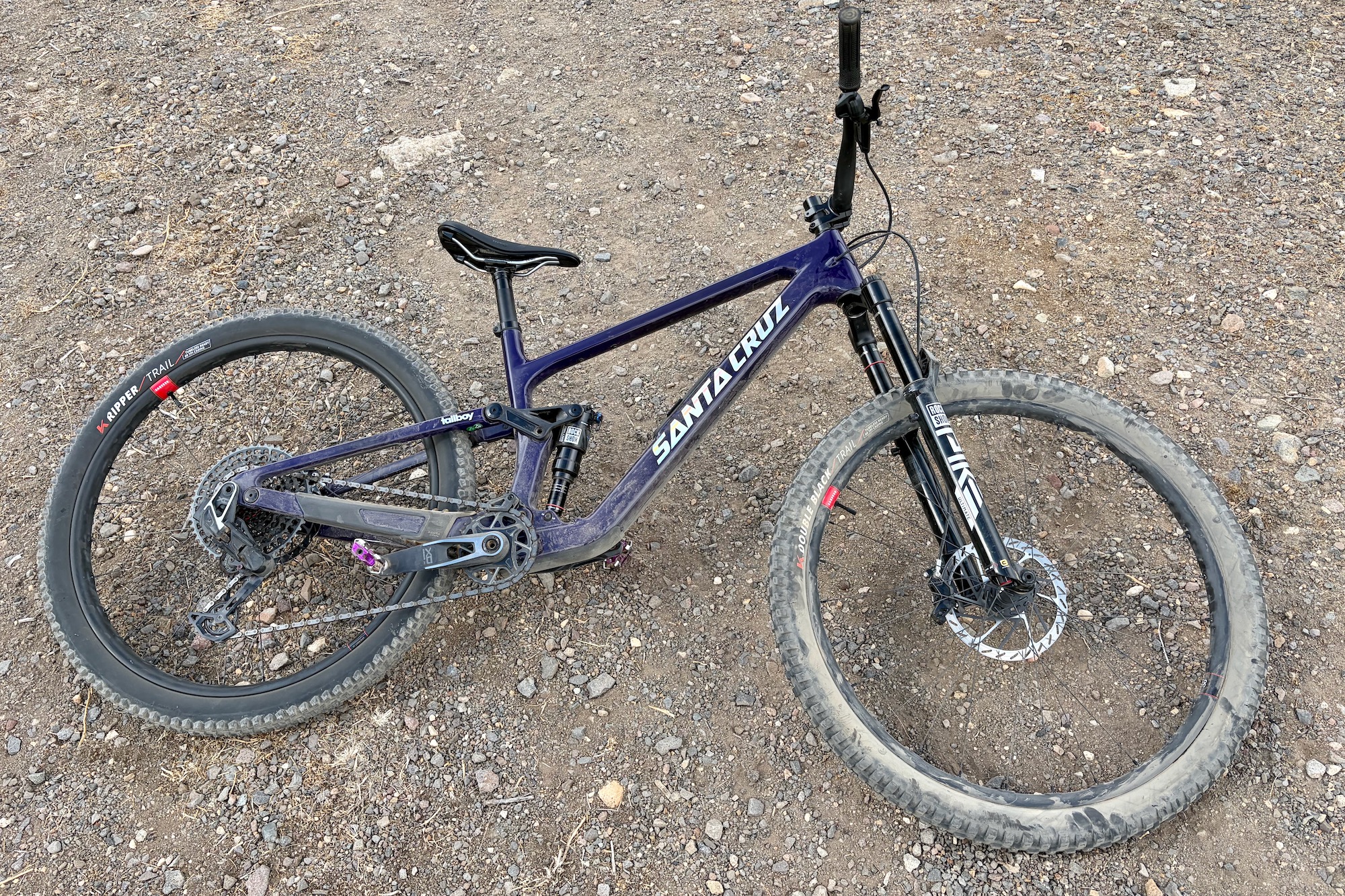
I’ve been testing the new Santa Cruz Tallboy for the past few weeks, and it came with a matching set of Maxxis Forekaster tires. It’s a good, fast-rolling combo, but I wanted a little more grip in the front, so I swapped in the Double Black Trail. A few days later, I mounted the 2.4” Ripper Trail on the rear.
Both tires were very easy to mount, and neither required the use of tire levers when installing them on the 30mm-wide Reserve 30 SL rims. I was able to seat both tires easily using the high-volume Topeak Joeblow Mountain X Digital pump, which moves a lot of air per stroke. Still, both tires were shockingly hassle-free to mount.
On the Trail
The Double Black immediately provided significantly more cornering and braking traction on the front of the Tallboy, which is exactly what I was hoping for. Despite its relatively aggressive and widely spaced tread design, it doesn’t put up much rolling resistance, and it felt surprisingly quick on pavement and hardpack. At the same time, it dug into the loose and gripped where the Forekaster was slipping. I found 20 psi to be the sweet spot for grip, damping, and support with the relatively light Trail casing.
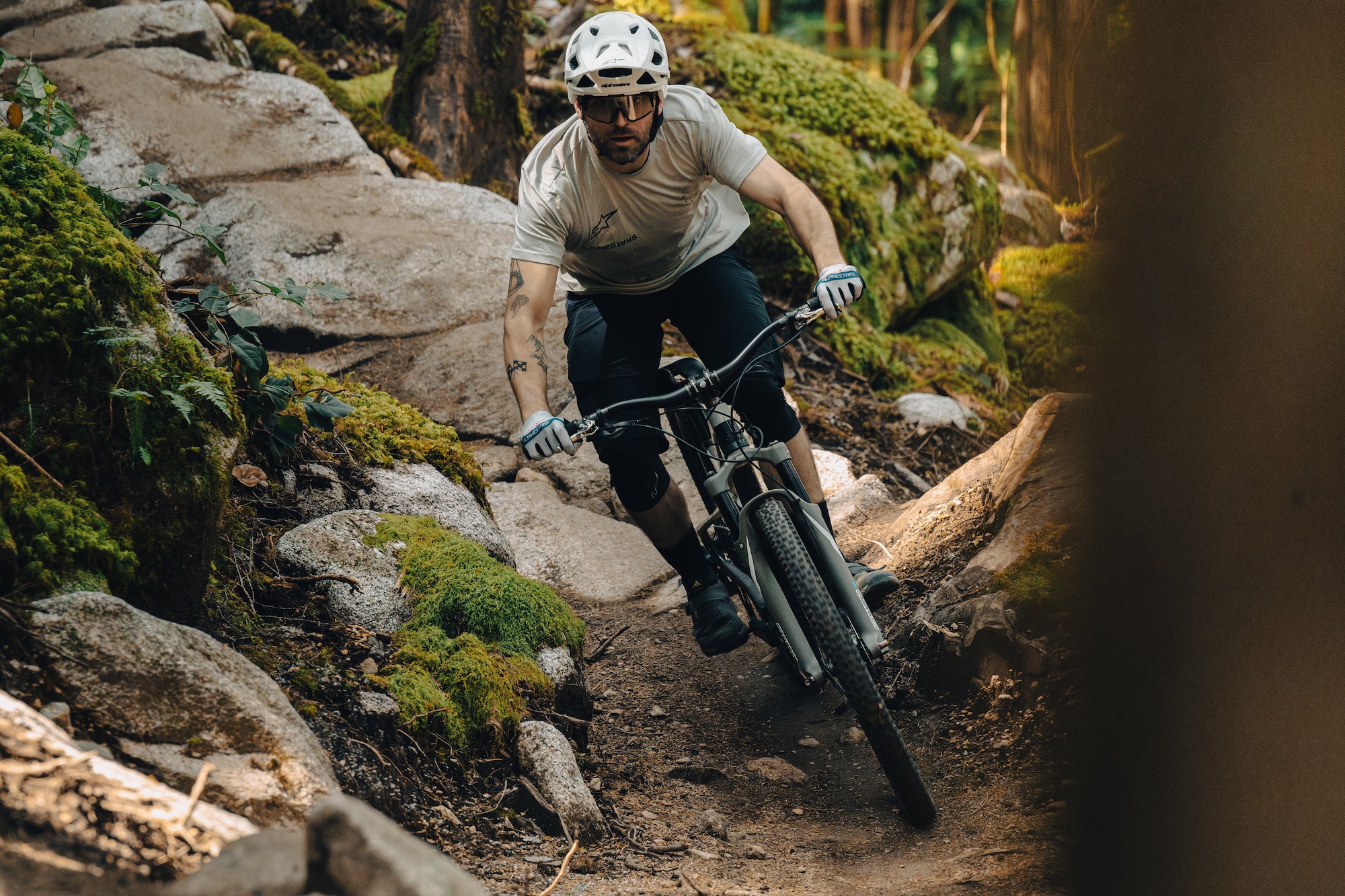
Switching from the Forekaster to the Ripper Trail on the rear initially didn’t feel much different. In fact, it was hard to tell them apart. Both tires share a similar, fast-rolling tread design and intended use as a versatile, all-around trail tire. It felt zippy and fast-rolling while riding the roads and bike paths to my local trails. On the trail, however, the differences became more apparent. The Ripper’s slightly more aggressive tread was less prone to spinning out on loose climbs and offered notably improved braking traction. The beefier row of side knobs also delivered more traction, confidence, and trust while leaning the bike over in corners.
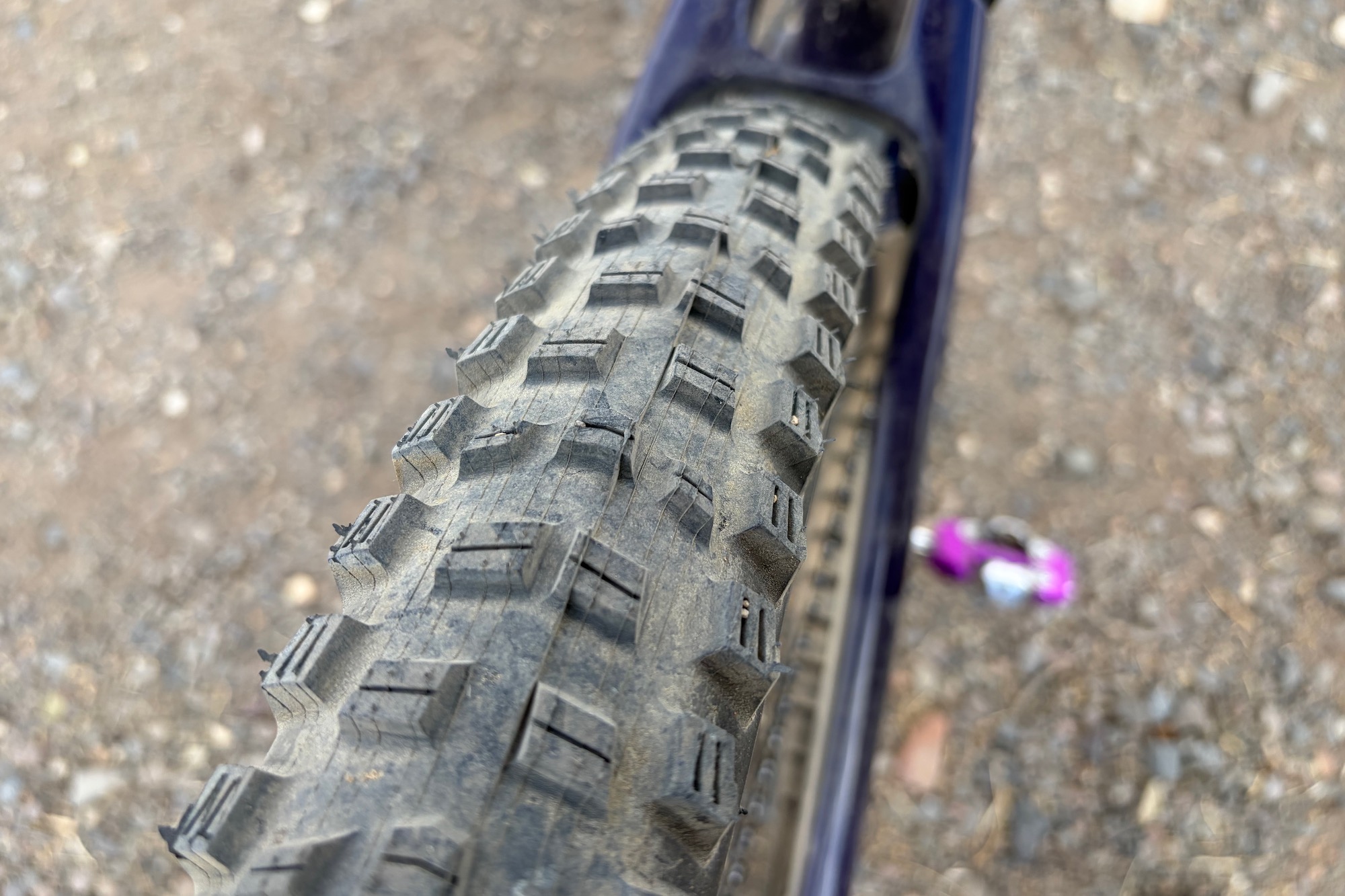
Again, the Trail casing felt suitable for my needs and a good match for the Tallboy. I landed on 22 psi for the Ripper Trail in the rear and had no issues with squirming, burping, or rimming out. For comparison, I’d say it feels a bit more supportive than Maxxis’ EXO, probably closer to EXO+. The tradeoff is a slight increase in weight compared the 2.4″ Forekaster at ~925g.
As for other comparisons, the Ripper Trail is positioned similarly to tires like the aforementioned Maxxis Forekaster, the Schwalbe Nobby Nic, Vittoria Aggaro, and the Specialized Eliminator. Like those tires, I’d be most inclined to run it in the rear with a more aggressive tire in the front, but that obviously depends on your riding style, terrain, and conditions.
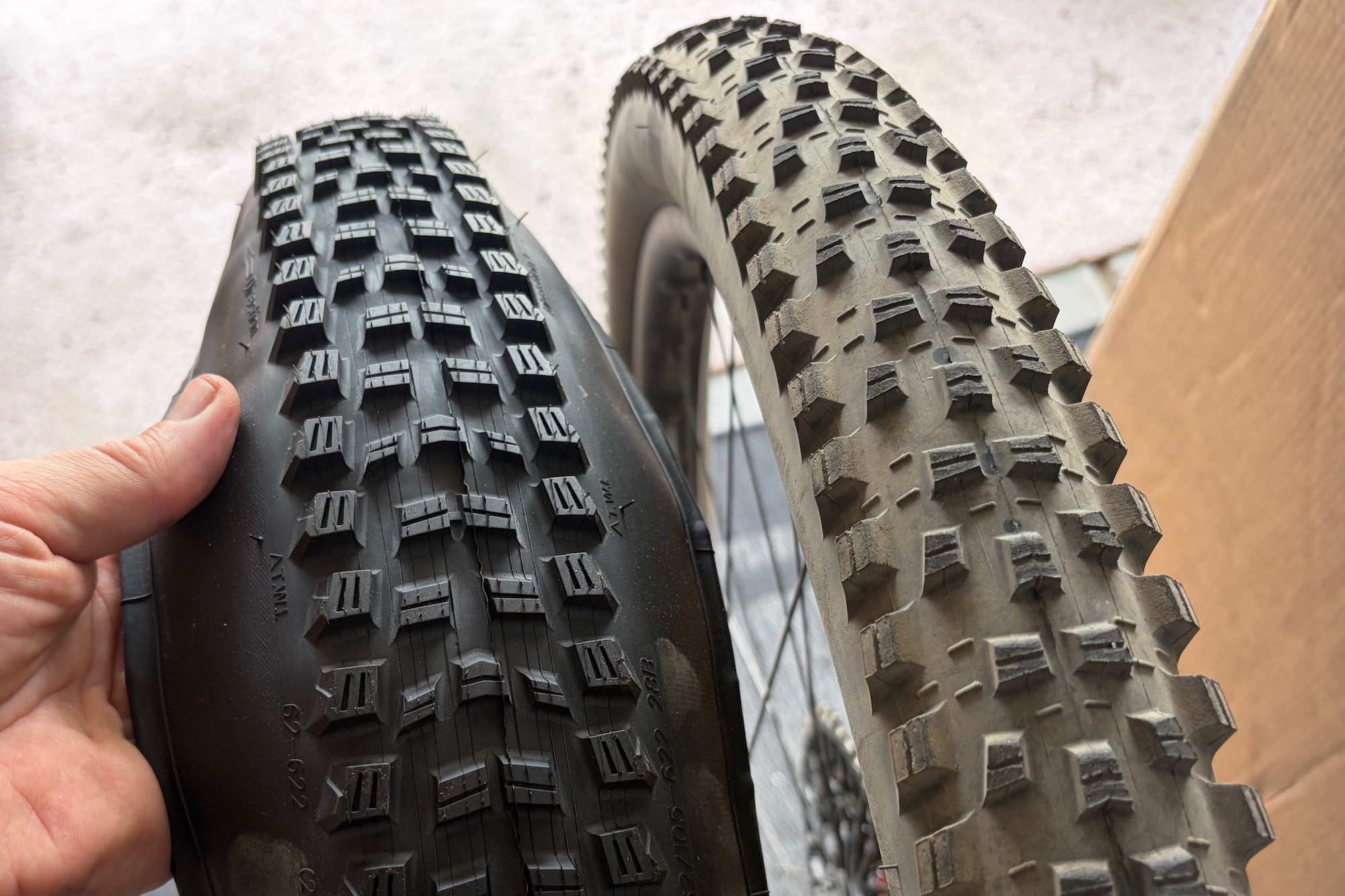
My experience with the new K-Series Ripper Trail and Double Black Trail has been very brief, but so far, my initial impressions are positive. The Ripper rear/Double Black front combo seems like a good match for my riding style and the current conditions. It’s still quick and efficient, yet a bit more robust, grippy, and confidence-inspiring than the dual Forekaster setup it replaced.
The Ripper Trail seems like a great new addition to the K-Series lineup and the versatile trail-tire category. I’m looking forward to putting some more miles on them in the coming months to see how they perform and hold up over the long term.
