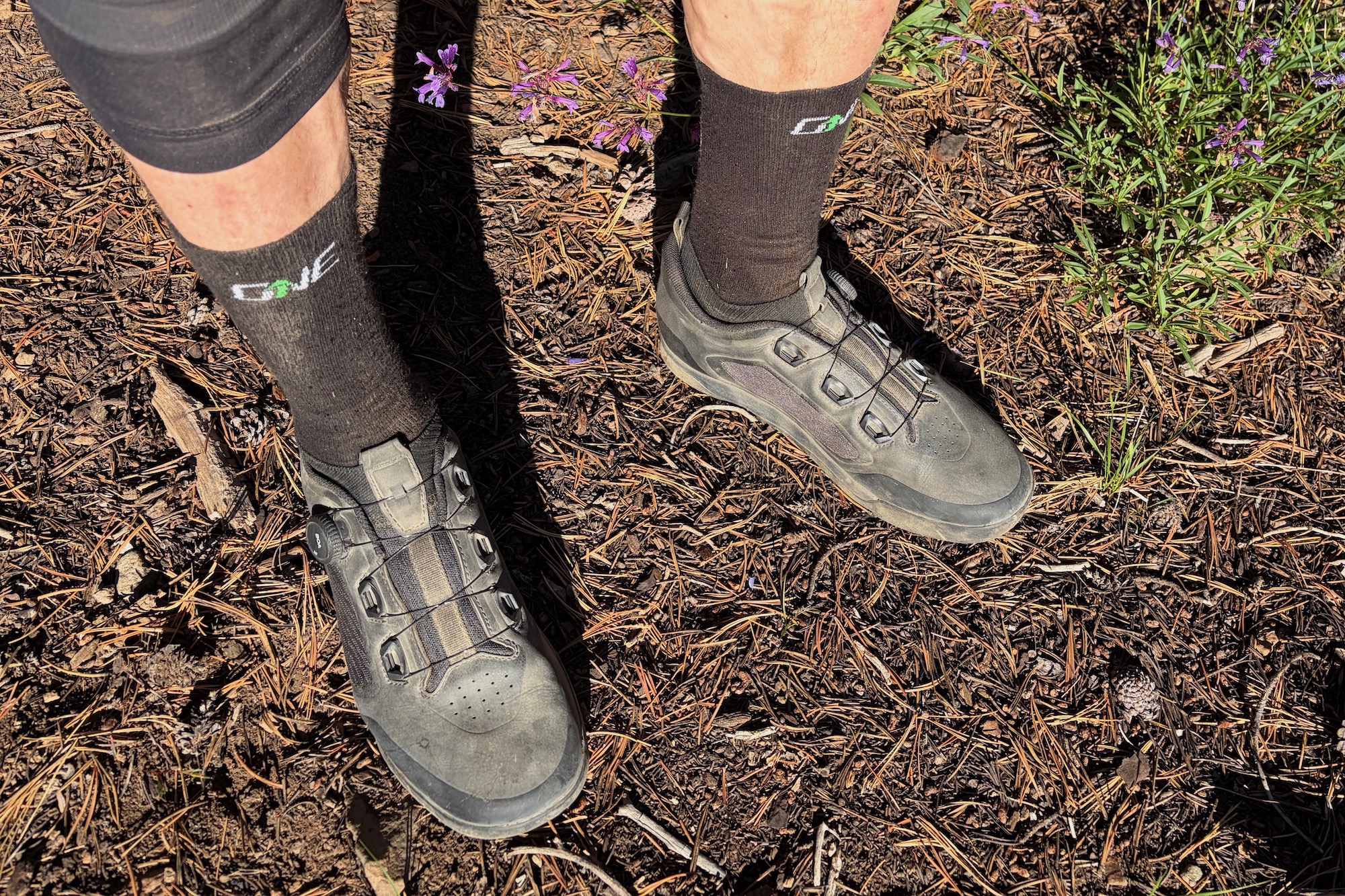


At Sea Otter, Giro had several new road and mountain bike shoes on display. Among them was the all-new Chamber Trail. Based on the Chamber III, it shares the same outsole, sole stiffness, and general fit with its gravity-oriented sibling. But with its trail-oriented intended use, the Trail version is a bit lighter with a thinner, more ventilated upper, BOA Fit System closure, and a stretch ankle cuff.
When I saw Giro’s new Chamber Trail back in April, I knew right then that I wanted to try them out. I got my hands on a pair back in June, and I’ve been riding in them off and on ever since. So far, I’ve found them to be a well-balanced mountain bike shoe that has been serving me well on everything from my mid-travel trail bike to long-travel e-enduro bikes. I wouldn’t go so far as to call them perfect, but they’re a great all-around option that I’m happy to slip on for most rides.
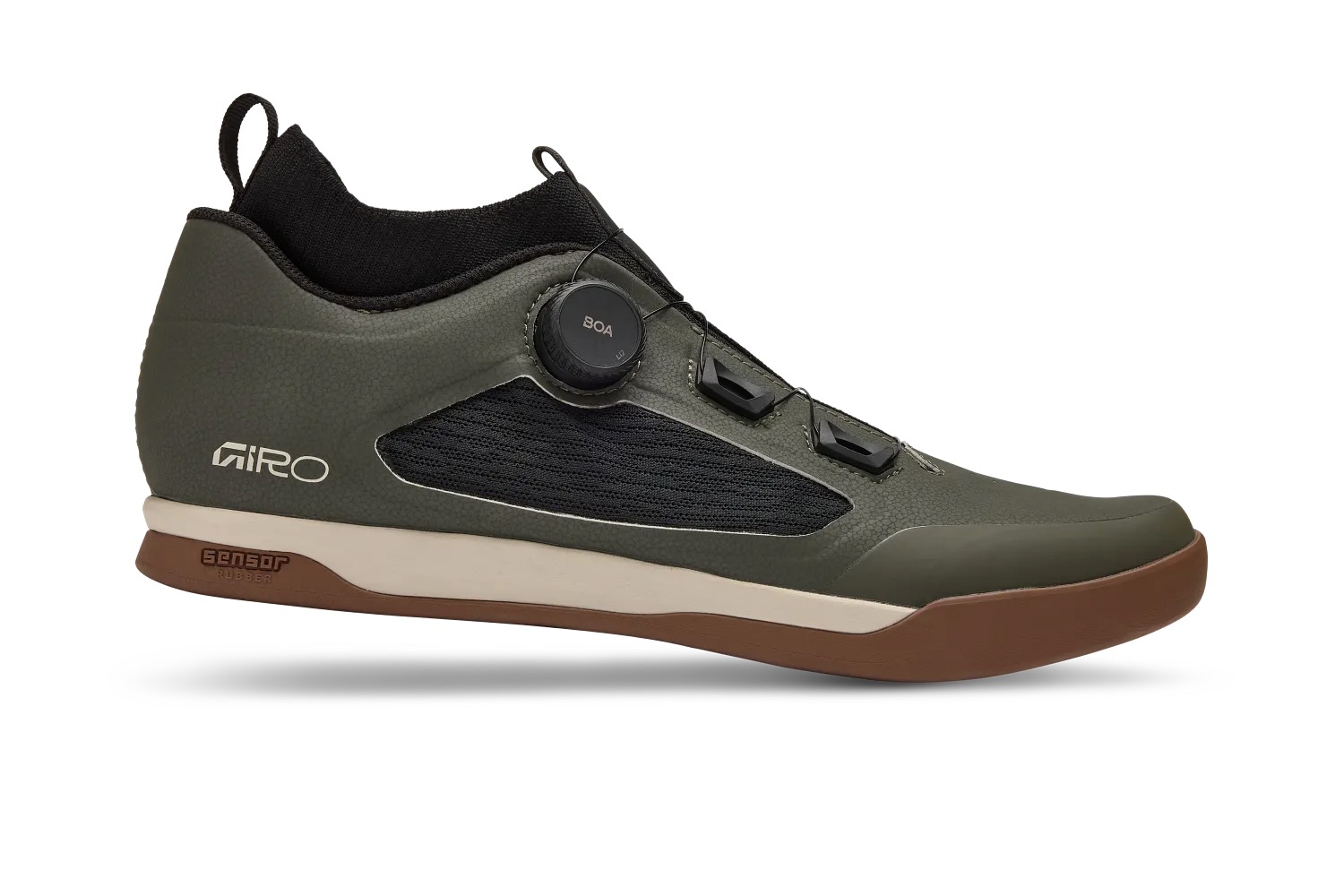
- MSRP: $220
- Intended use: Trail, all-mountain, enduro
- Weight: 437 g/shoe, 874 g/pair (size 43.5)
- Uppers: Microfiber
- Outsole: Sensor rubber
- Sizes: Whole; 36 – 48 EU, half: 42.5 – 45.5
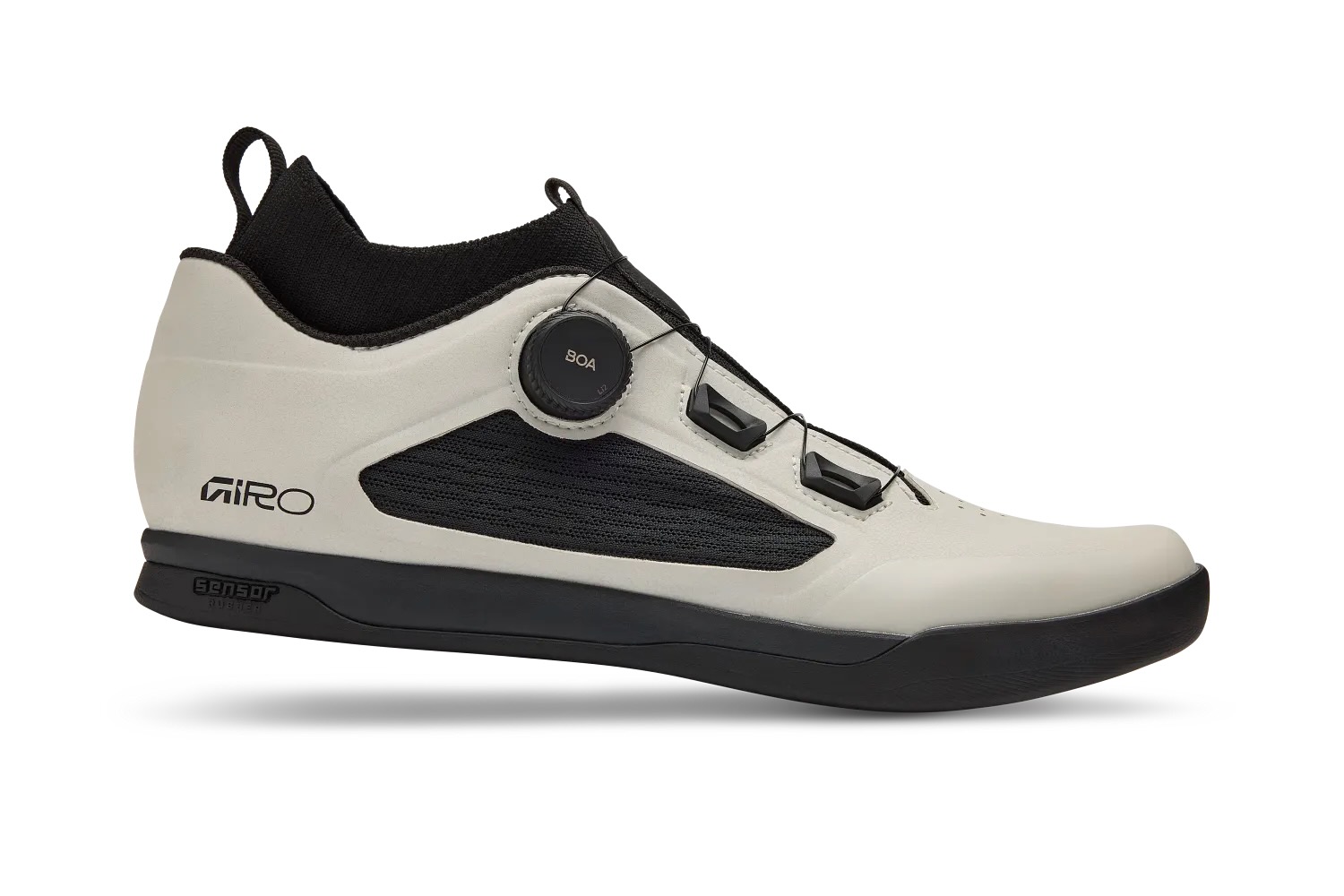
- Colors: Black, dark sage, white
Pros
- Good-looking
- Balanced sole stiffness
- Versatile on-bike performance
- Stretch ankle cuff helps keep debris out
Cons
- Low toe box height
- Potential durability issue with stretch ankle cuff
Before jumping into my review, here’s a quick rundown of the new Chamber Trail Shoes. According to Giro, the Trail is “built on the same tri-molded DH platform as the World Cup-winning Chamber.” In fact, the outsole, midsole, cleat box, and stiffness are identical to that of the Chamber III. That includes the “custom DH shank with +10mm of cleat setback,” and the full-coverage Sensor rubber outsole with the Gamma tread pattern.
With the Chamber Trail, however, Giro says it has been “engineered to deliver a lighter feel and enhanced ventilation.” This includes the thinner microfiber upper with large mesh ventilation panels on both sides of the midfoot. The closure consists of a single BOA Fit System Li2 dial with a stretchy, knit ankle cuff to keep debris out of your shoes. The heel pocket is lightly reinforced, as is the front of the toe box.
Fit and Comfort
I’ve ridden in many pairs of Giro mountain bike shoes in the past decade or two, and I’ve pretty much always gotten along with the fit. That’s especially true of the brand’s XC and gravel shoes, like the Empire XC and Stylus XC, which seem to fit my foot shape like a glove. The Chamber Trail has a bit more of a relaxed and slightly roomier fit than those shoes, comparatively speaking.
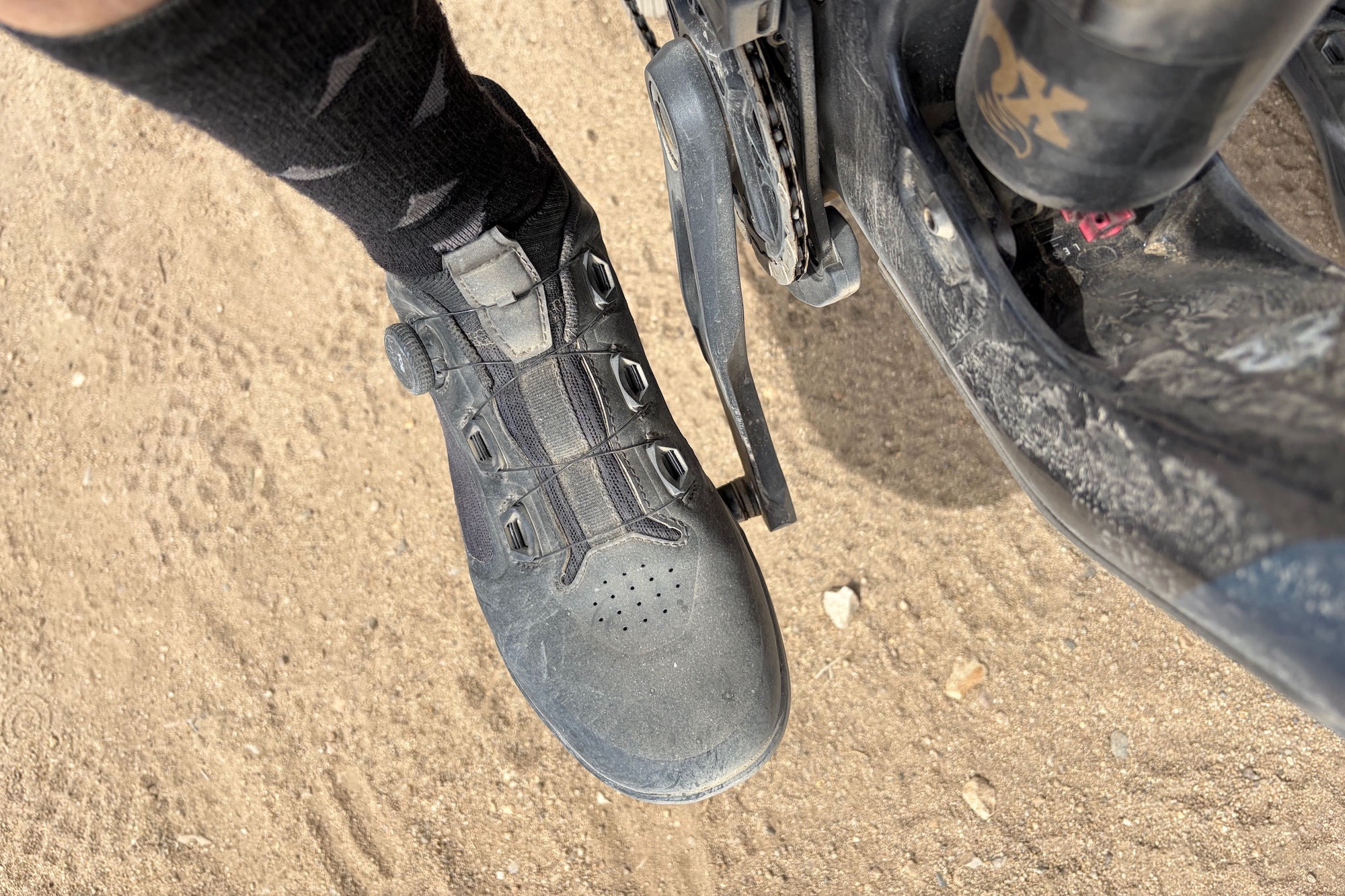
The size 43.5 Chamber Trail fit true to size in length, but slipping them on for the first time, I immediately noticed one of this shoe’s quirks. The toe box is fairly shallow in height, and I could feel it against the top of my toes, especially my big toes. I didn’t and still don’t find it uncomfortable necessarily, although it is noticeable pretty much all of the time.
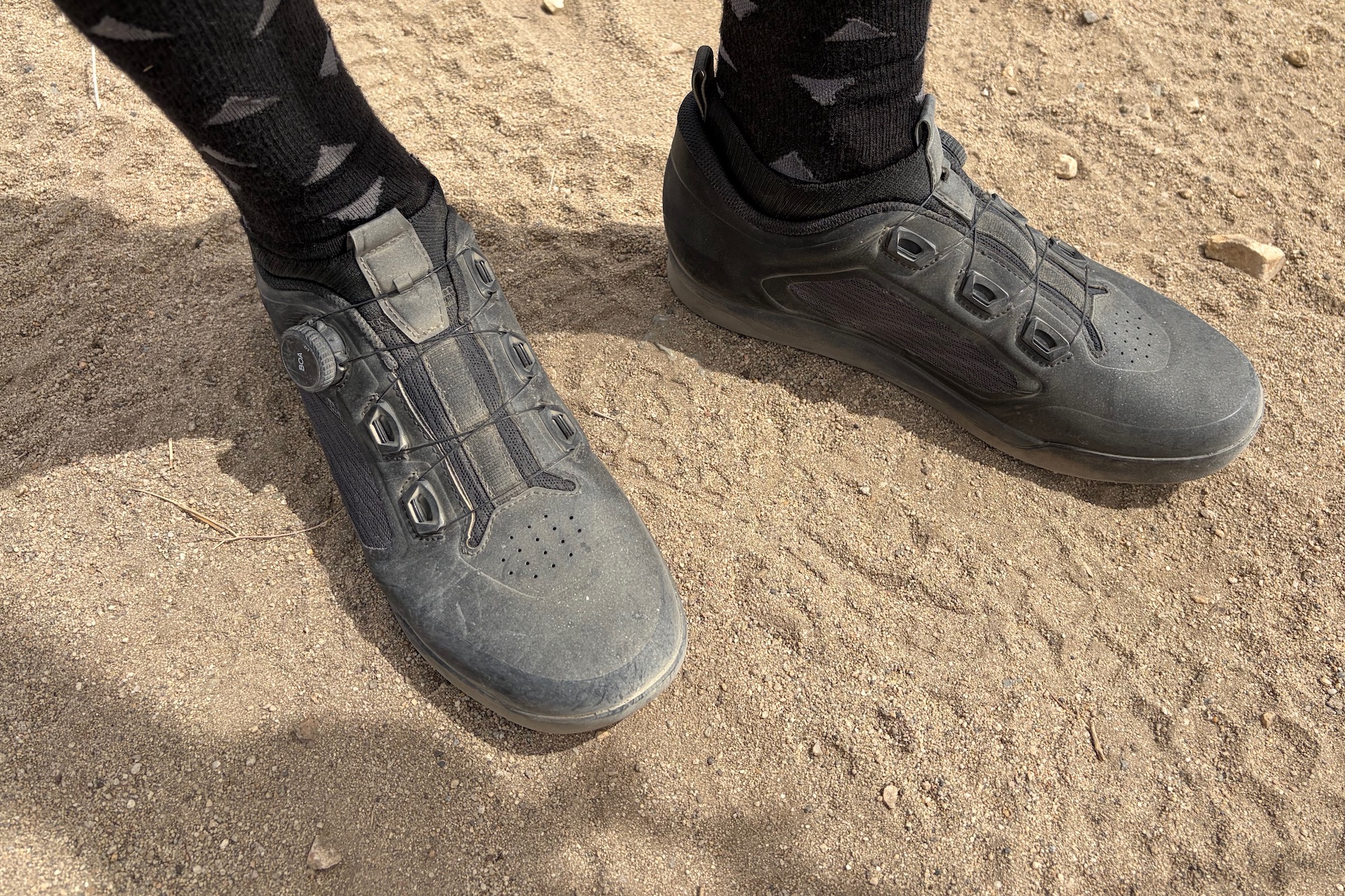
The width of the Chamber Trail feels about average to me, although the overall volume is a bit greater than my relatively low-volume feet. The stock footbed is quite thin and basic, and after the first few rides, I switched it out for something with a little more support and volume to get a snugger fit. I’m happy I did, too, because that enabled me to feel more secure in the shoes without having to crank down on the BOA closure as much.
On that note, I’ve found the BOA Fit System does a good job of evenly tensioning the whole shoe, which is not always the case with single-dial closures. Before adding the aftermarket footbed, I was cranking the BOA down, which resulted in the upper wire digging into my tendons a bit. Since adding the footbed, however, that hasn’t been an issue.
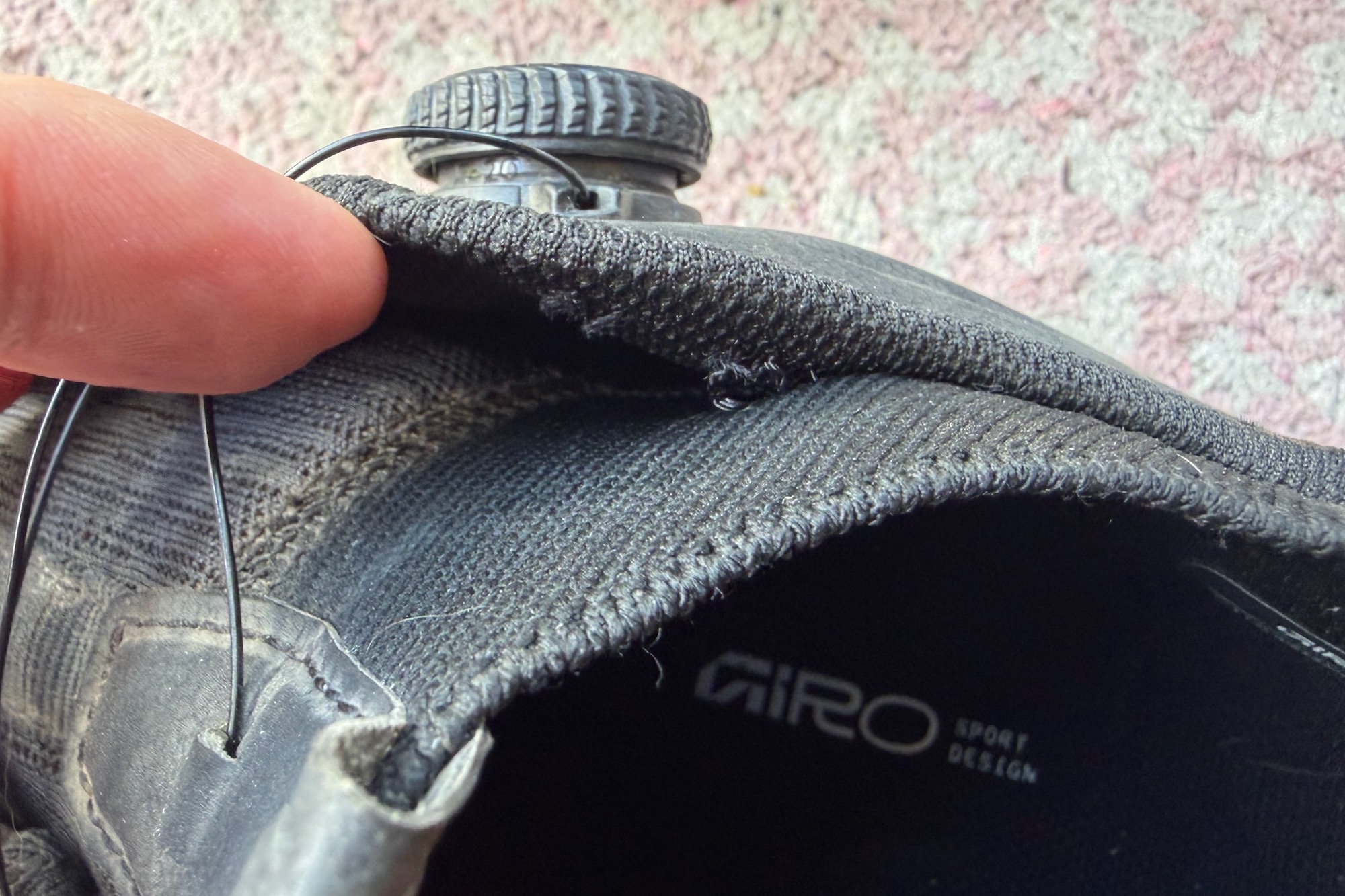
The stretch ankle cuff does a great job of keeping debris out of the shoes, and it hasn’t caused me any discomfort whatsoever. That said, I think the ankle cuff poses a potential minor durability issue. The cuff itself is very stretchy, and it is stitched directly onto the backside of the not-stretchy microfiber uppers. Given that one material wants to stretch and the other is static, I’ve already popped a couple of those stitches (only one of the four stitched spots) just putting them on and taking them off. To be clear, this doesn’t impact the shoes’ comfort or performance in any way, but it seems like a minor design flaw.
On the Trail with the Chamber Trail
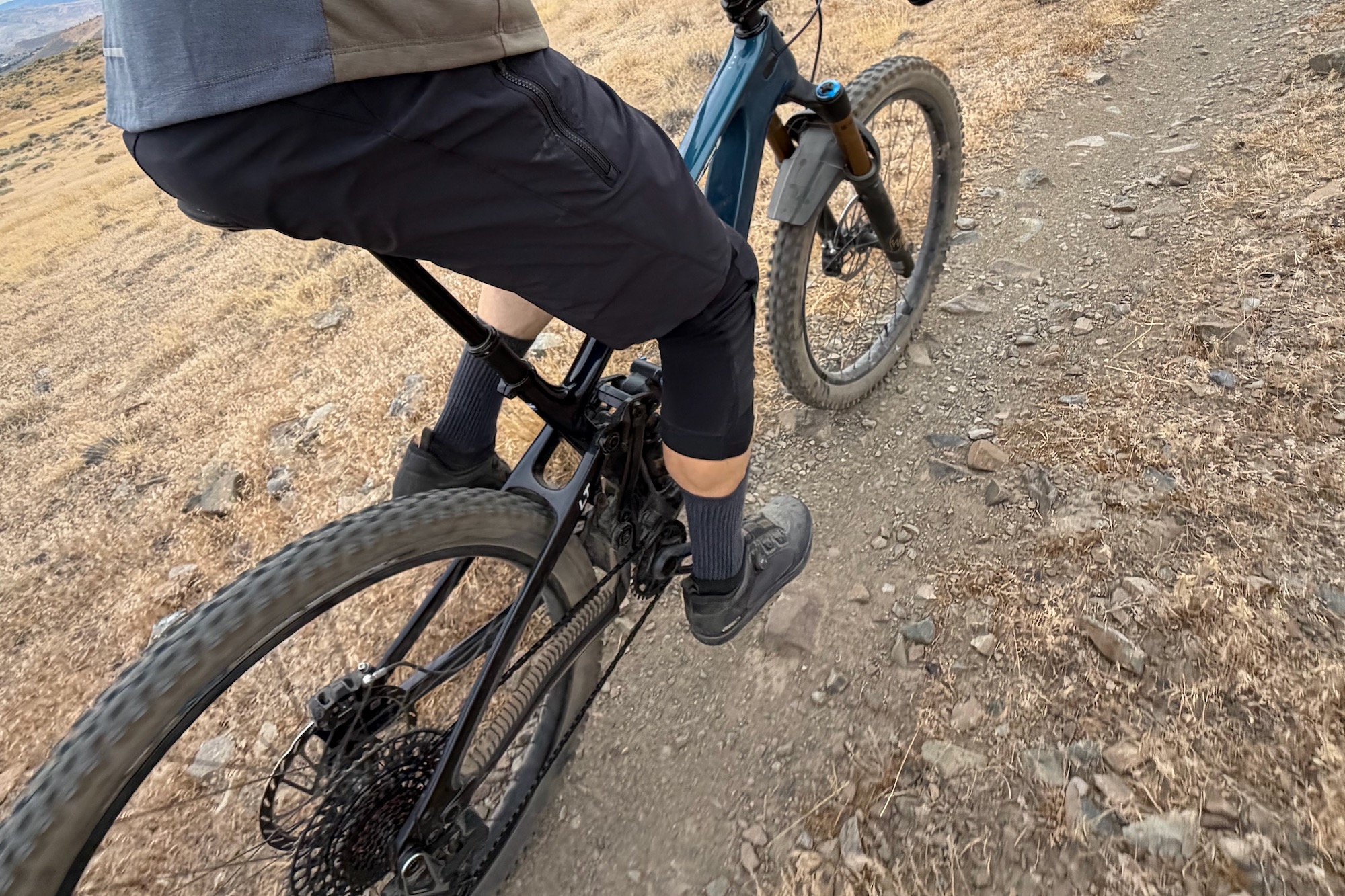
I’ve ridden quite a bit in the Chamber III as well as the Chamber II that came before it, so I had some expectations for their performance. Underfoot, the Chamber sole delivers that familiar balanced sole stiffness that feels plenty efficient for any length of pedaling mission, putting your effort into the drivetrain while providing great fore/aft and lateral support. At the same time, they avoid being too stiff, so they’ve got a bit of forgiveness on long, rough descents, and when you’re just walking around.
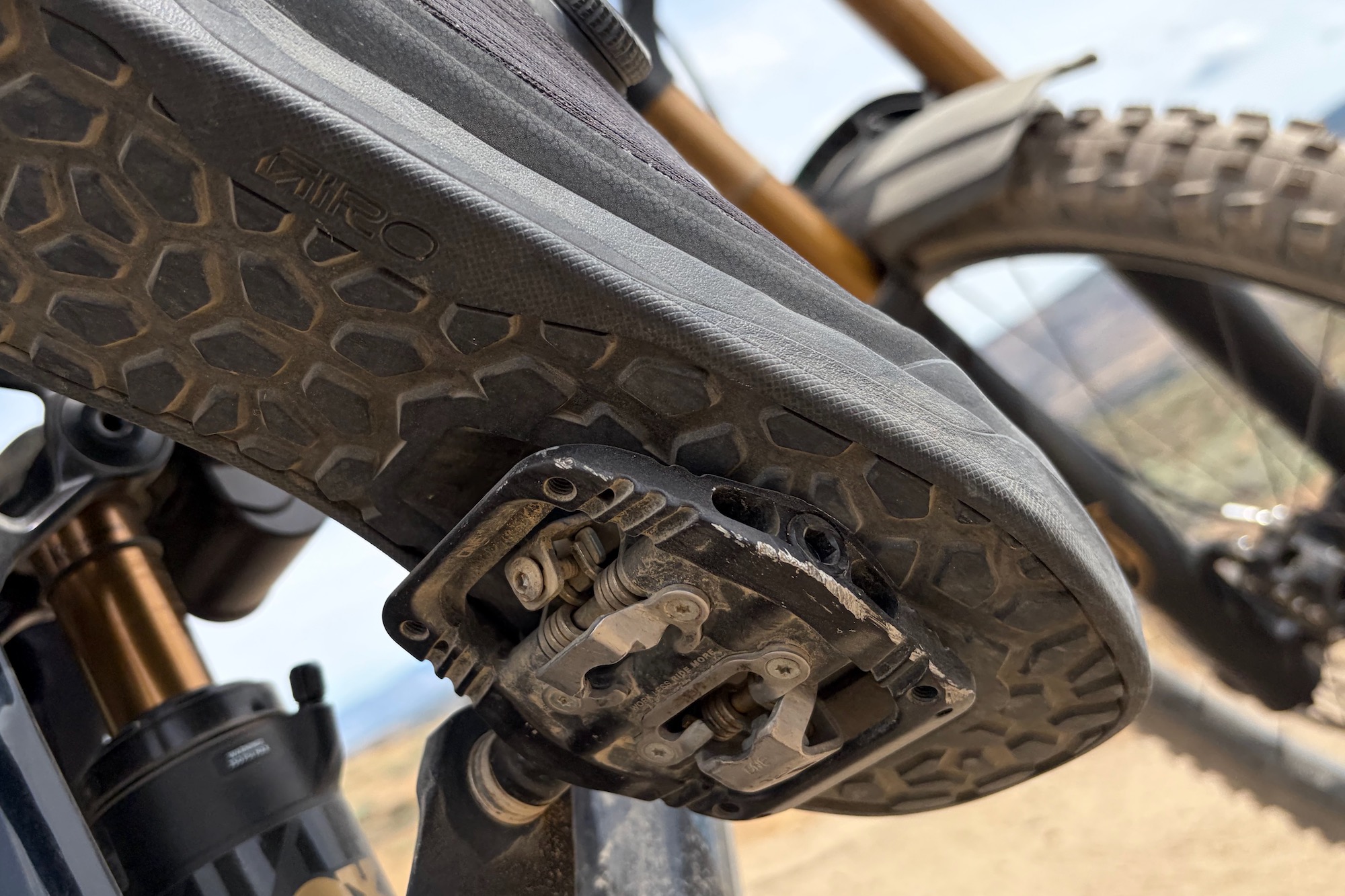
Like the Chamber III, the Trail has more than enough cleat adjustability for my needs and presumably enough setback for gravity riders who like to really slam their cleats. I’ve found the sole to interface well with the platforms on the Wolf Tooth Shift and OneUp Clip pedals that I’ve been testing them with. That positive pedal/sole interface adds to their lateral stability and locked-in feel.
I wouldn’t call the uppers the most supportive, but they don’t exactly feel floppy either. Since upgrading the footbed, I’ve noticed a significant improvement in foot security and stability, simply from taking up some volume and getting a more precise fit.

With large mesh panels on both sides of the foot, I had high hopes that these shoes would be well-vented, especially since it has been 90+ degrees for the past month and a half straight. I’ve found the ventilation to be decent, but not quite as airy as I expected. This could be partly due to the fact that I’ve been comparing them to the new Crankbrothers Trail Vent shoes, which are super breezy, so that might be a bit of an unfair assessment.
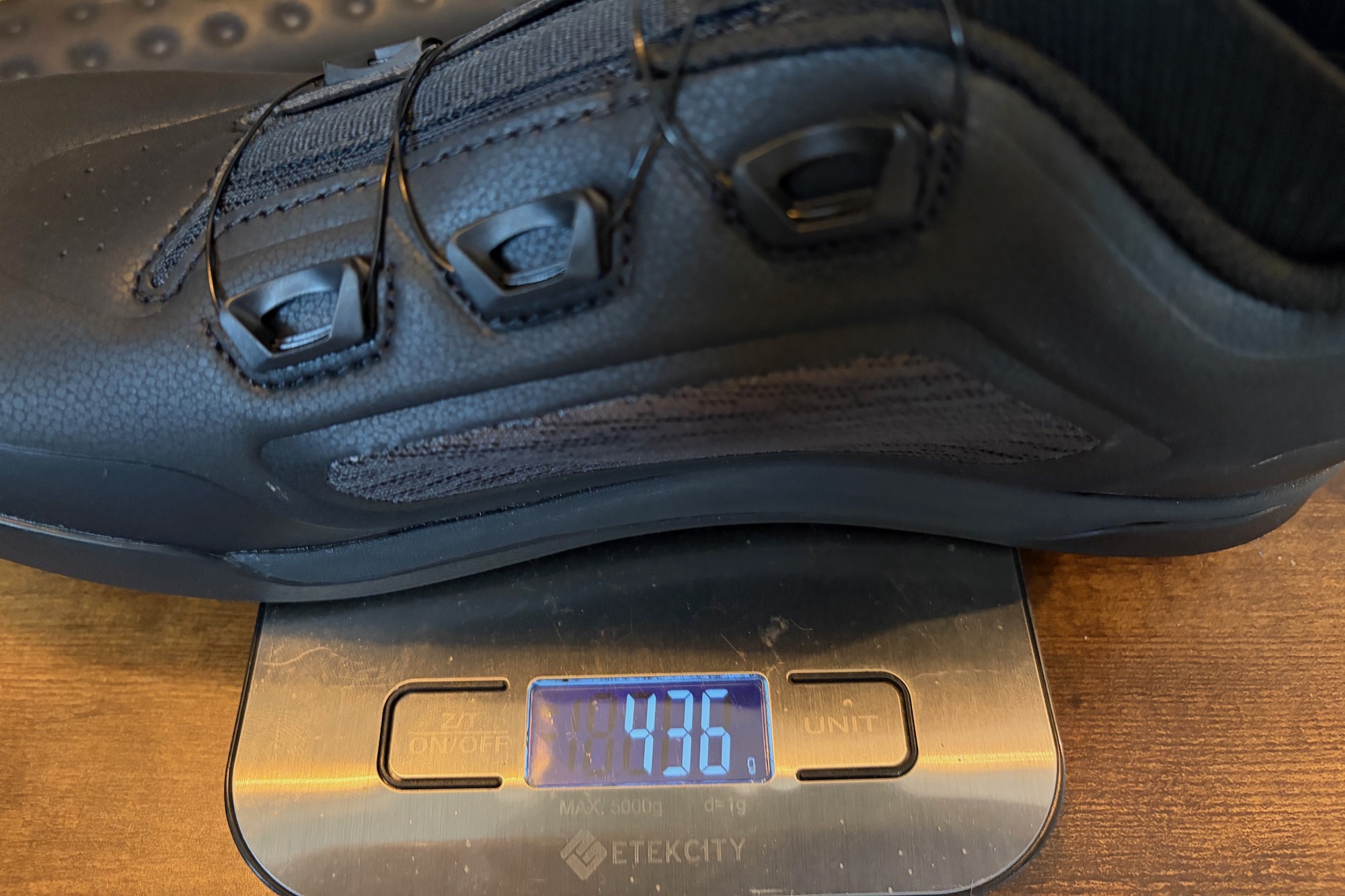
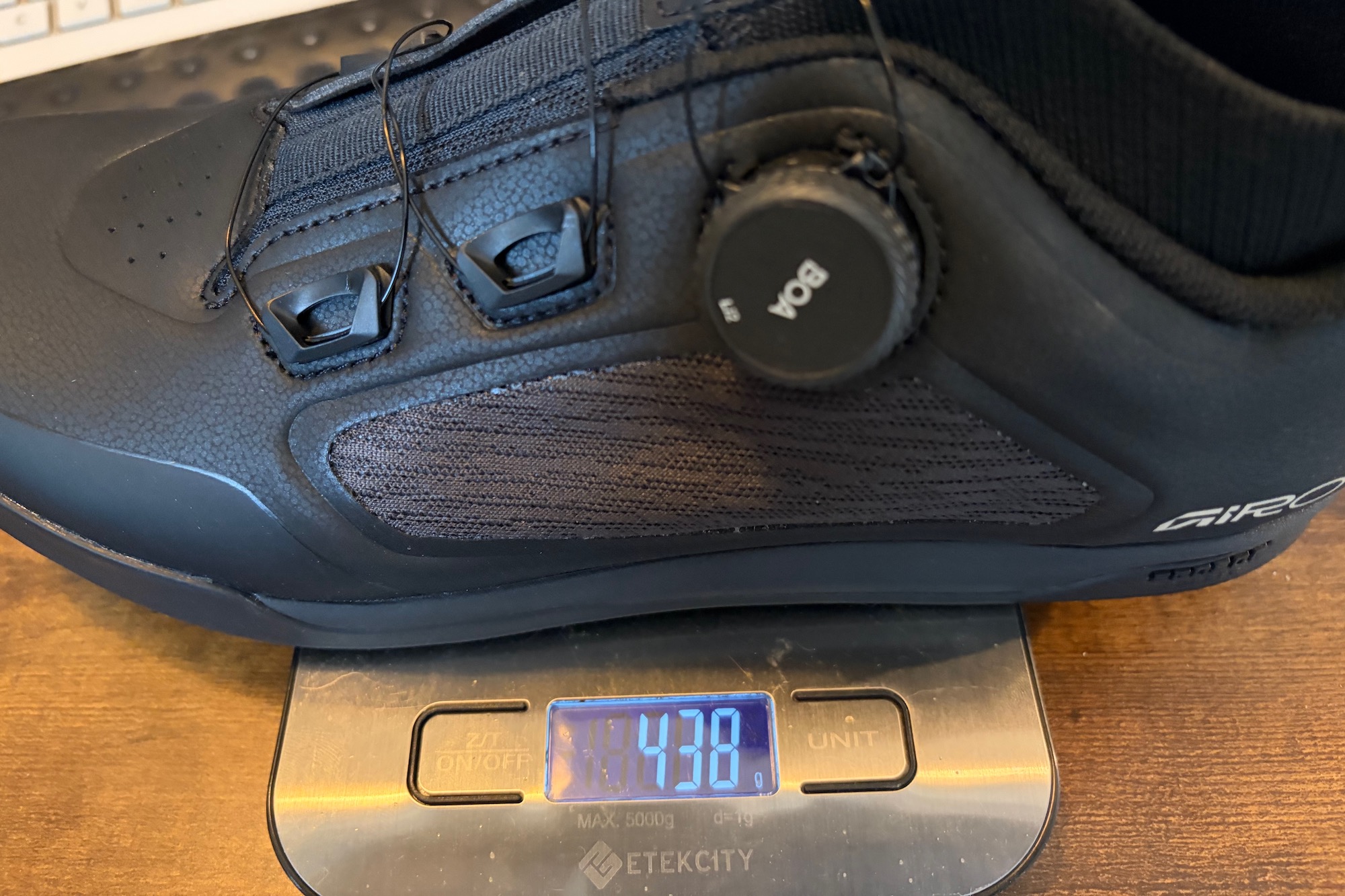
In the weight department, my size 43.5 test shoes weighed in at 436g and 438g, for a total of 874g for the pair. That’s about 90g lighter than the Chamber III in the same size, and much more competitive with similar trail-oriented shoes like the Crankbrothers Mallet Trail BOA and the Fox Union BOA, for example. They certainly don’t feel heavy on the feet.
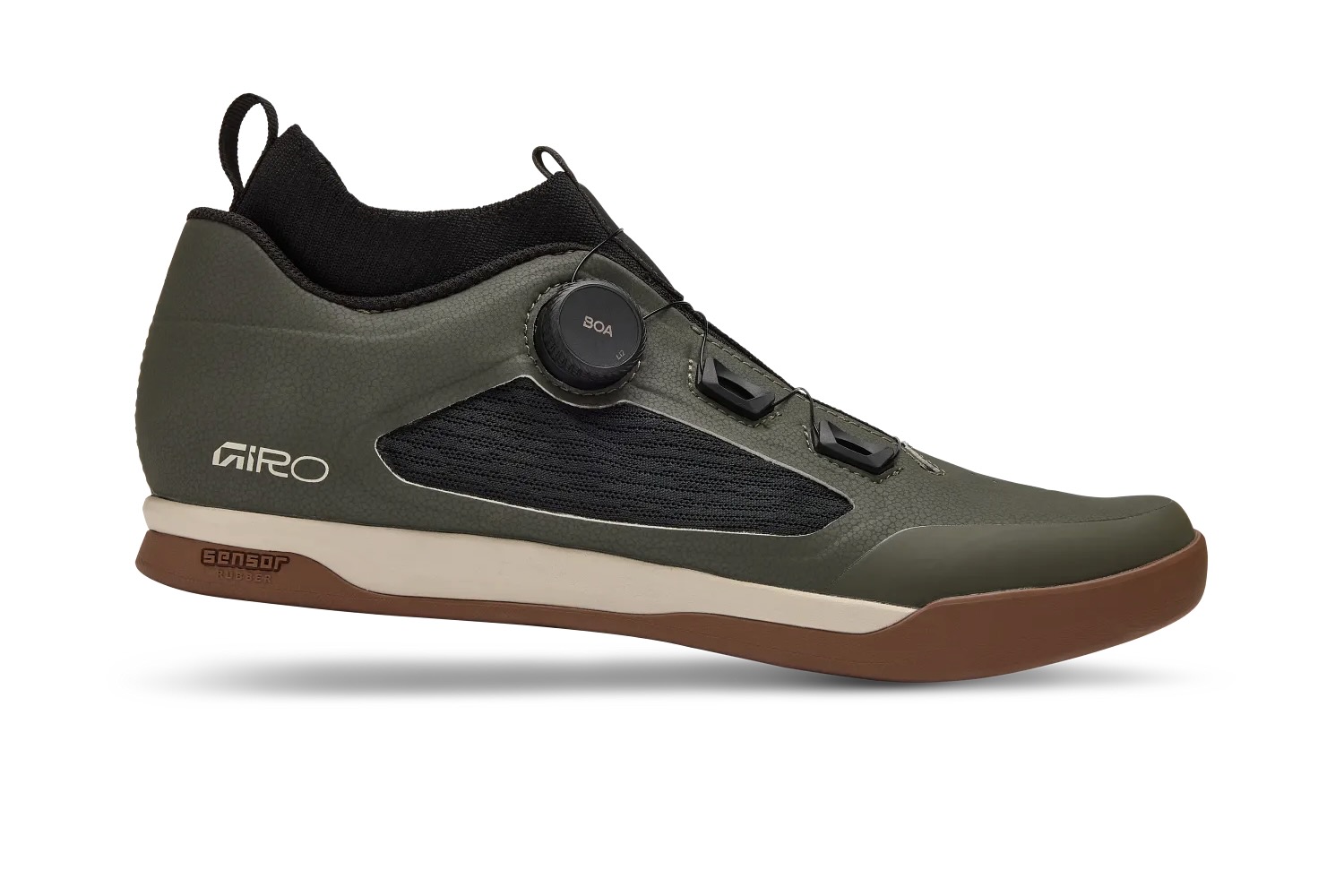
Style-wise, I think the new Chamber Trail look pretty good, too. They don’t hide the fact that they’re bike shoes, but they don’t stick out like a sore thumb, either. I’ve been testing a black pair, but the dark sage would definitely be my first choice if I were getting another set. In my opinion, the dark green upper and gum sole offer a cool style you don’t find too often in clipless mountain bike shoes.
My Takeaway
Giro’s Chamber Trail shoes fill an important gap in the Giro mountain bike shoe lineup, and finally give the trail-riding crowd an option to consider (other than the Chamber III). I’ve found them to provide a well-balanced on-trail performance, making them a solid option for any ride on any bike with more than 120mm of rear wheel travel.
While I’ve been enjoying riding in them, they do have a couple of minor quirks. Given the shallow height of the toe box, I’d suggest that folks try them on before purchasing if possible to ensure they’ll work for you. If you’ve got an average width but low-volume foot like me, you might need to invest in an aftermarket footbed to dial them in. And I’ll be keeping an eye on those ankle cuff stitches and report back with an update if it becomes problematic.
Otherwise, if they fit your feet, I think Giro’s Chamber Trail is a solid new option that will meet the demands of the vast majority of mountain bikers out there. It’s a versatile all-arounder that’s certainly worth considering; just try them on first.

