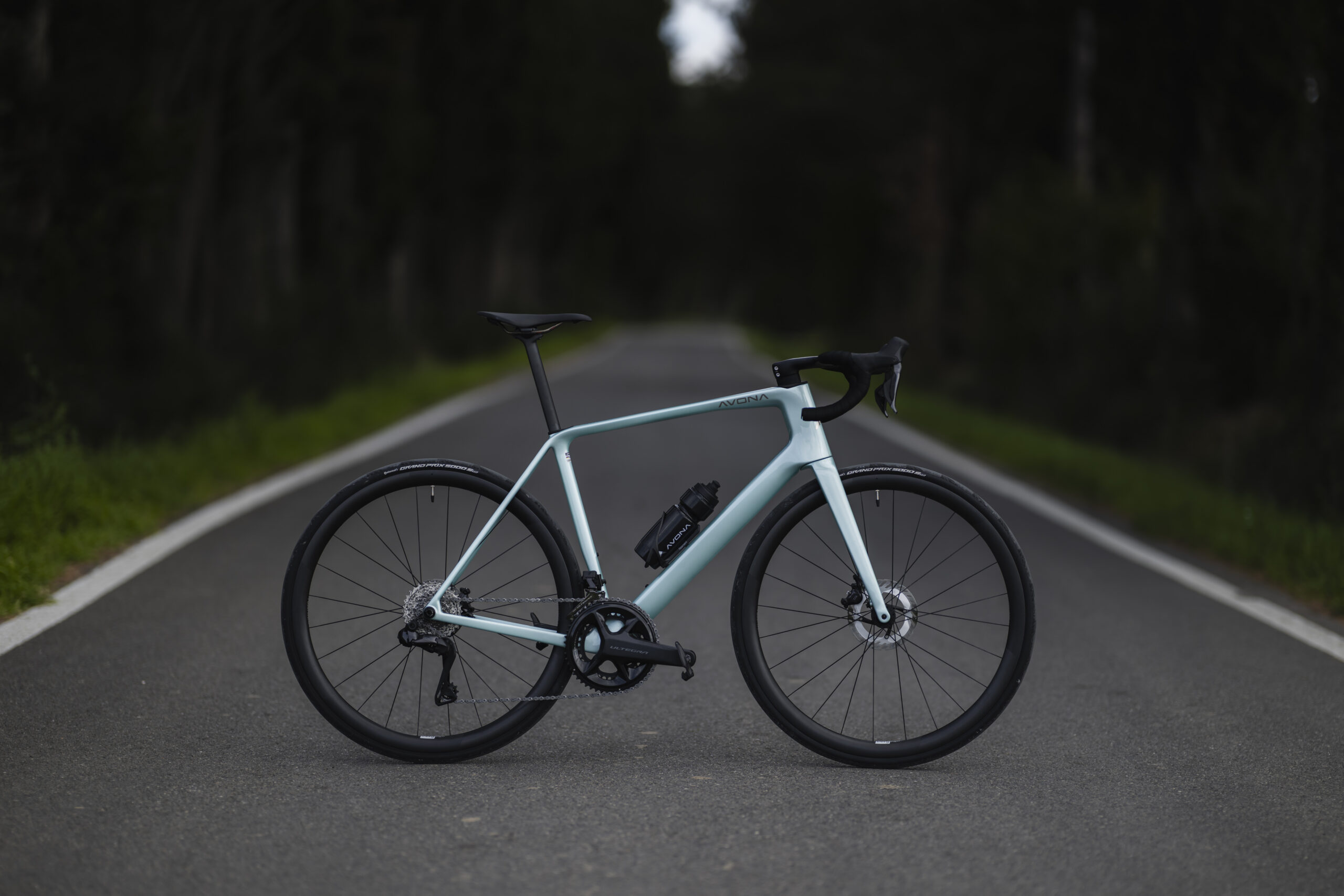


Unless you’re a regular reader of BikeRumor, the Avona brand may still be a bit of a mystery here in the States. Officially launched just a year ago, the brand was started by ARC8 cofounder Jonas Müller (who has also worked for BMC, Santa Cruz, and DT Swiss) and MK Bicycles Founder, Max Koch.
This Swiss/German duo wanted to use their collective industry experience to create bikes that were better in real life, not just on paper.
But a lot of brands say that. What makes Avona different? It all comes down to an extreme level of bicycle nerdery, the willingness to test out everything, and a refreshing honesty about what actually matters to everyday riders.
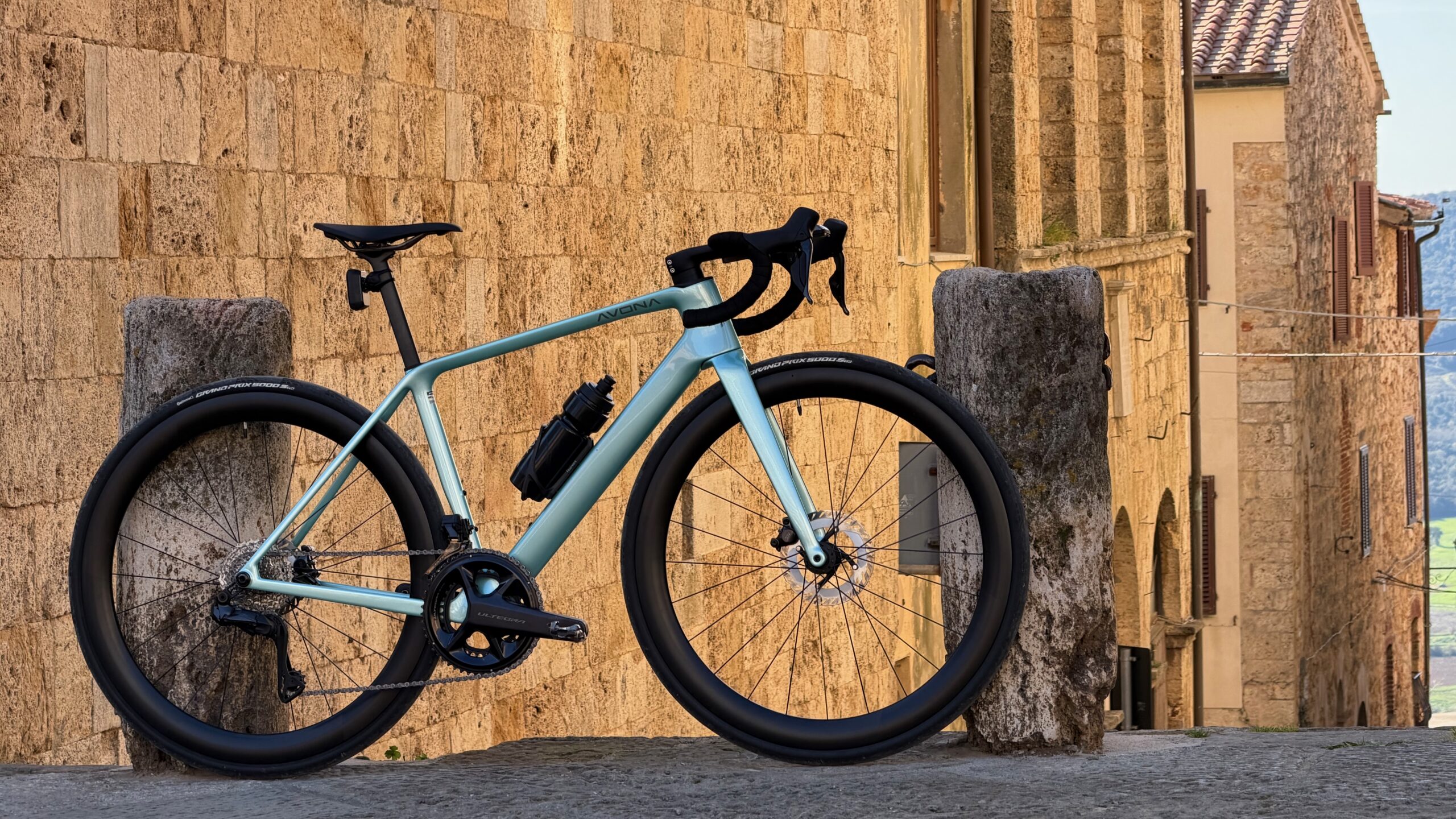
It’s at this point that I’d like to make it clear that I rode the Avona Velum before I got any of the details. It was immediately clear that there was something special about this bike, which then seemed to validate all of Avona’s testing and design choices that went into the bike.
How to optimize a bike for performance that actually matters?
In order to optimize a bike for real-world benefits, Avona points out that first you need to analyze what needs to be optimized. The brand based its parameters on real rides and metrics like normalized power, time above Critical Power, and W Prime (your work capacity, sort of like an internal battery for efforts above C).
The calculations were then based on hypothetical equipment changes:
- 1 kg weight saving – roughly the weight difference between a lightweight bike and an all-out aero bike
- 7 W in aerodynamic drag – roughly the difference between good all-round race bikes and aero specialists
- 8 W in rolling resistance – going from a Continental Grand Prix TT to a Grand Prix 5000 S TR
- 2% in drivetrain efficiency – going from a not ideally maintained chain to a clean waxed chain
Avona built their own computational tool to calculate all the parameters and see their effects on the rider for real-world results, specifically from a physiological point of view. Avona has published the white paper on their testing, if you want to nerd out, but basically they discovered that while aerodynamics shouldn’t be ignored, rolling resistance is a bigger factor in performance. And when you compare weight and drivetrain efficiency, drivetrain efficiency is a bigger factor than overall weight.
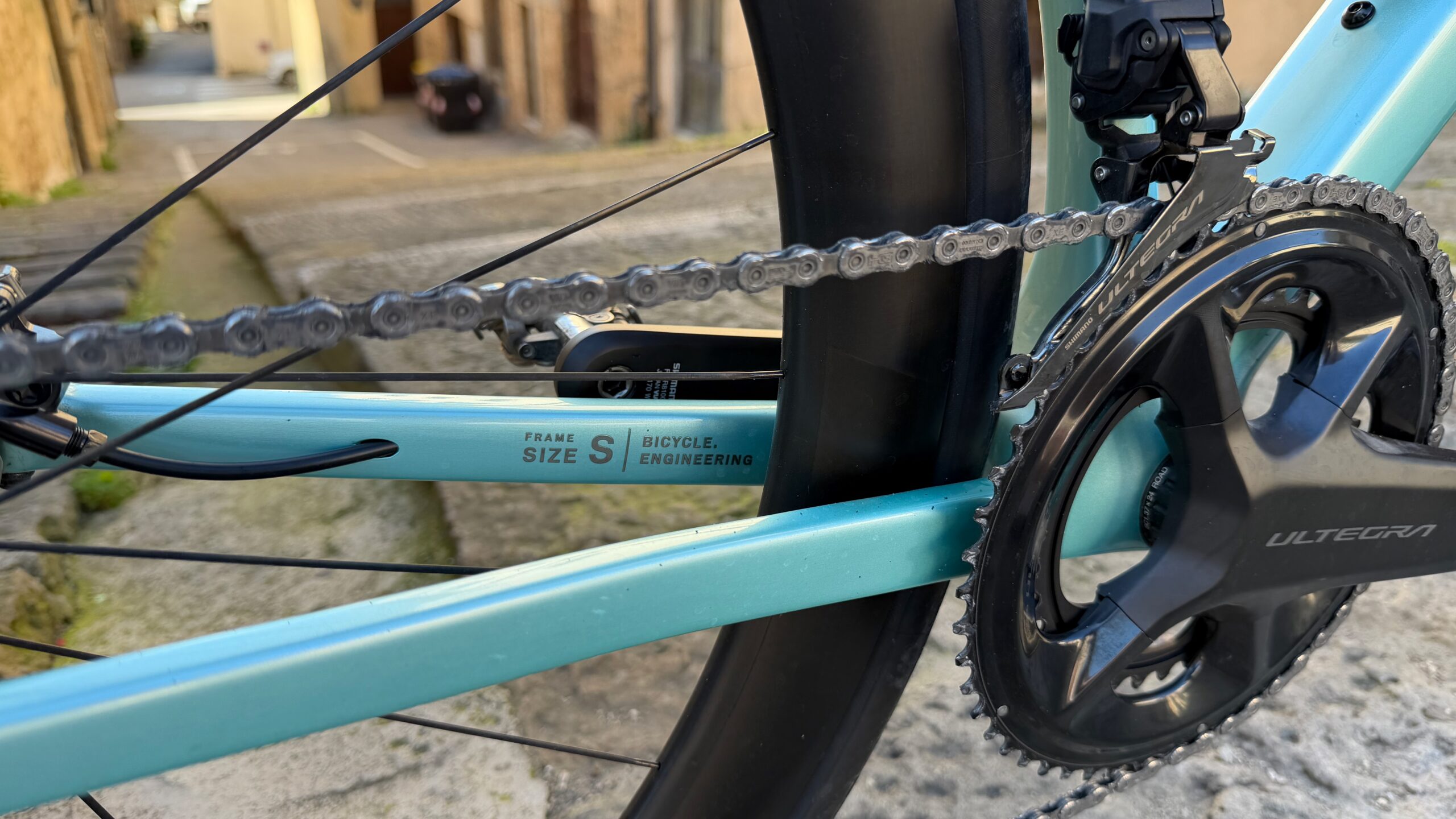
As a result, the best tires and a waxed chain are non-negotiable for Avona. Every bike will come with a Ceramic Speed waxed chain and low rolling resistance tires. That’s actually a pretty big deal if you want to try a waxed chain since you can simply maintain it with the drip wax lube, rather than having to strip and clean a chain from the factory and then wax it yourself.
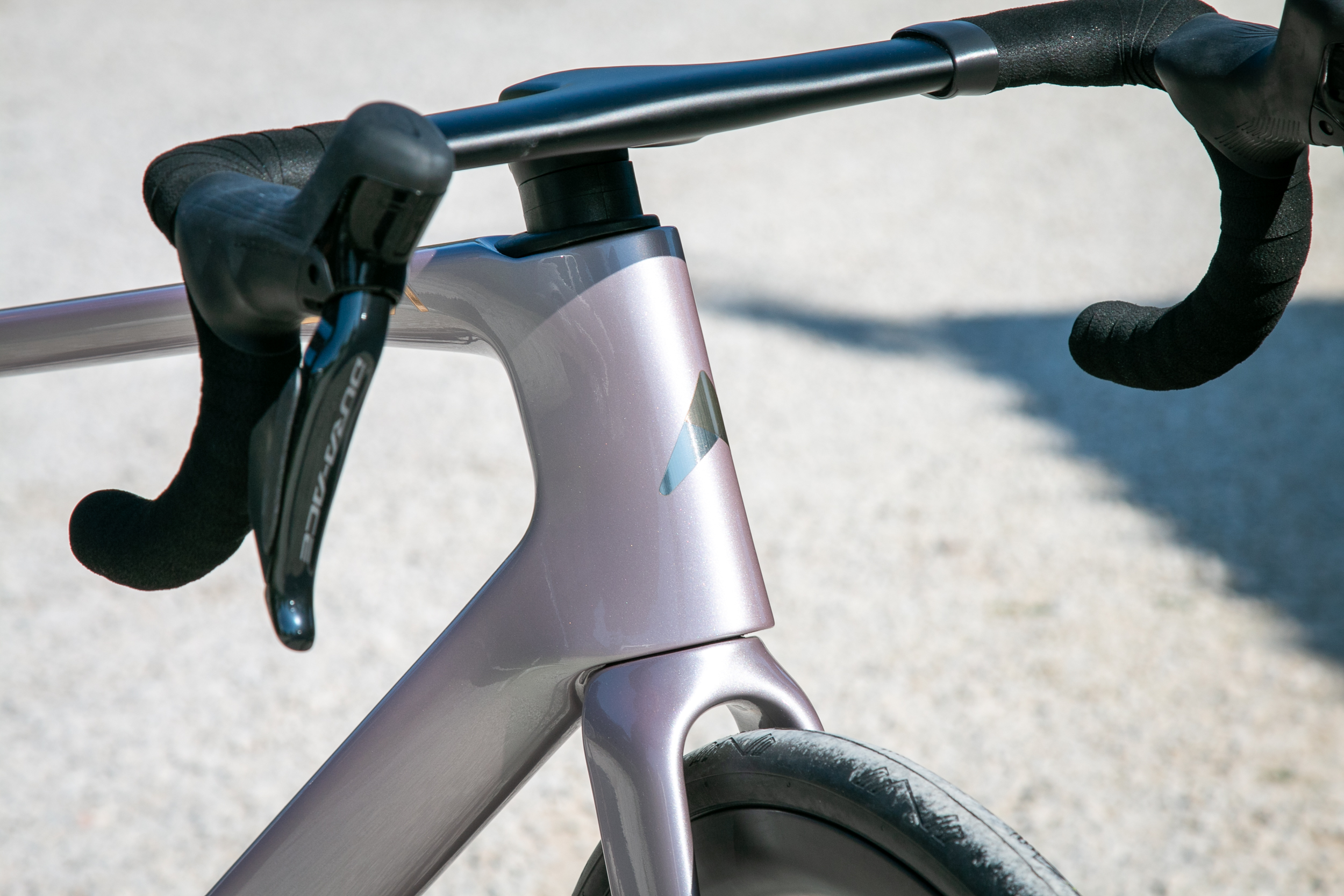
That isn’t to say that Avona is completely overlooking aerodynamics. To the contrary, they’ve spent a lot of time on the Velum figuring out just what makes the most aerodynamic benefit without adding weight or unnecessary stiffness. That mostly came down to two things: the extended head tube in front of the steerer, and the sloping top tube. Apparently an aero seatpost offered surprisingly small aero gains, so they went with a proprietary seatpost that offers more compliance. In total, Avona tested 44 different frame configurations with Jens Christensen in CFD and FEA (Computational Fluid Dynamics and Finite Element Analysis).
These few aero treatments are said to offer excellent aero gains without adding much weight. It is worth pointing out here that tests are run in CFD with a rider on the bike, but without moving legs. That will have some effect on the aero performance testing, but the biggest gains were from the head tube, which won’t be affected by whether the rider is pedaling or not.

Another surprising aero touch? Running a narrower tire up front. The Velum comes equipped with a 29mm Continental GP 5000 TR in the front, and a 32mm GP 5000 TR in the rear. The front is more important for aero, while the rear is more important for rolling resistance. Note that these aren’t aero-specific tires, but simply running a tire with a narrower frontal profile to help cut into the wind (although 29mm isn’t exactly narrow).
In the end, Avona claims they saved 15W at 45 km/h compared to their reference model at the start of testing. When compared to the Specialized Tarmac SL8 in the GST Wind tunnel, Avona claims that the “difference after applying the weighted average was within the margin of error (1W), despite having wider tires (26mm tires on unspecified rims vs 29/32mm on DT Swiss ARC1400 55mm rims).”
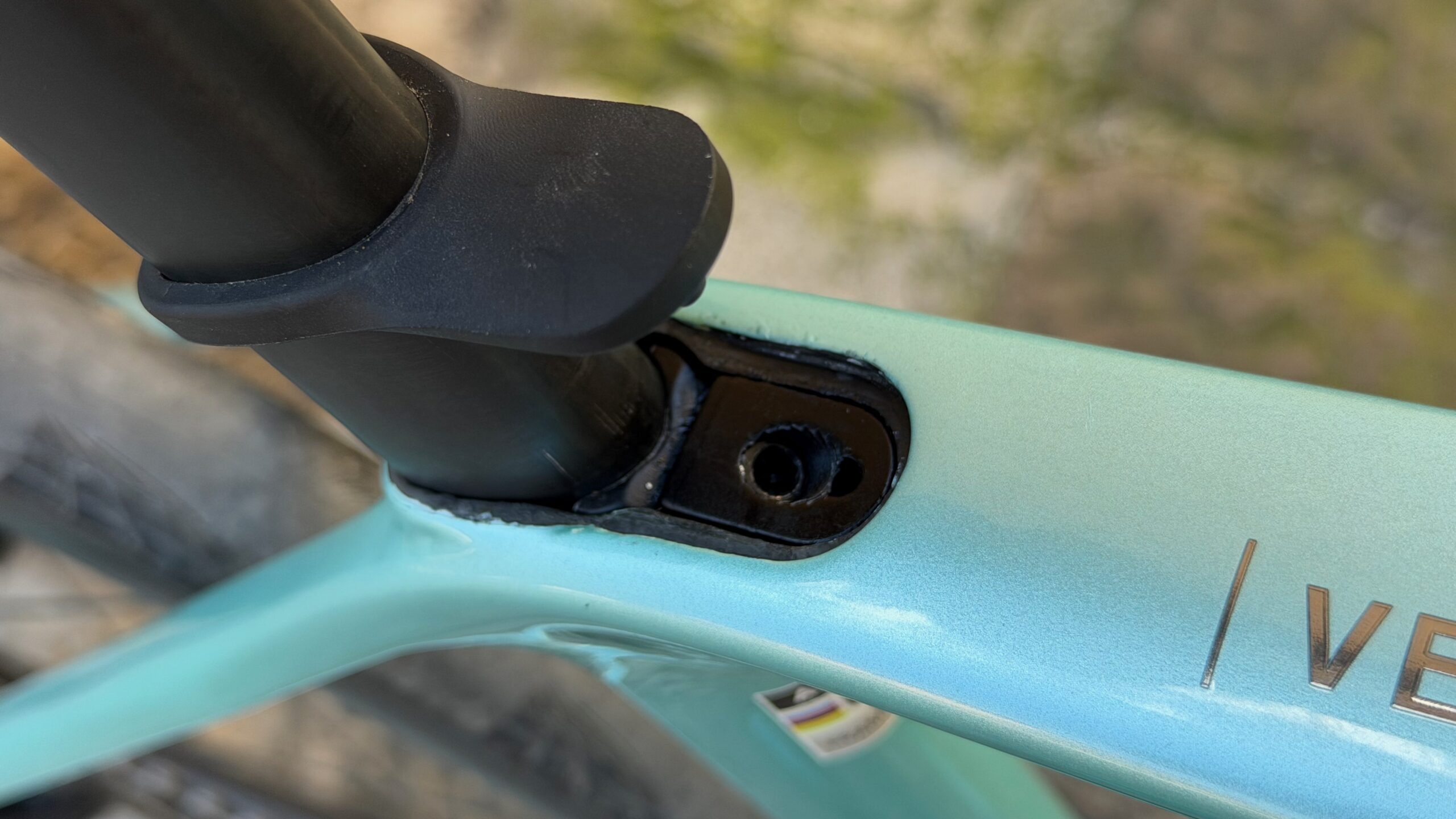
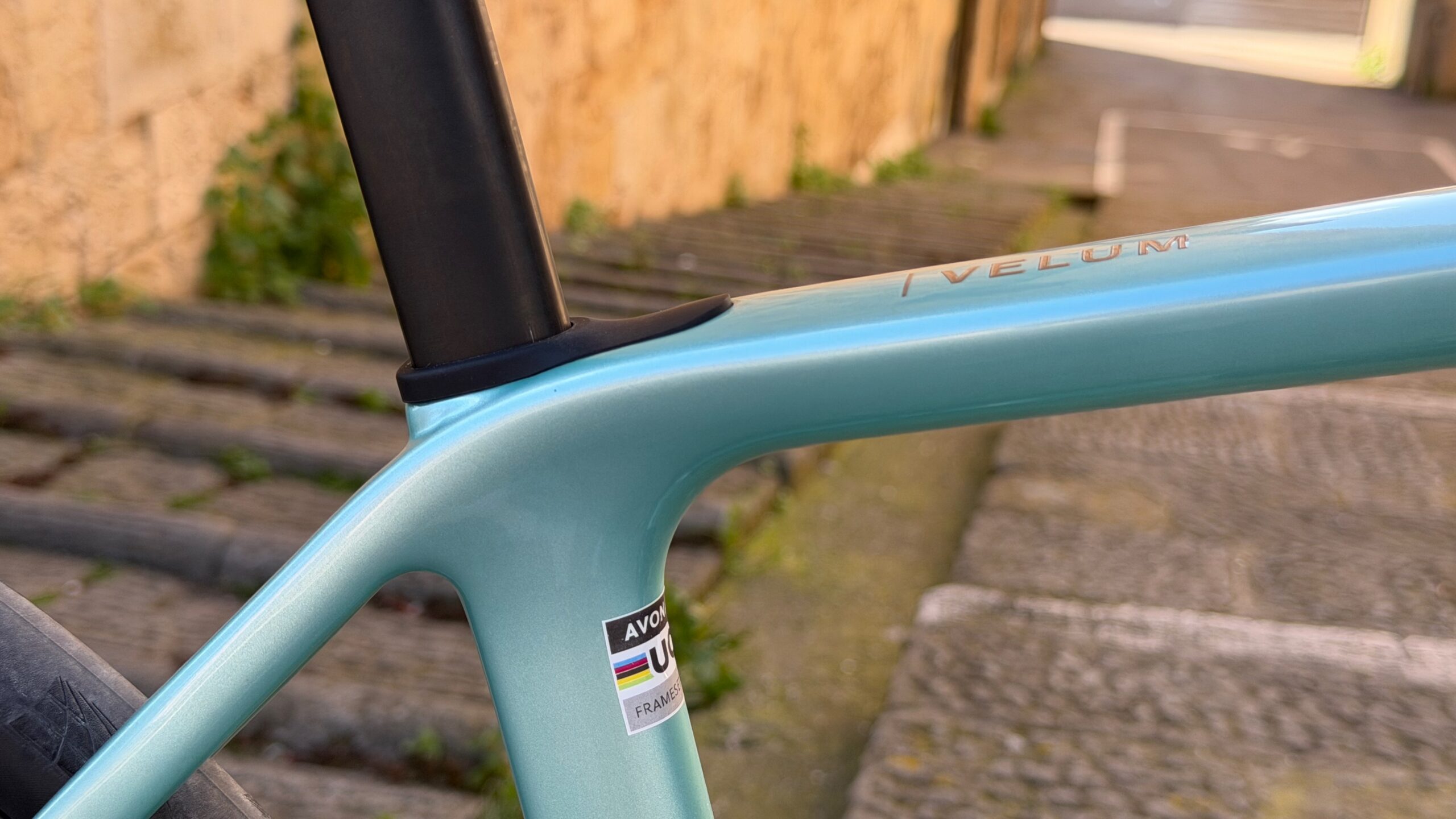
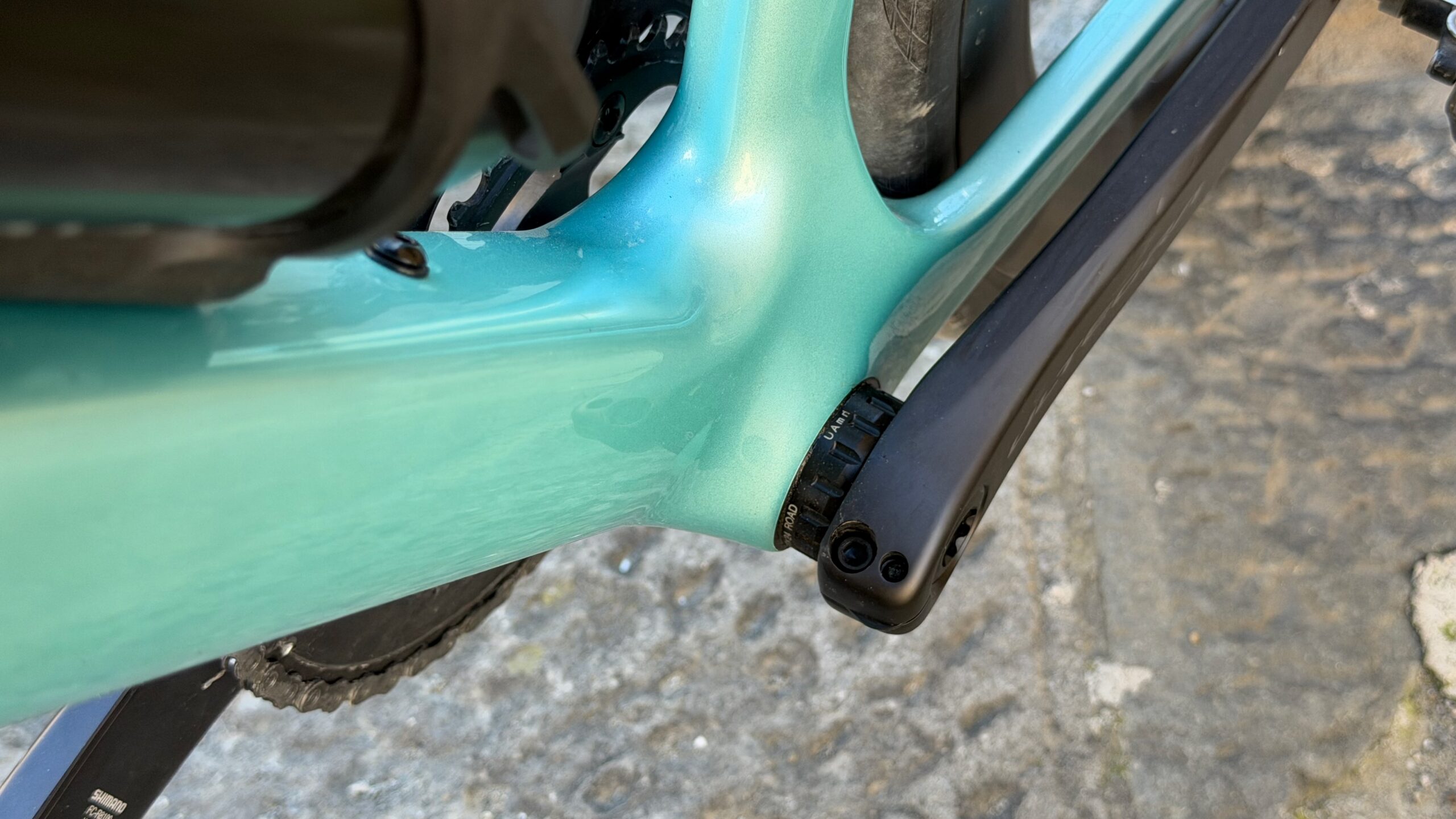
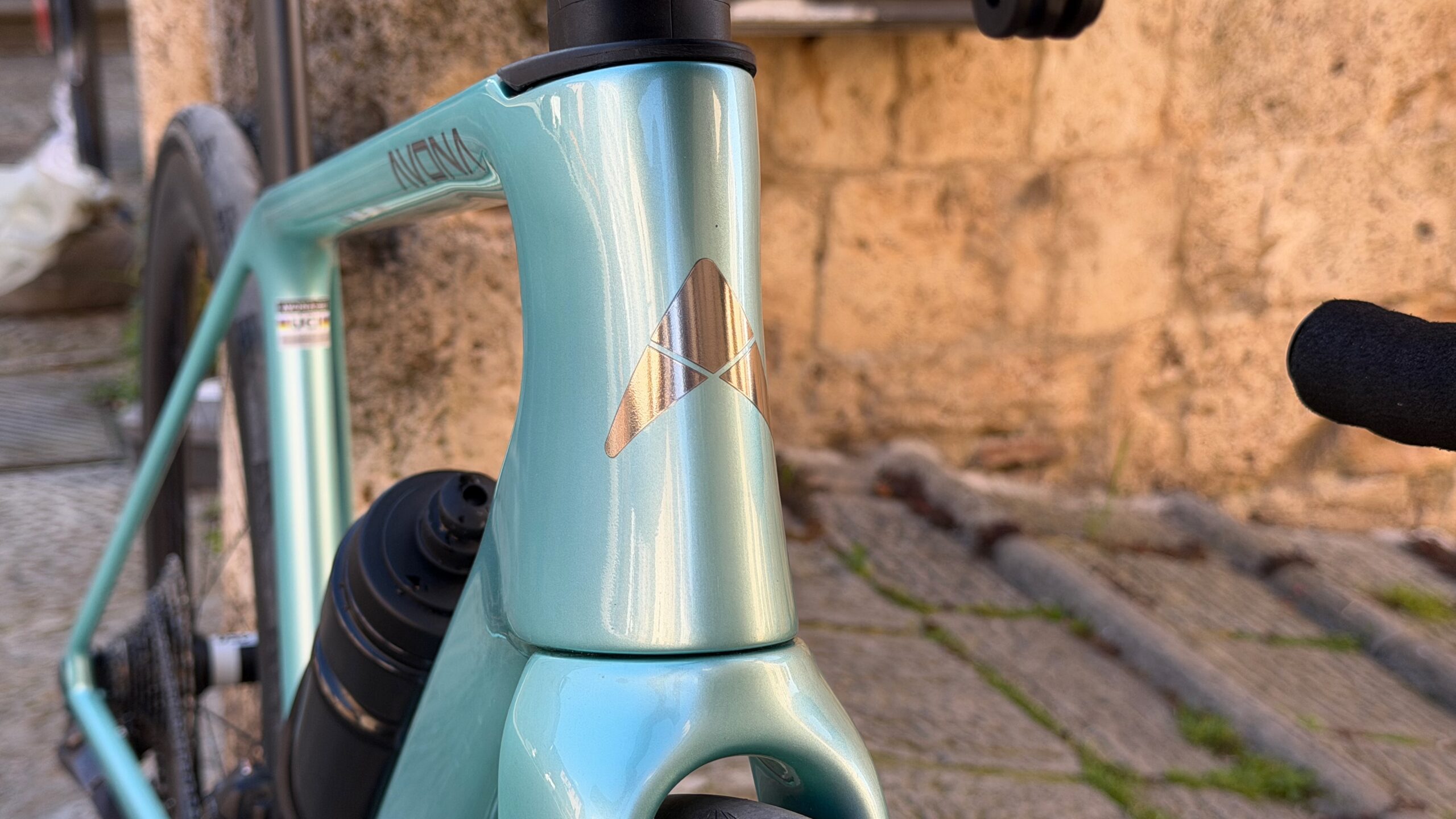
Avona also hit their targets for stiffness and vertical compliance, even though they don’t have a way to yet quantify the impact of vertical compliance on performance. The resulting frame weighs 798g for a medium painted frame with FD hanger & seatpost clamp, and a fork weight of 380g cut to fit. Not the lightest, but still very respectable.
Component choice is part of the performance story
All of Avona’s bikes are built to order, and with that comes the ability to tune the performance to your style of riding. Wheels are a good example. The DT Swiss ARC 55mm WTS is the most aero solution that Avona offers, but only if you’re riding at average speeds above 35 km/h on a regular basis. If not, you’d be better off on something like their Faserwerk Windrad (strong riders on most days), Bergreif (average riders on hilly terrain), or Bergreif SL (most expensive, but lowest weight). Faserwerk is a component brand that is also under the Avona roof, though they keep it separate to better position the brand for use on other brands of bikes.
In Avona’s testing, the difference in real performance gains from component choice was often far greater than the change from one aero frame to another. They point out that you can make these same changes on other bikes, but it’s easier (and cheaper) when you make them from the point of ordering.
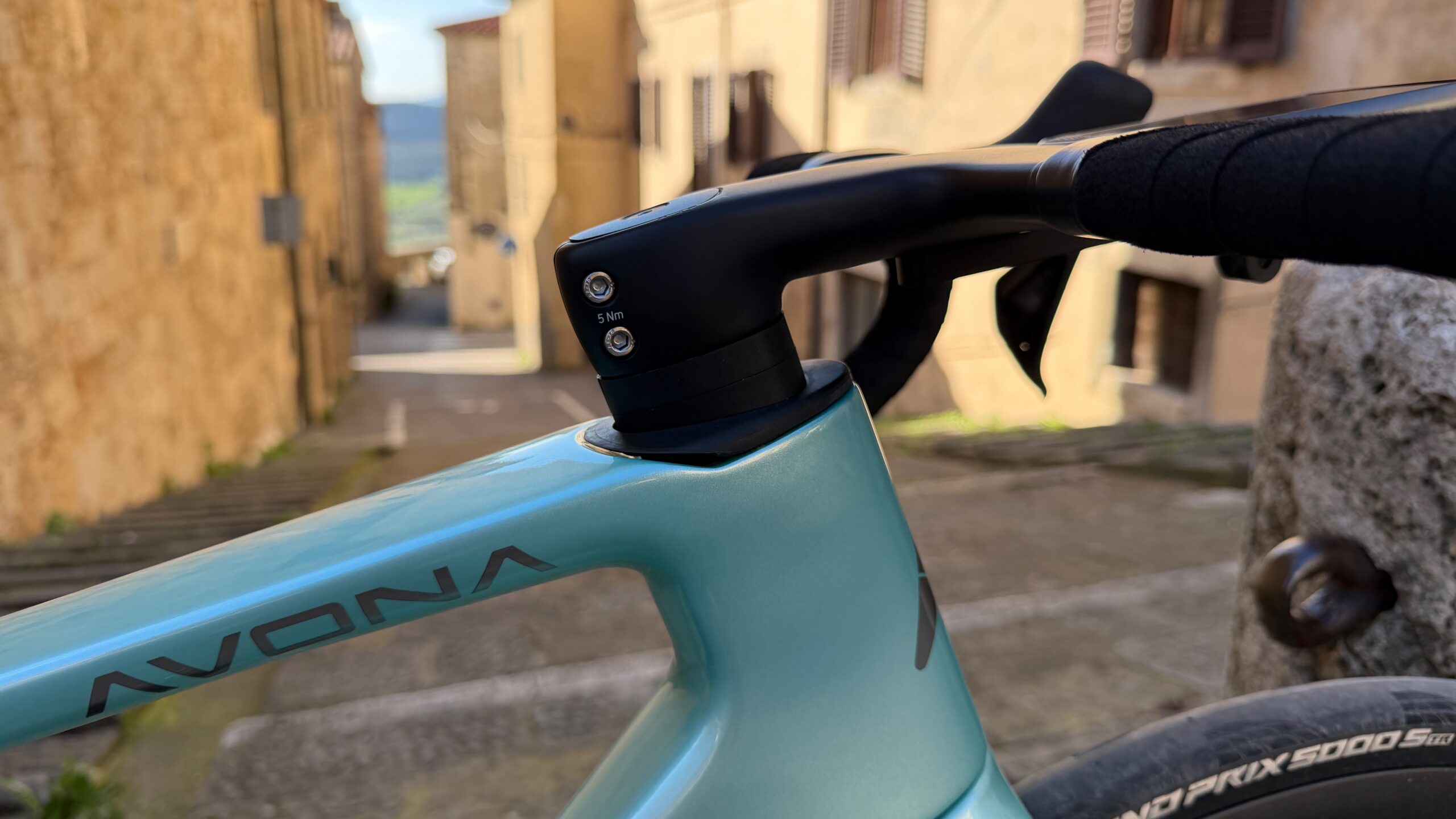
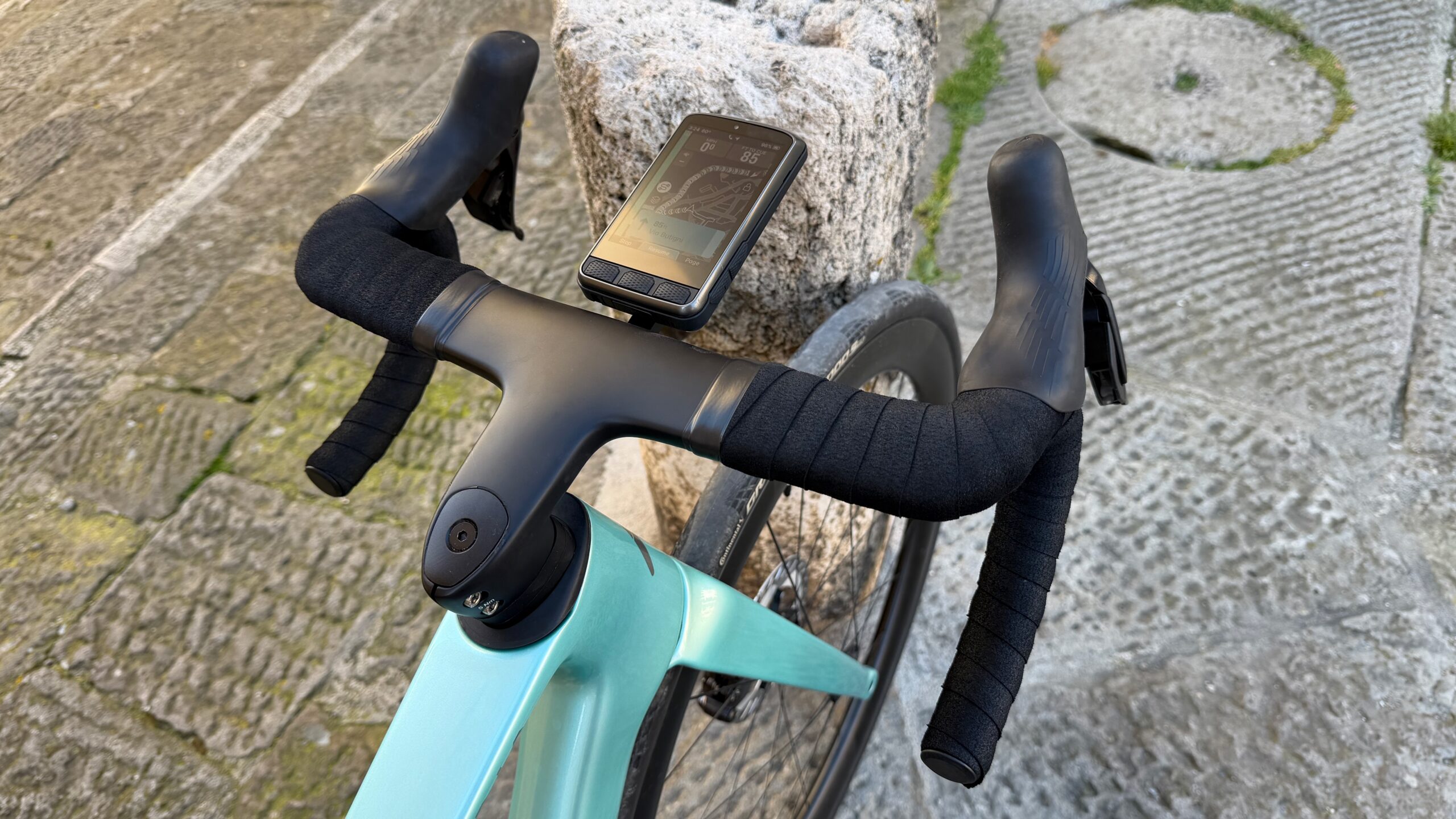
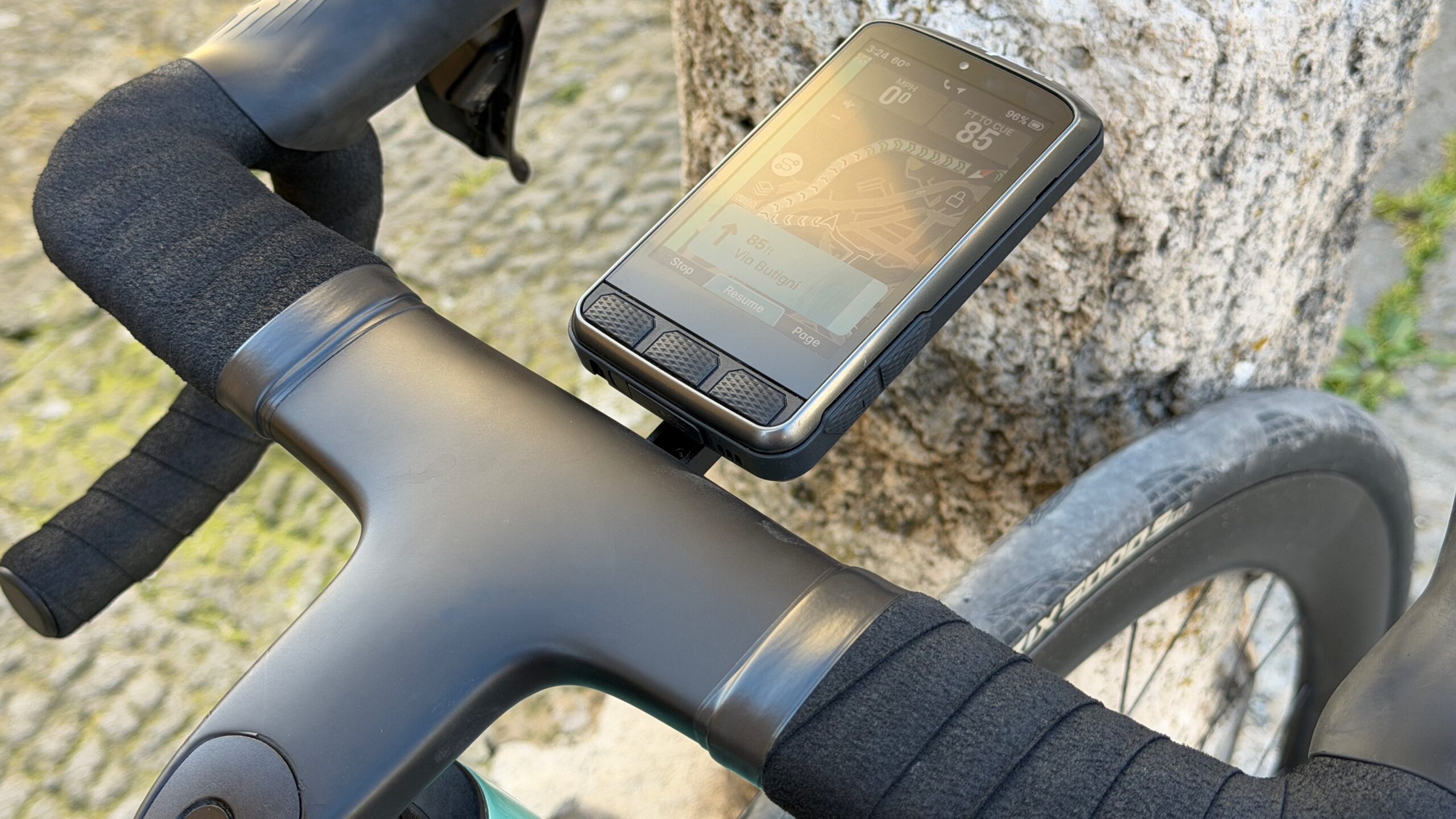
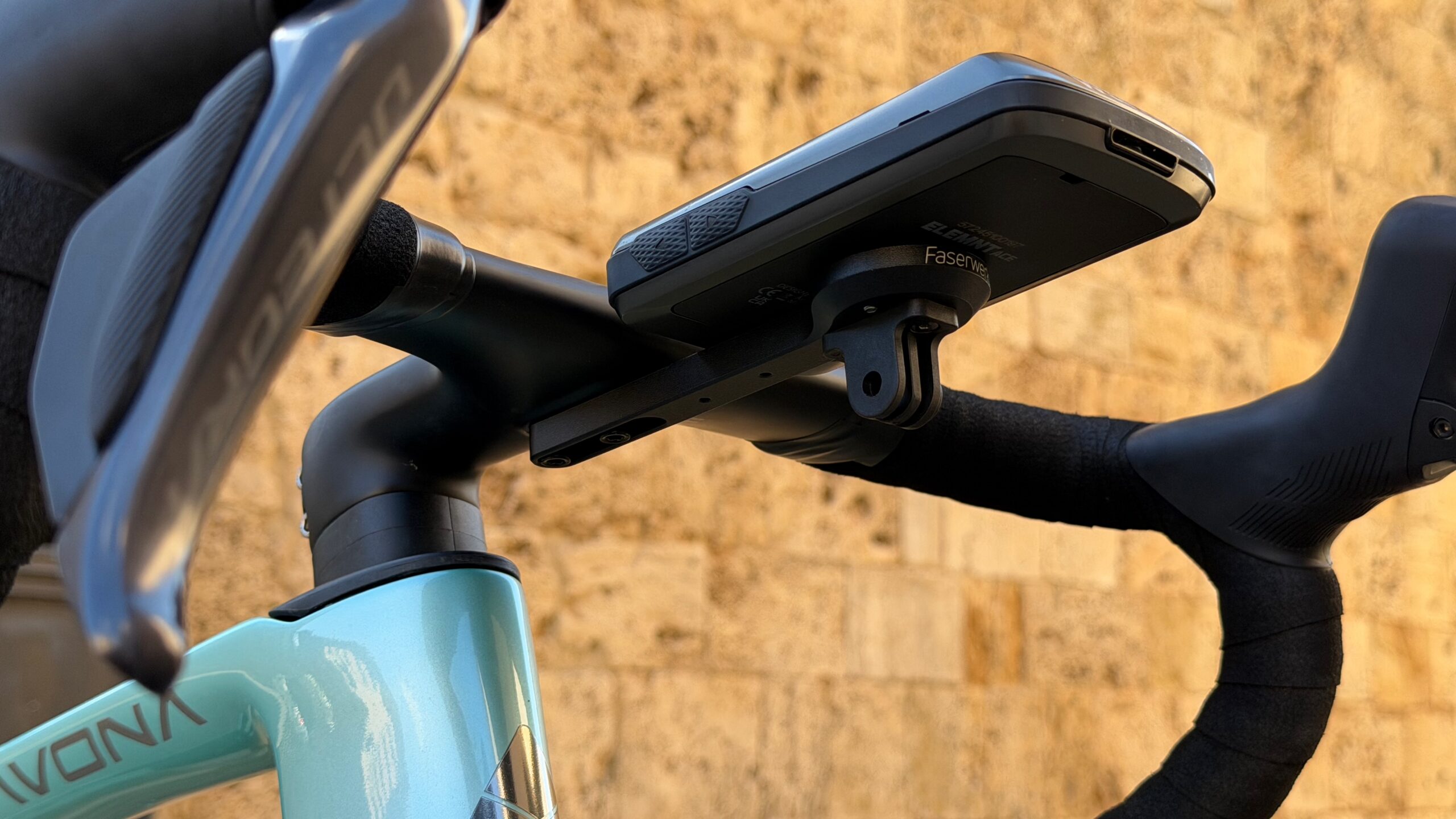
In addition to component choice, cockpits are available in three widths for any stem length, the seatpost comes in 0 and 15mm offset, and you can choose the crank length and number of spacers under the stem. Avona points out that if you care about weight, the cockpit is one of the best places for aerodynamic gains, giving you more benefit per gram than anywhere else on the bike. That’s why you’ll find the Faserwerk Luftschneider one-piece aero cockpit on Ultegra builds and above.
As a result, pricing varies greatly based on component level and spec choice, but it starts at 4,499 € for a 105 12s Di2 build, and tops out at 9,999 € for the new Sub 6 build (more info below). The frameset is also offered starting at 3,499 € with options to make it a rolling chassis by adding wheels at a discounted price.
But can you buy it in the U.S.? Avona hinted that this would be a possibility, though the tariff situation is making it far more difficult. We’ve asked for clarification on the exact process that North American riders may be able to purchase a Velum, and we will update this soon.
Velum goes Sub 6
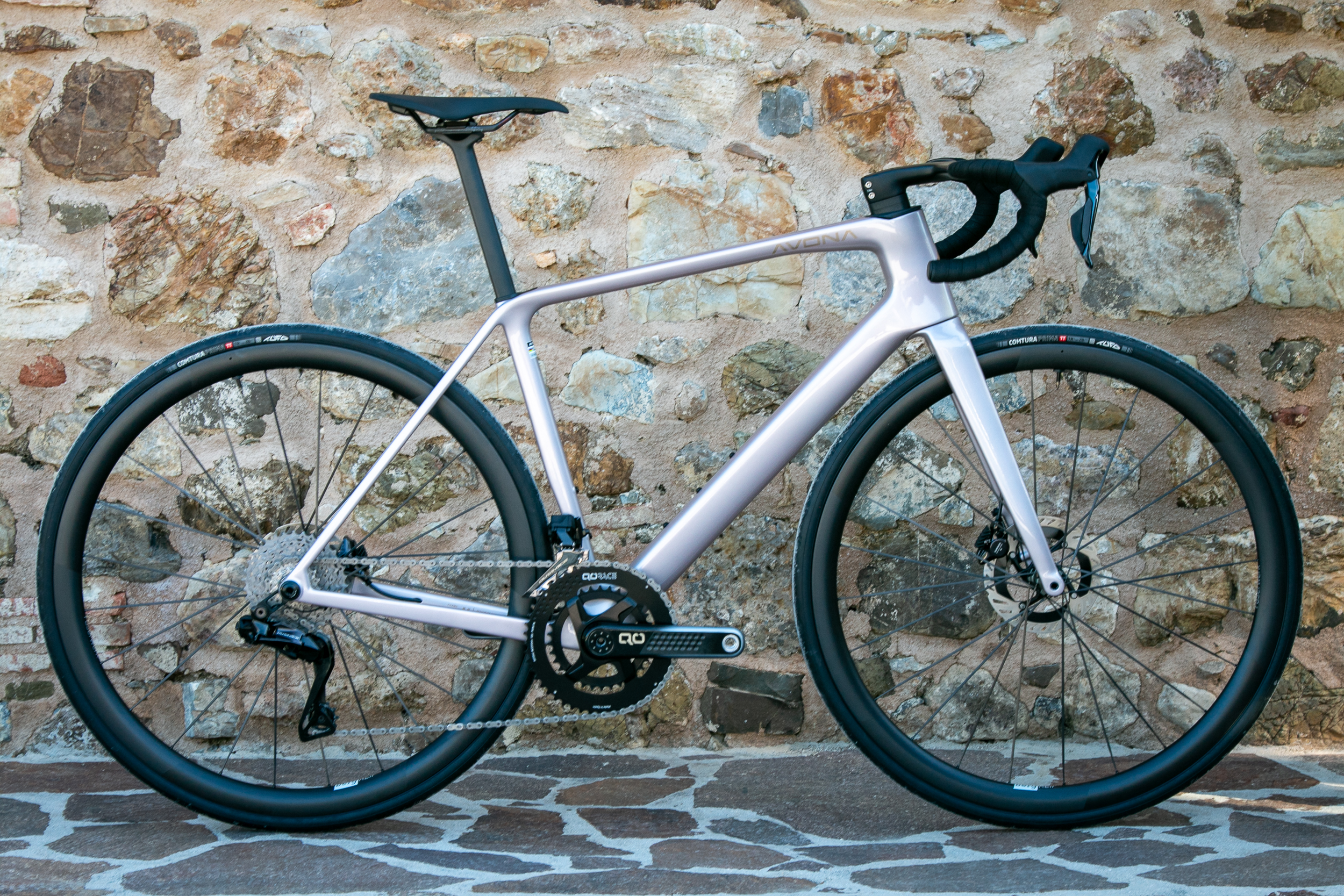
Depending on the rider and the terrain, weight is one of the smaller influences on overall performance, but it can still be greater than aero in some circumstances. Looking to offer a build kit of the Velum that was even lighter, the new Sub 6 bike checks in under 6kg (13.23lbs) for a painted 54cm bike without pedals.
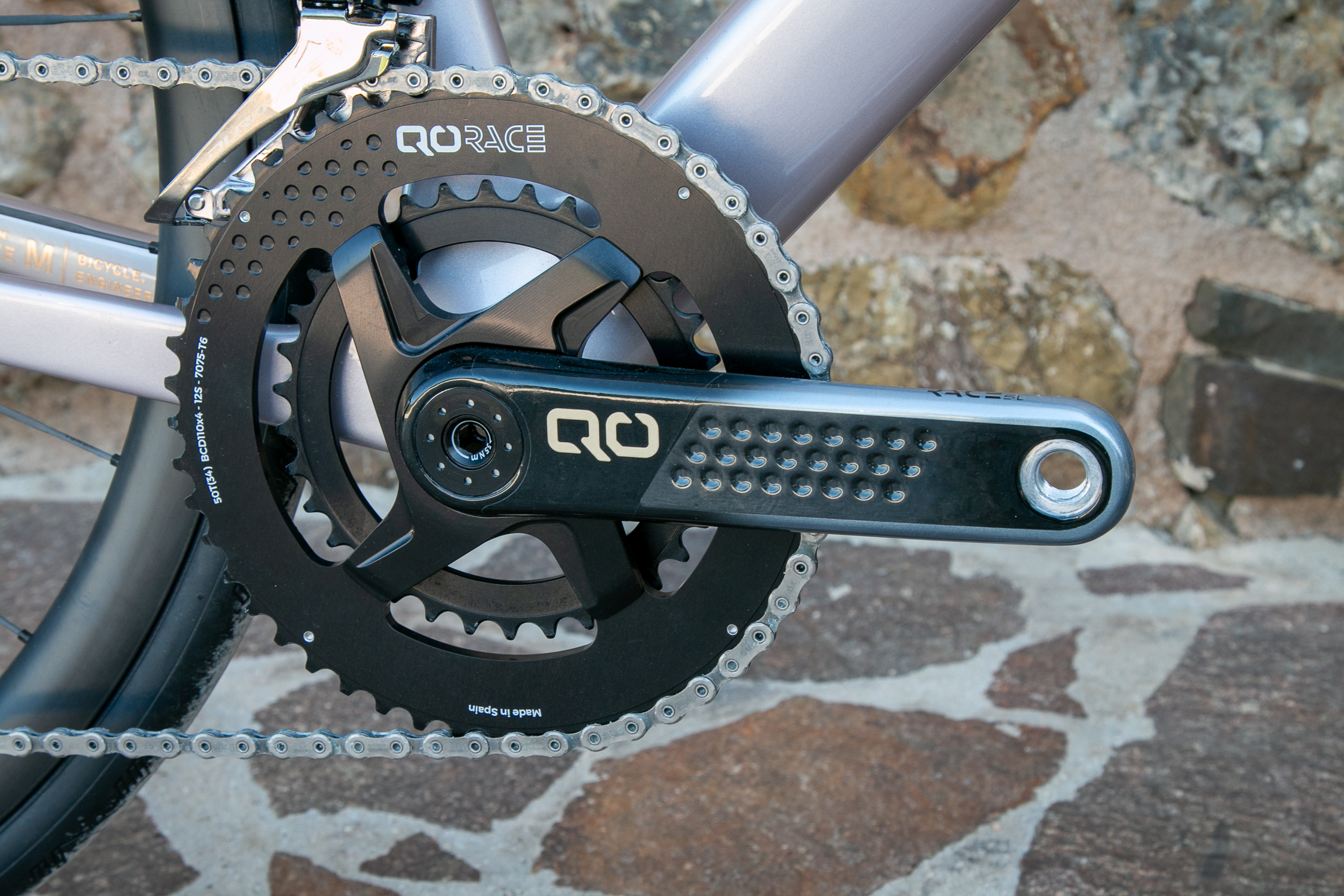
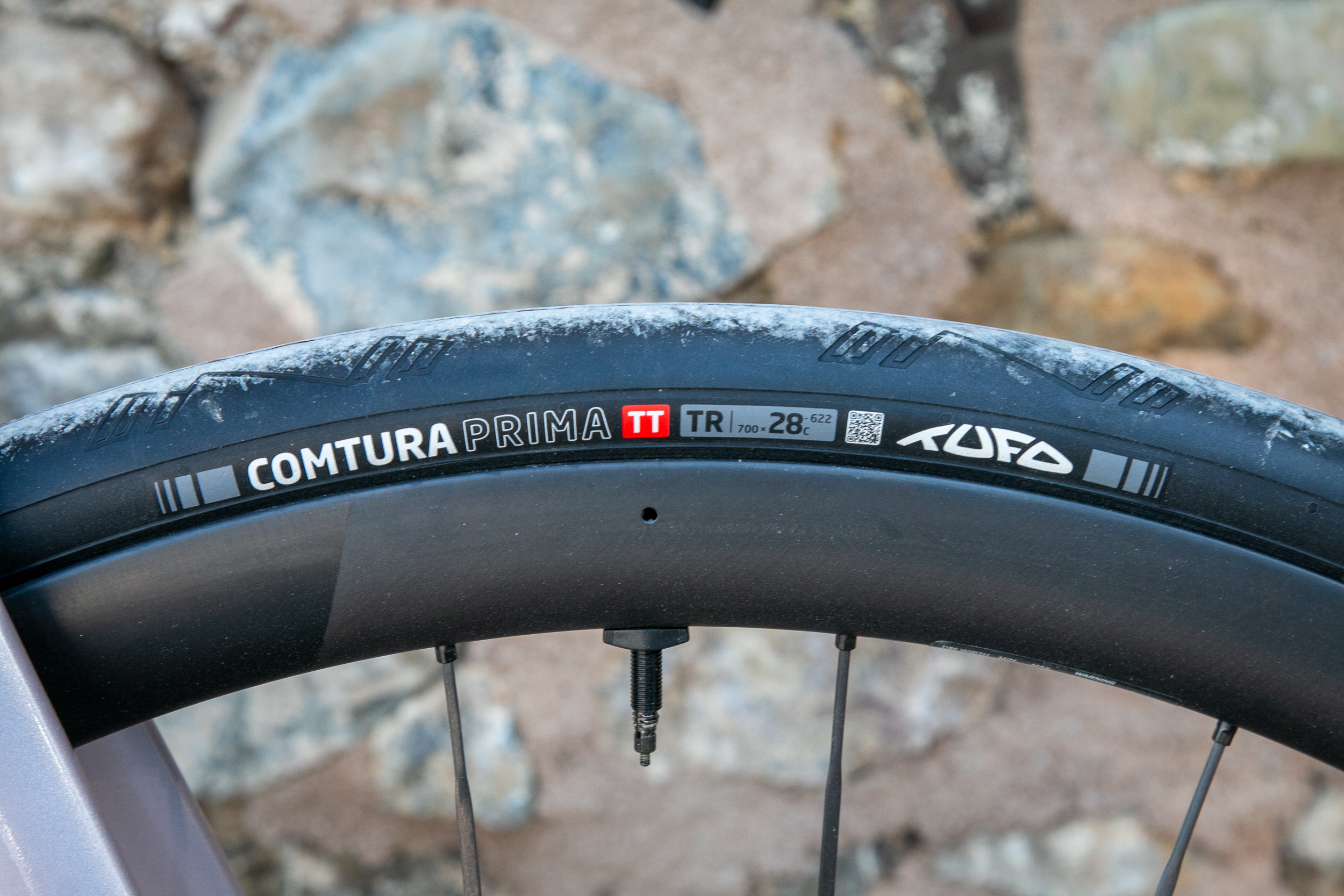
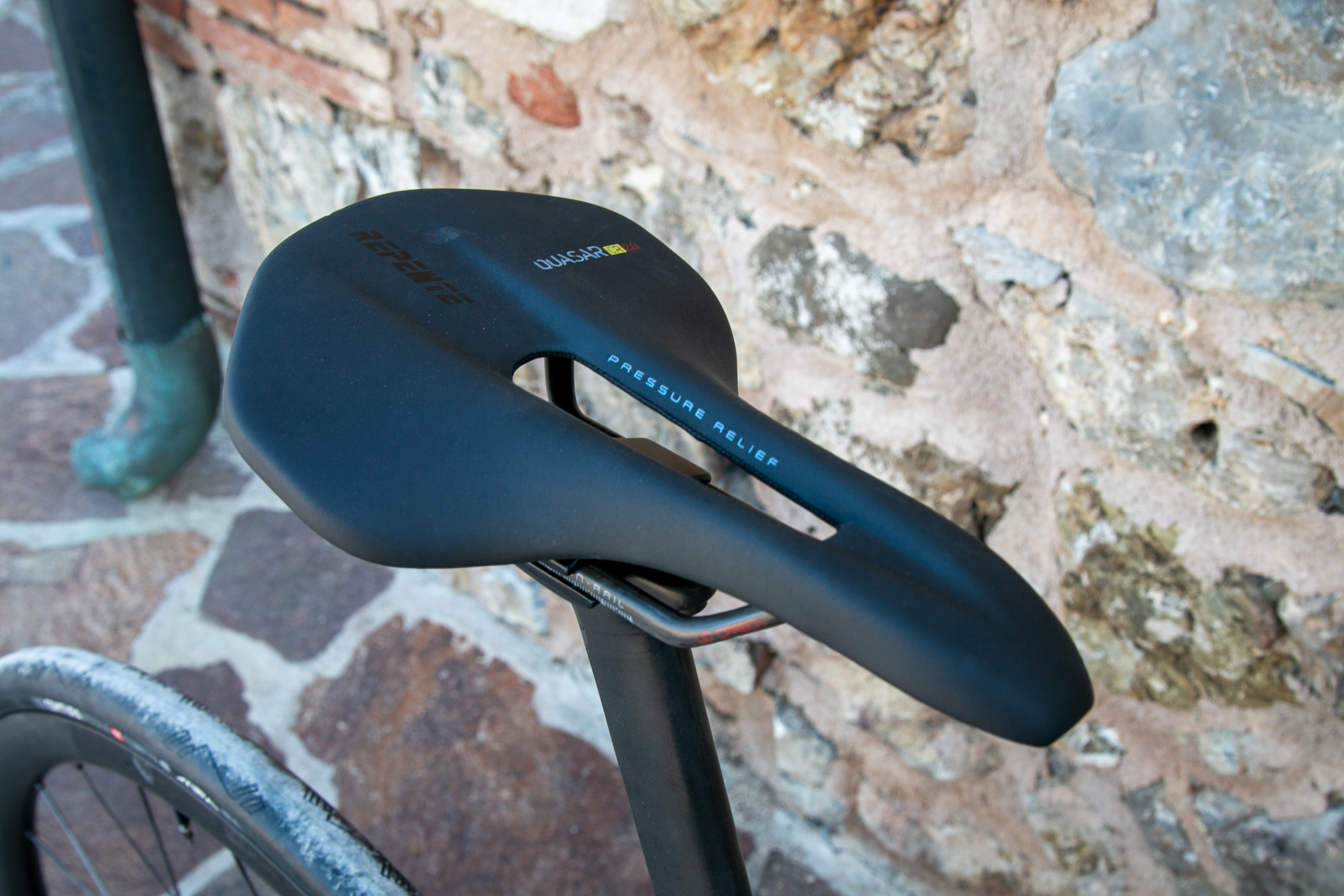
The build starts with the Shimano Dura Ace Di2 12s kit and adds the Faserwerk Bergreif SL wheels with Tufo Comtura Prima TT tires, a QO Race SL crankset, and a Repente Quasar CR2.0 saddle.
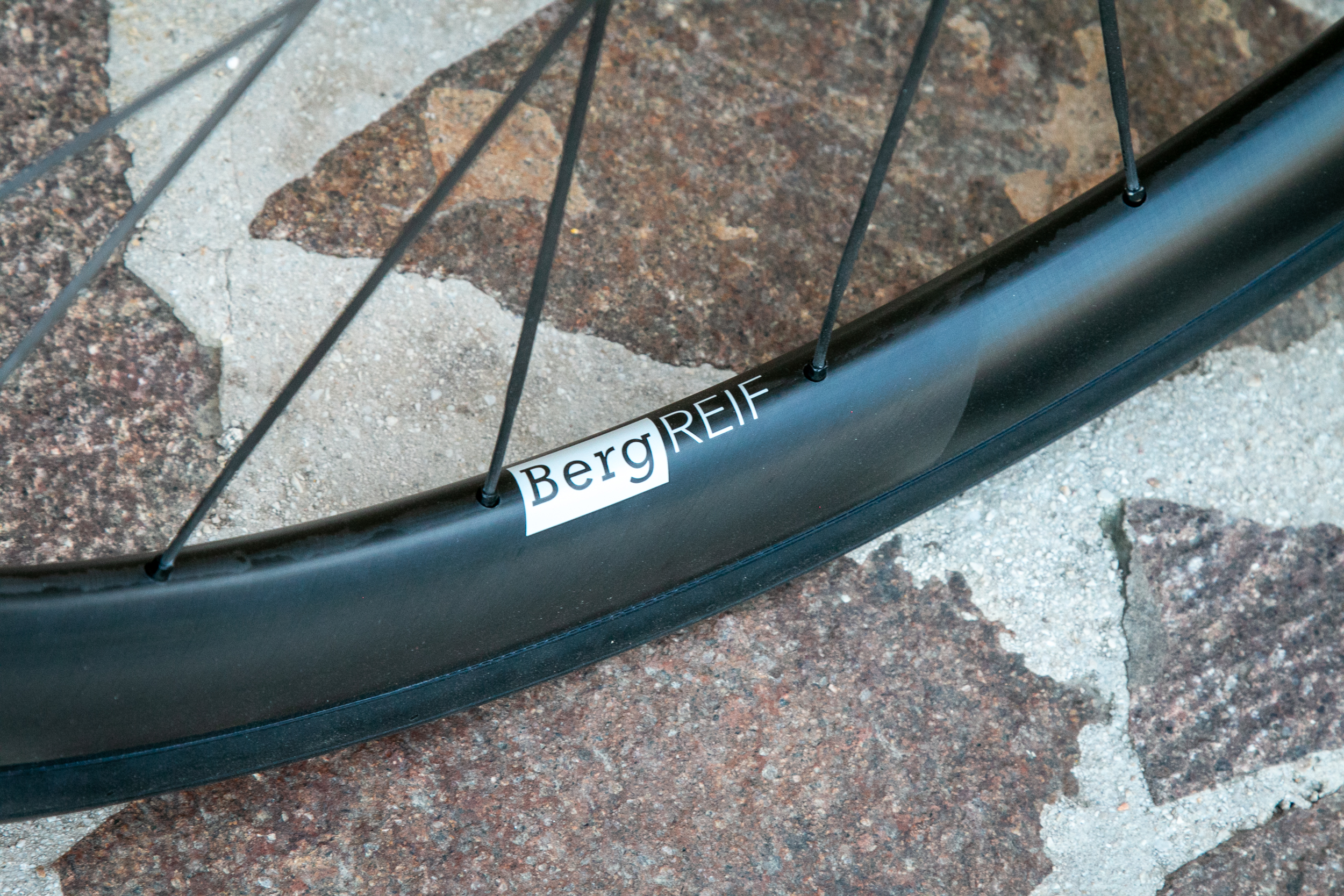

The Bergreif SL is a new wheelset from Faserwerk with a 35mm rim depth and a wheelset weight of just 987g. Built with Vonoa carbon spokes and Nonplus Primaro hubs, the wheels are a 2999 € option outside of the Sub 6 build.
Avona Velum Ride Review

I got a chance to ride the standard Avona Velum at the Spring Bike Connection eventf in Massa Marittima, Italy. As mentioned, I specifically set out to ride the bike before I learned anything about it from the founders. That’s always a good way to see if what you feel initially, without any preconceived notions, actually lines up with the marketing presentation.
From the first pedal, the Velum felt special. Even on relatively rough sections of road, the Velum had a silky smooth ride feel that felt like it wasn’t wasting any of the energy put through it. That feeling continued to the climbs, which are plentiful in Massa Marittima. The Bike Connection events are run out of Tenuta Il Cicalino, which is in the valley of the surrounding mountains and hills, so all roads point straight up.
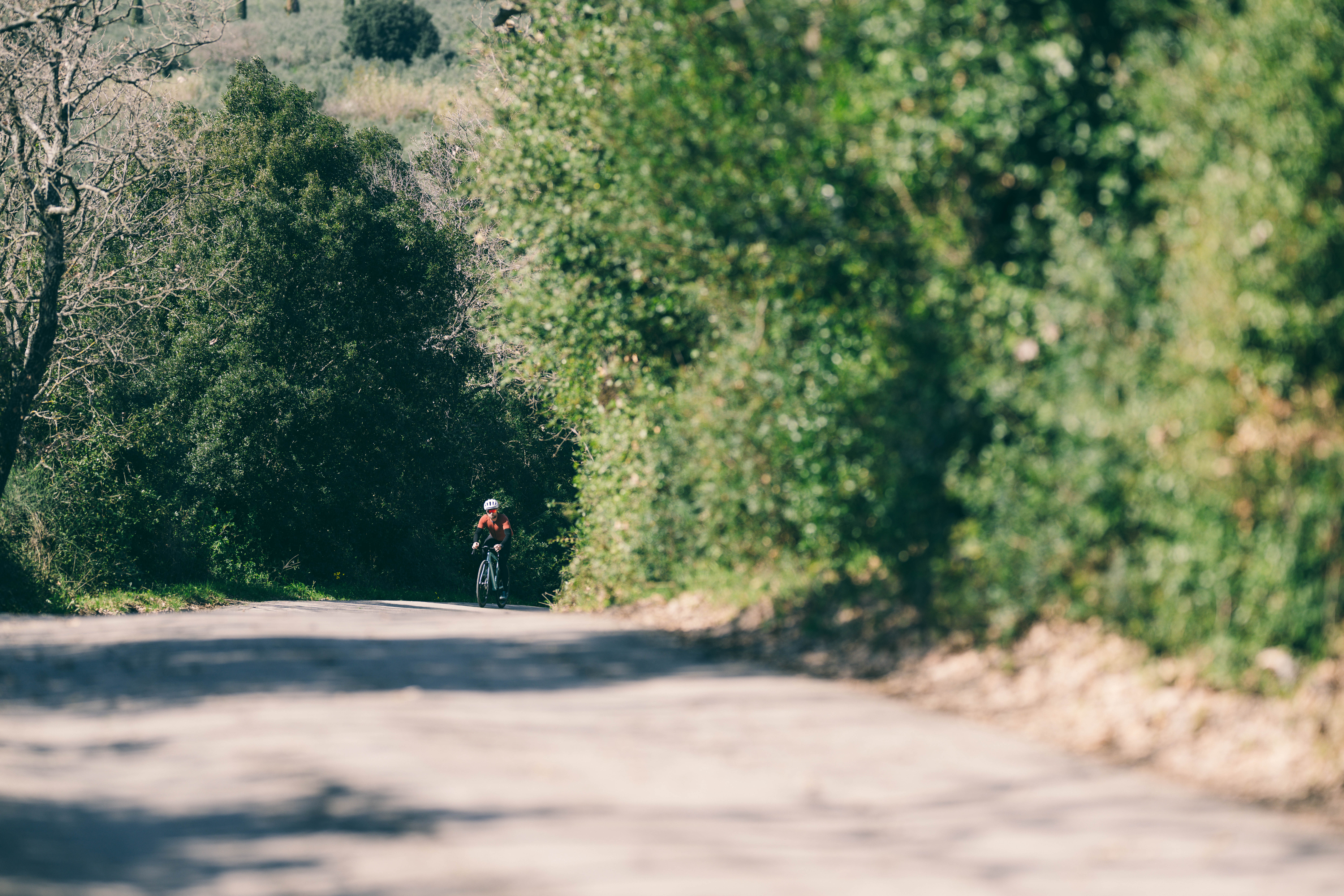
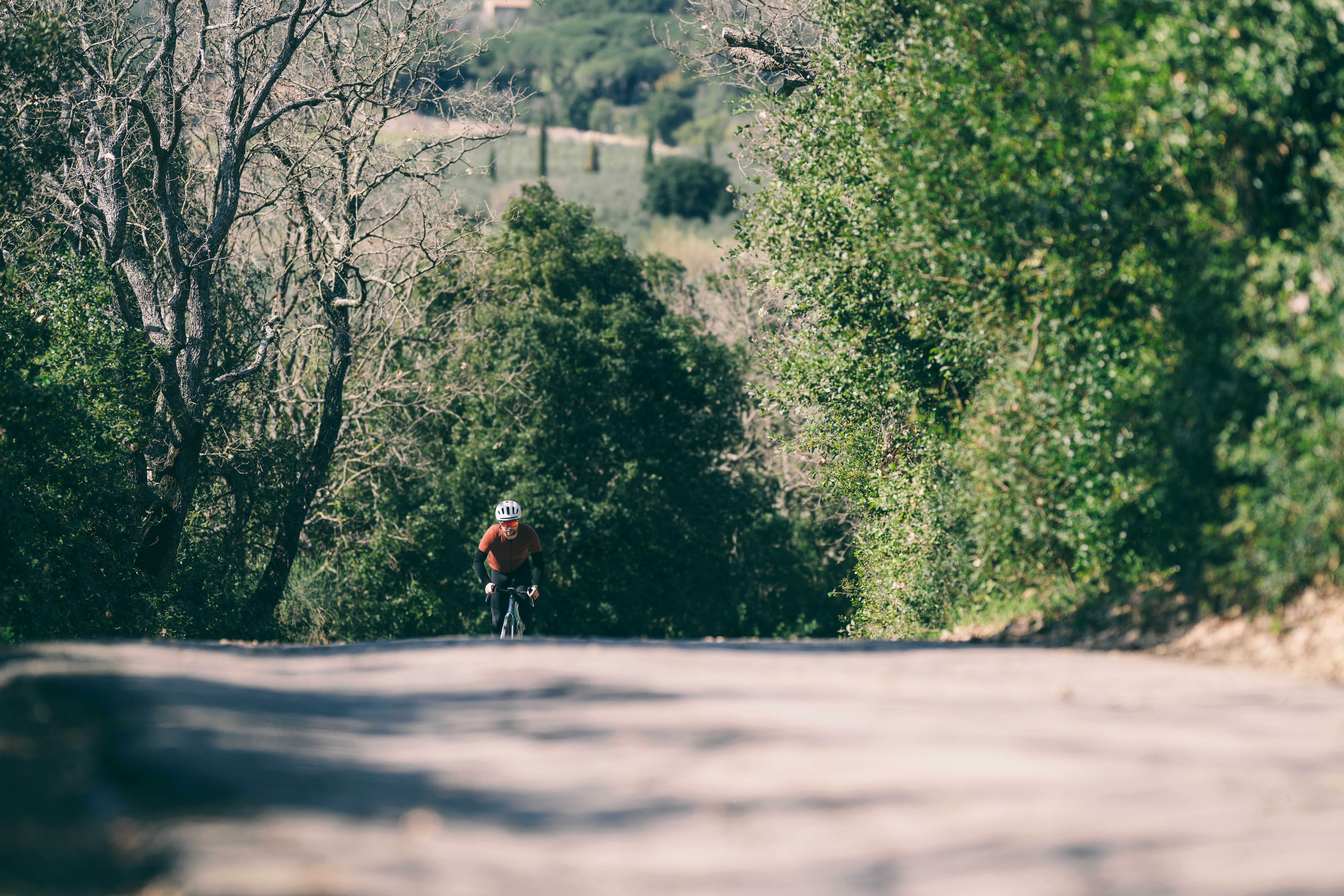

Even on the climbs, especially on the climbs, the Velum felt like it was maximizing every watt of power. While I wasn’t feeling particularly fit going into the event, the Velum left me feeling like I was in peak form. Don’t get me wrong, there is still plenty of room for improvement for my climbing abilities, but the bike felt like I was flying, and it felt extremely comfortable without going into the red on the climb.
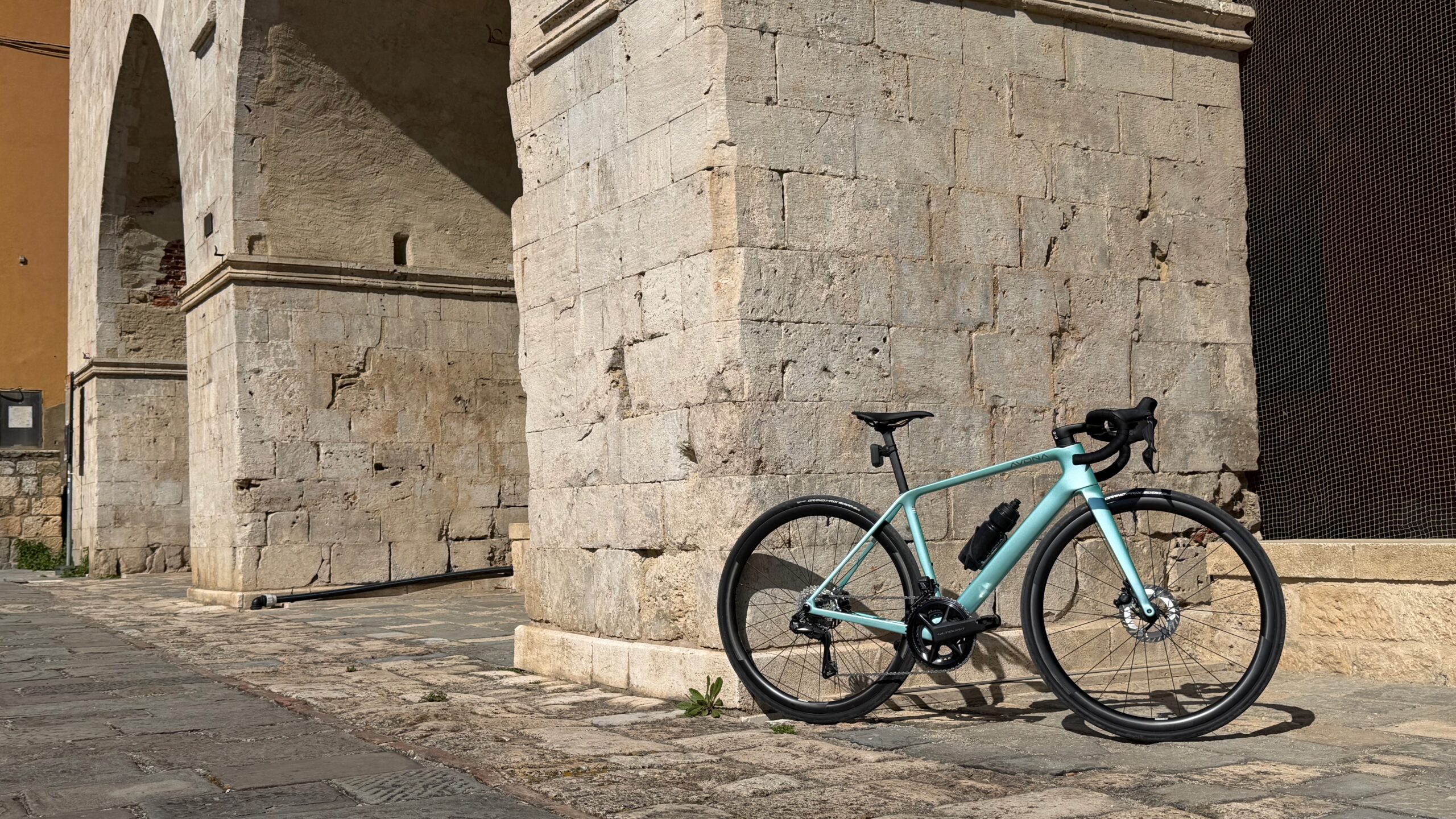
Between the wider tires and seemingly excellent frame compliance, the Velum won’t shock you with its lightning-quick handling. The bike is plenty agile, but it comes off as more of a confidence-inspiring ride for real-world cyclists. There haven’t been many pure road bikes lately that have inspired me to ride more, but the Avona Velum certainly does. If I were going to buy a road bike today for riding, not racing, it would be a Velum.
