


When we first rode the CADEX 50 Ultra, it surprised us. Not because it was fast, you expect that from a 50mm carbon wheel that costs as much as an entry-level road bike. But it didn’t feel like a typical deep-section setup. It climbed lighter than the numbers suggested, handled rough pavement (and hella lot of gravel) without drama, and even felt comfortable drifting onto chunky gravel stretches. It was quick but also versatile.
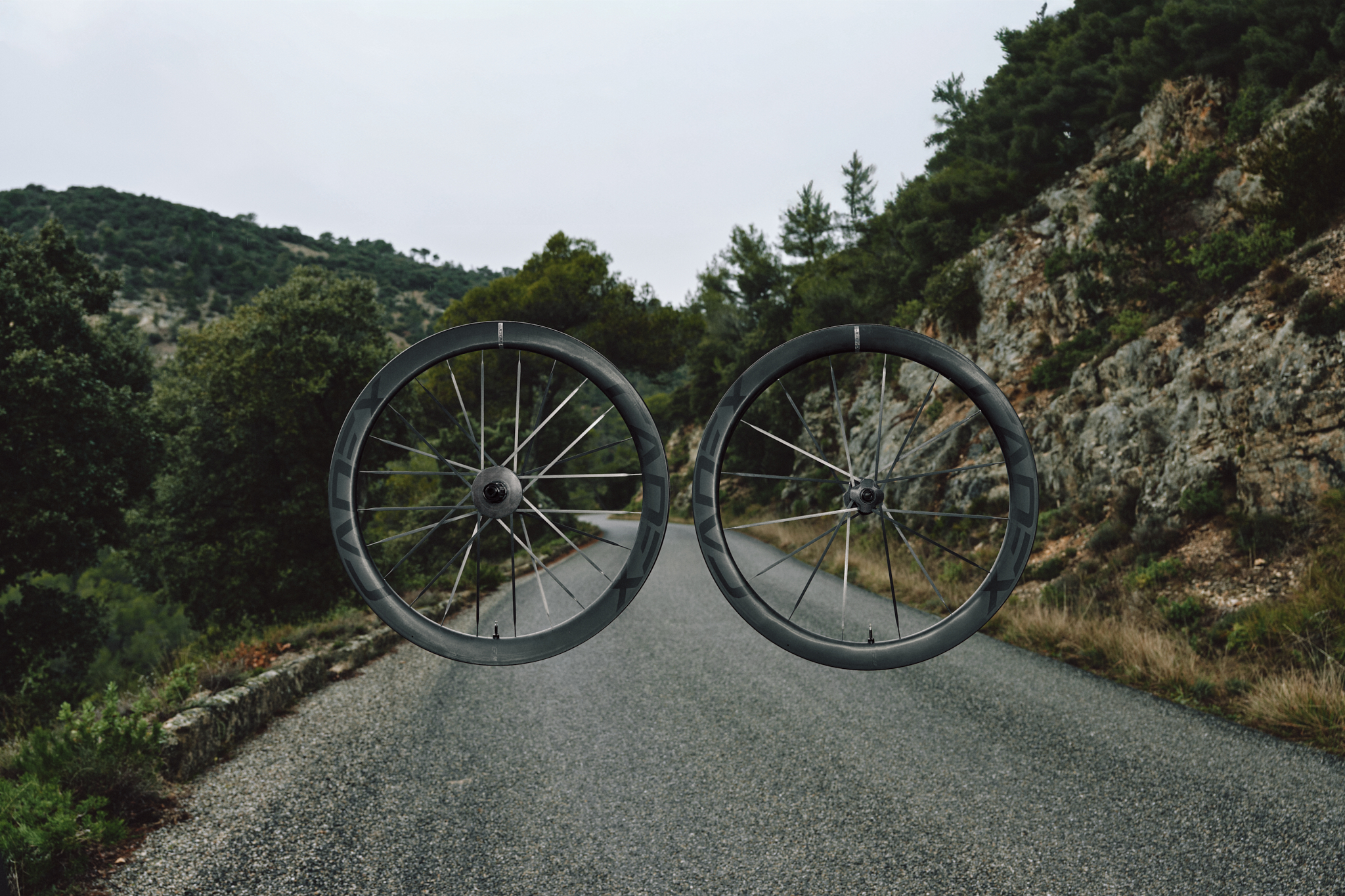
The new CADEX Max 50 WheelSystem, paired with the matching Aero Tire, tightens that foundation. It’s not a ground-up redesign. It’s a technical refinement that leans into lower weight, better stiffness-to-weight ratios, and a more integrated aerodynamic approach.
And yes, you can feel the difference.
What The Difference? Ultra 50 vs Max 50
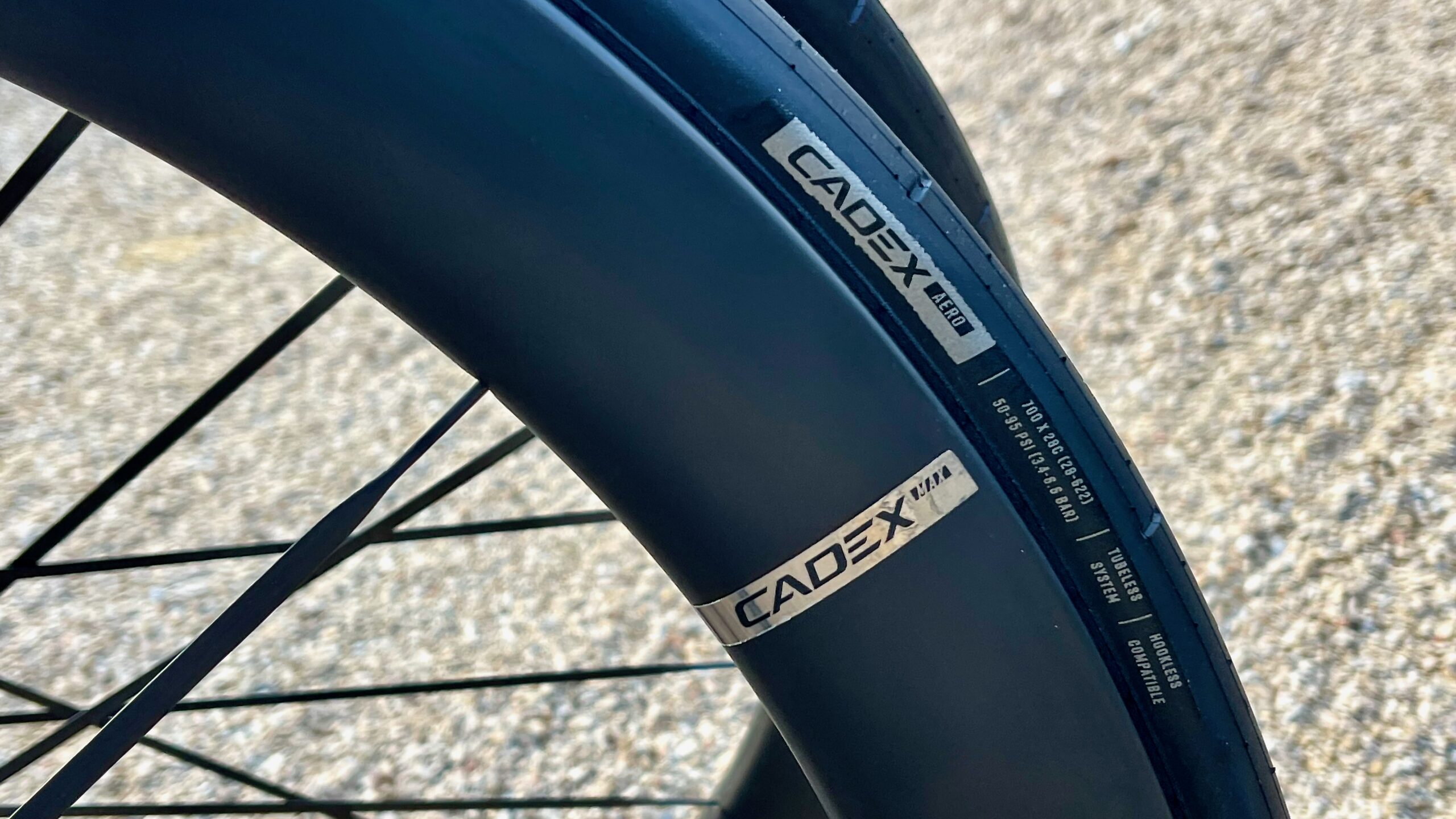
At a glance, the CADEX Ultra 50 (reviewed here) and CADEX Max 50 look very similar, as they should. Both sit at 50mm depth, both use hookless carbon rims, and both lean on carbon spokes and premium hub internals. But the Max 50 isn’t just a lighter refresh; it’s a more tightly integrated system than its predecessor. Where the Ultra 50 felt like a fast, aero wheel that surprised with its balance and comfort, the Max 50 feels more deliberate. It’s built around full hub-bonded spoke integration and measurable efficiency gains when paired with the updated CADEX Aero Tire.

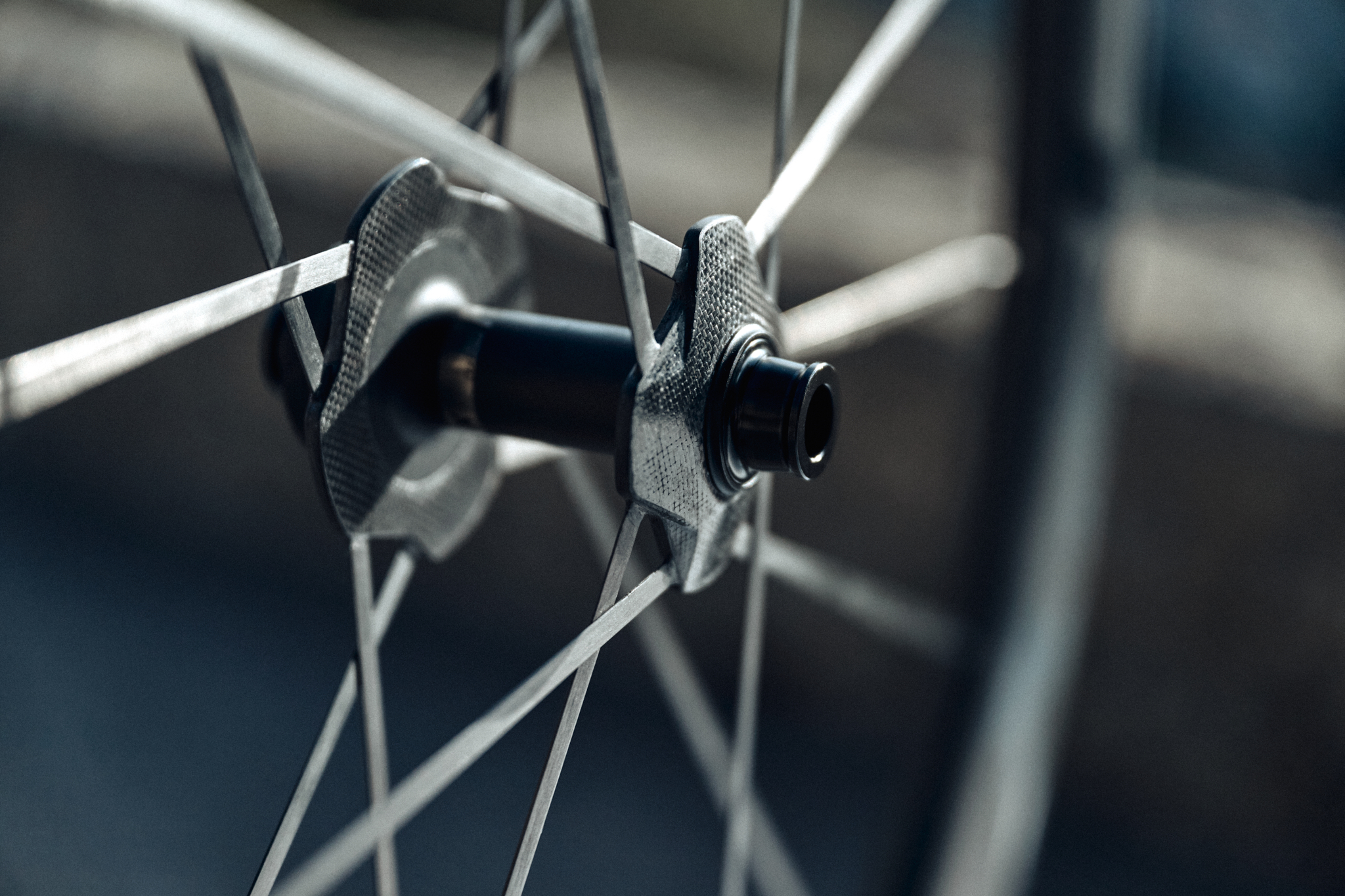
The biggest difference shows up under load. The Max 50 improves transmission stiffness by 5.4% and rear transmission stiffness-to-weight by 14.3% over the Ultra 50. That translates to a more immediate response when sprinting, surging, and closing the gap. The rear wheel, in particular, feels tighter and more direct. Add in the integrated Super Aero carbon spokes bonded into thin aero hub flanges, and you get reduced center-wheel turbulence along with a claimed 2.18-watt aero gain when paired with the Aero 28 tire.
Tech Comparison at a Glance
- Weight: Ultra 50 -1349g | Max 50 – 1290g
- Aero Gain: Max 50 reduces drag by 2.18 watts vs Ultra 50 (with Aero 28 tire)
- Transmission Stiffness: +5.4% (Max 50 vs Ultra 50)
- Rear Transmission Stiffness-to-Weight: +14.3% (Max 50 vs Ultra 50)
- Rim Internal Width: 22.4mm (Max 50 optimized for 28mm tires)
- Hub Design: Fully integrated hub–spoke interface on Max 50
For real, is there that much difference? Yes – you can tell the difference right away. The CADEX Max 50 uses the same Dynamic Balanced Lacing (DBL) and Super Aero Carbon pattern as the Max 40 (reviewed here), plus a lighter rim than the Ultra 50. In the brief time we spent on the new CADEX Max 50, we found it unexpectedly versatile for a deep-aero wheel. The Max 50 sharpens that “do-it-all” wheel identity, but climbs well, and is shallow enough not feel spicy in the wind. But more on that later, there is still more tech to talk about…

Weight’s Not Everything, But It Helps (And Why It Matters)
Let’s start with the number everyone looks at first: 1290g with tape and valves. 1250g bare.
For a 50mm deep aero wheelset with ceramic bearings and integrated carbon spokes, that’s light. I’m sure you can build a lighter and less expensive one, but as a point-and-shoot purchase, it’s super solid. The outgoing Ultra 50 came in around 1382g with valves and tape. On paper, that’s about a 90g drop. On the road, it’s more noticeable than it sounds, especially paired with the super-stiff bonded hub/spoke design.
CADEX reports:
- 3.2% better lateral stiffness-to-weight
- 14.3% better rear transmission stiffness-to-weight
That rear number is key. When you stand up and snap the pedals, the Max 50 feels tighter. There’s less of that slight elastic sensation you sometimes get from deep rims. Power feels like it goes straight through the hub and into the road. It’s not harsh, just more immediate, and super similar to the Max 40 wheels.
Successful System
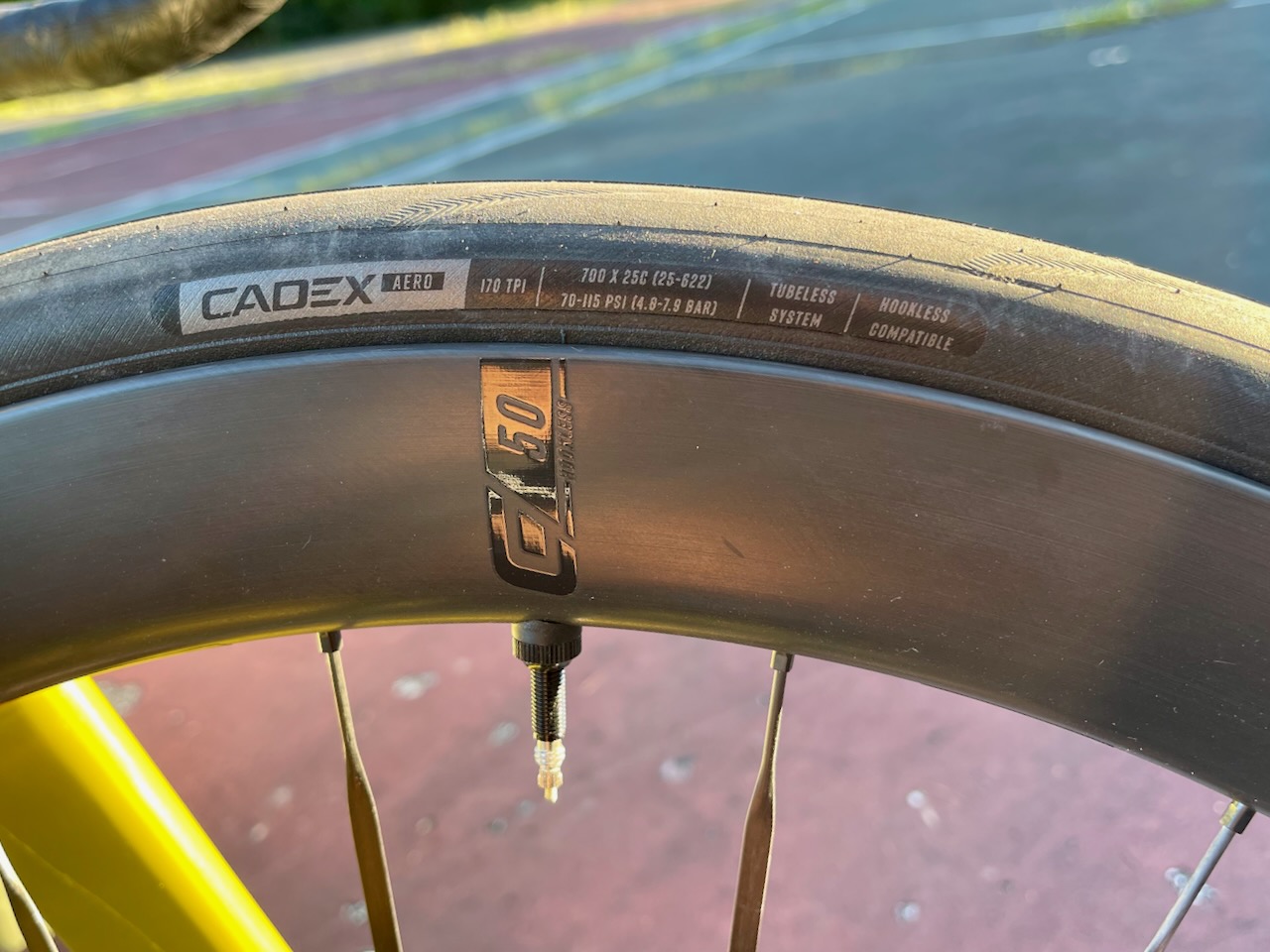
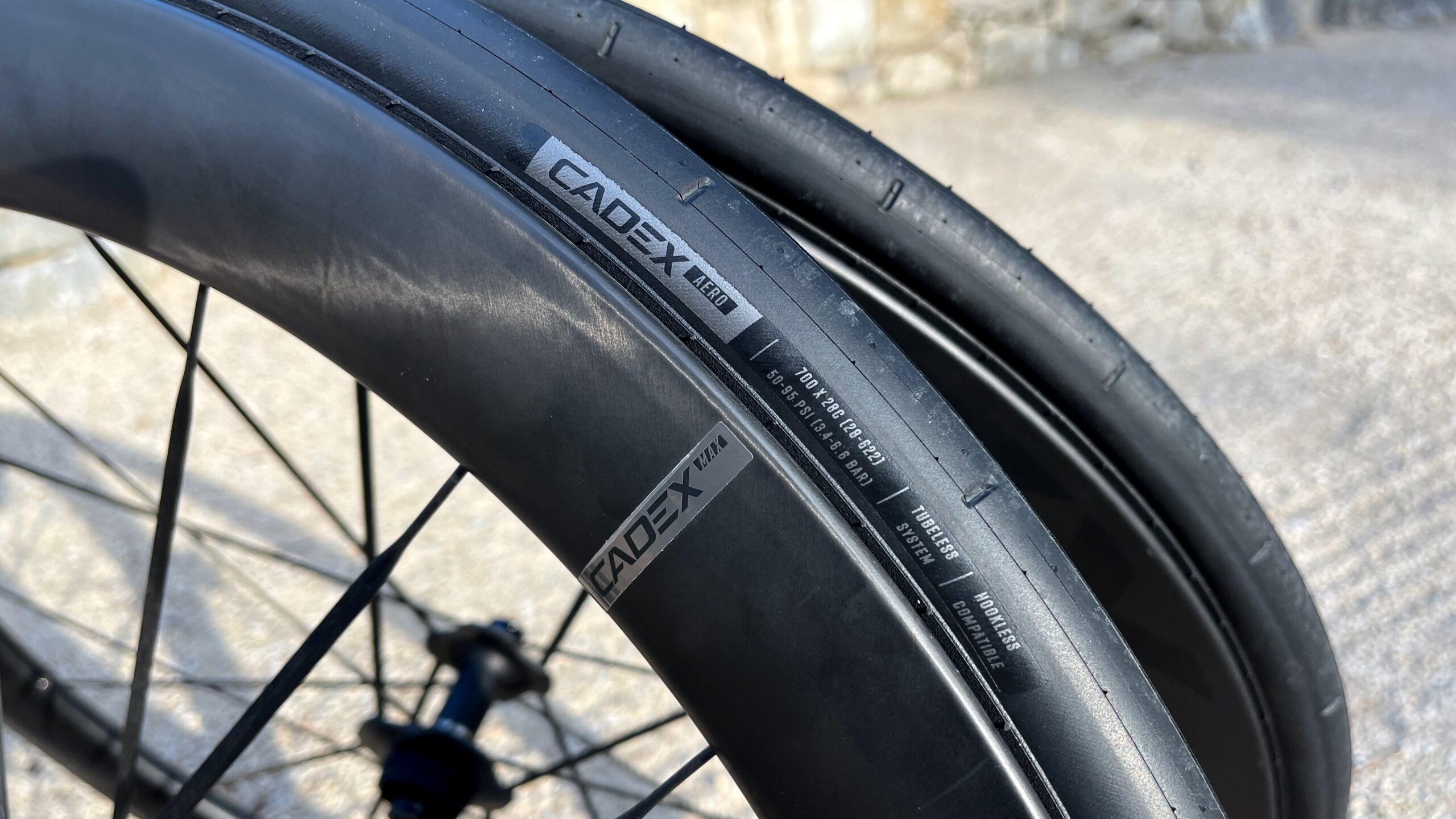
The Max 50 isn’t a radically different rim; it’s a refined Ultra rim. CADEX approached it as a complete system: rim, spokes, hub, and tire working together. The 50mm hookless carbon rim uses a 22.4mm internal width (the exact same as the Ultra 50), optimized for the updated shape of the new 28mm CADEX Aero Tire. That width helps the tire sit more naturally, creating a smoother airflow transition and better sidewall support in corners with the updated Aero Tire.
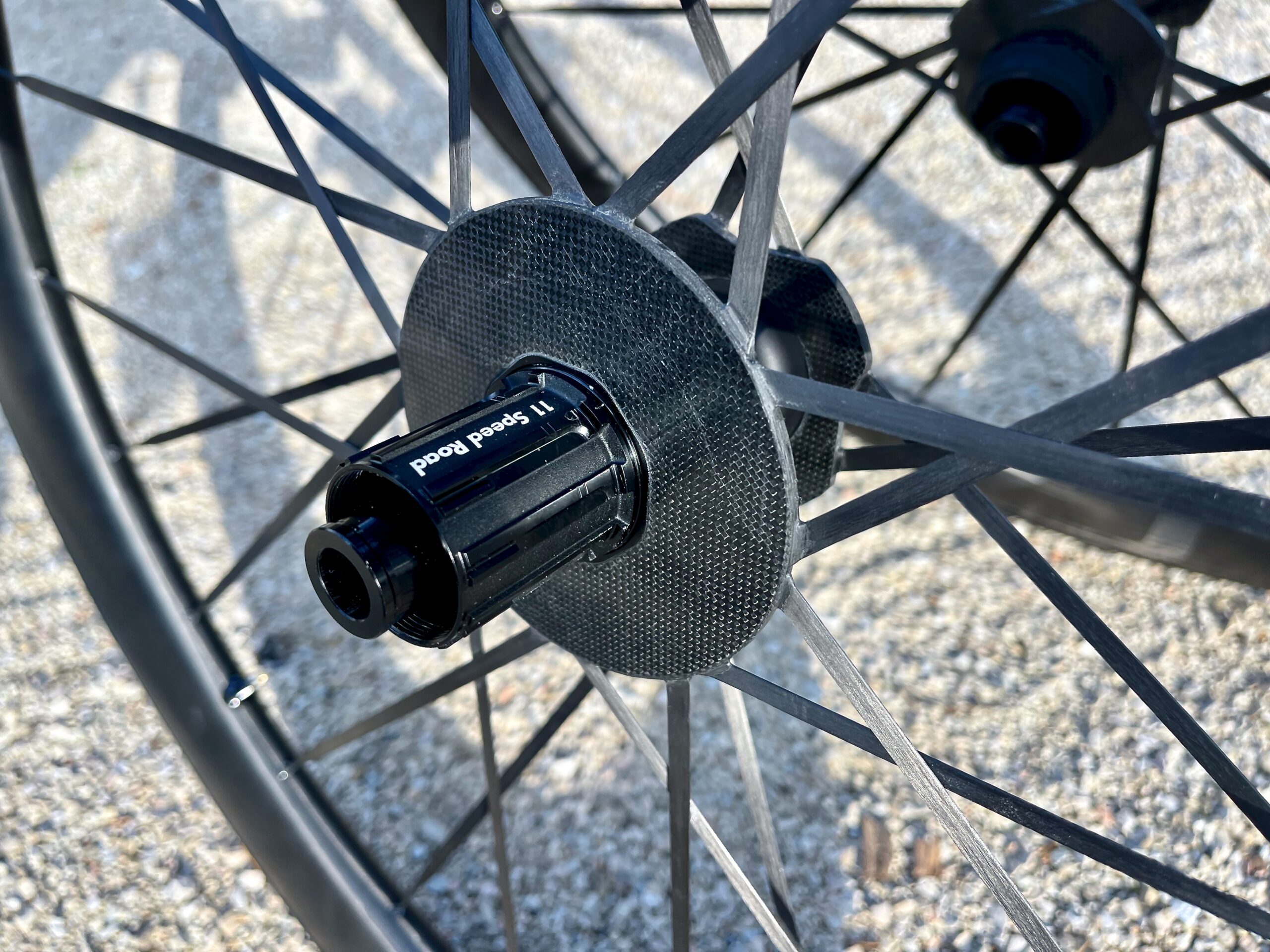
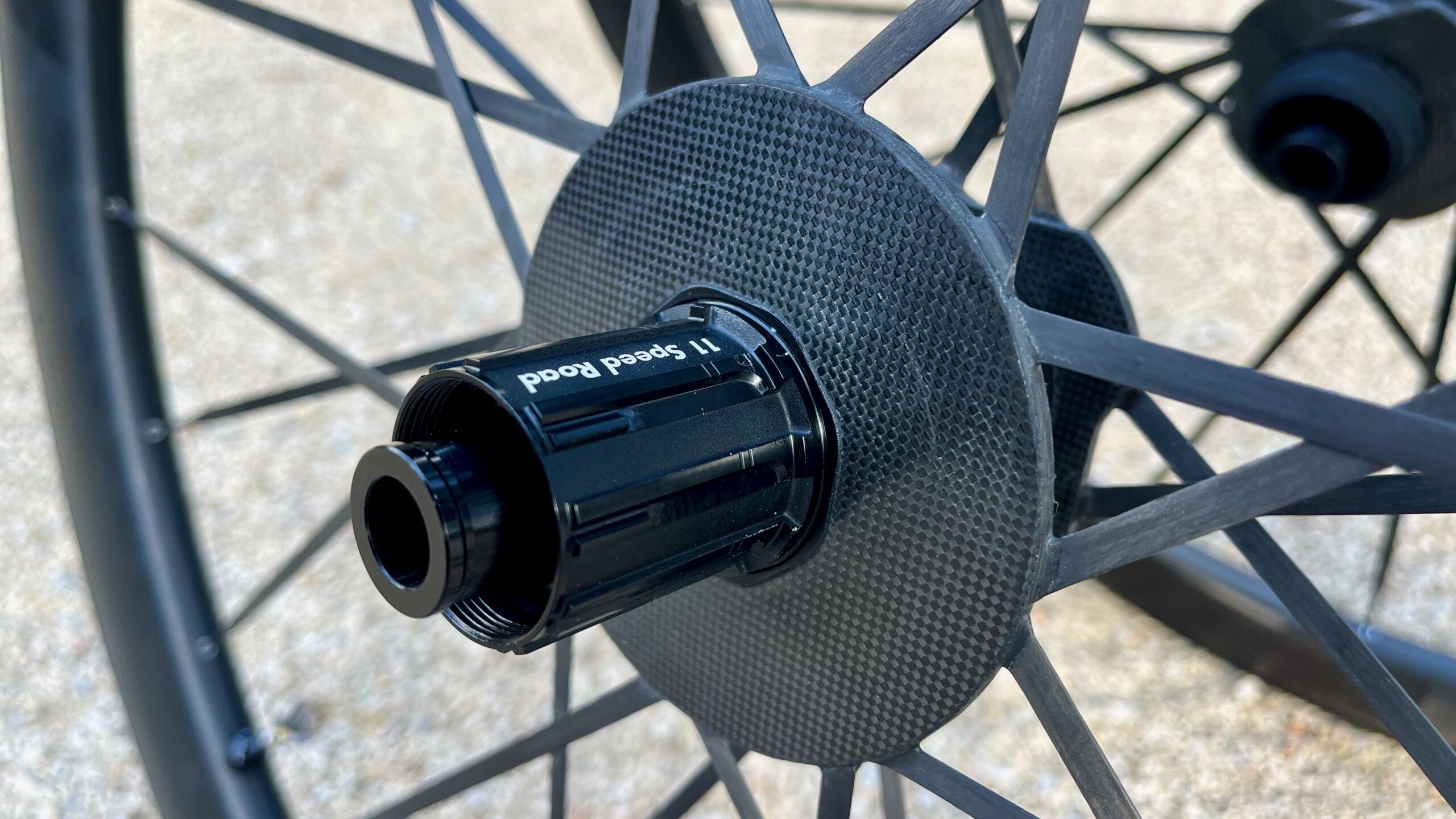
The Super Aero carbon spokes are bonded directly into thin aero hub flanges, forming a one-piece interface. The titanium nipples are hidden inside the rim. Which will require the owner to remove the tire and rim tape to true the wheel, but I see that as rare for most users. It’s clean, efficient, and purposeful.
If you read our Max 40 review, you’ll recognize the same engineering philosophy here — just scaled to 50mm depth.
The Hub & Engagement
The R3-C48 hub uses a 48-tooth ratchet with a wave spring system, and it’s very easy to service, like the Max 40 and DT-Swiss-style systems. Engagement is quick and consistent, without feeling abrupt. The freehub body is … well, loud. But if you’re familiar with CADEX wheels, they have a very loud freehub sound, and you’re sneaking up on no one with this wheelset.
Updated CADEX Aero Tire
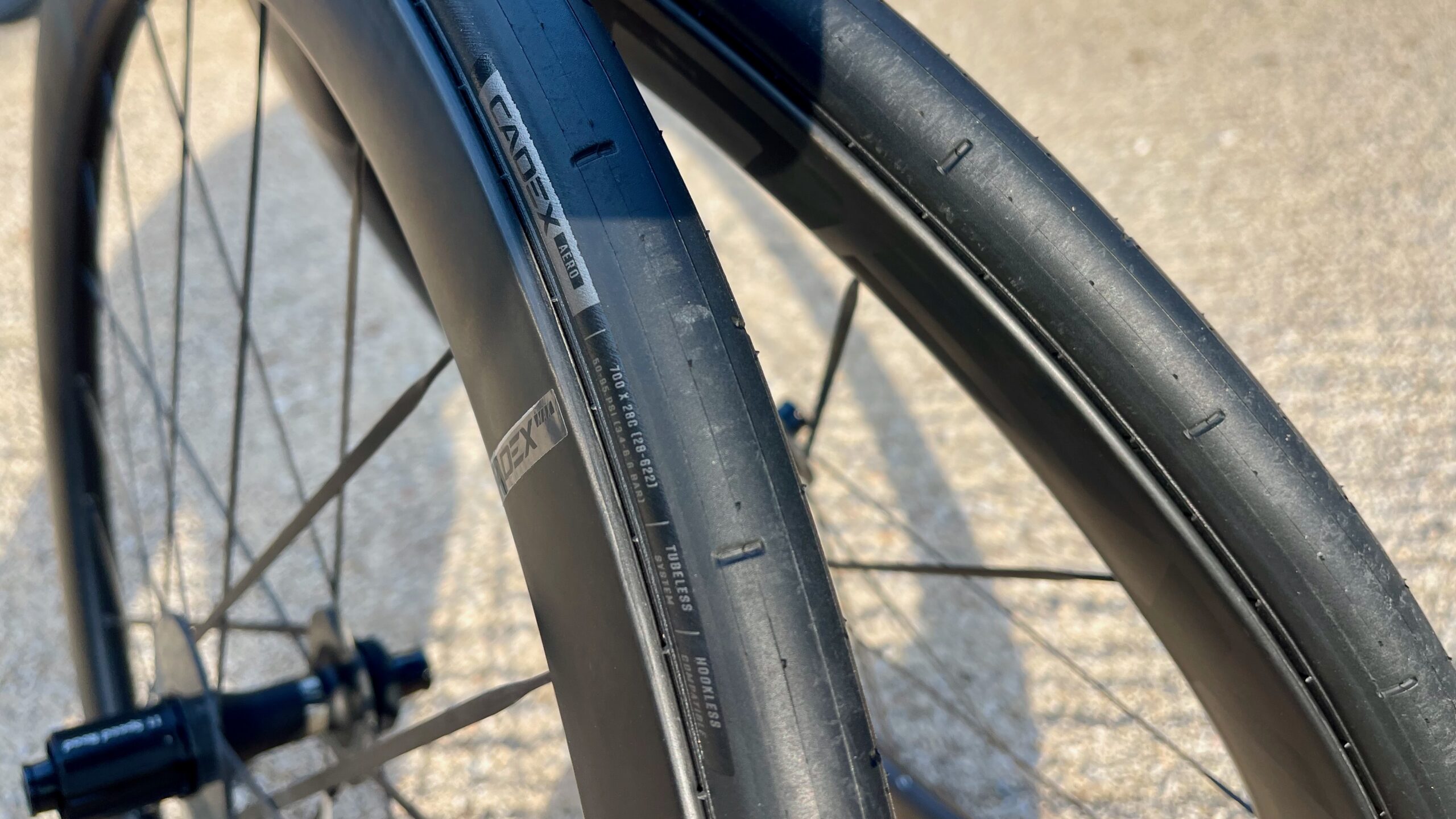
The new Aero Tire was designed specifically to work with the Max 50 rim profile.
It features:
- A taller aero shape
- 64 refined shoulder grooves
- 240 TPI casing
- Integrated puncture protection
Mounted on the 22.4mm internal rim, the tire profile looks balanced and round, not stretched or squared off. The tread is a fast-rolling design, but it held up for all our mountain exploration. I didn’t feel gripless on the descents or slow on the flats. At 65 psi front and 66 psi rear, they felt supple enough and handled the surprise mountain run-off in stride, very predictable when I needed it.

CADEX Max 50 WheelSystem — Full Tech Details
Rim Details
- Material: Carbon fiber with Precision Reinforced Layup
- Internal Width: 22.4mm
- External Width: 30mm
- Height: 50mm depth profile
- Hookless Bead: Increases sidewall support, improves tubeless reliability
- Graphics: In-mold carbon finish (no decals, no extra weight)
- Rim Bed: Hookless tubeless system designed to meet and exceed current industry safety standards

Spokes & Lacing
- Spokes: CADEX Super Aero Carbon
- Lacing Pattern: Dynamic Balanced Lacing (DBL)
- Spoke Count: 16 front / 24 rear
- Nipples: Titanium, hidden inside the rim
CADEX R3-C48 Aero Hub
- Engagement: 48-tooth ratchet system
- Spring: Ratchet Wave Spring system for consistent preload
- Bearings: Ceramic (low friction, long life)
- Freehub Bodies: Shimano HG / SRAM XDR / Campagnolo N3W compatible
- Complete System Weight: ~1290g (with tape & valves), ~1250g (rim only)
- Price: CADEX Max 50 Wheelset: $3999 USD / €3999 EUR

CADEX Aero Tires
- Casing: 240 TPI supple casing
- Protection: Race Shield puncture protection layer
- Groove Design: 64 refined shoulder grooves designed to work with a 22.4mm rim
- Intended Pressure Range: Race pressures around mid-teens SI units (varies by rider and conditions)
- Price: CADEX Aero Tire $99 USD / €99
First Ride Impressions – CADEX Max 50
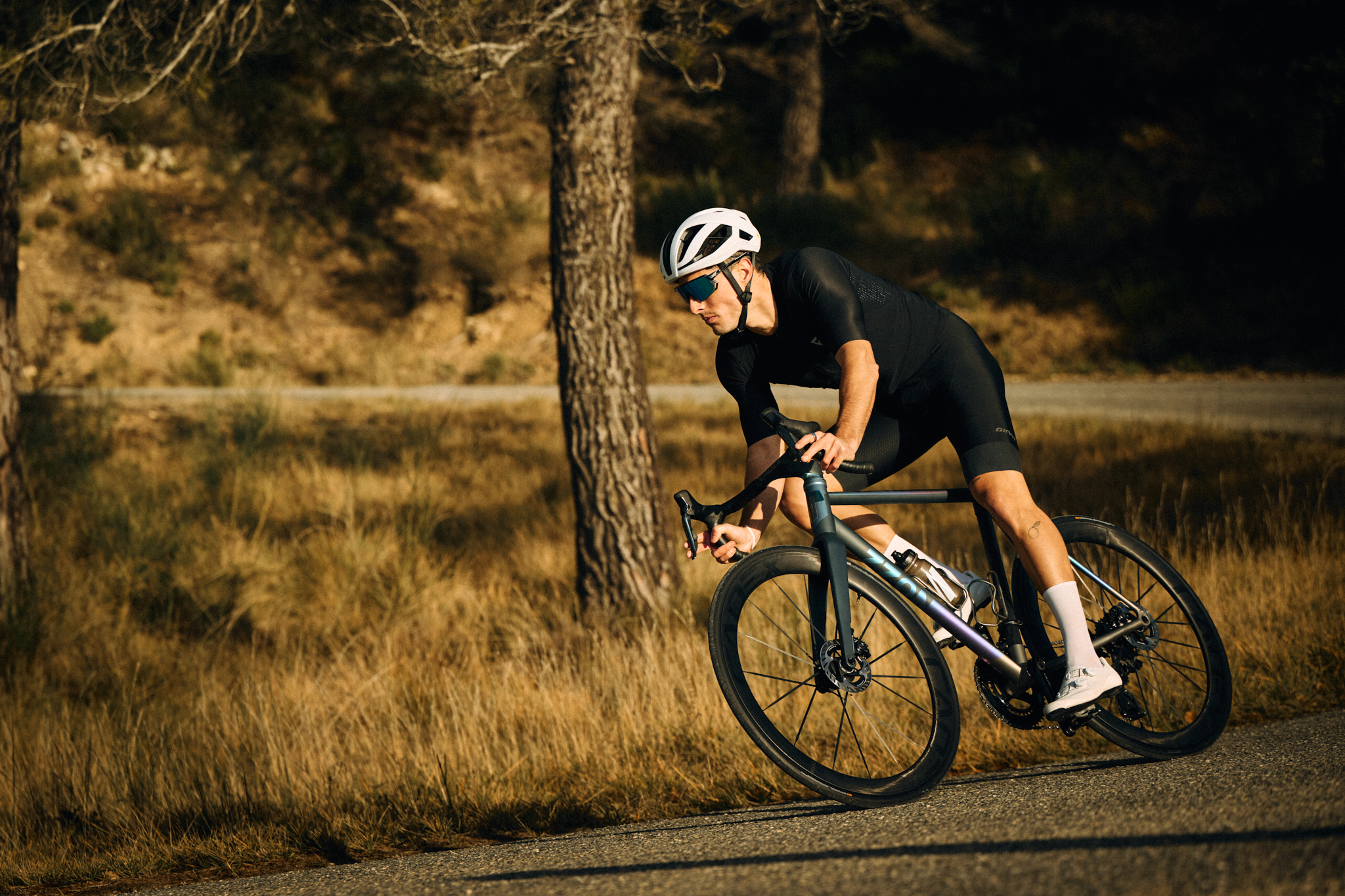
I’ve ridden every set of CADEX wheels out there, except the time-trial and triathlon (I’m not that dude), and I was excited to see how they would improve on the Ultra 50 – a wheelset I feel is nearly perfect for my riding style. Our set of demo CADEX Max 50 came paired with the updated 28mm Aero Tires and looked very similar to the Ultra 50 model rim-wise. Hub-and-spoke-wise, however, it’s the Max 40 (kinda), and it looks impressive.
CADEX set out to make a faster, more versatile wheelset for its World Tour teams, Team Jayco AlUla, and Liv AlUla Jayco. They aimed for something that would be truly all around. That means, climb like the shallower rim, fight the wind without issues, roll on the flats like a deeper wheel, and stand up to some real classics features when the time comes. With my limited time on the CADEX Max 50s, I would say they came very close to the target. But like I said, limited time…

Acceleration
The first thing you notice is the snap. They felt like the Max 40 wheels we reviewed last year. Those wheels are very stiff and feel lighter than the weight on the scale. One thing they don’t do well is hold speed on the flats, but the new Max 50s do. Compared to the Ultra 50s, the Max 50 has a more direct feel, as if the stiffness of the bonded hub just transfers pedaling input. Out-of-the-saddle efforts feel direct. The rear wheel responds immediately. Compared to the Ultra 50, there’s less lag and more precision when you jump.
Climbing
At under 1300 grams, the Max 50 doesn’t feel like a deep aero wheel on climbs. It feels light and maintains speed on undulating climbs, but when the climbing gets steep, you can grind it out without suffering (as much).
Flats & Pure Speed
This is where the aero integration shines. The wheel carries speed smoothly and feels composed in shifting winds. There’s no twitchiness. It just holds its line. I didn’t get many chances to hit the long, empty roads on our test loops, but I did have plenty of proper mountain descending. The kinda decending where gusts of wind throw you off if you’re not used to the equipment. So, hitting top speed with the new gear on unfamiliar roads didn’t have me super stoked, but slowly I became very confident in the CADEX 50s.
They are very easy to spin up, and then they hold that speed, especially downhill. In the corners, the wheels’ stiffness is an asset. Much like the Max 40s, you feel like the wheel doesn’t flex into the apex; it almost speeds up, without feeling chattery.

Aero Tire Talk
With the addition of the new Aero Tire to the mix, there was a lot to take in, but really, there wasn’t. The system works well, and nothing overpowers the other. The work is pretty complementary, without being a weak link. For the rim, the internal width is nearly the same as the Ultra 50s, giving a 28mm tire a solid profile and support.
I felt very at home with the Aero tires. You can notice a slightly less domelike silhouette and more of a rounded one. That was an update the design team made, and it’s easy to feel. The previous versions’ shoulders faded quickly, which helped aerodynamics, but you could feel too “diving” in the corners if you weren’t ready for it.
So, to sum it up, in high-speed corners, the tires (and wheels) feel stable and predictable. It’s fun to go fast, and it’s better when you’re not fighting the gear. Overall, the Max 50 and the new Aero Tire feel more refined than the Ultra 50. Same character — just tighter.

Final Thoughts
The Max 50 doesn’t reinvent the aero wheel category, but it uses existing CADEX tech to make every wheelset they offer slightly faster. They are refining the designs and making them better for riders who want to go as fast as possible.
By reducing weight, improving stiffness-to-weight ratios, and integrating the wheel and tire as a cohesive unit, CADEX has created a 50mm setup that feels quicker, more precise, and more stable than its predecessor.
If the Ultra 50 proved CADEX could build a fast, mid-depth wheel, the Max 50 proves they can dial it in without losing the identity of the previous model.
And out on the road, that refinement shows up immediately.
The price is exactly what you’d expect for a wheel like this; it’s the same wheel that Jayco / Liv AlUla will race at most of the biggest races in the world this season. So yeah… It’s expensive. I’m not justifying the price; I’m saying that if you want World-Tour-quality gear and have the money, the whole system will cost $4,200. But that comes with a CADEX carbon warranty and no-fault crash replacement for the first two years. Watch for these wheels at Paris-Nice.


