

Gates isn’t some new bike-parts player chasing a trend. It’s an engineering giant that’s been solving power-transmission problems since 1911. Gates invented the rubber V-belt in 1917, changing how machines transfer power. The next decades of innovation included the serpentine belt in 1979. Today, Gates engineers the components trusted with longstanding manufacturer partnerships built on over a century of precision and reliability.
That same engineering discipline is why Gates belts have become the gold standard for premium commuter bikes, adventure bikepacking rigs, and high-end eBikes, where minimal maintenance and dependable performance are the whole point. Here’s what that pedigree means for your next ride.
Performance
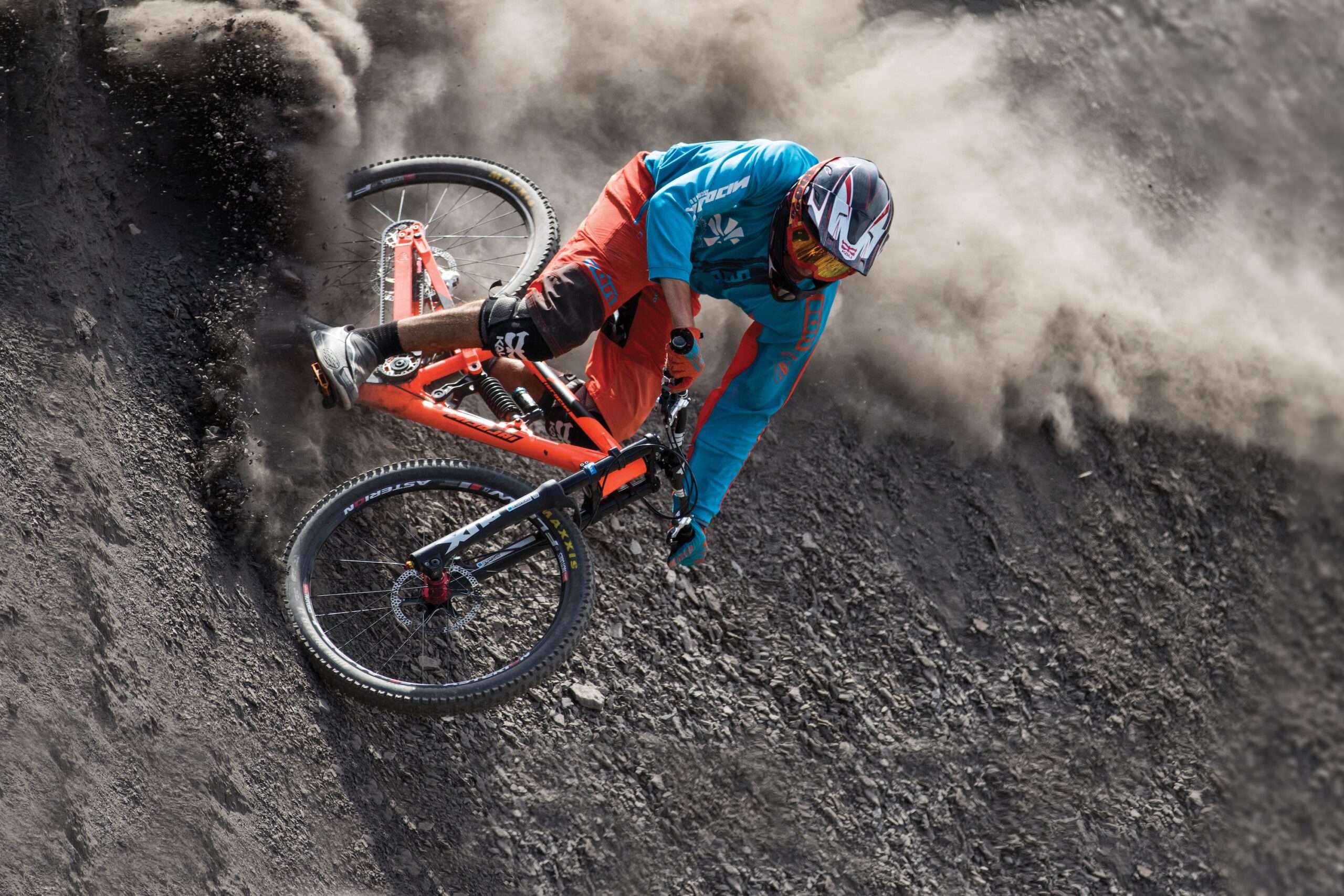
For riders who push themselves the furthest, Gates’ top-tier CDX belt is engineered for extreme performance in the toughest conditions: global touring, high-mileage treks, or rugged off-road terrain. CDX delivers instant engagement for demanding long-haul riders looking for lower maintenance bikes and reduced mechanical failures on a serious ride.
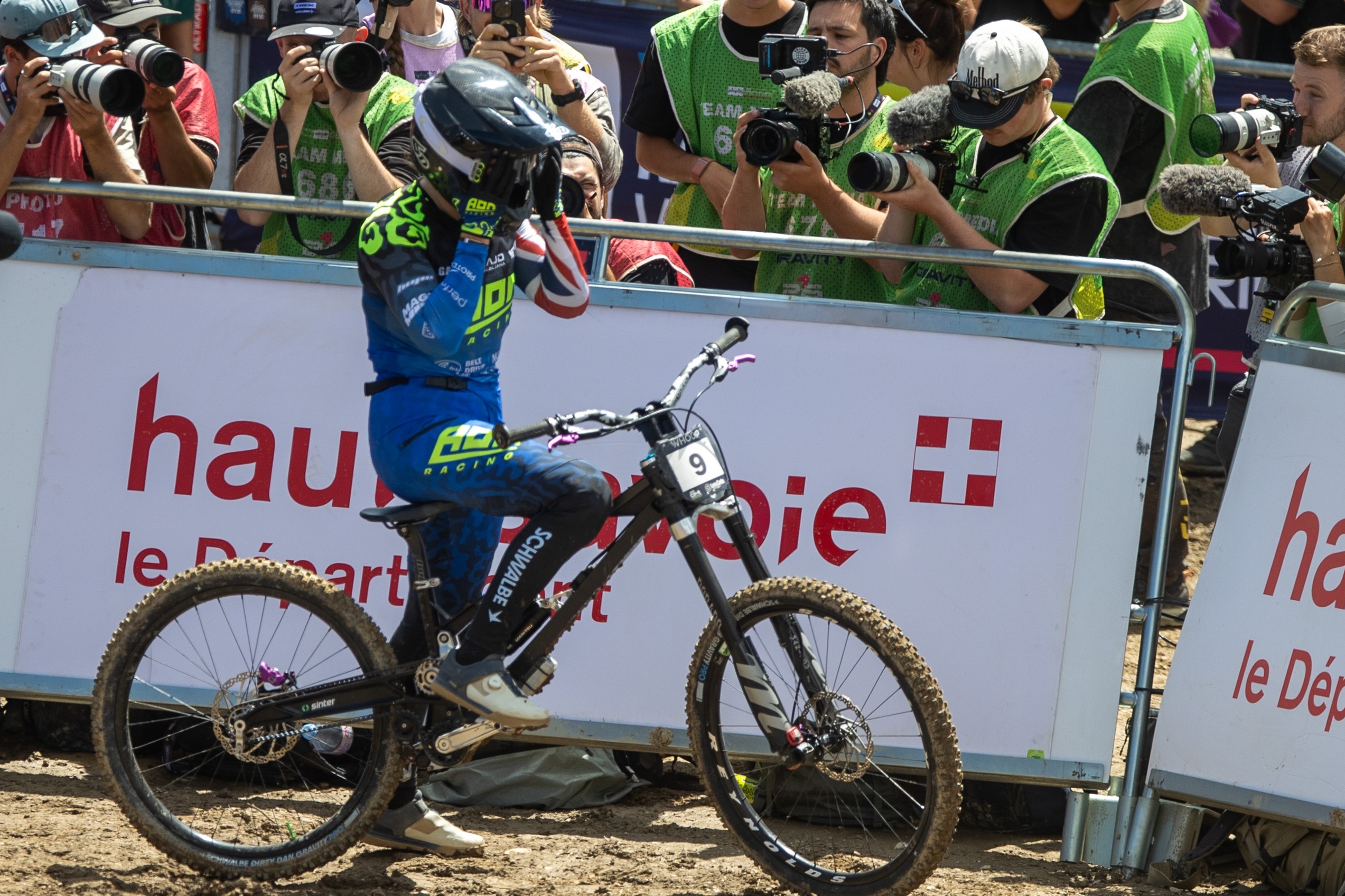
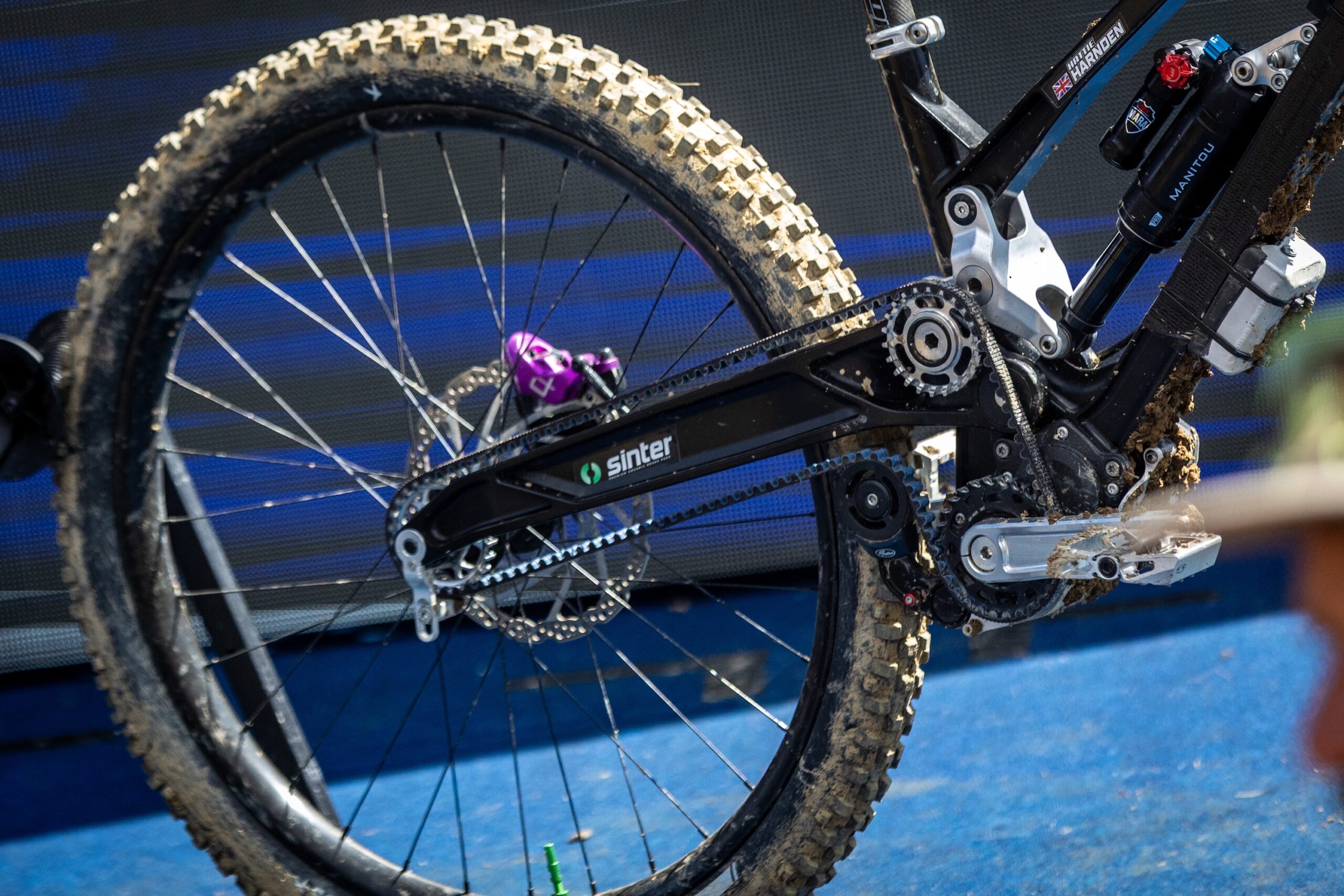
That performance case has now been proven in elite competition. Take the WHOOP UCI Mountain Bike World Series, where Gates introduced its €100,000 Belted Purse, awarded to the first male or female rider to claim a World Cup win with a Gates Belt Drive. This year, Harriet Harnden and Team AON Racing claimed it with victory aboard their Gamux race bike at the UCI race stop in Les Gets, France. The historic win validated Gates Belt Drive technology at the highest level of downhill competition and generated global media attention across the cycling industry. More importantly, it demonstrated that a Gates Belt Drive can deliver race-winning performance under the most demanding conditions, accelerating interest, development, and adoption among teams, riders, and OEM partners worldwide.
Where Belt Drives Win, Worldwide
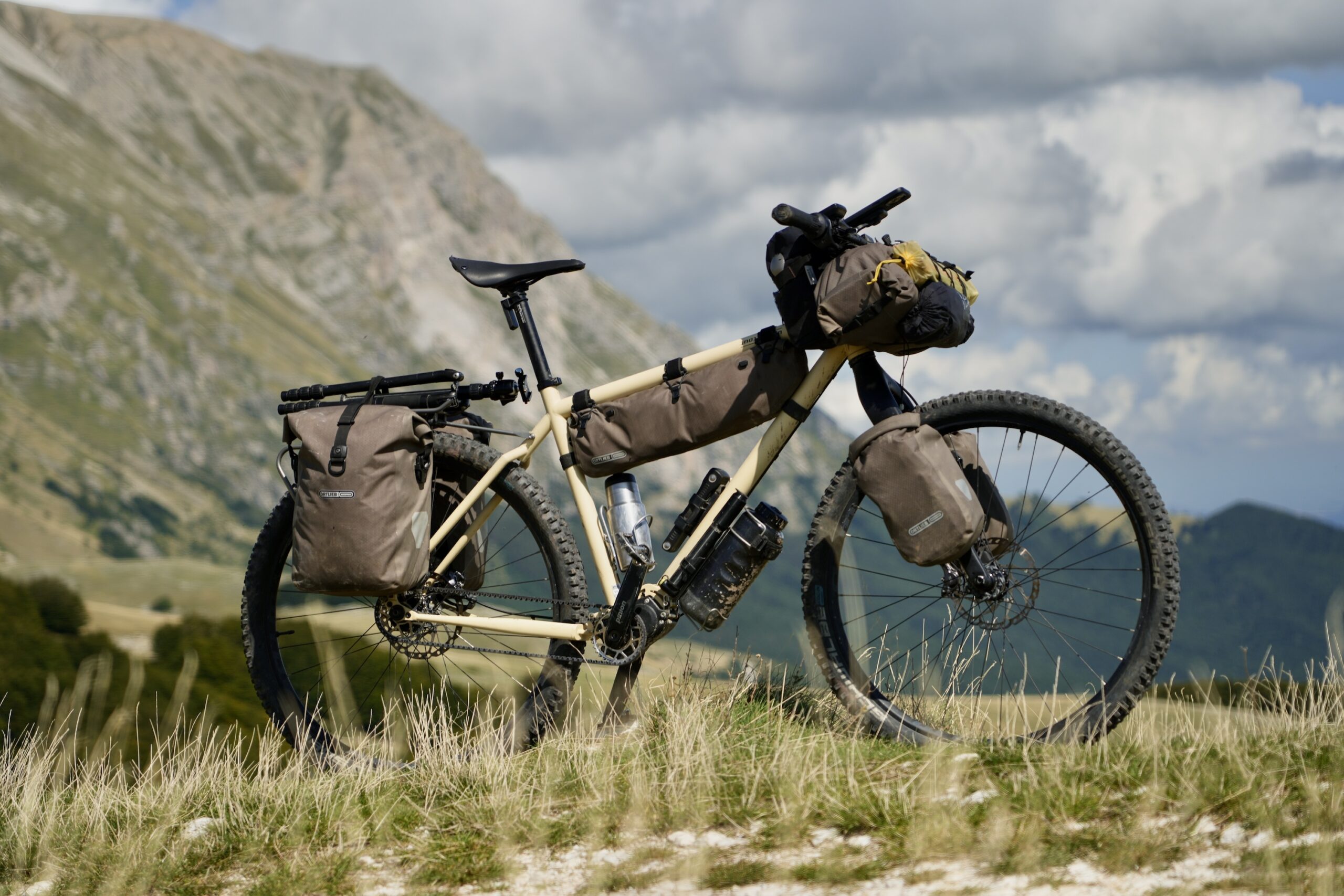
Riders have been putting Gates belts through their paces for nearly 20 years, and the results range across the full spectrum of the sport. Its belt drives have carried extreme gravel riders across miles of countryside, powered Reza Pakravan’s continent-crossing Kapp to Cape expedition and Kamran Ali’s long-distance rides, and held up mile after mile on the Tour Divide — one of the toughest self-supported races on Earth. They’ve proven themselves in both freezing and sweltering conditions, on everything from beach cruisers to cargo bikes hauling serious loads, and even on tandems, where Gates’ timing solutions keep captain and stoker in perfect sync.
It’s also worth noting where this started: Gates’ belt drives began with single-speed mountain biking, proving the system’s strength before expanding across categories. And with the rapid rise of eBikes, Gates had a head start in meeting new torque and power demands given its deep roots in motorized power transmission for the automotive and industrial worlds (motorcycles, scooters, snowmobiles, off-road ATVs, farm tractors, long-haul delivery trucks, and construction skid steers).
Maintenance
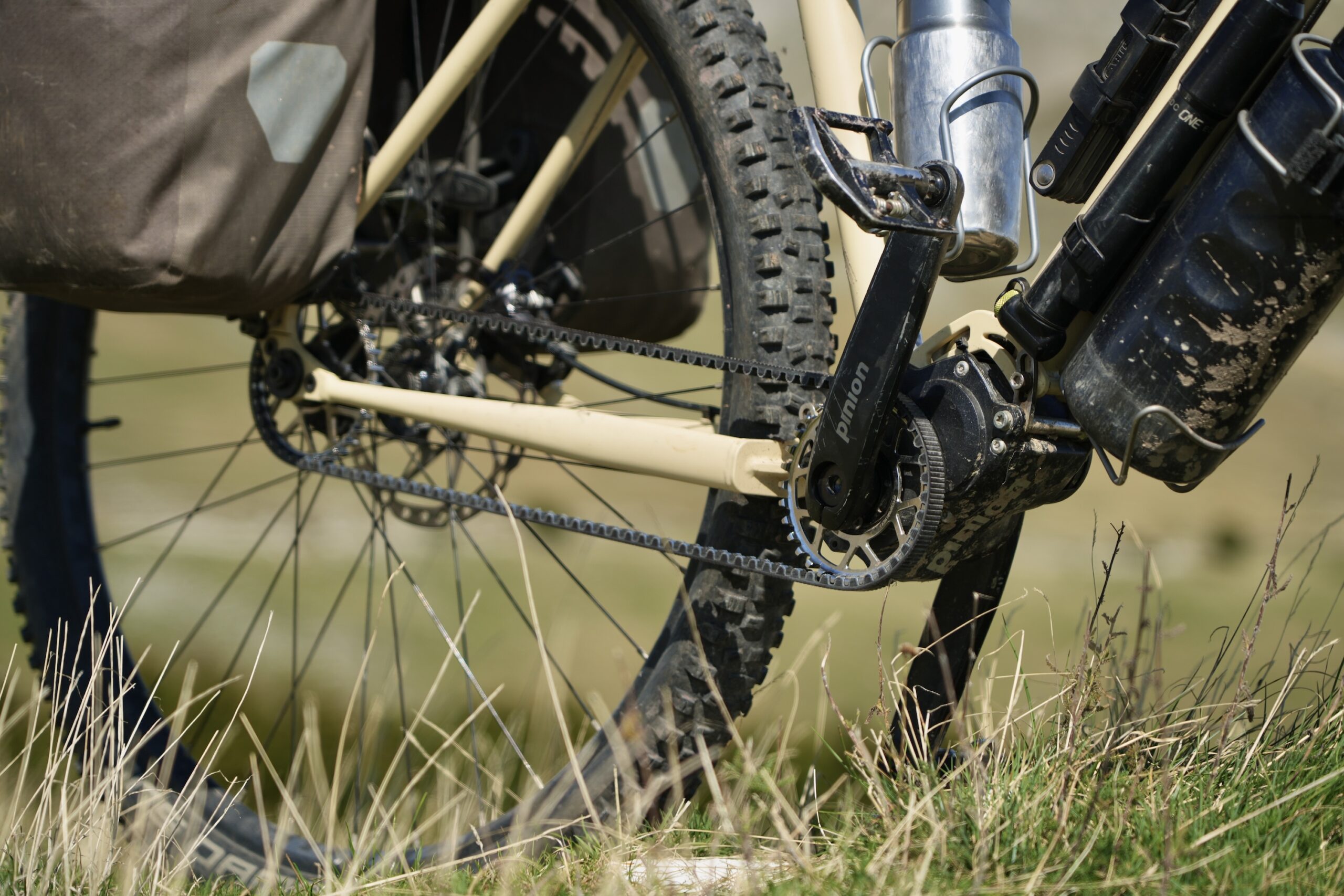
A proper belt drive means no lube, no wax, no stretch, and none of the service headaches that a chain demands. Riders skip regular lubrication and simplify cleanup (hose it off). Our Editor’s Choice testers raved that the belts run smoothly and quietly, with one added perk: “not worrying about staining your pants with oil.” Gates engineers carbon-fiber tensile cords and advanced composite construction across its lineup specifically to reduce maintenance for riders who’d rather ride than wrench.
Versatility
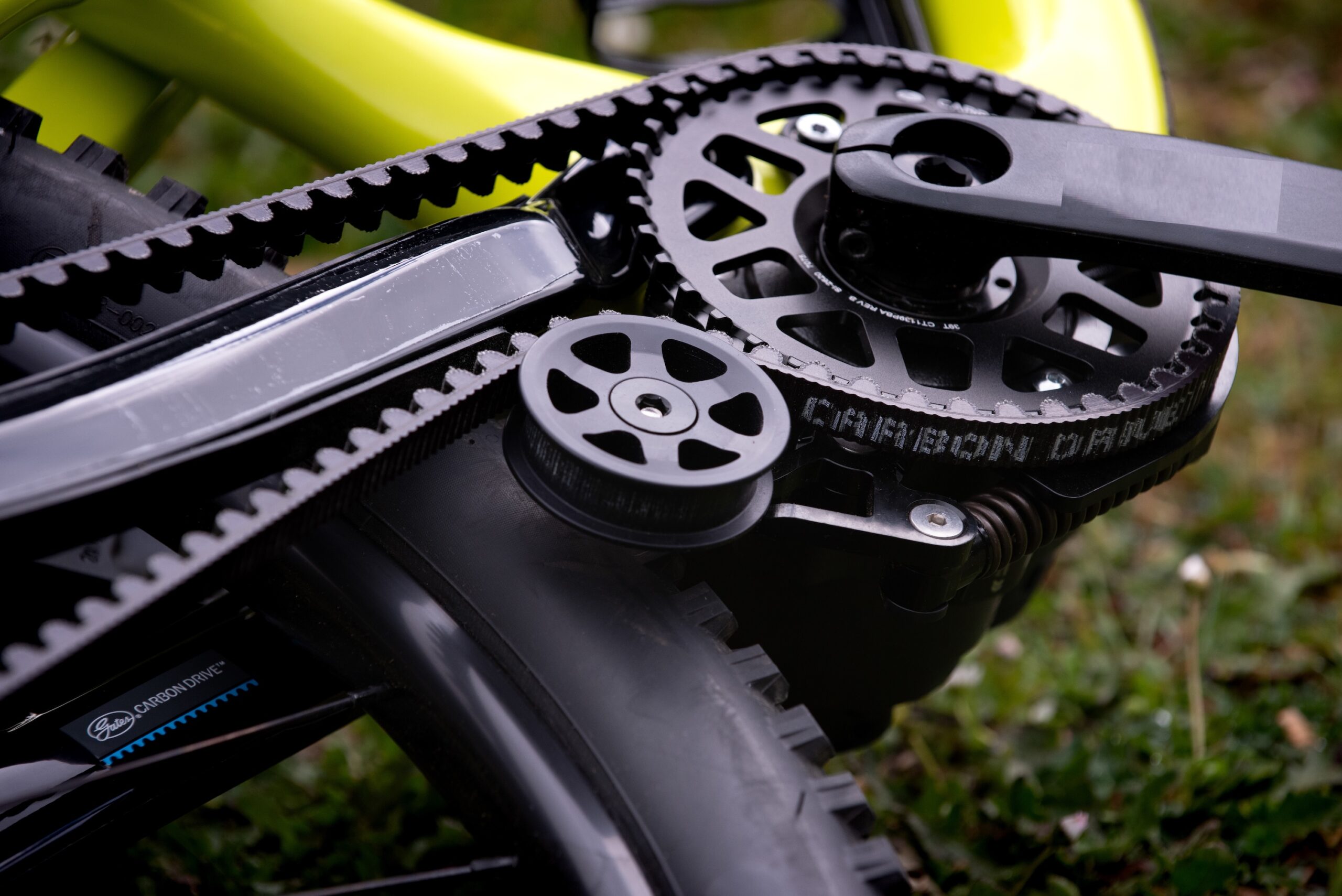
Gates doesn’t make a universal belt as one-size-fits-all. It has four tiers, each tuned to how you actually ride: CDX handles extreme performance and off-road abuse; CDC is optimized for mid-torque eBikes up to 75 Nm on longer commutes; CDN covers clean, quiet everyday errands; and ST offers an affordable, low-maintenance entry point for seasonal riders.
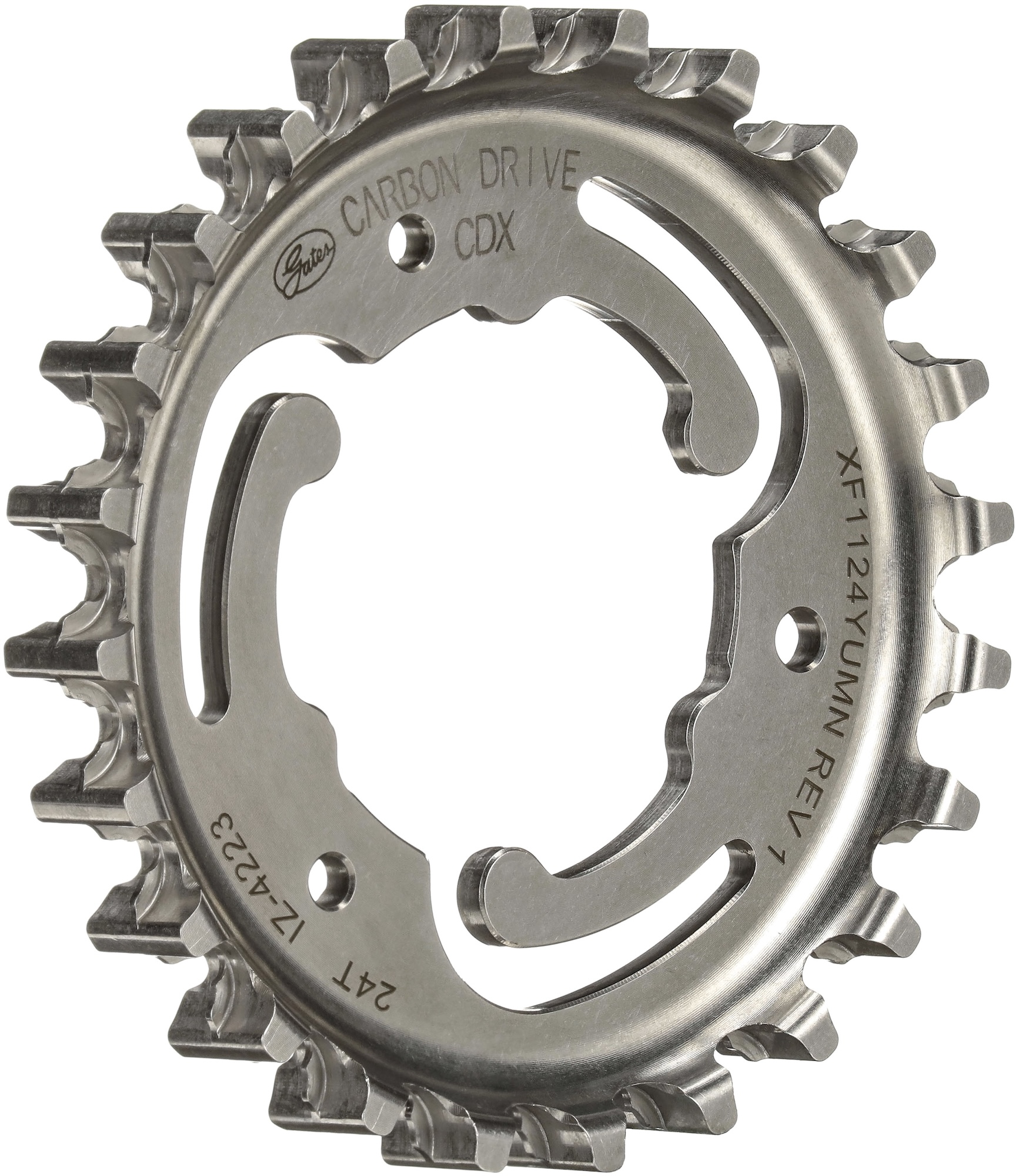
That same tiered approach extends to sprockets, where Gates additionally offers three sprocket families: CRUISE, CRUISE PLUS, and COMMUTE. Each is designed to pair with Gates Belts and deliver the right balance of performance, durability, and value for different riding applications. From premium, high-mileage systems to practical everyday transportation, Gates offers a belt and sprocket combination engineered to match the needs of every rider.
Why Gates
Going with Gates means choosing a system engineered for what real riding requires. Every belt line (with the exception of ST) shares Gates’ CenterTrack sprocket design for consistent, reliable alignment. And it holds up in practice: BR Contributor Steve Fisher noted “no problems whatsoever” after riding multiple Gates-equipped bikes. Consistent performance and expected durability are what help inform a smart bike purchase.
Build a Bike
Manufacturers partnering with Gates now have the tools to make specification effortless. The new Bicycle Drive Assistant, part of the Gates Design Power suite, takes the guesswork out of belt-drive integration: Input your bike’s configuration, define your gearing and product specs, validate performance with real cadence and speed analysis, and generate a complete bill of materials ready to send straight to your Gates rep. It’s precision engineering support that’s built for OEMs who want to get belt drive right the first time.
Find Your Ride
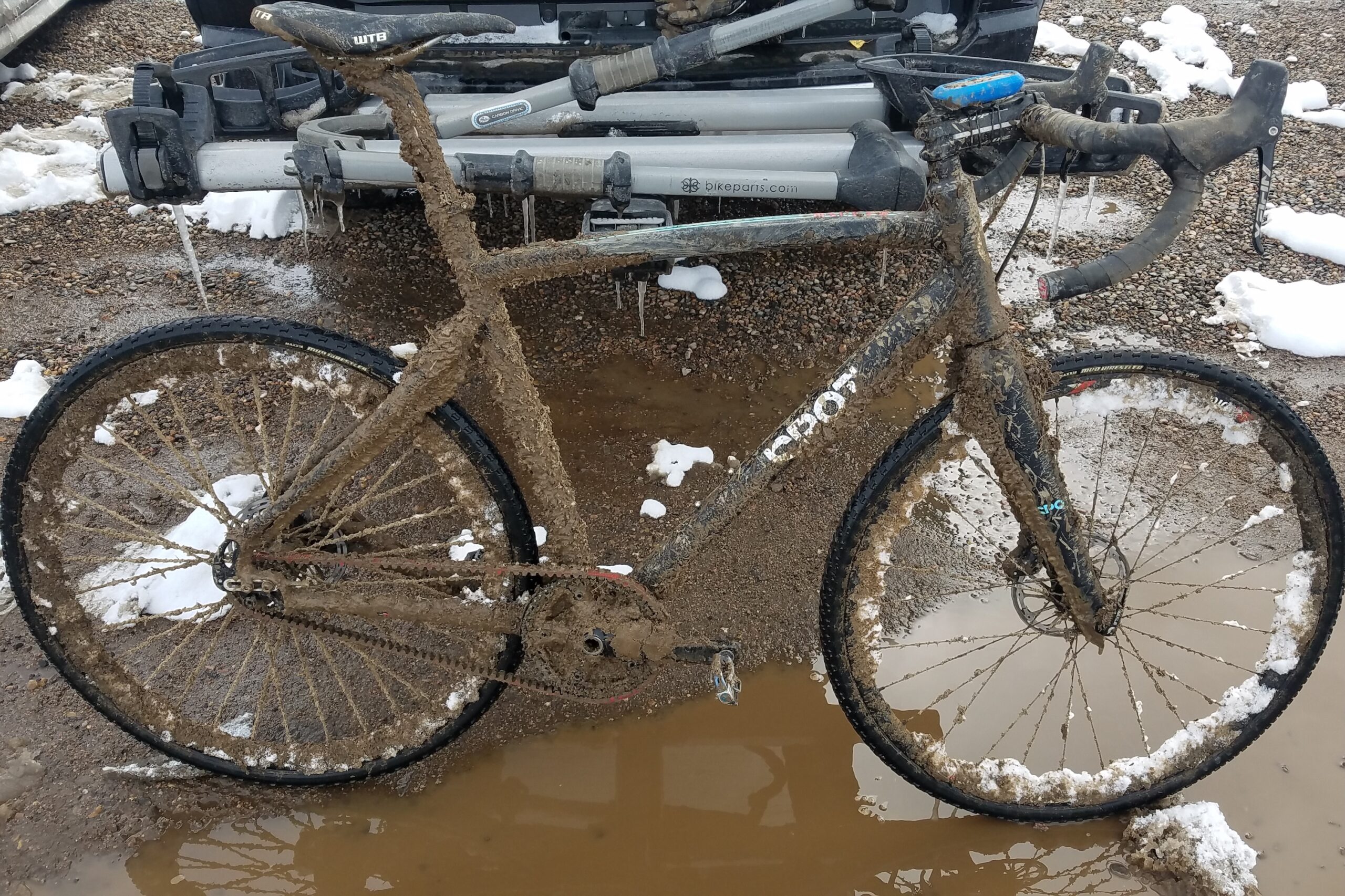
The more miles ridden, the better the case for a Gates Belt Drive becomes: a reduced chance of trailside repairs, limited to no rust belts to combat (or chain lube to clean), plus a drivetrain engineered by a company that delivers high performance to brands across the globe.
And as more partner-manufacturers discover ways to integrate new gearing options with the drivetrains, more high-performance belt-drive models are debuting beyond commuters, adventure tourers, and eBikes. Those added choices mean the belt-drive vs. chain question is worth asking, regardless of what kind of riding you do — especially for those who want less time maintaining their ride, and more time on it.
Use Gates’ Bike Finder tool to explore the growing list of options and find your next belt-driven bike.
This article is sponsored by Gates.