


Aero road bikes have come a long way over the past decade. What started as wind-tunnel specialists, often brutally stiff and not exactly forgiving on real roads, has evolved into something much more refined. The newest generation of the Giant Propel shows just how far the category has progressed.
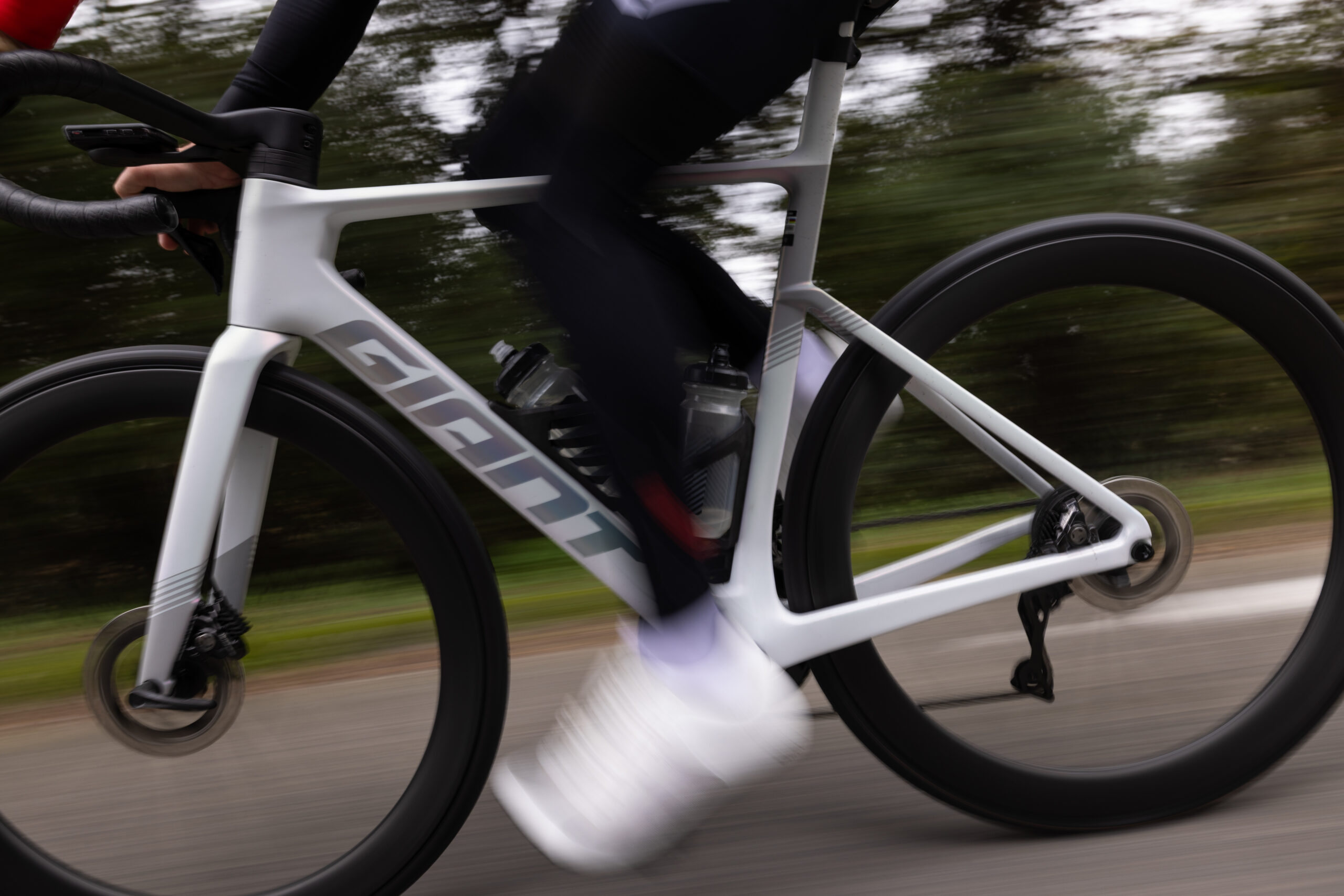
With the launch of the all-new Propel range, Giant is focusing on what it calls a “total speed system,” treating the rider, frame, cockpit, wheels, and tires as a unified aerodynamic platform. They wanted a bike that’s not just fast in controlled testing but fast everywhere. That means on the flats, over climbs, and across the rough pavement that defines real racing, basically a bike that will do everything. Easy right?
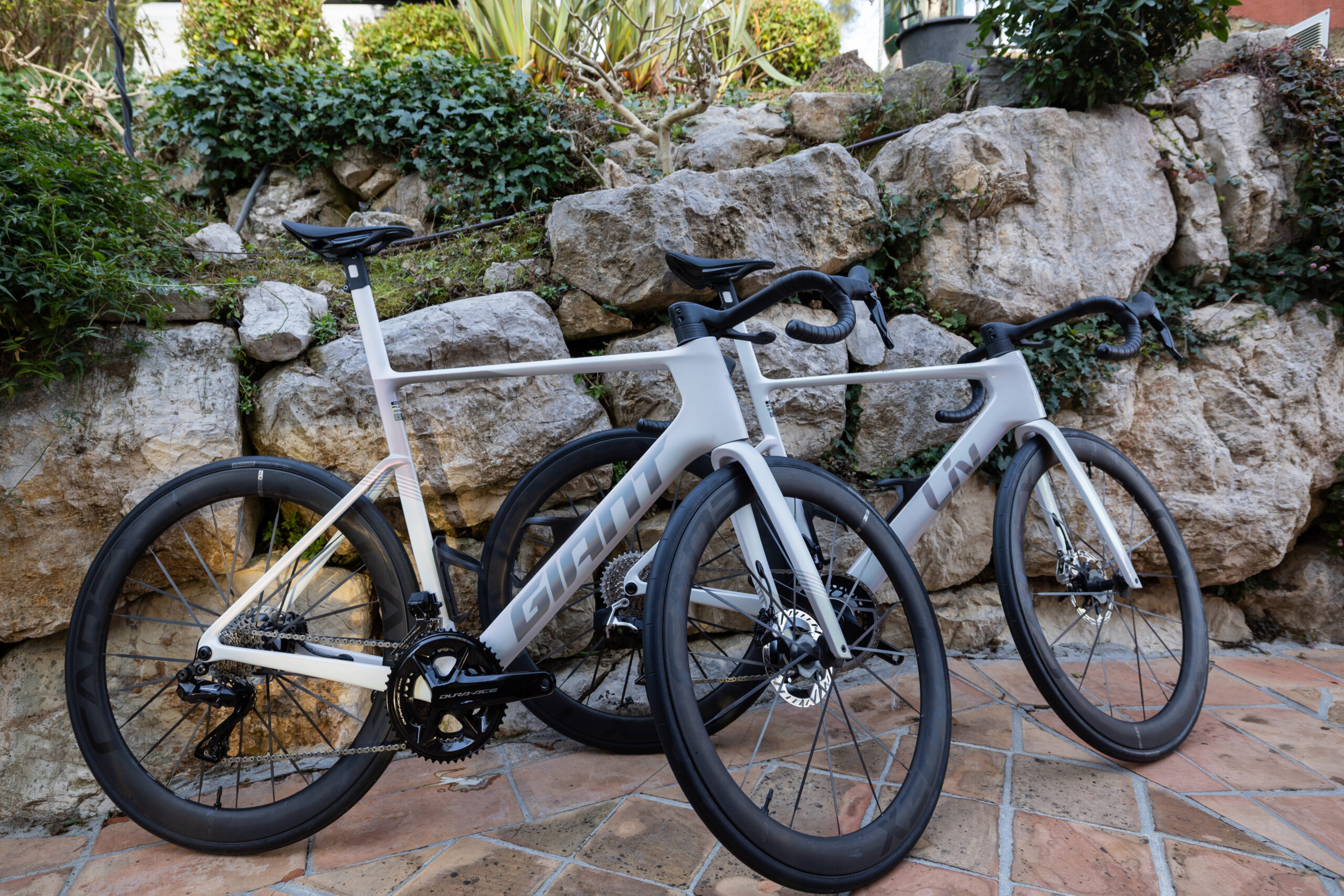
A Decade of Propel Development
The Propel story begins in the early 2010s, when aero road bikes were becoming the next big frontier in race performance. Giant designed the original Propel with sprinting in mind, giving riders like Marcel Kittel and John Degenkolb an aerodynamic advantage when the speeds ramped up. Kittel famously rode the bike to victory on Stage 1 of the 2014 Tour de France, pulling on the yellow jersey aboard the first-generation machine.
The early Propel was unapologetically aero. Deep airfoil tubes and aggressive shaping prioritized drag reduction above all else. It was met with some excitement and plenty of side-eye, especially when you asked for a brake adjustment.
In 2018, the platform saw its first major overhaul. Disc brakes were added, and Giant introduced its AeroSystem Shaping engineering process — an approach that evaluates the bike and rider as a single aerodynamic unit rather than optimizing individual components in isolation.
That concept has shaped every generation since.
The third iteration debuted at the 2022 Tour de France and quickly proved its versatility. Riders from Team Jayco-AlUla, including Dylan Groenewegen and Michael Matthews, scored victories on the bike — demonstrating that it could win both flat bunch sprints and demanding hilly stages.
Now the newest generation arrives with a development focus built around three types of speed.
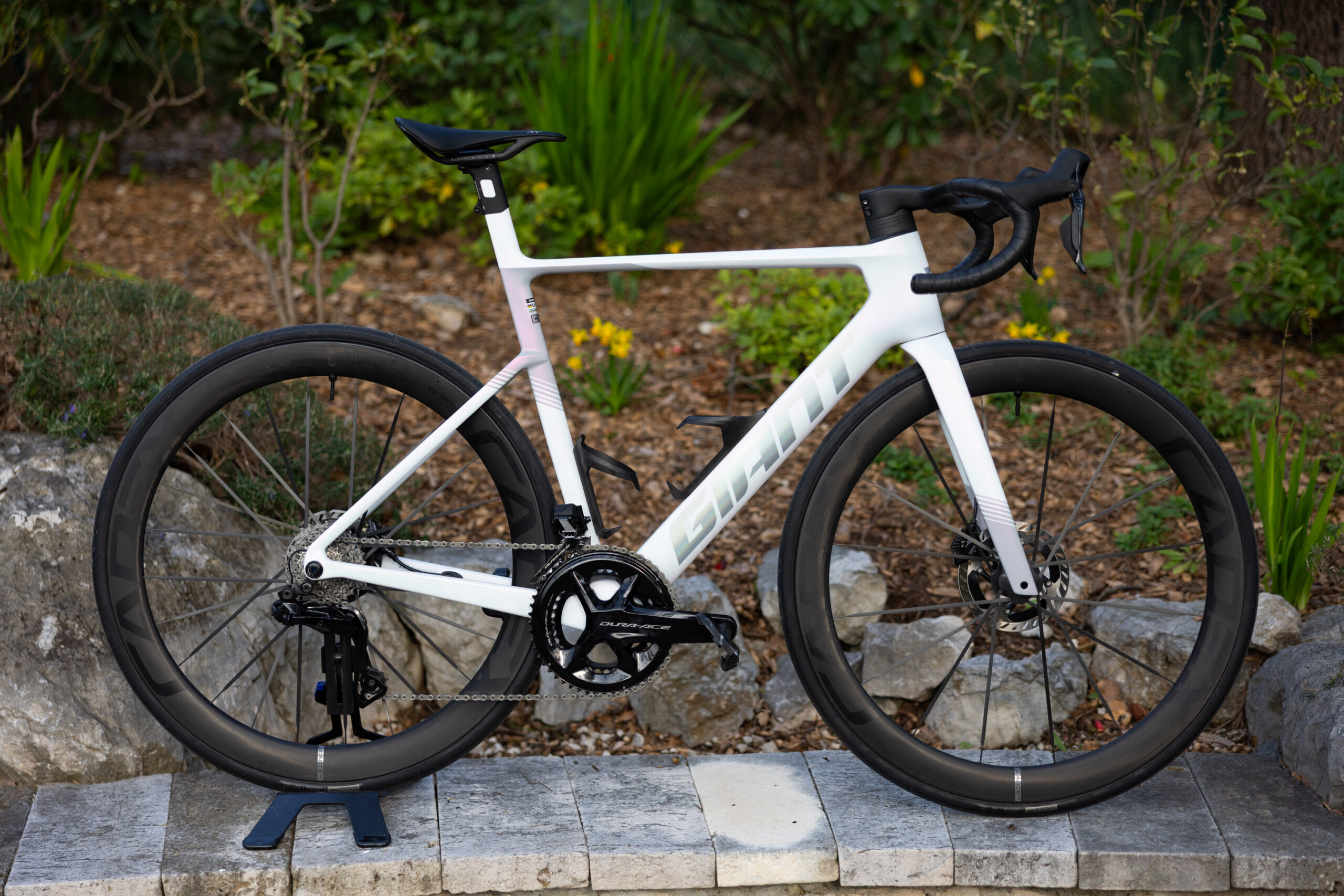
Top-End Speed, Instant Speed, Sustained Speed
The development brief for the new Propel centered on three performance targets: top-end speed, instant acceleration, and sustained efficiency.
Top-end speed focuses on minimizing aerodynamic drag when riders are pushing high speeds on flat terrain. Instant speed refers to responsiveness when sprinting or attacking. Sustained speed is about efficiency and comfort during long efforts.
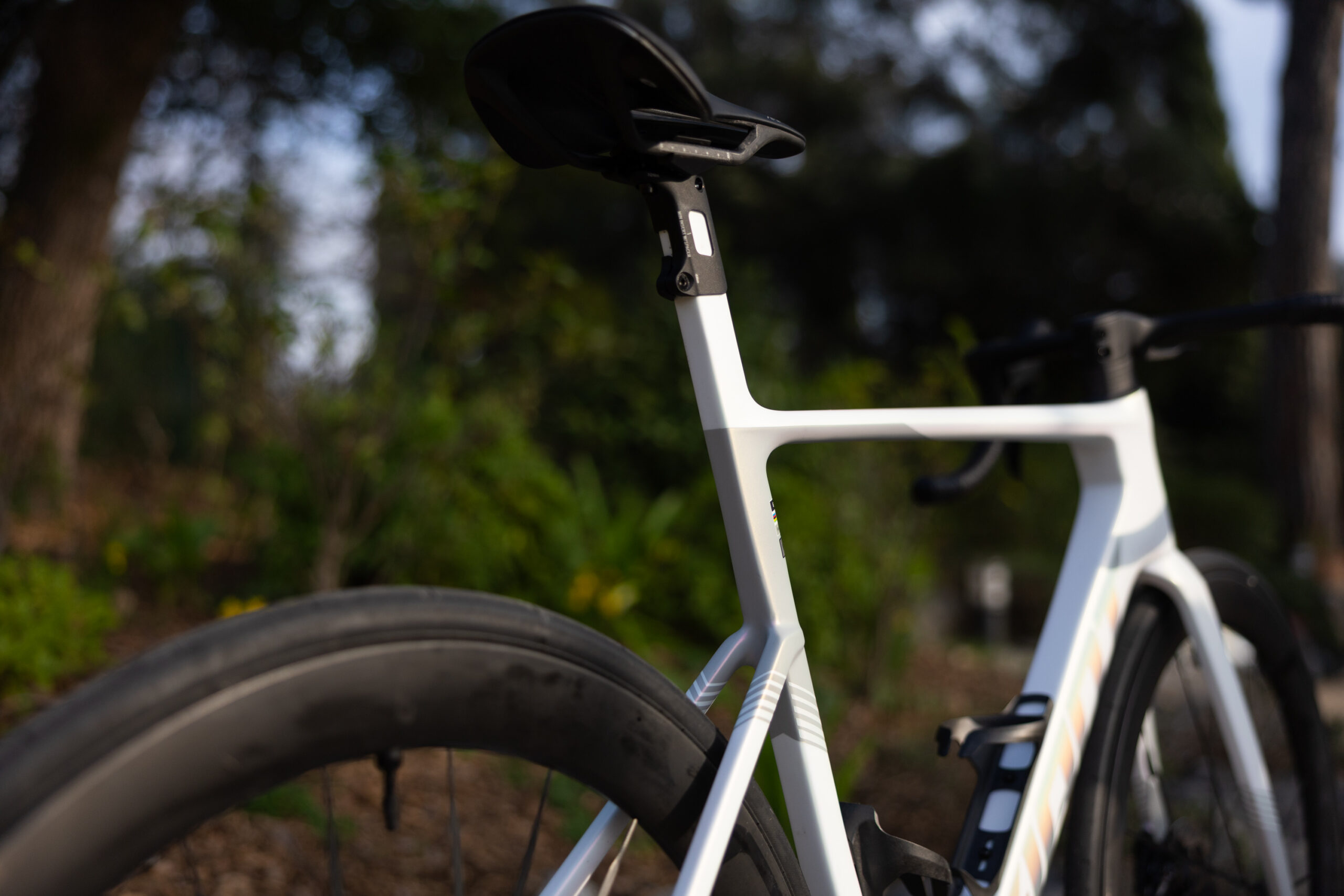
By approaching the bike as a full system, frame, cockpit, wheels, and tires working together, Giant claims the new Propel reduces total resistance by 18.44 watts compared to the previous generation. But that’s all the parts working together, including the newly updated CADEX Max 50 wheelsystem and Aero Tire.
At 40 km/h, that equates to roughly 72 seconds saved over a 40-kilometer effort.

Wind Tunnel Development and Grischa 2.0
One of the more interesting parts of Giant’s aero development program involves a dynamic wind-tunnel mannequin named “Grischa”. We even got to meet Grischa, and let me tell you, dude can ride. He never gets tired and doesn’t complain. These attributes make him the perfect aero test subject, and he was crafted from the dimensions of a real human rider.
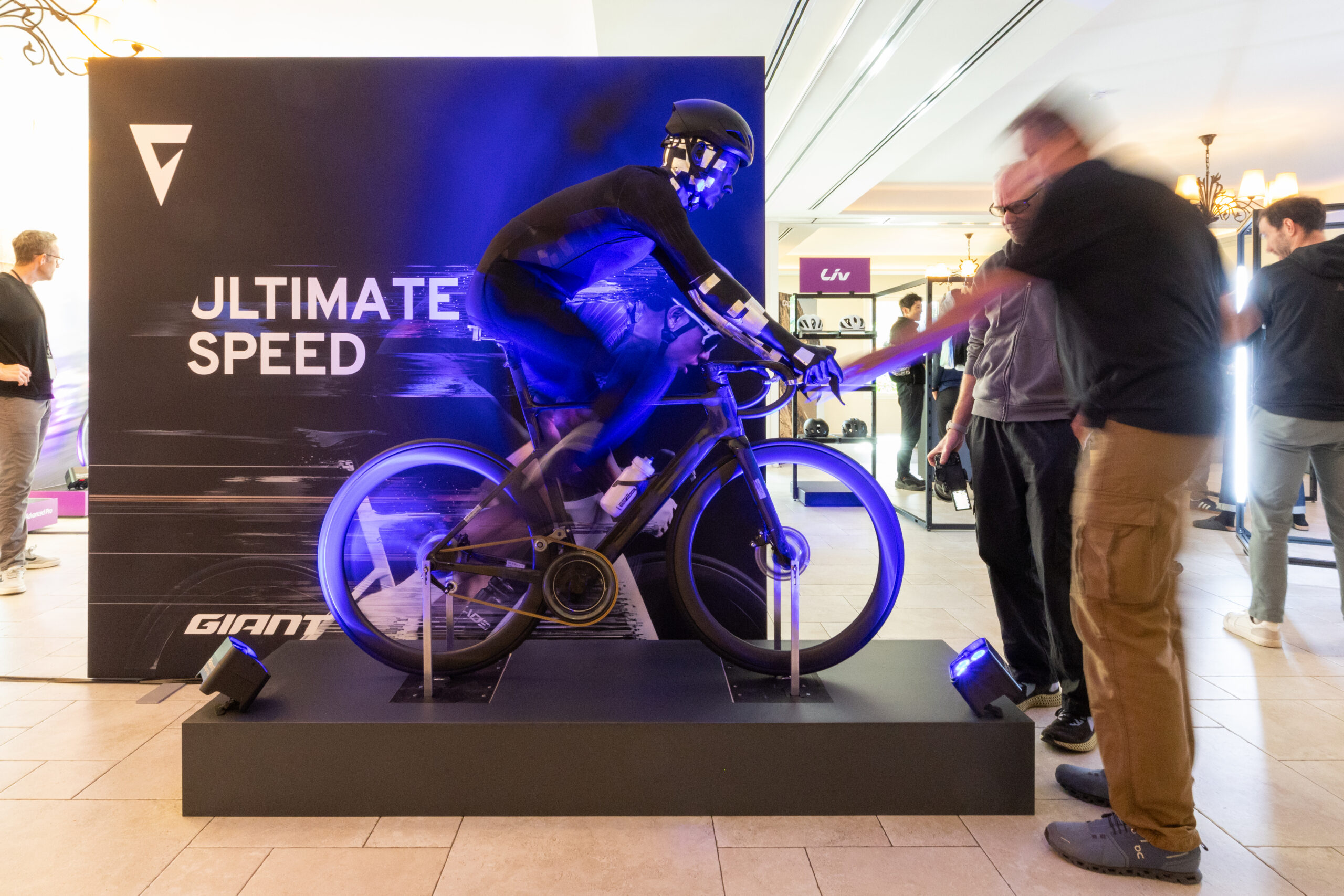
The mannequin was originally created from a 3D scan of former professional rider Grischa Niermann. Unlike traditional wind-tunnel mannequins, it features articulated legs and realistic pedaling motion, allowing engineers to simulate airflow around a moving rider. That matters because the rider accounts for a significant portion of aerodynamic drag.
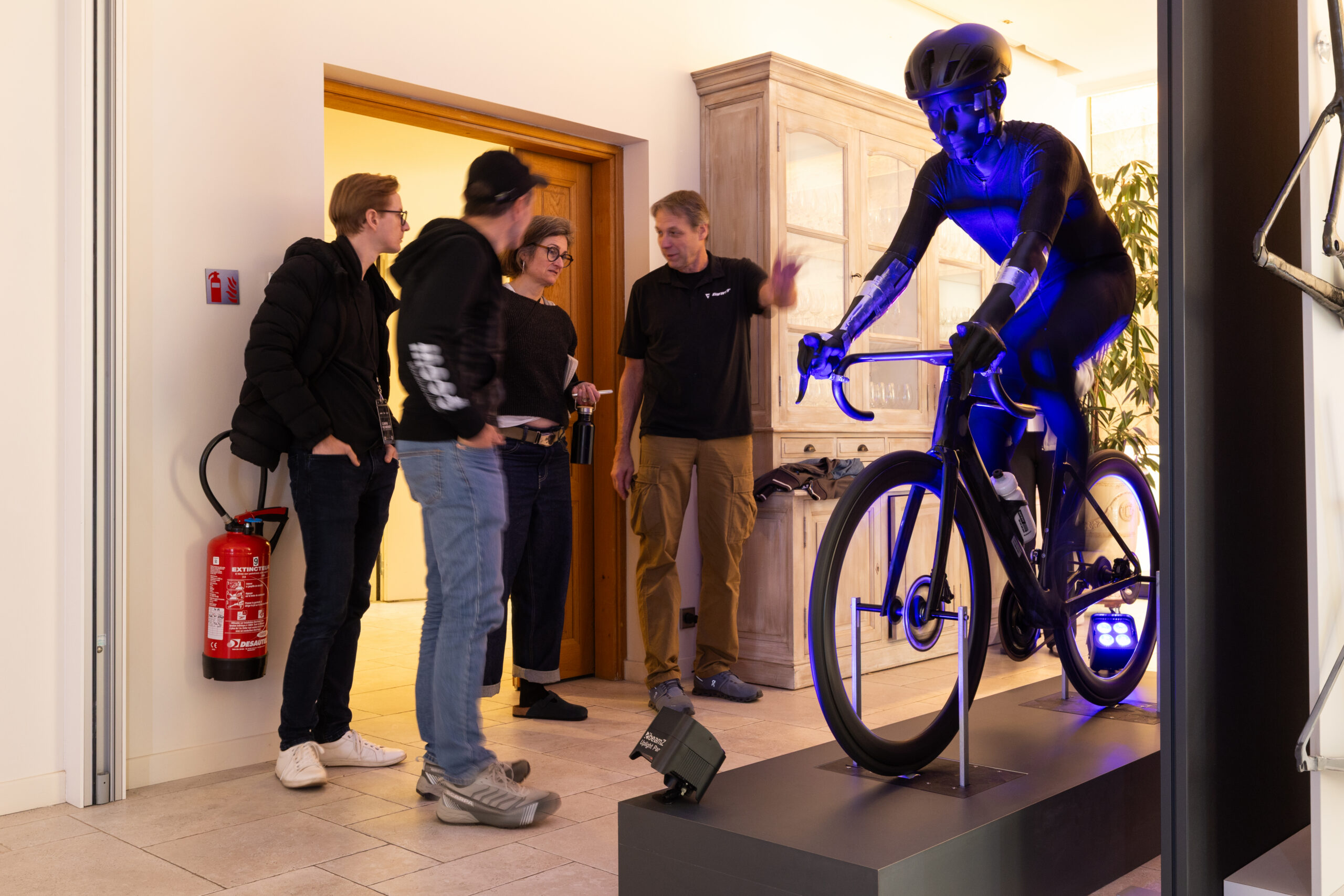
The newest version, Grischa 2.0, adds improved body-shaping and modular components, enabling engineers to test different helmets, rider positions, and airflow patterns with greater accuracy.
Using this system, Giant engineers evaluated hundreds of configurations before arriving at the final production design.
Integrated Aero Design
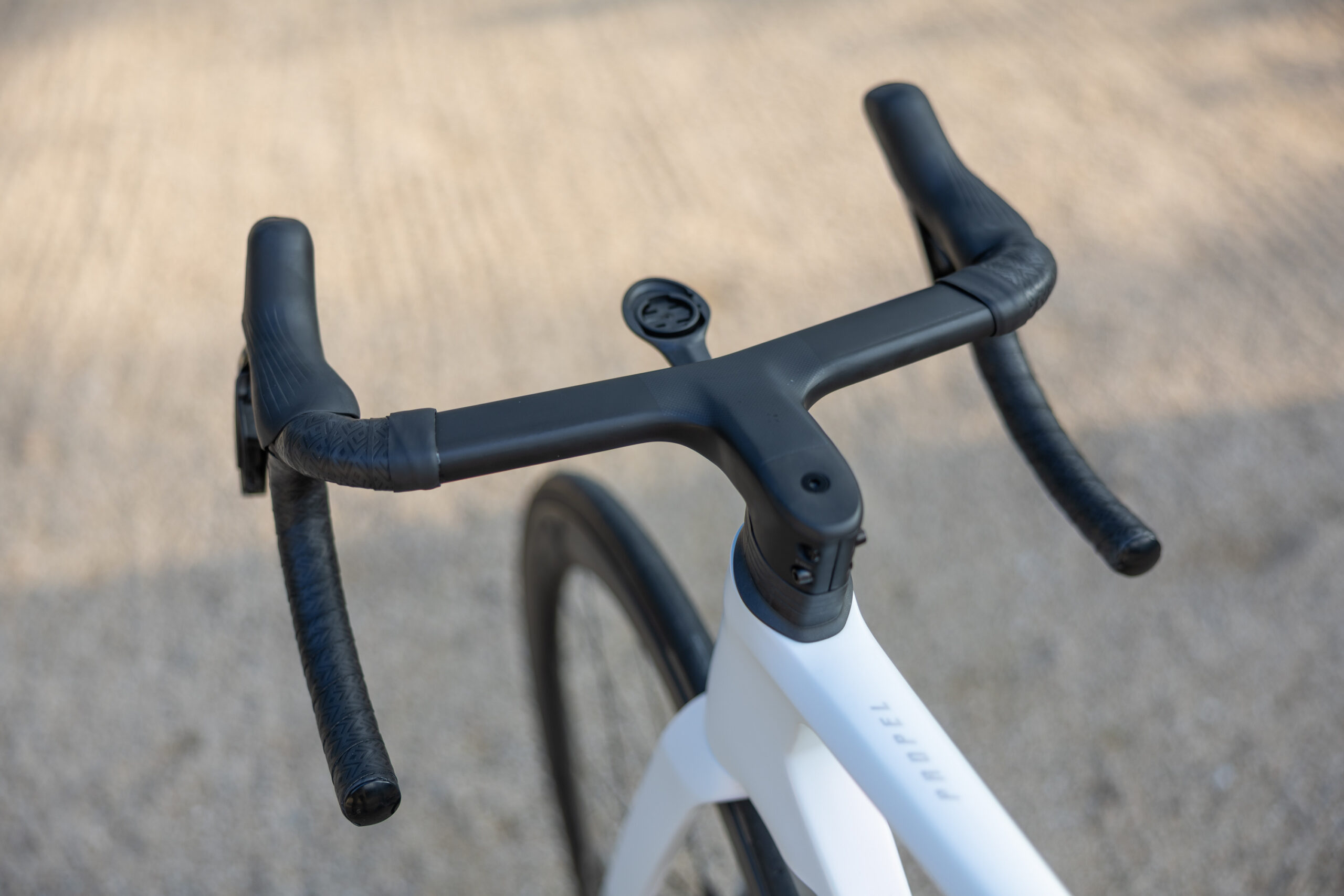
Integration plays a major role in the new Propel’s performance. At the front end, the bike uses a one-piece integrated cockpit with Giant’s Contact SLR Aero handlebar and stem (different from the CADEX handlebar and stem reviewed here). The bar features flattened tops and narrower widths to reduce the rider’s frontal area while improving airflow around the shoulders.
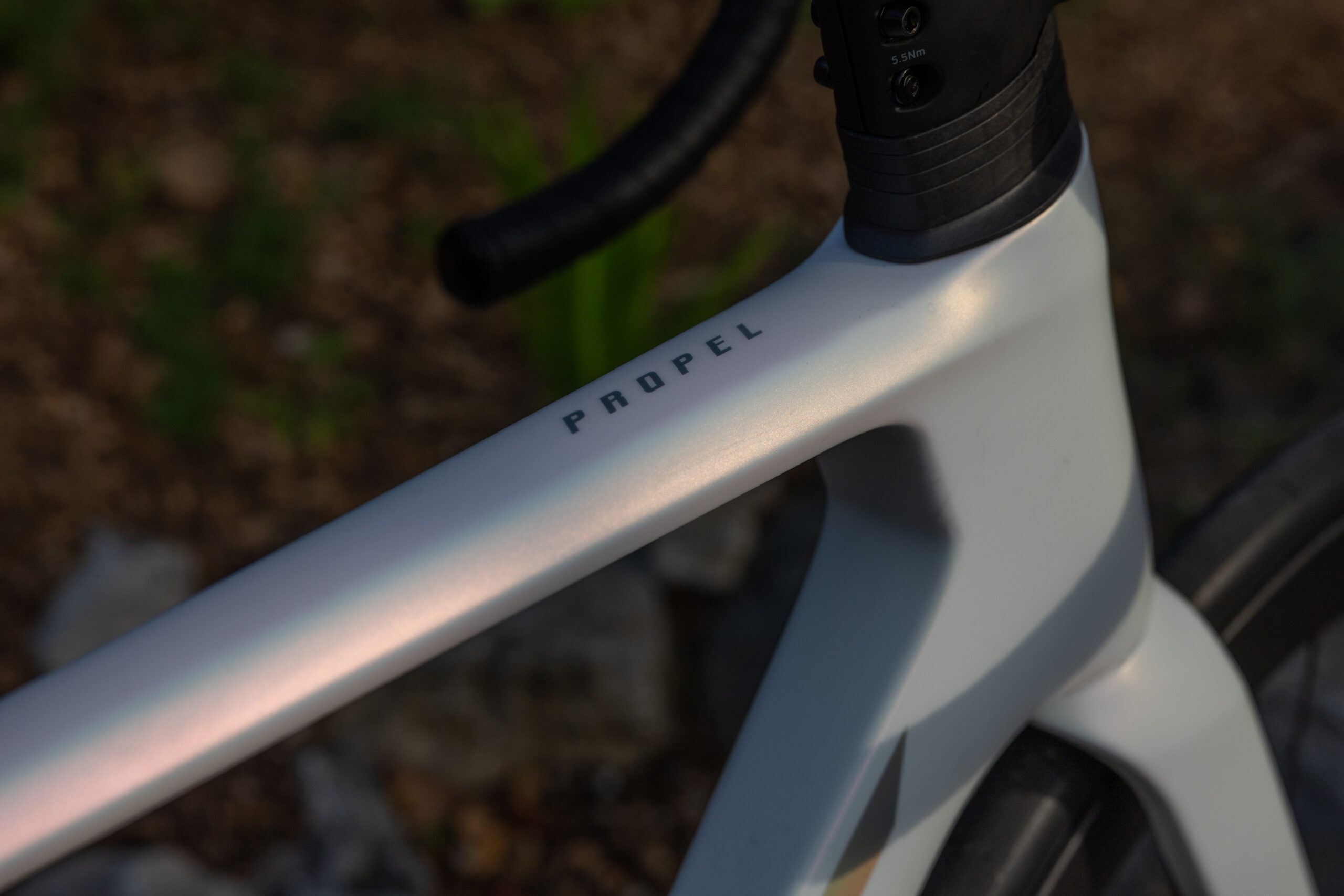
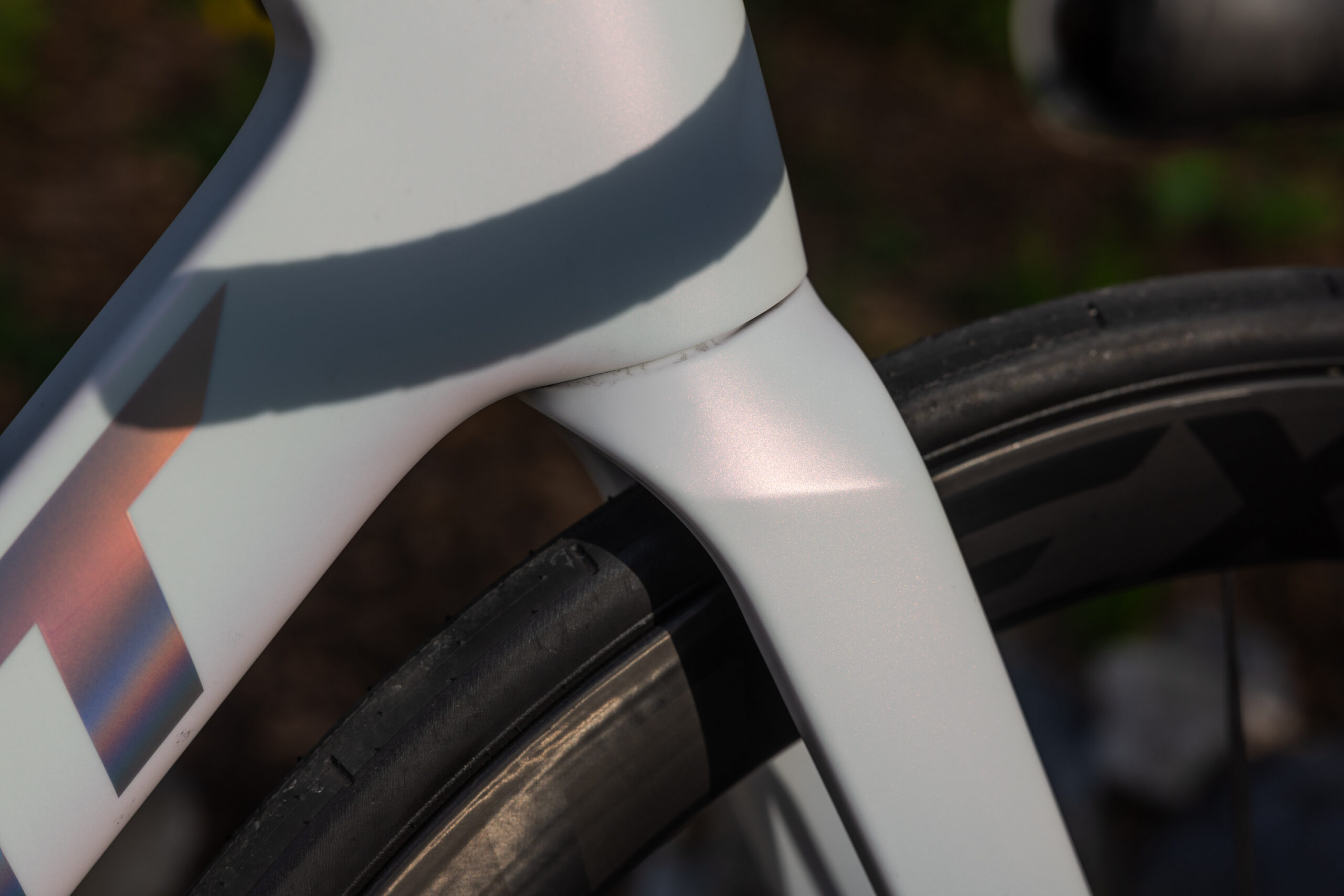
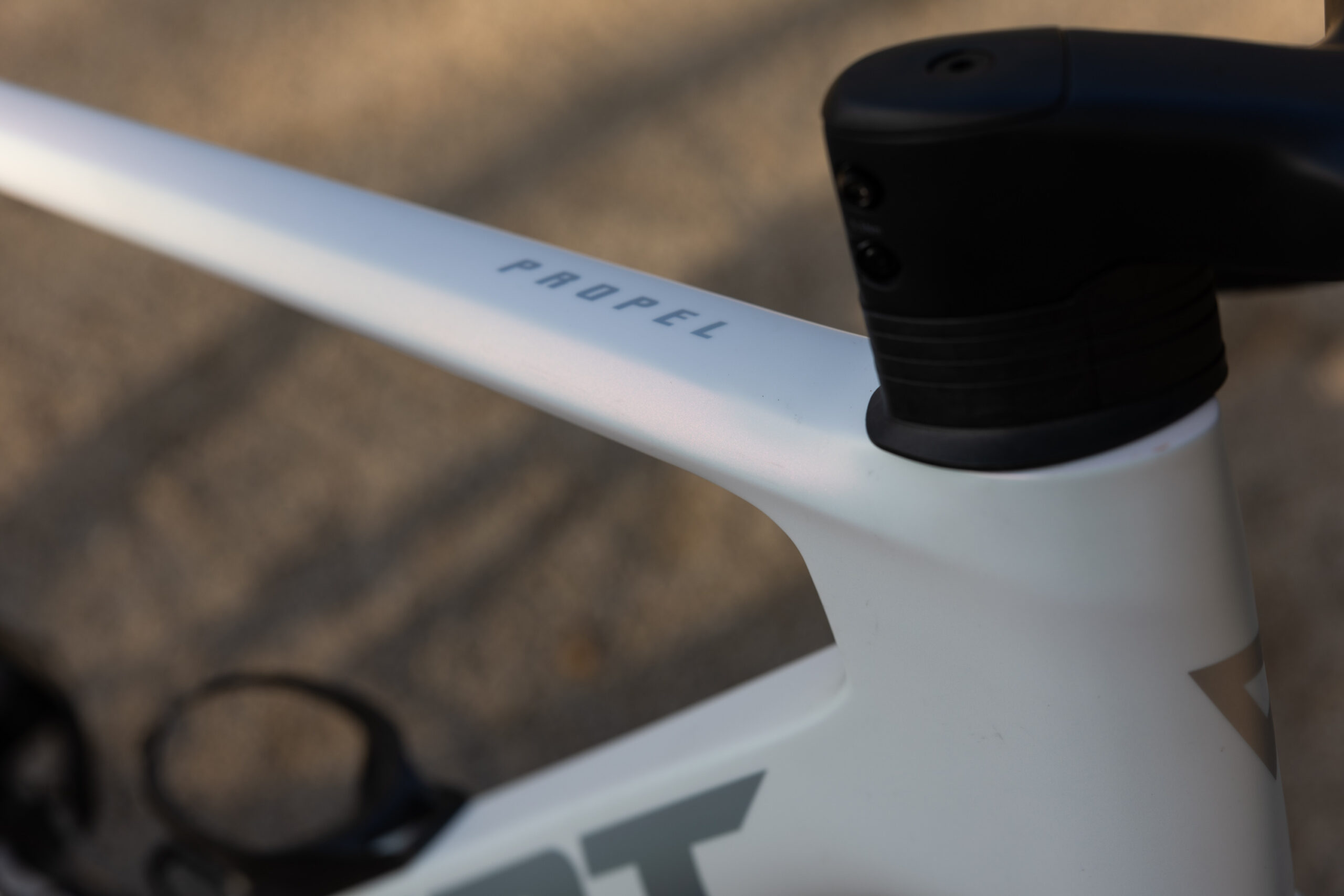
Cables are routed internally through the cockpit and frame to eliminate exposed lines and further reduce aerodynamic drag. The head tube also receives a redesign through Giant’s OverDrive Aero system, which pairs a slim tapered head tube with a D-shaped steerer tube and aerodynamic spacers.
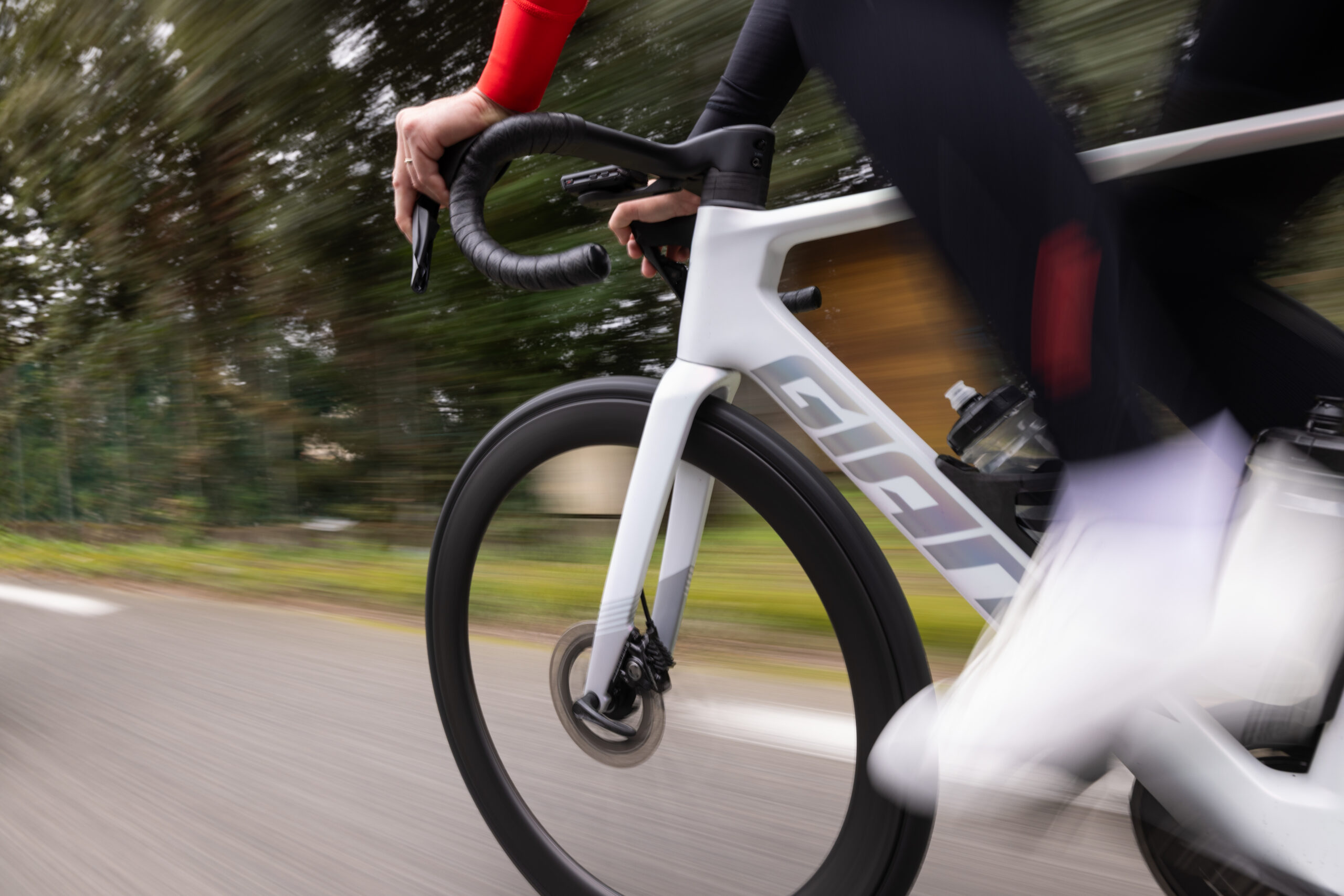
Further aerodynamic gains come from Giant’s aero wheel systems and CADEX Aero tires. The tire-to-rim interface is optimized to smooth airflow and reduce rolling resistance, helping riders maintain speed across varying wind angles.
Even the bottle cages are shaped specifically for the frame to minimize drag, plus they take a regular-size bottle.
Lighter and Stiffer
Despite its aerodynamic focus, the new Propel also manages to shed weight.
The flagship Advanced SL frameset is 45 grams lighter than the previous generation. When factoring in the new cockpit, wheel system, and other component refinements, the top-tier Propel Advanced SL 0 drops about 355 grams overall.
Stiffness also improves. Testing shows a 3.4 percent increase in torsional stiffness and a 2.4 percent boost in pedaling stiffness. Combined with the reduced weight, this results in a 5.7 percent improvement in the stiffness-to-weight ratio.
In practical terms, that means sharper acceleration and more efficient power transfer when riders jump out of corners, bridge up to a move, or launch a sprint – no matter if for the win or the town line.
Riding Real Roads
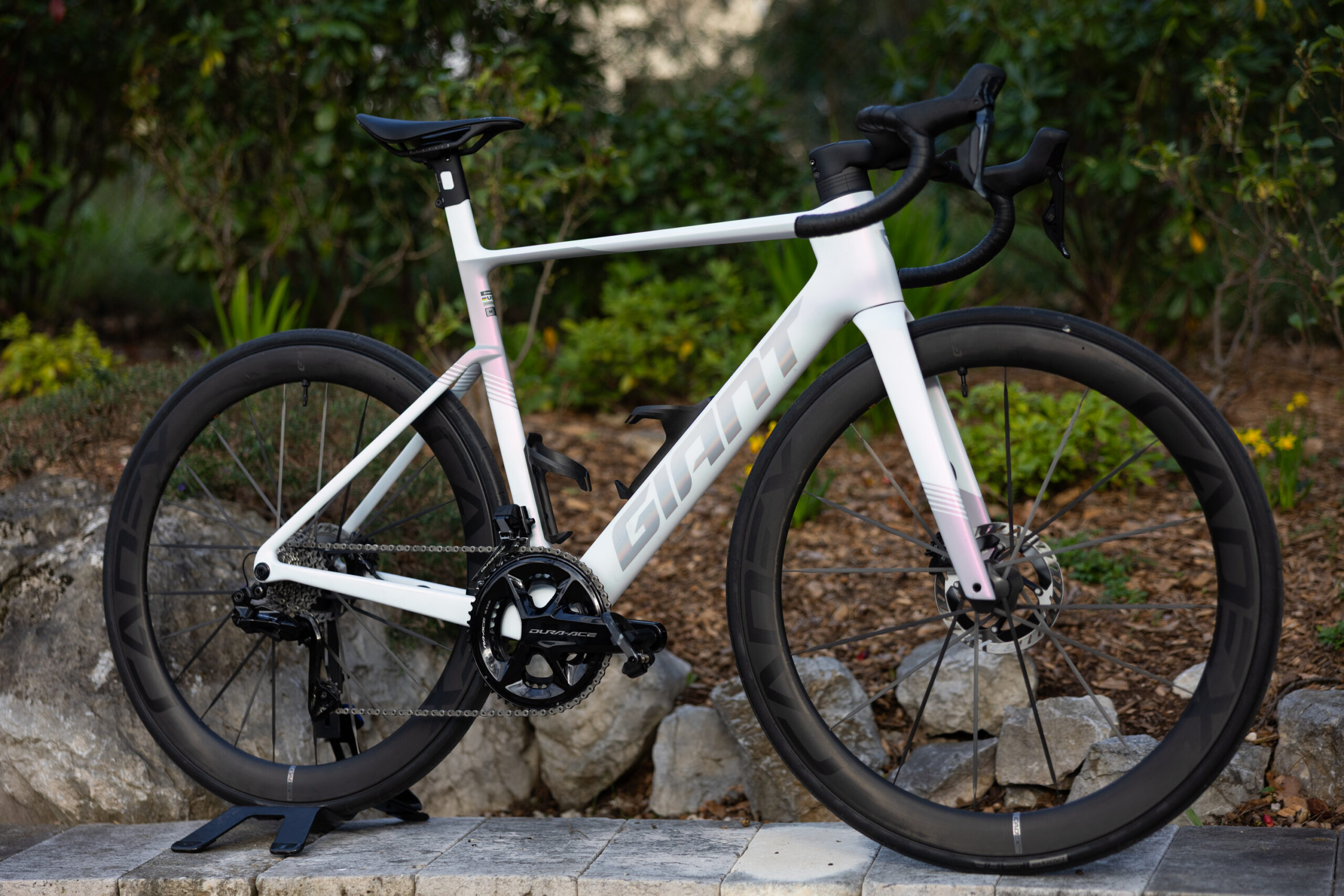
Modern aero bikes can’t rely on pure stiffness alone; their audience isn’t only the world tour professionals and U23 superhumans. Comfort and efficiency over long distances are equally important. The new Propel addresses this with improved frame compliance and larger tire clearance.
A redesigned rear triangle and seatpost increase vertical compliance by up to 25 percent compared to the previous generation, helping reduce road vibration and rider fatigue. The rear triangle drops slightly compared to the previous model, and the toptube is horizontal rather than compact.
Up front, the integrated cockpit adds roughly 12.8 percent more compliance to smooth out road buzz. That compliace comes from the bars, but not the frame.
The frame and fork now allow tire clearance up to 32mm, giving riders the option to run larger tires at lower pressures for improved grip and reduced rolling resistance on rough pavement.
Composite Construction
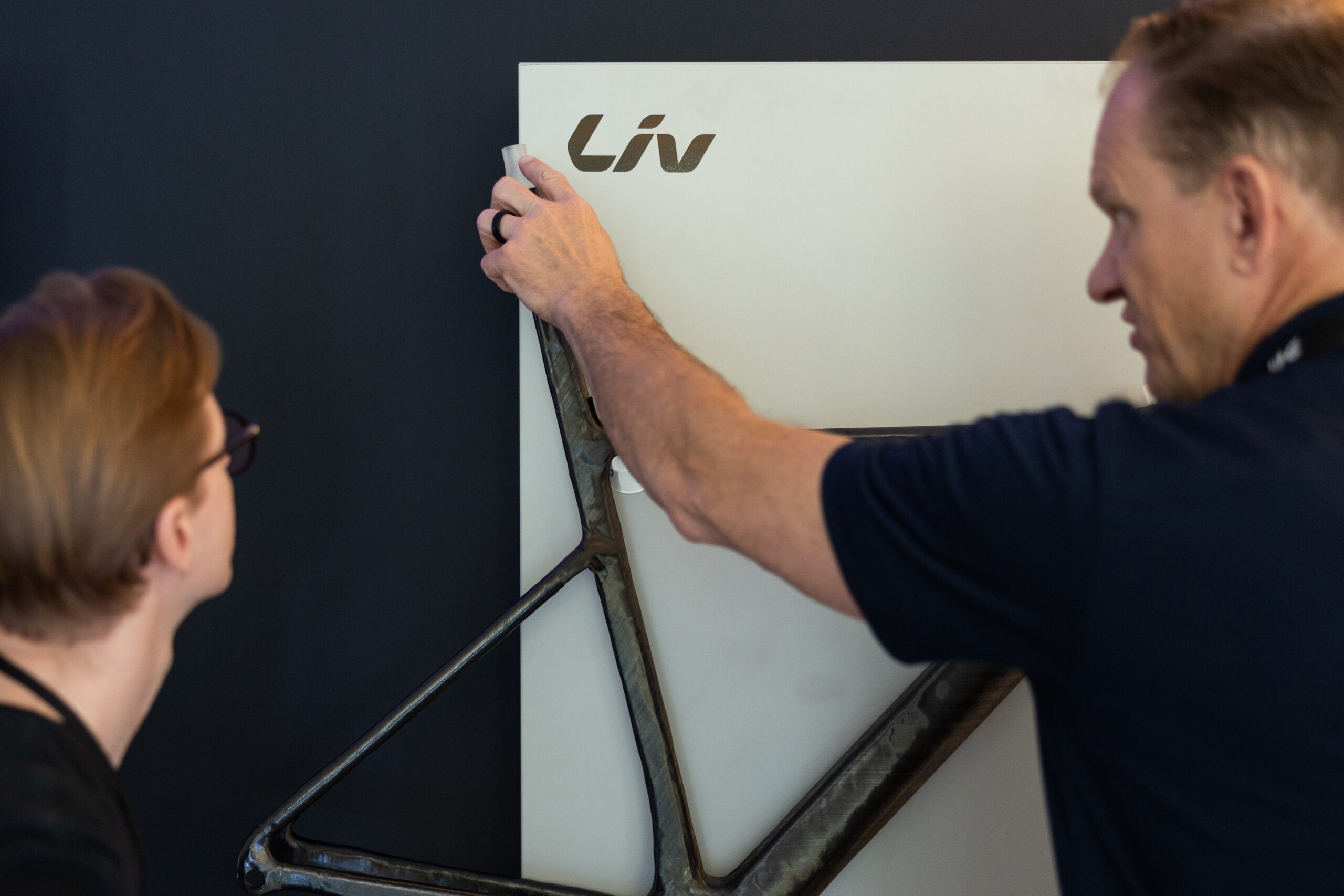
The Propel range is built using Giant’s Advanced and Advanced SL composite technologies.
The top-tier Advanced SL models use professional-grade carbon fiber combined with Carbon Nanotube resin technology, which reinforces the structure and improves impact resistance by about 14 percent. The frames are produced using one-piece molding techniques that form the front triangle as a continuous structure, reducing weight while improving stiffness and durability. This is the same molding that Giant uses in their updated Anthem SL and X framesets.
Additional manufacturing processes, such as cold-blade carbon cutting, allow Giant to produce more precise carbon layups while minimizing excess material.
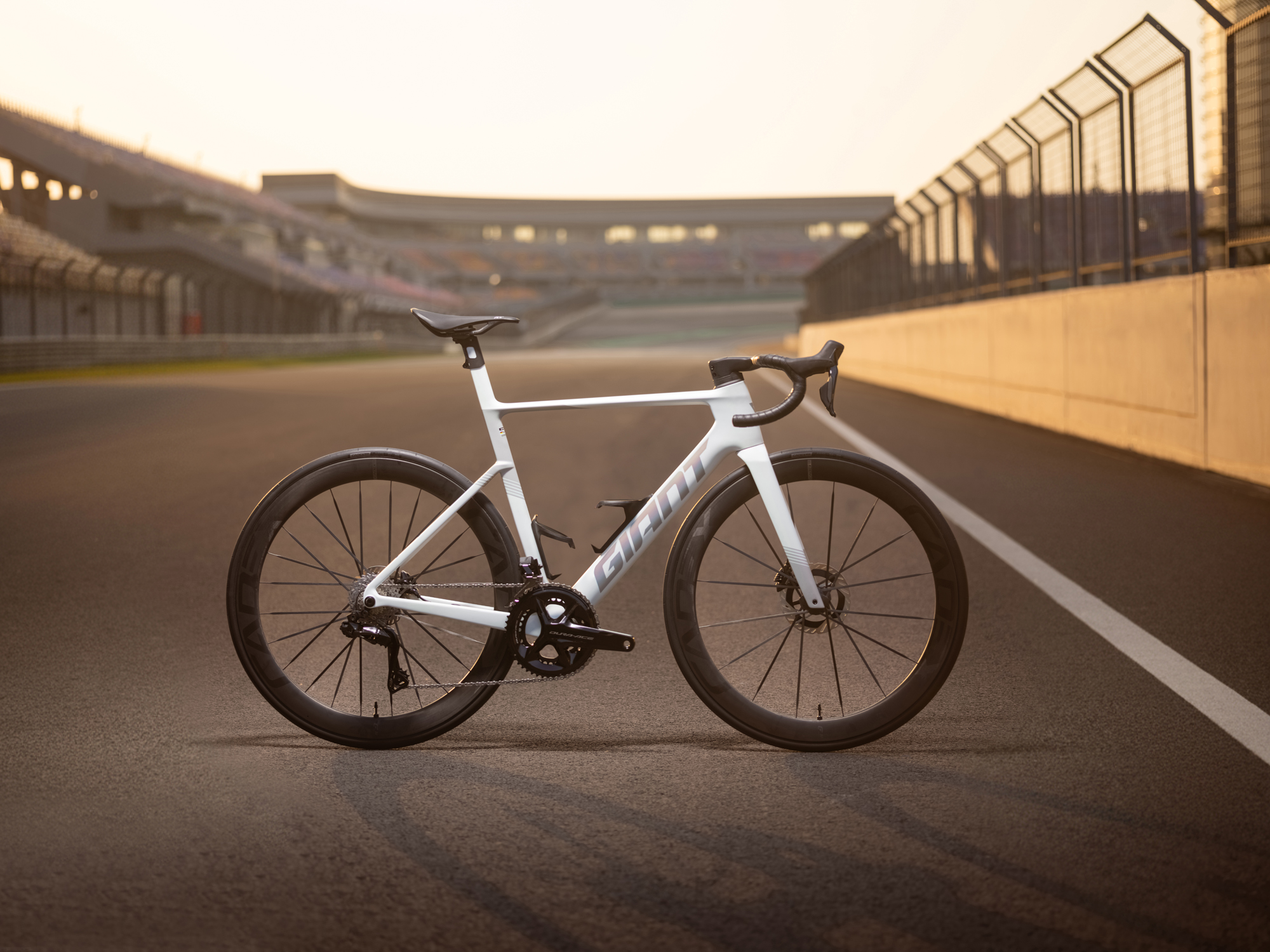
Giant Propel Gen 4 – Sizing and Geometry
The new Giant Propel Gen4 range is available in six frame sizes: XS, S, M, ML, L, and XL.
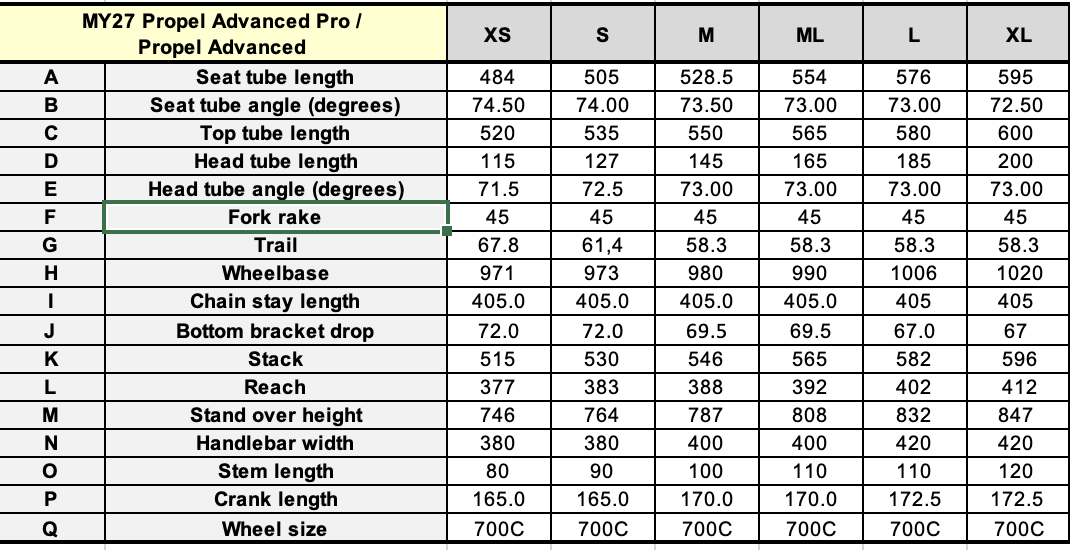
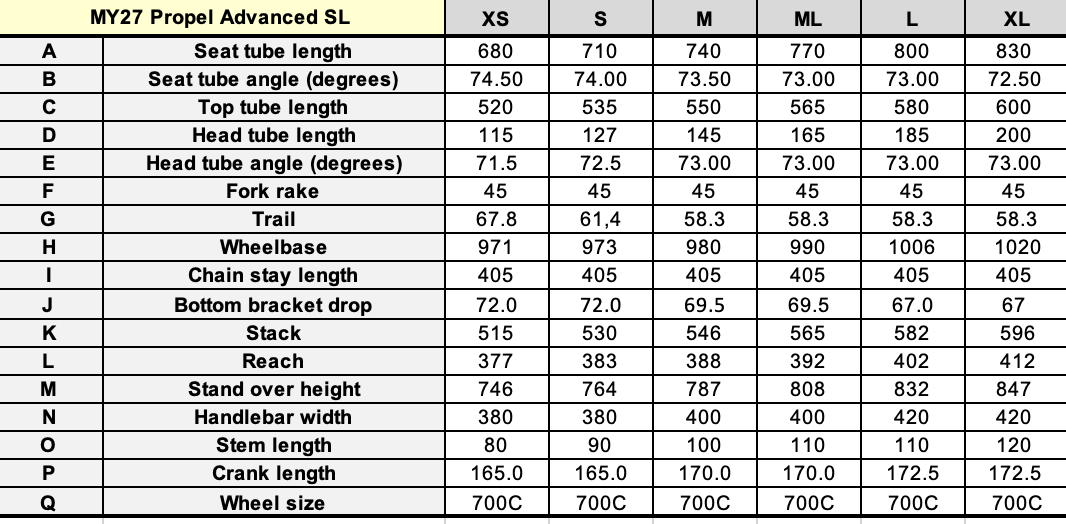
Additional key geometry figures:
- Chainstay length: 405 mm
- Fork rake: 45 mm
- Bottom bracket drop: 67–72 mm, depending on size
- Tire clearance: up to 32 mm
- Wheel size: 700c across all models
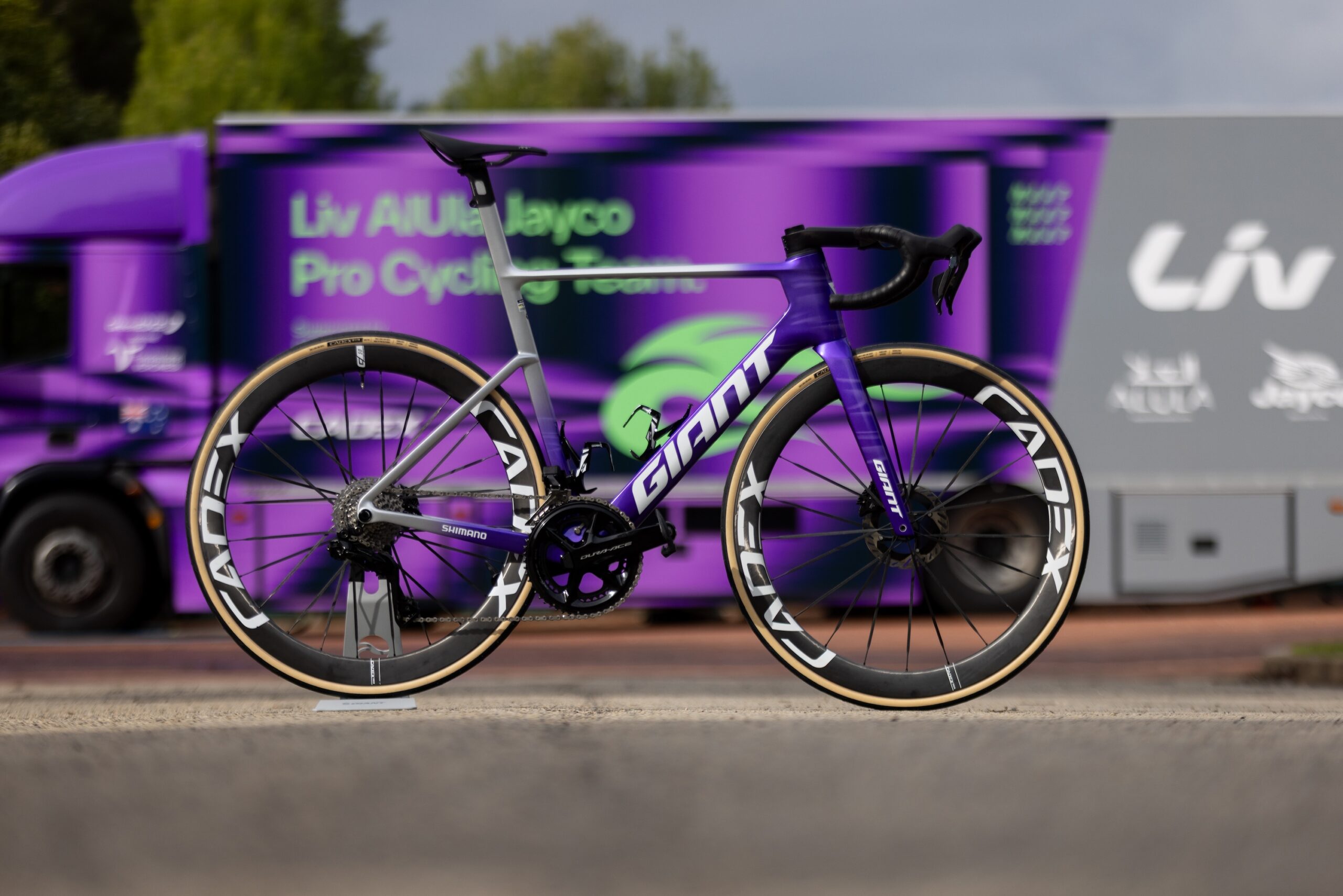
Giant Propel Gen 4 Pricing
Propel Advanced SL Series
- Propel Advanced SL 0 (Dura-Ace Di2) – $15,899 CAD
- Propel Advanced SL 0 (SRAM RED AXS) – $13,500 USD / €11,999 / $16,899 CAD
Propel Advanced Pro Series
- Propel Advanced Pro 0 AXS – $7,800 USD / €6,499 / $9,499 CAD
- Propel Advanced Pro 1 – €4,999
Propel Advanced Series
- Propel Advanced 0 – €4,799 / $6,499 CAD
- Propel Advanced 1 – $5,300 USD / €4,399 / $5,999 CAD
- Propel Advanced 2 – $3,500 USD / €2,999 / $3,899 CAD
What Does This Mean For the Giant TCR?
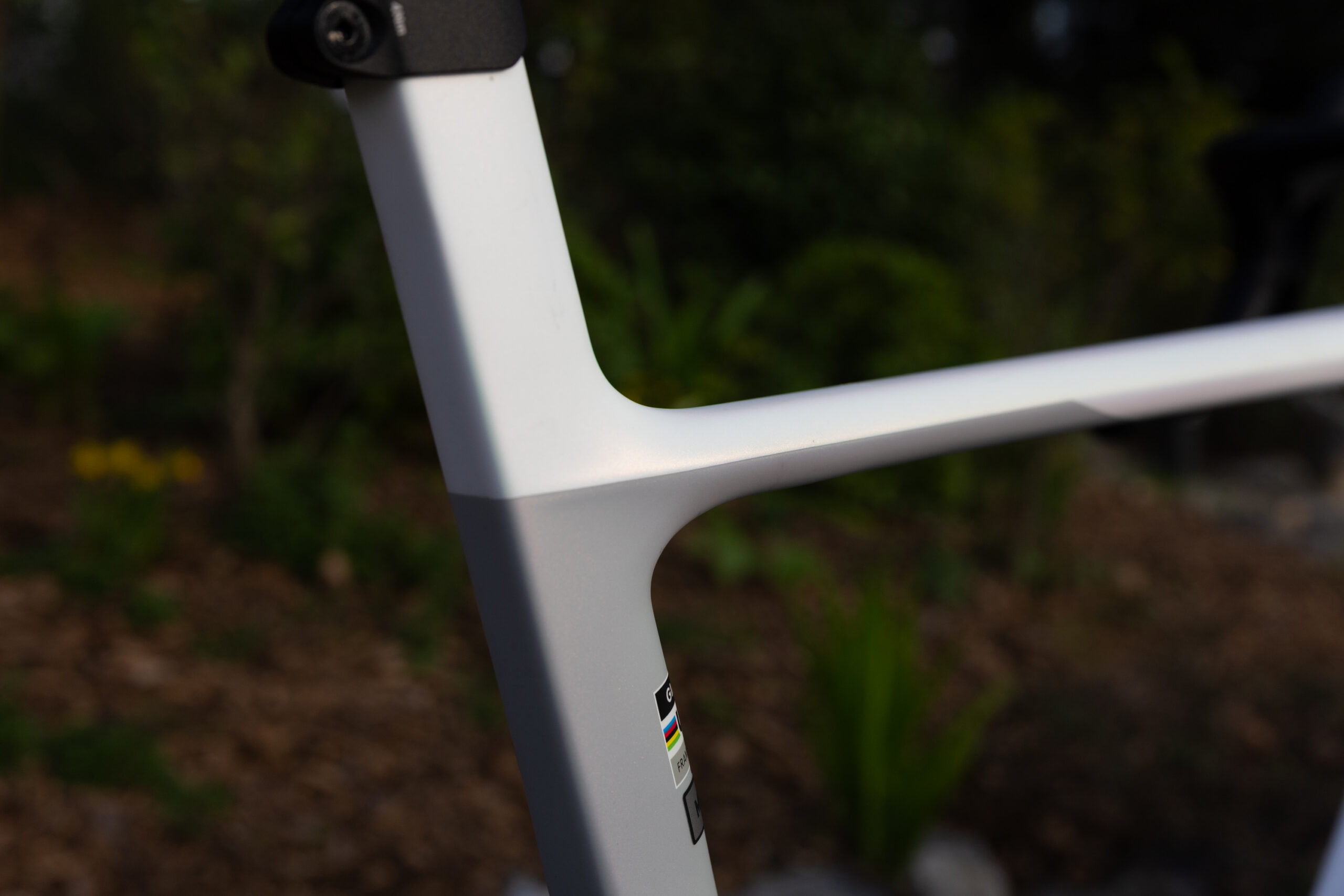
That’s the first thing I thought as I pulled the Giant Propel SL 0 from the rack for a test ride. It was very light and overlapped with the TCR to a decent extent, especially with the updated compliance. Heck – the sponsors, Jayco World Tour Teams, will be riding the new Propel for most of their races.
But Giant says the TCR will always have a place in the Giant lineup. When the road points up, the TCR is the bike that the climbers want, and not just the world tour pros, which means masters, amateurs, and everyone who likes to climb. It’s still pretty wild how close the two are coming in performance and riding feedback. It will be a hard choice for most when hitting the Giant dealer for their next road bike.
Availability – Giant Propel
The new Giant Propel will be available in all regions. The ongoing situation with Giant and the CBP and WRO has left the Propel Advanced SL models and some components unable to enter the USA for distribution until the issue is resolved.
We asked Giant about the ongoing situation, and they explained, “Giant Group reiterates that it will uphold the principles of integrity, transparency, and concrete action, continue to fully support CBP’s review process, advance all corrective measures, and pursue the timely lifting of the WRO.”
You can check the status of the process and Giant’s progress on the Giant press site here.


