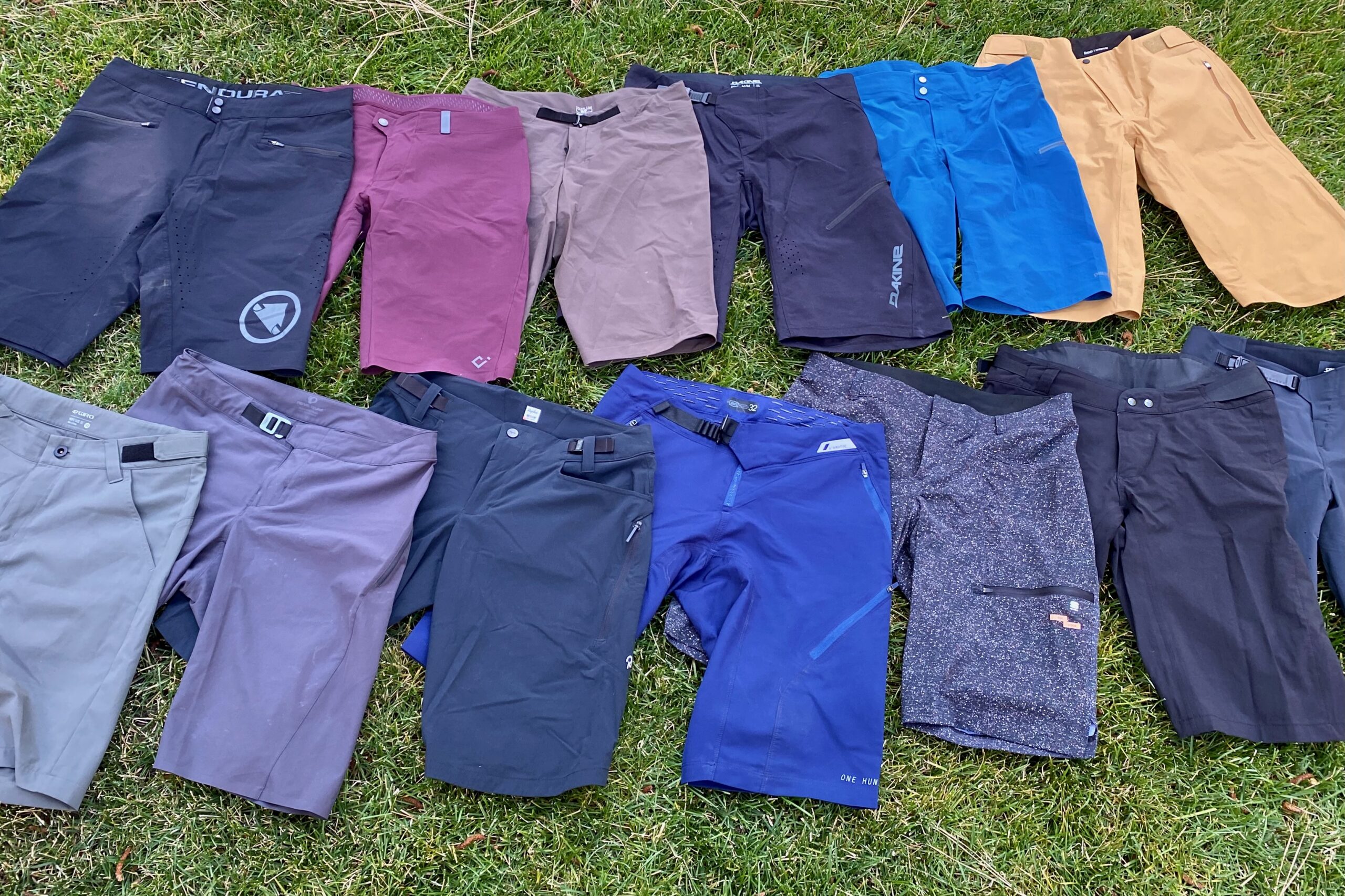


A quality pair of mountain bike shorts is the core of your riding kit. The best mountain bike shorts look good but fit comfortably, provide protection from the elements, breathe well, and allow unrestricted movement and easy pedaling. While spandex shorts were once dominant in mountain biking, baggy shorts are by far the most common for the variety of benefits they provide for most riders.
These days, mountain bike shorts are designed to meet the demands of all types of riding and riders, from cross-country to downhill. With so many mountain bike shorts on the market, finding the right pair can be a challenge. To help, we gathered a diverse selection of the best models on the market to test and compare side by side.
Our experts spent months testing the shorts included here while analyzing key factors such as materials, design, fit, comfort, pedal-friendliness, breathability, pockets, and style, switching frequently between models for direct comparison. After hundreds of hours and thousands of miles, we narrowed in on our favorites and those that excel in specific conditions and uses.
Editor’s Note: This guide was transferred from our sister site, GearJunkie.com, on April 8, 2026, along with the addition of the affordable Backcountry Slickrock 11in Shorts and Norrona Fjora Flex1 Tech Shorts, and some changes to our award winners to reflect the best mountain bike shorts on the market.
The Best Mountain Bike Shorts of 2026
Patagonia Dirt Roamer Shorts
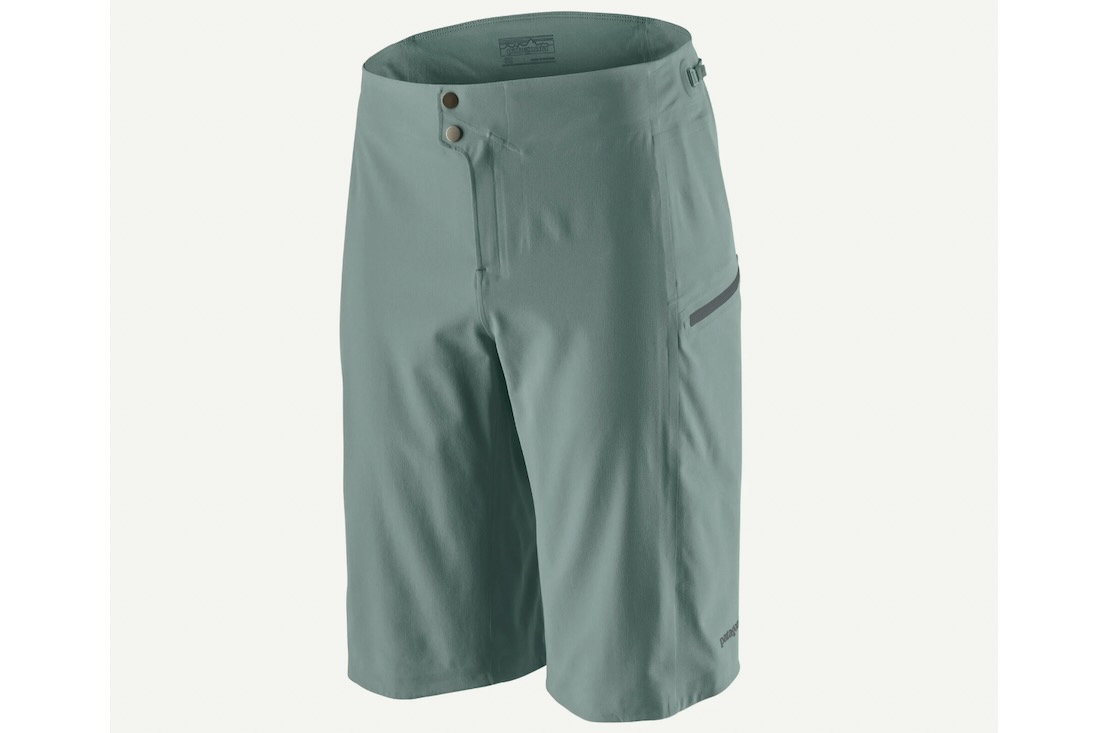
- MSRP: $129
- Material: 4-way stretch 86% polyester/14% spandex
- Inseam Length: 12.5 inches
- Pockets: 2 zippered thigh pockets
- Measured Weight: 160 grams (size 32)
- Available Sizes: Even Waist sizes 28 – 44, 31, and 33
Pros
- Super comfortable
- Lightweight
- Highly breathable and quick drying
- Welded seams
- Good pockets
Cons
- Moderately expensive
Specialized Trail Air Shorts
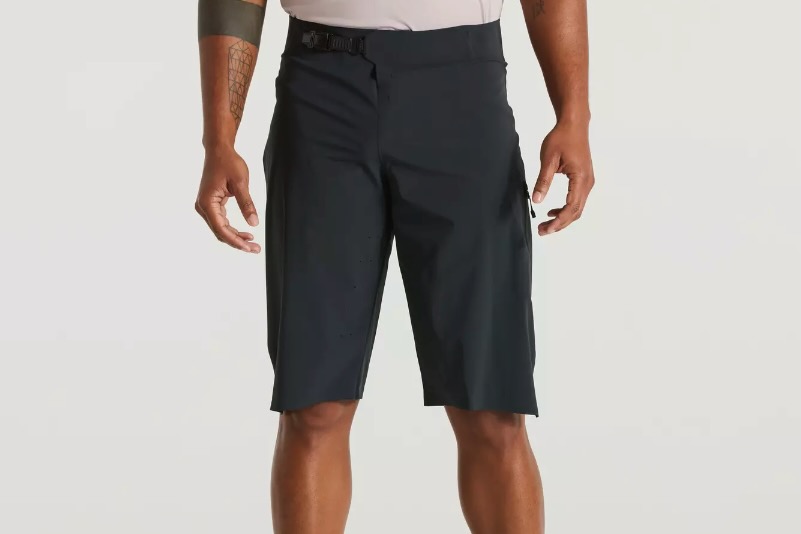
- MSRP: $130
- Material: Vaporize woven: 86% polyester/14% spandex
- Inseam Length: 13.5 inches
- Pockets: 1 zippered pocket on left thigh
- Measured Weight: 162 grams (size 32)
- Available Sizes: Even waist sizes 28 – 44
Pros
- Lightweight
- Airy
- Material feels tough but light
- Very pedal-friendly
- Super affordable on sale
Cons
- Sizing runs a tad big
- Only one pocket
- No zipper fly
Backcountry Slickrock 11in Bike Short
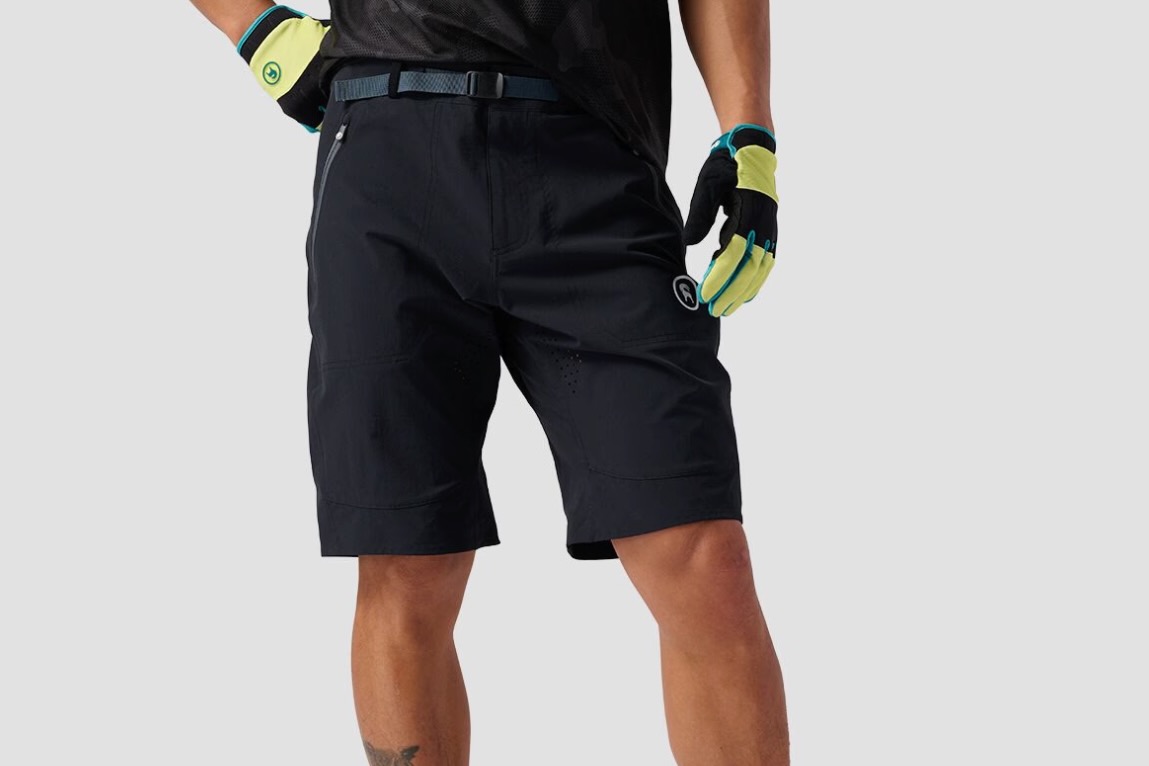
- MSRP: $99
- Material: 85% recycled nylon, 15% spandex, PFC-free DWR treatment
- Inseam: 11"
- Pockets: 2 zippered hand pockets
- Measured weight: 204 g (size M)
- Available Sizes: S-XXL
Pros
- Affordable
- Good-looking
- Relatively well-ventilated
- Stretchy, comfortable material
Cons
- Pockets aren't great for a phone
- Shorter inseam may not be for everyone
Velocio Ultralight MTB Short
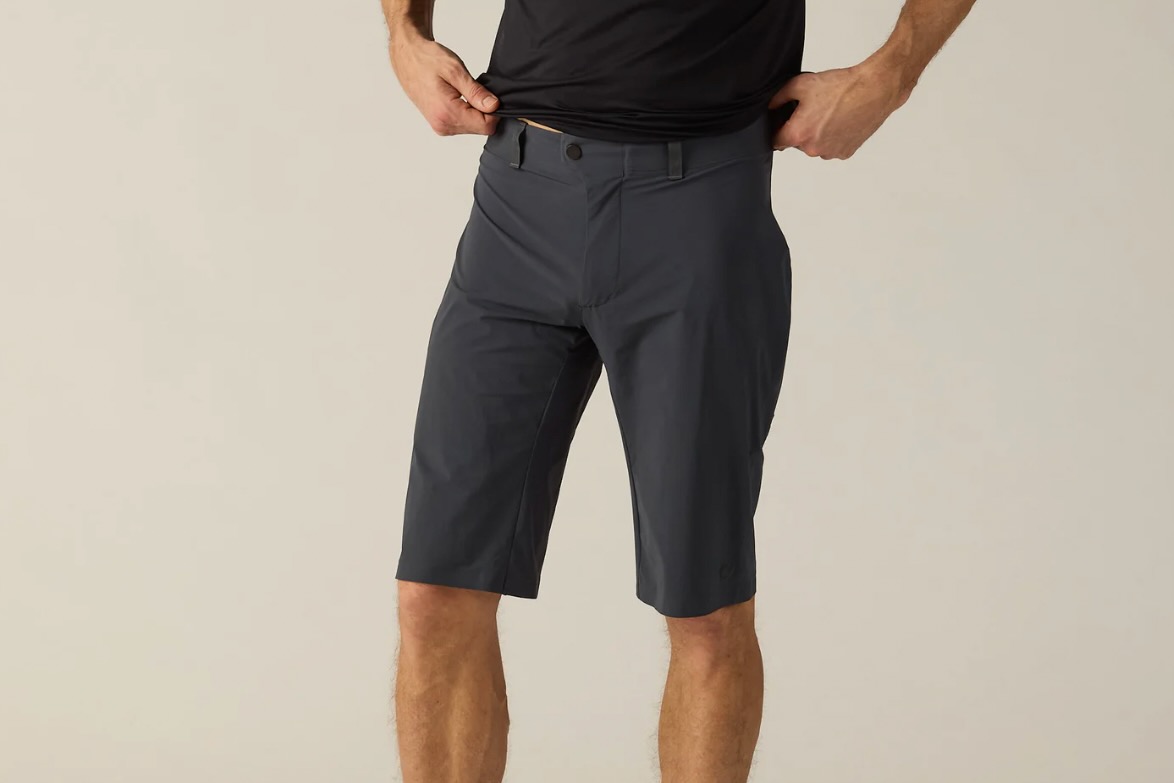
- MSRP: $169
- Material: Italian milled stretch woven fabric (79% Polyamide, 21% Elastane)
- Inseam Length: 13.5 inches (size M)
- Pockets: 2 zippered thigh pockets
- Measured Weight: 135 grams (size M)
- Available Sizes: XS – 4XL
Pros
- Very lightweight
- Excellent patterning and fit
- Breathable
- Minimal and subtle branding
- 30 day satisfaction guarantee
Cons
- Expensive
- No built-in waist adjustment
- Heavily articulated cut is less ideal off the bike
Outdoor Research Freewheel Ride Shorts
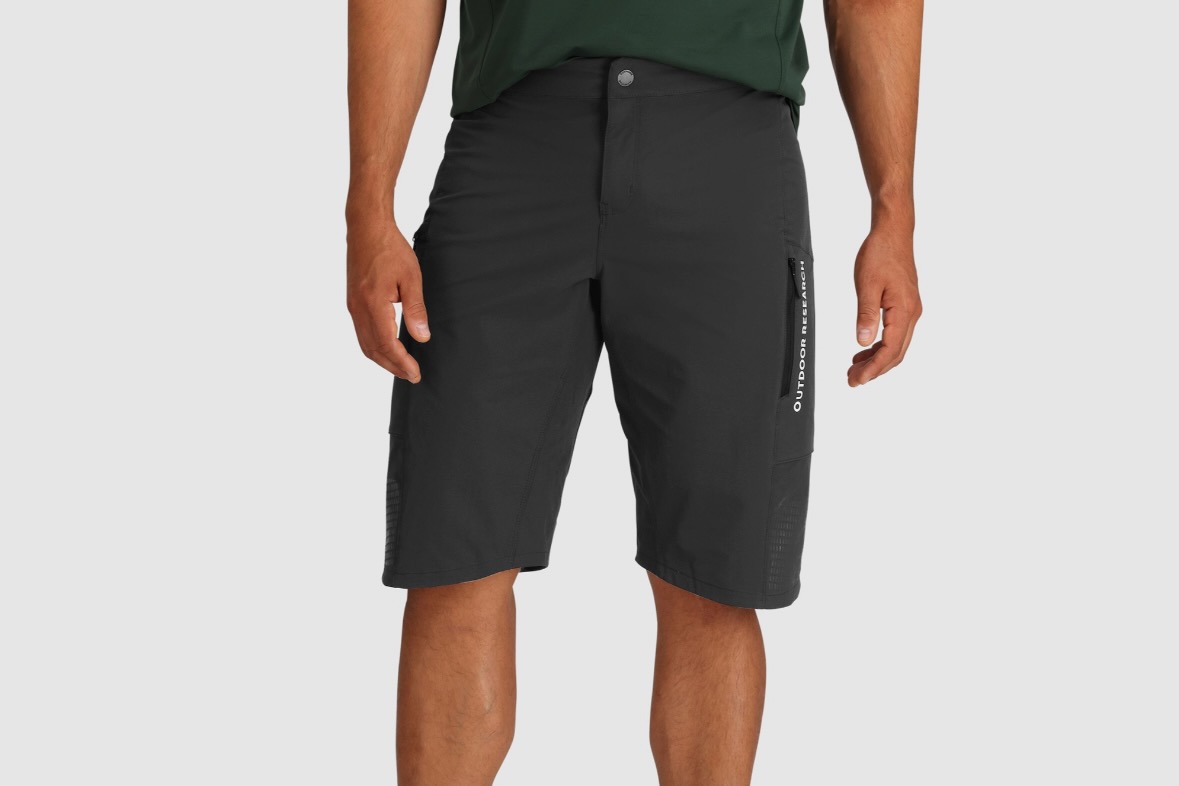
- MSRP: $130
- Material: 88% nylon, 12% spandex
- Inseam Length: 12 in.
- Pockets: 2 zippered thigh
- Measured weight: 211 g (size 32)
- Available sizes: Even waist sizes 28 to 42
Pros
- Durable material
- Secure and low-profile waist adjusters
- Well-considered details
Cons
- Not the most breathable
- Limited stretch
Fox Defend Shorts
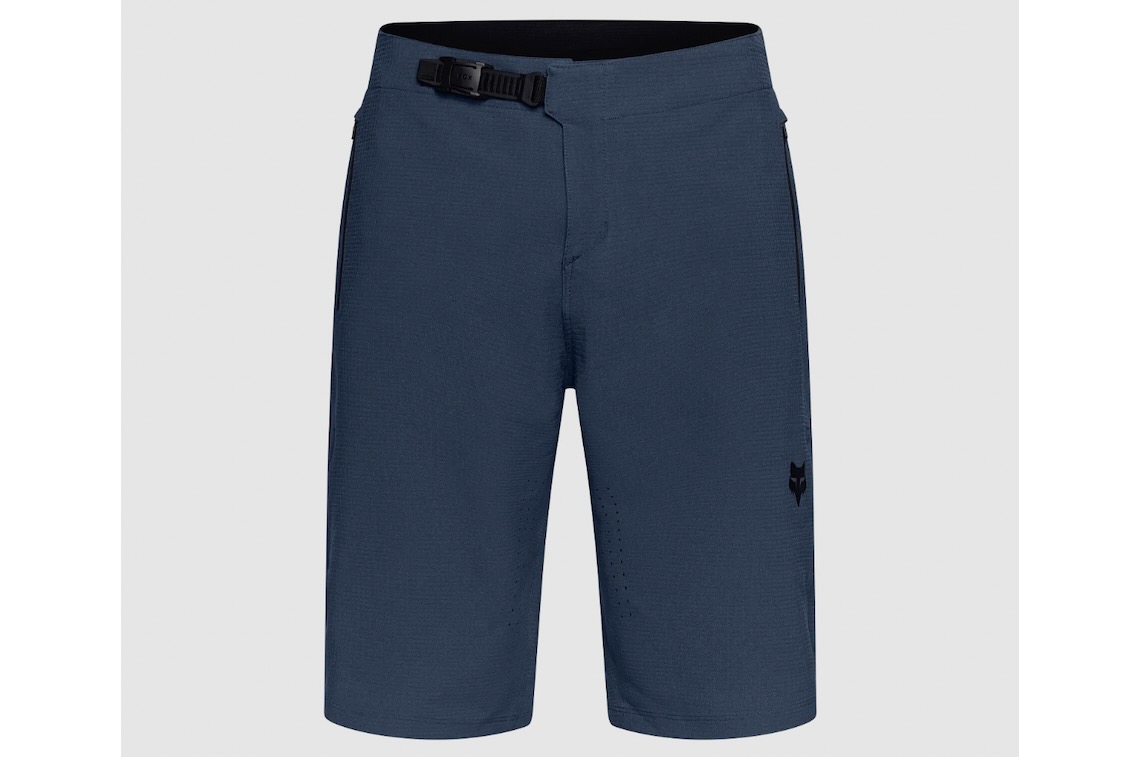
- MSRP: $140
- Material: Recycled 4-way stretch: 86% polyester, 7% elastane, 7% polyamide nylon
- Inseam Length: 13.25"
- Pockets: 2 zippered hand pockets and 1 zippered thigh pocket
- Measured Weight: 332 g (size 32)
- Available Sizes: Even waist sizes 28 to 40
Pros
- Tough fabric for aggressive riding
- Clean aesthetic
- Long inseam prevents pad gap
- Comfortable
Cons
- Heavier weight
- Not super breathable
Curious Creatures Sun Dog Short
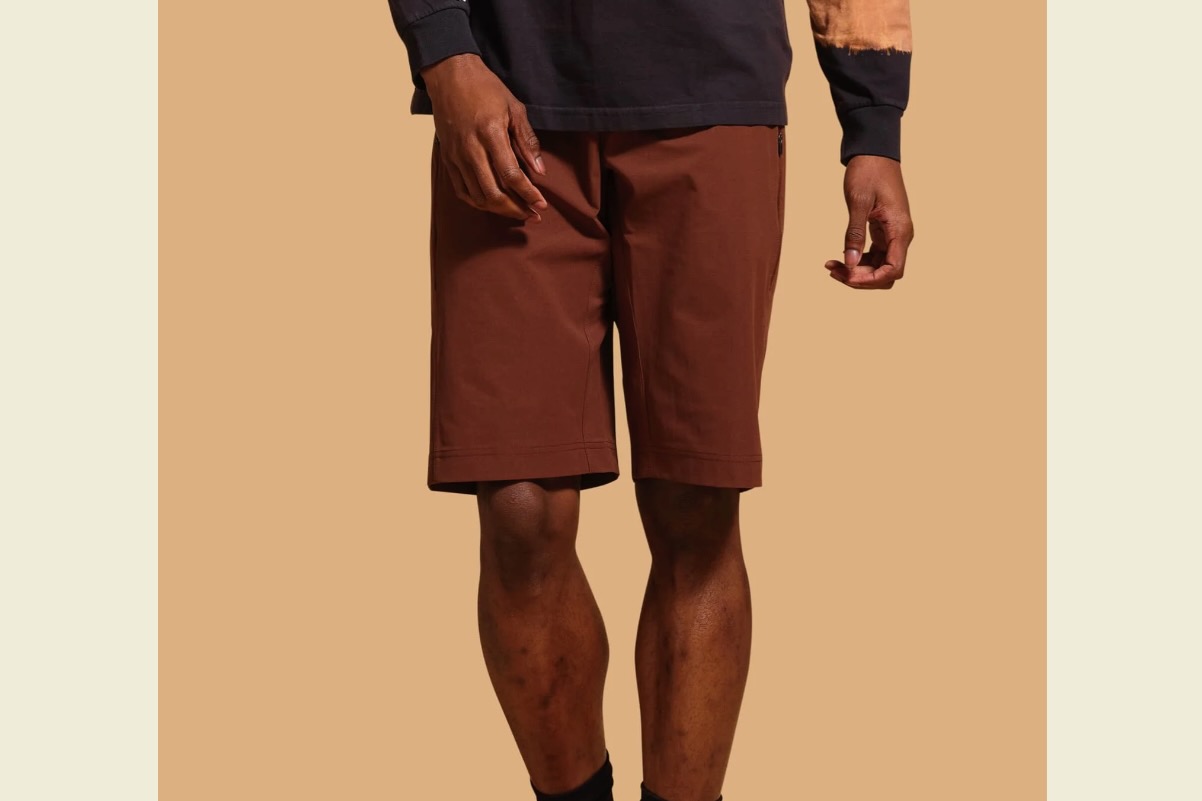
- MSRP: $125
- Material: 155 gsm 100% polyester
- Inseam length: 12.5"
- Pockets: 2 zippered thigh, 1 snap rear
- Measured weight: 175 g (size 32)
- Available sizes: Even waist sizes 28 to 40
Pros
- Super-comfortable material, waistband
- Minimalist design
- Good pockets
- Clean look
Cons
- Drawcord waist adjustment
- Moderately expensive
Other Mountain Bike Shorts We Recommend

- MSRP: $149
- Material: Flex1: 4-way stretch double weave, 86% Recycled Nylon, 14% Elastane, 125g/m2 PFC free DWR bluesign & GRS certified.
- Weight: 202 g (size M)
- Inseam: 11.5 in. (measured, size M)
- Sizes: XS, S, M, L, XL, XXL
- Pockets: 3 zippered
- Colors: Caviar Black, Trooper (blue), Boa
Pros
- Easy and secure waist adjustment
- Comfy
- Very quick drying
- Well made
- Eco-conscious materials
Cons
- Moderately expensive
- Vertical loading pockets
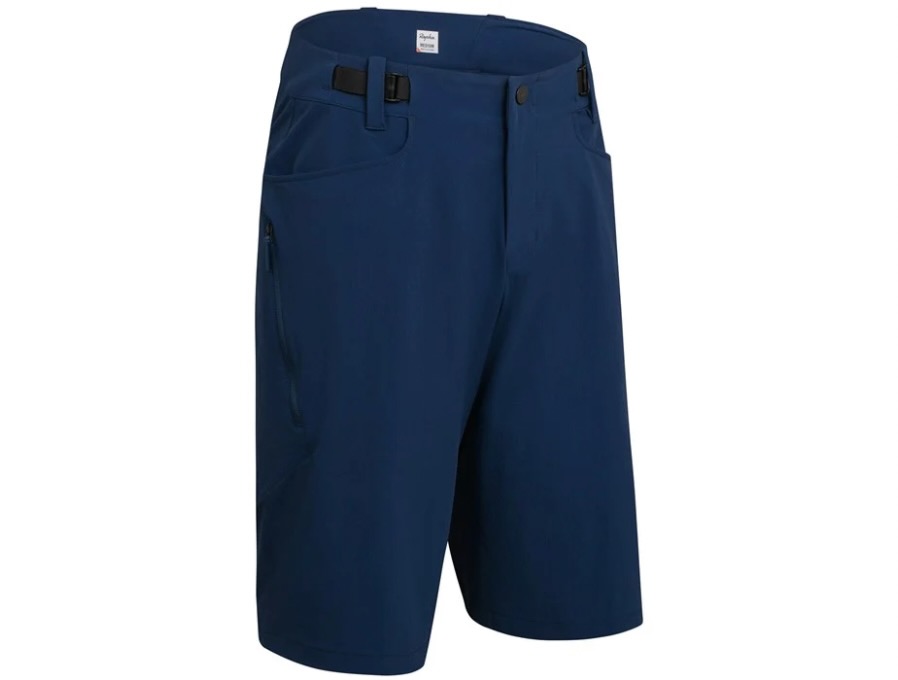
- MSRP: $165
- Material: 88% nylon/12% elastane
- Inseam Length: 13 inches (size M)
- Pockets: 2 open hand pockets, 2 zippered thigh pockets with phone sleeve
- Measured Weight: 245 grams (size M)
- Available Sizes: XS – XXL
Pros
- Comfortable
- Pedal-friendly material and angled hem
- Secure waist adjustment and closure
- Come with color matched patches and eligible for free repairs
Cons
- Expensive
- A little roomier in the legs than others
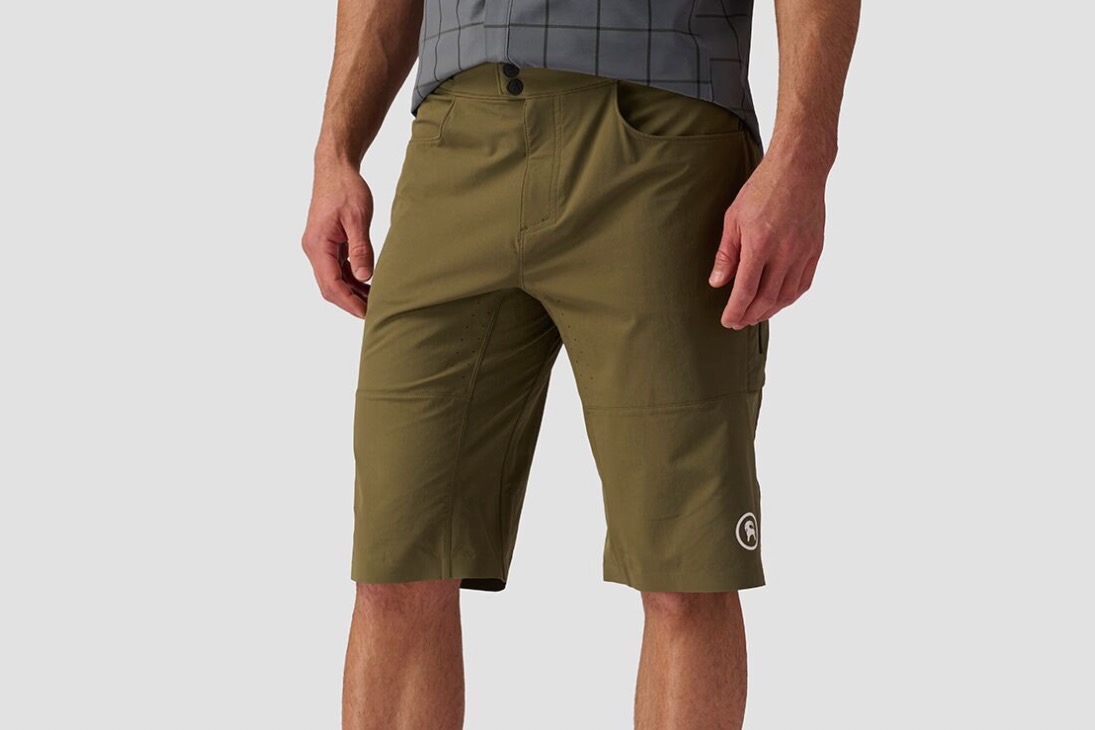
- MSRP: $119
- Material: 88% recycled nylon, 12% spandex, PFC-free DWR treatment
- Inseam length: 13"
- Pockets: 2 open hand pockets, 2 zippered thigh pockets
- Measured weight: 259 g (size M)
- Available sizes: S-XXL
Pros
- Reasonable price
- Good looking
- Useful pockets on and off the bike
- Tough material
- Good cut and fabric for more aggressive riding
Cons
- Not the best ventilation
- More articulation in the waist wouldn't hurt
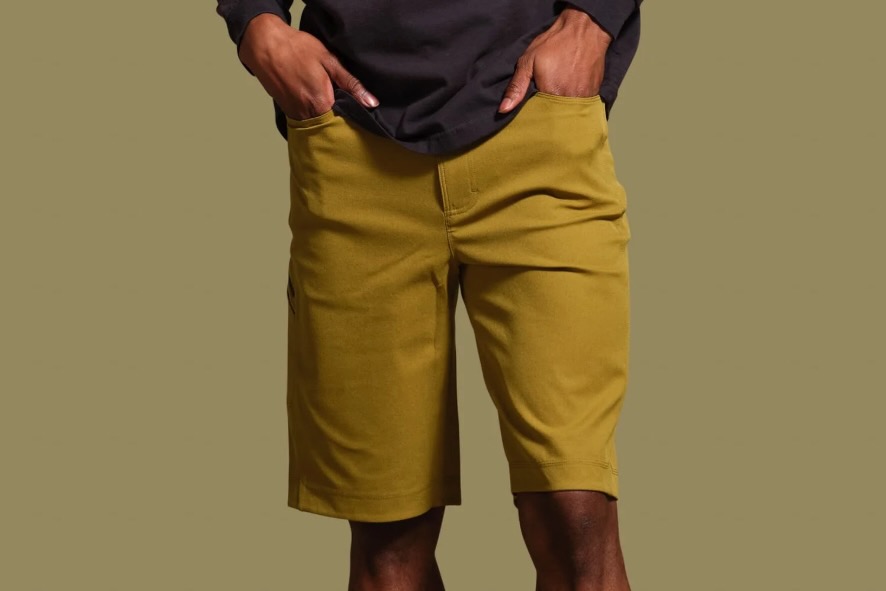
- MSRP: $139
- Material: 240 gsm 4-way stretch polyester heavyweight twill. Bluesign certified, PFC-free DWR
- Inseam Length: 11.5”
- Pockets: 6: 2 hand pockets, 2 rear pockets, 1 drop-in side pocket, 1 zippered side pocket
- Measured weight: 293 g (size 32)
- Available sizes: Even waist sizes 28 to 40
Pros
- Super versatile – you can wear these anywhere
- Plenty of pockets
- Durable material
- Quality construction
- Cool looking
Cons
- Midweight material can run a little warm
- Material isn’t the fastest drying
- Fairly expensive
- Cut is less mountain bike specific than many others
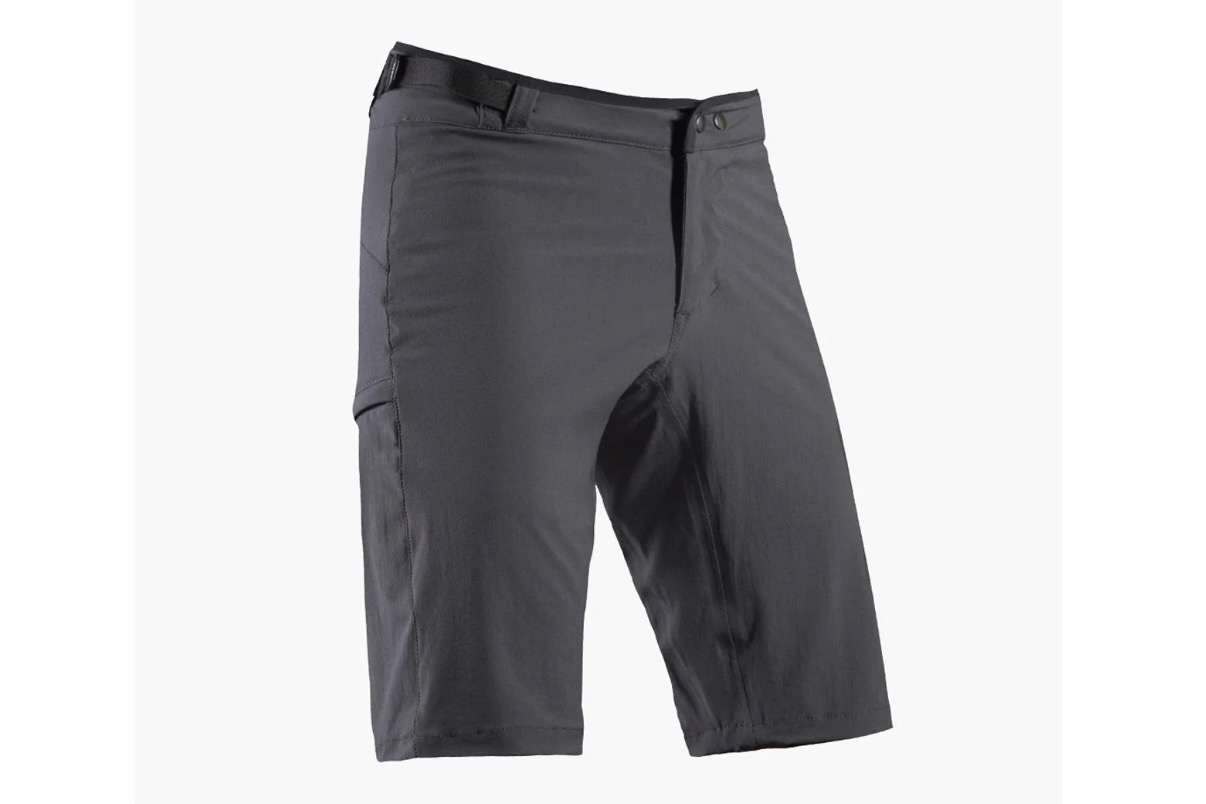
- MSRP: $185
- Materials: US made Mil-spec stretch fabric
- Inseam Length: 12 inches
- Pockets: 2 zippered thigh pockets
- Measured Weight: 219 grams (size 32)
- Available Sizes: Odd and Even waist sizes 28 – 38
Pros
- Made in the USA from American made fabric
- Slim, performance fit
- Unique waist adjustment system
- Tough but lightweight material
- Quality construction
Cons
- High price
- Pocket flaps make it more difficult to access zippers
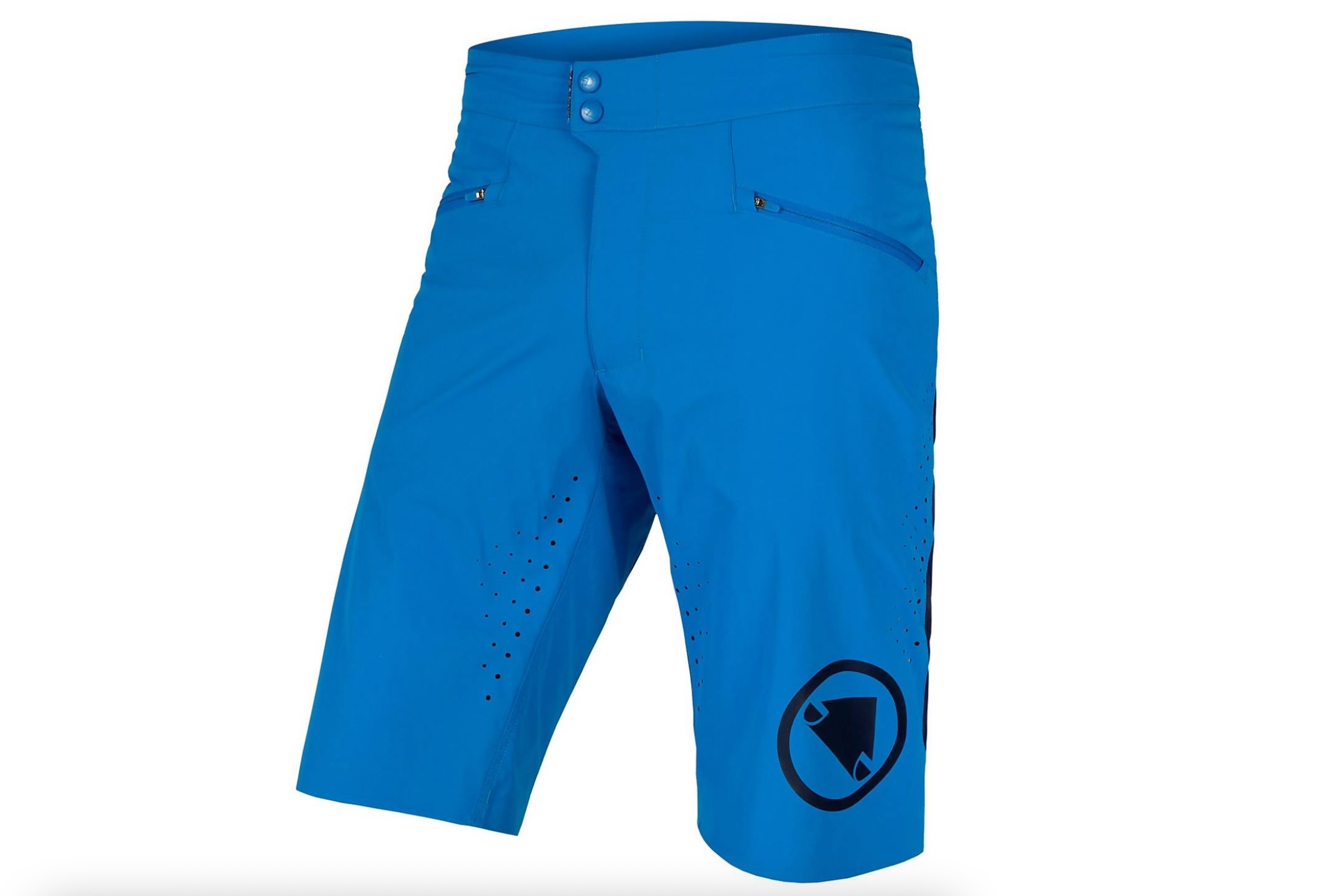
- MSRP: $130
- Material: 85% nylon/15% elastane
- Inseam Length: 13 inches (size M, regular inseam)
- Pockets: 2 zippered hand pockets, 1 zippered back pocket
- Measured Weight: 237 grams (size M, regular inseam)
- Available sizes: S – XXXL
Pros
- Relatively well-ventilated
- Short and regular inseam lengths offered
- Pair with Endura "Clickfast" liners
Cons
- Material is a little noisy
- Pockets could be better
Mountain Bike Shorts Comparison Chart
| MSRP | Inseam Length | Pockets | Measured Weight (size) | |
|---|---|---|---|---|
| Patagonia Dirt Roamer Shorts | $129 | 12.5 inches | 2 | 160 g (32) |
| Specialized Trail Air | $130 | 13.5 inches | 1 | 162 g (32) |
| Backcountry Slickrock 11 in. | $99 | 11 inches | 2 | 204 g (M) |
| Velocio Ultralight MTB Short | $169 | 13.5 inches (Medium) | 2 | 135 g (M) |
| Outdoor Research Freewheel Ride | $130 | 12 inches | 2 | 211 g (32) |
| Fox Defend Shorts | $140 | 13.25 inches | 3 | 332 g (32) |
| Curious Creatures Sun Dog | $125 | 12.5 inches | 3 | 175 g (32) |
| Norrona Fjora Flex1 Tech Shorts | $149 | 11.5 inches | 3 | 202 g (M) |
| Rapha Trail Shorts | $165 | 13 inches | 4 | 245 g (M) |
| Backcountry Empire | $119 | 13 inches | 4 | 259 g (M) |
| Curious Creatures Ramble Scramble Long | $139 | 11.5 inches | 6 | 293 g (32) |
| Mission Workshop Traverse XC | $185 | 12 inches | 2 | 219 g (32) |
| Endura Singletrack Lite | $130 | 13 inches | 3 | 237 g (M, regular) |
How We Tested the Best Mountain Bike Shorts
The team at BikeRumor takes testing and reviewing outdoor gear very seriously. We feel very fortunate to be in a position that allows us to spend time outside on the bike while analyzing products and providing insight that may help people make more informed purchase decisions.
Our mountain bike shorts review author, Jeremy Benson, has been professionally testing and reviewing mountain bikes, accessories, and apparel for the past 9 years. In that time, he has tested more than 35 different pairs of mountain bike shorts, including the 13 models in this review.
Benson is an avid mountain bike rider and racer who started riding as a youth in the early ’90s. He’s spent the past 25 years living in the Sierra Nevada mountains around Lake Tahoe, Calif., obsessively riding the many hundreds of miles of nearby world-class singletrack, much of which is accessible from right out the door.
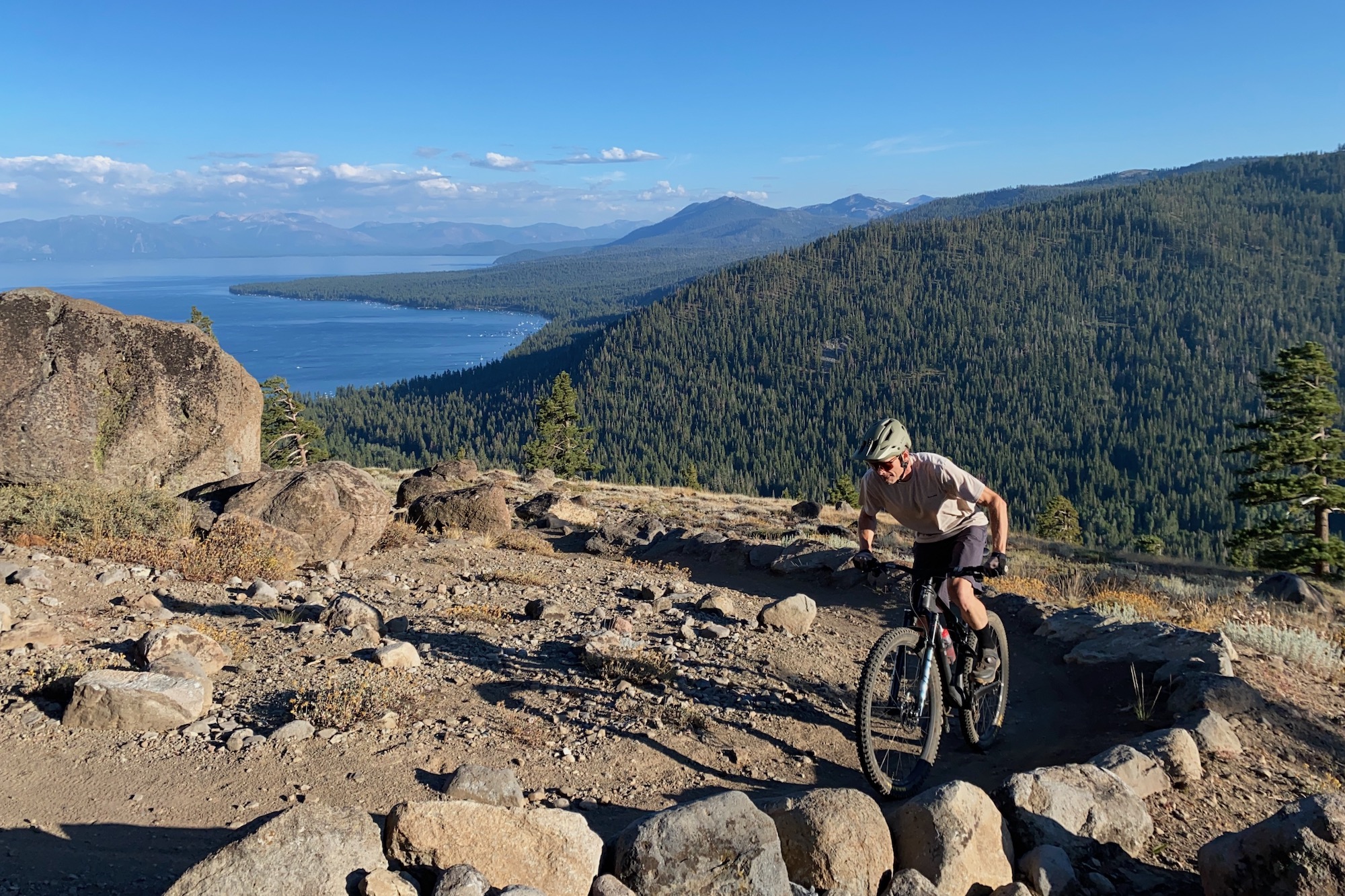
Benson enjoys all styles of riding, from lung-busting XC and gravel races to massive backcountry epics, shuttle runs, steep skidders, and long hike-a-bikes, you name it. The amount of time he spends in the saddle makes him particularly tough on and critical of the gear he uses, and he’s always searching for the best products to enhance his experience and improve his performance out on the trails.
Years spent testing all kinds of gear helped him develop a keen ability to analyze and scrutinize products and convey his findings in reviews. Benson has also contributed to several other buyers’ guides, including mountain bike helmets, the best mountain bike shoes, cycling sunglasses, and hitch bike racks for transporting your rides.
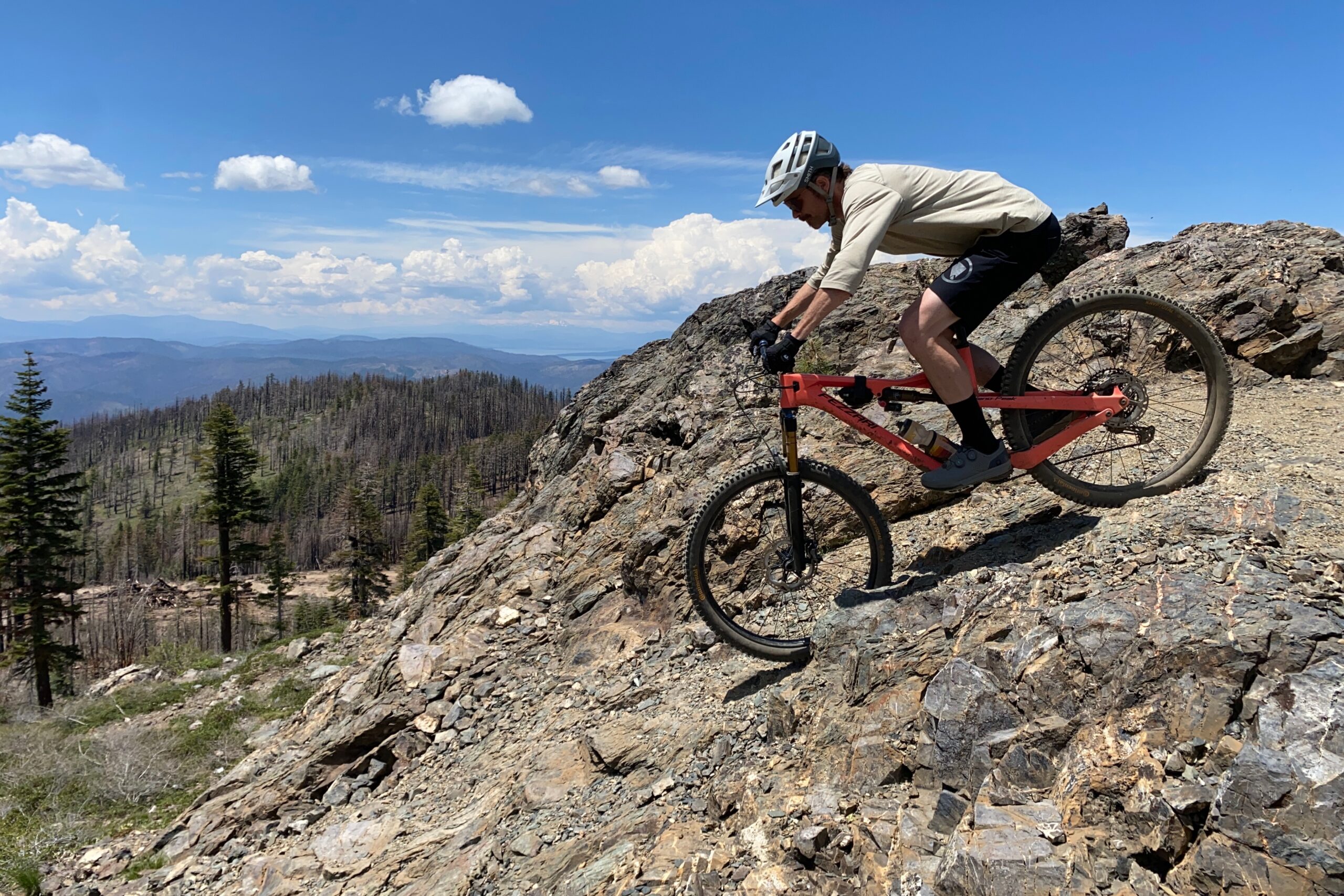
For this buyer’s guide, we rounded up a diverse selection of the best mountain bike shorts on the market to test and compare side-by-side. We spent months riding in these shorts in every weather condition and temperature you can imagine on rides ranging from casual outings with friends, all-day suffer fests, big shuttles, and even a few races and gravel grinds.
While testing, we focused on key performance characteristics, including fit, pedal friendliness, ventilation/breathability, and pocket design. Each model was worn with and without knee pads to test compatibility, and friends were asked to comment on the style. After hundreds of hours and thousands of miles in the saddle, we honed in on our favorites and those that excel in specific areas compared to the rest.
Buying Advice: How to Choose Mountain Bike Shorts
With so many brands and models of mountain bike shorts on the market, finding the right pair can be tricky. There are a number of factors to consider when choosing your next pair of shorts, and we’ll break down some of the most important elements of mountain bike shorts below. Getting the right fit is most important, but you’ll also want shorts that suit your riding style, personal style, and budget.
What Type of Riding Do You Do?
As there are many different styles of mountain biking, there are just as many different mountain bike shorts to suit the needs of different riders. It stands to reason that a person who rides cross-country has different needs and wants from their shorts than someone who rides chairlifts at the bike park all day.
As such, manufacturers design shorts for the various sub-genres of mountain biking using different materials, inseam lengths, and designs. If you participate in several different styles of riding, it may make sense to have several pairs of shorts that you can switch between. Likewise, different seasons have different demands, and having shorts in different weights or weather-resistant materials may be helpful as the temperature or weather changes.
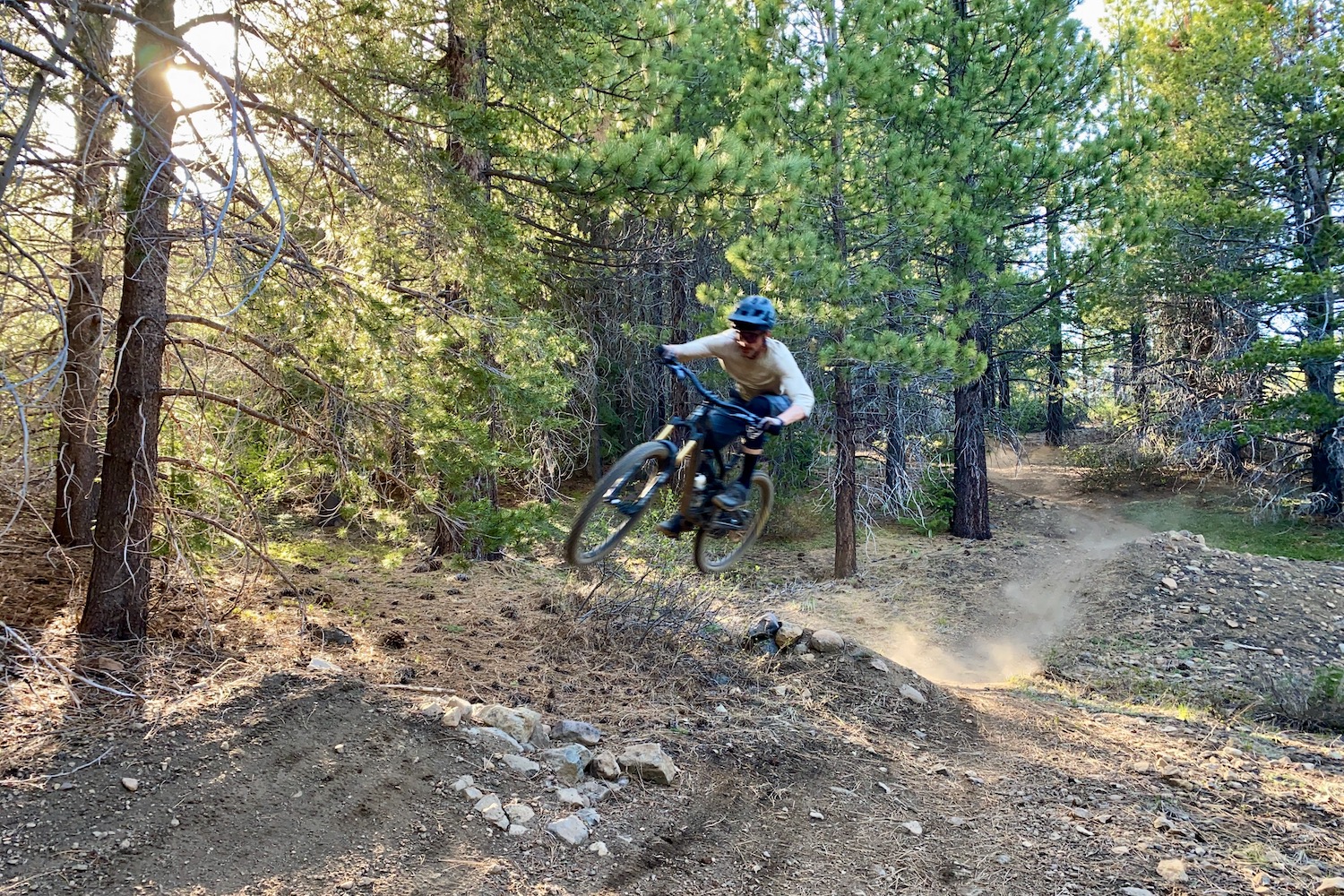
While many cross-country riders, especially racers, may prefer tight-fitting spandex for performance reasons, baggy shorts are well-suited to high-efficiency, high-output XC riding. Generally speaking, cross-country riders typically opt for shorts that are lightweight, breathable, slim-fitting, and super pedal-friendly, which often feel like you aren’t wearing baggy shorts at all.
For trail riding, most riders still prioritize pedal-friendliness and may gravitate toward lightweight shorts, though many prefer a slightly longer inseam to work with light-duty knee pads and slightly more robust fabrics for increased durability.
Gravity-oriented riders who spend time riding DH at the bike park or smashing enduro laps generally prioritize heavy-duty fabrics for added protection and durability, as well as longer inseams and looser fits that play well with knee pads and/or protective undershorts.
Getting the Right Fit
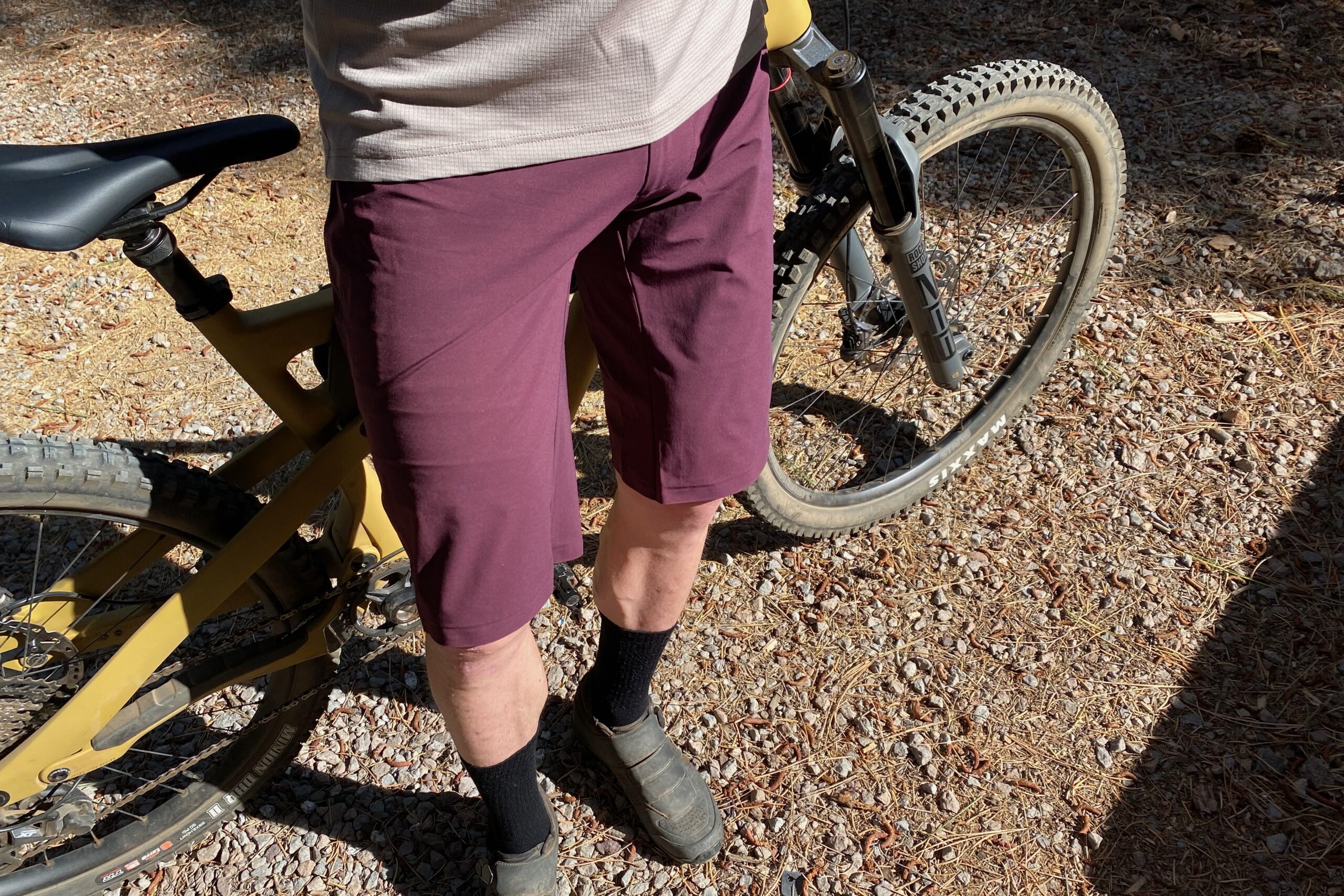
As with any article of clothing, getting mountain bike shorts that fit right is one of the most important aspects of the purchase process. The better your shorts fit, the more comfortable they will be, and the less they will distract you from the important task of riding your bike.
Shorts that fit well typically fade into the background and go virtually unnoticed while riding. Too tight, and they put pressure on your abdomen or restrict your movement. Too loose, and they can slip down, requiring frequent adjustment while riding. If you wear padded liner shorts, aka a chamois, it is also important to consider them, as the shorts will need to fit over those as well.
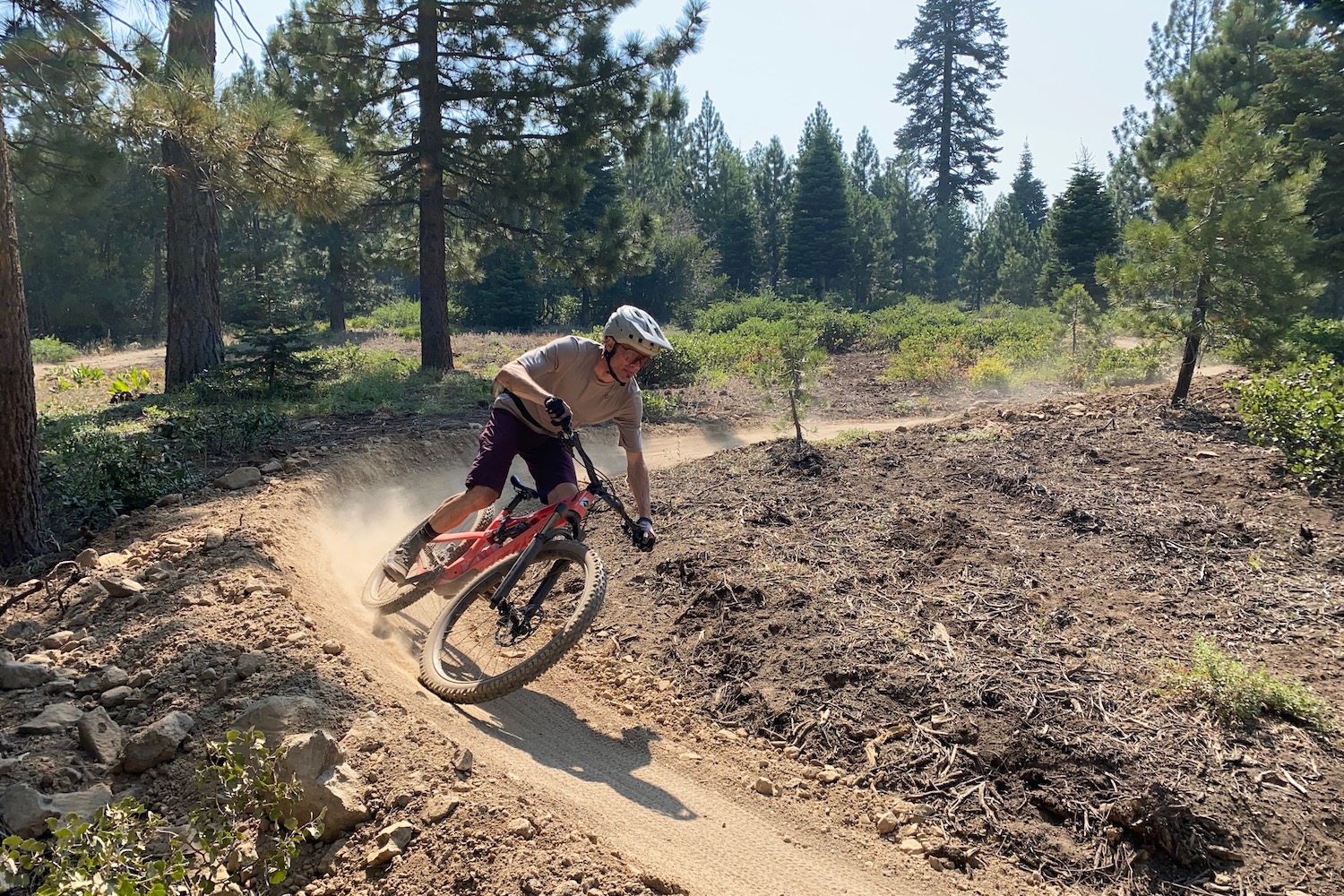
Waist size is the primary factor in the fit equation, and most shorts come in a range of sizes to fit the most typical waist sizes. It varies by brand, but many offer their shorts in numerical waist sizes that typically make it easy to find the size that’s closest to your waist measurement in inches.
Other brands offer their shorts in what is known as categorical sizes — small, medium, large, etc. — with each size intended to fit a small range of waist sizes. With categorical sizing, always check a brand’s size chart to find where you fall in their size range. Additionally, many shorts feature waist adjustments that let you add or remove tension to achieve the desired fit.
In addition to waist size, how shorts fit through the hips, buttocks, and thighs is another factor to consider, particularly for those with more muscular legs or larger body structures. Ideally, you want the shorts to be loose enough that they don’t squeeze any part of your body and to allow unrestricted freedom of movement without being excessively baggy.
Waist Adjustments
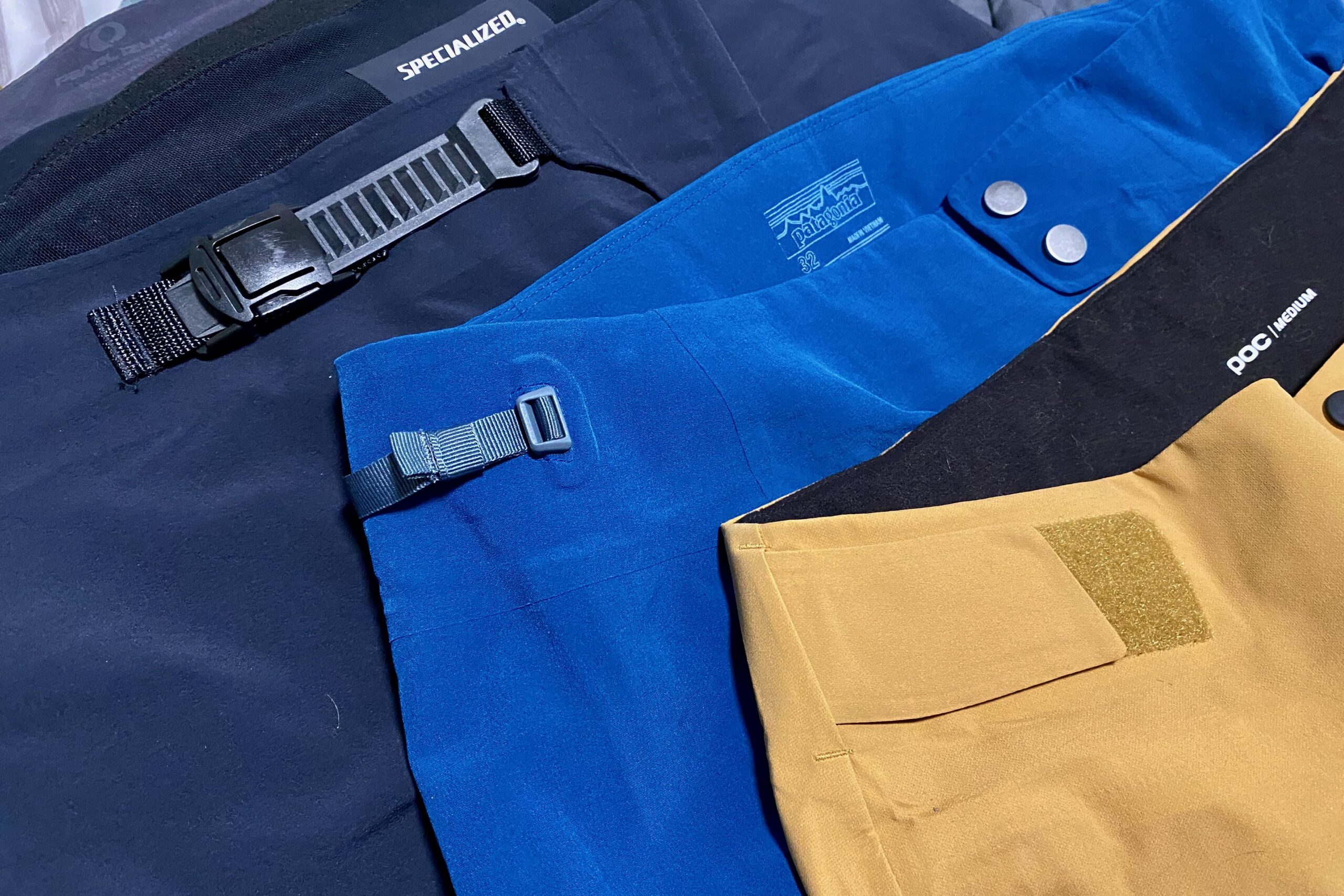
Many mountain bike shorts feature built-in waist adjustment systems that let you add or remove tension at the waistband to dial in the fit. This is particularly important for shorts designed to fit a narrow range of waist sizes, which typically offer 1-2 inches of adjustability.
Brands use various systems to make those adjustments, including external or internal Velcro straps, ratcheting ladder straps, locking webbing straps, integrated belt systems, and more. The best systems are low profile, easy to access and use, secure, and pull tension evenly with minimal fabric bunching. In addition to, or sometimes in place of, these systems, some brands include belt loops on their shorts to be worn with a belt as an alternative way to add tension to the waistband.
Inseam Length
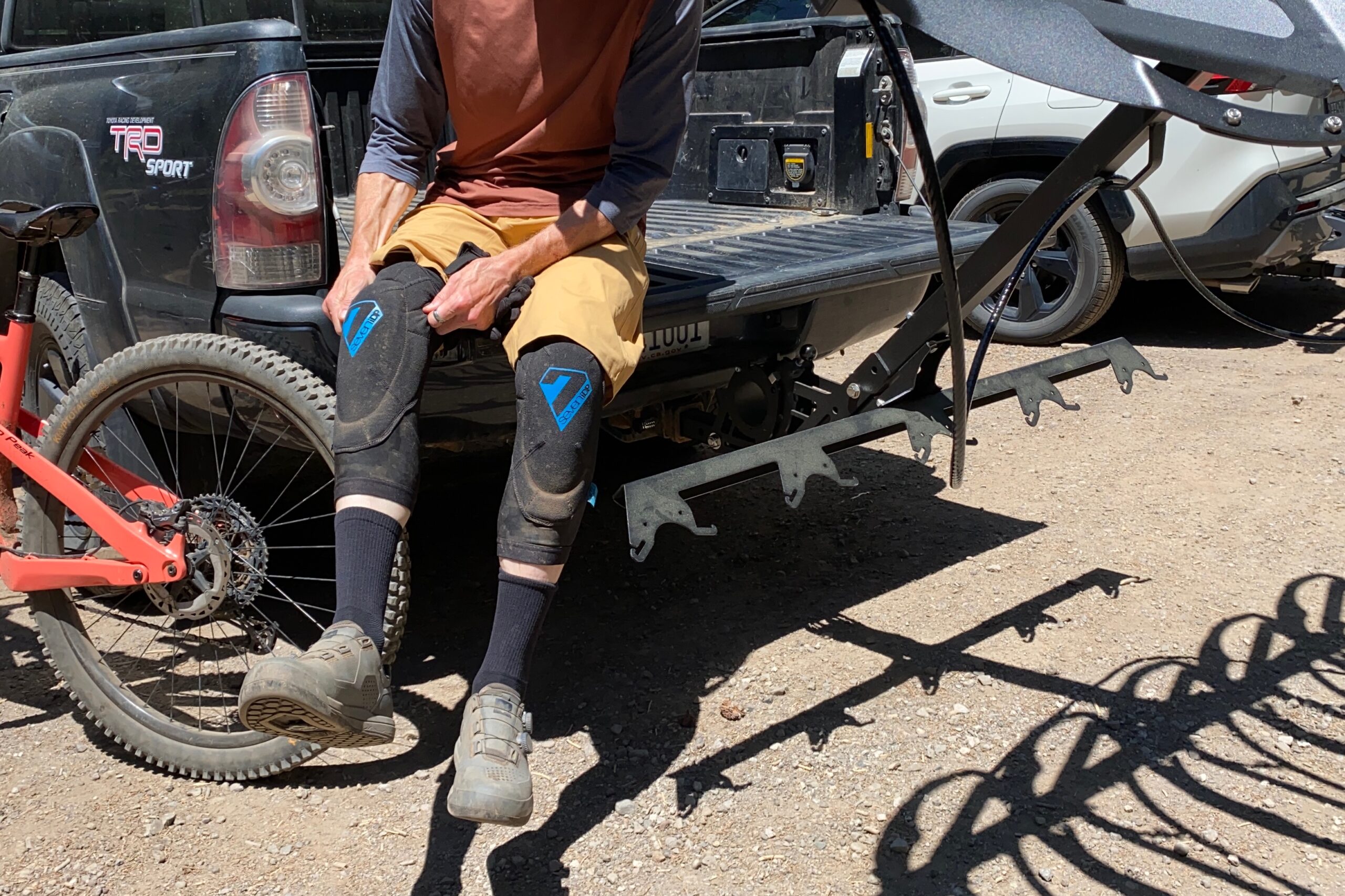
These days, most baggy mountain bike shorts have inseams ranging from 11 inches to 15 inches. Shorts that hang down around the knee when standing and rise slightly above the knee when pedaling are the norm for most riders. The length that works best for you will depend on your riding style, personal style, height, and whether you wear knee pads.
Shorts designed with pedal friendliness as the priority often have somewhat shorter inseams that are less restrictive of the pedal stroke, while those designed for gravity riding typically have longer inseams for more leg coverage and better compatibility with knee pads.
Regarding knee pad compatibility, longer inseams tend to play the nicest, as they cover the top of the pad and help avoid “pad gap,” which can be considered a fashion faux pas in certain circles. Of course, a rider’s height is also a consideration: a 15-inch inseam may fit a taller rider perfectly, while looking like a pair of capris on a shorter rider. Fortunately, some brands vary their inseam lengths by size for a more proportional fit across their size range.
Ventilation and Breathability
Depending on the weather and temperatures you ride in most frequently or even seasonally, how much you perspire, or the level of effort you put in while riding, the ventilation and breathability of your mountain bike shorts may or may not be an important factor to consider.
People who live in warmer climates or ride in the heat of the day will generally be more inclined to wear lightweight or well-ventilated shorts than those who live and ride in more temperate regions. Live in an area where the seasons bring massive temperature swings? It is often best to have multiple pairs of shorts for different conditions, or to find the Goldilocks shorts that work well across a wide temperature range.
Different brands and styles of shorts approach ventilation in various ways. Most mountain bike shorts are made from technical fabrics that allow for some breathability and dry quickly when wet. Some shorts are made of fabrics so light and airy that they barely feel like they are there, allow air to pass through easily, and dry incredibly quickly.
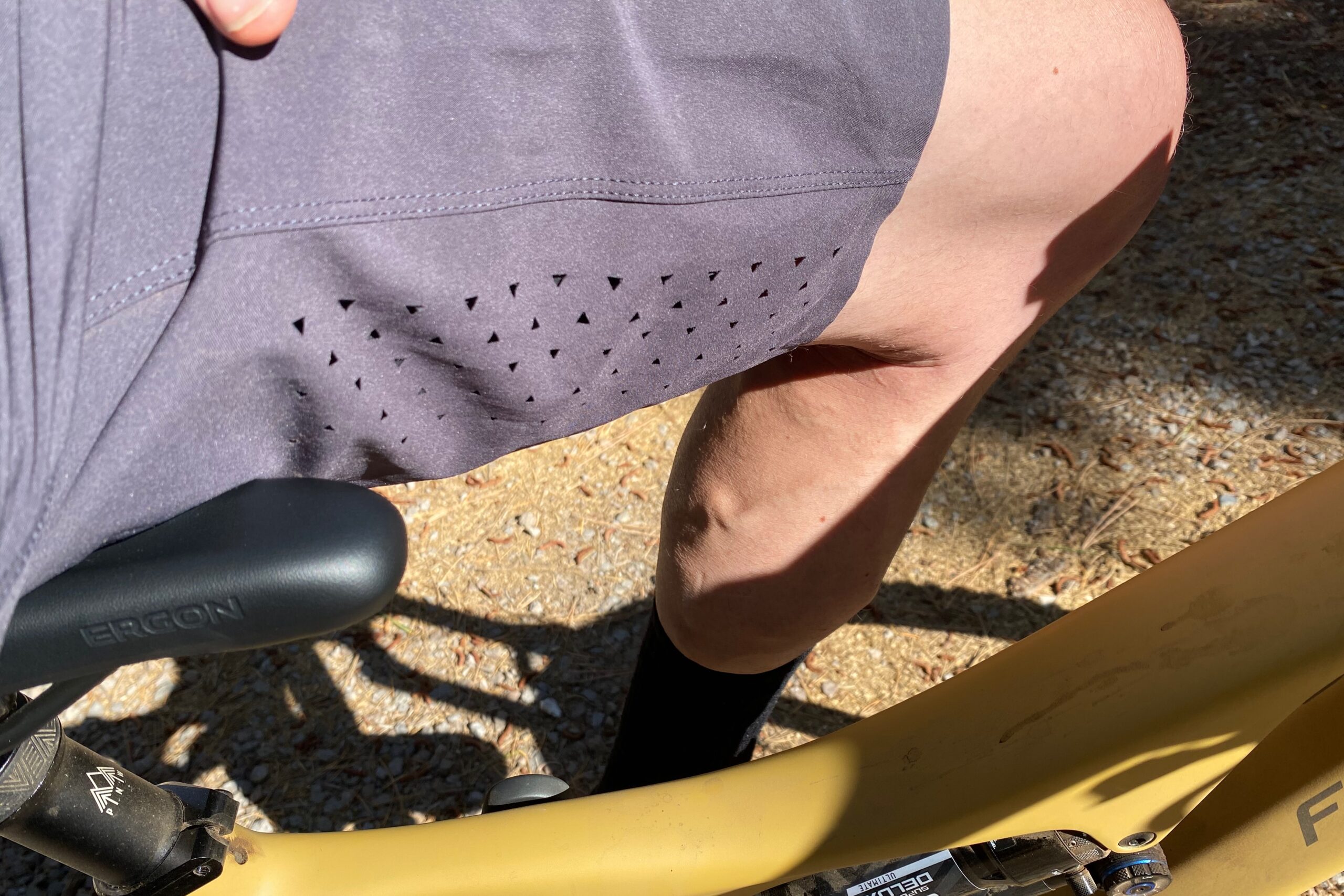
Other shorts combine light or mid-weight fabrics with ventilating features, most commonly laser-cut perforations on the inner thighs to allow additional airflow. Zippered vents are becoming less common, though some brands still use them. They work well and allow the rider to regulate the ventilation as needed.

Weather-Resistance
Given that shorts only cover about half your leg and have large openings at the hem by the knee, they are inherently not the most weather-resistant garment. Some brands and models of shorts do feature weather-resistant materials or design elements, which may be of interest to those who ride in wet or variable conditions.
While the majority of mountain bike shorts use light to midweight fabrics intended primarily for dry, warm conditions, many have a Durable Water-Repellant (DWR) finish that repels occasional splashes from puddles or very light rain showers and drizzle. When combined with the materials’ quick-drying properties, these shorts are appropriate for most people most of the time.
Many people who ride in wet conditions frequently wear mountain bike pants or trousers for added coverage and weather protection, but there are some waterproof shorts on the market. These are pretty niche, and we don’t have any included on this list, but they are out there if you’re looking.
Pockets
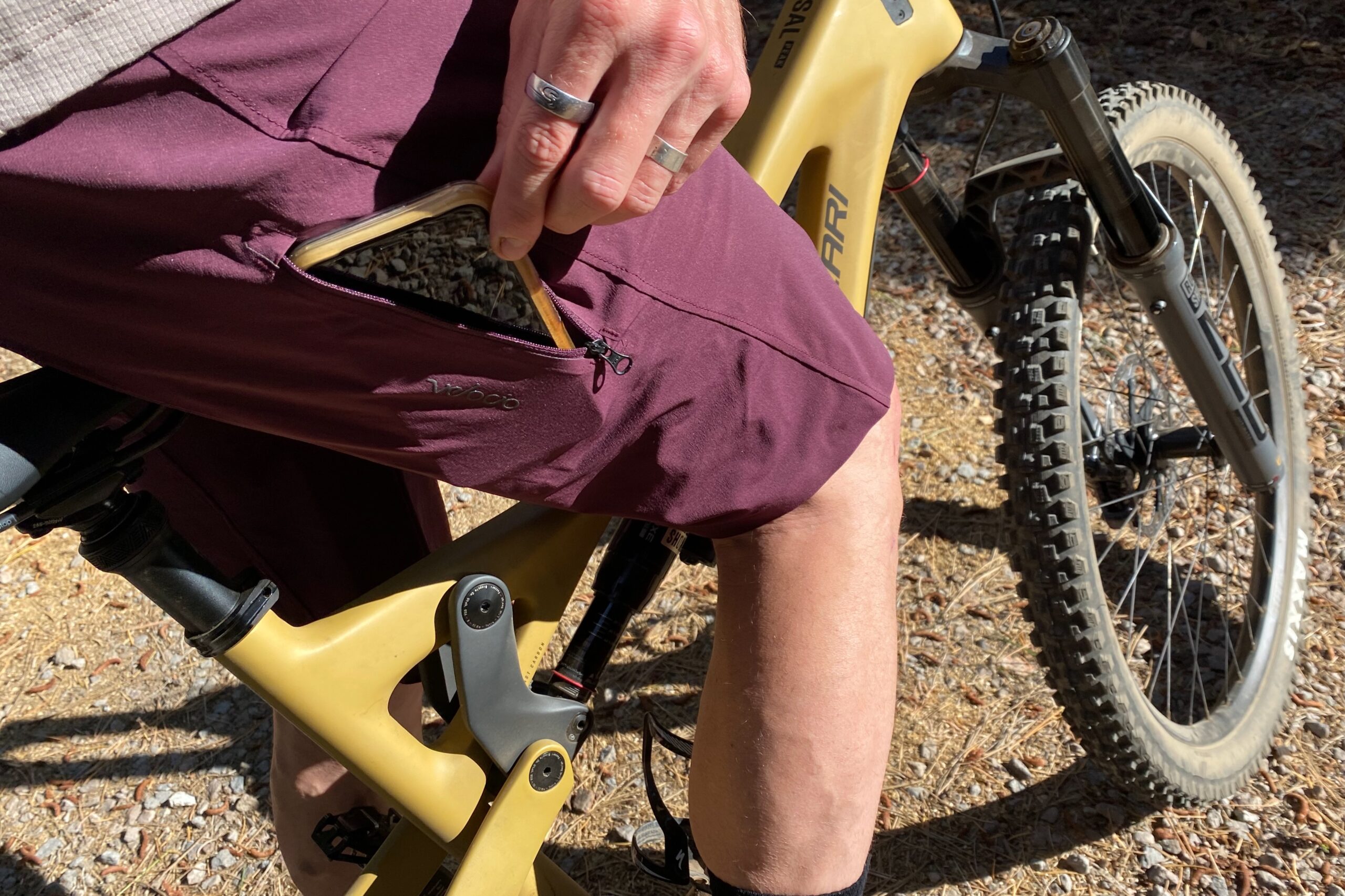
The number, placement, and design of pockets on mountain bike shorts vary widely by brand, style, and intended use. The importance of pockets also varies pretty dramatically between riders and largely depends on how you carry essentials while you ride (fanny pack, backpack, on the bike, in your pockets) and how much you intend to carry in your pockets while riding.
Zippers are a common feature on most pockets, so you can close them and keep the contents secure when you’re rattling down the trail. While many mountain bike shorts used to have lots of pockets, there has been a general trend toward more streamlined, minimal designs with fewer, better-designed pockets. All of the shorts we tested have at least one pocket, with most having two or three, while the Curious Creatures Ramble Scramble Long sports a whopping six places to hold your stuff.
Again, consider what you really need to carry in your pockets on a ride. This varies, of course, but space for at least a phone seems like the bare minimum. Some riders also like to stash a multitool, snack, keys, chapstick, and more. If you intend to carry more than a phone in your pockets, then shorts with just one pocket, like the Specialized Trail Air, may not have adequate storage for you.
Style
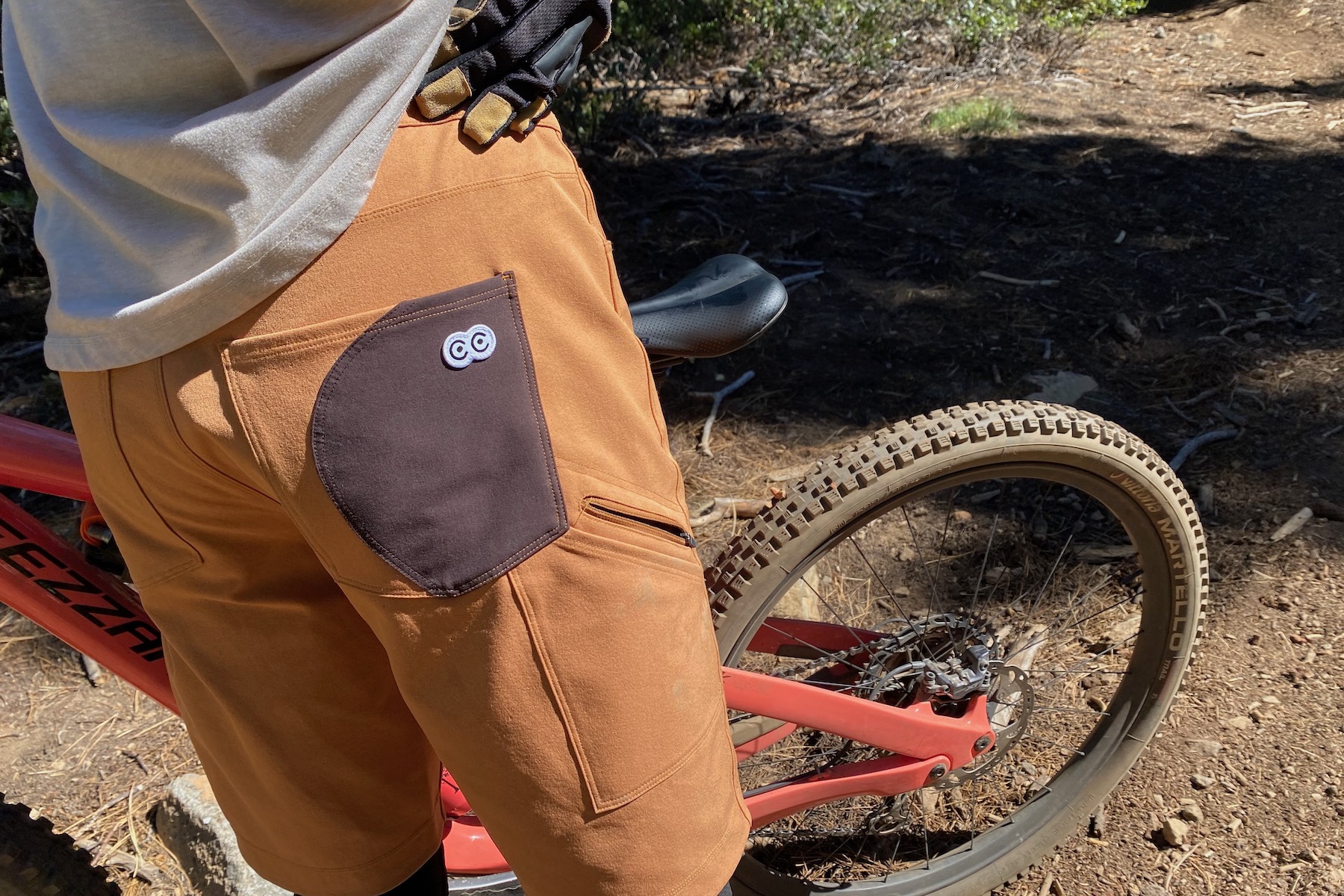
When you look good, you feel good, and when you feel good, you can ride better. Right? Well, maybe it isn’t that simple, but all things being equal, we think that most people can agree that style matters a little bit. And, if you’re paying top dollar for some fancy mountain bike shorts, they might as well look good and line up with your personal aesthetic.
Not too long ago, the mountain bike shorts market was flooded with models that looked better suited to a motocross race than to pedaling through the woods. Thankfully, those days are mostly behind us, and while you can still find shorts with a moto-influenced style, mostly on the DH side, there are now plenty of options in more subdued colors with minimal branding that appeal to a broader range of tastes.
Looking at the shorts we tested, it is clear that solid colors and small logos are currently trending. Style is subjective, of course, but thankfully, there’s plenty of variety in colors and designs, so most people should be able to find something they want to wear.
Padded Liner Shorts
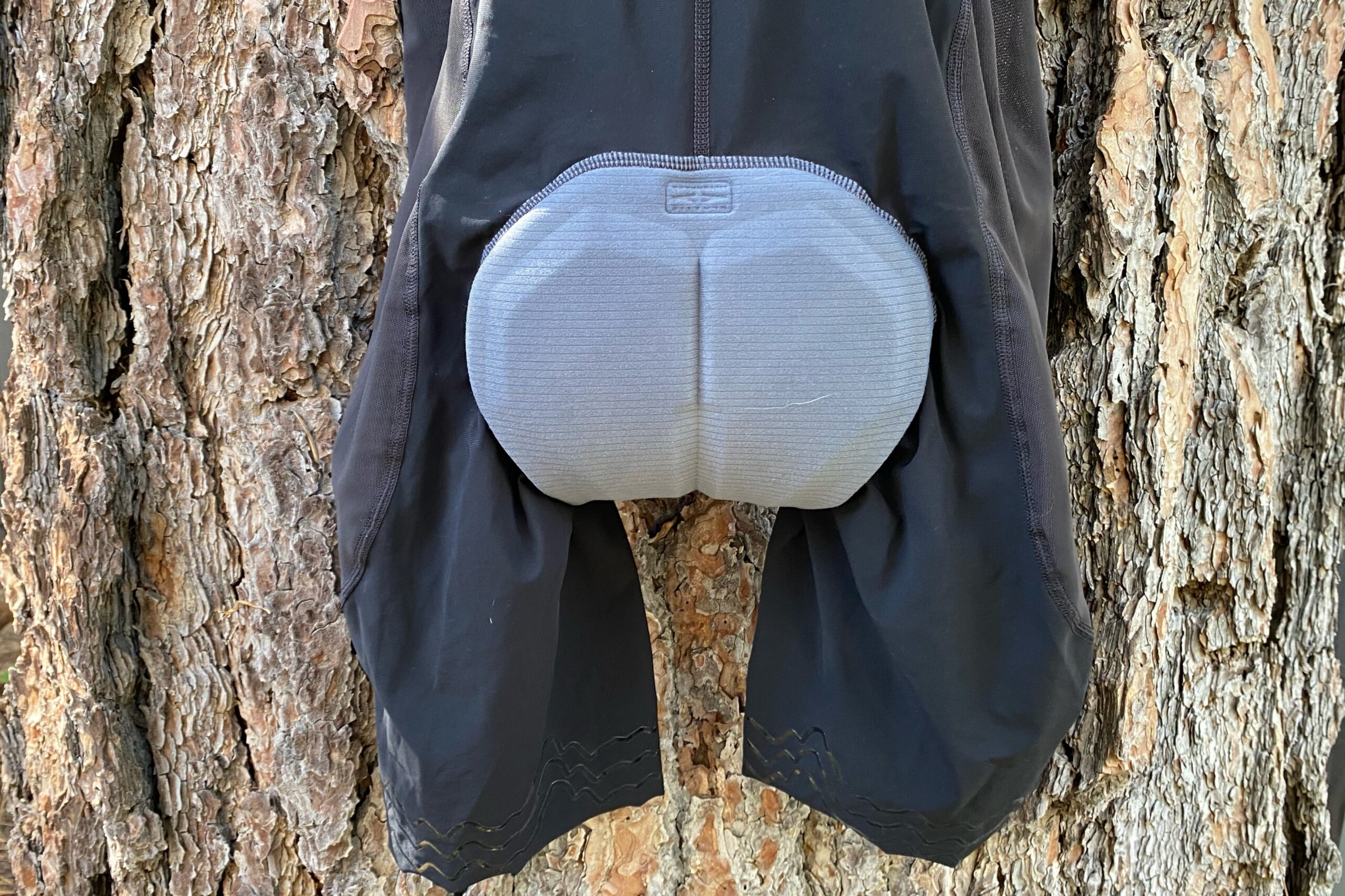
Baggy mountain bike shorts are designed to be worn over a chamois/padded liner shorts or bibs. While not everyone rides with a padded liner, lots of folks appreciate the added comfort it provides for seated pedaling. None of the shorts we tested came with a liner short, although several models can be purchased with a liner short included at a slight price increase, or separately.
While an included liner short does add value, it is typically not of the highest quality. We recommend finding some good padded liner shorts or bibs that fit well and buying a few pairs to keep in rotation. There are lots of excellent options on the market these days with higher-quality chamois pads and/or special features like bib straps and integrated storage pockets.
Price & Value
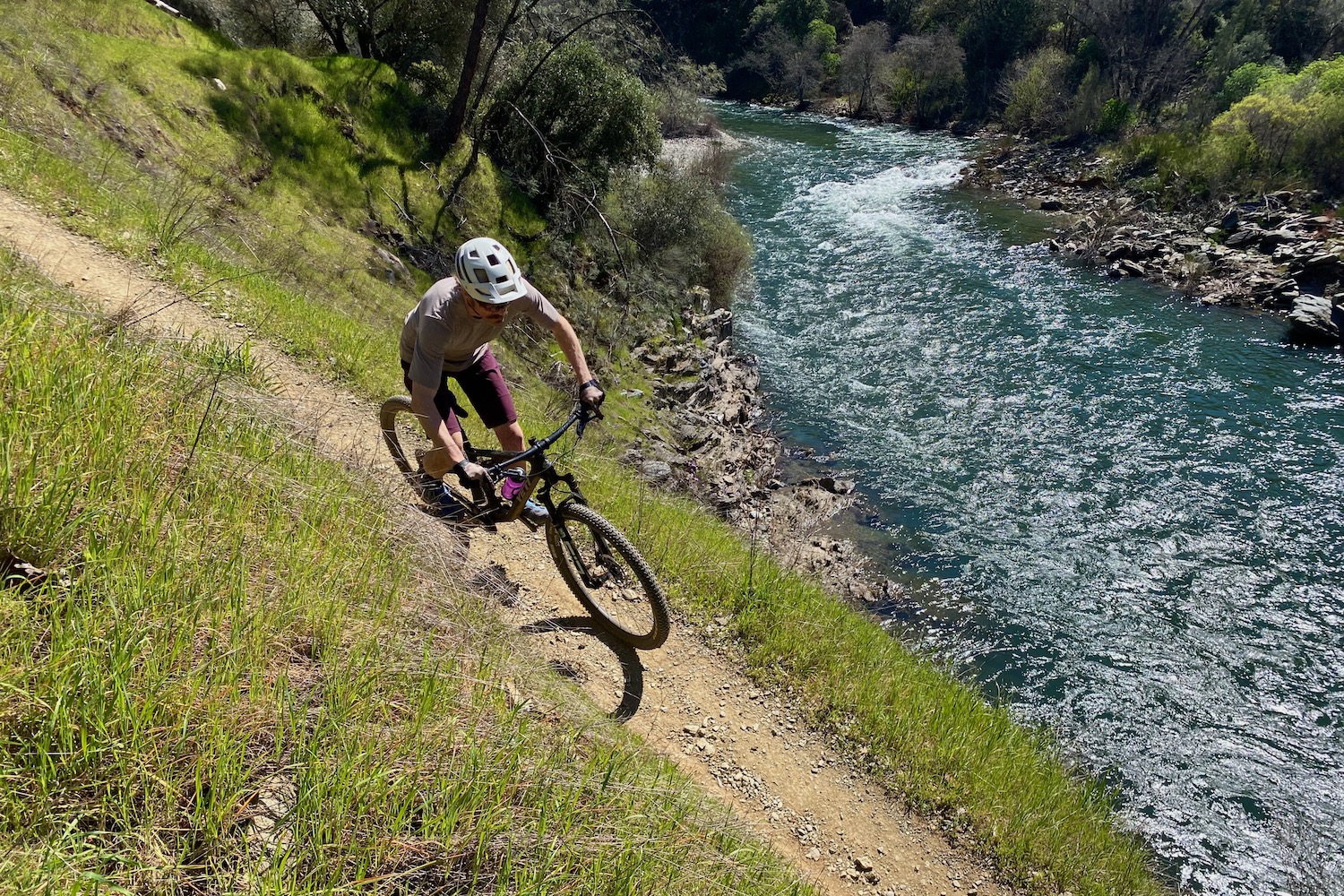
The models we tested range in retail price from $99 up to nearly $200, with most models falling roughly in the middle of that range. Materials, designs, construction methods, brands, and marketing budgets all contribute to the final price of a pair of mountain bike shorts. Often, you get what you pay for, and if you’re willing and able to spend a bit more, you often get a higher-quality product or something that may best suit your specific needs.
Budget
We consider mountain bike shorts priced under $100 to be budget-friendly. You don’t have to shell out the big bucks for something that’s perfectly functional and will likely last you for a couple of seasons, if not more.
In the under-$100 price range, however, we’ve found that the quality of materials and construction goes way up the more you spend. Shorts that retail for $60 feel and perform worse than those that sell for $99. We recently tested Backcountry’s Slickrock 11in Shorts ($99) and came away impressed. They look good and get the job done without breaking the $100 threshold
It’s also worth noting that mountain bike shorts often go on sale toward the end of the season, in last year’s colors, or when they are being discontinued. This means you may be able to find many of the mid-tier and premium options at budget-friendly prices. It pays to shop around. A good example is the Specialized Trail Air shorts. These shorts retail for $130 but have been discounted to ~$52, depending on the color, for some time. That makes them one of the best values that we’re aware of.
Mid-Tier
In our opinion, shorts in the middle of the price range —$100 to $150 — tend to offer the best price-to-performance ratio and are the sweet spot for most riders. Here, you’ll find higher-quality materials, better fits, and many products that cater to more specific use cases.
For example, our best overall pick, the Patagonia Dirt Roamer ($129), tops our list for its quality, lightweight yet durable material, excellent fit, and comfort no matter how long the ride or how hot it gets. For those pedaling uphill less and letting gravity do more of the work, the Fox Defend ($140) shorts are made from a more robust material with a cut that provides more coverage and works well with any style of knee pads. Both the Fox and the Patagonia shorts are excellent shorts, but they are geared toward different types of riding and riders.
Premium
Above the $150 mark, we’re getting into the high-end of the mountain bike shorts market. These shorts are typically made from premium materials and have excellent fits, more features, or higher production costs. For example, the Mission Workshop Traverse XC ($185) shorts are made in the USA from American-made materials. It stands to reason that they cost more than something made overseas.
While not quite as expensive as those, the Velocio Ultralight Trail Shorts ($169) are exceptionally lightweight and fit amazingly well. They aren’t cheap, but the materials are durable, and they are well-made. Our test pair looks nearly new after 3 years of use.
Frequently Asked Questions
You can mountain bike in any old pair of shorts you choose, and many people do. There’s nothing wrong with riding in some hiking shorts or old cut-off jeans, but we prefer to wear shorts that are specifically designed to be worn while mountain biking. Durable materials that are lightweight, quick-drying, and stretchy are combined with mountain bike-specific cuts with waist articulation and high crotch gussets to provide on the bike comfort and freedom of movement.
Quality mountain bike shorts will help you regulate temperature and moisture so you stay comfortable throughout the course of a ride, reduce the chances of irritation and chafing while pedaling, and provide leg coverage and protection from the sun, trailside obstacles, and unexpected encounters with the dirt.
The price of mountain bike shorts varies pretty significantly, but like any outdoor apparel designed for a specific purpose, they can be pretty expensive. Technical fabrics, finishes, designs, and construction methods are the primary reasons that they can cost as much as they do.
Thankfully, there are lots of options, with less sophisticated, entry-level shorts usually coming in around $80-100, and more expensive shorts costing as much as double. If you’re operating on a budget, you can often find great deals on last year’s models or during end-of-season sales to save significant amounts of cash.
There’s no rule that says you have to wear padded liner shorts when you ride, but they definitely exist for a reason. Given that mountain biking takes place on rough trails and uneven terrain and we spend lots of time seated and pedaling on trail rides, adding a bit of cushioning between your body and your bike saddle can help to enhance and maintain your comfort while riding.
By adding some cushioning, padded shorts help absorb some impact, help to avoid pressure points, and can reduce or prevent irritation, chafing, and sores that may otherwise develop. Another bonus is that padded liner shorts are generally pretty snug fitting, and they can help to keep sensitive parts of the male anatomy tucked up and out of the way, reducing unwanted and uncomfortable encounters with the saddle.
Related Content
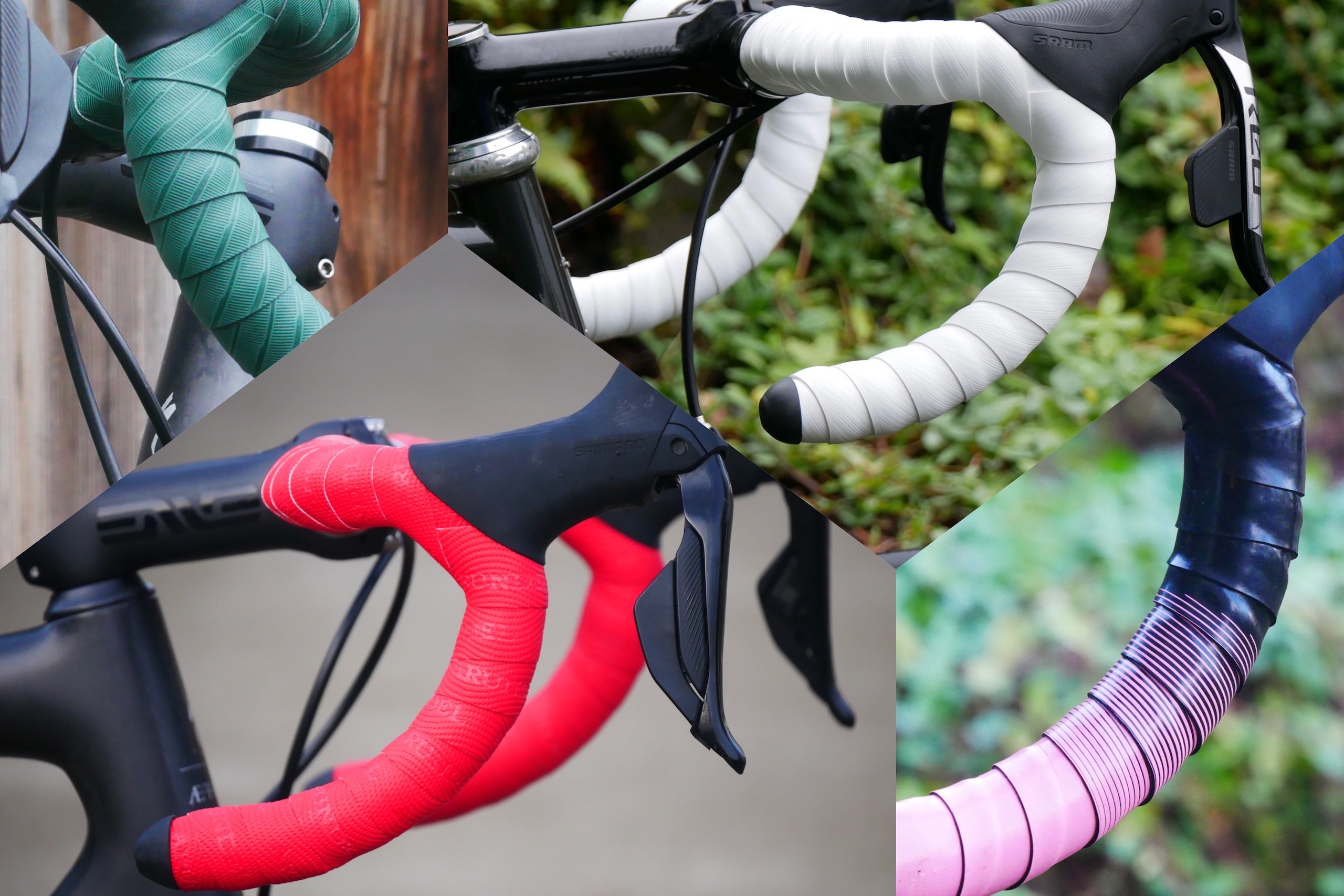
The Best Handlebar Tape of 2026
We tested 16 of the best handlebar tapes on the market to help you find the best one for this critical contact point on your bike.
