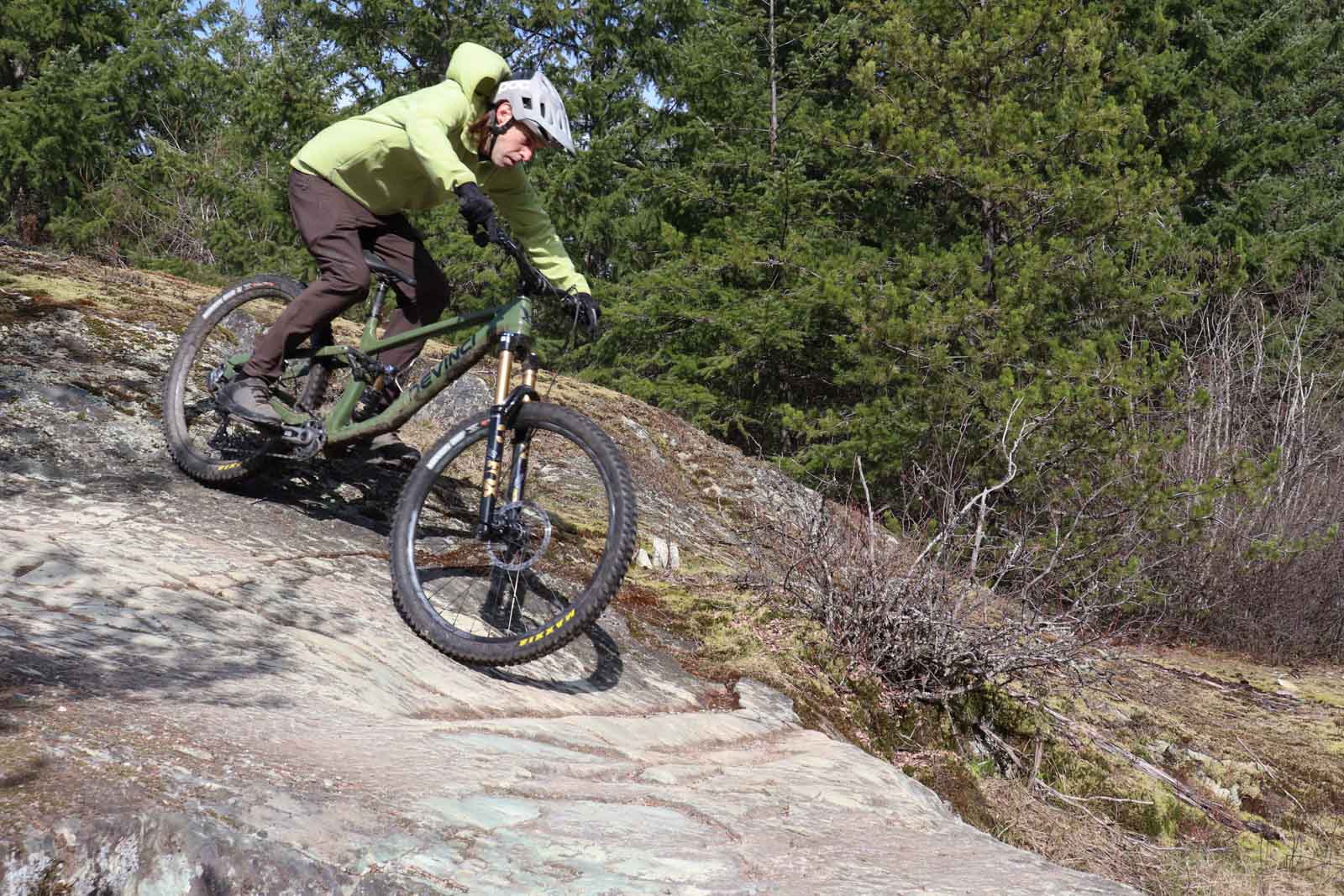


If you’ve got rough terrain where you ride, you’ll probably agree there’s nothing more fun than charging through rocks and roots on a long-travel enduro bike. The Spartan is Devinci Cycles’ long-standing enduro model, and while one aspect of the bike has been simplified, it has seen several updates for 2026.
The most significant change for the newest Spartan is Devinci’s move away from the previous version’s high-pivot linkage. A notable addition is a new chainstay length adjustment flip-chip that offers a longer, lower, slacker geo configuration. I’ve been riding the Spartan since the snow melted, and I’m impressed with its geometry options, efficient pedalling prowess, and especially how planted it feels when you’re shredding the rough stuff.
Devinci Spartan – Key Specs:
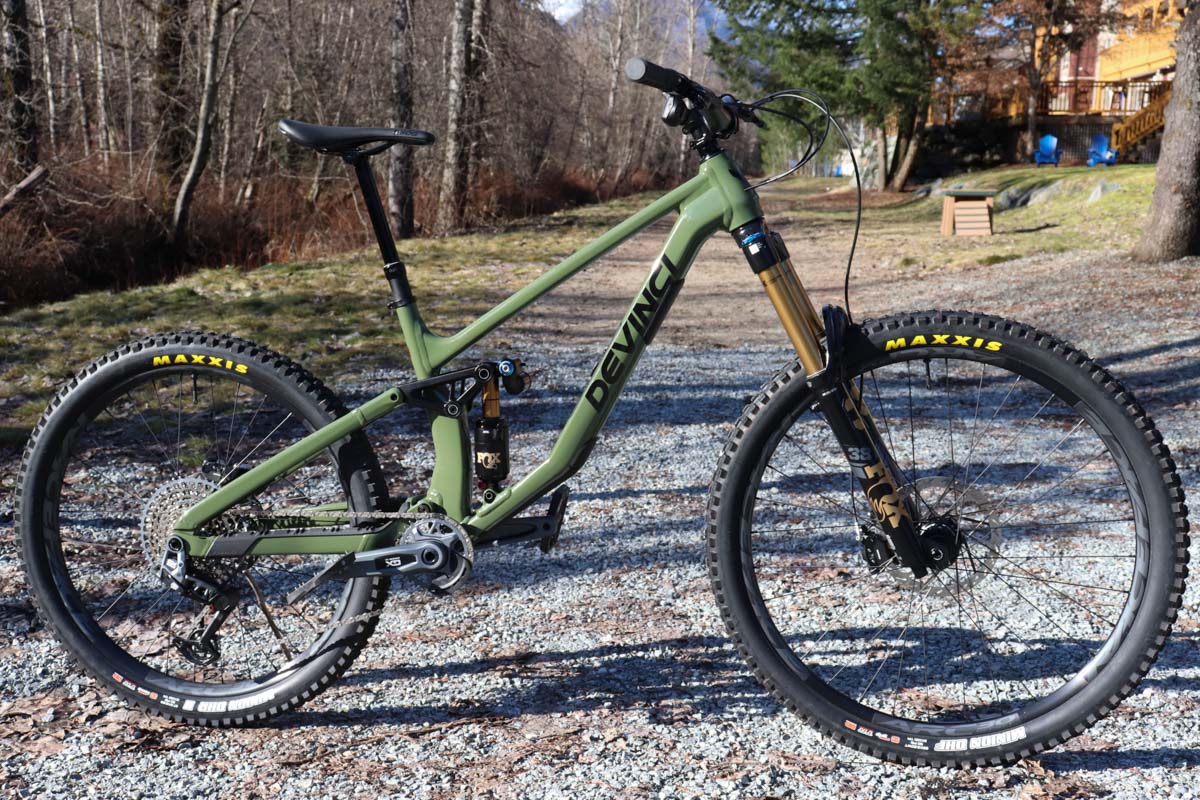
For all the details on the new Spartan lineup, check out my launch article. Here’s a quick rundown of the bike’s main specs and features:
The 4th-generation Spartan is offered with an aluminum frame only. The frame provides 165 mm of rear travel, and all models are stocked with 170mm forks. One obvious change for 2026 is Devinci’s move back to their traditional Split-Pivot linkage, instead of a high-pivot layout. Devinci says there were three reasons for eliminating the high-pivot design: Lower weight, optimum pedalling efficiency, and fewer complications.
All new Spartan models come stock with MX wheelsets, but the frames are compatible with 29” wheels. Devinci’s Geo Saver flip-chip maintains the same geometry with either setup.
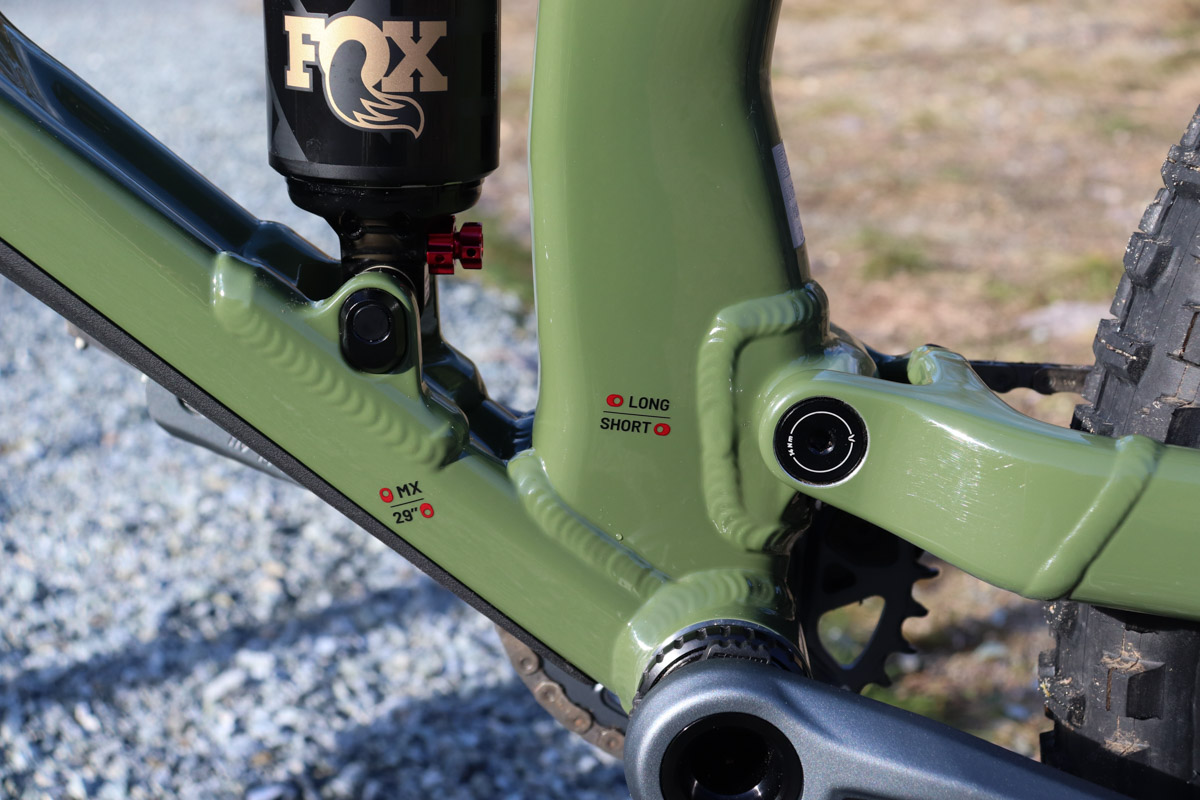
One new addition for the Spartan is a chainstay length adjustment. A flip-chip at the lower pivot offers +/- 7mm settings so you can keep the bike more versatile for trail rides or go longer, lower, and slacker. In addition to updated geometry all around, the new Spartan frames are outfitted with two different rear end lengths across its four frame sizes, ensuring proportional handling for all riders.
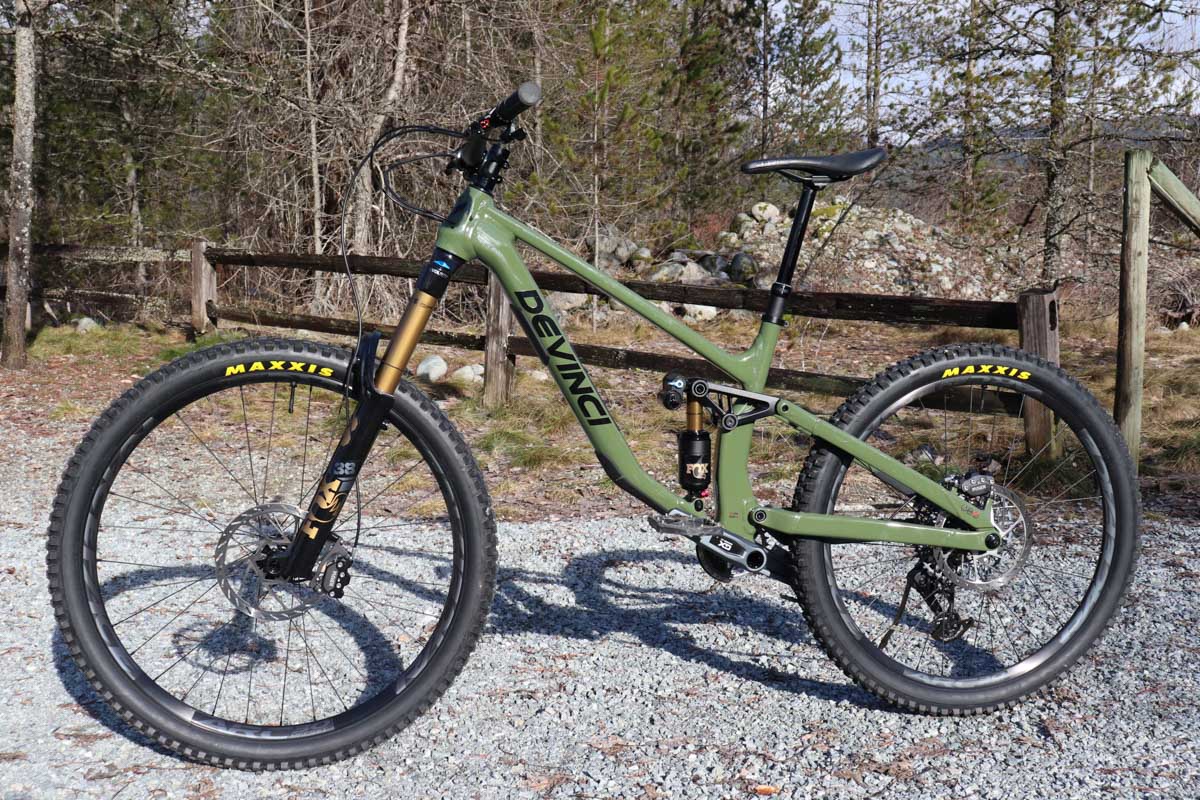
Other features of the new Spartan include Devinci’s SHED in-frame storage compartment, UDH derailleur compatibility, a Boost 148mm rear axle, and a threaded BSA73 bottom bracket.
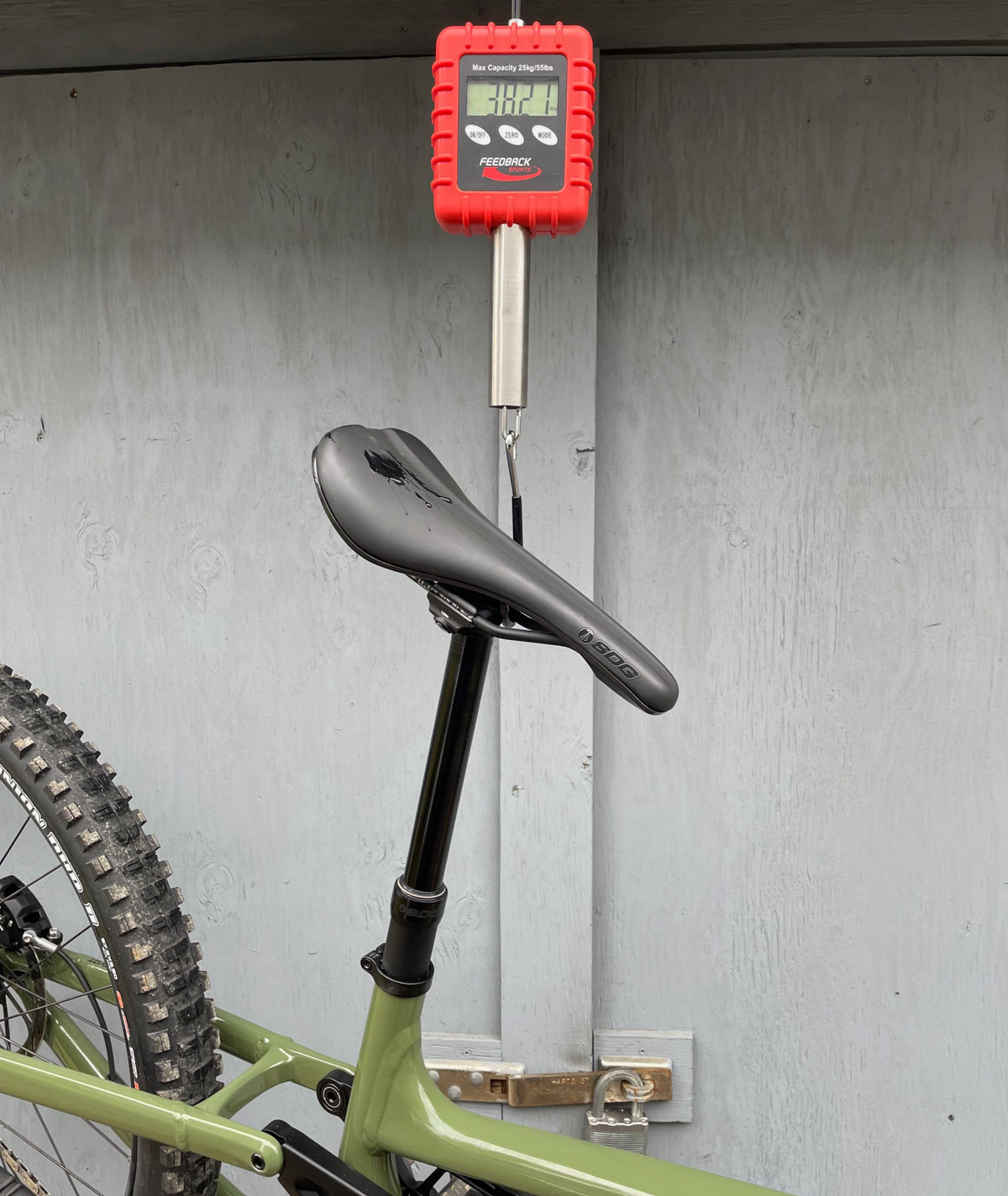
The Spartan is the heaviest enduro bike I have tested yet, weighing in at 38.2 lbs with pedals (size medium).
Ride Impressions – Geo and Fit:
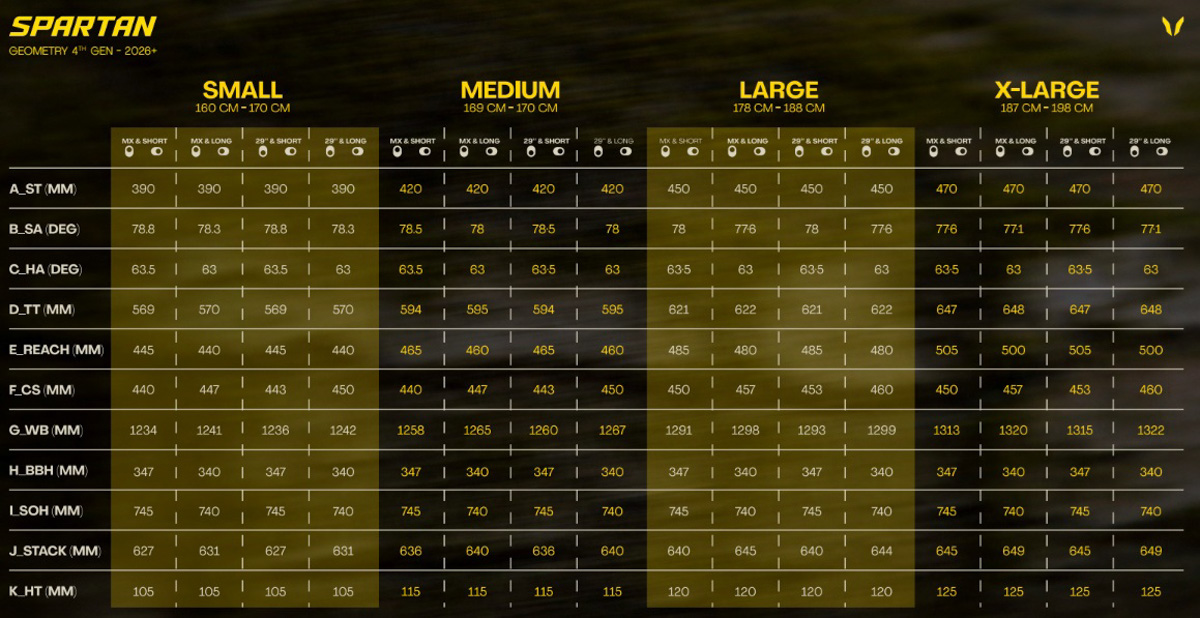
I am 5’10” tall, and I’m riding a medium Spartan. Between the bike’s two flip-chips, there are two geometry settings possible for each rear wheel size – Short/Long MX, or Short/Long 29”. I rode the bike with its stock 27.5” rear wheel, and tried both Short and Long positions.
Adjusting the chainstay length does impact several other geo figures – Moving from Short to Long slacks out the head tube and seat tube (0.5°), reduces the frame’s reach (5mm), drops the BB (7mm) and standover height (5mm), and increases the stack height (4mm).
MX, Short:

I mostly rode the Spartan with the chainstays in the short position. I have long-ish limbs, but I find the Spartan’s 465mm reach (in this position) is perfect for me.
In the short position, the Spartan’s steering angle is 63.5°, which is great for an enduro bike. It’s slack enough to tackle serious descents, but I don’t find it too cumbersome while climbing tight switchbacks or steep uphills. The bike’s seat mast sits at a steep 78.5°, which puts you in a centered position over the bike and allows for powerful pedalling.
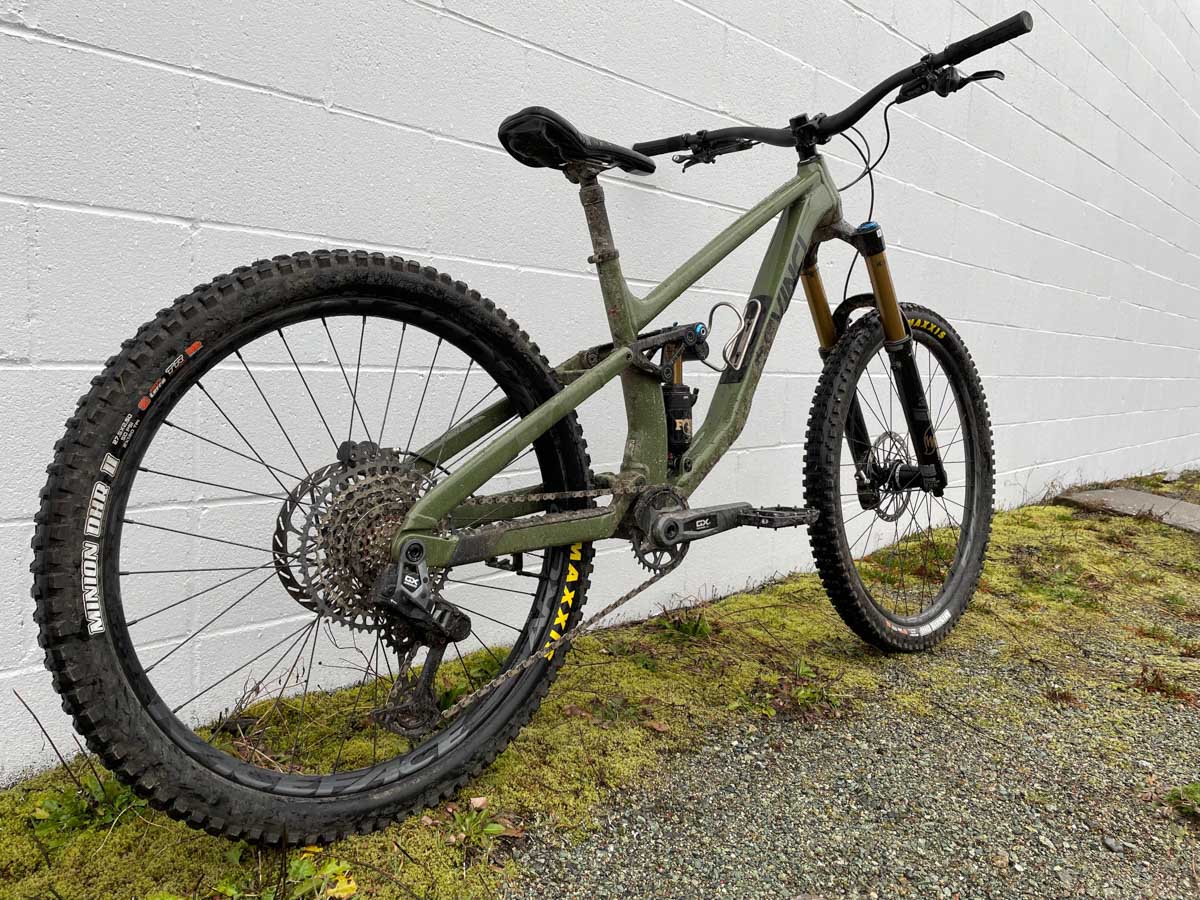
In Short, the Spartan’s rear end is still 440mm. Even in this position, the Spartan feels like a generously sized bike with a stable wheelbase. For a bike in the enduro class, it remains quite trail-friendly in the short position, but it’s clearly more ‘enduro’ than ‘trail’. On a flow trail with plenty of tight corners, the Spartan never felt excessively long or sluggish for what it is.
The Spartan’s BB rides high enough in the short position that I hardly remember hitting my cranks or pedals on any trail obstacle, despite many technical climbs. At 347mm, that BB isn’t riding super low, but I wouldn’t say it feels high.
Devinci increased the stack height for the new Spartan frame, plus they stock a 40mm rise handlebar on the GX AXS 12s model I tested. I kept the bike as I received it and enjoyed a pretty comfortable riding position (even in Short), but those who like a lower front end can always pull a few spacers.
MX, Long:
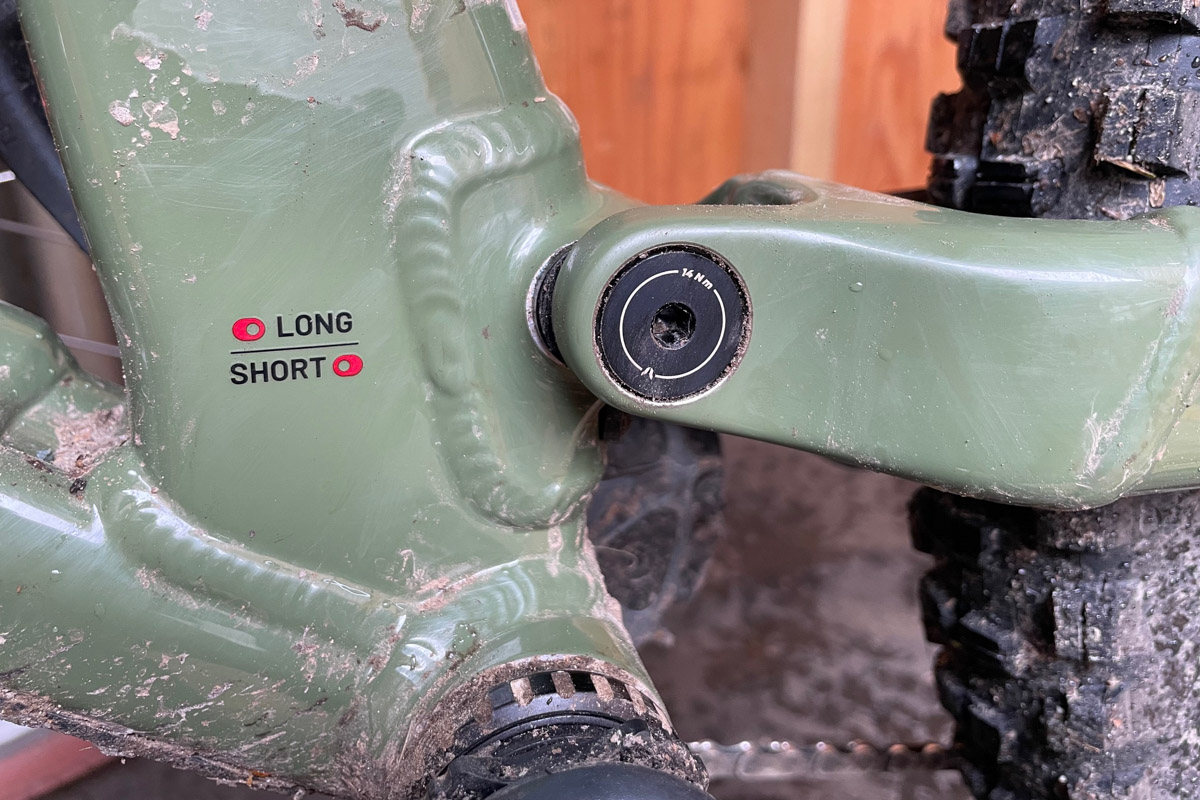
Near the end of my test, I flipped the chainstay length chips to see how the bike felt in the long position. Flipping the chips to move from Short to Long position was easy. Thankfully, there’s just enough room around the chain/chainring to get an allen key into the drive side bolt. This flip-chip works like most others: you basically pop out the axle, flip the chips around, tug the chainstays into position, and slide the axle back in.
Moving the Spartan into the Long position had some effect on how the bike climbs, but the differences aren’t drastic. On tighter turns, I did notice once the front wheel felt a bit floppy, so I’d say 63° seems to be a reasonable limit for enduro steering angles. Out back, the longer chainstays do slightly increase the bike’s turning radius, but not enough to become an issue in tight corners. Standing up on steep climbs, I could tell the rear wheel was further out behind me, which I’ve found helps keep your weight centered and maintains traction well.
While climbing, I did tag my pedals/cranks a few times after moving the Spartan into Long position, but not enough that it’s likely to become an annoyance for most riders.
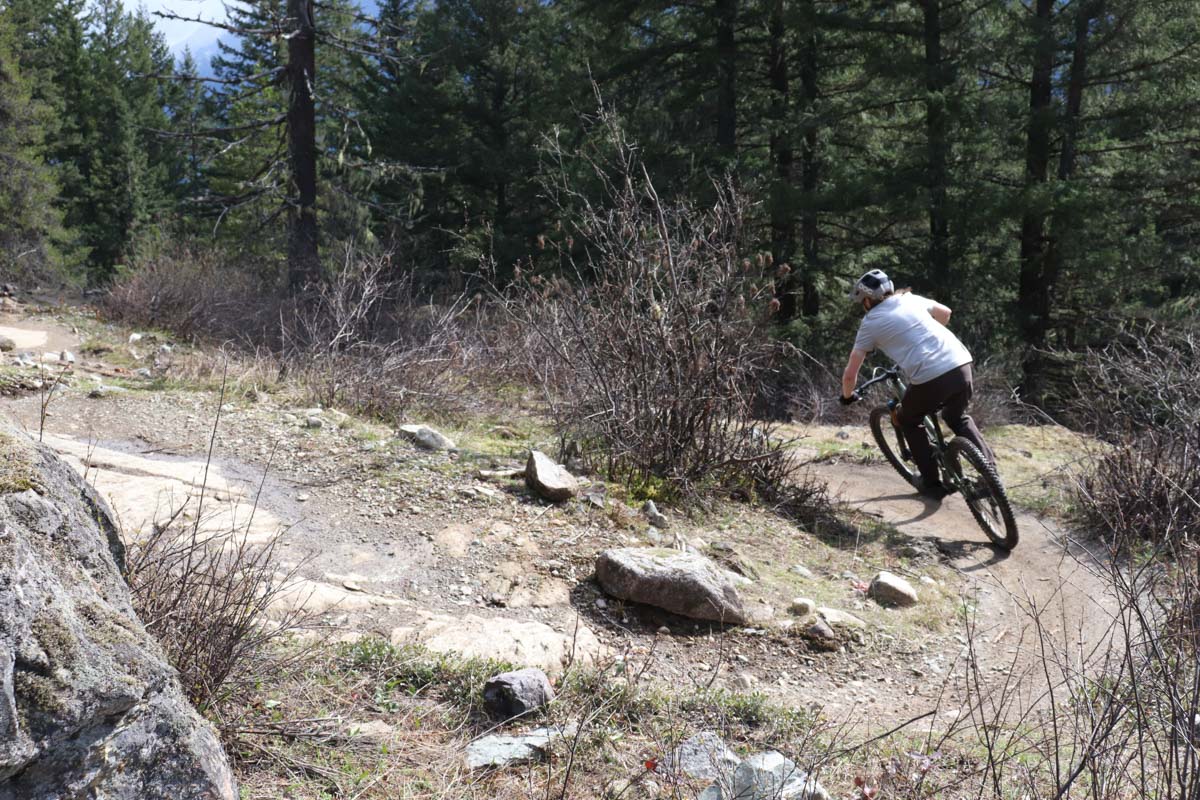
On descents, the longer rear end definitely results in slightly slower cornering, requiring a bit more body language to whip through twisty trails. The Spartan is not a small bike in Short mode, so it really feels like an enduro rig when it’s stretched out. Of course, this provides great stability at high speeds, and I’d suspect riders who are racing, shuttling, or riding bike parks would be happiest using the Long geometry option.
Long position also slants the bike into a slightly different stance: The lowered BB helps enhance stability, while the front end shortens and raises, giving your arms a bit more leeway to tackle steep descents and control the bike through rough terrain.
Suspension: Setup
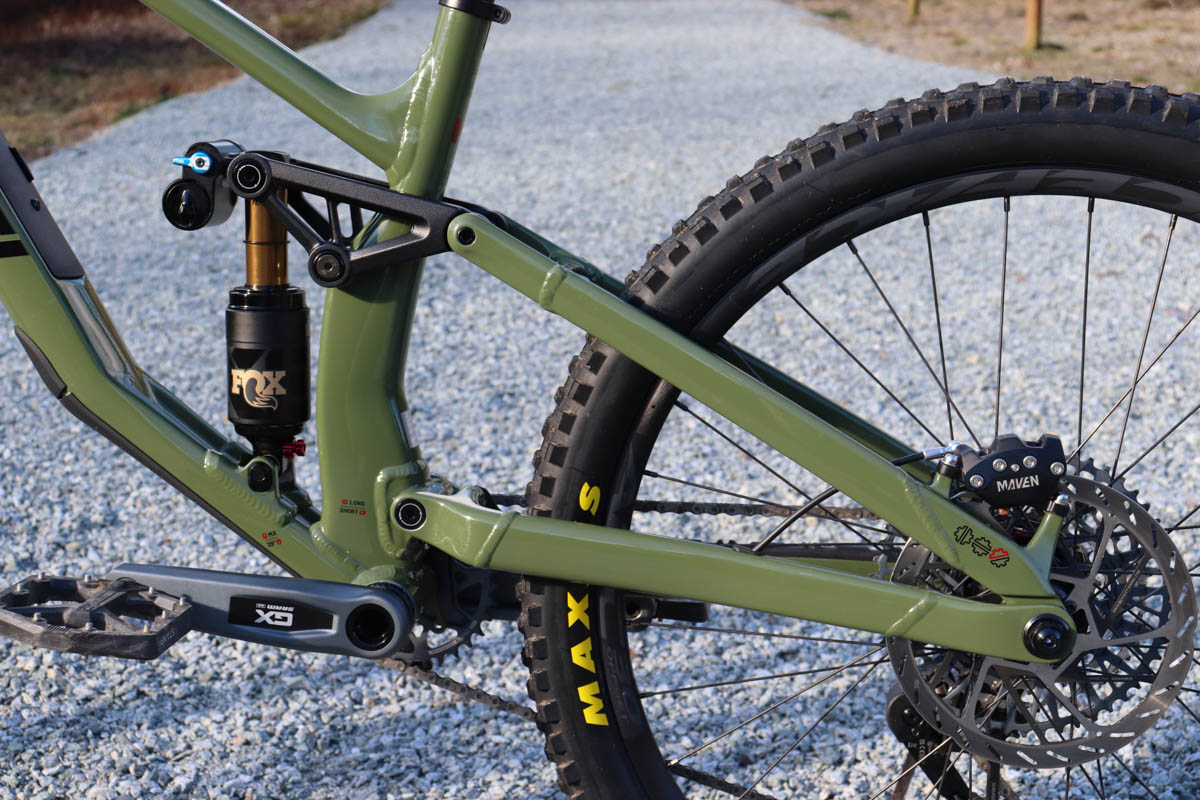
As usual, I initially set up the Spartan’s suspension following Fox’s factory recommendations, but for the rear shock, Devinci’s linkage requires more than your body weight in psi. I weigh 140 lbs, but I started out with 160 psi. This proved to be perfect. I used about 90% of the travel on my first ride, and once my riding ramped up, I was consistently very close to bottom-out after each lap.
Climbing – Firm Mode:
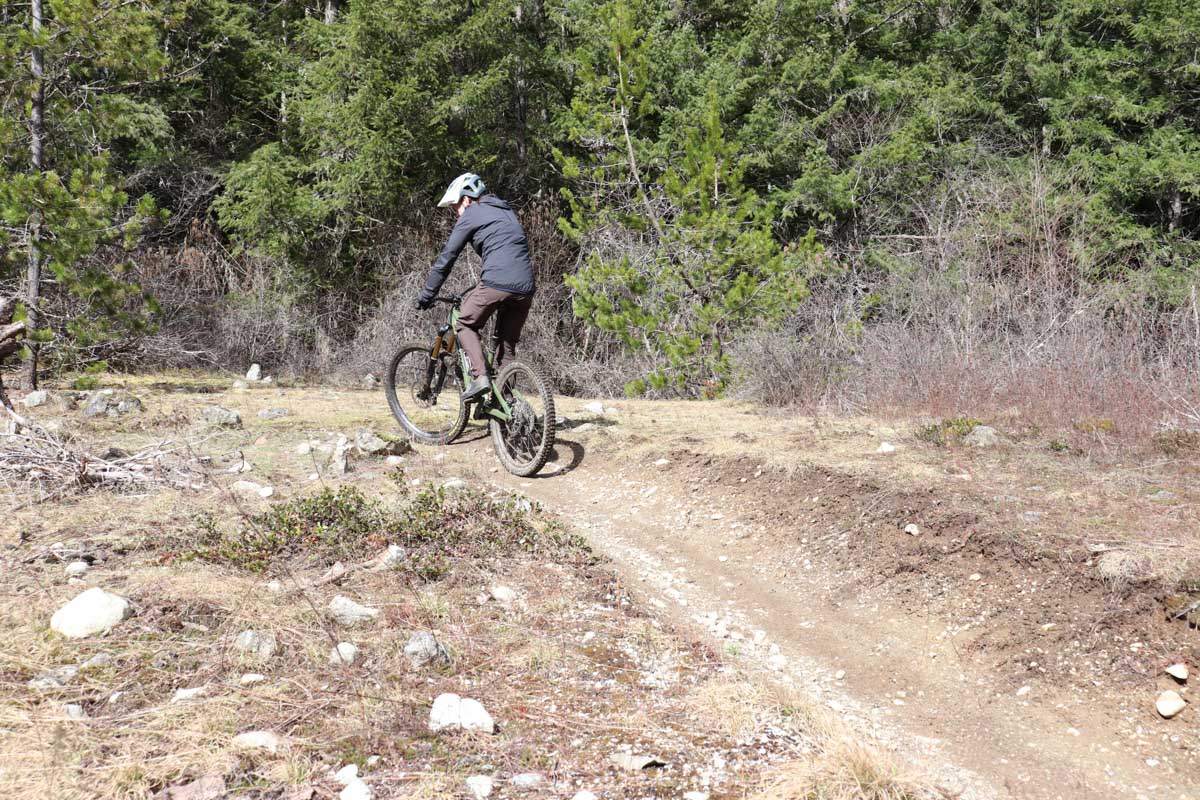
One thing that stood out to me was the rear shock’s excellent performance in Firm mode. Working with Devinci’s linkage, the Fox Float X2 Factory shock resists pedal inputs fantastically well! Sitting and cranking hard on smooth terrain, the shock barely moved beyond the sag point, and pedalling efforts felt very well supported. I tried a few sprints on a paved road, and even while standing and chopping at the pedals, I only dipped to about 40% travel.
On a singletrack trail, the shock will allow more movement when bumps come into play. On such terrain, the Spartan typically remained at around 50% travel after my climbs. The impressive pedalling performance with the shock firmed up really helps this big bike climb well. I was surprised how little I thought about the Spartan’s weight while cranking uphill.
In Firm mode, the Spartan resists bobbing in the saddle and keeps the rear wheel deflecting bigger bumps rather than hanging up on them. Small bump compliance is predictably sacrificed, so you will feel the trail surface when riding in Firm mode. I never found traction lacking in Firm, and I’d say the ride is still reasonably comfortable. I favor climbing prowess over comfort, so aside from a few test runs, I always climbed with the Spartan in Firm mode.
Climbing – Open Mode:
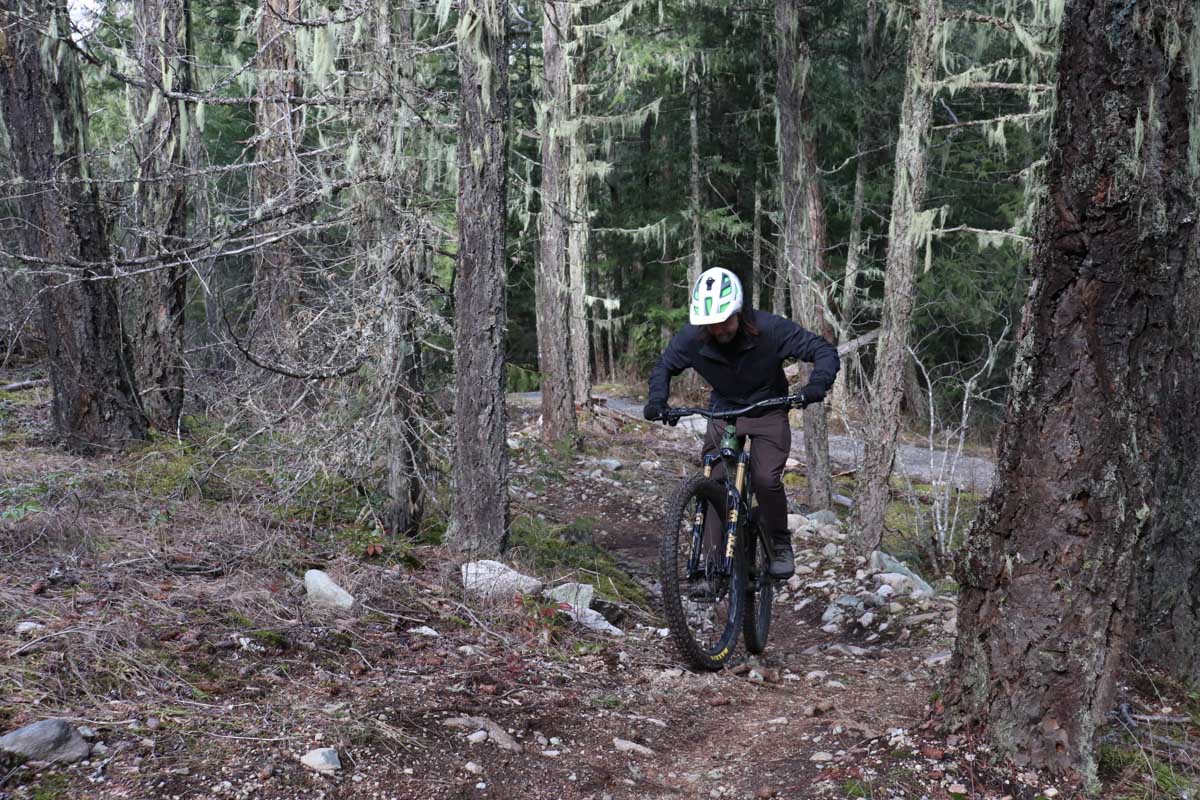
When climbing with the shock left wide open, there is some pedal bob and a bit less efficiency vs Firm mode. However, the bike still rolls along nicely, and Devinci’s Split-Pivot linkage does not wallow too deeply due to pedalling forces. On technical singletrack climbs, the rear shock would dip to about 65-70% travel, as it dives to absorb bumps on the trail.
Open mode produces more hang-ups when your back wheel hits a tall root or rock, as the wheel actively sticks to the ground. There is also more bob in the saddle when you’re riding over bumps. The payoff for this is excellent, small bump compliance! In Open mode, the Spartan’s rear end practically erases trail chatter and offers a very comfortable ride.
Descending:
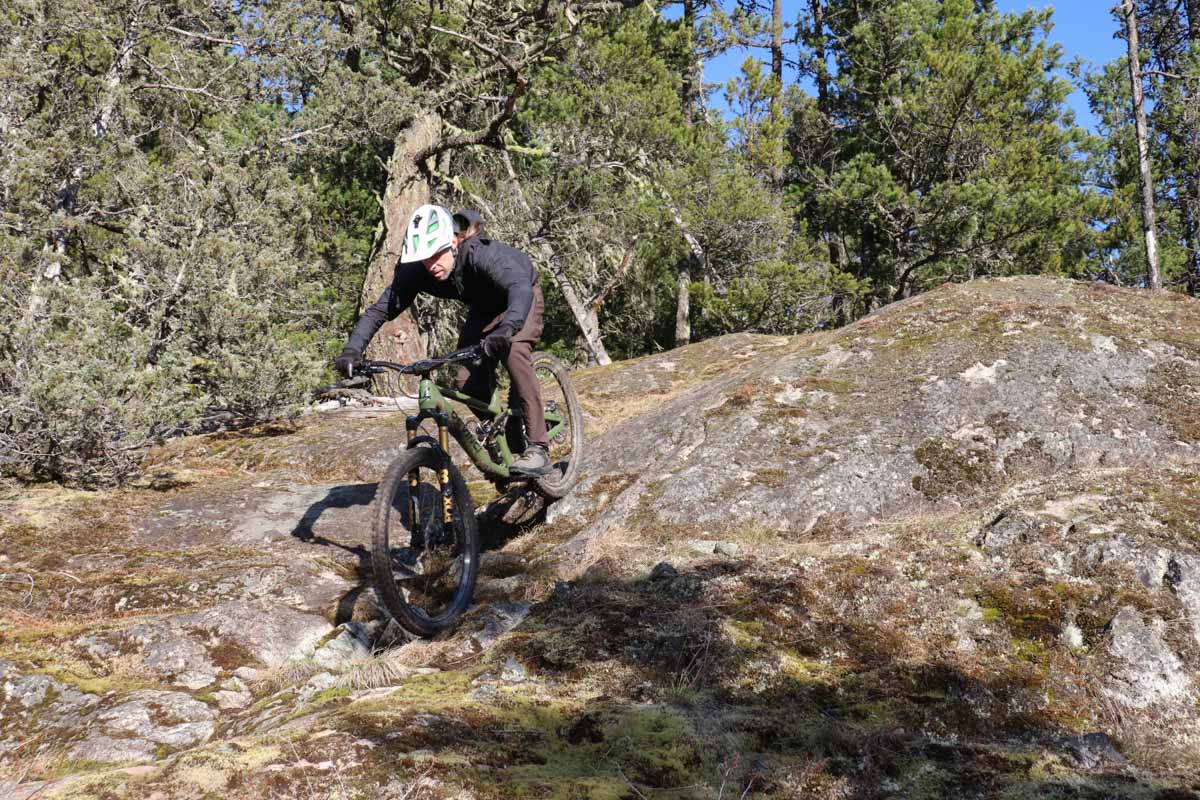
Not surprisingly, the Spartan descends similarly to the E-Spartan Lite I reviewed last summer. The bike’s 165mm travel handles high-speed chunky, rocky sections with ease, and it smooths out big, harsh impacts very well. With the shock set up to Fox’s recommendations, I felt the Spartan wasn’t super plowy – It wouldn’t erase repeated bumps from the trail below or eliminate trail feedback, but it handily took the edge of every hit.
While you do notice the bumps on the trail, that smooth initial absorption gives the Spartan a delightfully planted feel through rough terrain. This is definitely one big impression this bike left on me: In any rough stuff, it always feels solidly stuck to the ground with very predictable traction and handling. It’s truly a confidence-inspiring bike when you really need it to be. I’ll admit the Spartan doesn’t feel quite as plowy and stable as the E-Spartan Lite, but that’s likely only due to the eMTB’s added weight.
The Spartan’s big hit resistance was great, and throughout all my testing, I don’t remember any nasty smacks on the rear wheel – The bike simply laughed off those harsh hits!
Near the end of my testing, I slowed down the rear shock’s high-speed rebound by two clicks, hoping to produce a more plowy ride. This worked like a charm: the rear suspension immediately felt more linear and more plush over rough terrain. Instead of rebounding off every little impact, the rear end sucked up repeated hits better and dulled trail feedback noticeably. I hit a chest-high drop I often ride, and the landing was obviously softer and smoother, with the rebound slightly slower.
Other Ride Notes:
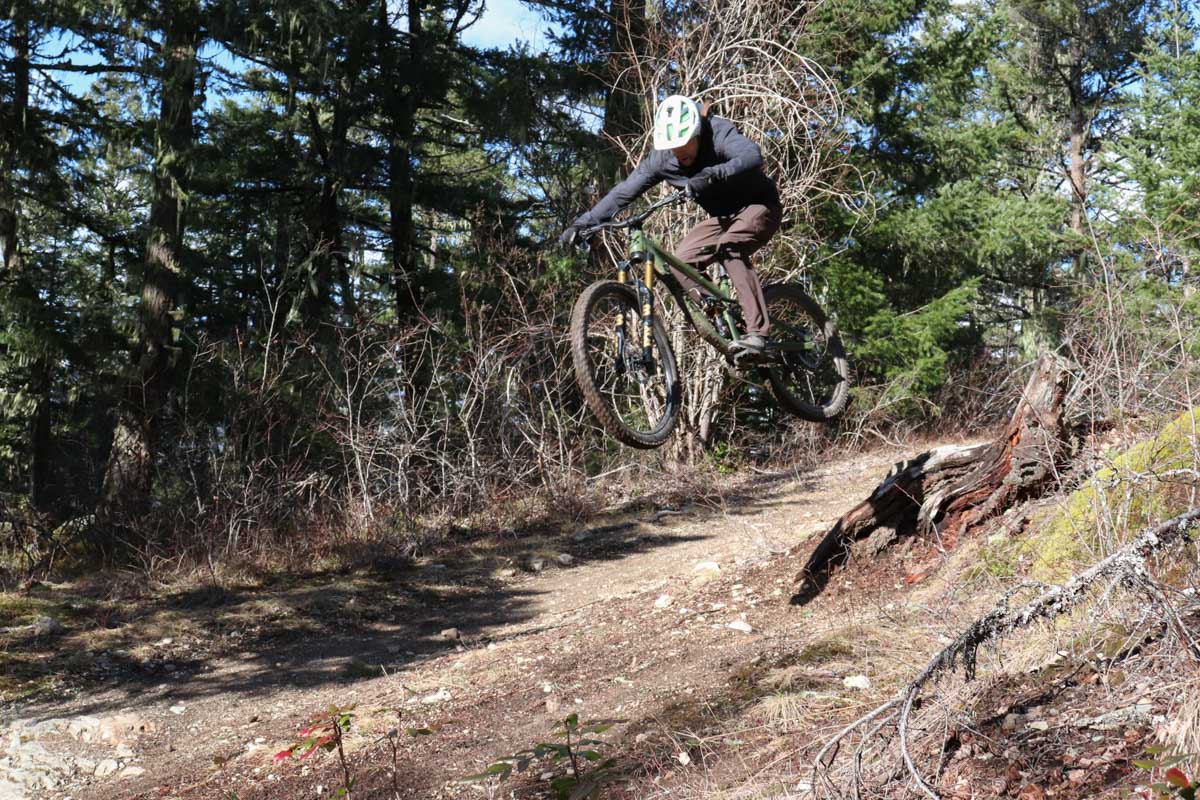
The Spartan maintains a reasonably poppy, lively ride, which helps it enthusiastically pump through rollers and out of berms. That said, the bike’s weight is noticeable on jumps. The Spartan jumps OK with a poppy lip, but it’s not particularly whippy in the air, and bunnyhopping this bike takes some effort.
Finally, the Spartan’s aluminum frame does seem on the stiffer side. I’m a lightweight guy, but this bike feels very solid on rough terrain. Never feeling squirmy, the burly Spartan will straight-line through rocky, rooty patches in commanding fashion.
SHED In-Frame Storage:
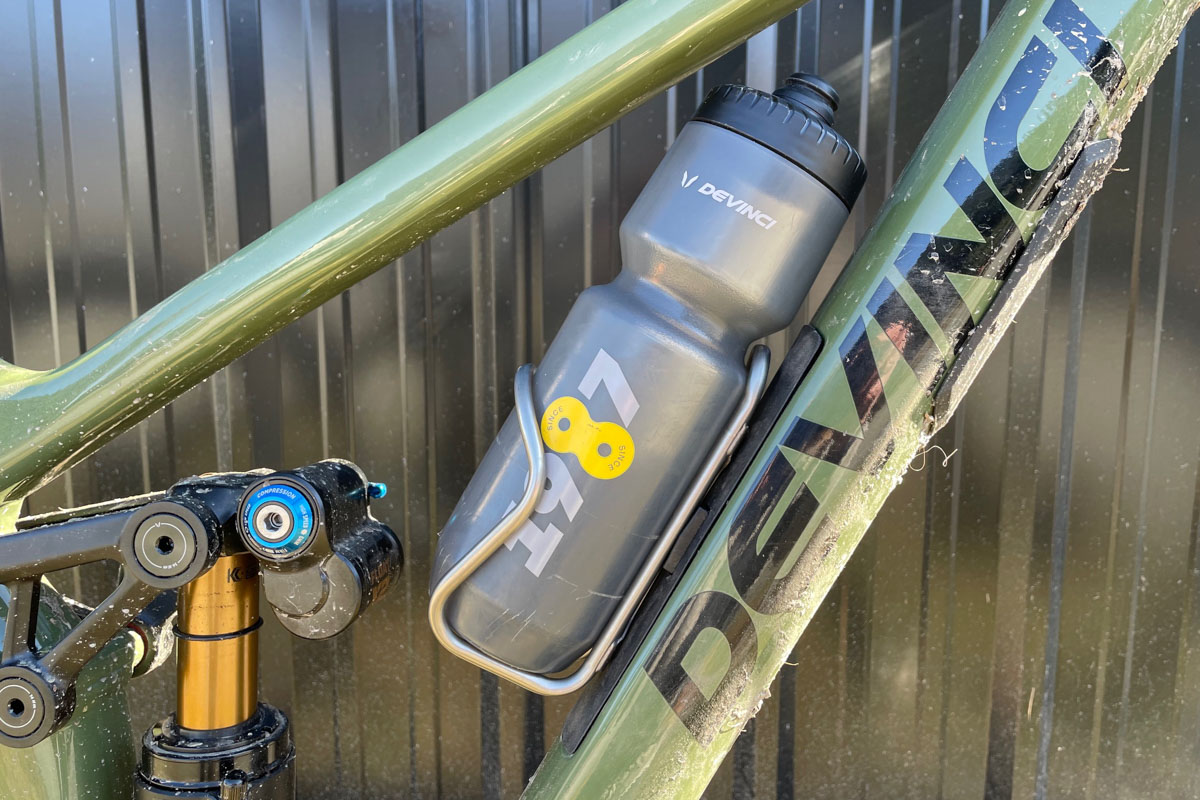
I installed my Silca titanium bottle cage on the SHED door, which sits quite low on the frame. The SHED door’s latch almost interferes with the cage, but actually just clears it. Worst-case scenario, a few washers could lift the cage out of the way if needed. The cage is positioned as low as possible on the frame, and the rear shock clears my water bottle easily.
The medium frame fits my Devinci bottle (mls not marked, but it’s 9.5” tall), and with a little flex from the cage, the bottle comes in and out without hitting the top tube. The SHED door can be a bit finicky to get clicked in place, but when it clicks in, it’s easy to feel that it’s secured properly.
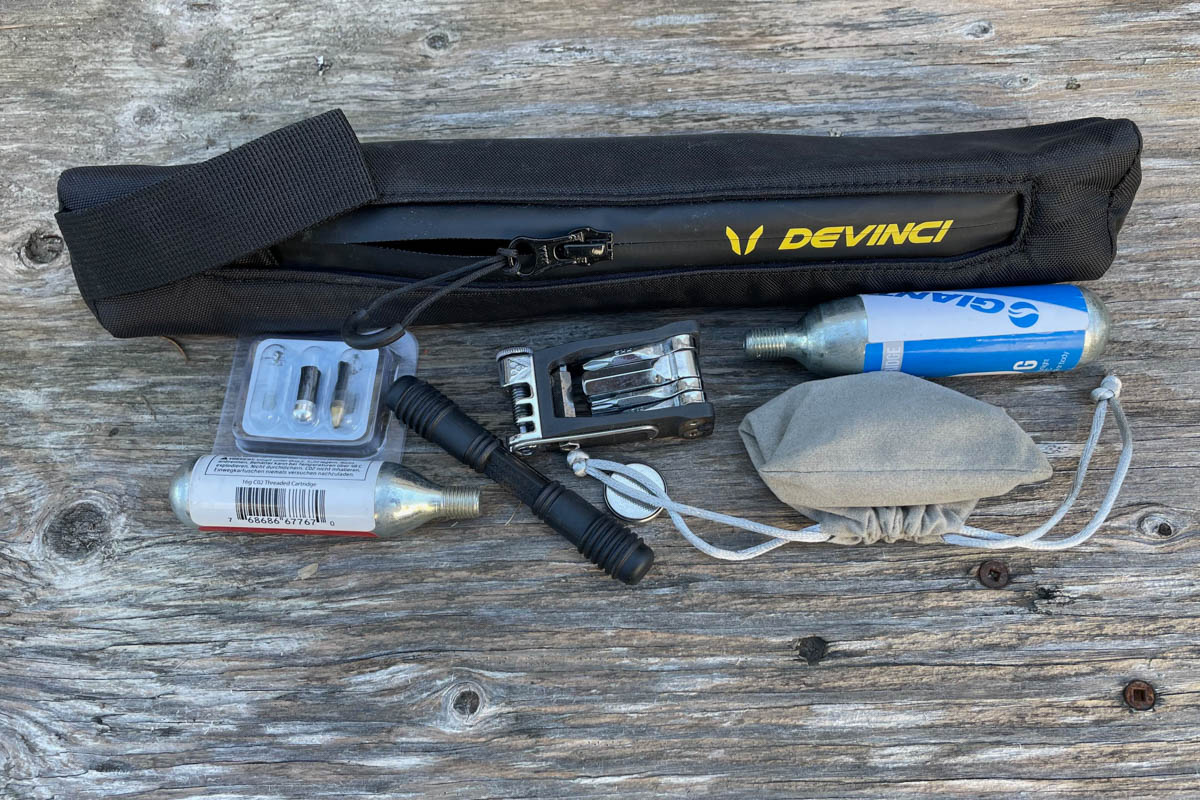
Devinci’s tool bag fits one large and one small Co2 canister, a valve core tool, Co2 inflator head, a Dynaplug tool, spare plugs, a compact multi-tool, and a spare AXS shifter battery. There’s a little room left over, but not much! The tool bag is padded enough to prevent rattling in the frame.
Components:

The biggest standout component on the Spartan GX AXS 12s was the Fox Float X2 Factory rear shock, offering excellent pedalling performance described in the suspension section above, so I’ll keep my comments on components short and sweet.
I can’t comment on the Spartan’s fork, as my test bike is not running the same model as what’s stocked on the new GX AXS 12s build. Consumer bikes come with a brand-new 2027 model fork, which is being announced today.
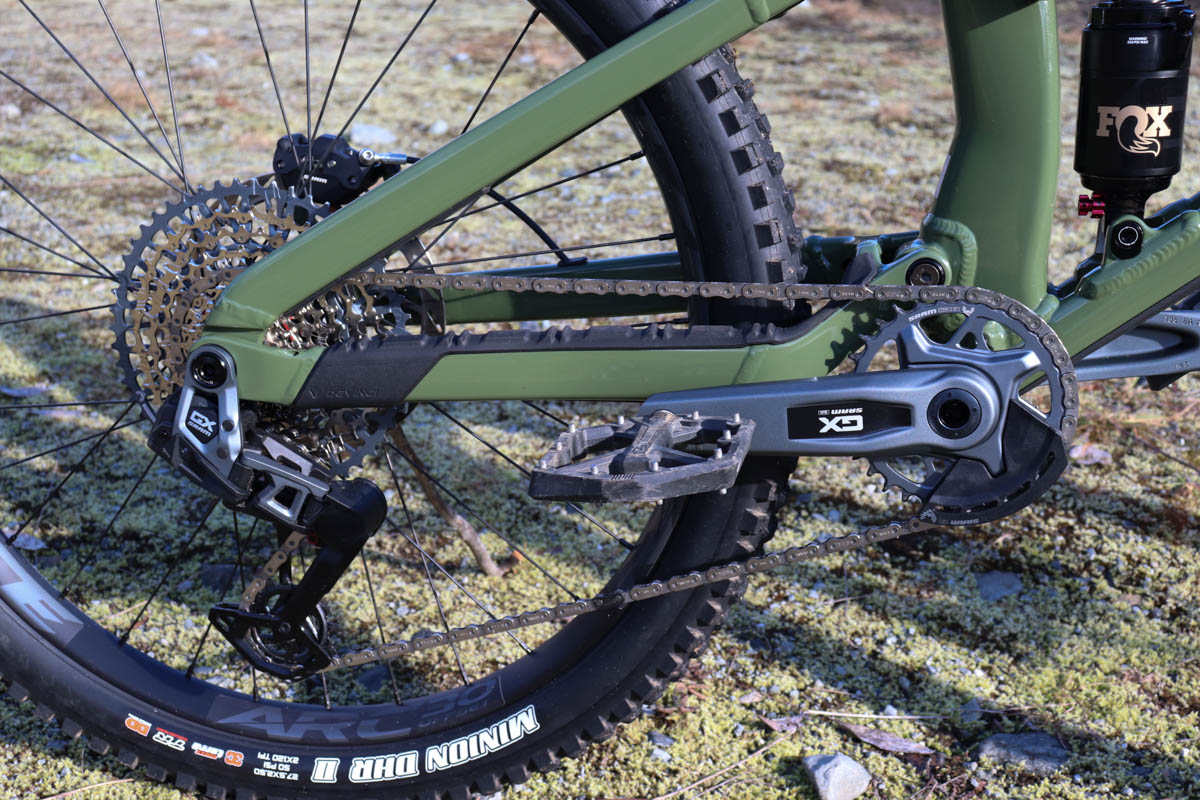
As usual, I have zero complaints about the SRAM GX AXS drivetrain. Its reliable shifting is second to none, and I’m yet to have to adjust an AXS derailleur after several years of riding them.
I’m also a fan of SRAM’s Maven brakes, and the Maven Silvers on the Spartan offered incredible braking power with no mechanical issues whatsoever. Devinci stocks 200mm rotors front and rear.
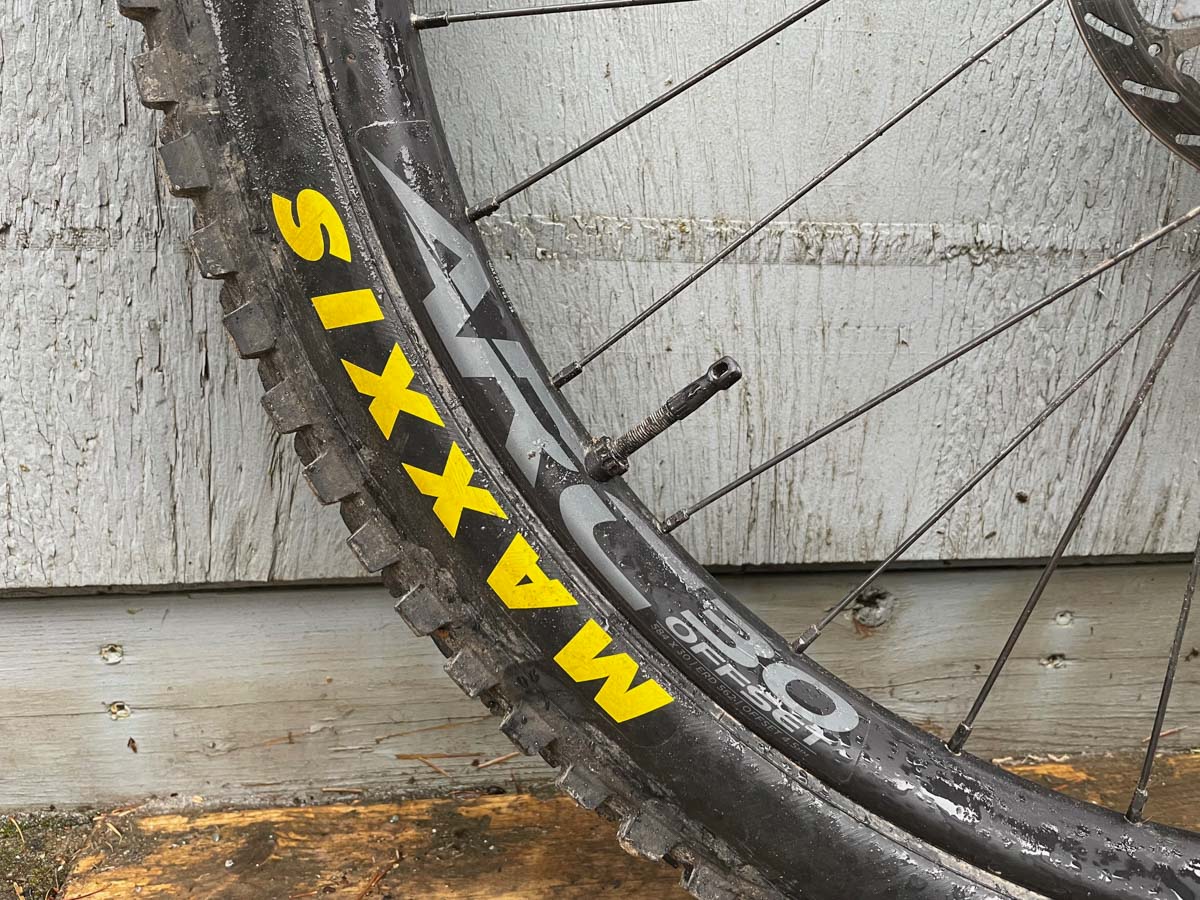
Once again, I find myself riding RaceFace’s ARC30 rims and Vault hubs. I’ve never managed to beat these rims up, and this time was no different. The front rolls like it’s brand new, and the rear has one small 1-2mm side wobble and no hops. The Maxxis Minion DHF/DHR2 tire combo (with Double Down casings) provided reliable traction in all conditions and good sidewall support for rough riding.
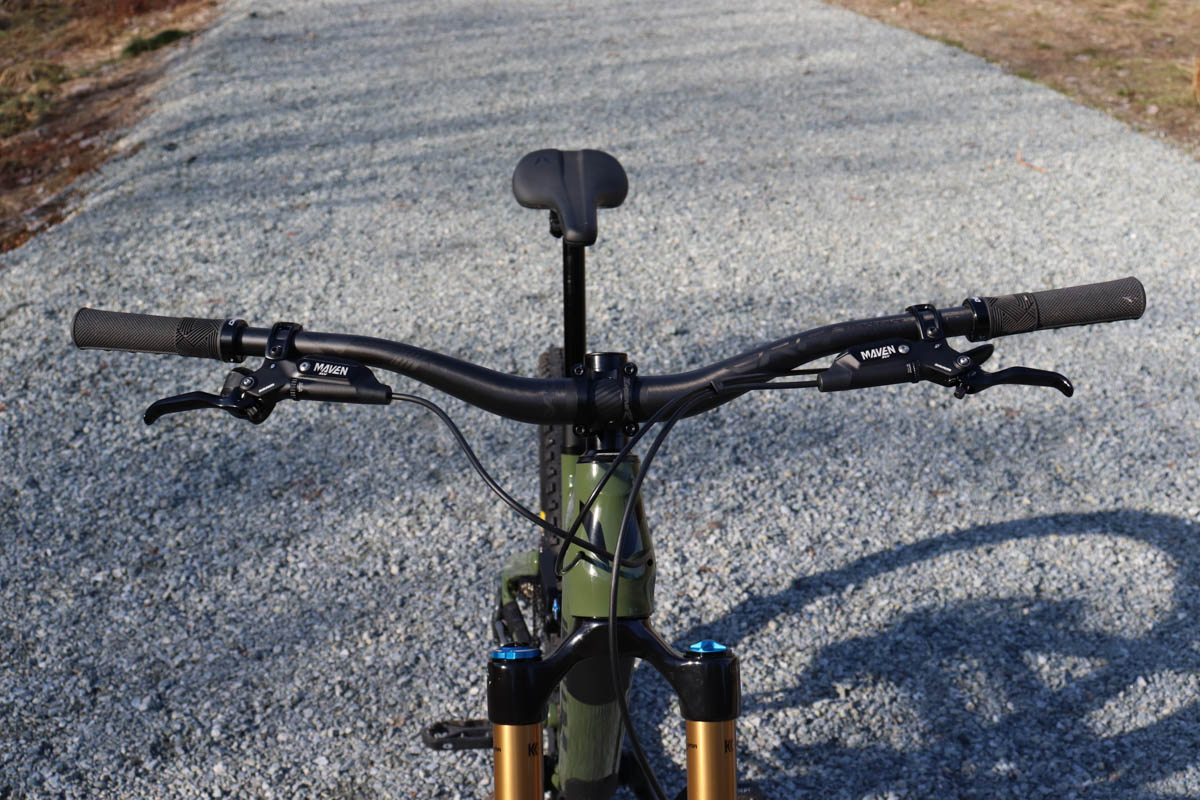
I’ll give kudos to Devinci for fitting a 180mm dropper post into their medium frames. The SDG Tellis post operated without fault, and while the SDG Belair 3.0 saddle is on the slim side, I find it fairly comfortable.
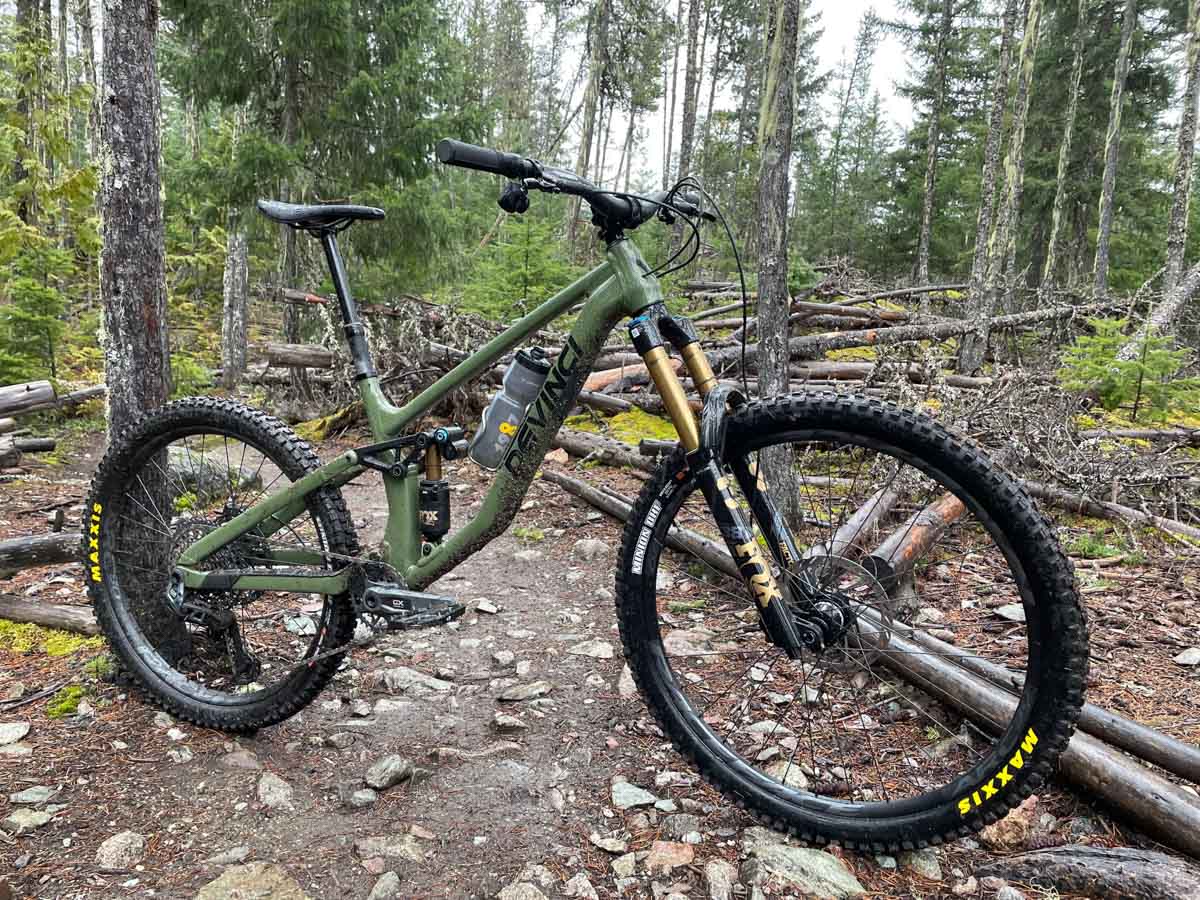
The Spartan GX AXS 12s retails for $5999. This model comes in Deep Olive/Gloss only.