

Wahoo is pushing its Elemnt computers further into the “tell me what my body is doing, before I completely detonate” category. The coming soon firmware updates will add native integration for four next-generation performance tracking sensors: CORE, FLOWBIO, hDrop, and Tymewear.
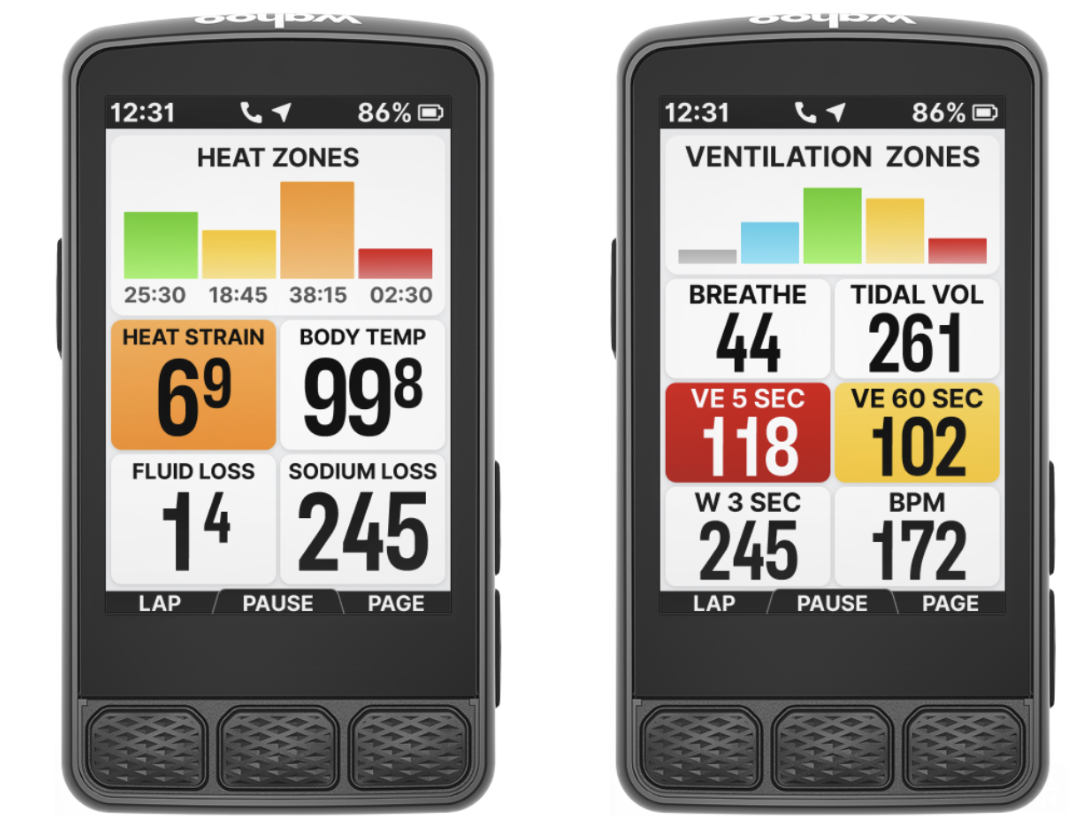
These updates mean riders using the latest third-generation Wahoo Elemnt GPS cycling computers (the ones here, which launched last spring) will be able to see real-time body temperature, sweat loss, sodium loss, hydration status, and breathing metrics directly on their head unit. Well, that’s only if you have these additional accompanying sensors, of course.
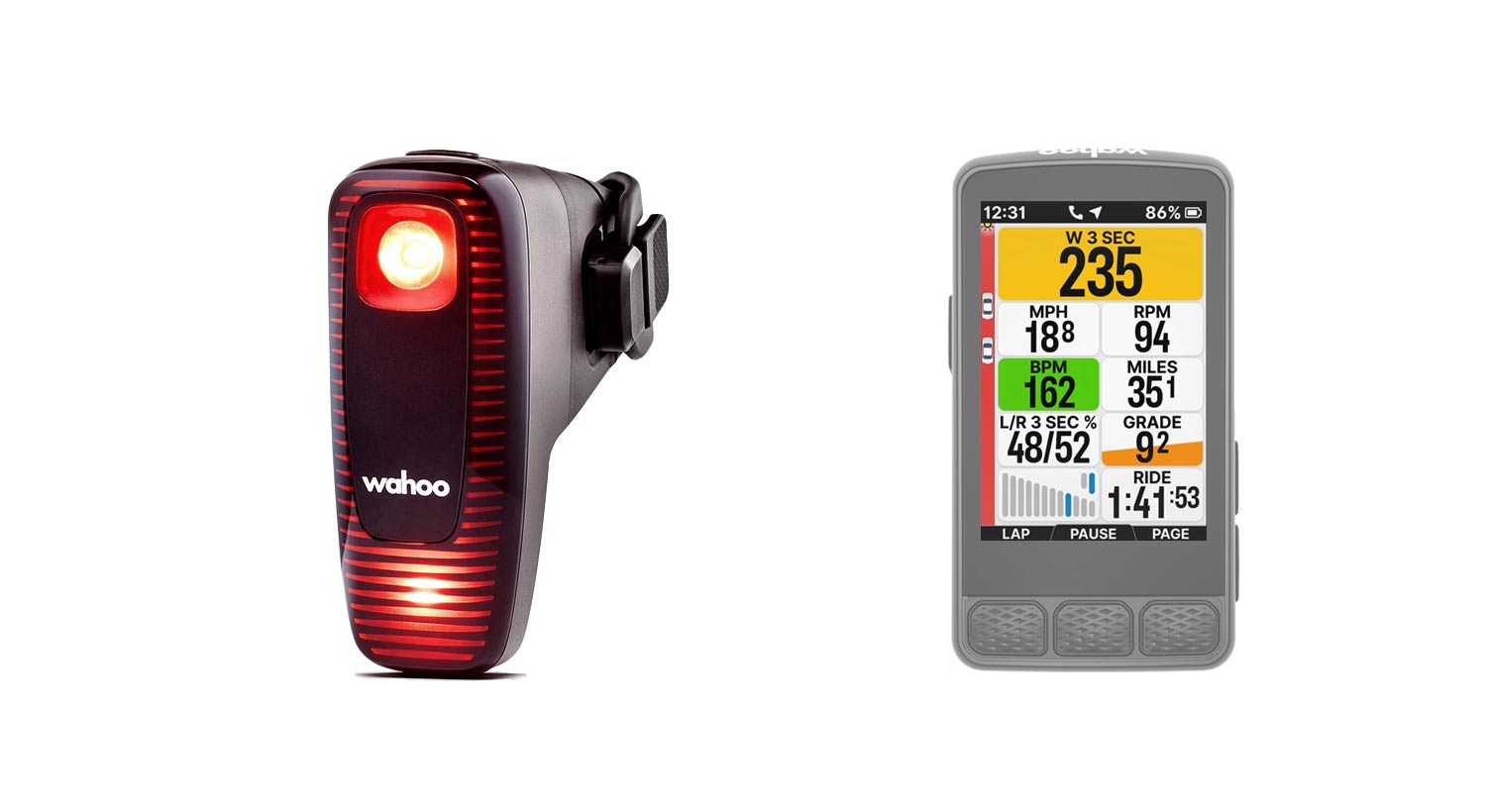
But if you’re looking to optimize everything, you’ll be able to see these numbers right alongside the usual power, heart rate, speed, time, and the like.
Wahoo ELEMNT adds live body temp, sweat & breathing tracking
The update is coming later in the middle of June and will be available to all existing and future Wahoo Element V3 cycling computer users. Each of the four independent CORE, FLOWBIO, hDrop & Tymewear sensors tracks different performance stats. So, you pick what’s of interest to you to expand your Elemnt capabilities, and how you want to focus your training on the bike.
How Will This Make Me Faster?
The first question most are gonna ask, “Will they make me faster than my ride buddies?”
Definitely, maybe. But first, you should know the sensors, what they do, and if they might be helpful to you, or shock you into data analysis paralysis.
Like a power meter or heart rate monitor, these sensors will connect to your device via Bluetooth and provide real-time data through Wahoo Elemnt computers.

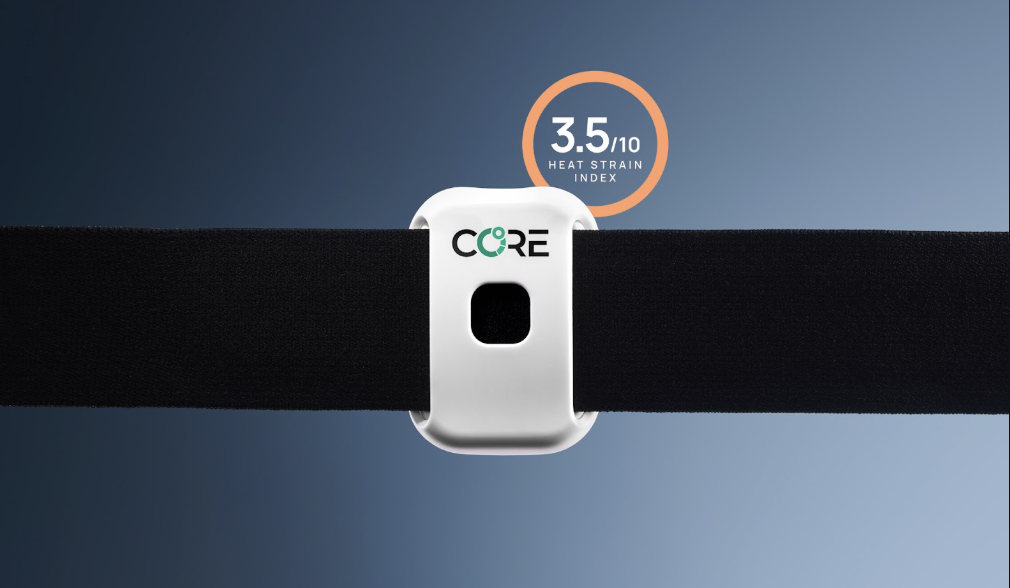
- CORE: body temperature sensors
- FLOWBIO: sweat and sodium loss monitoring
- hDrop: real-time sweat and hydration analysis
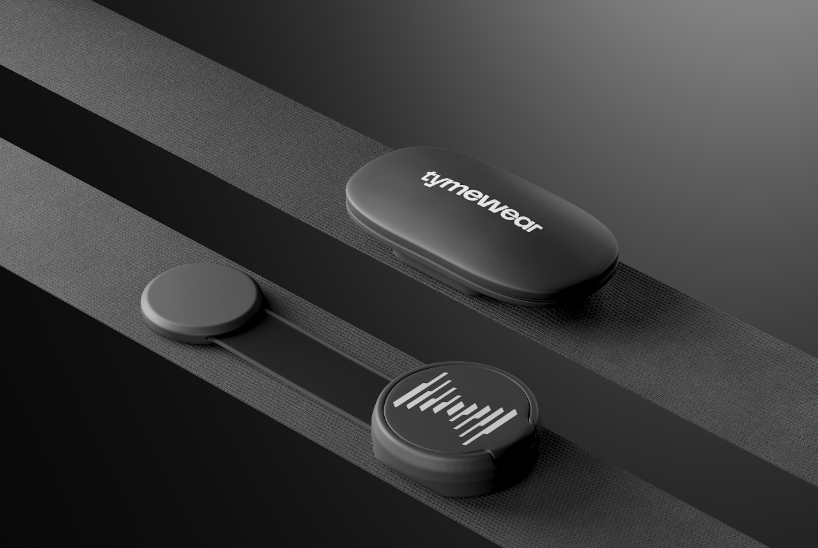
- Tymewear VitalPro: breathing and ventilatory threshold tracking
As a coach and someone who regularly combs through power and heart rate data, I believe power, heart rate, and RPE (rate of perceived exertion) remain the foundation. They are not going anywhere.
But, there’s certainly a lot of value in each of these newer metrics, if you learn how to analyze and take advantage of the new data.
Real Time Is The Real Change
All these sensors have corresponding apps that will grab the data, but that leaves the user to then crunch the numbers, usually post-ride. It’s not very actionable in real time, but this update has the potential to change that.
Now you can see when you need to drink, slow your breathing, when to dial it back lest you overheat, and other metrics that arguably a good rider will already be aware of, but can certainly sneak up on you in the heat of a race or intense effort.
So is it going to change the way we train or ride? Not really (though, to be fair, I haven’t tested this yet). But it could make us more dependent on screens and computers telling us what to do.
Useful or Too Much?

Here’s the obvious question: Does every rider need body temp, sodium loss, sweat composition, and ventilatory threshold data on their bike computer?
No. Absolutely not.
But for serious athletes, coaches, triathletes, gravel racers, ultra riders, and heat-prone folks, this stuff could be genuinely useful. The key is whether the data is easy to read and simple to act on. More numbers are only better if they lead to better decisions. Otherwise, it’s just another screen to stare at while failing to avoid the pothole.
No matter how you cut it, these gadgets are going to become increasingly prevalent in our racing and training. They are nice ways to get a baseline, especially for fluid and mineral loss. But I think we can become too dependent on them and second-guess our intuition.
I’ll reserve all my thoughts until I try it for myself, but I do feel like we’re gonna look like Robocop soon, heading up the climb, watching commercials on our head units to see our breathing rate and chamois butter status.
Available for Wahoo Elemnt V3 users, soon…

The firmware update is scheduled to go live later in June and will be available for all existing and future Elemnt V3 users. That includes the current-generation Elemnt lineup:
- Elemnt Bolt 3 – $350 / £300 / €330
- Elemnt Roam 3 – $465 / £400 / €450
- Elemnt Ace – $500 / £450 / €480
No new head unit required, assuming you’re already on the V3 platform. That is the kind of update riders actually like: more function, same computer, no “congrats, your six-month-old device is now old” nonsense.
Why are we telling you now?
First, Wahoo was planning to roll out the sensor integration at the start of this month, but they are still making sure there’s no bugs in the system as they loop in some very new metrics from 4 different new companies. Secondly, if you have an Elemnt and were on the fence about trying out one of these other sensors, now could be a good time to reevaluate how they could optimize your performance.
A few of my Bikerumor colleagues and I are curious, and looking forward to trying out the new integration soon, too.
