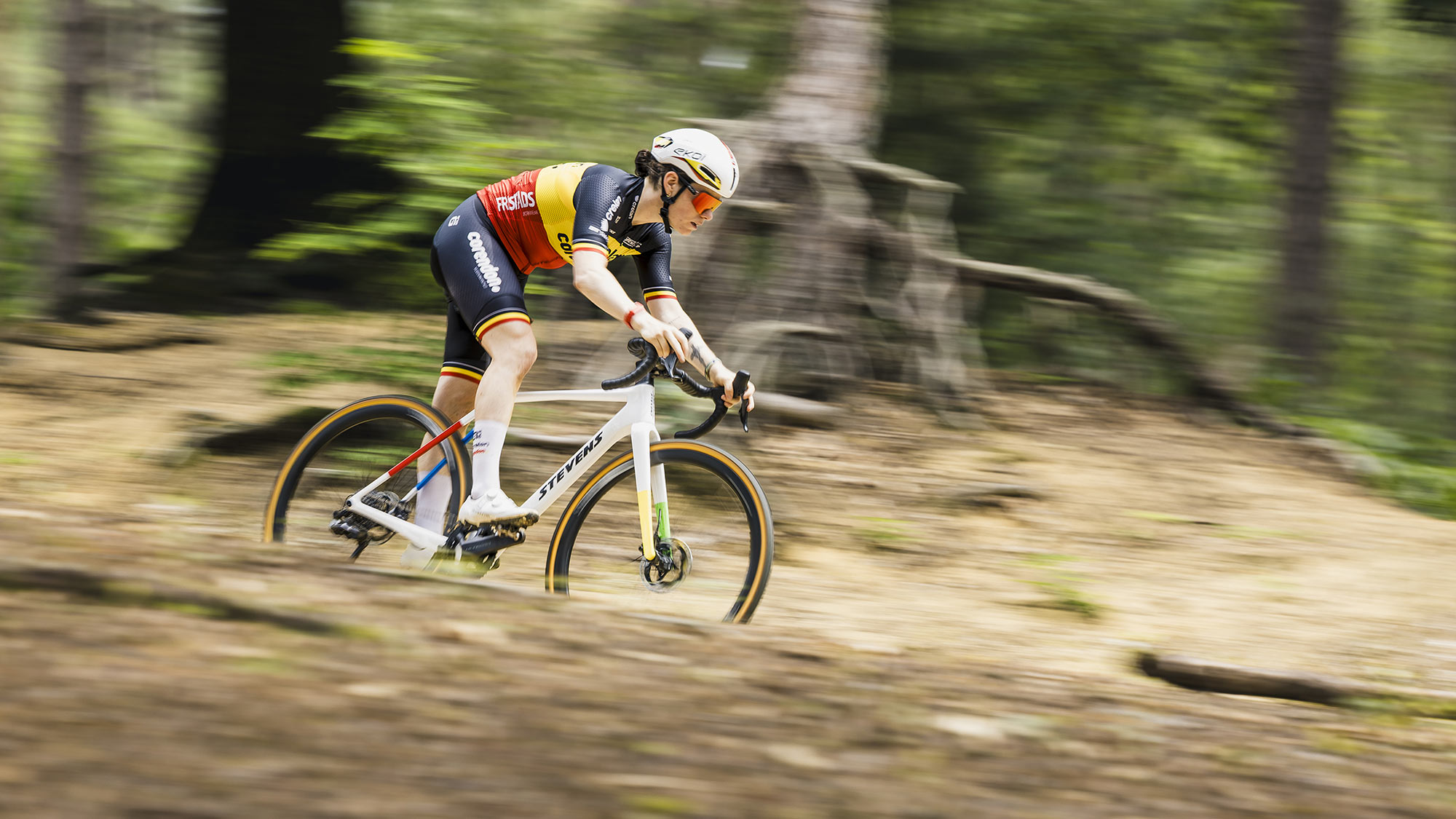


What’s the sport where the riders race in the fall and love it when it’s raining and muddy? You know, the course is twisty, and they get off their bikes and run when they can’t ride? IT’S CYCLOCROSS. For most, cyclocross looks strange at first, but the more you watch, the more you get pulled in, and the more you want to try it yourself.
You might be noticing some #crossiscoming hashtags, or seeing your riding friends posting about or looking for tubular or tubeless 33mm tires, parts for cantilever brakes or 140mm rotors. The leaves changing colors, and those questions are all signs that it’s indeed cyclocross season. But if you don’t know that #crossiscoming, or you’re simply asking ‘what is cyclocross?’ Let us get you caught up and into the fold of the greatest (I might be biased here) cycling discipline of them all.

#CROSSISHERE
Cyclocross, usually shortened to CX or just “‘cross,” is a fall-and-winter bike racing discipline that sits somewhere between road, gravel, and mountain biking. It’s tough to explain it like that, because it was around before mountain biking and gravel…but I’m gonna stop while I’m ahead.
The races are short, hard, and held on closed courses that mix grass, dirt, pavement, mud, sand, stairs, steep hills, and barriers (planks). It’s bike racing with fewer tactics than road, less speed than crits, more/less running than anyone wants to admit, and a much higher chance of ending the day with mud in your ears.
Plus, it’s one of the easiest forms of bike racing to try.
What Is a Cyclocross Race?
A cyclocross race takes place on a short lap, usually in a park, field, fairground, school campus, or any venue with enough open space and terrain to make things awkward and highlight bike handling. Riders follow the same loop repeatedly, usually marked with tape, stakes, cones, and fencing.
Races are timed and start with a mass-start sprint for the field. Beginner races are often around 30 minutes. Faster amateur (Category 3/4) fields may race 40-50 minutes. Elite (Category 1/2) races usually run close to an hour. Officials watch lap times, decide the number of laps based on the current times, and then put out lap cards near the finish: three to go, two to go, one to go/bell lap.
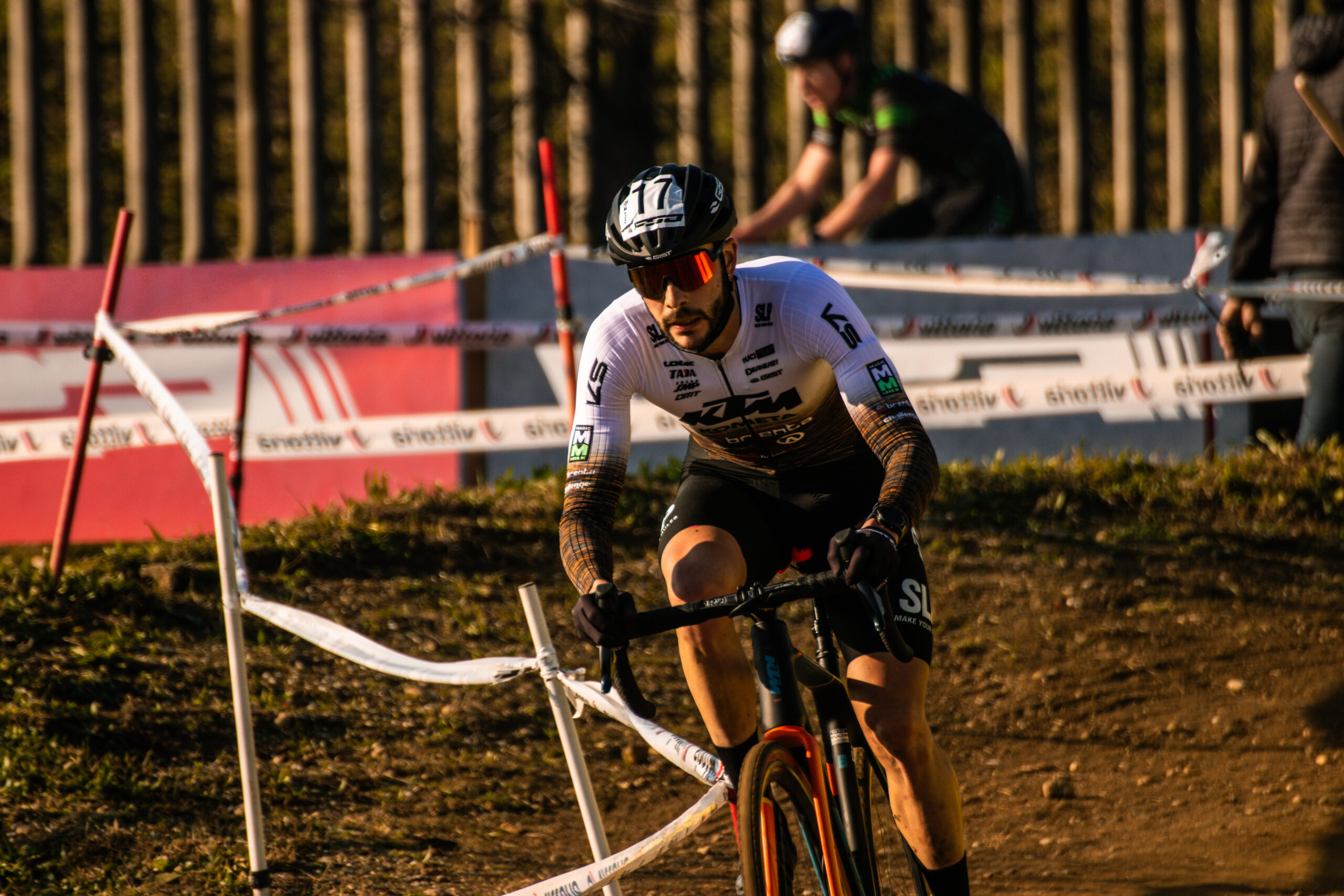
That part is an important and distinct part of cyclocross racing. You are not racing a fixed number of laps from the start. You race until the officials decide how many laps fit the time. Then you try to survive the bell lap without letting anyone overtake you, or you decide to make your move.
What Makes the Course Different?
A good cyclocross course isn’t just a dirt loop or a grass crit; it has challenging features and varied terrain.
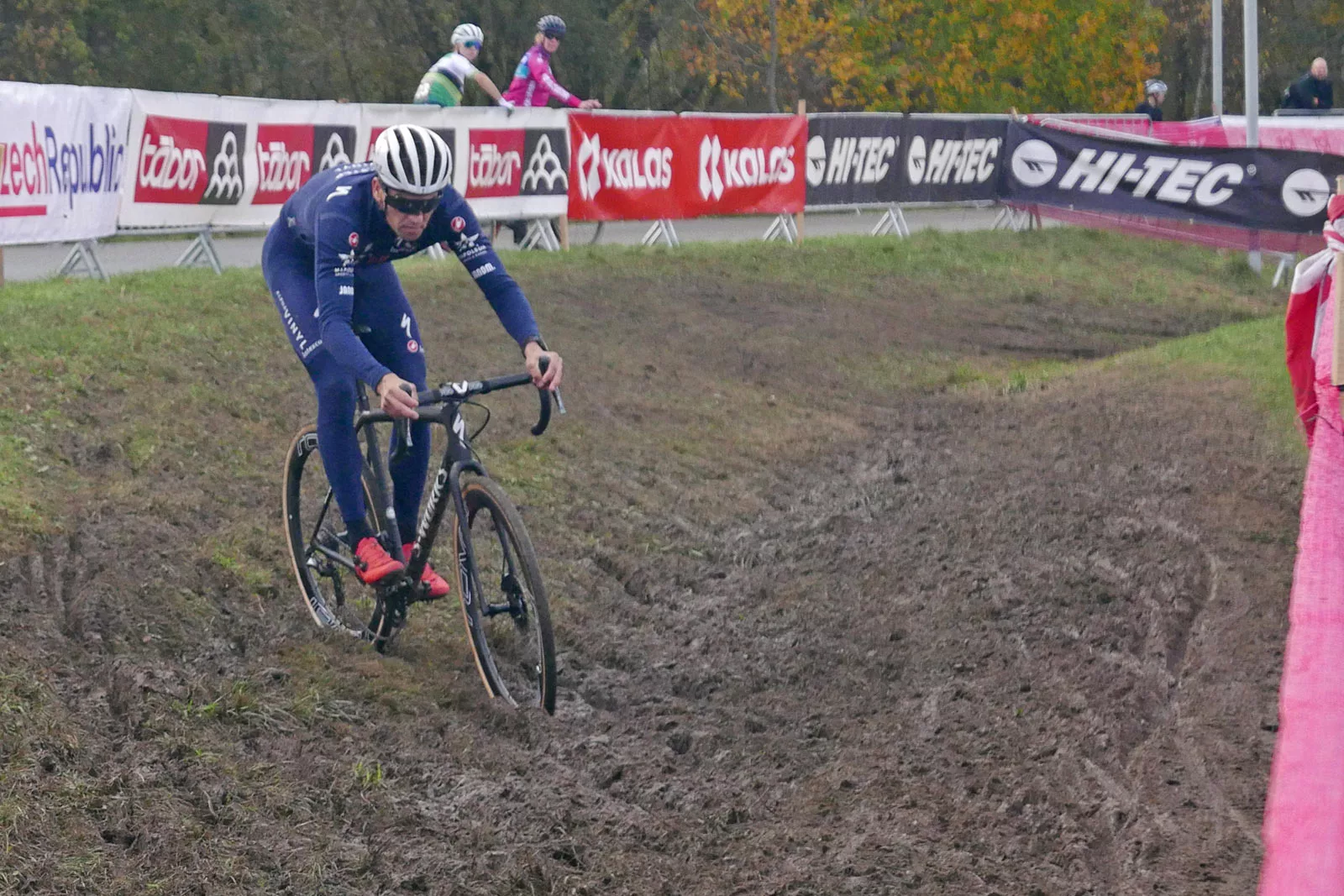
For a typical race, you might start on pavement, dive into grass, hit a tight turn, run over barriers, remount, cross a bumpy field, ride through sand, climb a hill, brake into an off-camber corner, then do it again. Some laps include pedaling and driving sections in between, but they’re usually action-packed. The lap is short enough that spectators can see riders multiple times, but hard (and long) enough that every lap feels different once fatigue shows up. Think of a lap as anywhere from 7-10 minutes depending on conditions and rider.
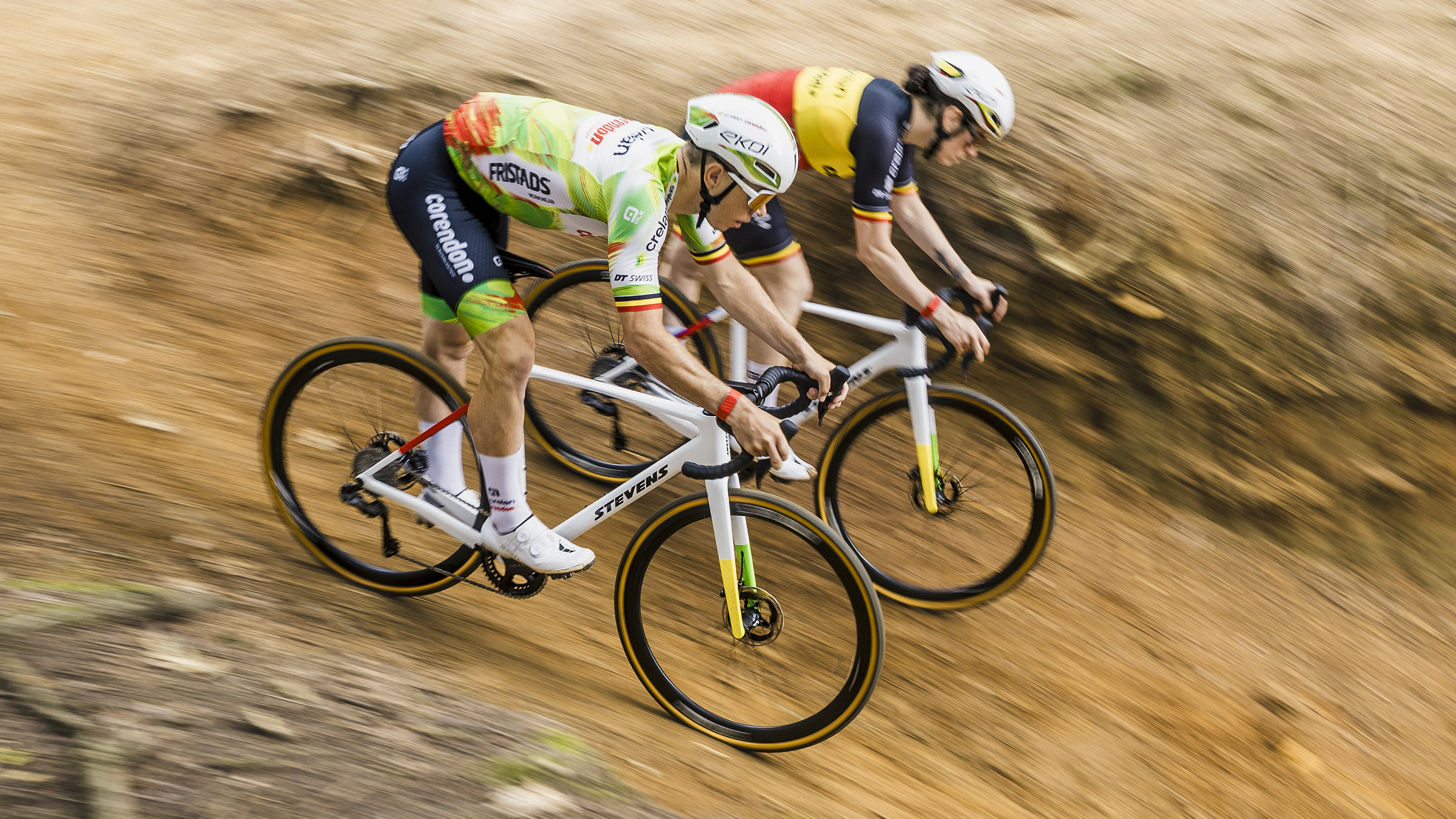
The course changes during the day. The morning grass is slick and dries out later in the day. The mud gets deeper, ruts form, and the sand gets choppy. The line that worked in warmups might be gone by lap three.
That is why cyclocross is not only about fitness. Power matters, but so do carrying speed, choosing lines, braking early, clipping in quickly, and staying calm when the bike starts moving sideways, which pays off big time.

Why Do Riders Get Off the Bike?
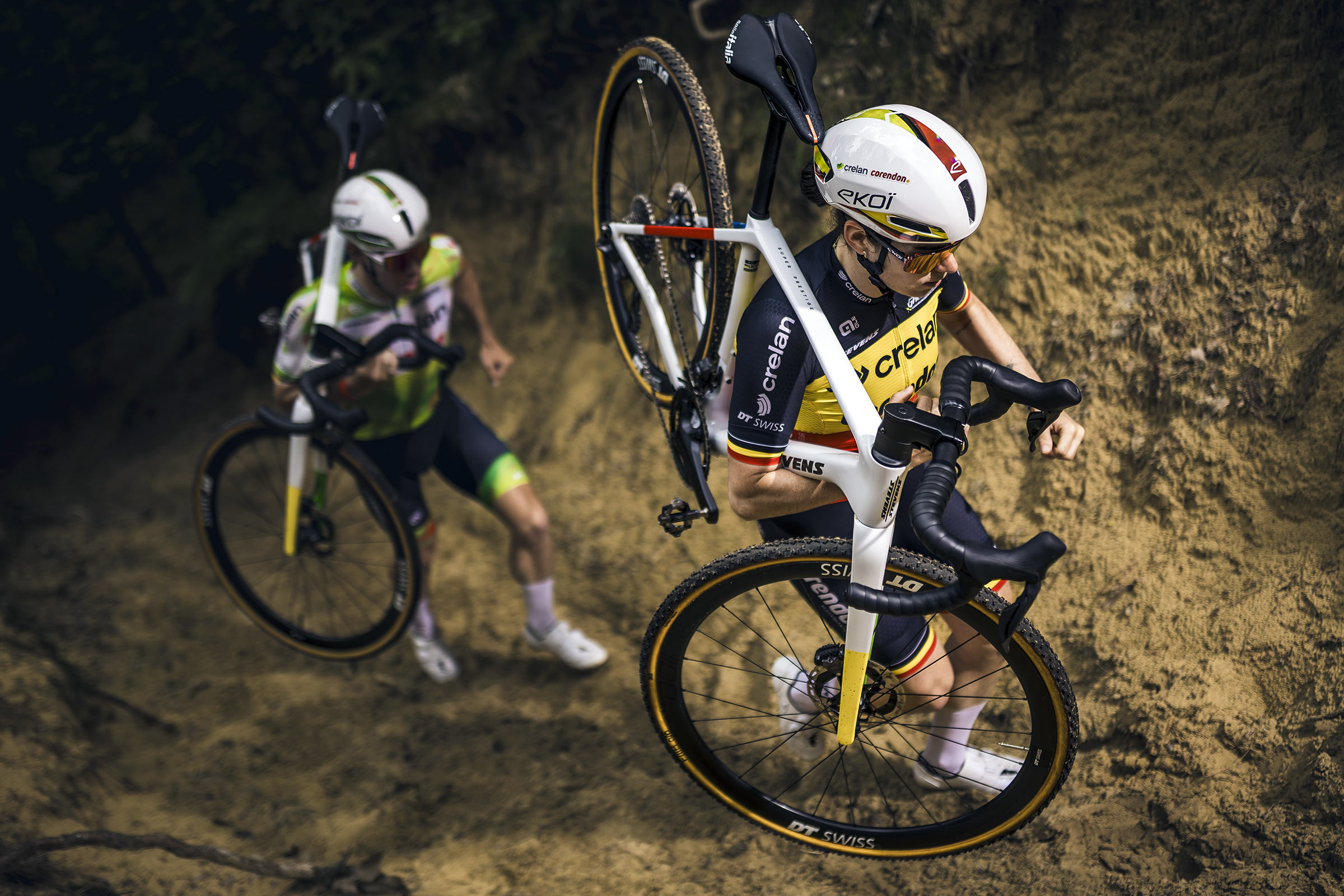
Because some sections are faster on foot. Cyclocross courses can include wooden/natural barriers, stairs, steep run-ups, deep mud, or sand pits. Riders dismount before the obstacle, lift or shoulder the bike, run through the section, remount, and start pedaling again.
It looks hard, because at first, it is. But it’s also one of the easiest parts of the sport to learn. You don’t need to bunny-hop barriers or look smooth in your first race. You need to dismount safely, move through the obstacle, and remount without taking out the rider behind you. A good dismount/remount comes from practice and experience, which you’ll gain by staying in the sport. Smooth comes later. Safe comes first.

What Bike Do You Need For Cyclocross?
You don’t need a dedicated cyclocross bike to start. A gravel bike works well, and some beginner fields also allow mountain bikes. The main thing is checking the rules for your event. At higher-level cyclocross races, the UCI-only field limits tires to 33mm. At many local beginner races, promoters may be more relaxed, but do not assume. Read the tech guide or ask before race day.
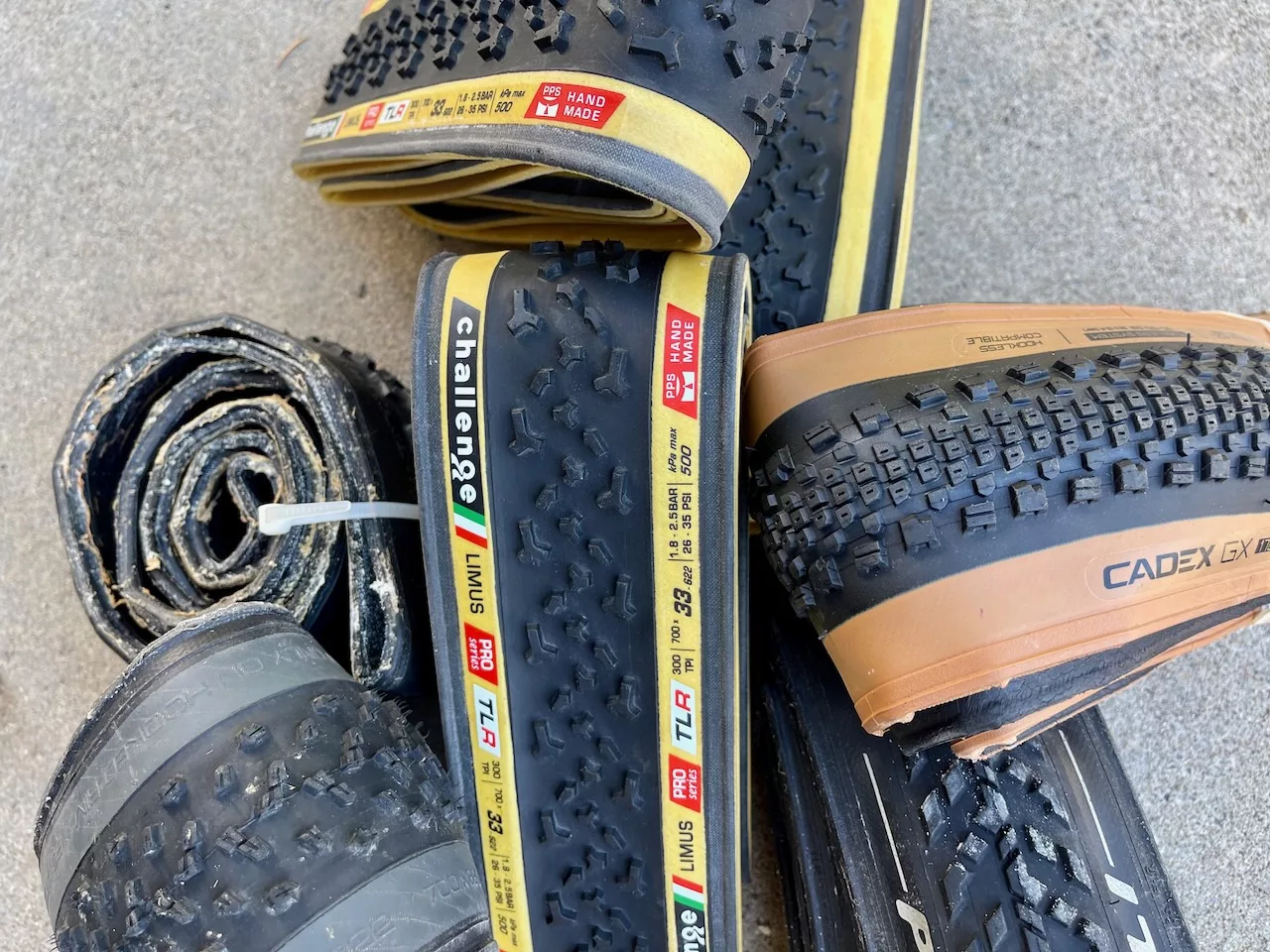
The best first upgrade is tires. A true cyclocross tire changes the bike more than almost anything else. File treads are fast on dry grass and hardpack. Mud tires are for proper slop, and the Grifo tread is best for everything in between. (Check out our Cyclocross Tire Guide for all the CX tire info) If you only want one set, start with an intermediate tread; the Challenge Grifo or the Dugast Typhoon is perfect. It won’t be the key tread for every weekend, but it will work in most conditions.

How Does the Start Work?
Cyclocross starts are fast and messy. It’s like XCO racing, but usually with a short sprint to the course’s pinch point, where positioning matters. Riders line up by category, series points, registration order, call-up ranking, or whatever system the promoter uses. Then the whistle blows, and everyone sprints toward the first corner.
For a beginner, the best advice is simple: start hard, but not stupid. It is easy to get caught up in the sprint and blow the doors off yourself in the first two minutes. A cyclocross race might be shorter than a gravel race, but it is still long enough to punish bad pacing.
Ride the first lap under control. Find your rhythm. Then start picking people off – what I like to call “A PAC-MAN Ride”.

What Category Should You Race?
Start in the beginner or novice field.
Don’t worry about how strong you are on group rides or in other disciplines. Cyclocross has its own rhythm, and the first few races are about learning the sport. You’ll learn what the start feels like, how to pre-ride, how to pass, where to run, how to remount, and how much tire pressure you can get away with. Watts are useless unless you can use them because you can’t stay on your bike.

Masters, juniors, singlespeed, open, and category-based fields are common, depending on the race. Some local events are very structured. Others are more relaxed. The promoter’s registration page will usually explain the options.
When in doubt, race beginner. Nobody gets a prize for entering a category too high and hating every minute. Cyclocross racing should be fun; good competition is part of it.

How to Watch Cyclocross
Cyclocross is one of the best cycling disciplines to watch live because the course is compact. You can stand at the barriers, walk to the run-up, catch the leaders again by the sand pit, then make it back to the finish before the bell lap.
Bring boots, a jacket, and low expectations for staying clean.
For televised racing, start with the big European races. Look for the World Cups, Superprestige, X2O Trofee, national championships, and the World Championships. You can find most of them on FLOBikes or on UCI replays on YouTube. Belgium and the Netherlands are the sport’s center, and the atmosphere is exactly what cyclocross should be: loud, muddy, packed with fans/frites, and slightly unhinged – like a good concert.

Streaming Cyclocross Races
Broadcast rights change by country, but in the U.S. and Canada, FloBikes has carried much of the major cyclocross coverage. In Europe, races often appear through Eurosport, Discovery+, HBO Max, national broadcasters, or race-specific streams. The UCI also lists viewing options for major events, but geo-blocking is common, so get familiar with TunnelBear or a VPN of your choice.
The pro race shows the sport at full speed. The local race shows why people actually fall in love with it.
How to Find a Local Race
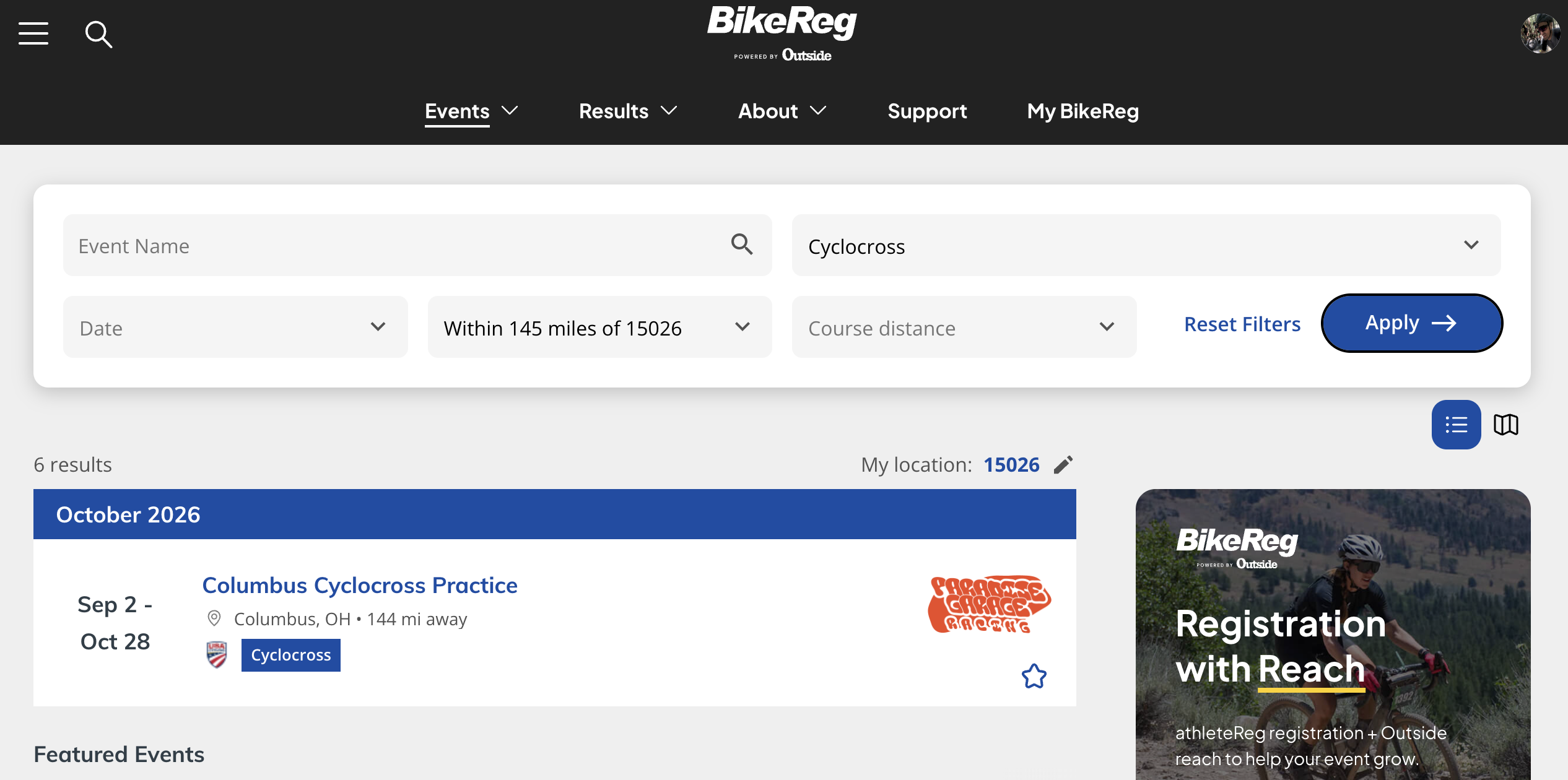
The easiest place to start is BikeReg. Search “cyclocross” and your region. USA Cycling’s event calendar also lists sanctioned races. “Bike Races Near Me” can help if you are just trying to see what is nearby.
Local bike shops are often even better. A small group of promoters, clubs, shops, and volunteers often builds cyclocross scenes and knows every venue within driving distance. Ask your local shop; they have the real knowledge. Search for regional CX series. Look for weeknight practices. Those practice nights are gold for beginners or anyone looking to work on the basics.
Useful search terms:
“cyclocross near me”
“CX series” plus your city
“BikeReg cyclocross”
“USA Cycling cyclocross calendar”
“cyclocross practice” plus your region
A local practice is the best way to learn the local scene, dismounts, remounts, starts, and cornering, without the pressure of a number pinned to your side.

What to Bring to Your First Race
The cyclocross first-timer shortlist: Bring your bike, two pairs of kit (warm-up and race), a helmet, cycling shoes you can run in, a pump, a reliable pressure gauge, water, snacks, clean clothes, a towel, and a trash bag for muddy kit.
When arriving at the race: Arrive early. Pick up your number, high-five your friends or make new ones. Hit the Porta-John. Ask when the course opens for pre-ride, then get ready. Ride one lap slowly to see the course. Ride another lap at speed where it is safe. Note the features and critical “bottleneck” points for the start and passing. Plan where to recover on the course and where to give it the beans – get ready to rock and roll.
Do not make major changes five minutes before the start. That rarely ends well.

Why Cyclocross Is Worth Trying
Cyclocross is hard, but it is not precious. You can race badly and still have fun or get lapped and still learn something. You can slide out, roll at tire, miss a pedal, and still have people cheering because everyone knows cyclocross is about the effort, giving it your all, and respecting the craft.
Racing cyclocross makes you a better rider; there is no question about that. You learn bike handling, cornering, braking, pacing, line choice, and above all, how to persevere in adverse conditions.
For beginners, it is one of the best entry points into bike racing. The races are short, and the courses are closed. The community is usually friendly and easy to break into. Spectators can actually see the race. And when it goes wrong, which it will, it usually makes a better story.
That’s cyclocross. Mud, grass, tape, barriers, bad starts, good heckles, and one more lap than you wanted.
Try it once. You’ll probably be terrible, then you’ll probably sign up again.
- Did we miss something?
- Do you have more to add?
- Do you race and have advice or good heckles?
Let us know in the comments!

