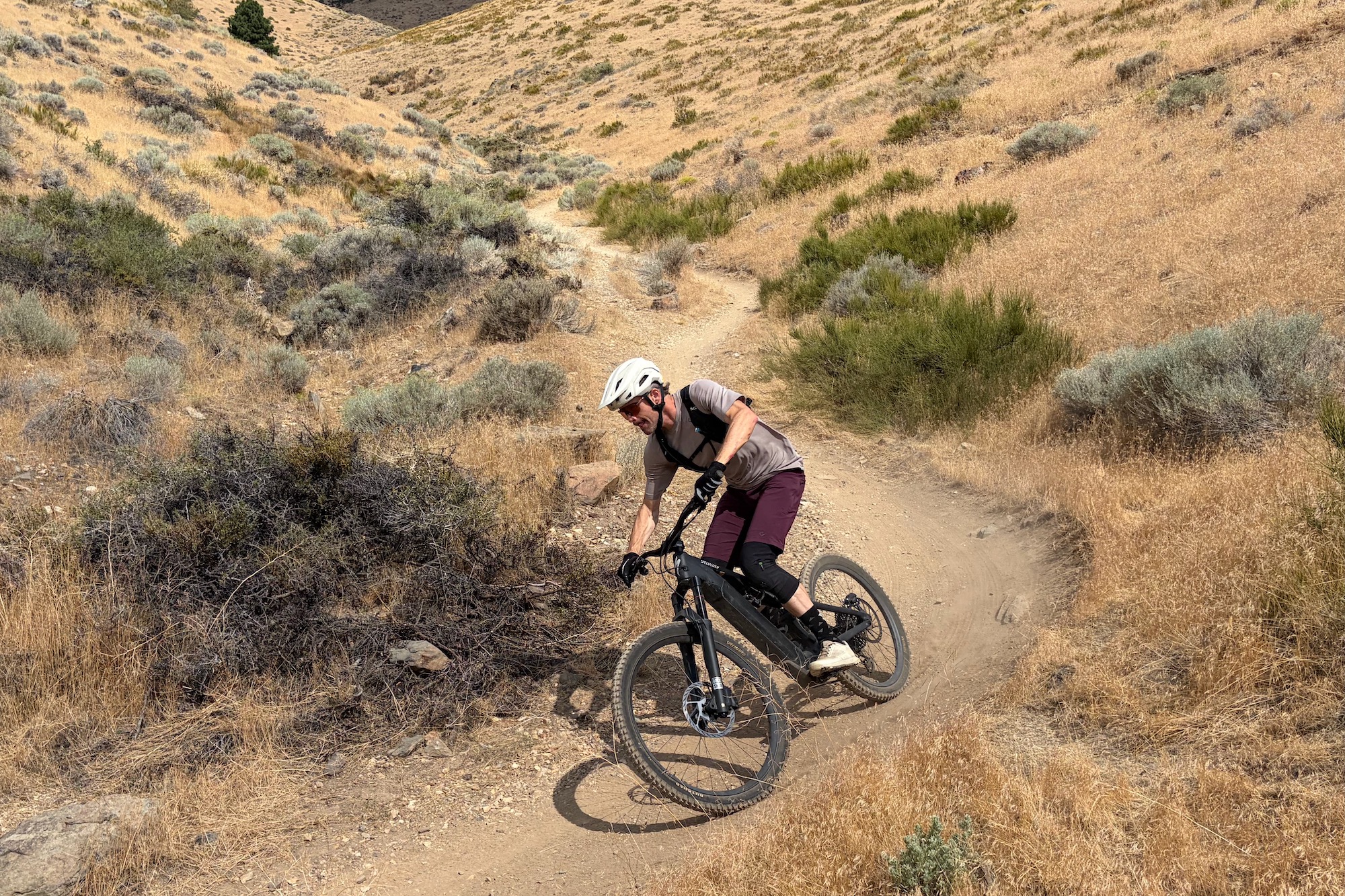


Giro introduced the Montaro Pro back in mid-August, replacing the longstanding Manifest Spherical as the top-of-the-line half-shell in its MTB helmet lineup. With this new lid, Giro has consolidated its mid- and top-tier helmets under the somewhat iconic Montaro name. While design features and elements of the Manifest carry over, they also gave it bolder, more angular styling that aligns more consistently with the design language of its more affordable sibling, the Montaro III.
I’ve been testing the new Giro Montaro Pro since it became available a couple of months ago. I’ve been wearing it on mountain bike rides and eMTB rides, in hot weather and in cooler temperatures, and so far, so good. Well, mostly. I think the Montaro Pro is damn near perfect, but there’s just one thing holding it back from greatness.
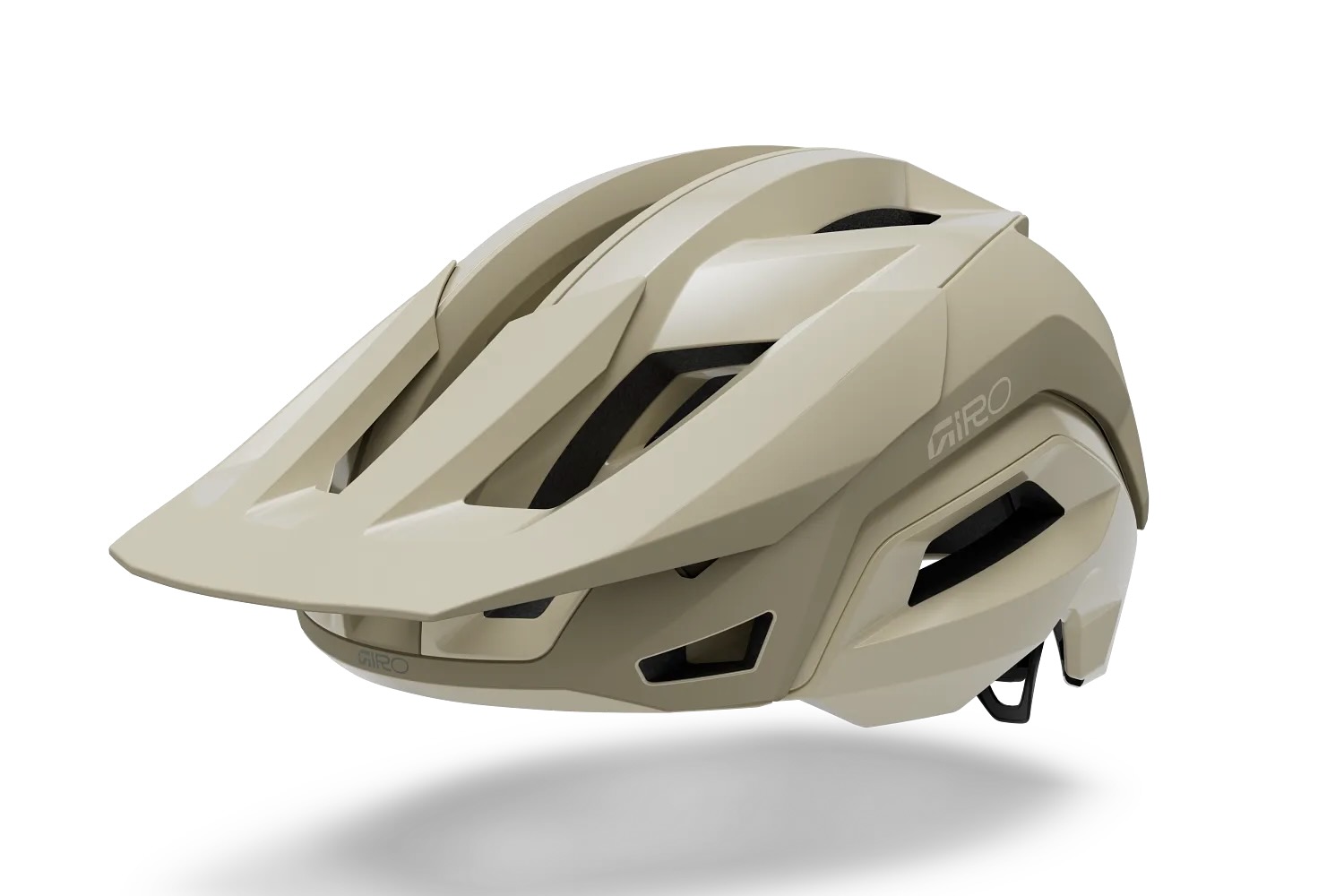
- MSRP: $300
- Weight: 465 g (Medium)
- Rotational Impact Protection System: Mips Spherical
- Adjustable visor: Yes
- Number of vents: 23
- Available sizes: S, M, L
- Virginia Tech Helmet Safety Rating: Not rated
Pros
- Very comfortable
- Well-ventilated
- Mips Spherical design seems effective
- NTA e-bike certified
- Fidlock buckle
- Looks pretty good
Cons
- Expensive
- Visor doesn't block low sun angles
- Not test by Virginia tech
Montaro Pro Review
As mentioned above, the Montaro Pro carries over some of the features of the Manifest Spherical it replaces, with a bolder style closer to the Montaro III. It’s positioned as the top-tier half-shell mountain bike helmet in Giro’s lineup, with the $299.95 price tag to match. You can learn the details in our first look coverage here.
Fit and Comfort
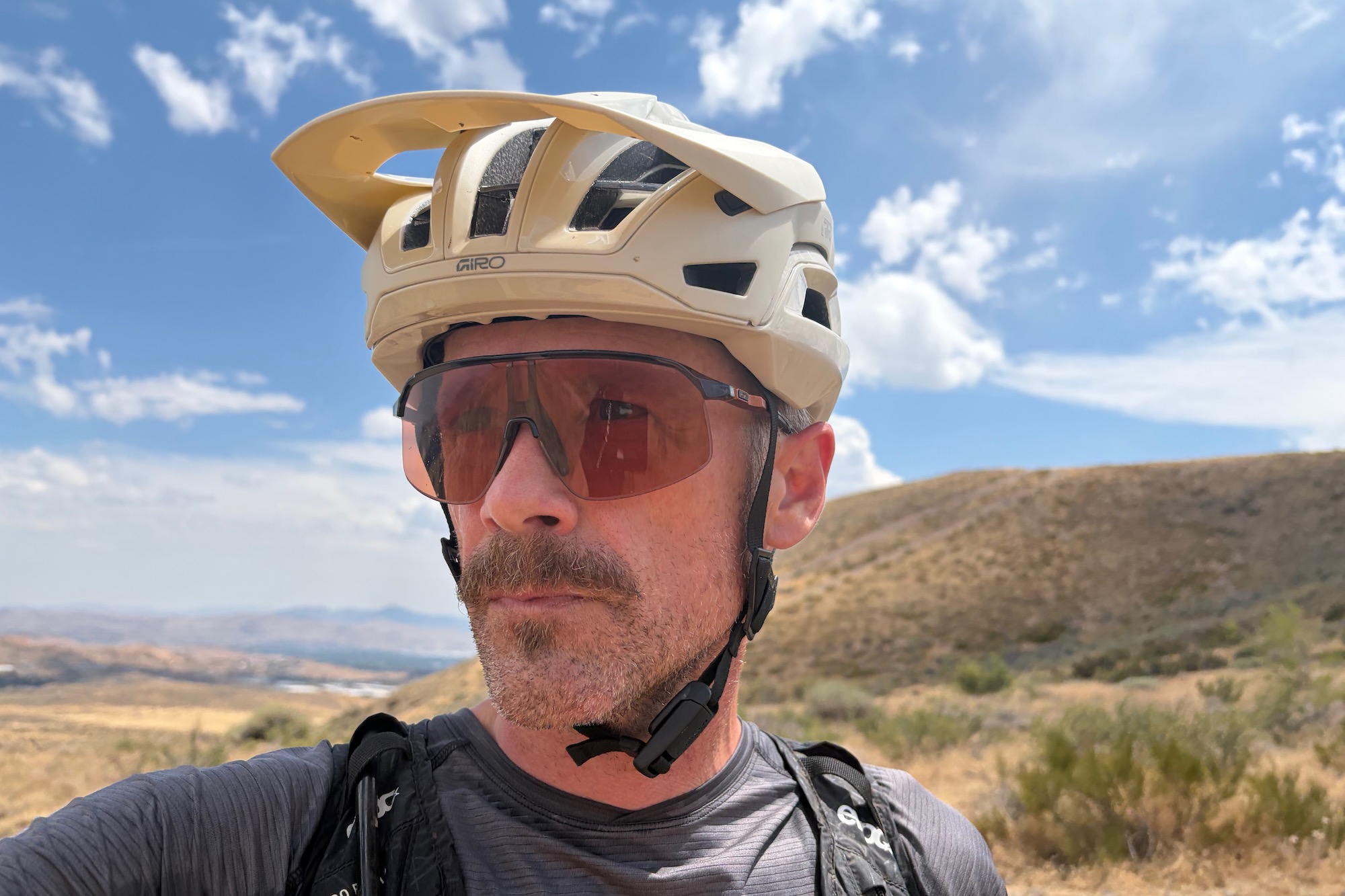
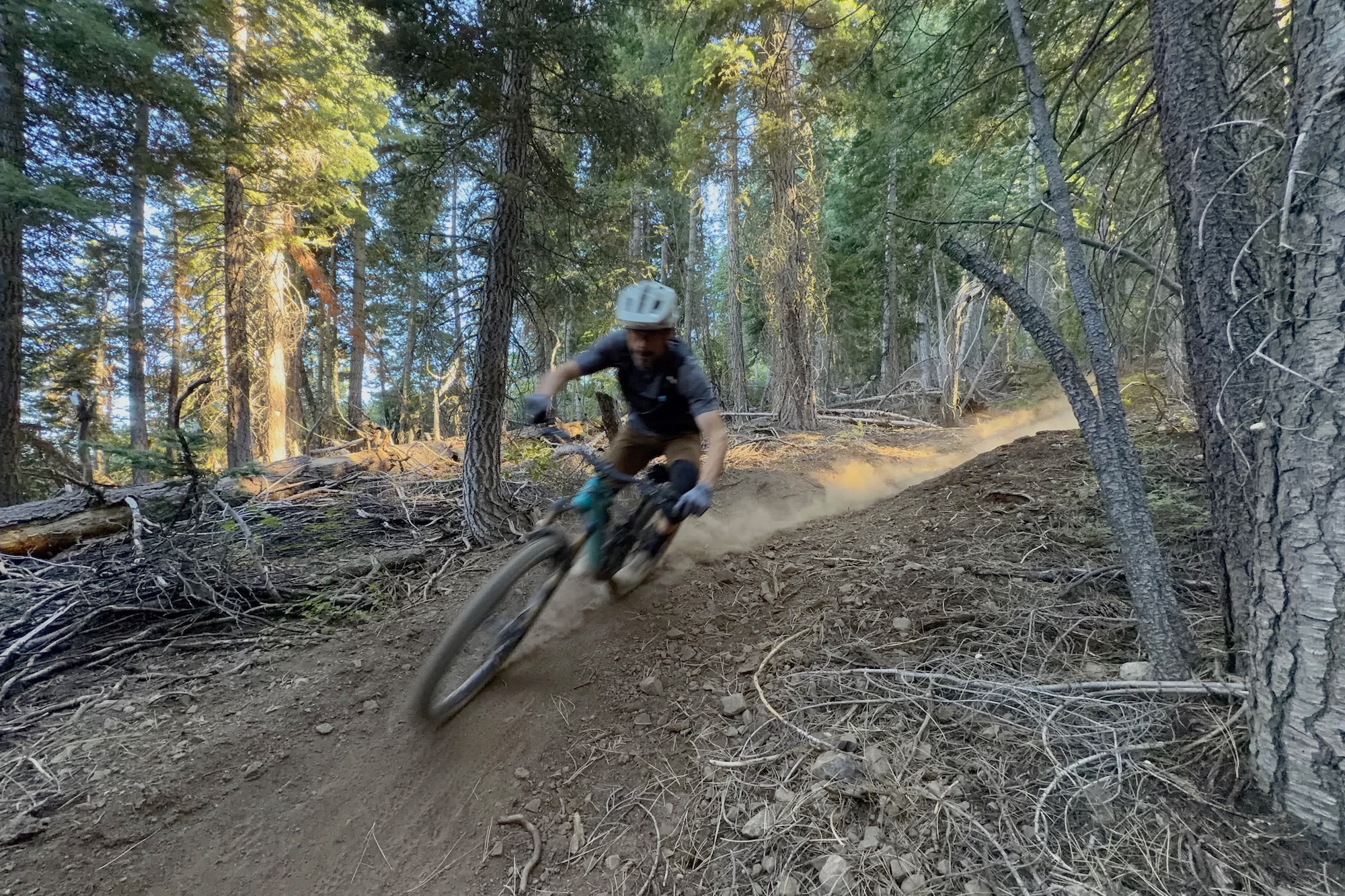
Giro has been making mountain bike helmets for decades, and I’ve always gotten along really well with the way they fit. That continues with the Montaro Pro, which seems to fit almost exactly like its predecessor, the Manifest. That is to say, I find it’s perfectly neutral compared to POC helmets, for example, which are slightly narrower in my experience. It fits my average/oval shaped head well, and I think it should work for most riders. Those with outlier head shapes would still be wise to try it on to be sure, of course.
As with most helmets, my 59cm head circumference lands me squarely on the cusp of the medium (55-59) and large (59-63) shell sizes. This leaves me squeezing into a medium or swimming in a large. I went with the medium, and I think that was the right choice. Even at the upper end of its fit range, the shell drops down pretty low on the sides and back of the head given its relatively deep fit.
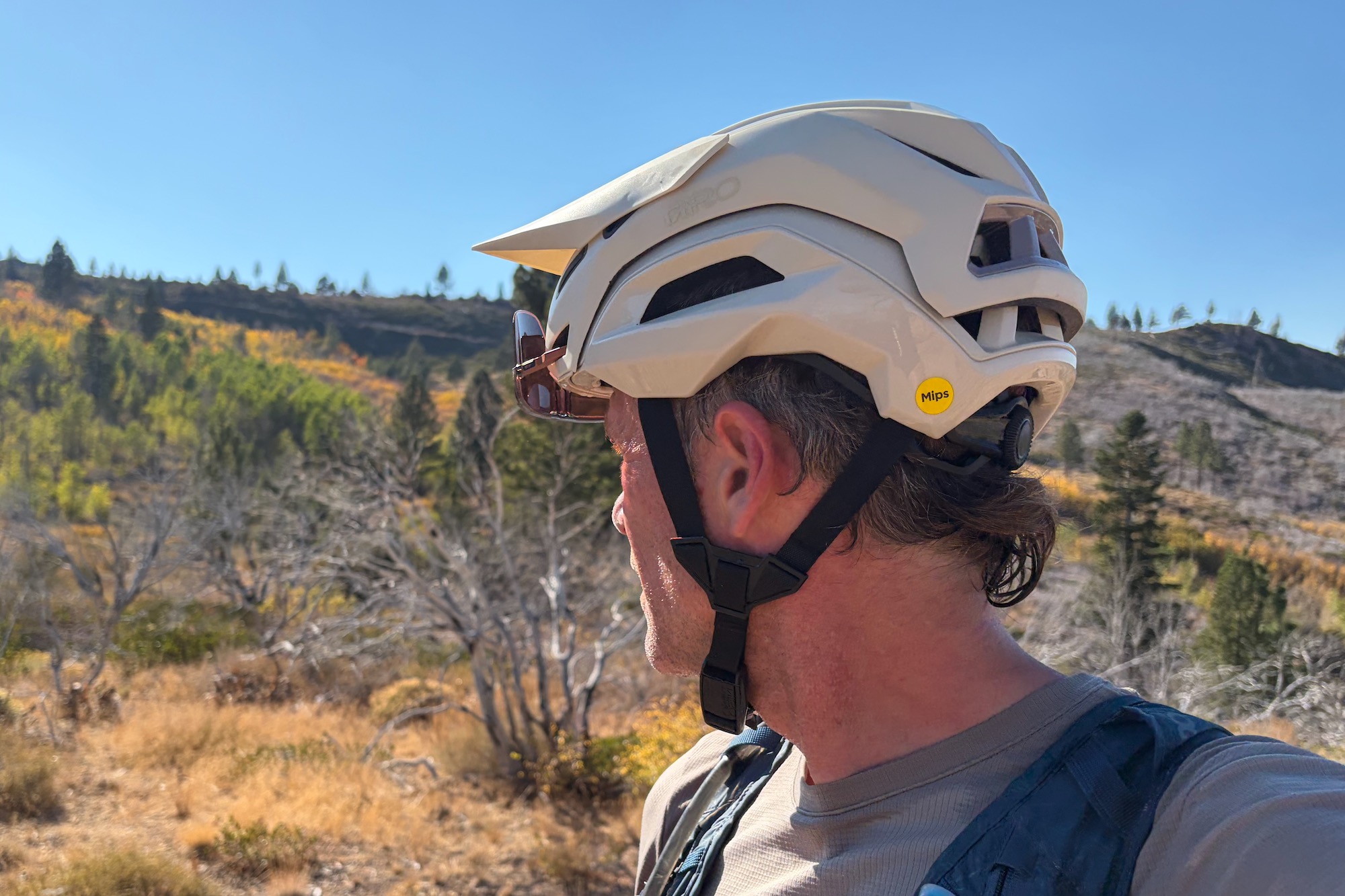
Inside, the padding is relatively plush across the brow and top of the head. Giro’s RocLoc Trail Air adjustment system has three stages of height adjustment and a large dial that’s easy to twist with or without gloves when adding or removing tension. In my opinion, it’s one of the more user-friendly and comfortable fit adjustment systems on the market.
I also appreciate the adjustable strap cradle by the ears. Not only does it hold them flat, but it keeps them from making any unwanted contact with my lobes, and it’s adjustable if needed. The single webbing strap under the chin is also unobtrusive, and the Fidlock buckle is quick and easy to use.
Protection
I don’t have any helmet impact testing equipment, so I can only judge the Montaro Pro and any other helmets I test based on what I perceive to be their protective qualities. We’ve also come to rely on Virginia Tech’s bicycle helmet ratings to provide comparative impact test ratings, but unfortunately, the Montaro Pro has not been tested. Of course, it meets all of the standard helmet safety requirements for its CPSC certification. It has also been tested for higher speeds up to 28 mph and is NTA-8776 e-bike certified.
On my head, the Montaro Pro has a relatively deep fit and extended coverage over the occipital lobe and temples that’s typical of modern trail helmets. It’s stable and secure and has a sturdy, reassuring feel before even considering features like Aura II structural reinforcement.
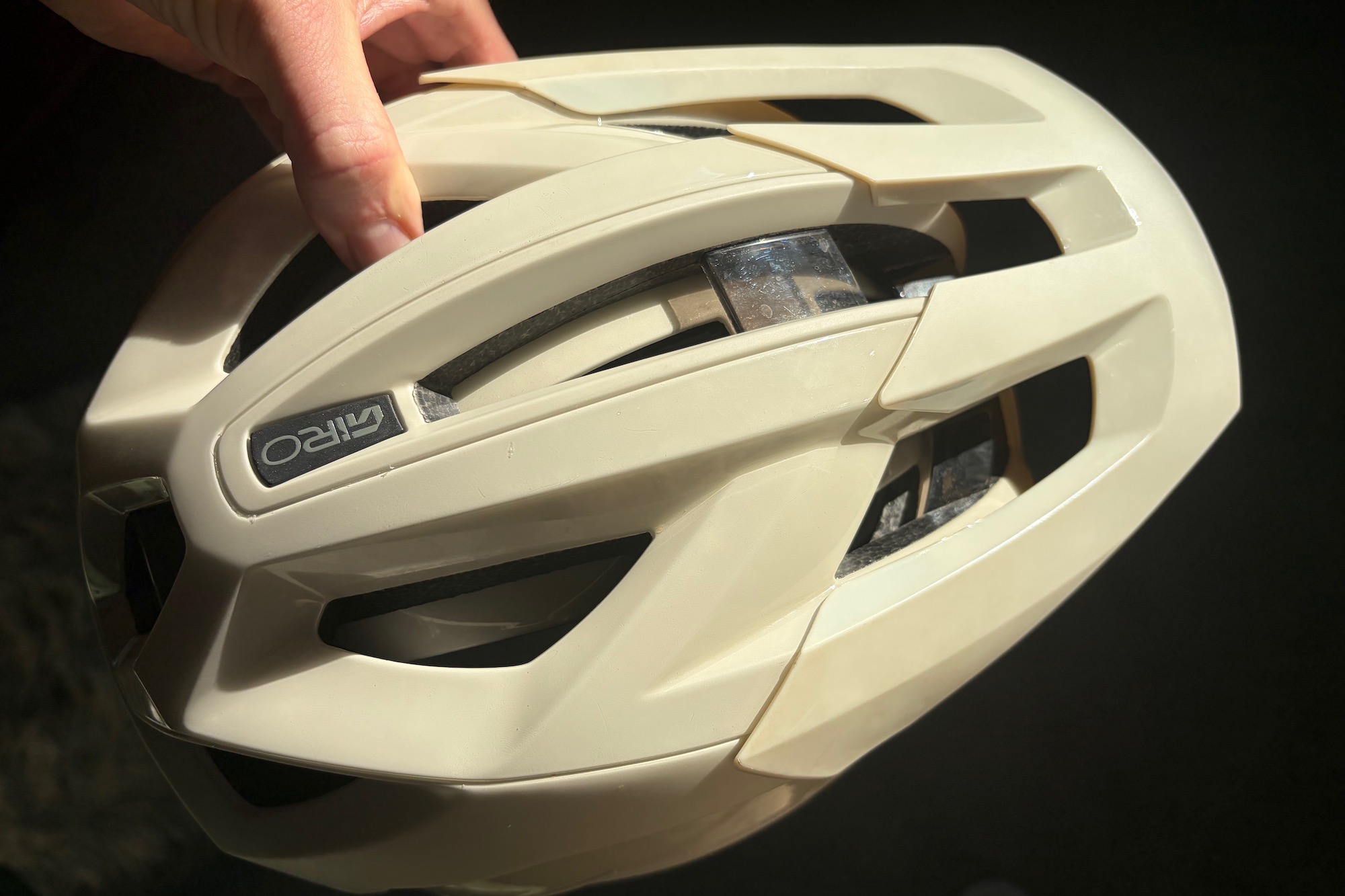
I’ve worn Giro’s Aries Spherical and Manifest Spherical helmets previously, and the dual-shell Mips Spherical design seems like it should be highly effective. The upper and lower shells move independently of each other and are quite easy to shift around by hand. I’m just basing this assessment on feel (or maybe vibes), but it feels more protective than a thin plastic liner or Mips integrated into helmet padding. In my experience, the Spherical design doesn’t make any annoying noises either.
Ventilation
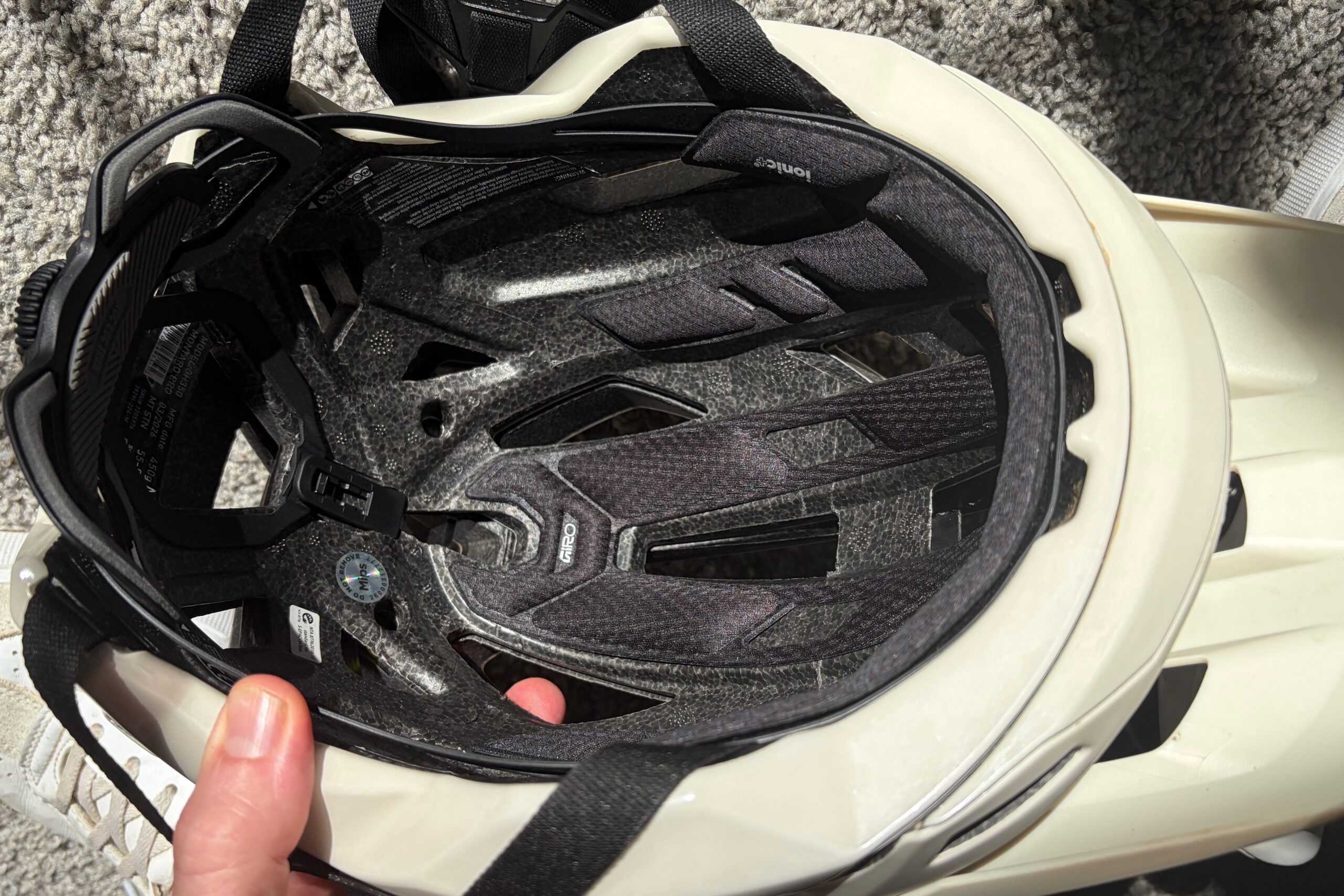
The Montaro Pro has 23 Wind Tunnel Vents that provide solid ventilation. I wouldn’t call it class-leading, but I’m actually impressed with how much air moves over my head given the dual-shell Mips Spherical design. It’s most noticeable and effective at the front of the helmet, where air flows directly to my forehead through the large front vents. Shallow air flow channels do a commendable job of moving that air from front to back.
Given the fairly shallow depth of the internal airflow channels, however, the Montaro Pro is bested by a few others in the ventilation department. A couple of helmets I’ve tried recently that come to mind are the POC Cularis and the Specialized Ambush 3, both of which have significantly deeper airflow channels inside.
Eyewear Storage
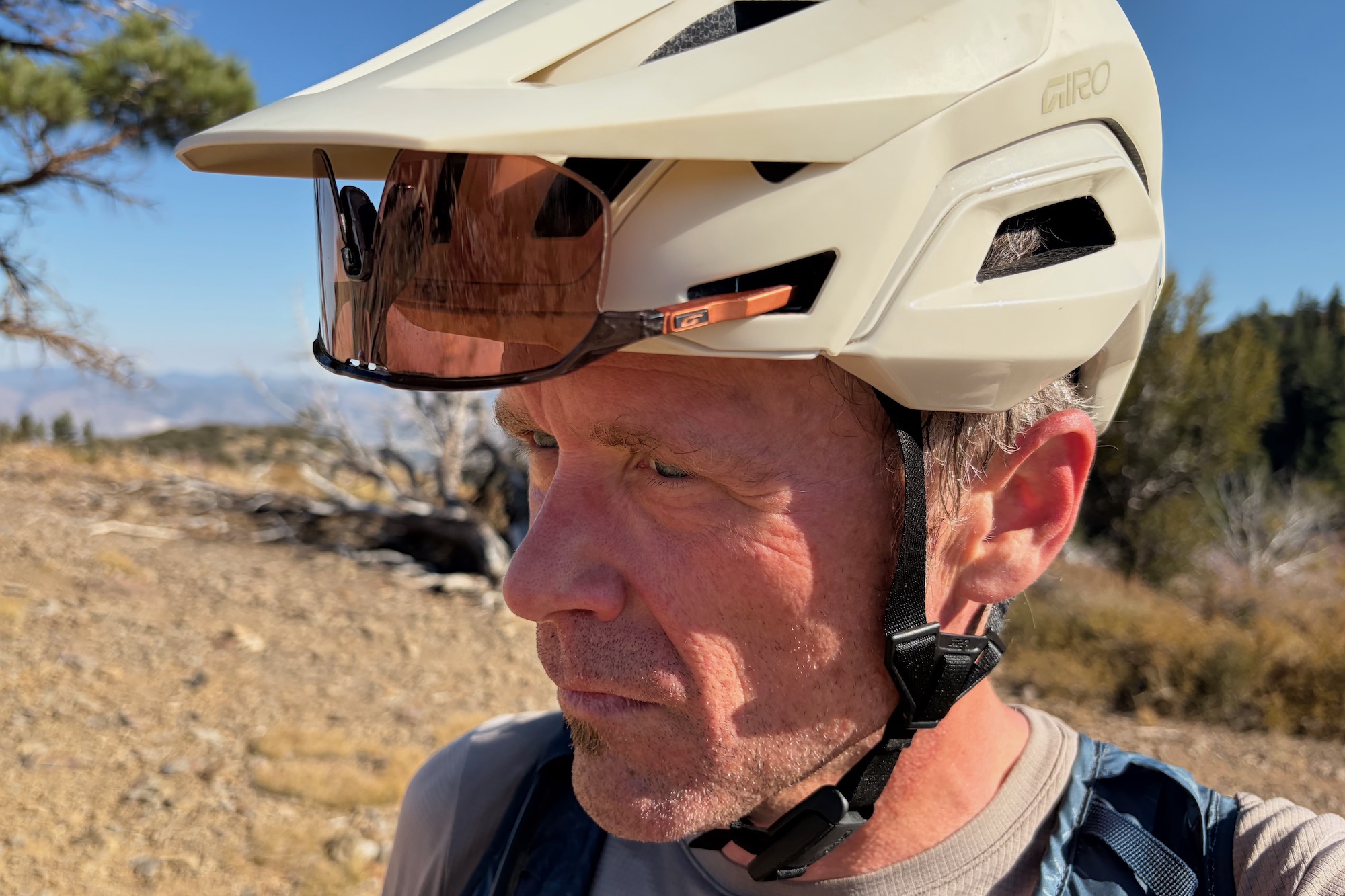
The two smallest vents on the brow of the Montaro Pro double as eyewear storage. I usually keep my sunglasses on my eyes while I’m riding, so I’m not a stickler for this feature. But on some particularly sweaty rides recently, I’ve stashed my shades on the climbs to keep sweat from dripping on my lenses. In my opinion, the spacing of these vents/slots is pretty ideal, making them easy to locate and insert the sunglass arms, even while riding.
They also don’t feel like they’re stretching my sunglasses in the name of stability and security. The sunglasses I’ve tried have stayed put just fine, even over bumpy mountain trails. That said, the glasses sit an inch or so in front of the helmet shell, so they are in your field of view when stashed on the helmet.
Visor
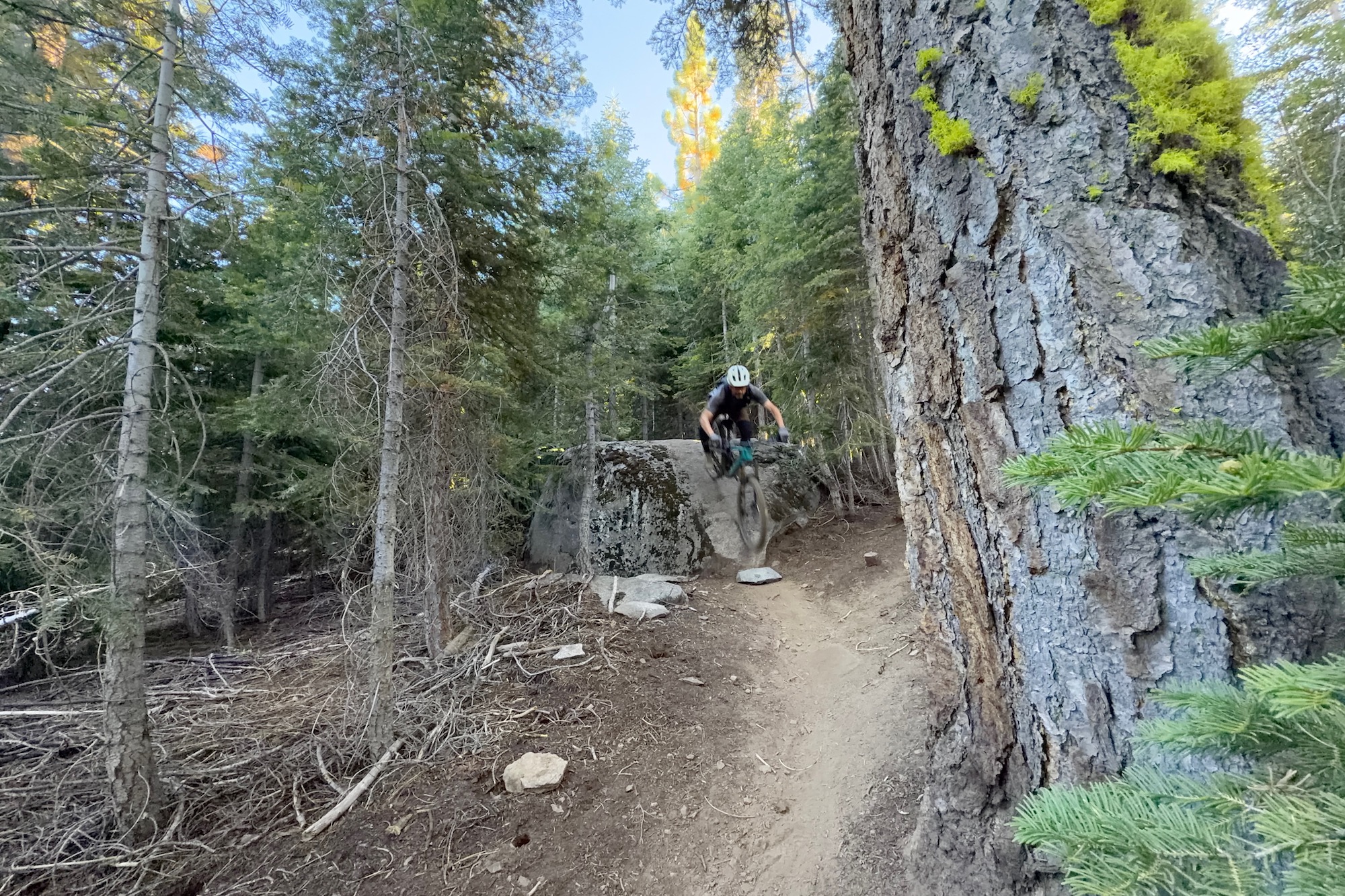
In my opinion, a functional visor is one of the most important features of a mountain bike helmet. I’ve even gone so far as to rant it about. Prior to even receiving the Montaro Pro, I was skeptical of its two position adjustable visor based on looks alone. At first, when the sun angles were higher, I didn’t take much issue with it. Now that it’s fall and the sun angle creeps lower and lower each day, its given me something to complain about.
The Montaro Pro’s visor has two positions. The high position provides plenty of room for goggle wearers needing to stash them on the helmet between laps. It also slides down into the low position, where the tip of the visor is just barely out of my field of view. Honestly, not having the visor in my peripheral vision whatsoever is pretty ideal most of the time. But as soon as I need it to block the sun from shining directly in my eyes, it requires that I angle my head downward to do so.
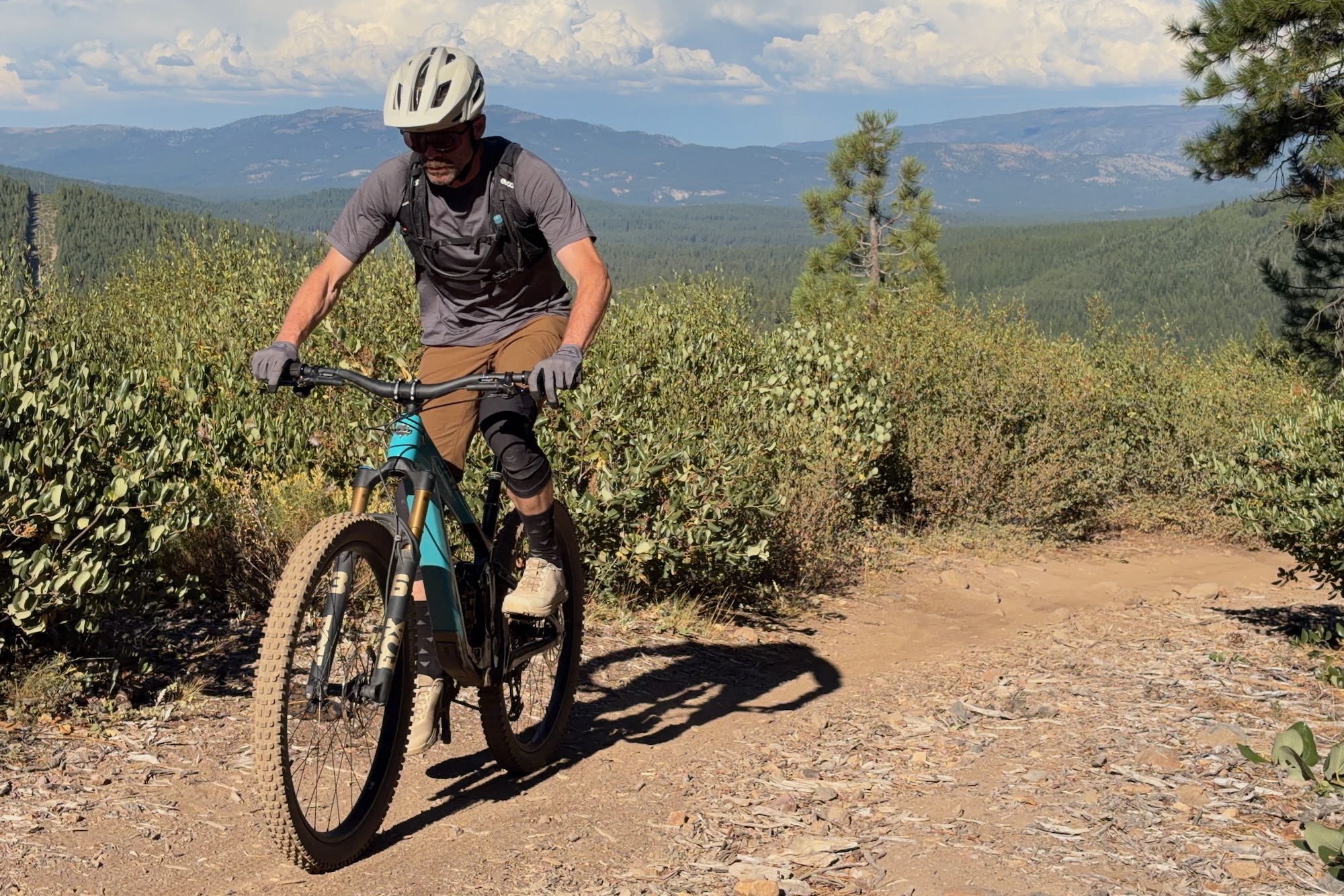
Mid-summer or riding in a deep dark forest, it’s not a big deal. But at sunrise, sunset, or pretty much any time of day from October to March, another lower visor position would be very welcome. And given that it’s already adjustable, why not have another, lower position? Now, I recognize that I’m extra particular about visors because quite a bit of my local riding is in the high desert with limited tree cover. If you ride in the lush, shady forests of the Northeast or Pacific Northwest, this may not be an issue for you at all.
Weight
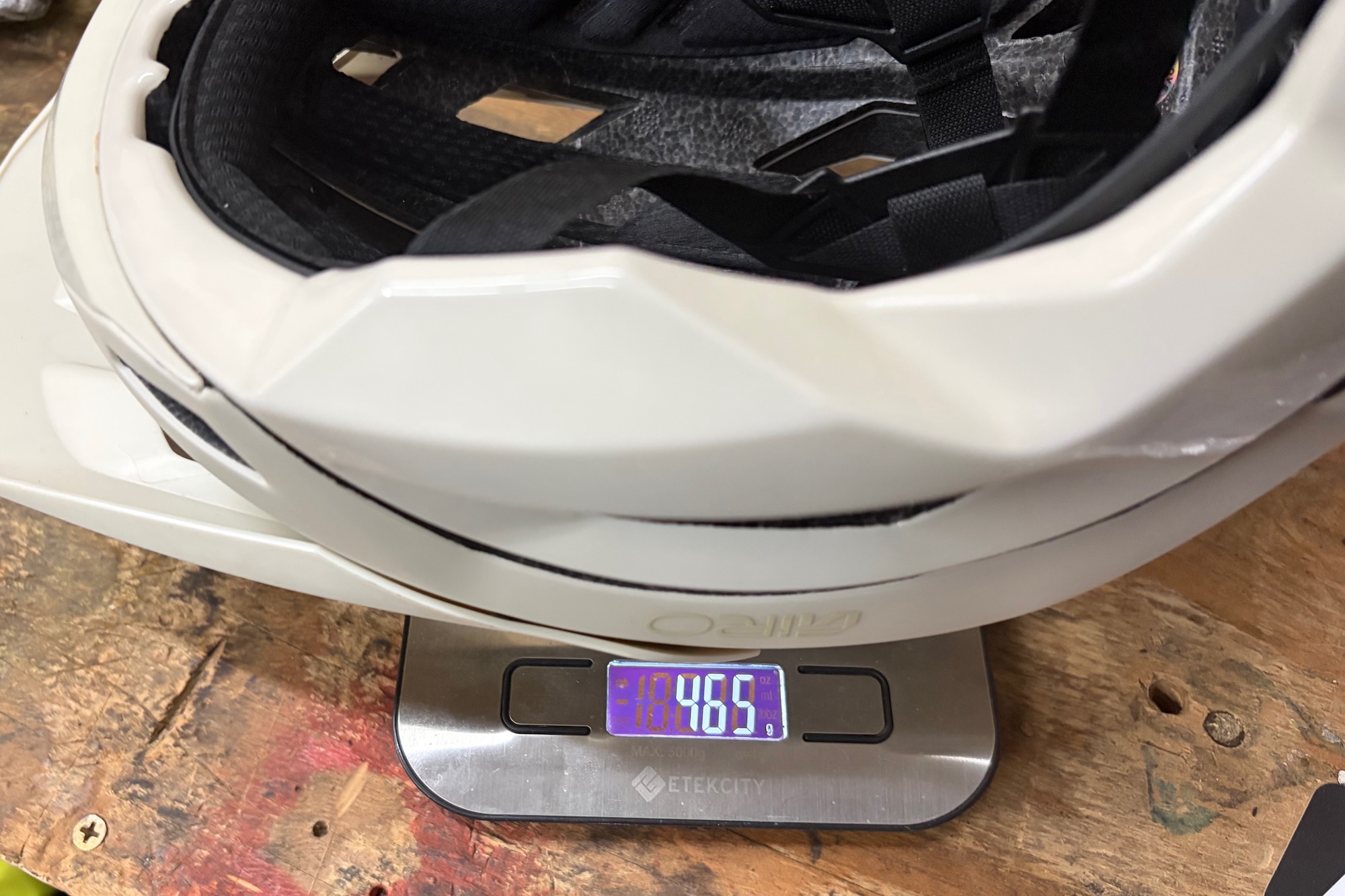
My size medium Montaro Pro weighs in at 465 grams on my scale. That puts it at the upper end of the weight spectrum compared to other half shell helmets I’ve tested. For comparison, the next heaviest helmets I’ve tried recently are the POC Cularis (440 grams), the Specialized Ambush 3 (441 grams), and the Smith Payroll (448 grams), all in size large.
While it might have a few grams on those helmets, it’s definitely not something I notice and the Montaro Pro does not feel heavy on my head. It carries its weight well, perhaps because of the great fit.
My Takeaway
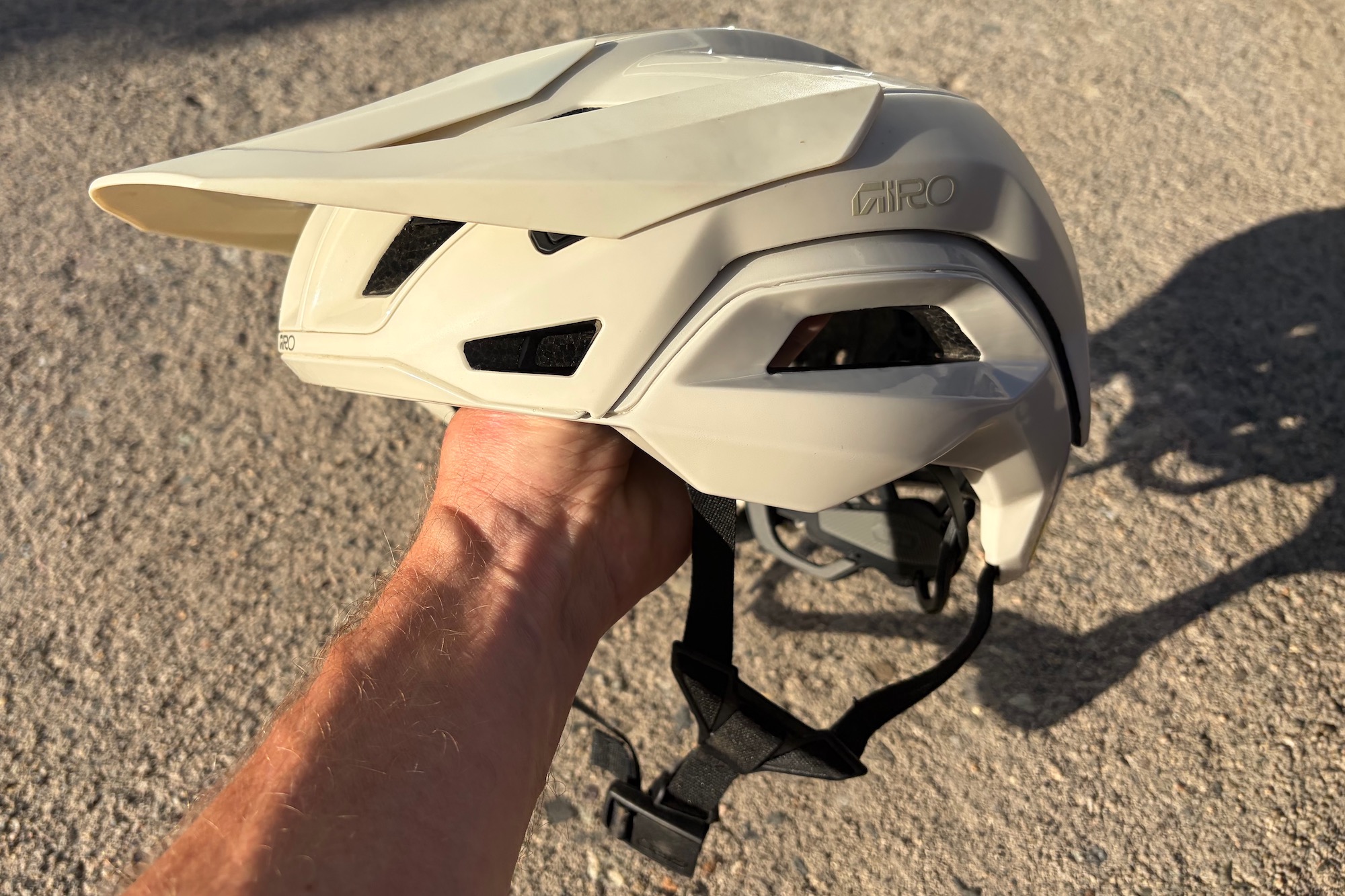
Giro’s Montaro Pro is the evolution of its popular Manifest Spherical helmet, and I like nearly everything about it. It’s comfortable and has a protective feel with great coverage, the Mips Spherical rational impact protection system, and the NTA-8776 e-bike certification. It’s relatively well-ventilated, and I really like the way it looks, too.
My only real complaint is the visor, which is not the most effective at blocking the sun at low angles. That’s really the only flaw I’ve found in what is otherwise a near-perfect mountain bike helmet. It’ll be out of my rotation for a while, but it’ll be back in action once the sun is higher in the sky. The importance of visors varies, of course, and if it’s not a priority for you, the Montaro Pro is absolutely worth checking out.
