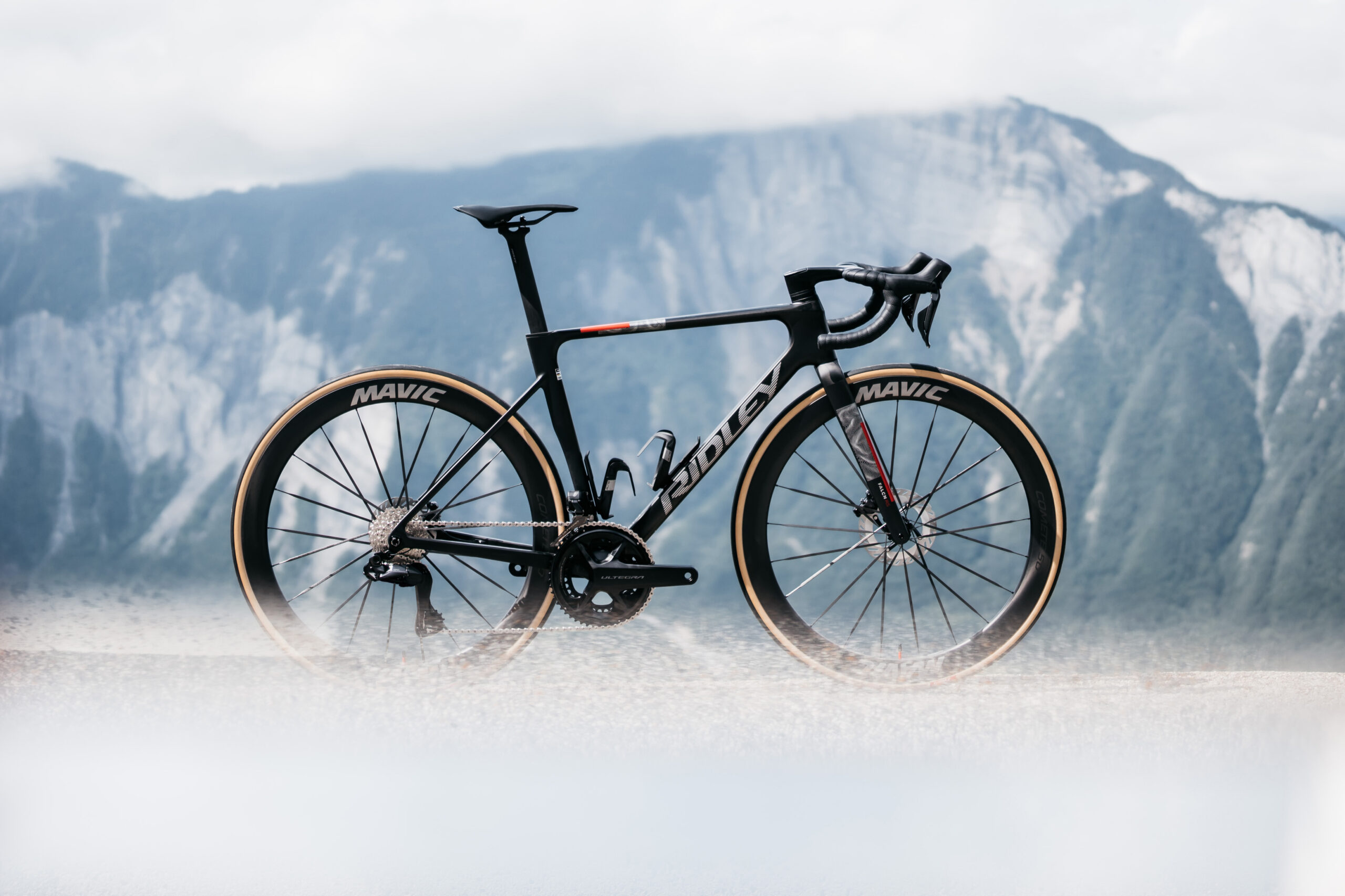


Ridley has completely reworked the FALCN RS for its second generation, cutting weight, changing the fit, and keeping enough aero shaping to avoid becoming a traditional climbing bike.
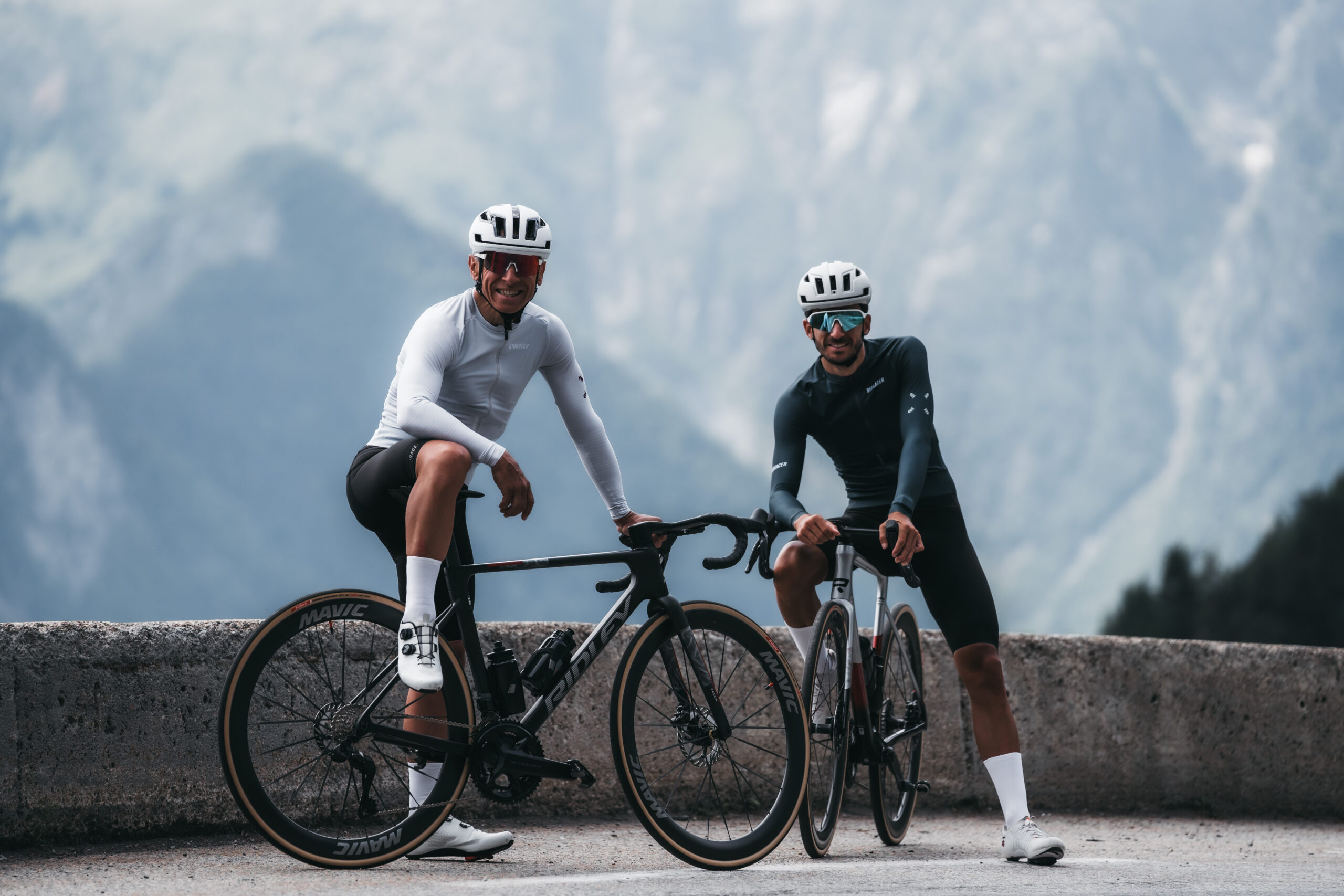
Ridley FALCN RS 2.0
The new FALCN RS 2.0 sits in what Ridley calls its “aero-to-weight” category, with a claimed 705g frame in size Medium. Ridley says the complete frameset, frame, fork, and seatpost included, is 12% lighter than the first-generation FALCN RS.
The geometry gets an equally big update. Every size now uses a 76-degree seat tube angle, paired with more reach, more stack, and a slightly lower bottom bracket. Rider feedback and fit data gathered with Uno-X drove the changes, and the bike had already made its Tour de France debut before Ridley officially launched it. Torstein Træen even raced the new FALCN RS 2.0 while wearing the yellow jersey during the 2026 Tour.
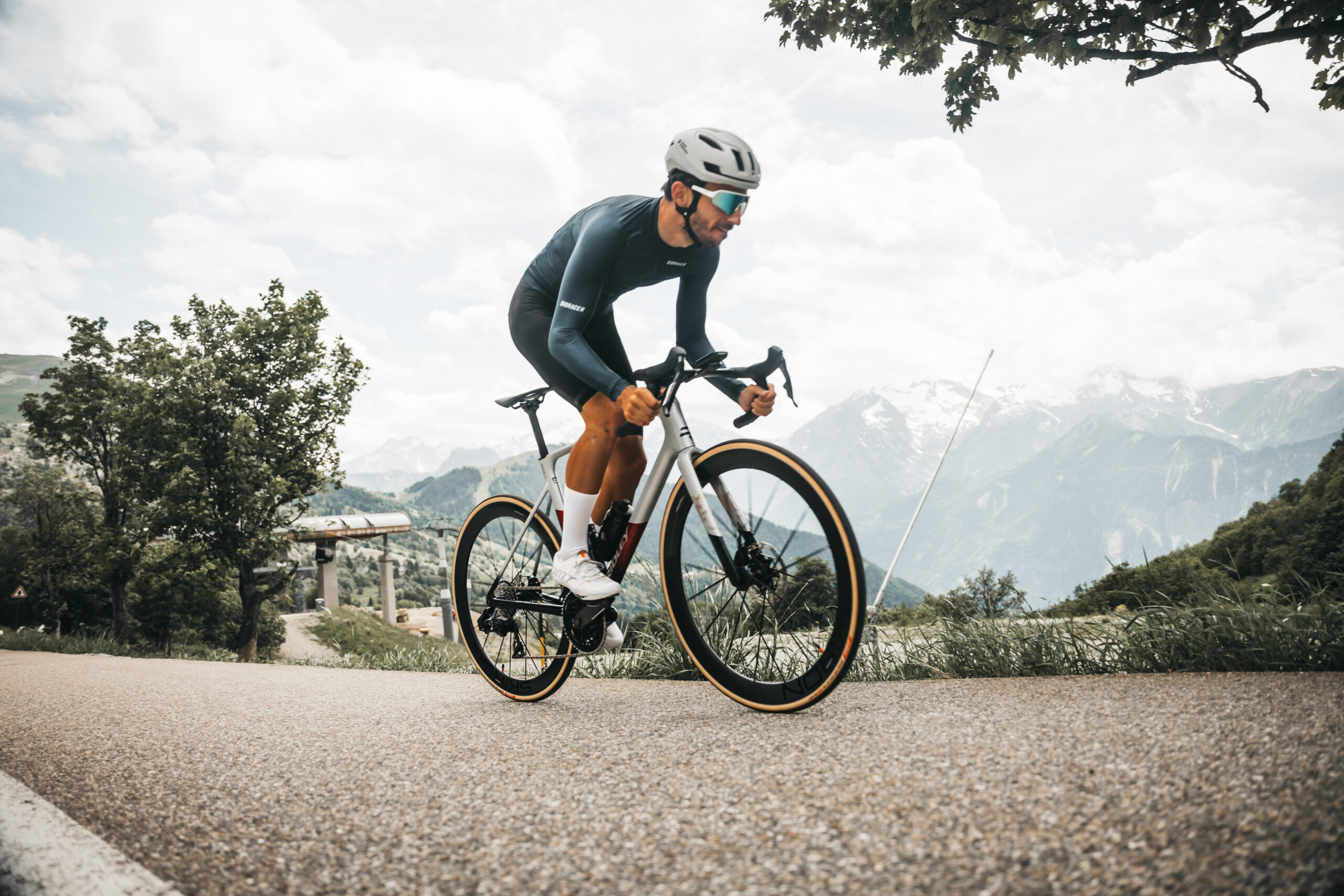
A 705g Frame Without Giving Up the Aero Shapes
Weight was the main target with the new FALCN RS. Ridley revisited the carbon layup and reduced unnecessary overlap between layers. Instead of stacking carbon over large sections of the frame, material is now concentrated where stiffness demands it.
The rear brake mount is one example. Ridley calls it a hollow brake mount, keeping carbon around the load-bearing areas and removing it where it isn’t needed.
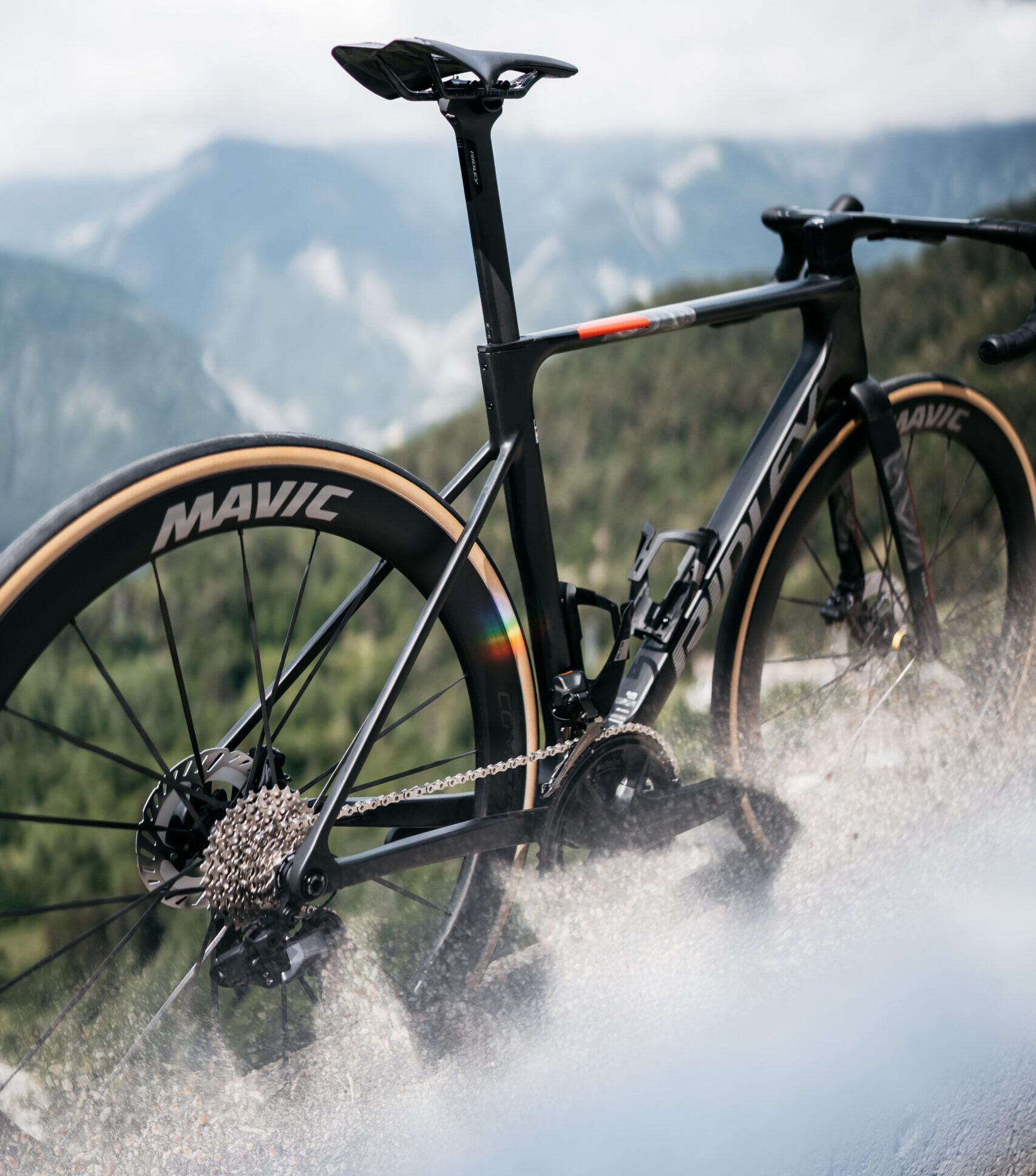
The exterior shapes were cleaned up too. The FALCN RS 2.0 uses fewer sharp transitions and more rounded surfaces, allowing Ridley to reduce material without sacrificing structural strength.
Ridley says lateral stiffness remains at an aero race bike level, keeping the frame quick when the rider gets out of the saddle or responds to an attack. The result is a claimed 705g frame weight in a Medium. More impressive is what happens once Ridley builds the whole thing.
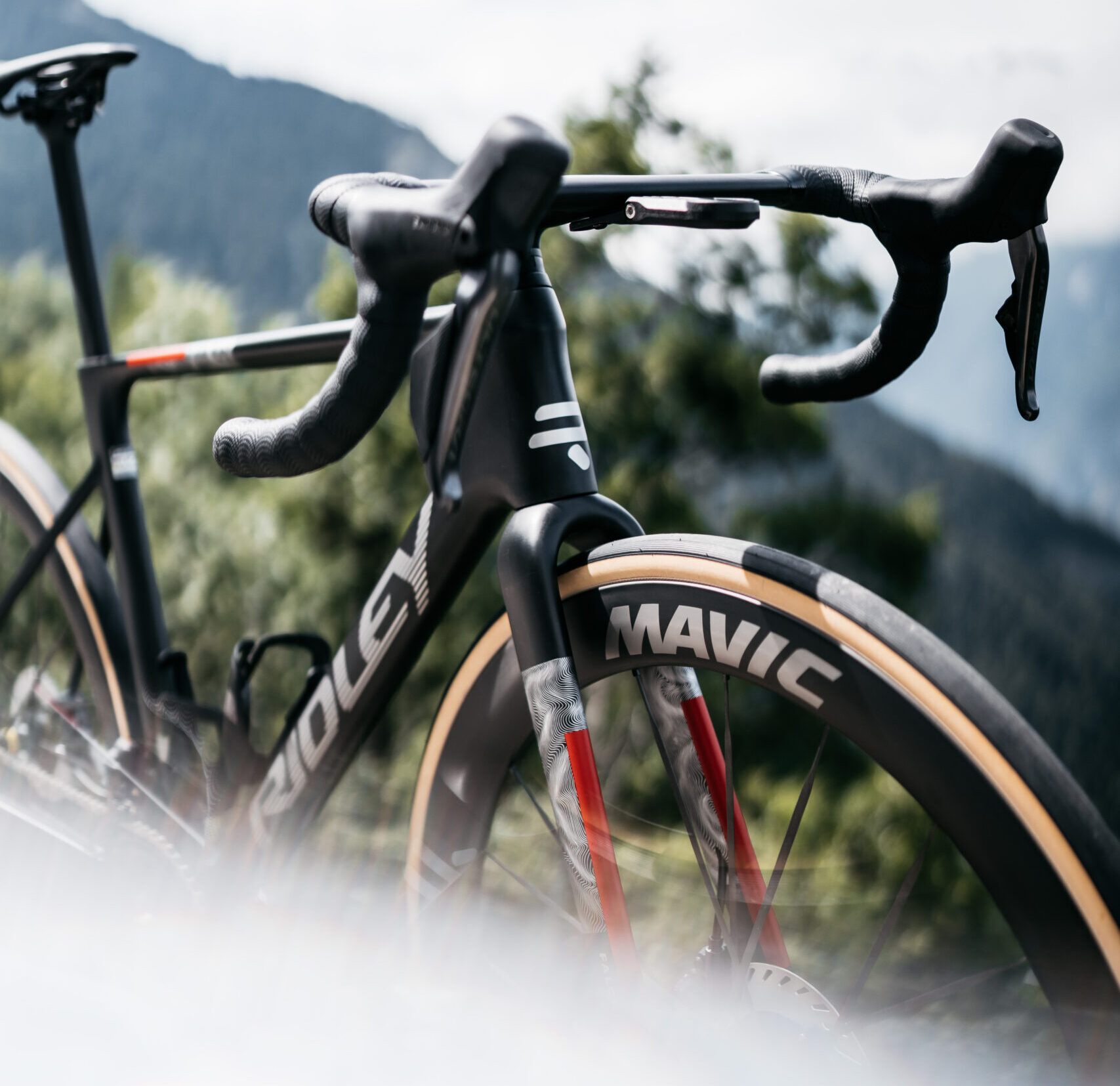
The SRAM Red AXS bike comes in at a claimed 6.2kg (about 13.7lb). The Force AXS model is 6.65kg, while the Shimano Ultegra Di2 bike lands at 6.8kg.
That gives Uno-X some room to play with equipment choices while still hitting the UCI minimum weight. A deeper wheel or slightly heavier components become options without turning the bike into a brick.
Still Aero Enough for the Fast Stuff
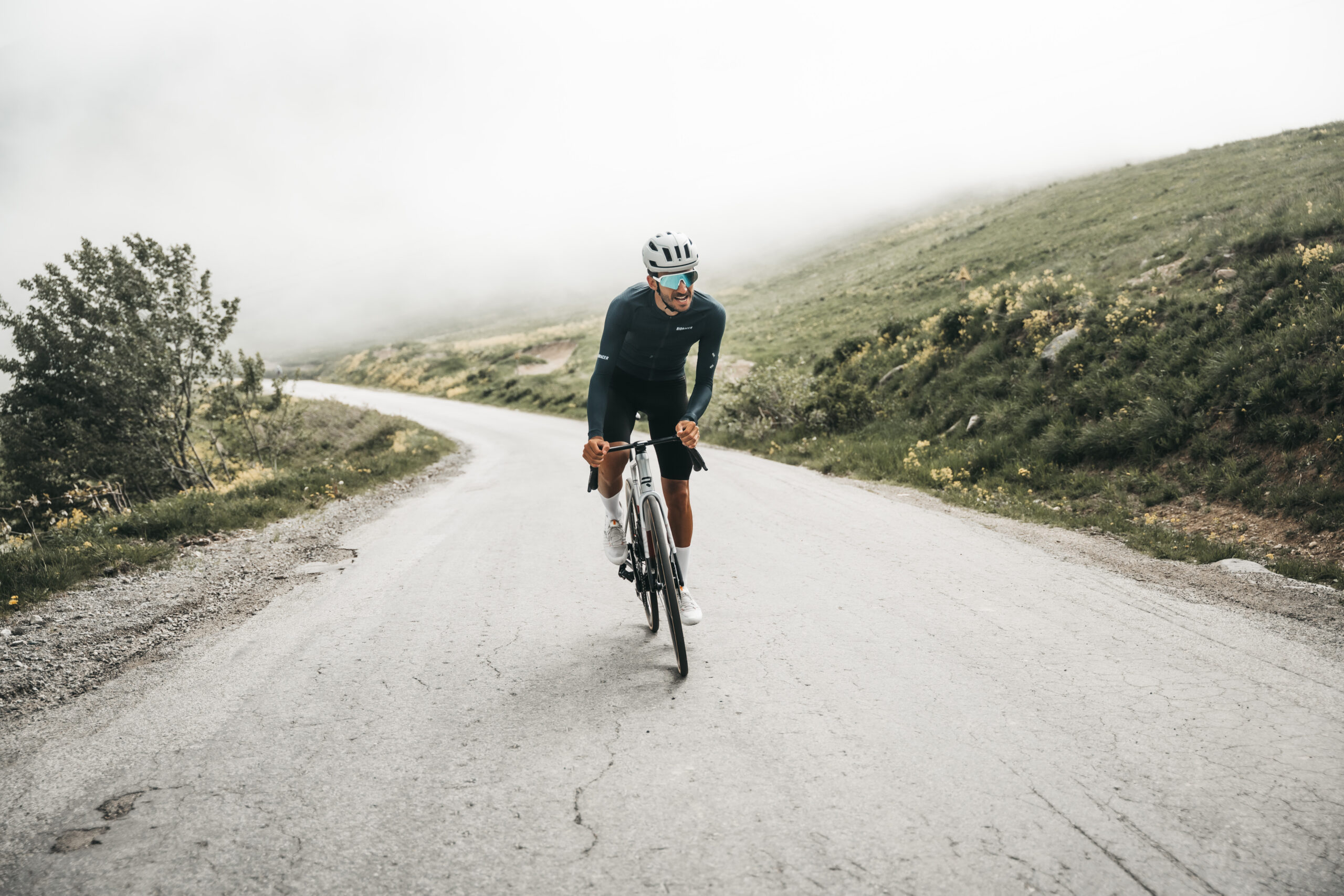
Ridley didn’t chase the 705g frame by turning the FALCN RS into a skinny-tubed climbing bike.
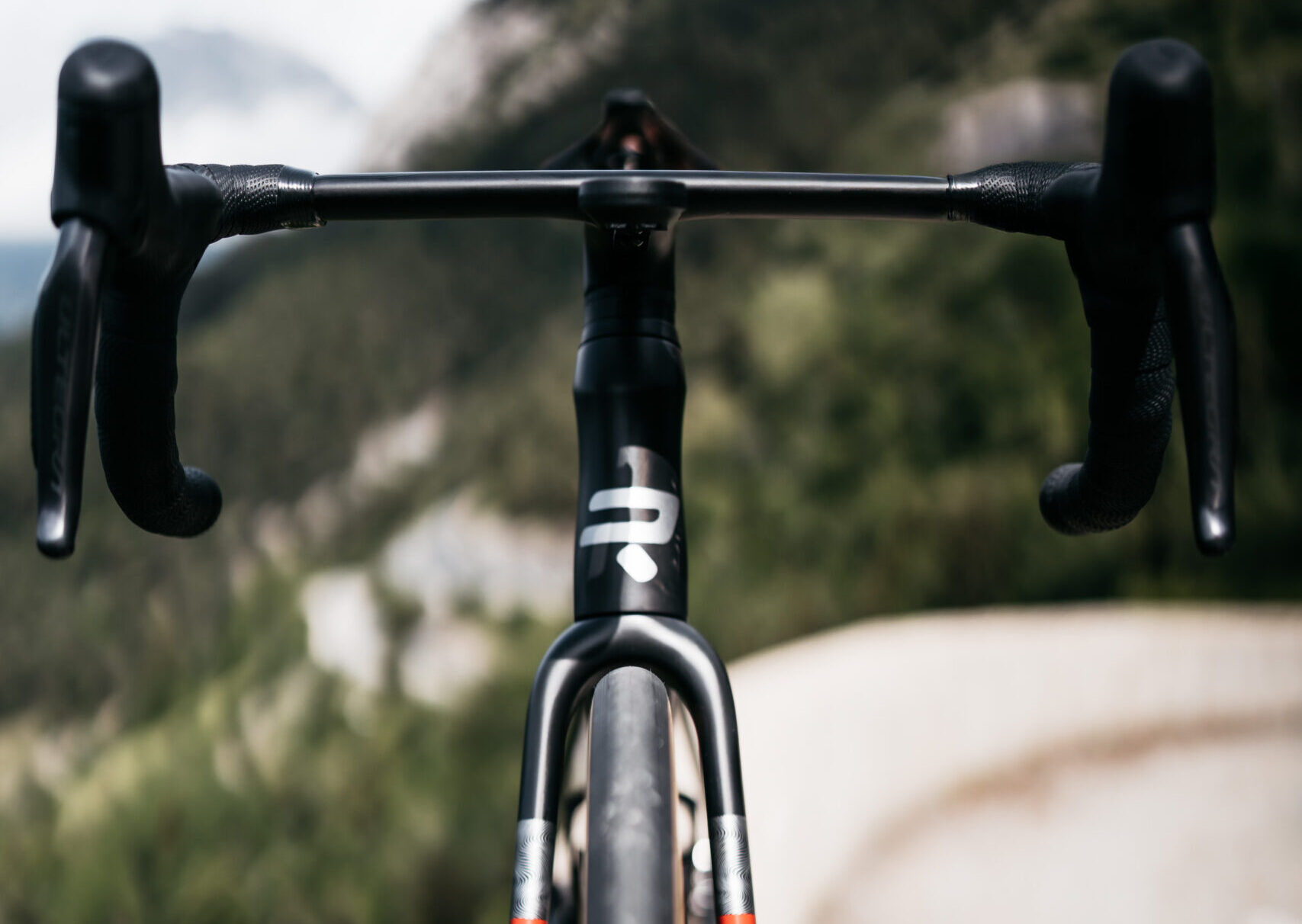
The new design keeps the original FALCN RS’s aerodynamic tube shapes but smooths the transitions between them. The seatpost gets noticeably slimmer while keeping an aero profile, and the bike uses Ridley’s Nimbus Pro cockpit up front.
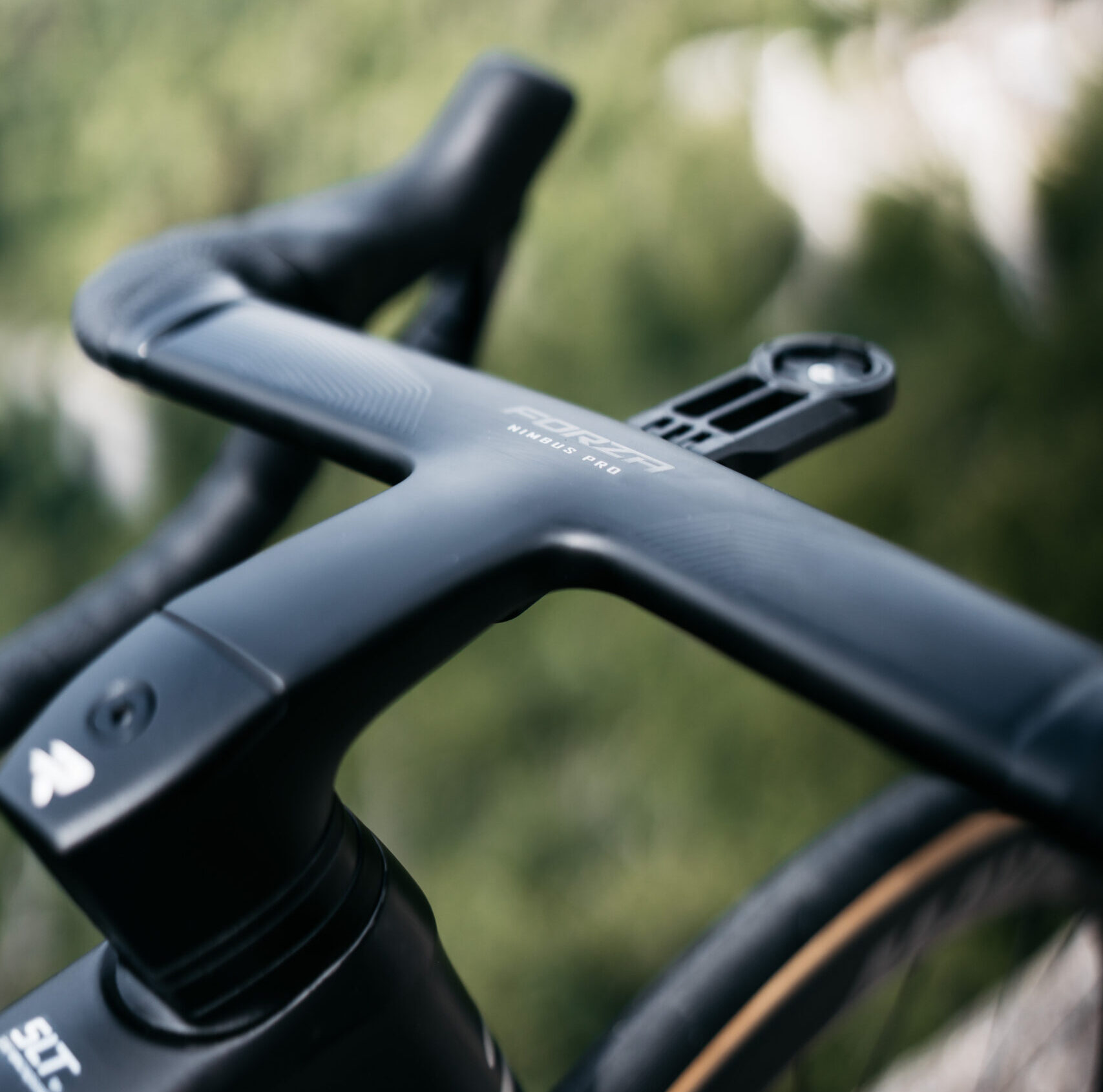
The cockpit balances aerodynamics and rider position, making it easier to hold a narrow, low posture without resorting to an extreme front end.
The complete builds also stick with relatively deep wheels, reinforcing that the FALCN RS 2.0 is meant to work on more than mountain stages.
The Fit Gets Much More Forward
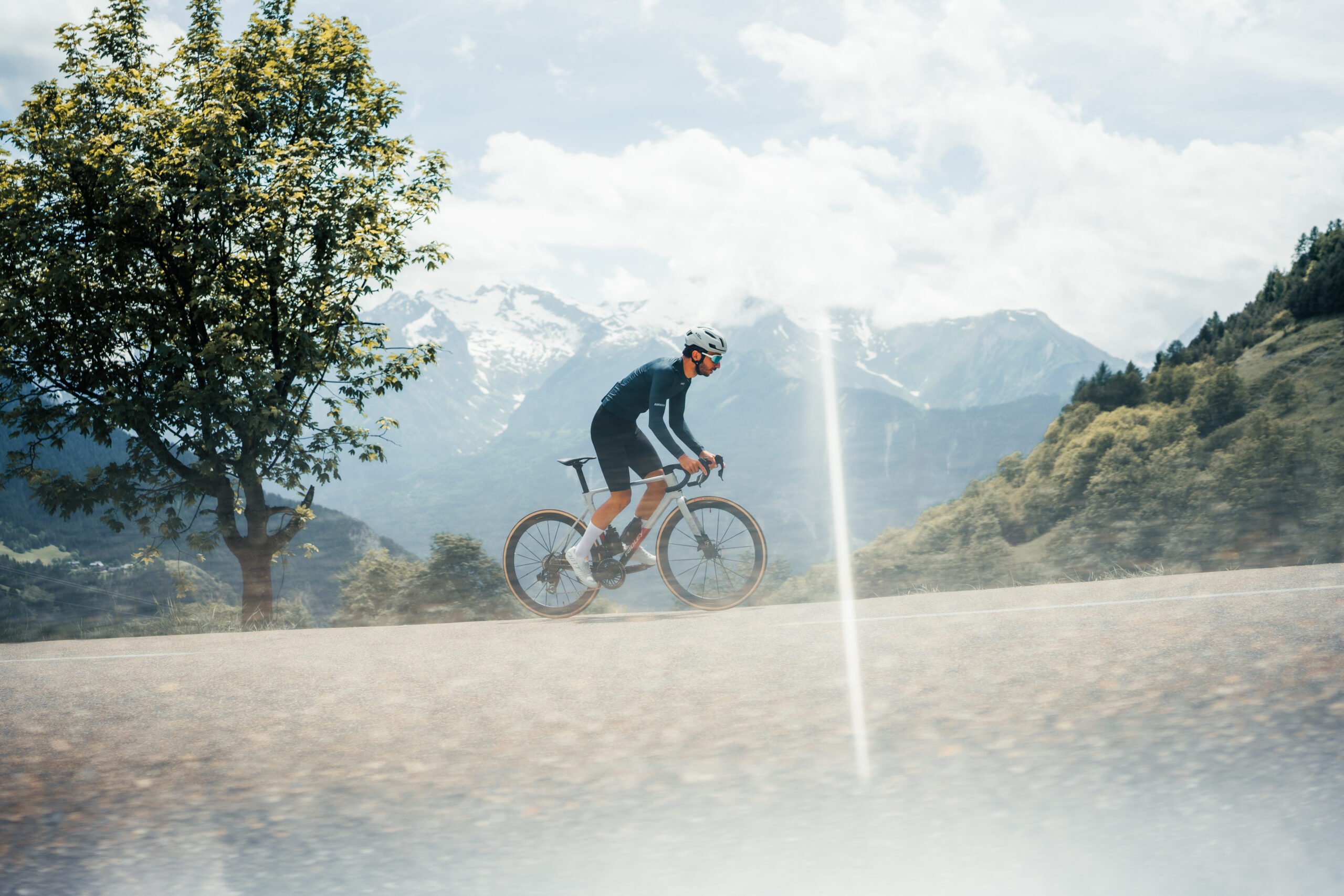
The biggest change may be the geometry. Ridley worked with Uno-X riders and reviewed the fit positions used in the current peloton. The takeaway: riders are moving farther forward on the bike. So the FALCN RS 2.0 uses a 76-degree seat tube angle in every size, with a zero-offset seatpost.
76 degrees is pretty steep for a road bike, especially when compared with the more traditional practice of gradually slackening the seat angle as the frame gets larger.
Ridley says the forward position puts the rider more centrally over the bike and improves pedaling efficiency.
It also pairs that steep seat angle with a longer reach and higher stack, which can sound contradictory until you look at the fit as a whole. The rider moves forward at the saddle, but the longer front end keeps the cockpit from becoming cramped. The added stack helps open the hip angle without forcing an excessively low position. It’s a very modern, pro-driven fit. The bottom bracket also sits slightly lower than before, giving the rider a little more stability at speed.
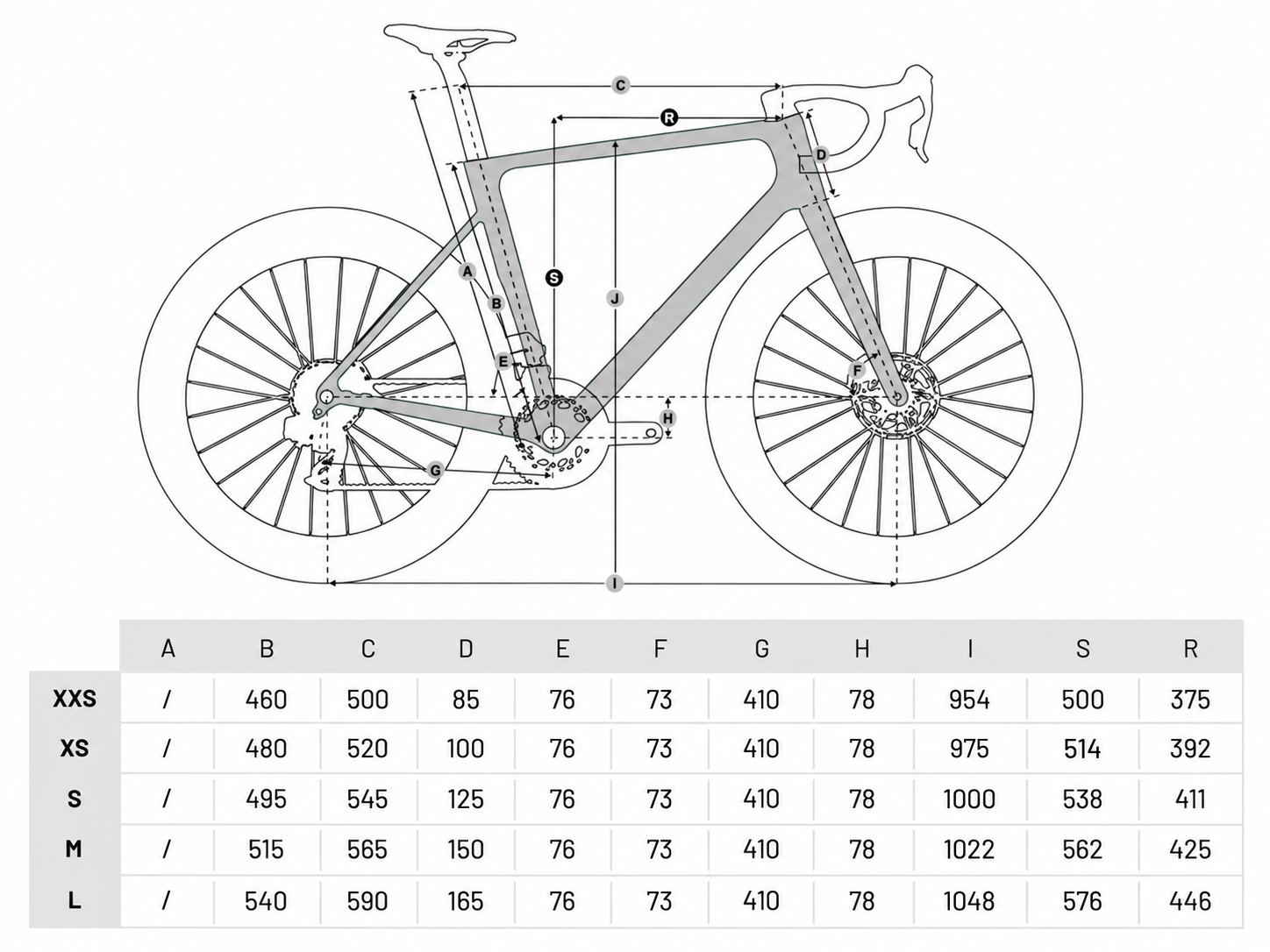
Ridley FALCN RS 2.0 Geometry
The FALCN RS 2.0 comes in five sizes: XXS, XS, S, M, and L.
The Medium gets:
- Stack: 562mm
- Reach: 425mm
- Seat tube angle: 76 degrees
- Head tube angle: 73 degrees
- Chainstay: 410mm
- BB drop: 78mm
- Wheelbase: 1,022mm
- Head tube: 150mm
Reach runs from 375mm on the XXS to 446mm on the Large, while stack ranges from 500mm to 576mm.
Interestingly, Ridley keeps the 76-degree seat angle, 73-degree head angle, 410mm chainstays, and 78mm bottom bracket drop identical across all five sizes.
That should make sizing worth a closer look for anyone coming from the previous FALCN RS. The steeper seat angle and longer reach create a very different starting point before you even touch stem length or saddle setback.
Already Raced at the Tour
Uno-X didn’t wait for the official launch to start racing the FALCN RS 2.0. Several riders used it during the 2026 Tour de France, including Torstein Træen, who wore the yellow jersey while riding it.
“The FALCN RS impressed me from the very first ride,” said Træen. “The bike feels incredibly responsive, is remarkably stable and inspires confidence in every situation, from steep climbs to fast descents.”
Ridley says the team developed and validated the bike with Uno-X throughout the process, giving them direct input on both fit and ride characteristics.
Seriously Light Wheels
The Forza Skiron RSR wheels used on the Force AXS build have 50mm-deep rims, a 23mm internal width, bonded carbon spokes, and CeramicSpeed bearings. Claimed weight is just 1,197g.
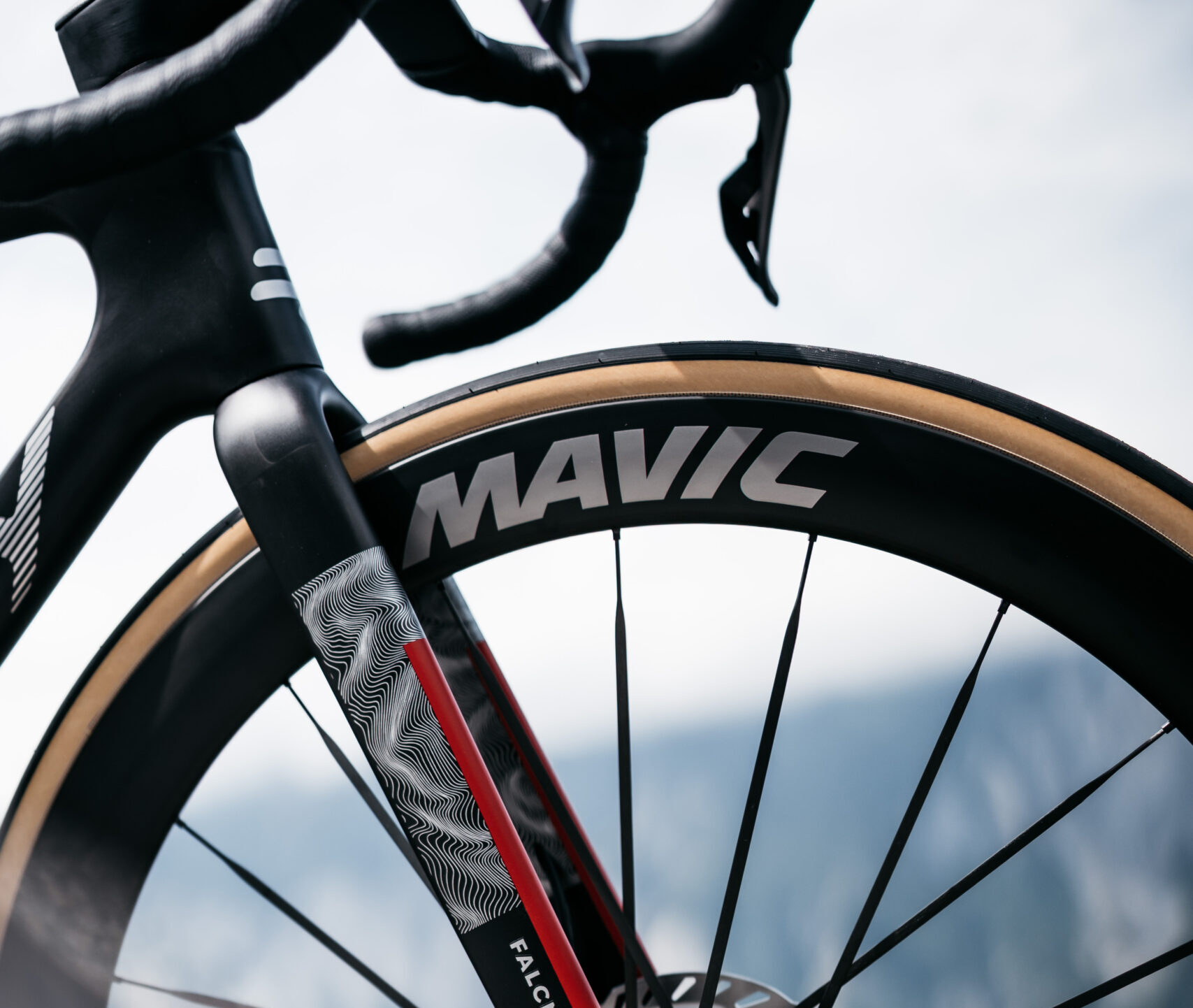
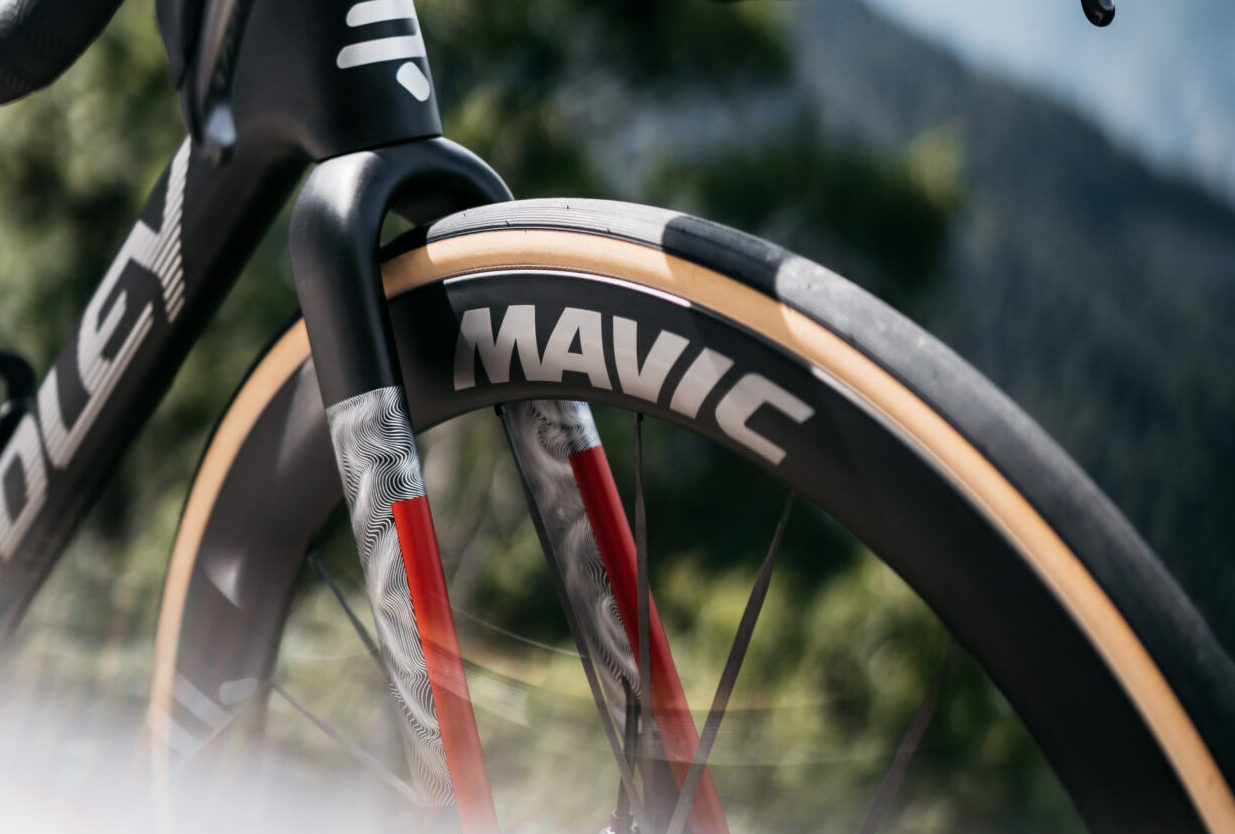
The Shimano Ultegra Di2 build gets Mavic Comet 50 wheels with carbon spokes and CeramicSpeed bearings.
The SRAM Red AXS bike goes considerably lighter with AX Lightness Ultra SL wheels. They have 45mm-deep rims and weigh a claimed 950g as a wheelset. That 950g wheelset helps explain how the complete Red bike sneaks down to 6.2kg.
Weight Savings in the Small Stuff
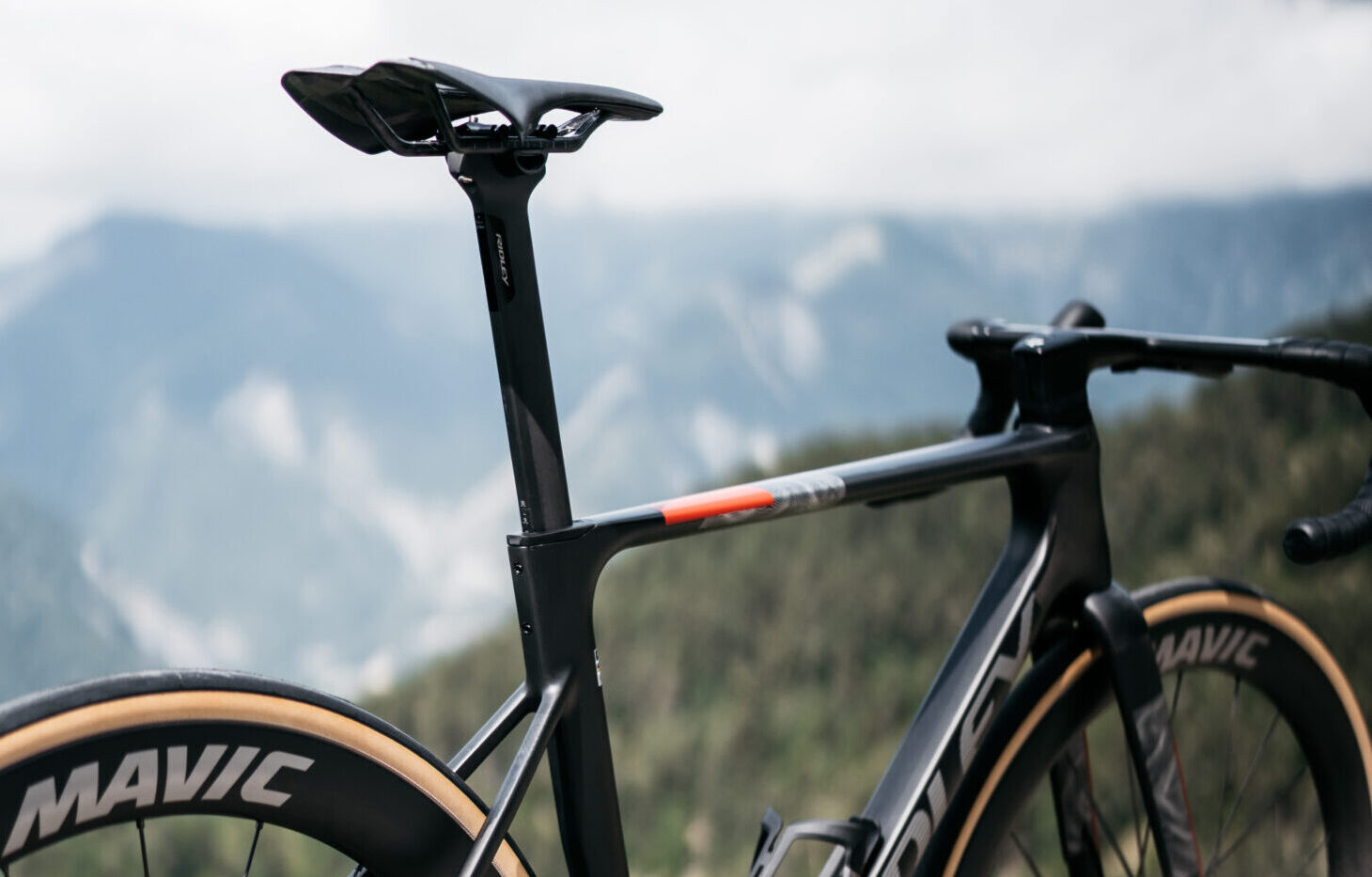
Plenty of smaller changes hide around the frame, too. The FALCN RS 2.0 uses a lightweight seatpost clamp first seen on Ridley’s Kanzo Fast 2.0. It combines a carbon shell with a titanium bolt.
On Shimano electronic builds, Ridley also moved the Di2 battery from the seatpost to the downtube. That gave its engineers more freedom to make the new seatpost narrower and lighter.
The bike gets CeramicSpeed headset bearings, and Ridley also calls out Selle Italia’s SLR Racing Replica saddle as part of the lightweight component package.
UDH and 35mm Tire Clearance
The FALCN RS 2.0 gets a few updates that make swapping components easier. There’s now a UDH derailleur hanger, and the frame supports both 1x and 2x drivetrains. The front derailleur hanger is removable, so a 1x build doesn’t have to carry an unused mount.
Tire clearance tops out at 35mm, leaving plenty of room for 30mm and 32mm race tires while still allowing wider options for rough roads or long training days. Complete bikes also come with lightweight TPU inner tubes.
Ridley FALCN RS 2.0 Pricing
The new FALCN RS 2.0 comes in sizes XXS through Large and can be customized through Ridley’s configurator.
European pricing is:
- Shimano Ultegra Di2: €7,499
- SRAM Force AXS: €8,499
- SRAM Red AXS: €12,499
- No US prices are listed yet.
