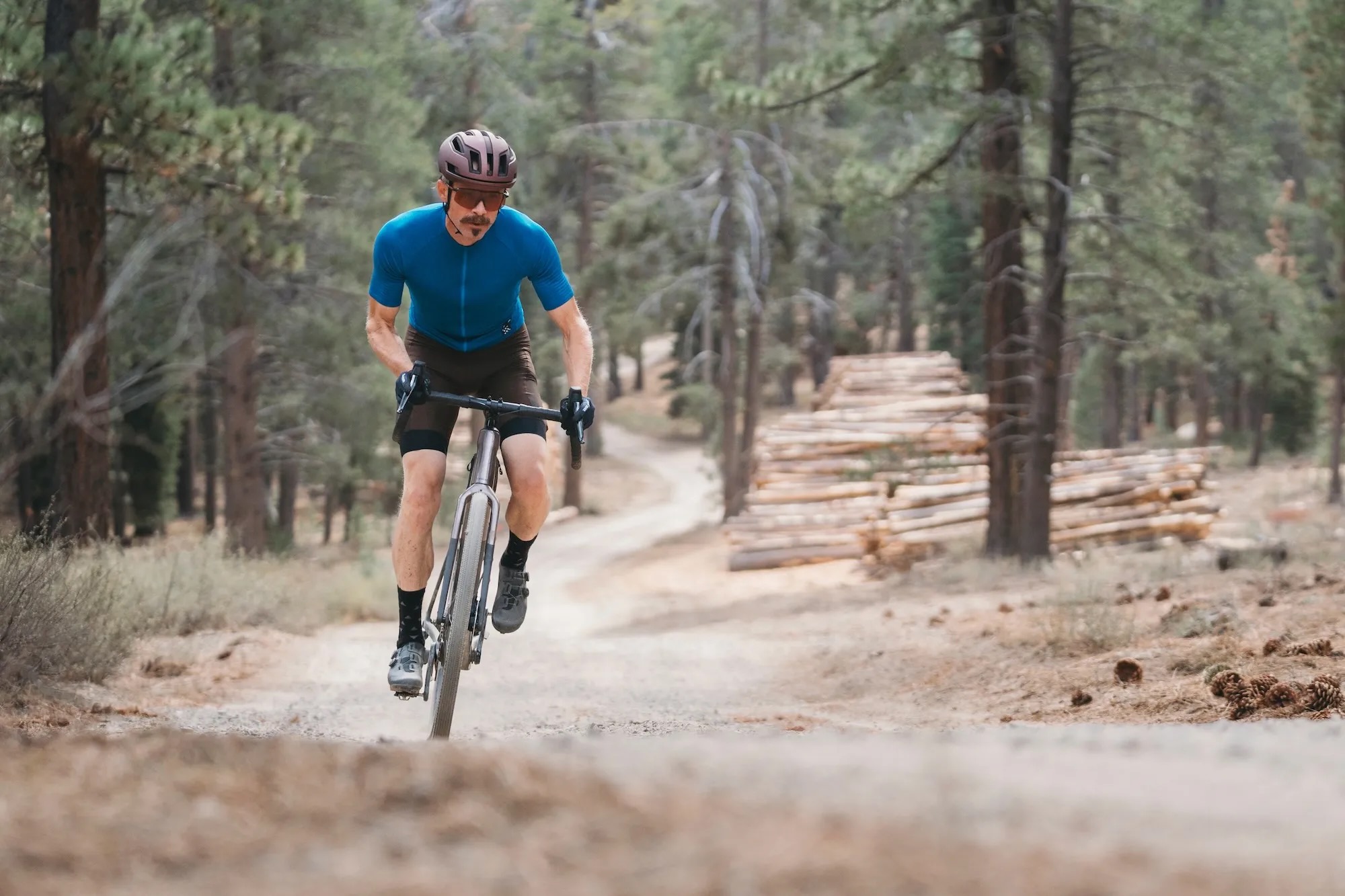


Bib shorts are the workhorse of your cycling kit and the foundation of your comfort during long hours in the saddle. Finding the right pair of bibs can make the difference between an enjoyable ride and a literal pain in the behind.
With bib straps over your shoulders keeping the seat pad stable and aligned beneath you, bib shorts leverage your upper body’s forward posture to maintain a snug, contoured fit, while the lack of a defined waistband also helps keep unwanted pressure off your abdomen. As odd as they may look before being covered by your jersey, bibs are preferred by most serious cyclists for the benefits mentioned above.
With so many brands and models on the market, finding the right pair for your needs and budget can be a daunting task. To help, we rounded up a diverse selection of the best cycling bib shorts on the market to test and compare side by side. Over the course of months of testing and thousands of miles of riding, we scrutinized each pair’s fit, comfort, design, straps, seat pad (chamois), leg grippers, and style.
From the top-rated Velocio LUXE to the budget-friendly Pearl Izumi Attack, we’ve got recommendations to suit your riding style, needs, and budget.
Editor’s Note: We updated our cycling bib shorts guide on May 12, 2026, with the latest version of the excellent Ornot Cargo Bibs and the race-ready Pearl Izumi Pi PRO/BLACK Bib Shorts, along with a few others merged from the cycling bibs guide previously on our sister site, GearJunkie.com.
The Best Cycling Bib Shorts of 2026
Velocio LUXE Bib Short
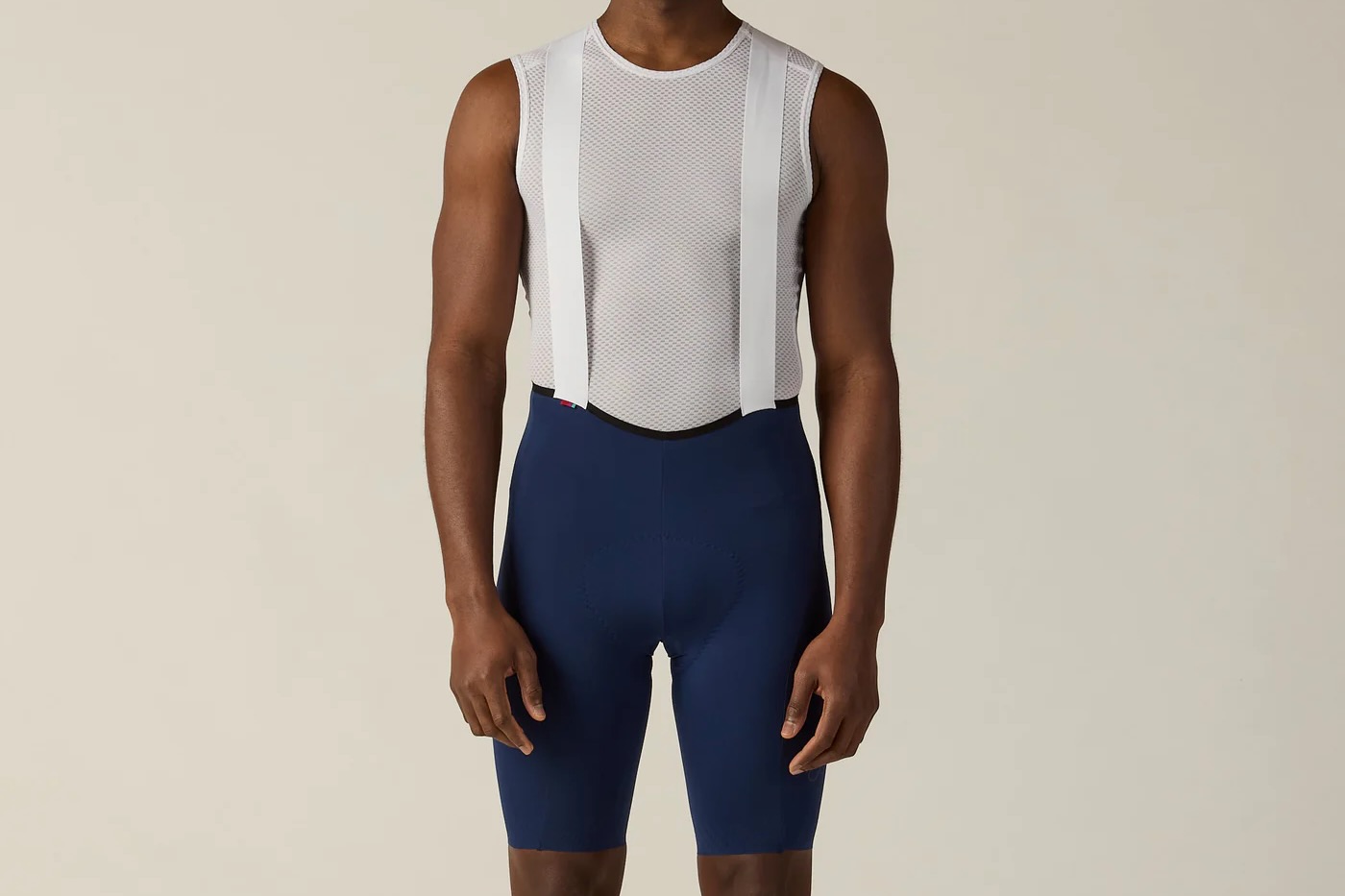
- MSRP: $299
- Fabric: LUXE fabric: 57% Polymide, 43% Elastane
- Pad: Velocio long-distance chamois developed with Cytech
- Available colors: Black, Navy, Plum Truffle, Deep Lichen, Sulfur, Black Olive
- Available sizes: XS, S, M, L, XL, XXL, XXXL, XXXXL
Pros
- Unmatched comfort
- Perfect pad position
- Great colors
- Inclusive size range
- Good level of compression
Cons
- Fairly expensive
Pearl Izumi Attack Bib Short
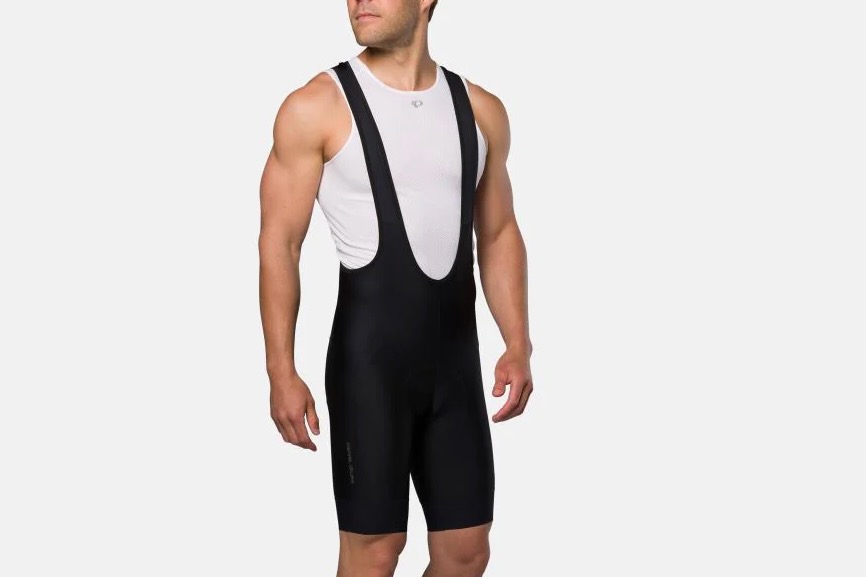
- MSRP: $125
- Fabric: 80% recycled polester, 20% spandex
- Pad: Elite Levitate chamois
- Available colors: Black, Dark Navy, Root Beer/Bitter Chocolate, Olive Night/Lint
- Available sizes: XS, S, M, L, XL, XXL
Pros
- Solid value
- Durable construction
- Low-key branding
- Decent compression for the price
Cons
- Pad only comfortable up to around three hours
- Front straps may conflict with nipples
Ornot Cargo Bib Short
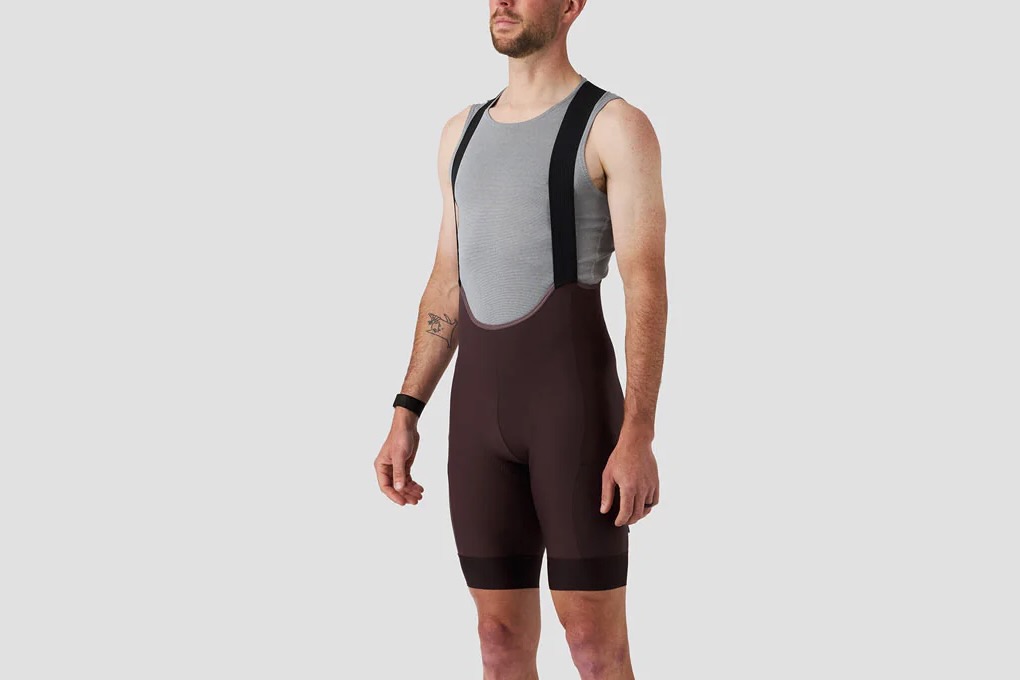
- MSRP: $228
- Fabric: 57% polyamide, 43% elastane, Oeko-Tex certified
- Pad: High-density endurance pad
- Available colors: Black, midnight blue, slate, plum
- Available sizes: XS, S, M, L, XL, XXL
Pros
- Moderate price point
- Minimal branding
- Plenty of pocket storage
- Moderate compression
- Comfy pad
- Color-matched pockets for 2026
Cons
- Pad shape isn't ideal for more aggressive riding positions (but not intended for them, either)
Castelli Endurance 4 Bib Short
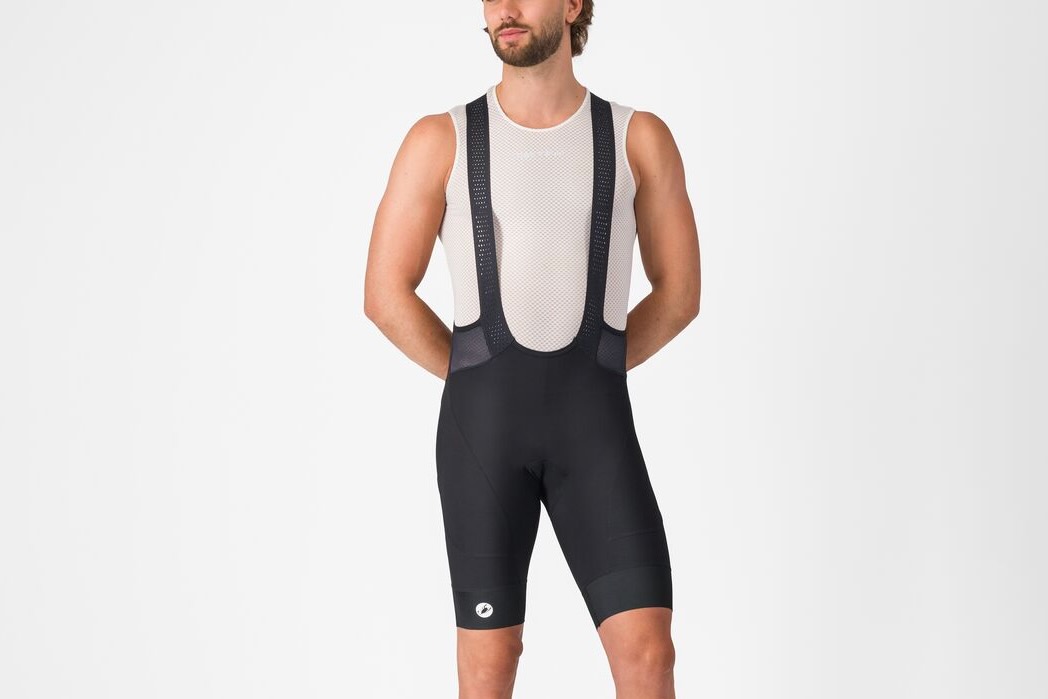
- MSRP: $175
- Fabric: Endurance Evolution fabric
- Pad: Progetto X2 Air Seamless seat pad
- Available colors: Black,
- Available sizes: XS, S, M, L, XL, XXL, XXXL
Pros
- Wonderful chamois comfort
- Excellent moisture control
- Reasonable price
Cons
- Heat-transfer logo
- Traditional construction is a little more prone to puckering/bunching than higher-end options
The Black Bibs Ultimate Bib Short
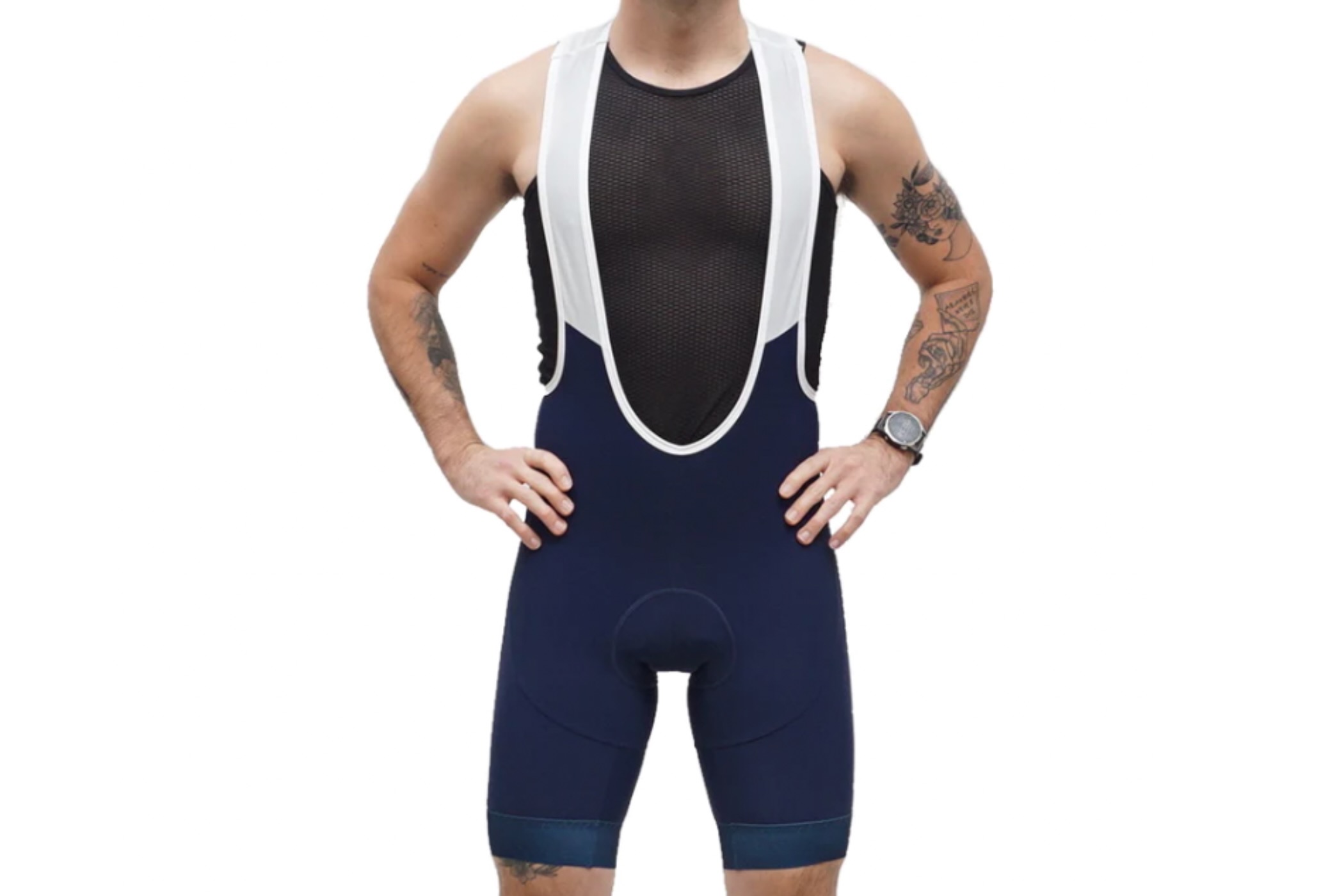
- MSRP: $80
- Fabric: High compression fabric
- Pad: DR Pad of Italy, triple-density
- Available colors: Black, Navy
- Available sizes: XS, S, M, L, XL, XXL, XXXL
Pros
- No branding
- Affordable
- Great fit
- Also offered with long straps, long inseam, short inseam
Cons
- Tends to slide forward on the saddle
- More stitching than more expensive models
Castelli Competizione 2 Bib Short
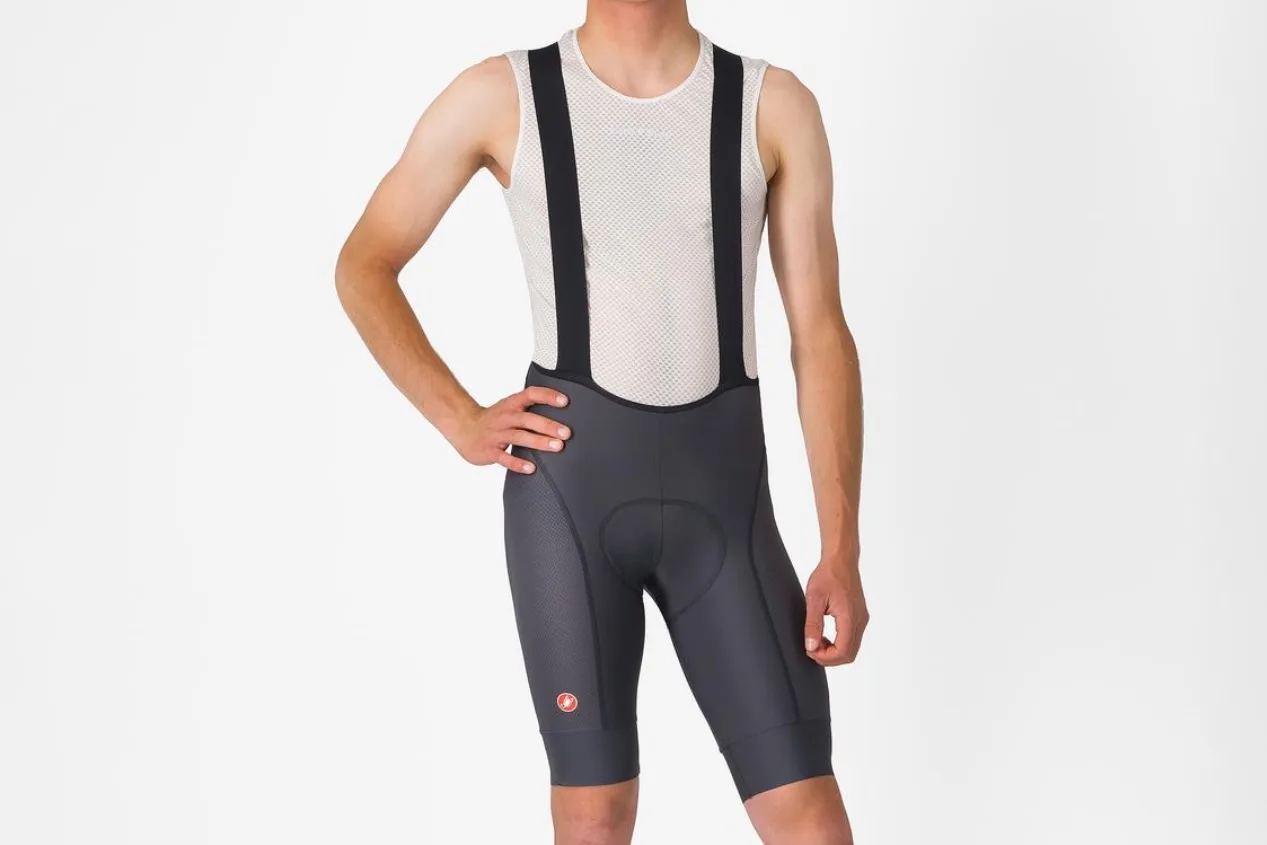
- MSRP: $140
- Fabric: Affinity Pro Lycra, Vortex BLC textured
- Pad: KISS Air2 seat pad
- Available colors: Black, Dark Gray, Deep Green, Belgian Blue
- Available sizes: XS, S, M, L, XL, XXL, XXXL
Pros
- Great Fit
- Excellent pad comfort
- Durable construction
Cons
- Heat transfer logos
Pearl Izumi Pi PRO/BLACK Bib Shorts
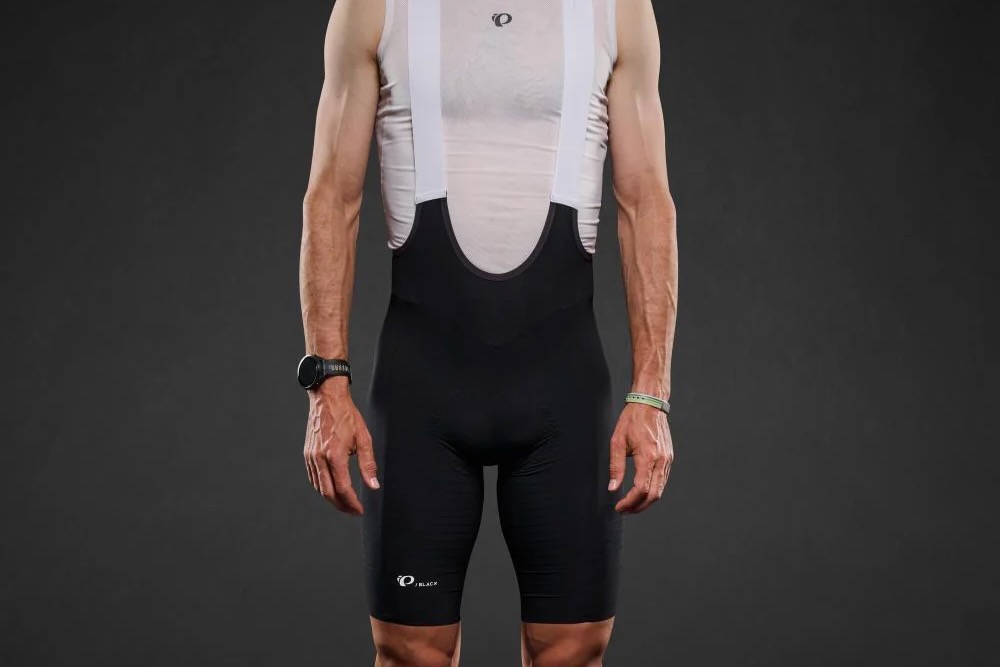
- MSRP: $350
- Fabric: Italian stretch-woven fabric with graduated compression
- Pad: PRO 3D Levitate triple-density chamois
- Available colors: Black, Balsam Green
- Available sizes: XS, S, M, L, XL,
Pros
- Highly compressive fit
- Aerodynamic texturing to save watts
- Minimal branding
- Modern fit with extended thigh coverage
- Super lightweight
- Comfortable straps
Cons
- Expensive
- Compressive enough that riders may want to size up
Other Cycling Bib Shorts To Consider
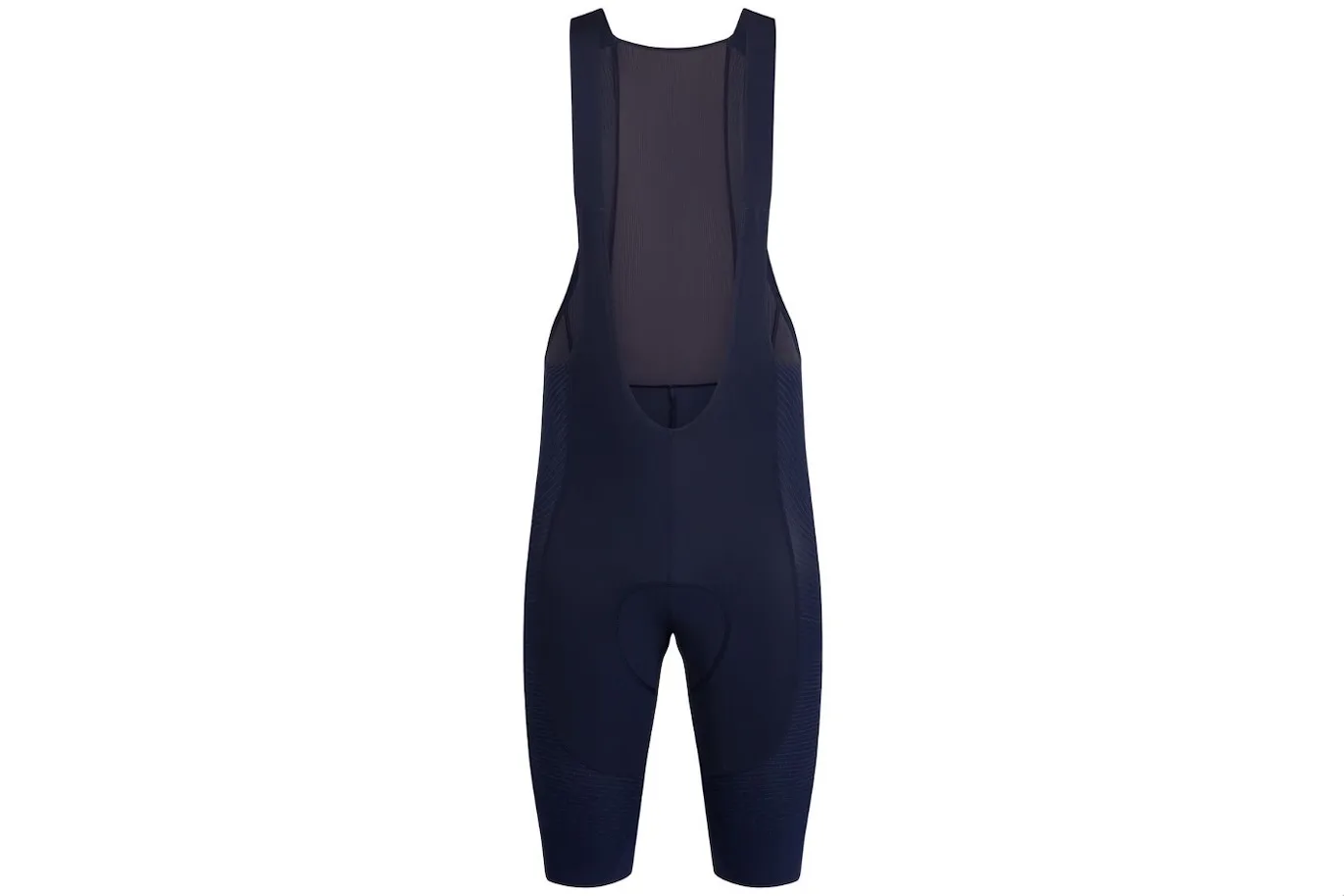
- MSRP: $400
- Fabric: Powerweave: 71% nylon, 29% elastane
- Pad: High-density Elite-level chamois
- Available colors: Black, Carbon/Silver, Dark Navy, Plum/Quartz
- Available sizes: XS, S, M, L, XL, XXL
Pros
- Breathable material
- Lightweight
- Great compression
- Excellent pad comfort
Cons
- High price tag
- Material texture isn't the softest
- Longer break-in period

- MSRP: $349
- Fabric: 52% Polymide,48% Elastane
- Pad: ustom race-ready chamois designed with Elastic Interface
- Available colors: Black, Black Olive, Plum Truffle, Smoke Paprika, Deep Lichen
- Available sizes: XS, S, M, L, XL, XXL, XXXL, XXXXL
Pros
- Highly compressive fit
- Aerodynamic paneling saves watts
- Updated with longer inseam
- Huge size range
Cons
- Expensive
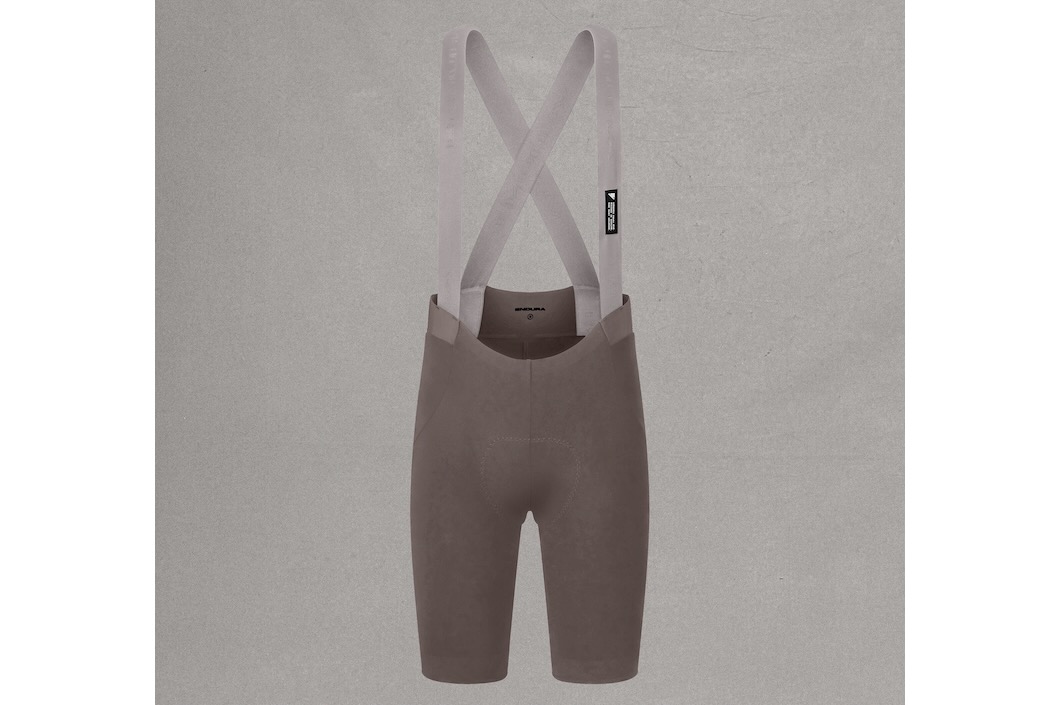
- MSRP: $250
- Fabric: Lycra knit
- Pad: 700 Series high density
- Available colors: Black, Ink Blue, Kilt Rock
- Available sizes: XS, S, M, L, XL, XXL
Pros
- Good seated comfort
- Wonderful fit and support
- 2 leg length options
- 90 day satisfaction guarantee
Cons
- 700 Series pad seems like a step down from the previous version.
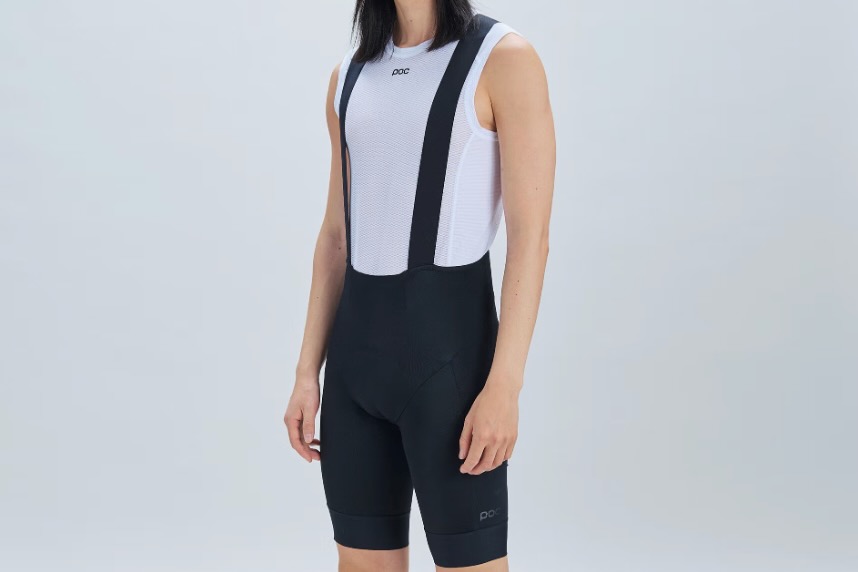
- MSRP: $200
- Fabric: Nylon and elastane blend
- Pad: Patent-pending POC Novus with gel inserts
- Available Colors: Apatite Navy, Uranium Black
- Available sizes: XS, S, M, L, XL, XXL
Pros
- Very comfortable, well shaped chamois
- Fabric feels light without being too thin
- Moderate price for a premium bib short
Cons
- Develops a horizontal fold above the pad in the front while riding in an aggressive position
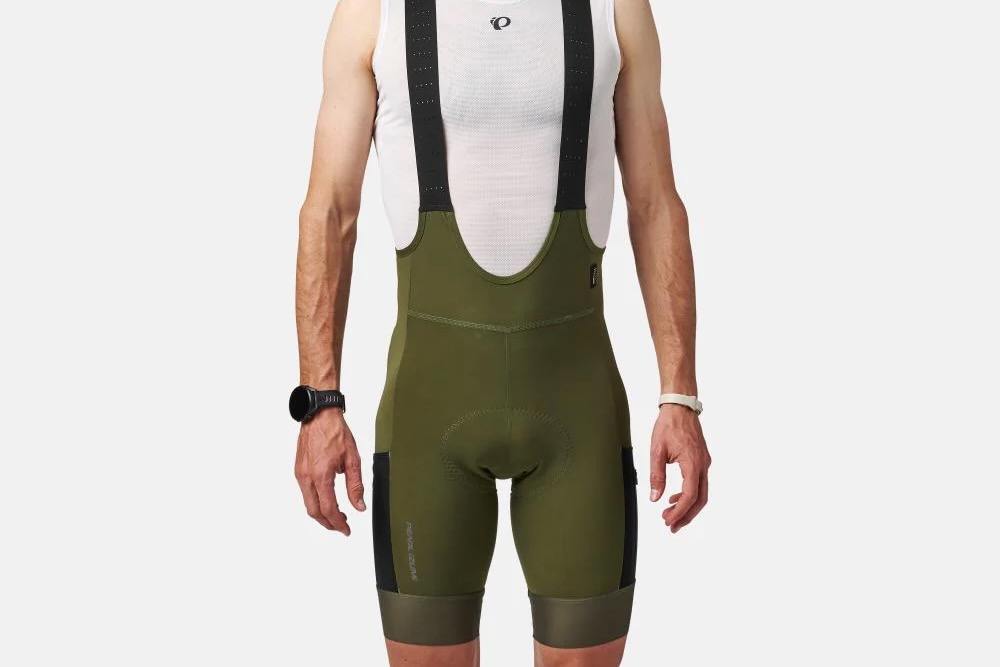
- MSRP: $325
- Fabric: Armourtech CORDURA: 72% CORDURA nylon, 28% elastane
- Pad: Triple-density PRO Levitate 3D chamois
- Available colors: Black, Olive Night, Dark Navy
- Available sizes: S, M, L, XL, XXL
Pros
- Made from durable materials
- Excellent pad comfort for long rides
- Super soft straps
- Plenty of storage
Cons
- Expensive
- CORDURA material isn't the softest or stretchiest
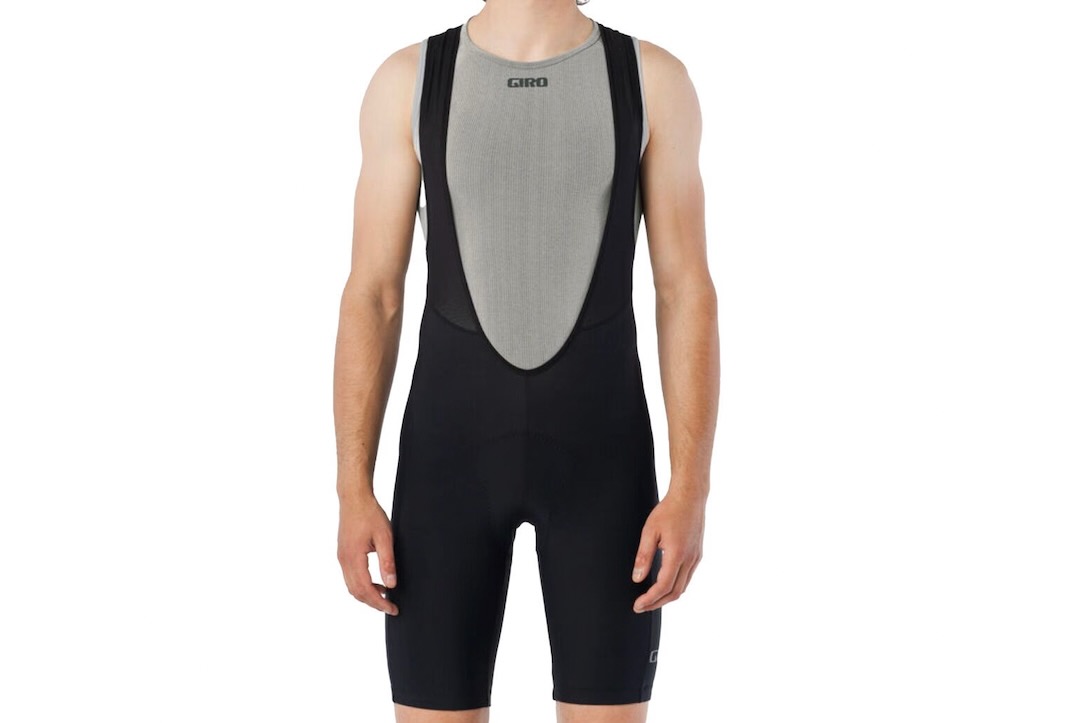
- MSRP: $220
- Fabric: Renew series 80% recycled nylon; 20% elastane Bluesign-approved fabric
- Pad: 4 density elastic interface, 14 mm thick
- Available colors: Black, Black Data Mosh
- Available sizes: XS, S, M, L, XL, XXL
Pros
- Comfortable straps
- Excellent ventilation
- 80% recycled material
- Moderate price
Cons
- Good all-around but not a standout
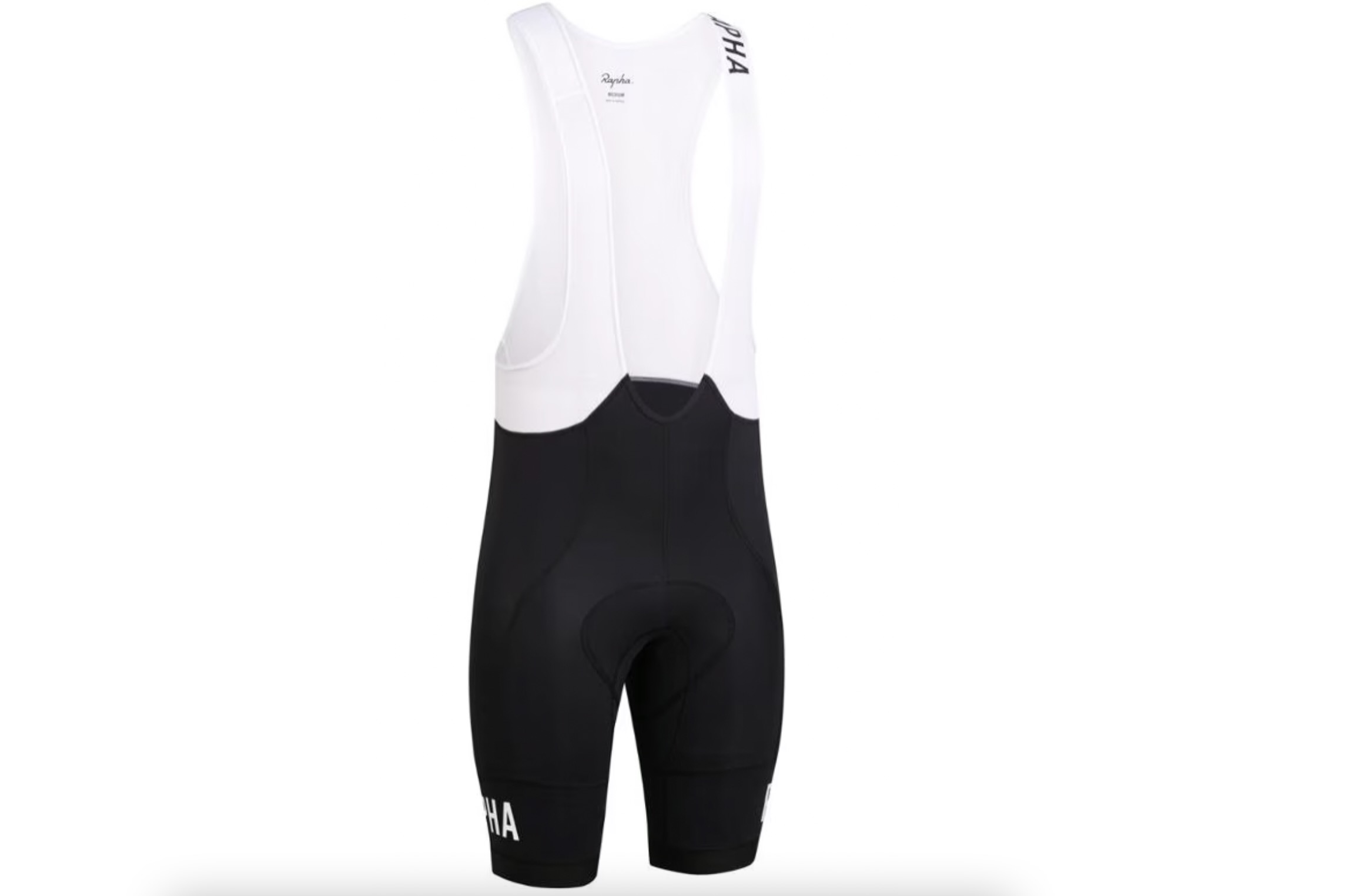
- MSRP: $210
- Fabric: Fabric: 74% Recycled Nylon, 26% Elastane
- Pad: Pro Team Training chamois
- Available colors: Black, Dark Navy
- Available sizes: XS, S, M, L, XL, XXL, XXL
Pros
- Excellent pad comfort
- Great fit
- Adaptable to a wide range of temperatures
Cons
- More seams due to more traditional construction
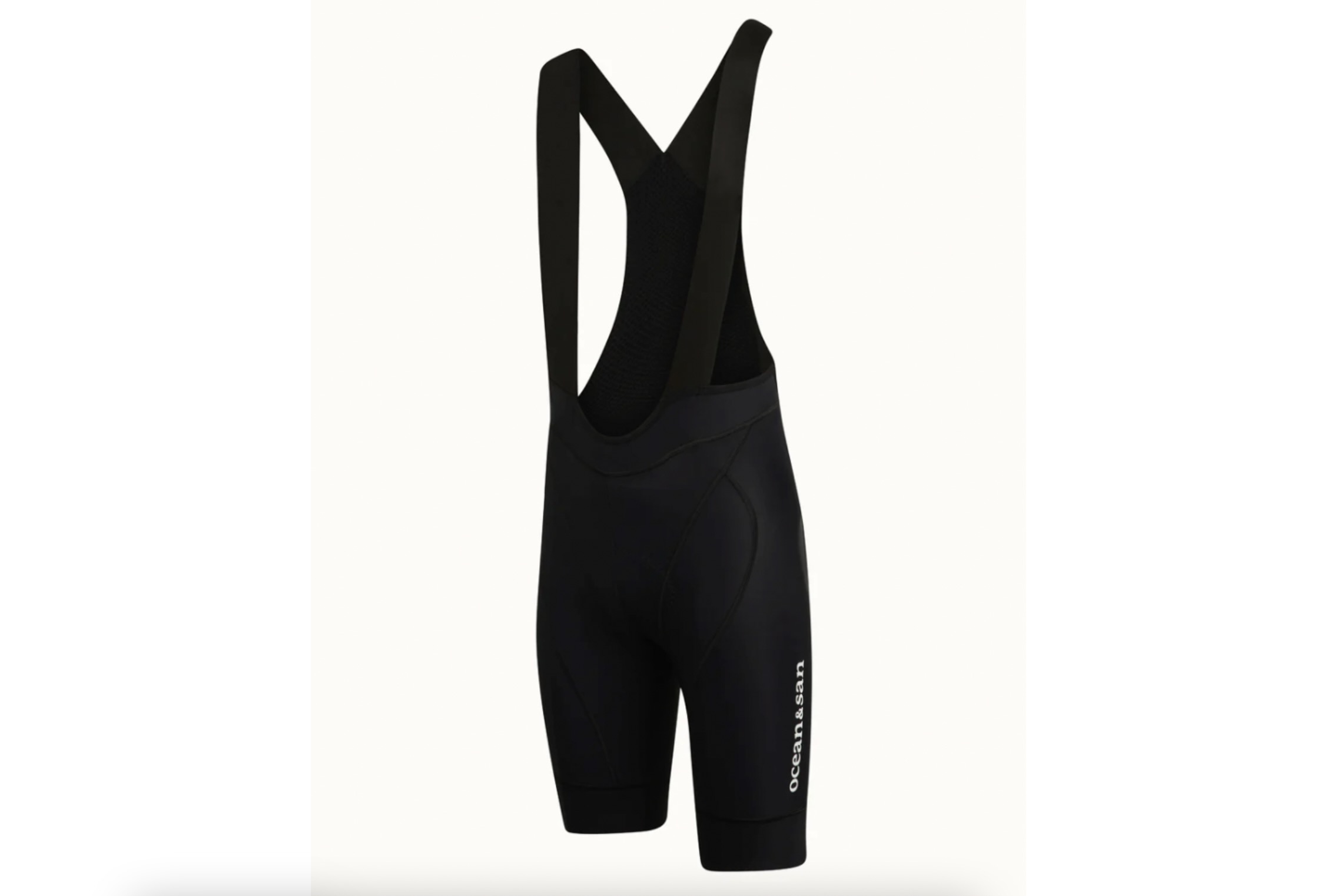
- MSRP: $255
- Fabric: OEKO TEX Certified Italian performance fabric: 78% Polyester / 22% Elastane
- Pad: Triple density elastic interface chamois
- Available colors: Black, Navy
- Available sizes: S, M, L, XL, XXL
Pros
- Unbeatable seated comfort
- Luxurious straps
- Available in cargo and traditional leg options
- Made in the USA
Cons
- Relatively pricey
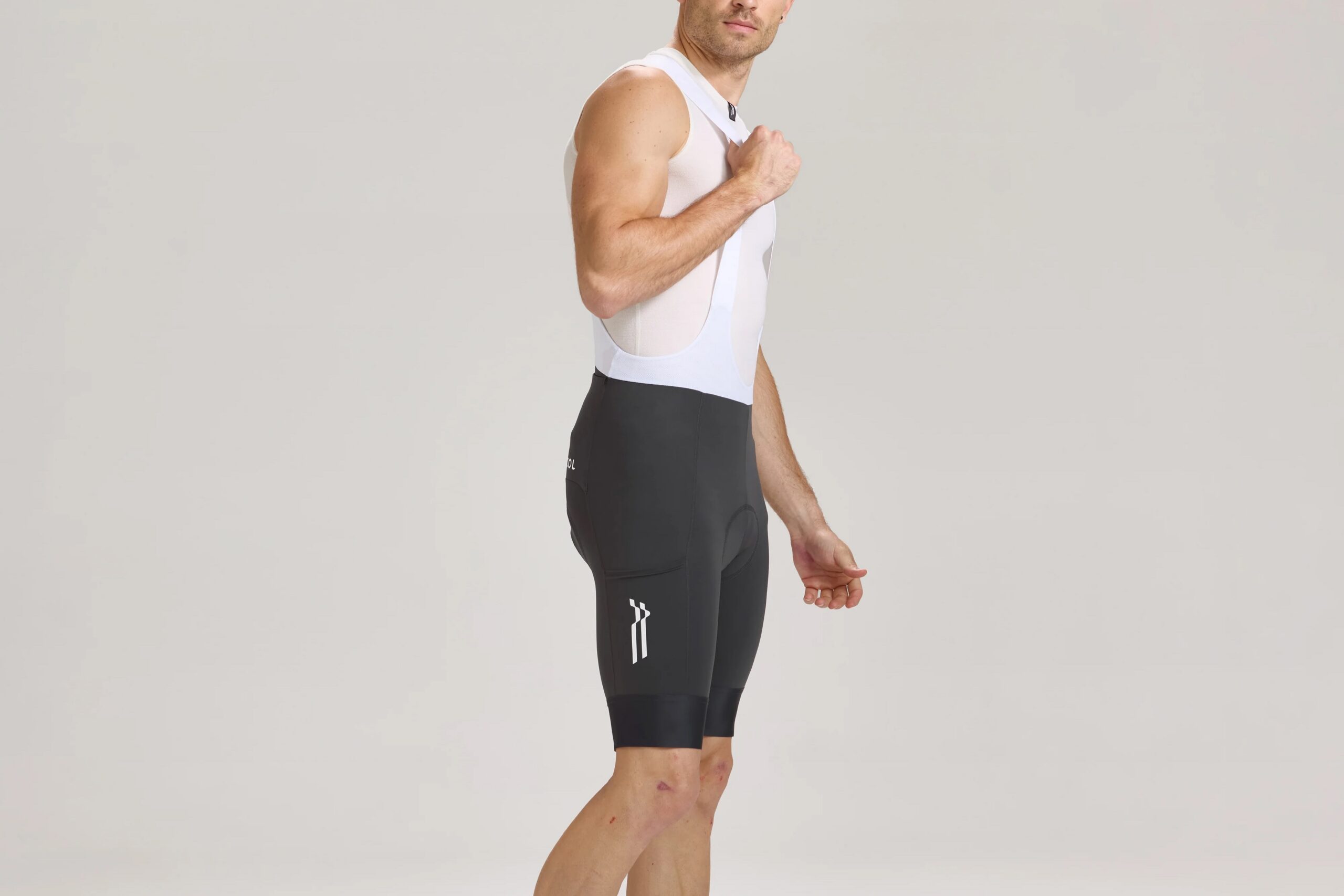
- MSRP: $270
- Fabric: 62% polyamide, 38% elastane
- Pad: Multi-terrain performance chamois
- Available Colors: Black, Forest Green, Grey
- Available Sizes: XS, S, M, L, XL, XXL, XXXL
Pros
- Super comfortable
- Great cargo pockets
- Breathable and quick-drying
- Nicely shaped and cushioned chamois
- Low-key branding
Cons
- Premium price tag
- Minimal compression
Cycling Bib Shorts Comparison Chart
| Bib Short Model | MSRP | Fabric | Pad | Colors | Available Sizes |
|---|---|---|---|---|---|
| Velocio LUXE | $299 | LUXE fabric: 57% Polymide, 43% Elastane | Velocio long-distance chamois | 6 | XS – 4XL |
| Pearl Izumi Attack | $125 | 80% recycled polyester, 20% spandex | Elite Levitate chamois | 4 | XS – XXL |
| Ornot Cargo Bib Short | $228 | 57% polyamide, 43% elastane | High-density endurance pad | 4 | XS – XXL |
| Castelli Endurance 4 | $175 | Endurance Evolution fabric | Progetto X2 Air seamless seat pad | 1 | XS – 3XL |
| The Black Bibs Ultimate | $80 | High compression fabric | DR Pad of Italy, triple-density | 3 | 2XS – 3XL |
| Castelli Competizione 2 | $150 | Affinity Pro Lycra, Vortex BLC textured | KISS Air2 seat pad | 4 | XS – 3XL |
| Pearl Izumi Pi PRO/BLACK | $350 | Italian stretch-woven fabric with graduated compression | PRO 3D Levitate triple-density chamois | 2 | XS – XL |
| Rapha Pro Team Powerweave | $400 | Powerweave: 71% nylon, 29% elastane | High-density Elite-level chamois | 4 | XS – XXL |
| Velocio CONCEPT | $349 | 74% polyamide, 26% elastane | Integrated “invisible” chamois | 3 | XS – 4XL |
| Endura Pro SL Power | $250 | Lycra knit | 700 Series Pad | 3 | XS – XXL |
| POC Cadence Cargo | $200 | Nylon and elastane blend | Patent-pending POC Novus with gel inserts | 2 | XS – XXL |
| Pearl Izumi Expedition PRO | $295 | 72% CORDURA nylon, 28% elastane | PRO 3D Levitate triple-density chamois | 3 | S – XXL |
| Giro Chrono Elite | $220 | Renew series 80% recycled nylon; 20% elastane Bluesign-approved fabric | 4 density Elastic Interface, 14 mm thick | 2 | XS – XXL |
| Rapha Pro Team Training | $210 | 74% recycled nylon, 26% elastane | Pro Team Training chamois | 2 | XS – XXL |
| Ocean & San Solution Bibs | $255 | Triple-density elastic interface chamois | Triple-density Elastic Interface chamois | 2 | S – XXL |
| Le Col ARC Cargo Bibs | $270 | 62% polyamide, 38% elastane | Multi-terrain performance chamois | 3 | XS – XXL |
How We Tested Cycling Bib Shorts
The team at Bikerumor has been obsessing over cycling gear for well over a decade. From the bikes we ride to the clothes we wear, we are always seeking the right gear to enhance our experience, comfort, and enjoyment. Whether for first-look articles or long-term reviews, our editorial team gets to try out the latest and greatest cycling kit on the market. For the purposes of our buyer’s guides, however, we’ve also sought out experienced individuals to test and compare products to form the basis for our recommendations.
Our primary cycling bib shorts review author, Bennett Shane, has been cycling for over 2 decades. After 10 years of racing road and gravel, Bennett has shifted gears and now rides primarily for fun and fitness, focusing on long rides and big climbs throughout the Pacific Northwest near his home in Portland, OR. Over the years, Bennett has worked for numerous brands in the cycling industry, giving him unique knowledge and understanding of products from the inside out. His extensive cycling background, combined with his industry experience, makes him particularly adept at noticing the subtle and nuanced differences between the products he tests. He spent hundreds of hours and pedaled thousands of miles while testing the bib shorts in this review, scrutinizing every aspect of their design, fit, comfort, and performance. In addition to testing cycling bib shorts, Bennett has also contributed to some of our other buyer’s guides, including the best road bike helmets and the top-rated road bike shoes.
Bikerumor editor Jeremy Benson also contributed to this guide. He’s been professionally testing cycling gear for over eight years and has seen the evolution of cycling apparel in his 30+ years of riding. He leans more toward the gravel and endurance side of the spectrum, and appreciates distance-oriented seat pads, cargo pockets, and modern aesthetics. We’ve also included a few models tested by other members of the BikeRumor staff, and some that were tested by former GearJunkie Editor Seiji Ishii and originally appeared on that site.
After researching the best cycling bibs on the market, we rounded up a diverse selection of models for testing. Before test riding, each pair of bibs was examined closely to analyze the materials, stitching, seat pads, straps, and leg grippers before taking them out for the ultimate test – hundreds of miles of real-world riding. From the back roads of Oregon to the Blue Ridge Parkway in North Carolina, each pair was put through its paces in a wide range of temperatures and conditions while important elements like materials, leg grippers, straps, and pads were analyzed and compared to determine our favorites or those that excel in specific ways compared to the rest.
Buying Advice: How to Choose Cycling Bib Shorts
When it comes to cycling bib shorts, there are a lot of options on the market. Having so much variety is fantastic, but it can make it difficult to understand exactly what you need. In this section, we’ll cover some of the important things to consider when searching for your next pair of cycling bib shorts. And, if you’re searching for something to get you through the cooler months, we’ve tested and reviewed cycling bib tights, too.
Bib Shorts vs Non-Bib Shorts
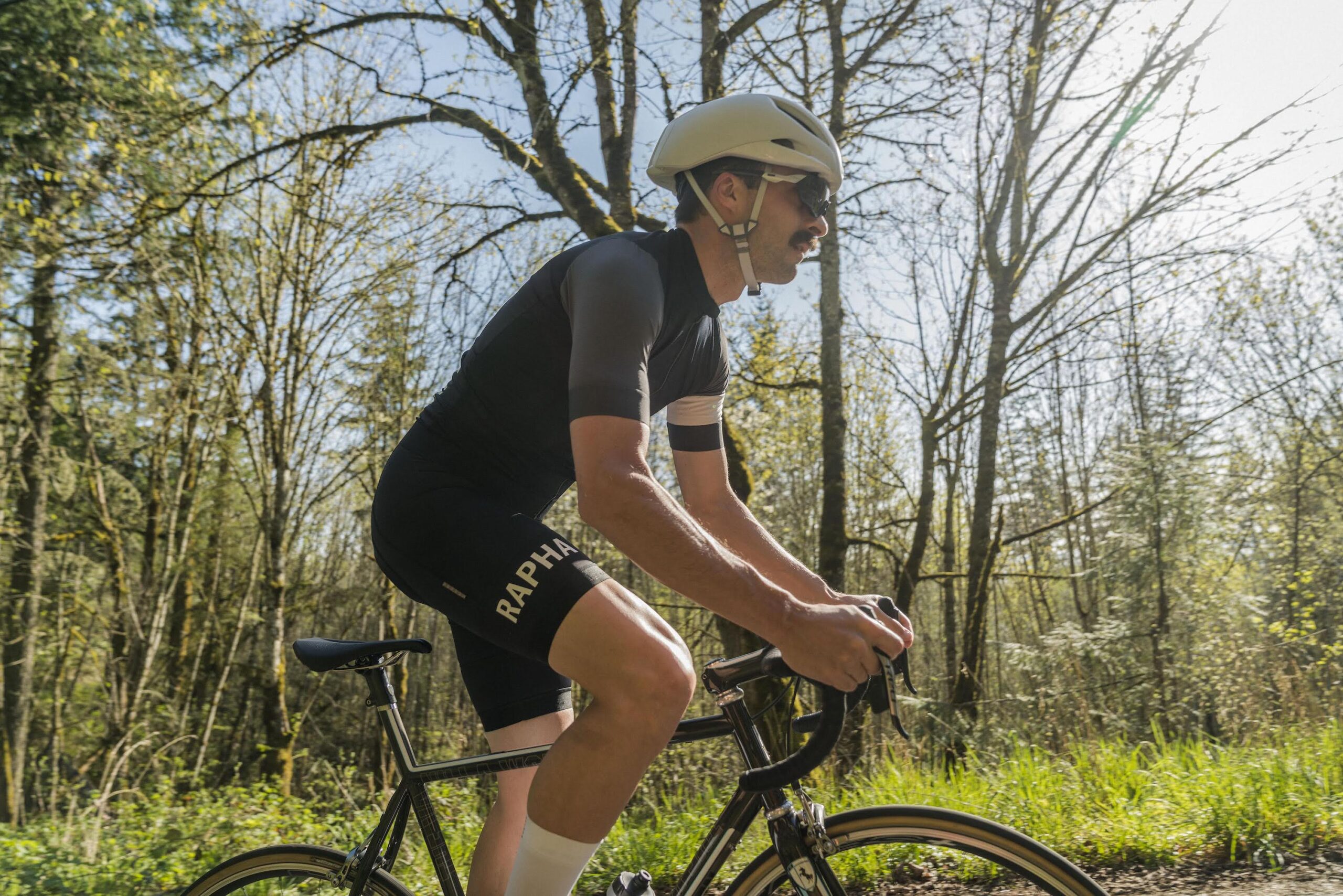
The term “bib shorts” is a bit confusing, since we don’t usually think of shorts as including shoulder straps. So, what’s the deal with these straps? To understand their purpose and benefit, it’s helpful to visualize how you’ll be positioned during your ride. On a road or gravel bike, your hips are hinged forward, and your spine is extended, positioning your shoulders well forward of your hips. With this position in mind, you’ll see that because bib short straps wrap around your shoulders, the forward flexion of your body helps the straps keep the bib shorts under a bit of tension. This tension in the straps keeps the shorts and most critically, the pad, securely positioned for better support and comfort than a pair of padded shorts without straps can provide.
Additionally, since the straps are holding the shorts in position, there is no need for a tight waistband to perform that task. This reduces pressure on the abdomen, and it means that your shorts won’t slip down or sag over the course of a ride.
Chamois: The Pad
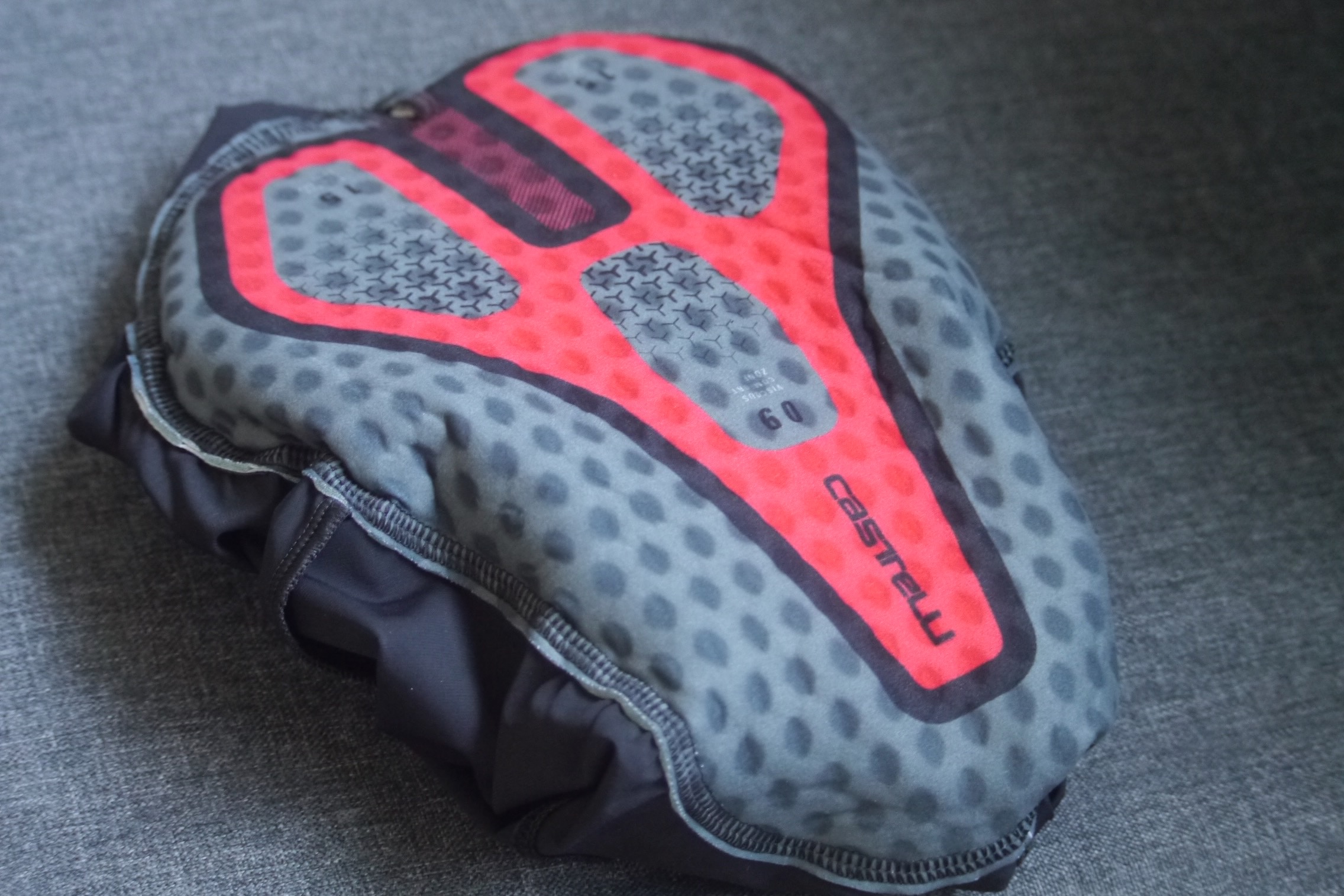
The pad, or “chamois”, is the most critical element of any bib short, as it creates a functional interface between your ischium – often called sitz bones – and the saddle of your bicycle. This pad is attached, typically stitched, to the inside of the shorts and is a cushioned layer between your body and saddle. When combined with snug-fitting shorts, the pad should be tight against your skin. In addition to providing some cushion, these pads are also intended to absorb and wick away moisture.
Pad shape, thickness, and foam density all vary between bib short models, depending on the duration and intensity of the riding for which they were designed. Endurance rides over three hours will be more pleasant when using a thicker and denser pad. More substantial padding will not only better protect your backside from road buzz and harsh bumps, but the extra material will retain its shape to resist creasing or bunching.
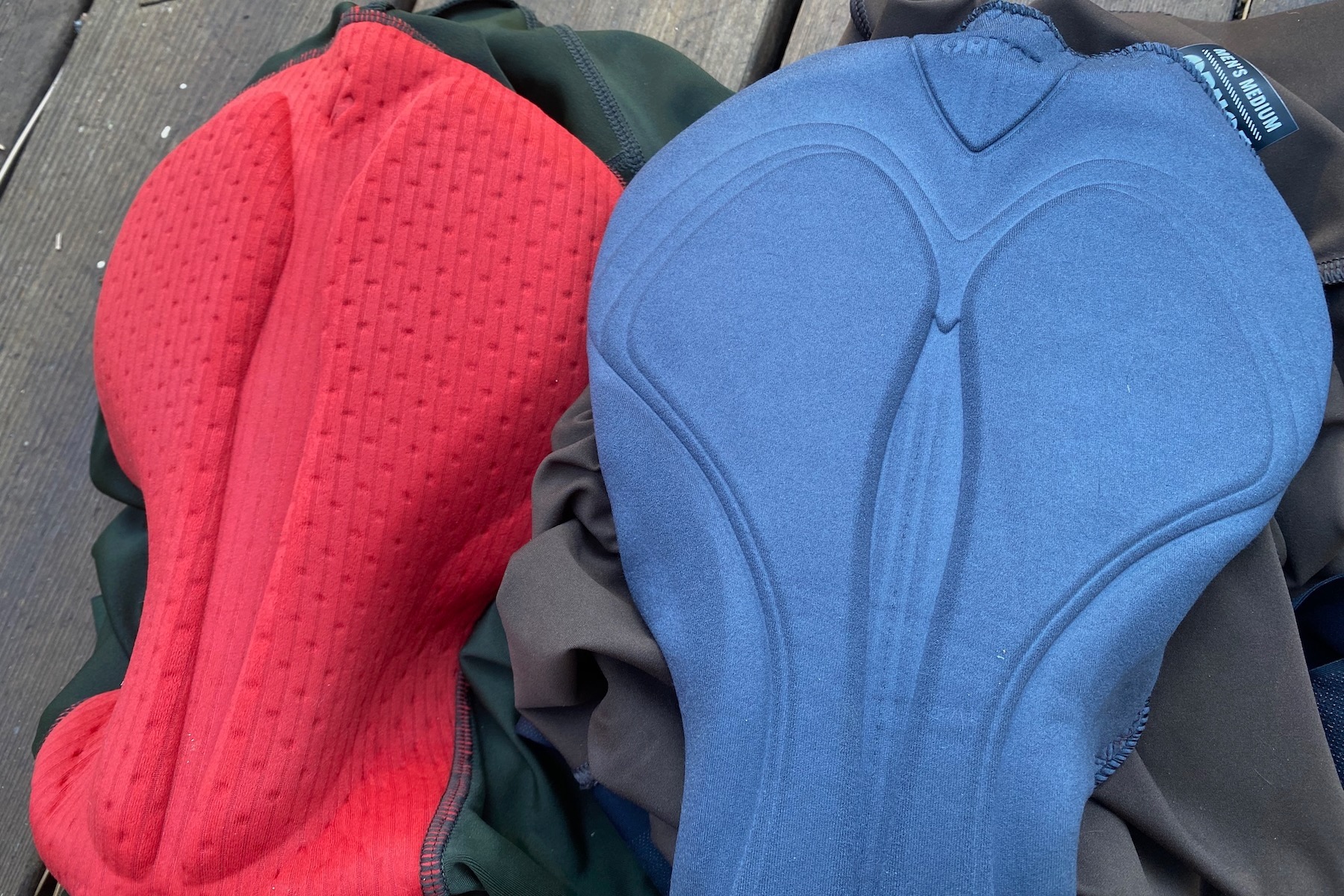
Conversely, racers may prefer a thinner, lower-density pad that offers a more direct connection to the saddle with less interference and friction during high-cadence, high-intensity pedaling. Low-density pads are supple and accommodating, meaning the pelvis can rotate forward freely to achieve an aggressive riding position. Low-density padding can easily conform to your anatomy, which may offer a more secure and naturally comfortable fit.
Beyond thickness, pads also vary in length and width, and this will factor into whether your bibs fit properly. Thankfully, many companies have incorporated size-specific pads that are designed to proportionally match the size of the legs and waist.
Materials and Stitching
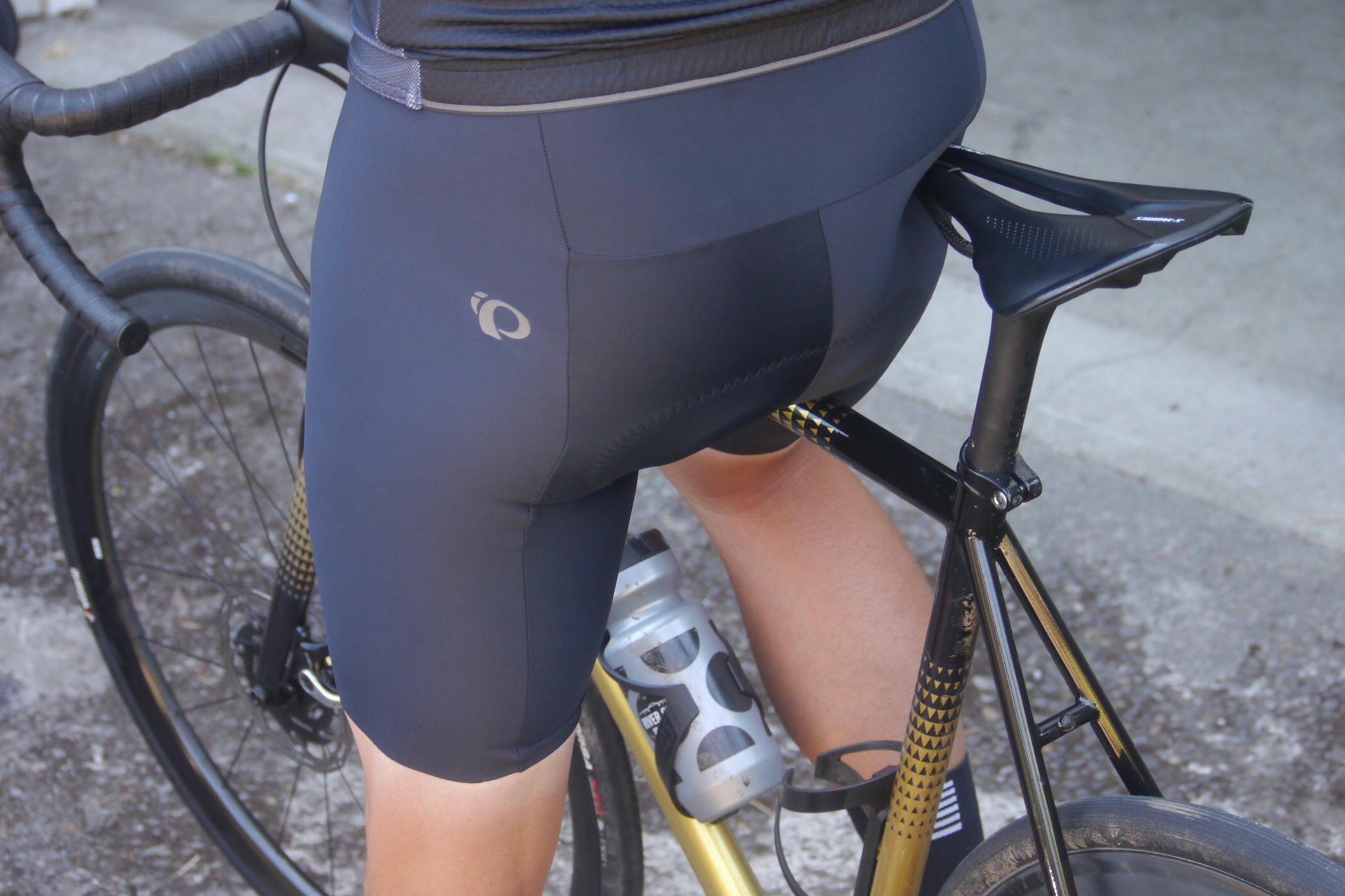
Most cycling shorts are made from similar materials that consist of a blend of nylon/polyester/polyamide and Lycra/spandex/elastane. These fabrics are designed to be thin, lightweight, and quick drying while also providing a good amount of stretch and/or compression. The main body of the shorts is typically divided into panels with the goal of contouring the shorts to the shape of the body.
These panels then need to be stitched together, and the stitching can markedly affect the fit and comfort of bib shorts. More advanced bib shorts will be constructed with less stitching, thanks to articulated and flexible fabrics, and a more intelligent arrangement of the fabric panels that surround your body. Poorly placed stitching can result in puckered material or compromised fit and support, while less or better-oriented stitching will often provide a feeling of a second skin.
Stitched seams are also one of the most common points of failure on bib shorts, because of the high degree of pulling and friction to which seams are subjected, along with the significant stretch built into the fabrics used in their construction. Therefore, minimal and intelligently placed stitching is key for both comfort and the longevity of bib shorts. While significant stretchiness is required for bib shorts, this stretch must be balanced with durability and support. More advanced fabrics balance all three of these demands and also evacuate moisture rapidly during intense efforts in warm conditions.
Straps
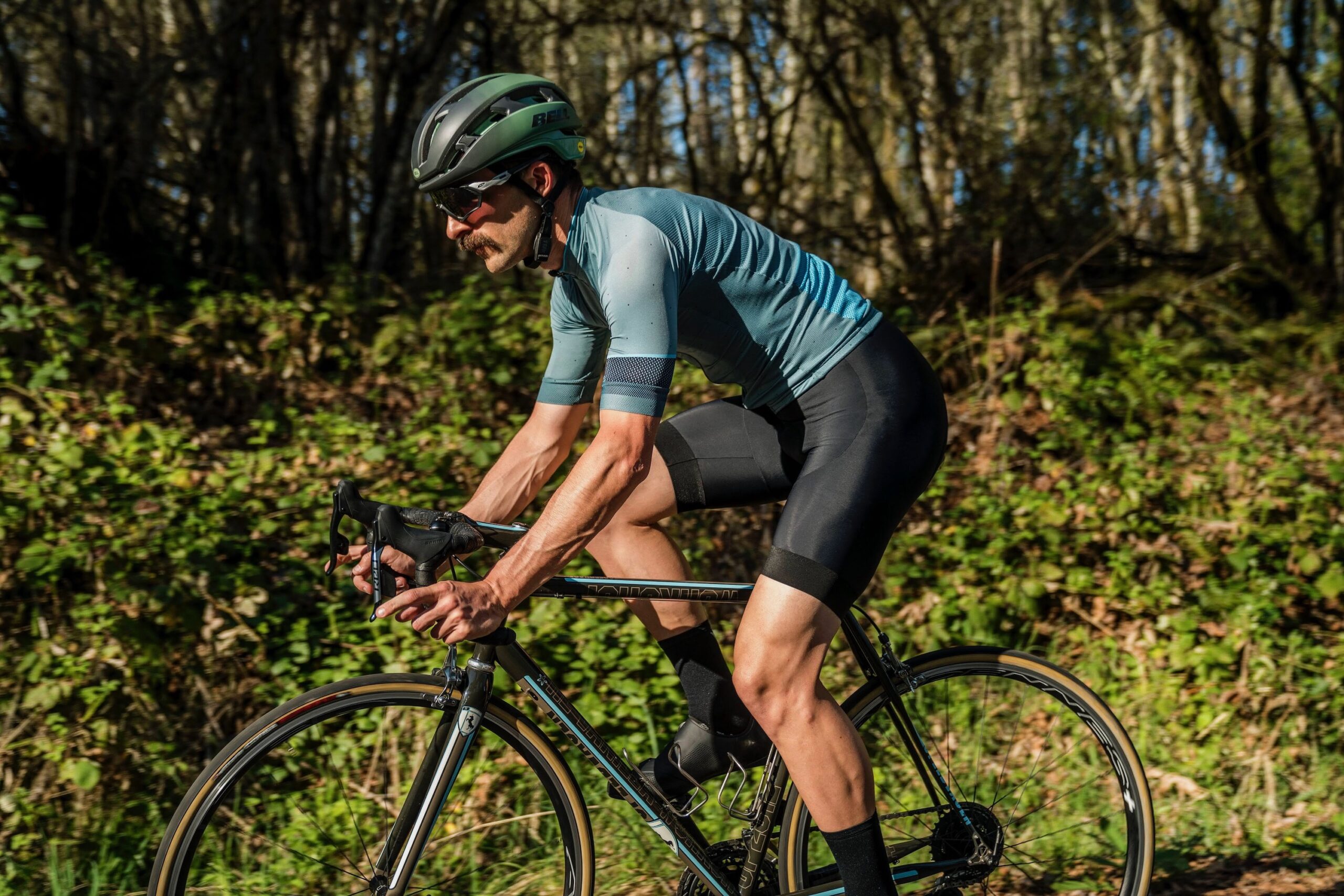
A defining feature of bib shorts, the straps must stretch to fit a wide range of torso and shoulder shapes, but should also remain flat against the body and avoid chafing your chest and shoulders. Generating sufficient hold to provide a solid connection between the upper and lower body requires strap material to have an evenly balanced elasticity. Ideally, you won’t feel the straps on your upper body after a few minutes on the bike, but rather just a very light tension over the shoulders.
Traditionally, straps were constructed of simple polyester mesh with thicker stitched trim at the edges. This style of strap worked well for the simple task of holding the shorts up and back, but tended to twist and bunch up, creating pressure points and chafing. These days, most bib shorts feature broad, flat straps that are perforated or made of semi-transparent material, often with edges that are raw-cut, rather than stitched. This type of strap stays flat against the skin to prevent chafing and remains cool enough to keep you dry and comfortable.
Leg Grippers
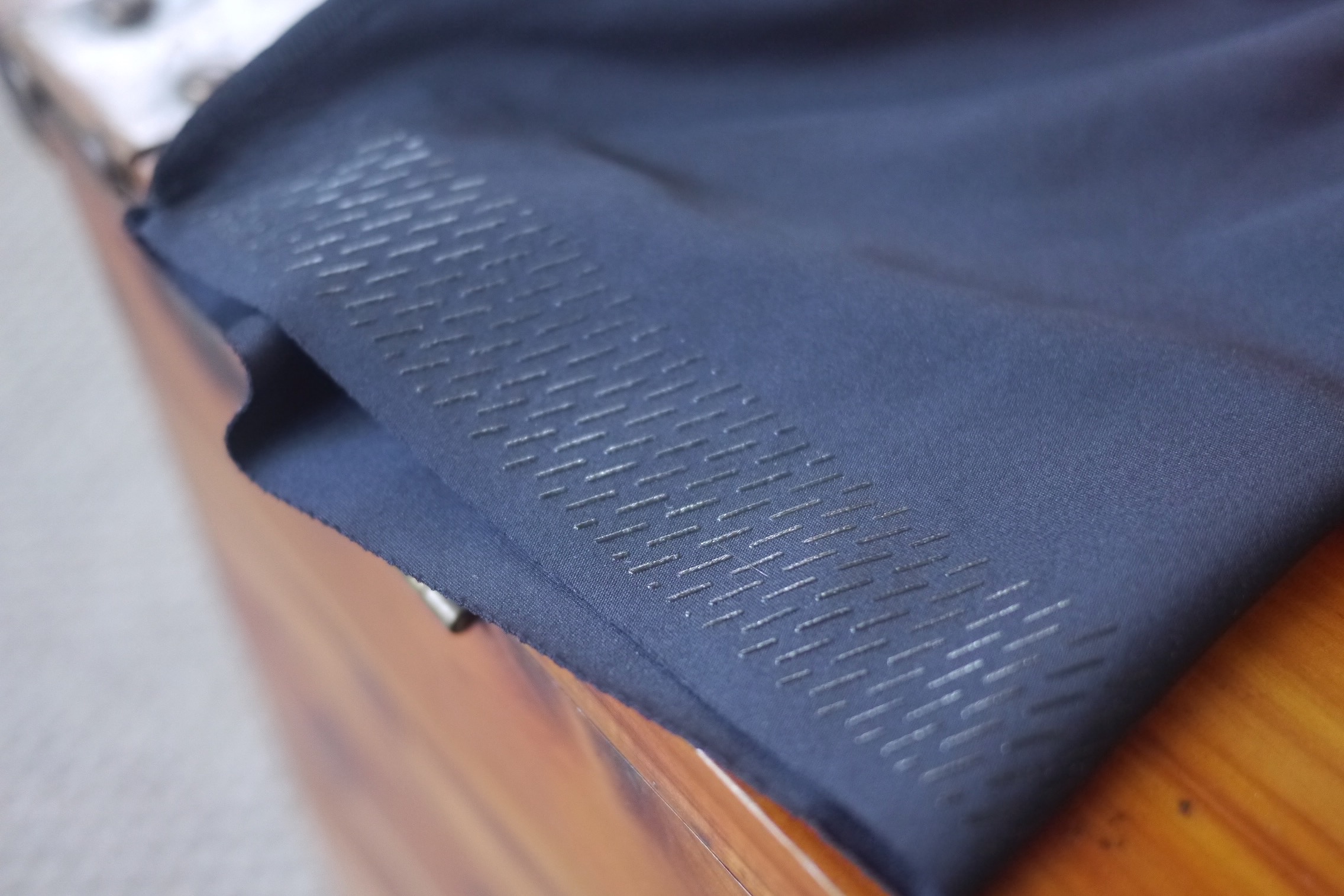
Grippers on the legs of bib shorts prevent the shorts from sliding up the rider’s quadriceps. Well-executed grippers achieve this without generating excessive friction on the skin or impeding the stretch of the shorts’ material in accommodating the motion of pedaling. Many bib shorts, like the Castelli Endurance 4, forego grippers altogether by using Lycra panels in the lower leg that generate grip by way of compression alone. Since the quadriceps expand and contract dramatically during each pedal stroke, grippers do affect fit at the opening of the leg. In a perfectly fitting bib short with the best gripper style for you, there should be no visible gaps between the bib short opening and your leg throughout your pedaling motion.
Cargo Bibs
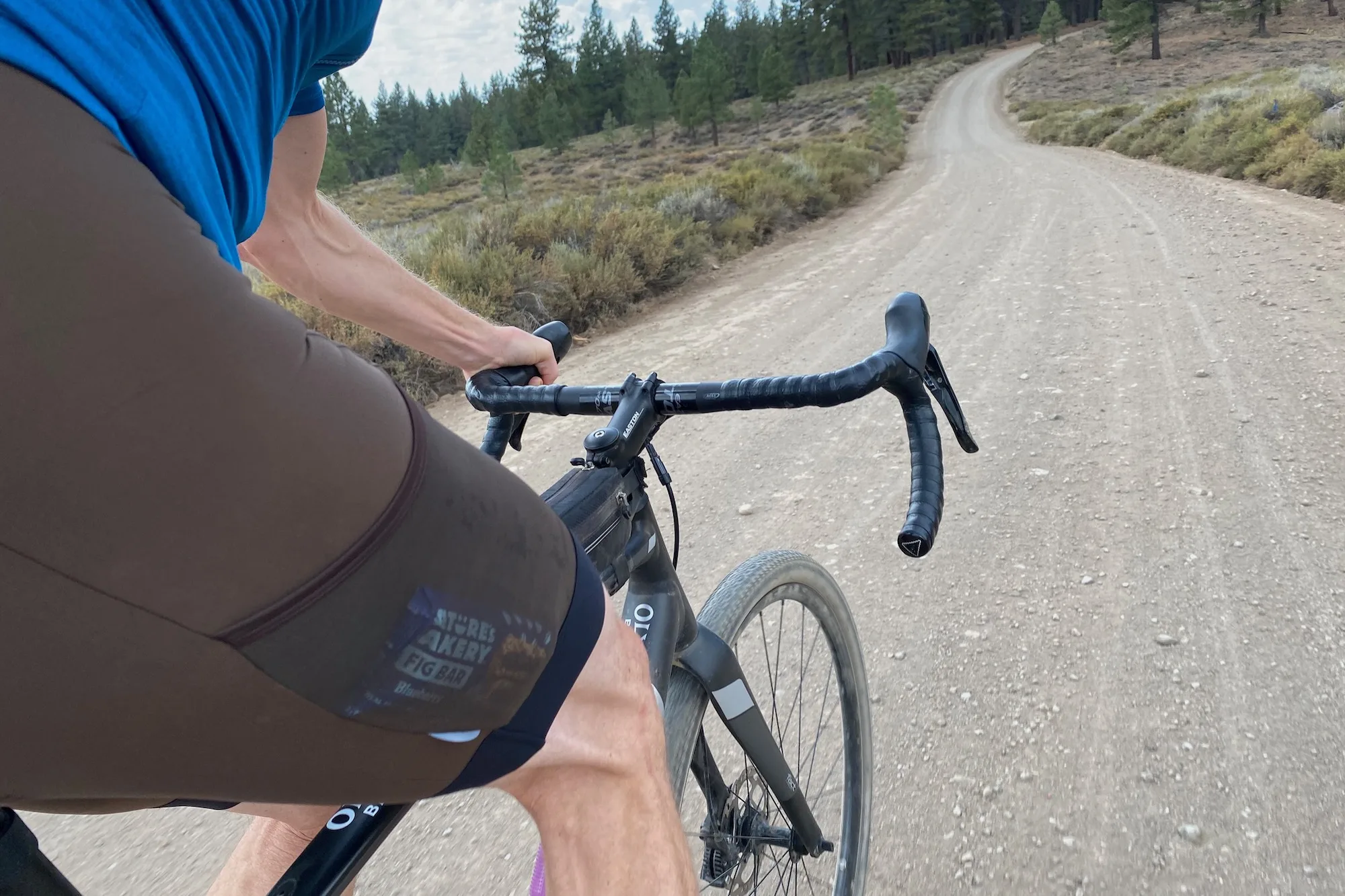
In recent years, cargo bibs have grown in popularity along with gravel, adventure, and long-distance cycling. By simply adding external pockets on the legs and lower back of cycling bibs, cargo bibs provide easily accessible on-body storage. Typically made of stretch mesh or the body material of the shorts, the leg pockets can be easily accessed while riding, making it easy to keep and access snacks, phones, or other ride essentials while you move. Some models also include lower back pockets, which work similarly to jersey pockets and can be very useful if you’re wearing a looser-fitting shirt or jersey without them. Examples of cargo bibs include the Ornot Cargo Bib and the Pearl Izumi Expedition PRO bibs.
Style
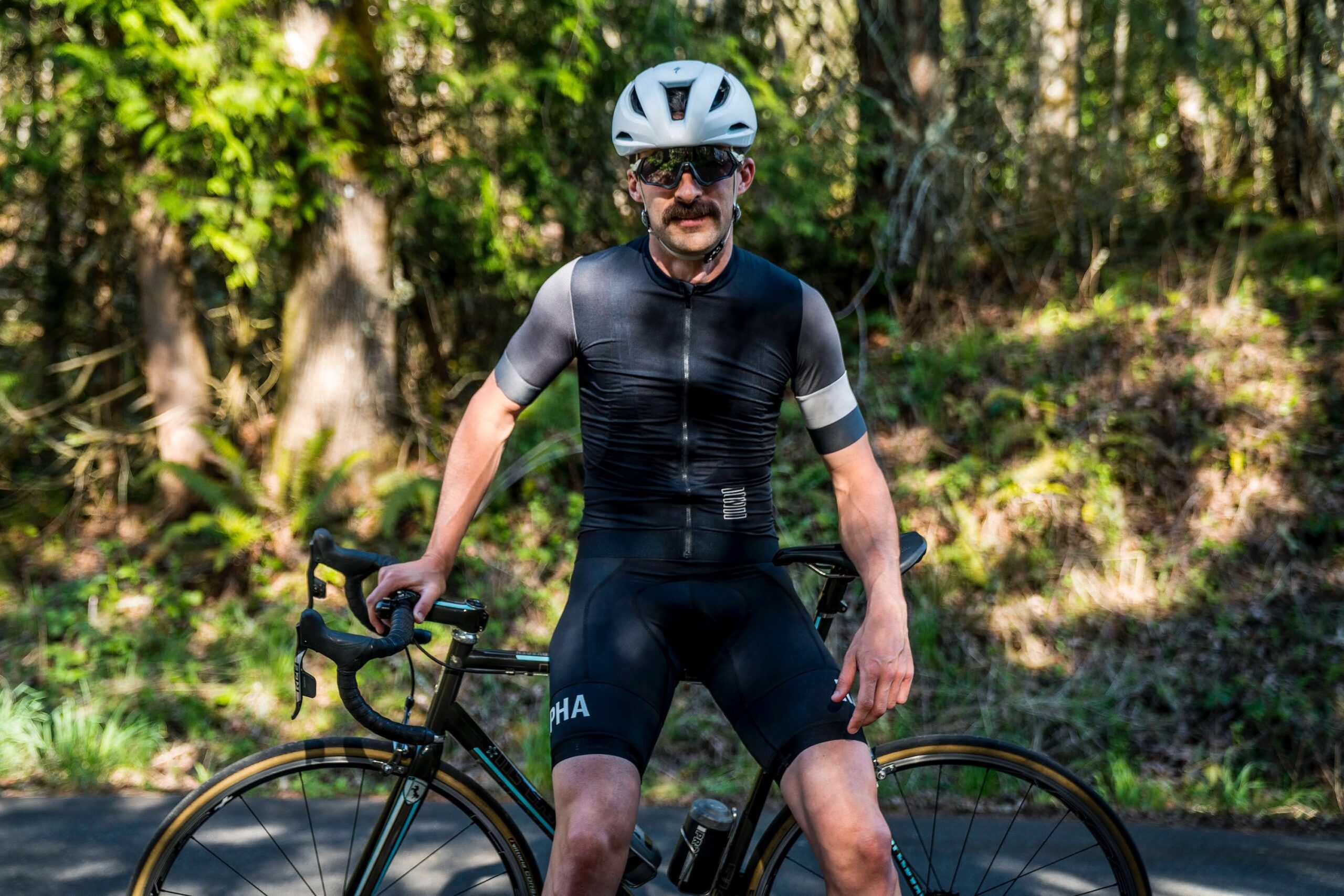
Not everyone wants to look like they are a member of a professional cycling team, and fortunately, these days, you don’t have to. Cycling style is constantly changing, and although tight Lycra kits are still the preferred apparel for the job, bright, busy, and logo-heavy designs have given way to more subdued looks. Most cycling tops and bottoms are now available in solid color options that have a more understated and timeless style. Colors and tones are generally somewhat muted and earthy, although some brighter options are offered by certain brands. Patterns haven’t gone away, and many brands have both shorts and jerseys with pattern designs, stripes, or team/brand logos. The great thing is there are lots of options, so you can choose the gear that suits your personal aesthetic, so you can look how you want to.
Finding the Right Fit
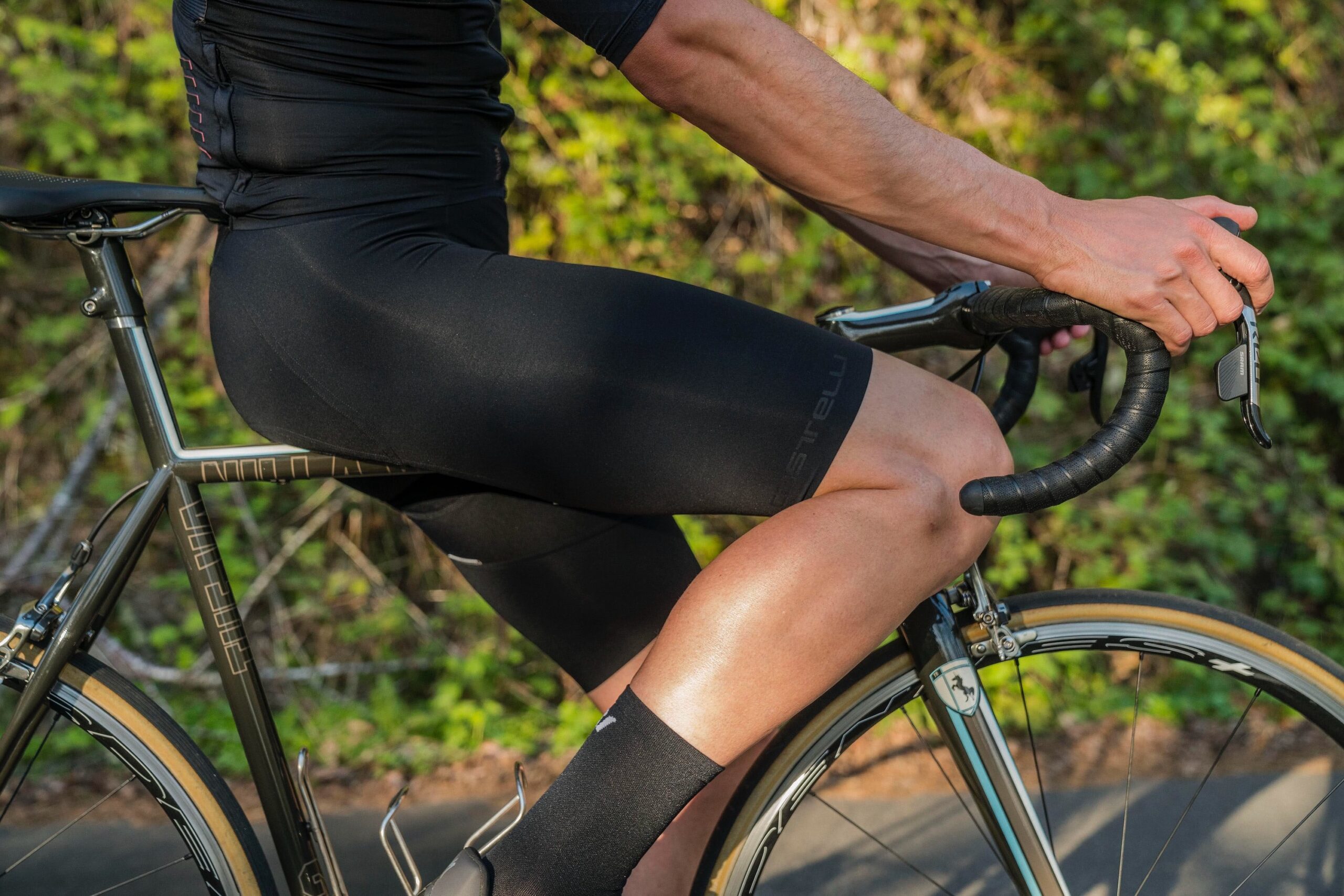
Finding a perfect-fitting bib short can be tricky without getting in the saddle for a test ride. The next best option is to assume your cycling posture when trying on any bib shorts you are considering. In this position, assess the overall fit and feel, checking closely for any discomfort or ill-fitting areas. It’s fair to also judge bib shorts based on how easy (or difficult) it is to pull the straps up and over your shoulders. That said, remember that bib shorts are not designed to be perfectly comfortable when standing upright, and that’s precisely why it’s important to use the cycling position to assess their fit.
If possible, we recommend trying bib shorts on to ensure they are a correct fit. Like any other clothing, they come in a range of sizes to fit various body shapes and sizes. Bib shorts are designed to be form-fitting and have stretch engineered into the fabrics. All provide at least a little compression, although some are specifically designed to be highly compressive. They should be supportive, comfortable, and free of excessively loose or tight spots or pressure points that could cause discomfort over time.
Fortunately, most brands have detailed sizing charts and/or fit guides to help you narrow in on your size.
Bike Saddle
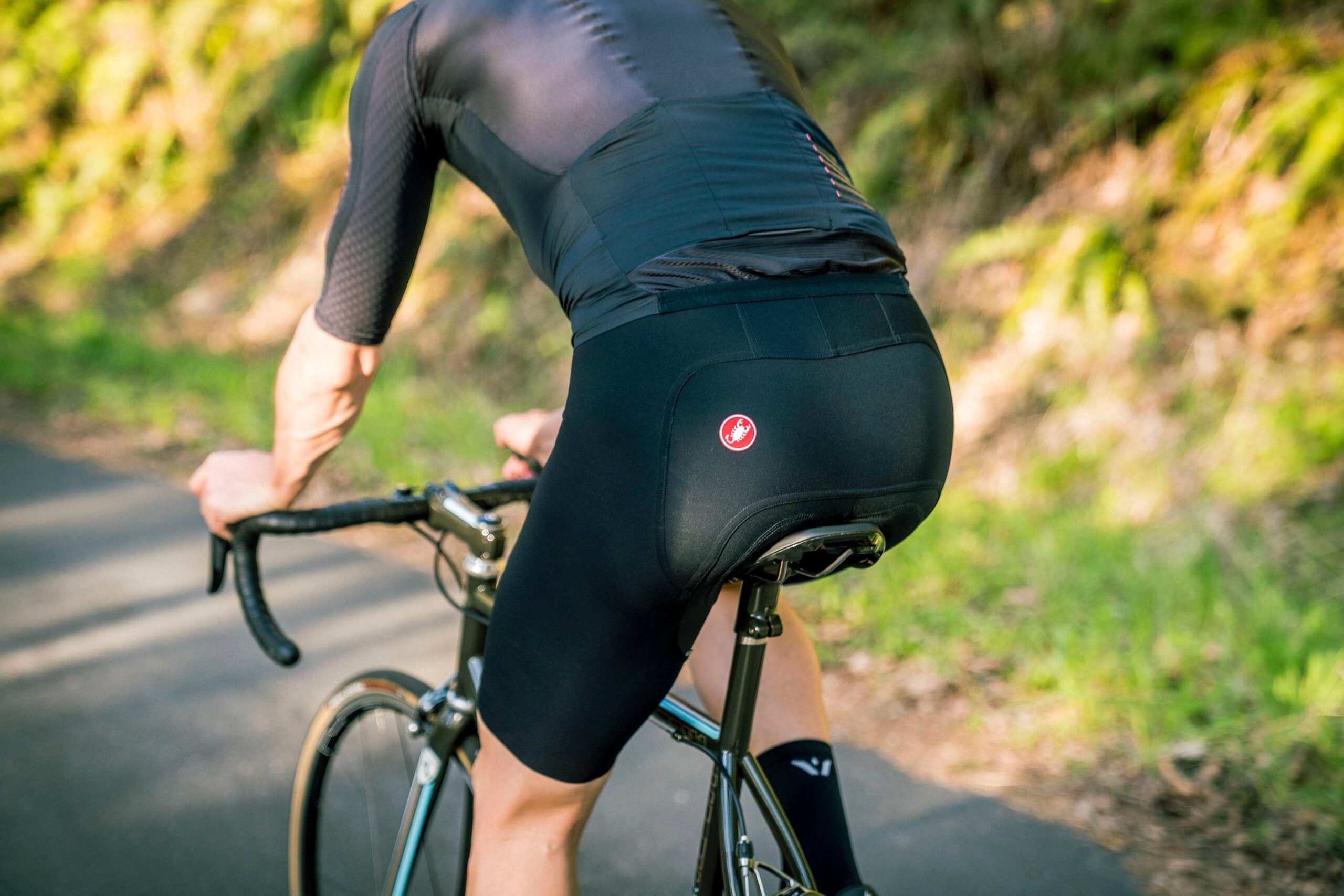
The saddle on your bike is another important variable in the comfort equation. Getting a saddle that fits your anatomy and intended use is an absolute must for any serious cyclist. Saddles come in varying widths, profiles, and designs to suit different sit-bone widths, body shapes, and riding styles, and finding the right one can make a huge difference in your comfort, enjoyment, and performance on the bike. There are loads of saddle options on the market, so if you’re experiencing seated discomfort on the bike, we’d recommend experimenting with different models to find something that fits your body and the type of riding you do. Our review of the best road bike saddles is a great place to look if you’re in the market for a new one.
Price & Value
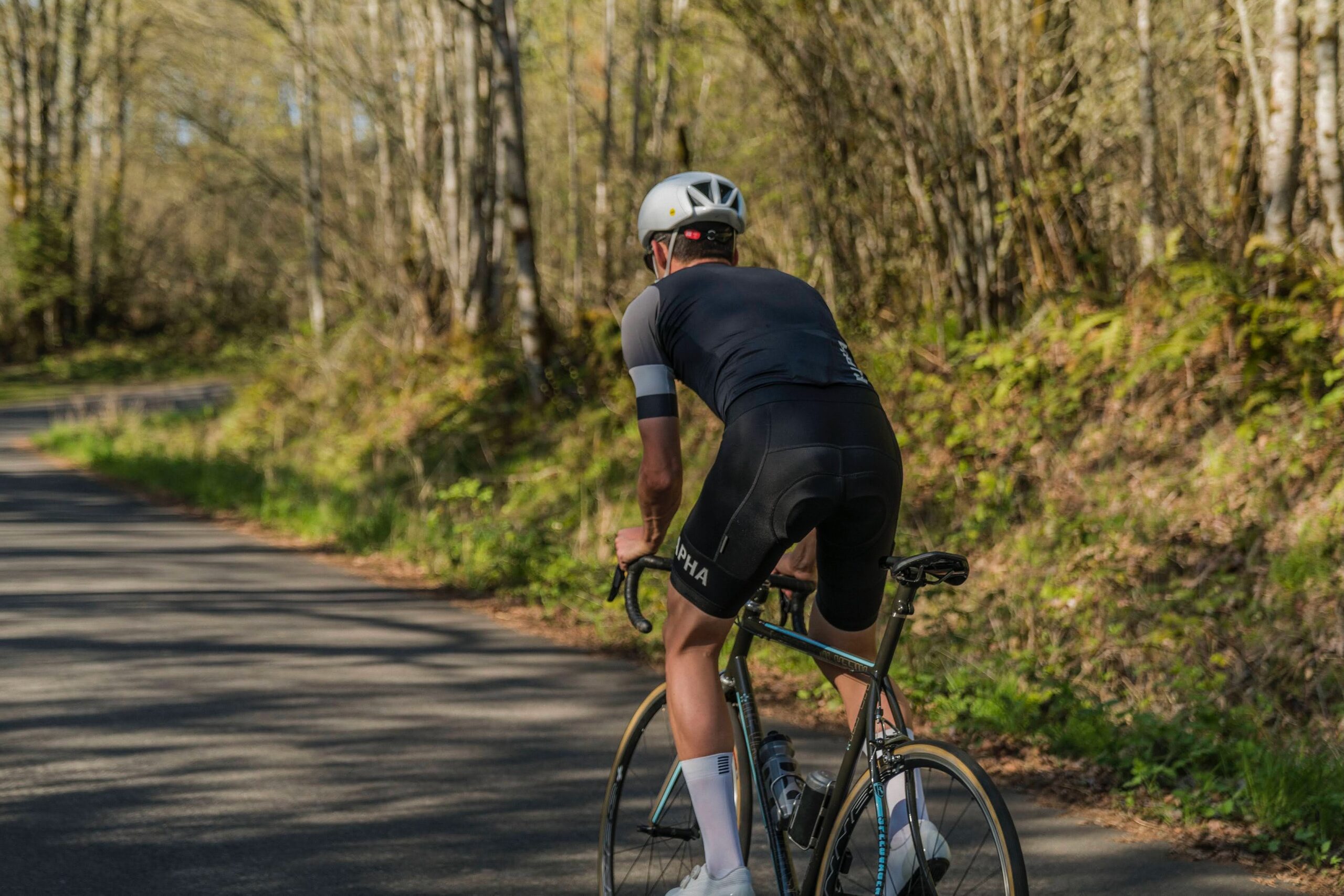
Like anything else in cycling, bib shorts come in a wide range of prices — $80 to $400 among the models we tested. Since they all aim to perform roughly the same function, it makes you wonder what sets the budget-friendly models apart from the premium options and what the differences are.
Budget
If you’re new to the sport or simply don’t have a lot of money to spend on fancy Lycra cycling gear, there are quite a few quality options at the lower end of the price spectrum — between roughly $80 and $150. Generally speaking, budget-friendly cycling bibs have improved dramatically in recent years as materials, design, construction, and even chamois pads have evolved and trickled down. The affordable bibs of today are often as good or better than the high-end bibs of a decade ago, even if they can’t compete with today’s premium options.
Take the Pearl Izumi Attack ($125), for example. These are one of the least expensive models we tested, but they still perform admirably and dutifully on any ride with a comfortable chamois, straps, and wicking materials. They aren’t the most compressive or the most stylish, but they absolutely get the job done at a fraction of the price.
Don’t want to spend that Much? The Black Bibs Ultimate ($80) is a solid option to consider. They use more traditional construction and more basic materials, but they absolutely get the job done and don’t look half bad, either.
Mid-Tier
In the middle of the price spectrum, roughly $150-250, most riders will find the sweet spot in the price-to-performance ratio. Here, brands use fancier and more luxurious materials, higher-quality seat pads/chamois, more advanced paneling, and sleeker, more comfortable leg grippers and straps. Often, the use case may be more specific — racing, endurance, etc., or they may include features like cargo pockets.
In many cases, it can be hard to tell the difference between the mid-tier and premium options in either performance or appearance. Take the Giro Chrono Elite Bibs ($220), for example. Made from recycled material and featuring laser-cut leg grippers and straps, these bibs keep their super comfortable chamois positioned perfectly on any length of ride. They also happen to look great, which begs the question, why spend more?
A little higher up in this price range, the Ornot Cargo Bibs ($228) have a killer fit, comfortable materials, and cargo pockets to keep essentials in arm’s reach. The pad is comfy for all-day rides, which is good because you’ll be able to carry plenty of food in those cargo pockets.
Premium
Once you break the $275 threshold, we enter the high-end of the cycling bibs market. Believe it or not, some bibs exceed the $400 mark. Up here in the price stratosphere, bibs are almost always riding style or conditions specific, with different chamois pad types, super advanced materials, seamless leg grippers, or promises of marginal aerodynamic gains.
Our top-rated Velocio LUXE ($299) sits at the lower end of the premium price tier, yet they are still our favorite. With exceptionally comfortable fabric, well-balanced compression, a killer fit, great chamois, and style for days, these bibs make it hard to want to ride in anything else. Climbing up a price rung, the new Pearl Izumi Pi PRO/BLACK ($350) brings high compression, aero texture, a stellar chamois, and a modern fit and style. These bibs use high-end materials, construction, and the latest watt-saving material tech, which commands a higher price.
The Rapha Pro Team Powerweave ($400) are the most expensive bibs we tested. This is due partly to the Rapha brand name but also to the highly technical material and construction of the shorts. The unique Powerweave material magically combines an impressively light weight and excellent breathability with great compression and muscular support — not to mention a stellar chamois.
Frequently Asked Questions
In our opinion, yes! Sure, you can ride without padded shorts, but… Padded shorts exist for a reason, and that is to enhance your seated comfort, and ultimately your enjoyment on the bike. While thin, seat pads, or chamois, provide a layer of cushioning between your sit bones and perineum and your bike’s saddle. These pads are roughly the shape of a bike saddle with padding strategically placed to provide cushioning and support. These pads also serve to absorb and wick away sweat and moisture which helps improve comfort and potentially reduces the likelihood of sores, irritation, and infection.
While padded shorts without shoulder straps do work okay for cycling, we always prefer to ride in bib shorts for several reasons. Traditional shorts without straps typically have an elastic waistband to keep them snug around the waist and prevent them from slipping down. While somewhat effective, the tension on the waist can press on the abdomen, especially when in the forward riding position, which can be quite uncomfortable. Additionally, regular shorts usually start to slip down or sag after a while, which can reveal some of the lower back and/or allow the pad to move out of its optimal position.
Overall, we feel that bib shorts are far more comfortable. The straps that hold the shorts up negate the need for a tight waistband and help to keep the shorts in the right position without any unwanted pressure on the lower abdomen. When articulated forward in the riding position, the straps keep the shorts from sagging while holding the seat pad in the correct position, regardless of how you move around on the bike.
Padded cycling shorts are intended to be worn without underwear. There are several reasons, but the first is that the pad itself is designed to be worn directly next to the skin. When fit properly, padded shorts are snug against the body and hold the pad in the correct position. Putting a layer of underwear in between can compromise the pad’s positioning, and the extra material will likely bunch up and cause discomfort, chafing, or irritation over time. The pads are also intended to absorb and wick sweat, and your underwear will likely disrupt this process and hold moisture which can cause additional problems.
Like anything in cycling, bib shorts can be very expensive. While you certainly can spend upwards of $300 on a high-end model, there are plenty of options at lower price points that get the job done. The primary differences are in the materials used in the body of the shorts, straps, and seat pad, as well as the design and construction. Most of the time, the high-end models use higher-quality fabrics, fancier pads, and construction methods that result in greater comfort or some marginal performance gains. Racers or those who spend long hours in the saddle multiple days a week will likely notice and benefit from more expensive bib shorts, while those who ride more casually, less frequently, or for shorter periods of time may be just as happy with less expensive options. Fortunately, even the least expensive models we tested are as good as the best shorts on the market from a decade or two ago, so it’s a good time to be a cyclist.
Spend what your budget allows. Plenty of people have lots of disposable income and won’t flinch at paying $300-$400 for the best bib shorts on the market. If you’re on a tighter budget, you don’t have to shell out the big bucks for shorts that will get the job done. We’re big fans of some of the moderately priced option on our list, including the Castelli Endurance 4 ($175), the Ornot Cargo Bibs ($228). Less expensive options like the Pearl Izumi Attack ($125) and The Black Bibs Ultimate ($80) cost even less and work very well, especially considering the price. That said, if you’re riding a ton, it may be worth spending more on a high-end model.
This is generally a personal choice as it seems that some riders don’t need it, while others won’t go on a ride without it. If you experience chafing or saddle sores, it may be worth experimenting with certain creams that may help lubricate your seat pad and skin interface to help prevent it. If you do not have any issues with chafing or soreness, you can probably not worry about it.
The Best Handlebar Tape of 2026
We tested 16 of the best handlebar tapes on the market to help you find the best one for this critical contact point on your bike.
The Best Mountain Bike Handlebars of 2025
After testing 11 of the best mountain bike handlebars on the market, we’ve got recommendations to suit your needs, preferences, and budget.