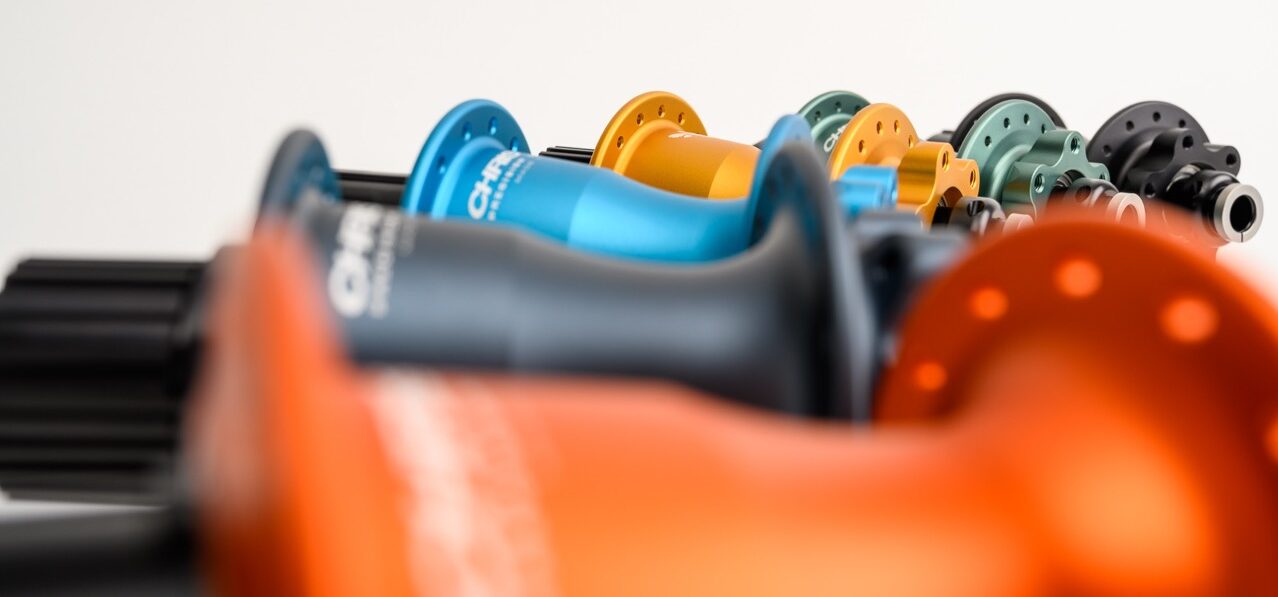


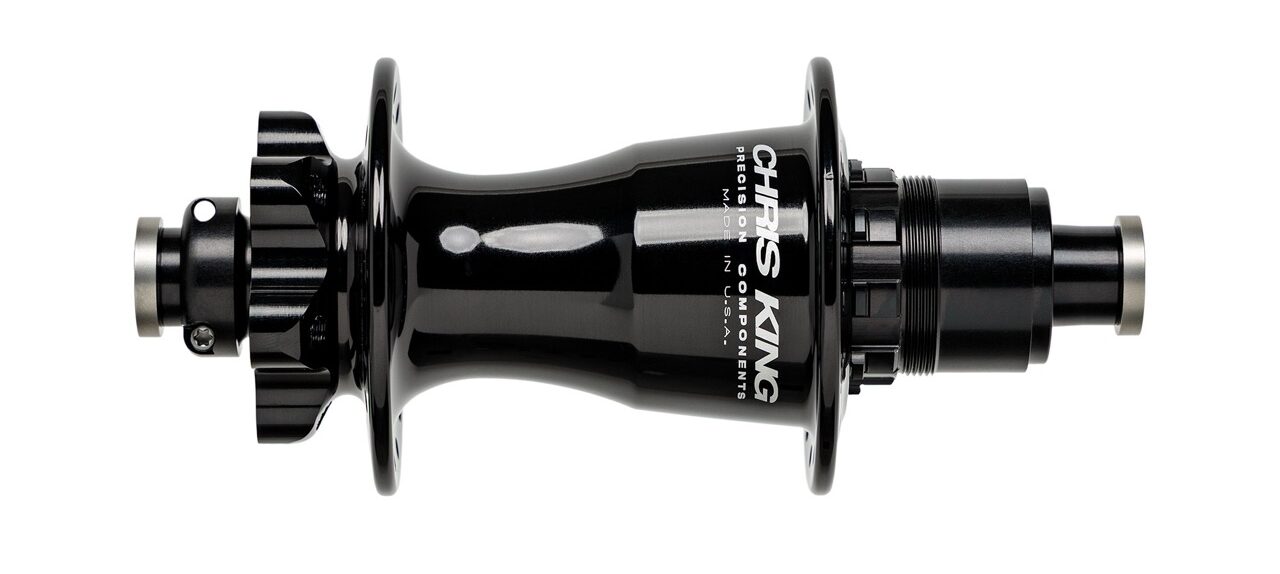
Portland, Oregon’s masters of precision, Chris King Precision Components, continues to celebrate 50 years by expanding their mountain hub lineup with SuperBoost 6-Bolt hubsets.
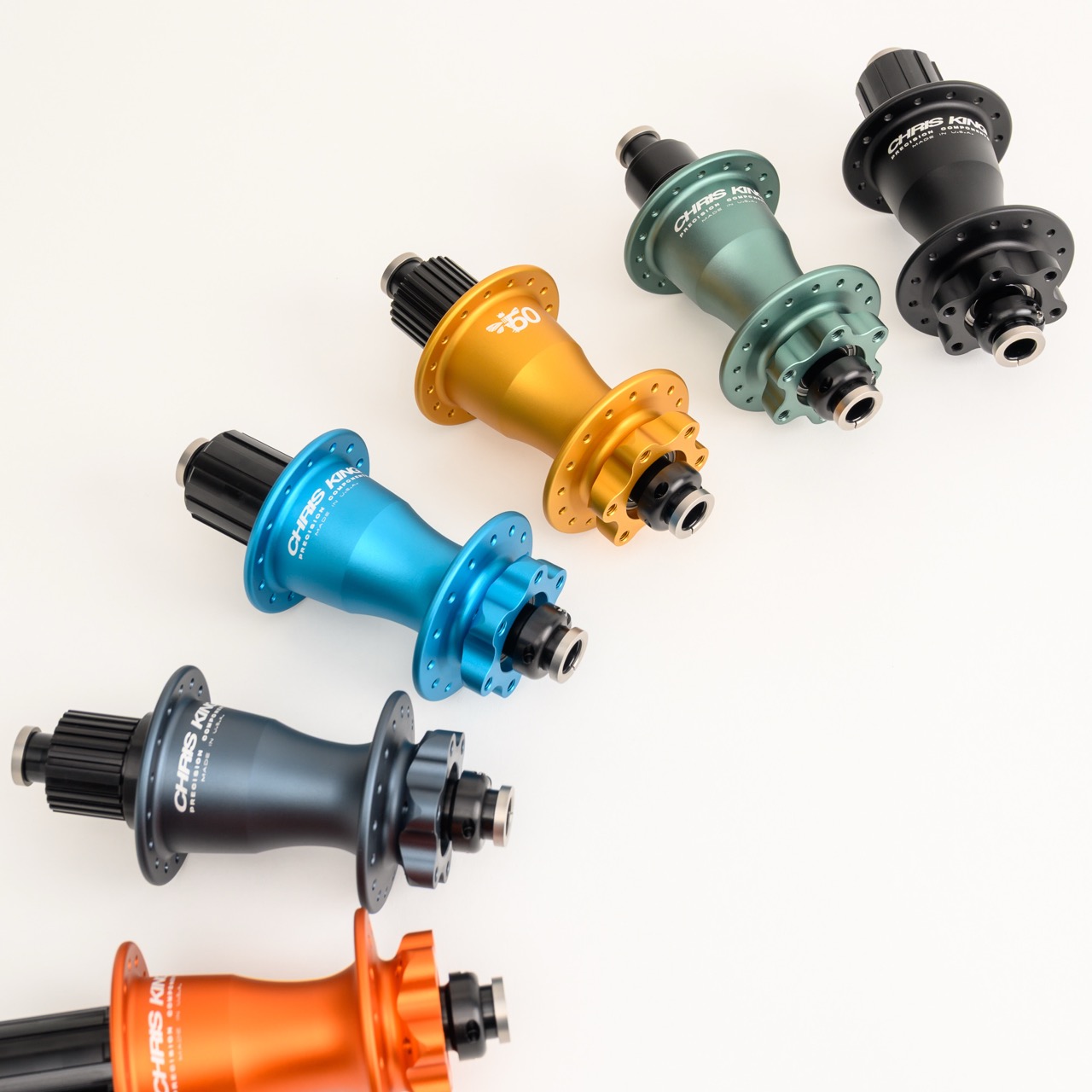
The new SuperBoost 6-bolt offering joins King’s other 6-bolt hubs, as well as the Centerlock options, completing their entire mountain hub family.
What’s Kirby have to say?
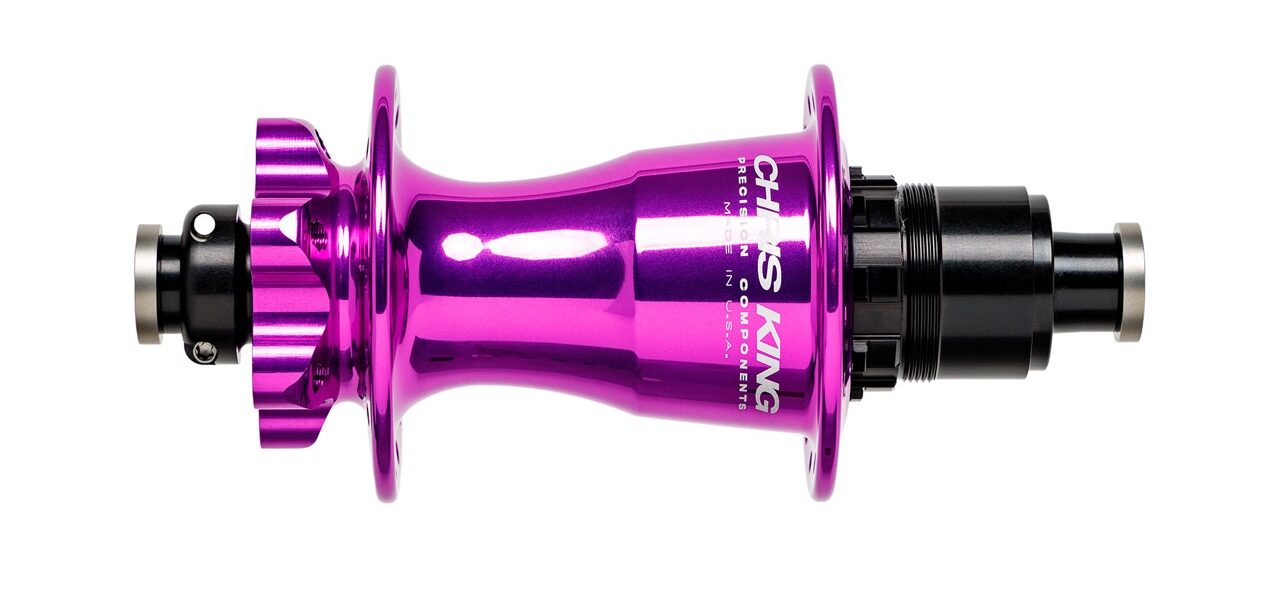
Chris King’s President, Kirby Bedsaul, had this to say.
“Now we offer 6-Bolt compatibility across all of our mountain hubs.” He continues, “It really completes the picture for riders across the spectrum. All Chris King mountain hubsets are now available in either brake standard and can run either 36‑tooth or 72‑tooth RingDrive too, giving riders unprecedented tuning capability and making these the highest‑performance, rider‑configurable hubs on the market.”
What does Jackson Goldstone have to say?
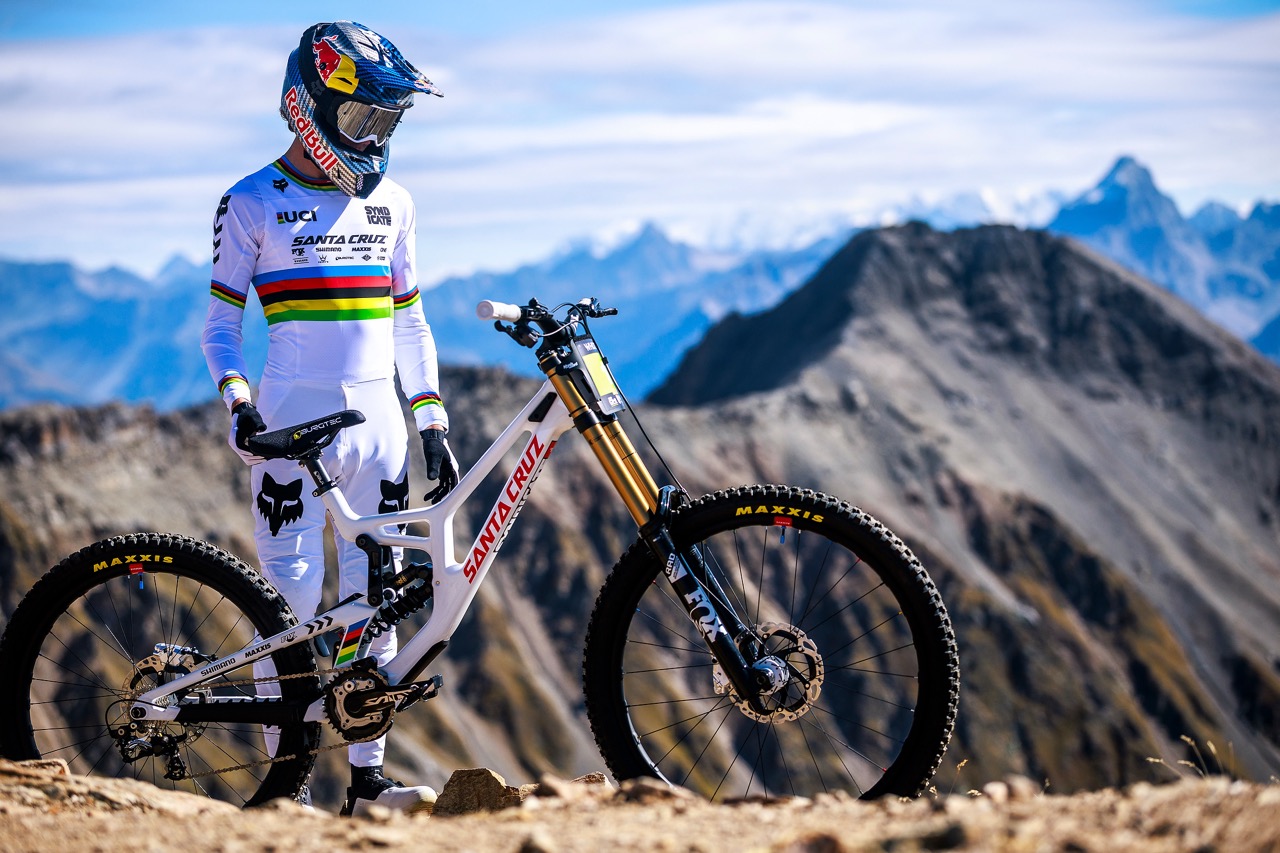
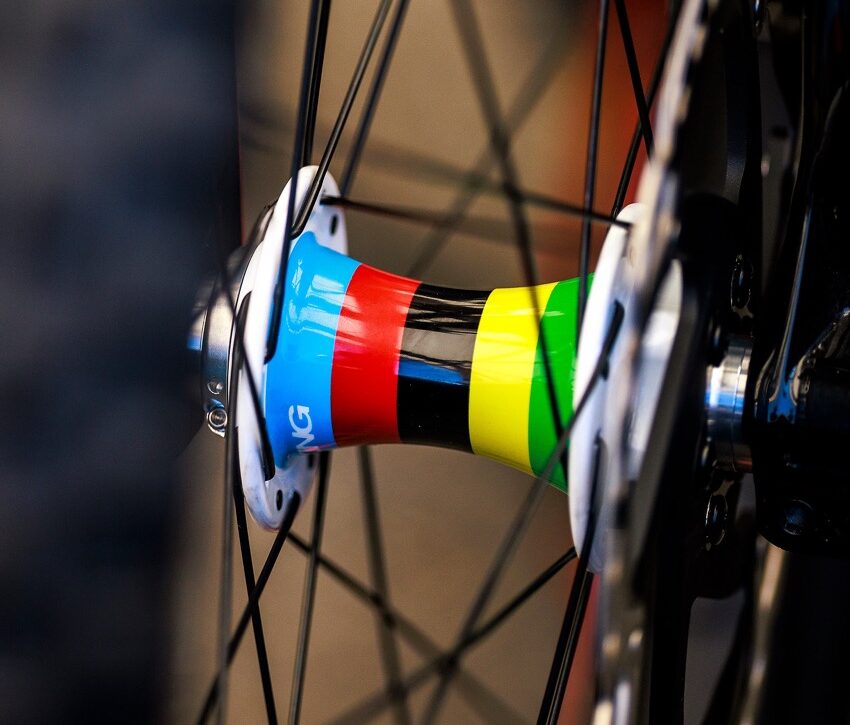
While King mountain hubs have traditionally used a 72 tooth RingDrive system, all mountain hubs are now compatible with either the 72t, or the newer 36t option. The 36-tooth RingDrive system was developed in collaboration with the Santa Cruz Syndicate downhill racing team and specifically influenced by current Downhill World Champion Jackson Goldstone’s feedback and race performance.
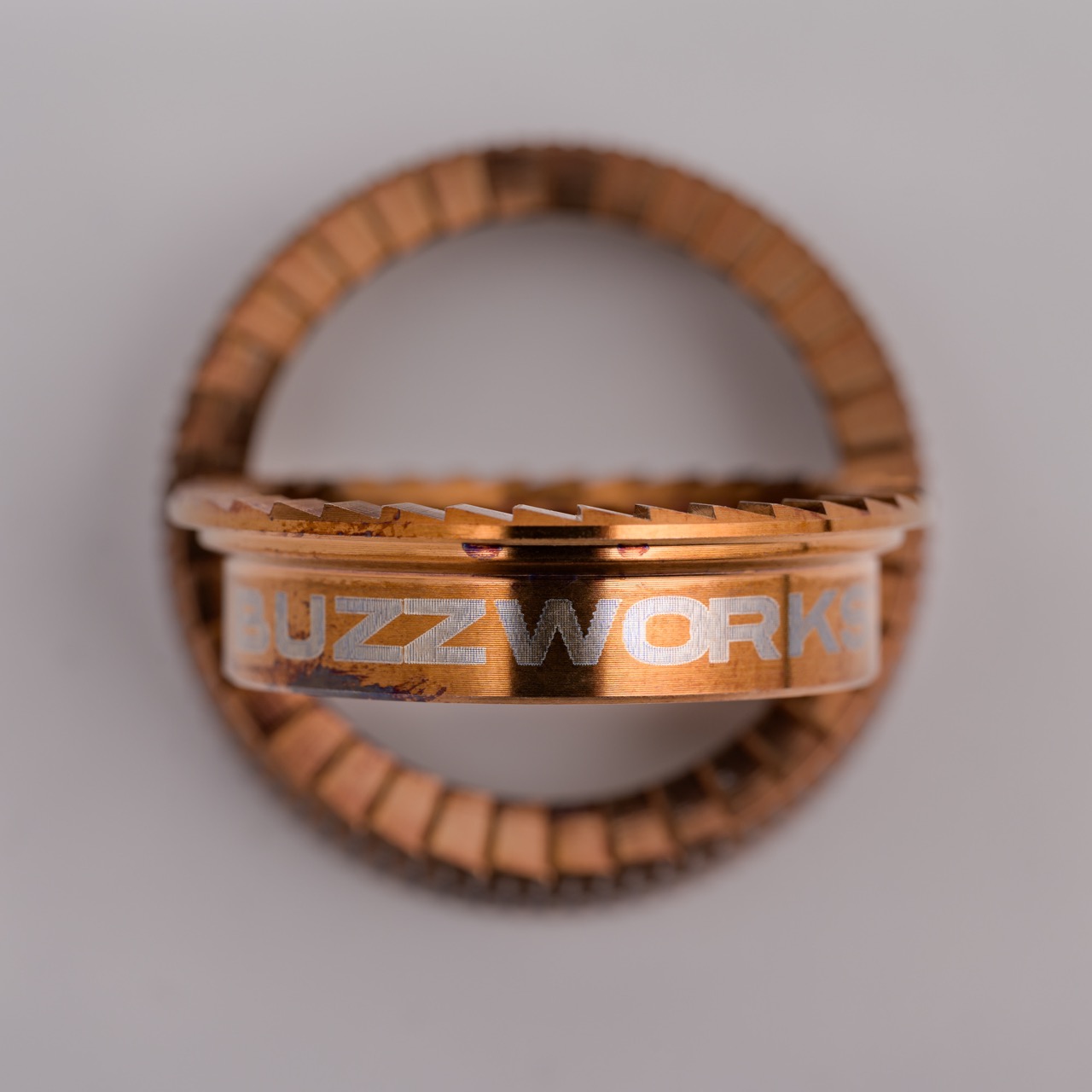
The 36-tooth option is a departure from Chris King’s traditional 72-tooth RingDrive system. King’s standard 72-tooth hubs provide 5° of hub rotation before engagement, whereas the new 36-tooth version increases this to 10°. This creates what the company describes as a balance between pedal engagement and reduced drag.
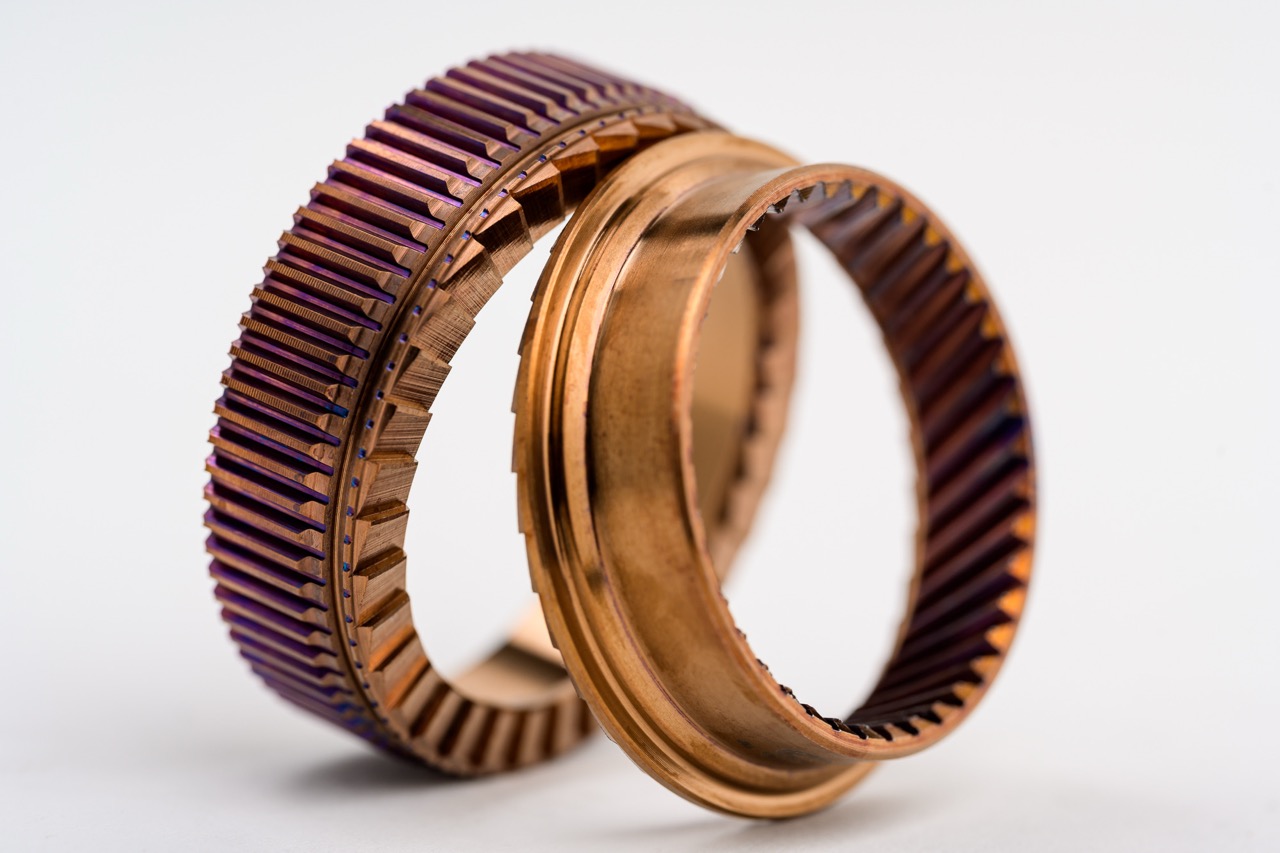
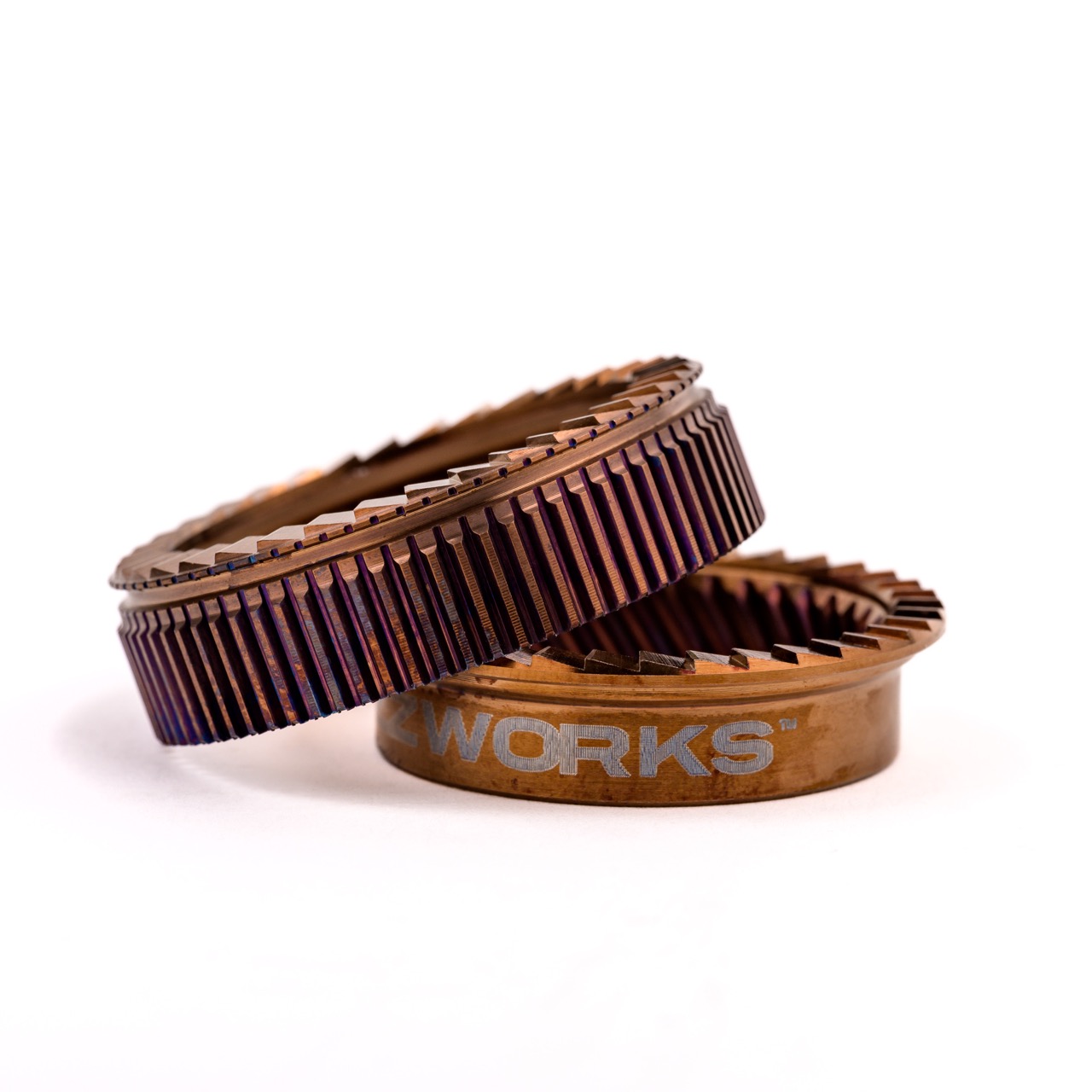
The 36-tooth system redesigns the drive ring teeth to minimize contact patches, which, in turn, reduces hub drag and creates more space for RingDrive 2.0 lubricant. Both drive ring options remain backward compatible with ISO, Classic, and Boost hubs manufactured since the 1990s.
Testing with the Syndicate team during the second half of the racing season revealed that the 36-tooth system operates much more quietly than the standard option.

This quieter operation made it easier for riders to hear tire and dirt interaction, suspension movement, and other bike feedback that provides valuable information during technical riding. The reduced noise was particularly valued by professional riders who rely on audio cues for performance feedback.
Chris King wants you to know that the new 36-tooth ring drive option targets gravity-focused riding. They still recommend their standard 72-tooth hubs for most riders who pedal more than they coast. Plus, riders can swap drive rings depending on terrain requirements.
The new SuperBoost 6-Bolt hubsets and 36-tooth RingDrive components are now available through authorized Chris King retailers. Check out the link for more details.